

Specialization

Specialization in Branding Typography: Craft Memorable Brand Identities

Master branding typography to create memorable identities using advanced techniques in logo design and visual storytelling

Specialization · 6 modules

Embark on a journey of typographic branding mastery, designed for those eager to create memorable brand identities through the art of typography. Explore the fundamentals and advanced techniques of typographic branding, from conceptualizing logos to building cohesive typographic systems. Delve into the essence of brand communication and discover how typography can elevate a brand's identity, making it resonate with audiences and stand the test of time.

Guided by experts such as Carlos Mignot, Fabio Haag, Monotypo Studio, Ellen Lupton, and Plau, gain insights into crafting unique typographic solutions that convey a brand's soul. Learn to select and combine fonts that enhance corporate identities, personalize existing typefaces, and use typography to tell compelling brand stories. By the end, expect to have a comprehensive skill set that allows you to design intricate typographic systems, ensuring your creative work stands out in the competitive world of branding.

Read more ↓

What will you learn in this specialization?

A total of 6 modules and 77 lessons
A total of 12h 39m of vídeo lessons
Taught by 5 selected expert teachers
image
3
What Are Soulful Brands?
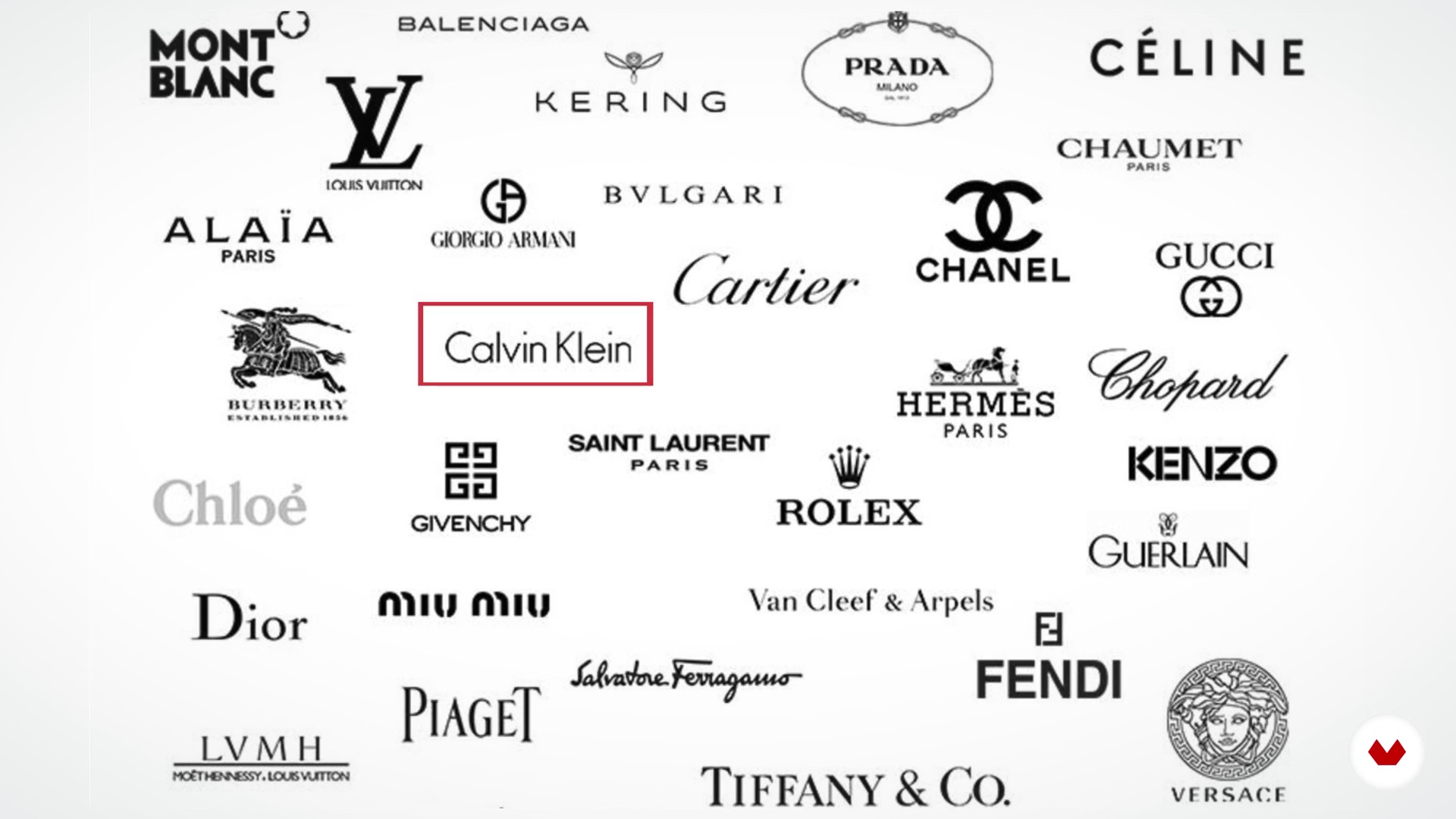
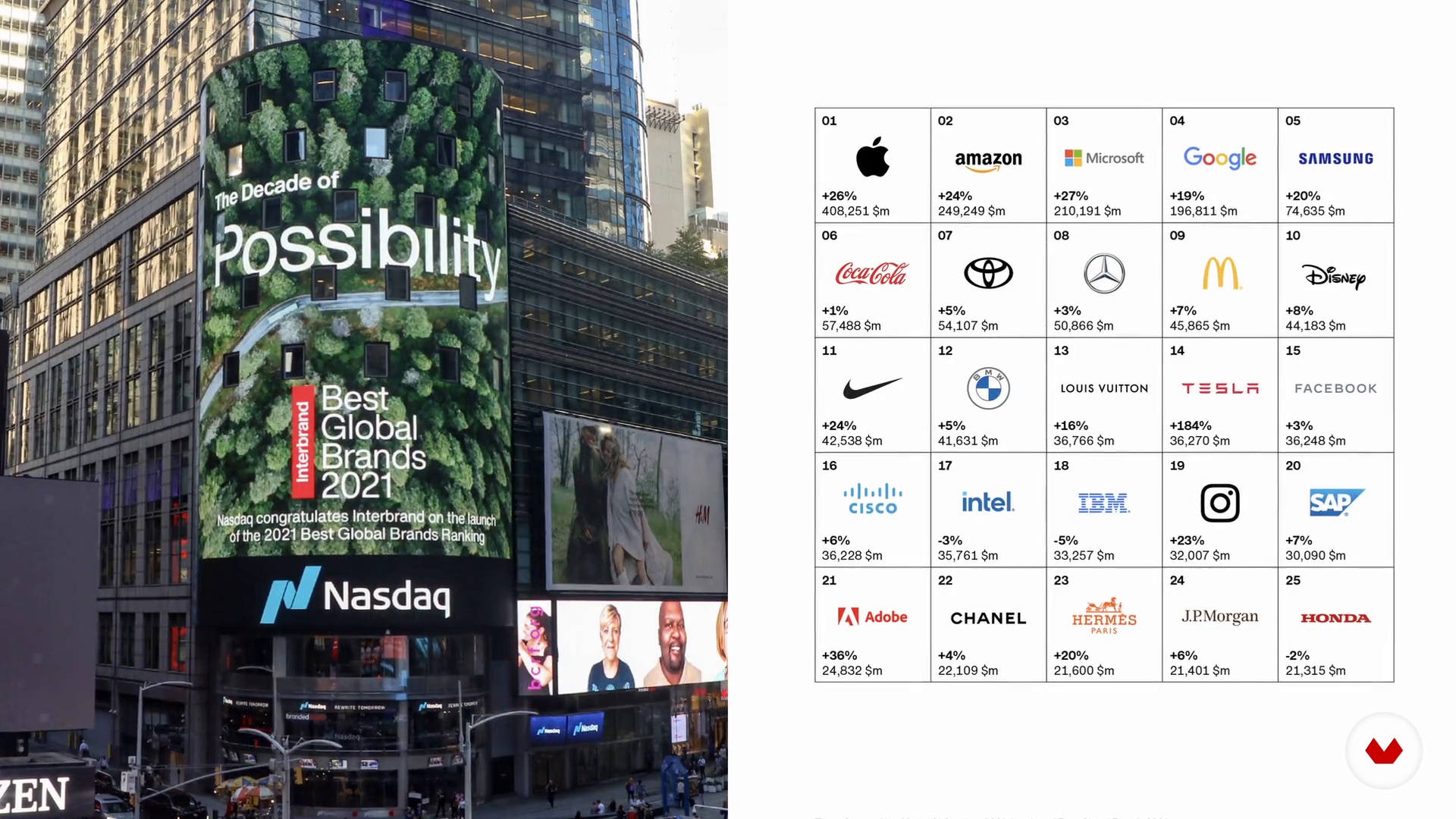
In this class, you will see that leading brands inspire their audience because they make their purpose clear in their communication and throughout the company's culture.
5m
image
4
Understanding the Letters
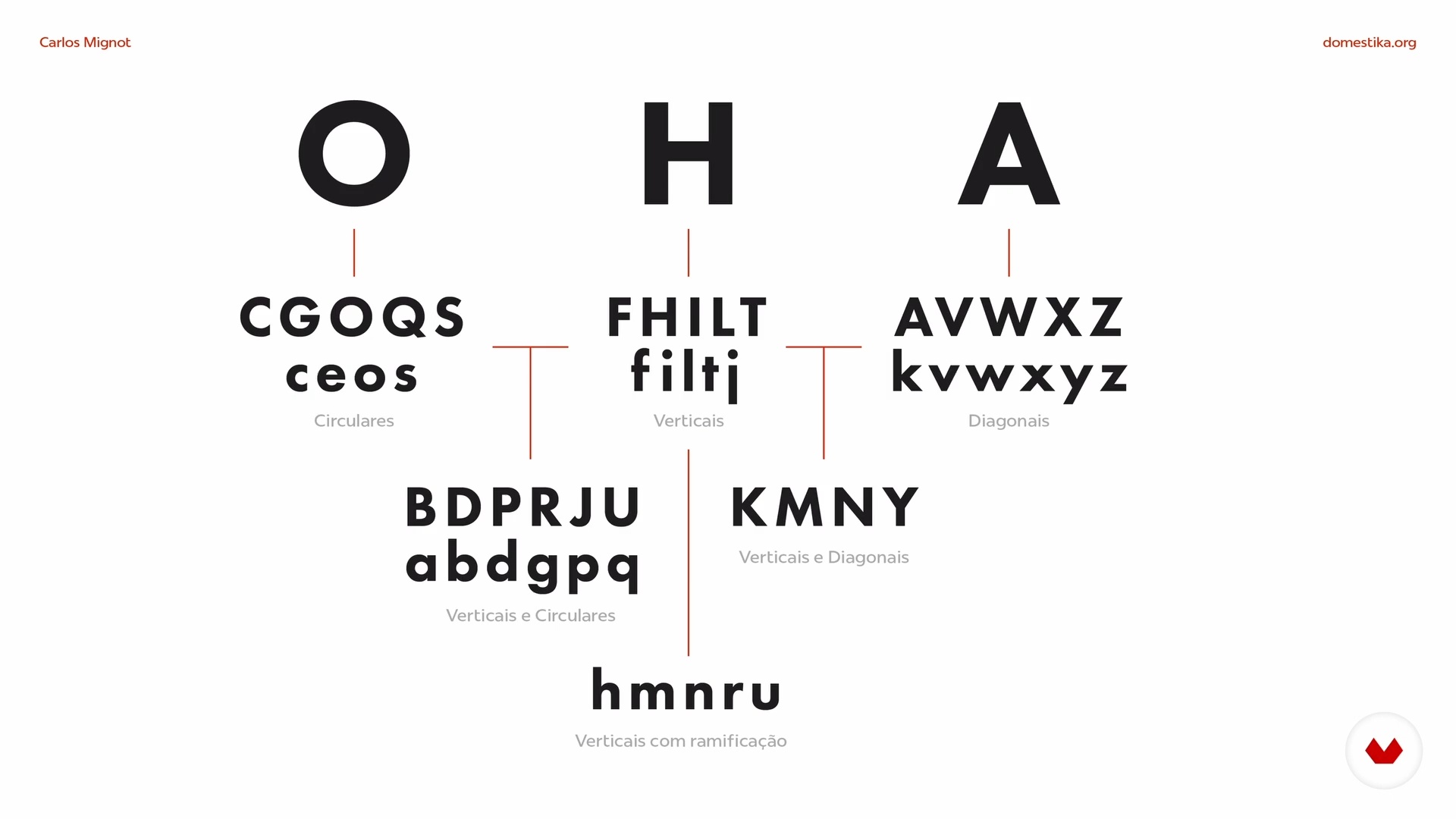
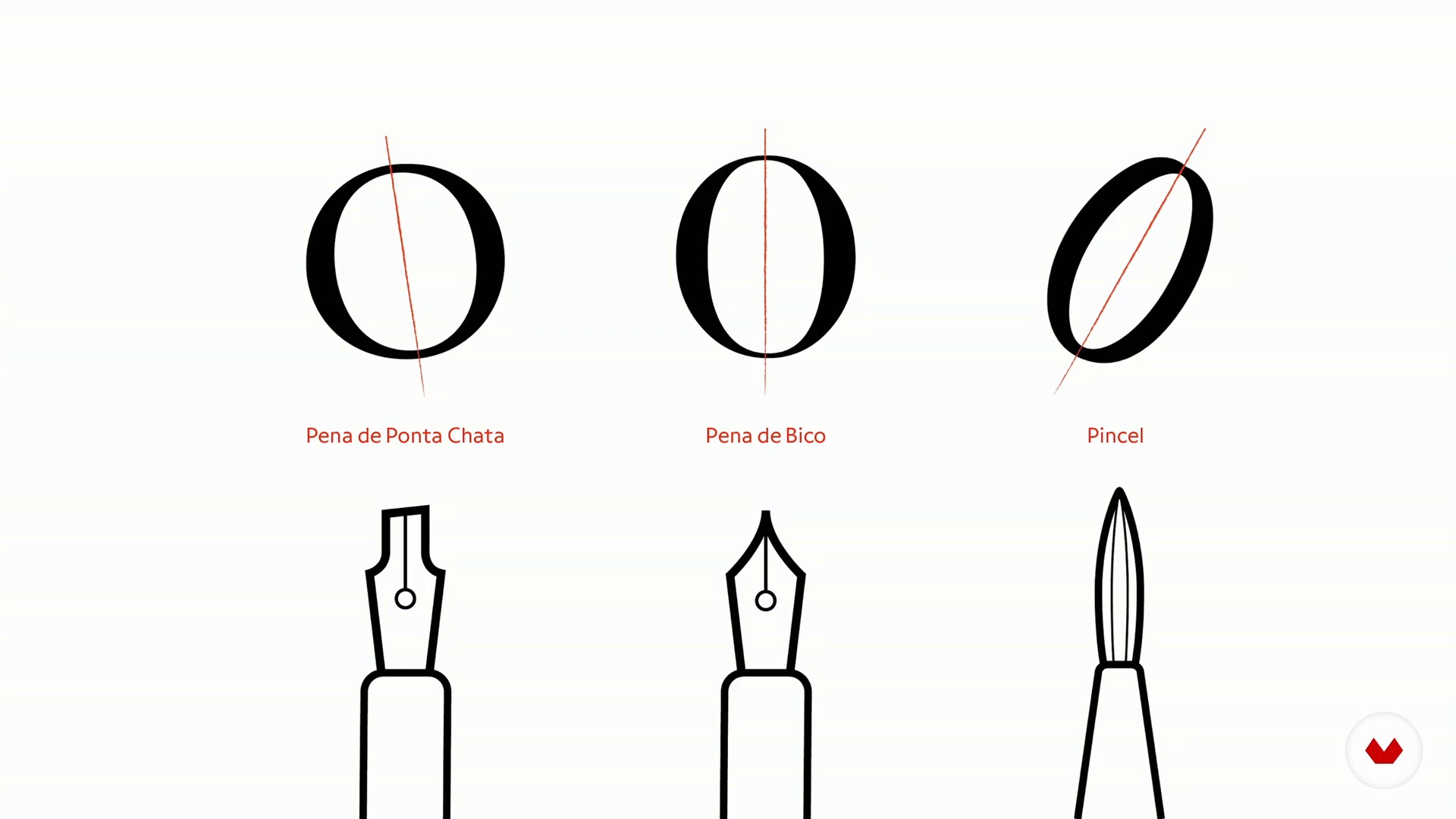
To get the most out of what typography has to offer, we have to understand its basic premises. In this class, we'll start with the basic shapes of letters, see how optics is more important than math, and how each tool has influenced the typographic styles we know.
13m
image
5
The Power of Typography
Now let's imagine together what attributes are represented by the letter design with practical and somewhat fun examples.
16m
image
6
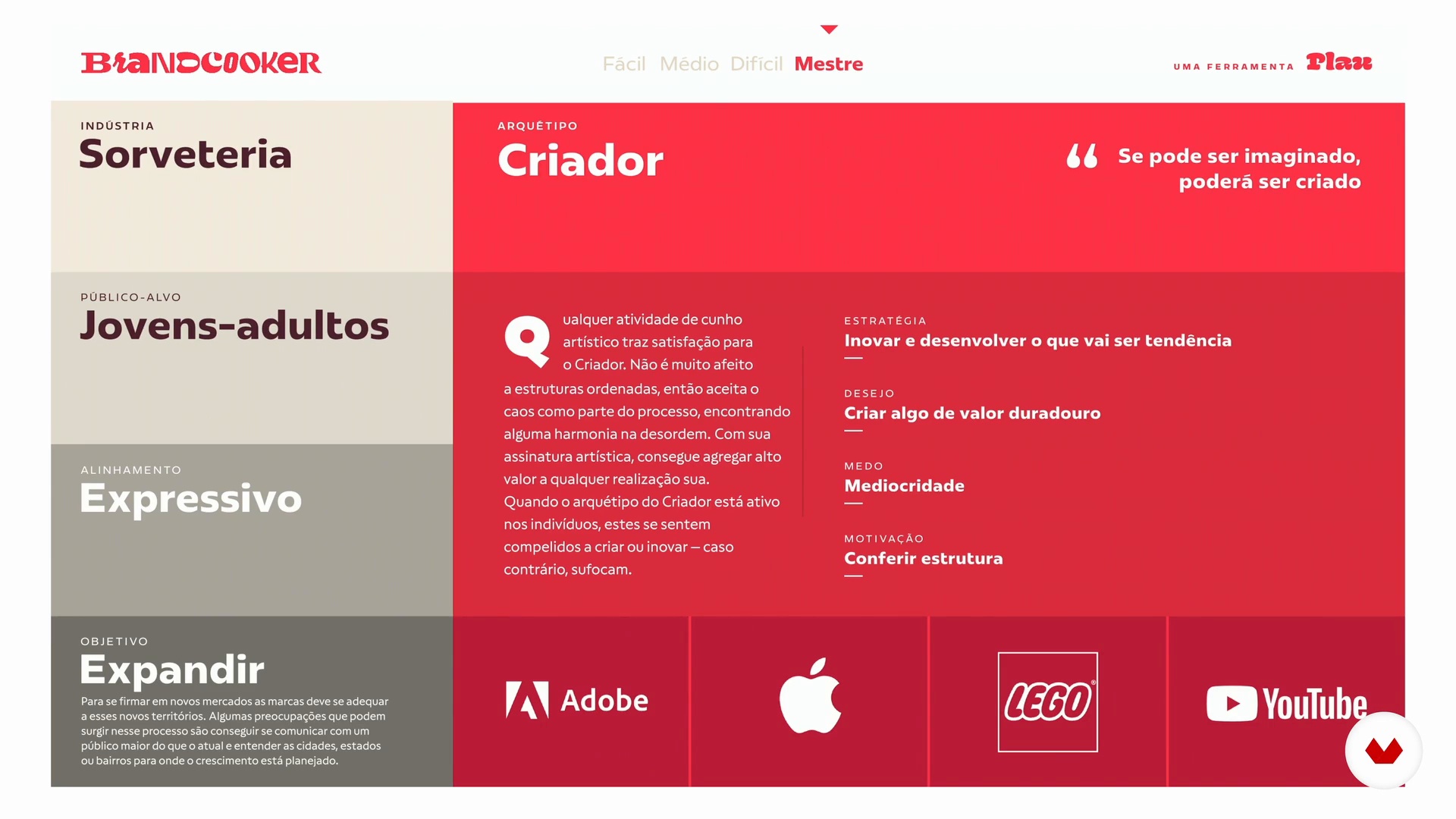
Basic Brand Strategy
In this class, you will see what are the main brand strategy tools and what are the pre-creation processes of a typographic identity.
5m
image
7
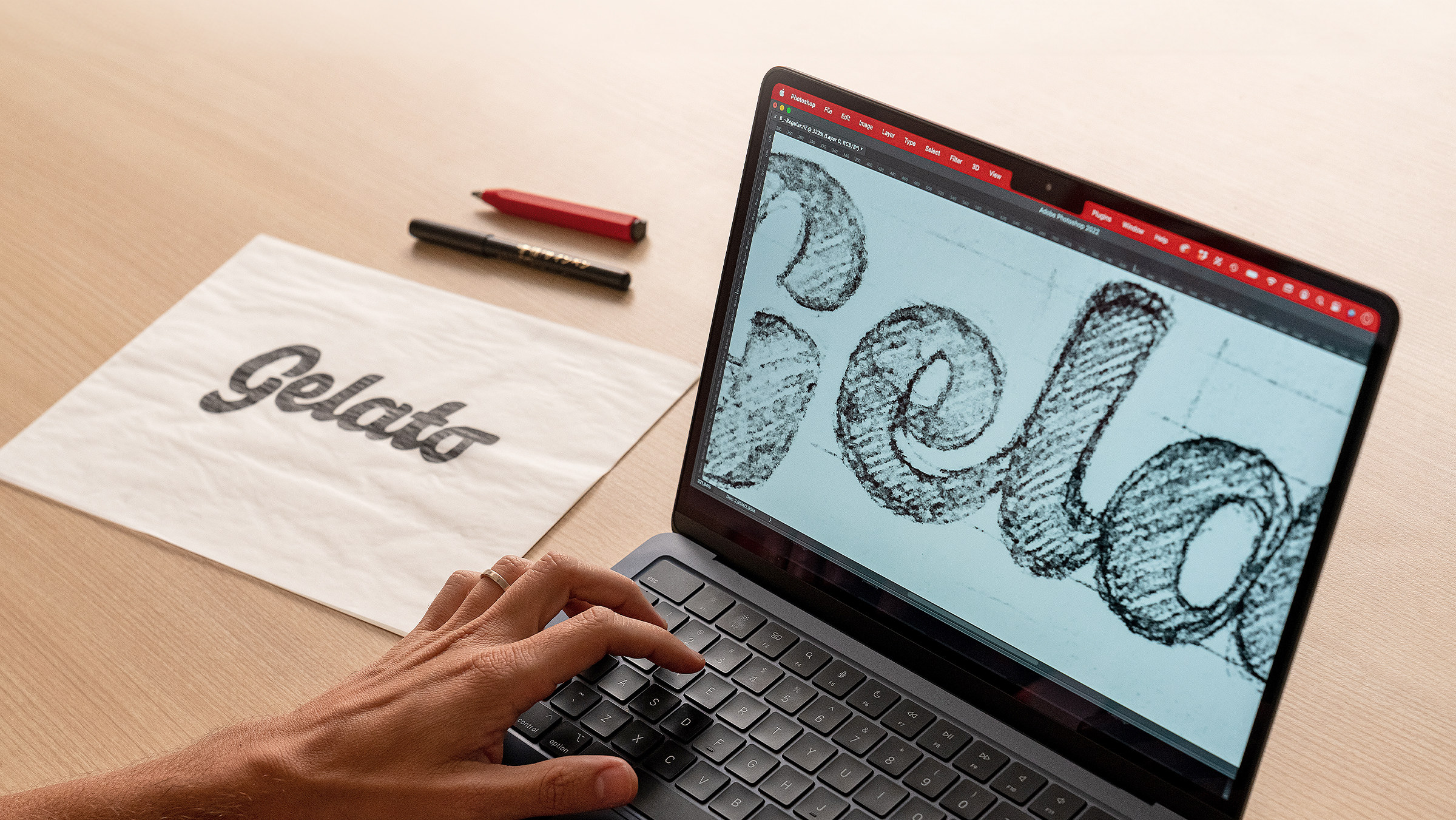
Sketching Typographic Ideas
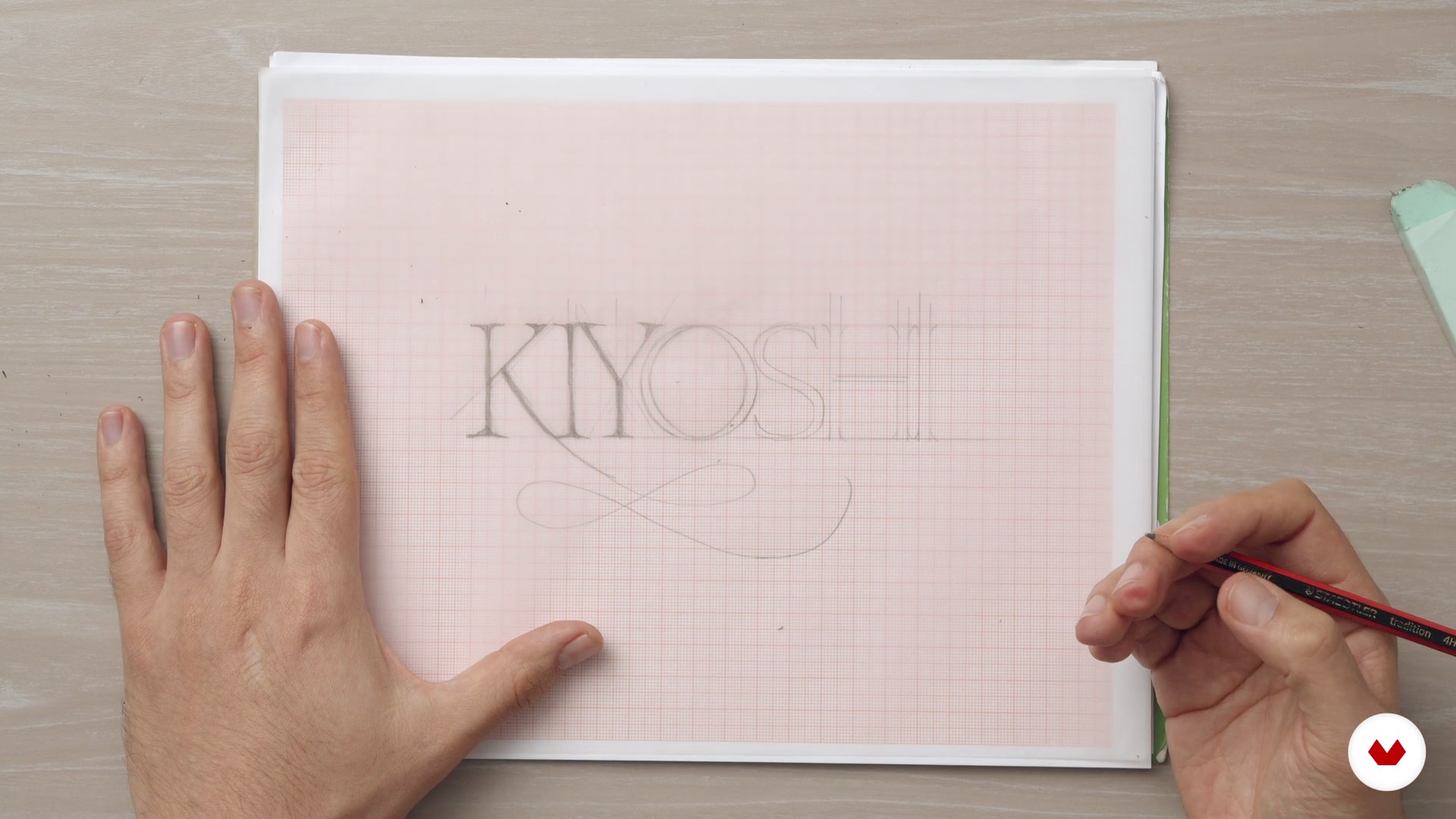
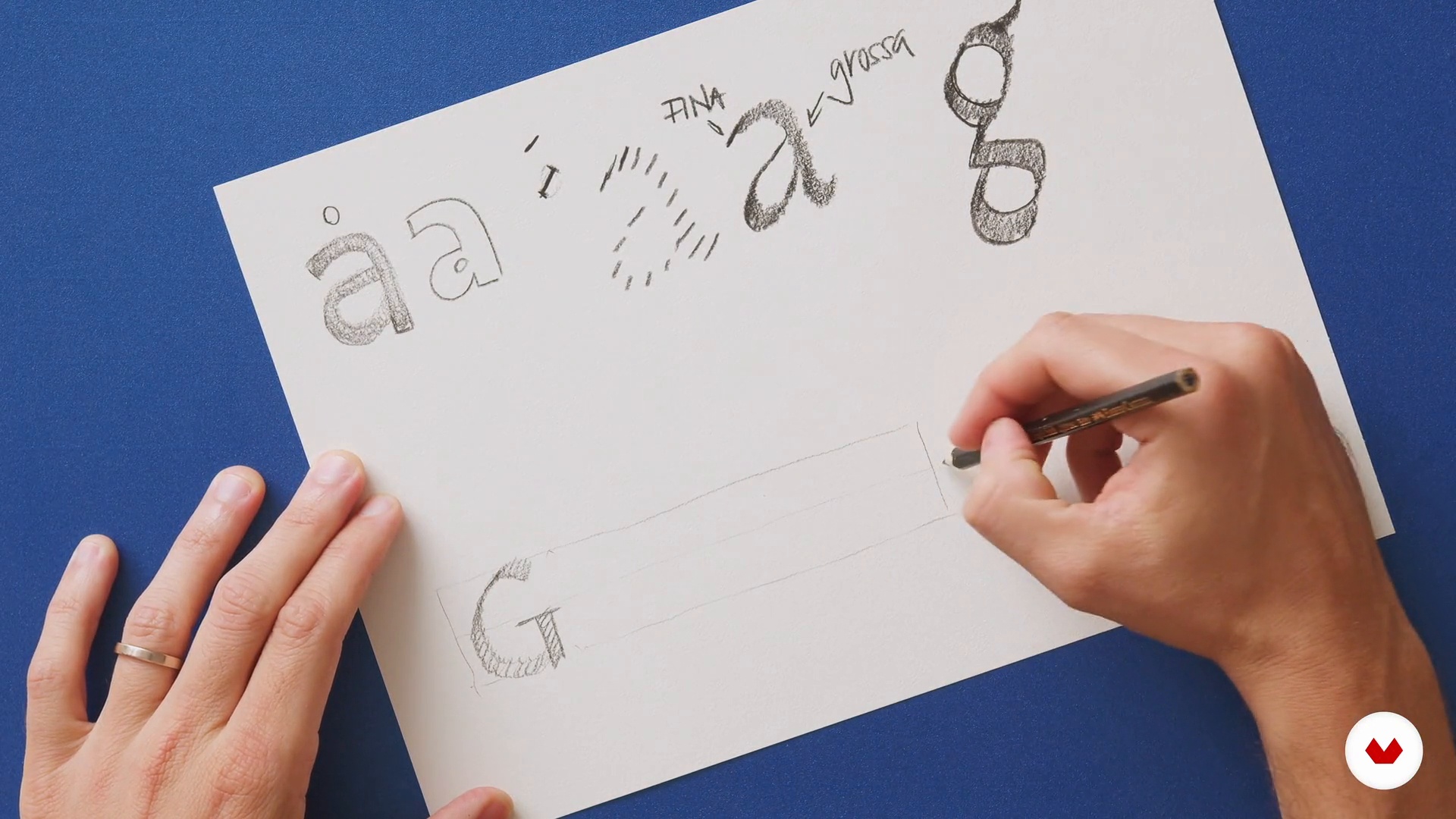
With pencil and paper, in this class I'm going to show you my lettering techniques during the process of finding the typographic voice of the brand we're working with.
14m
image
8
Refining the Draft
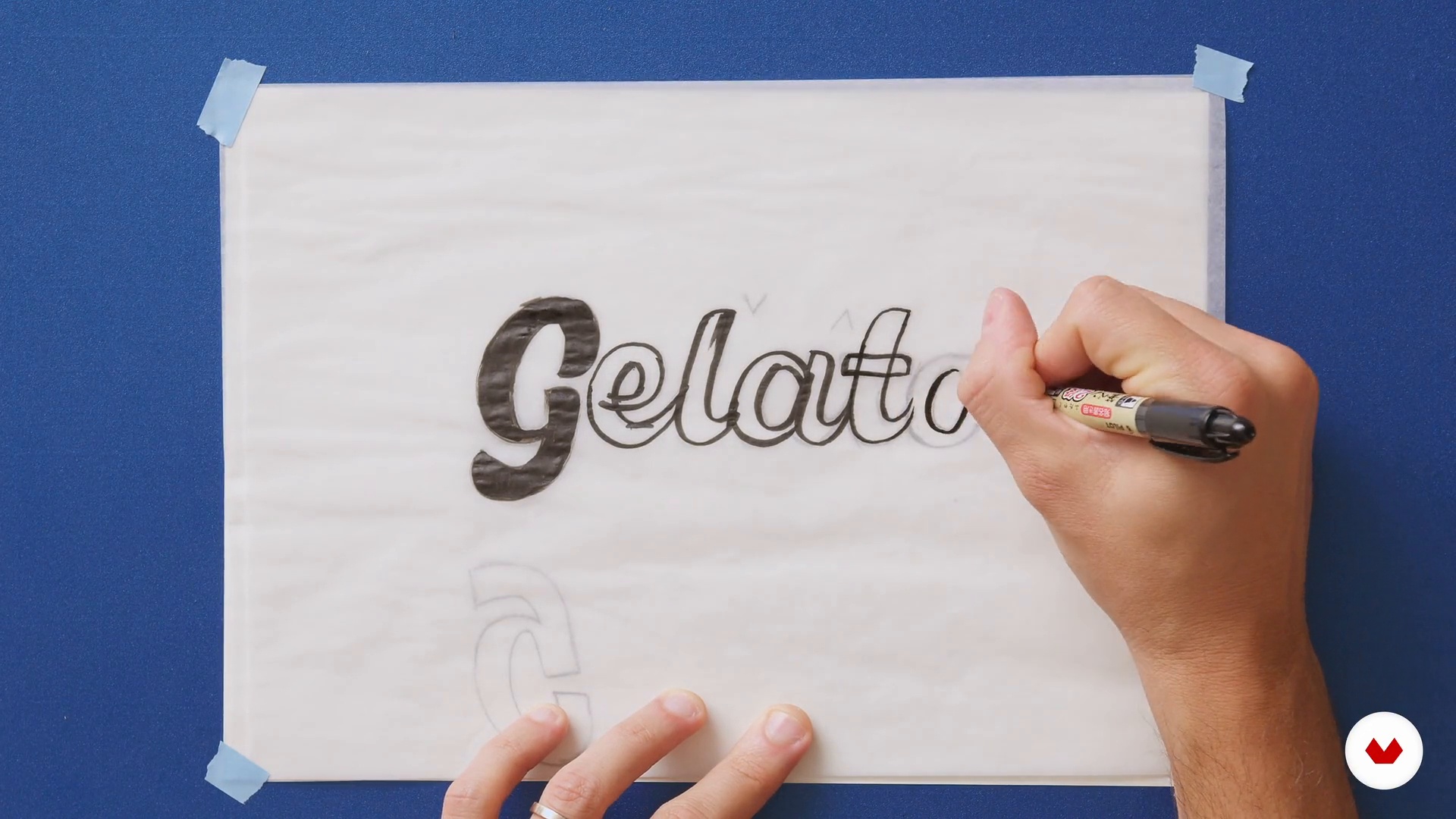
In this class, I will choose the draft that best translates the brand strategy outlined and the one that most differs from competing brands, and I will refine it.
6m
image
9
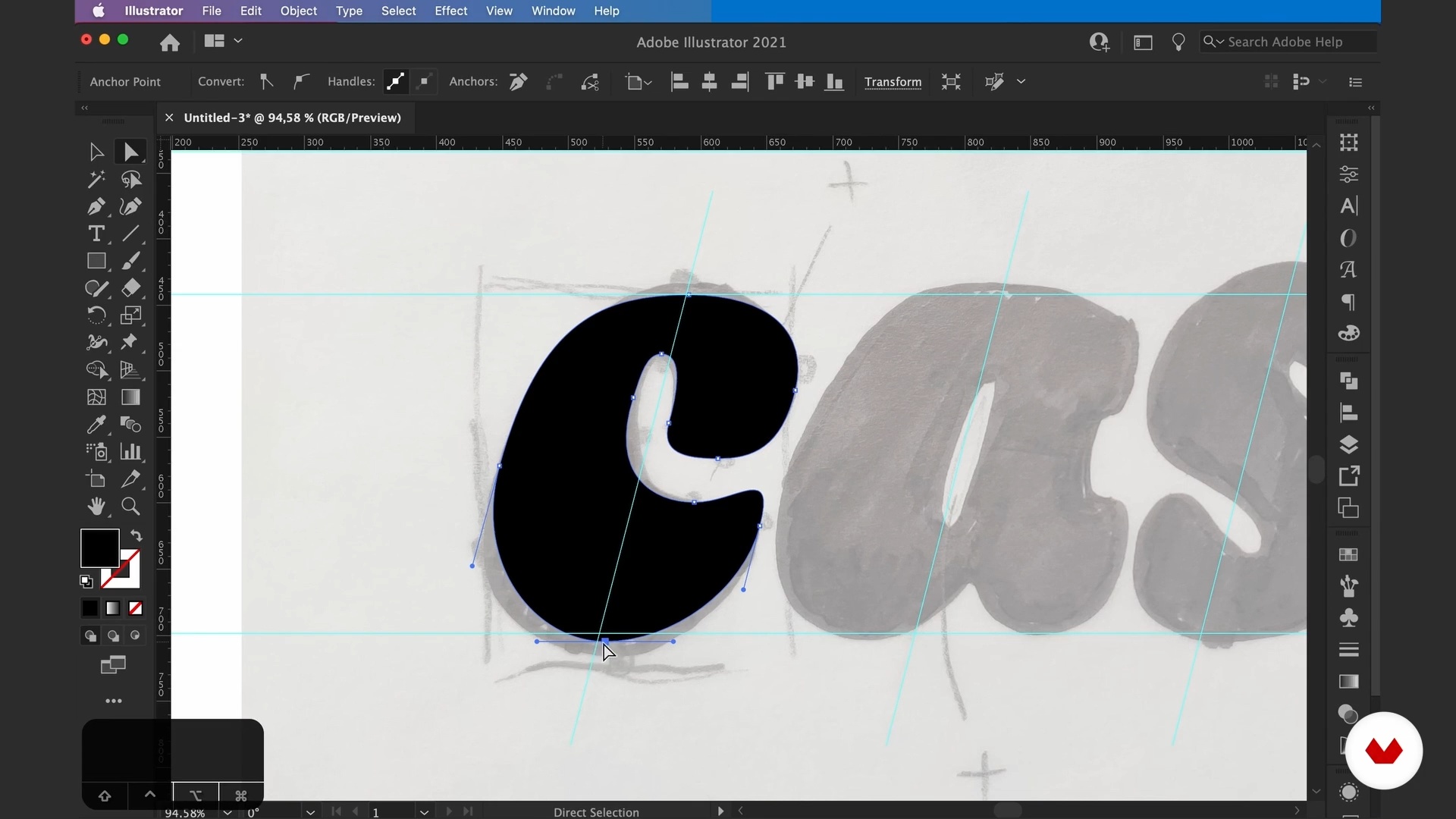
Logo Vectorization
In this class, I'm going to talk about some techniques I've learned from years of experience to draw good curves and generate a logo with good readability and applicability.
20m
image
10
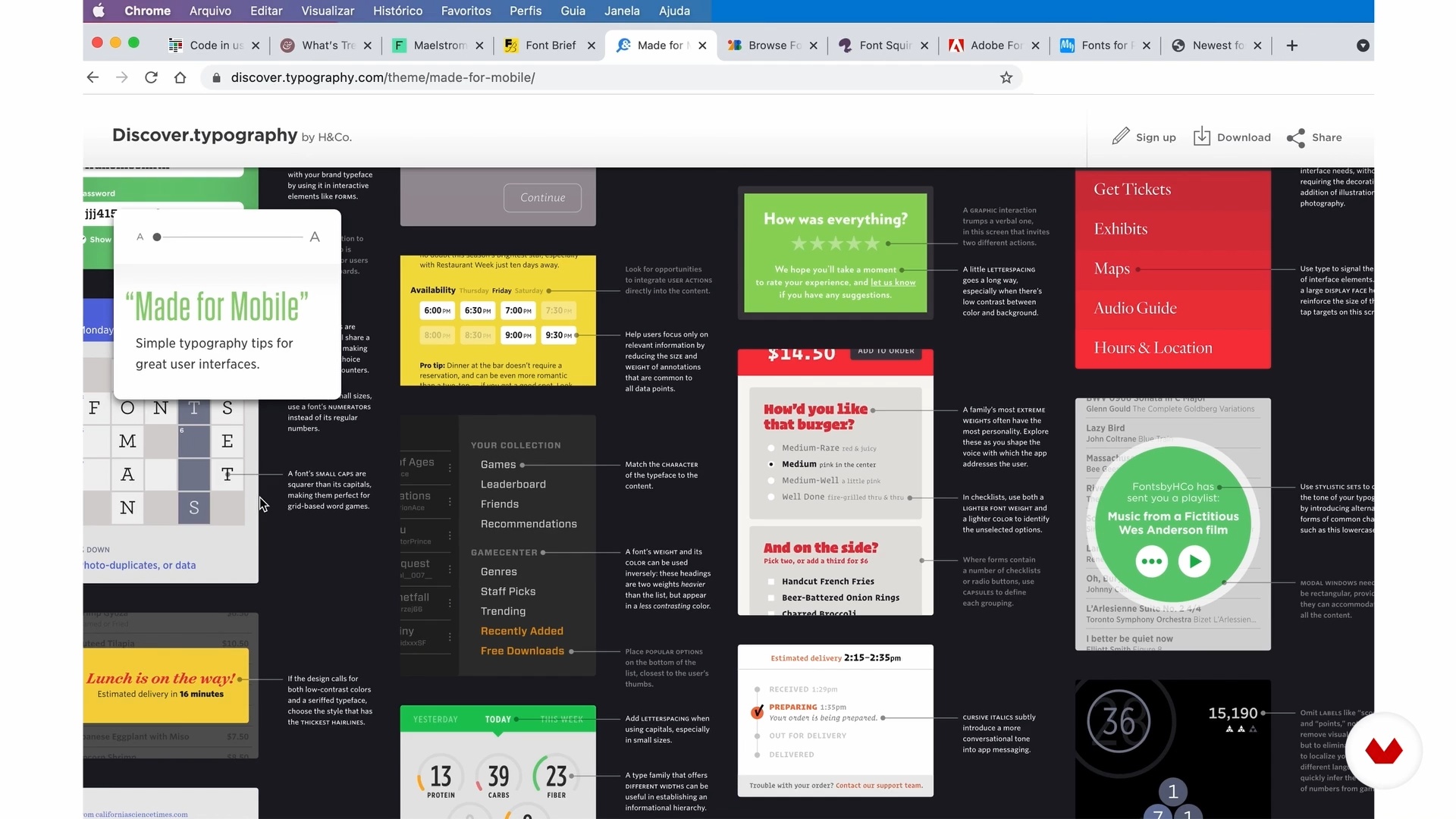
Typographic Pairing
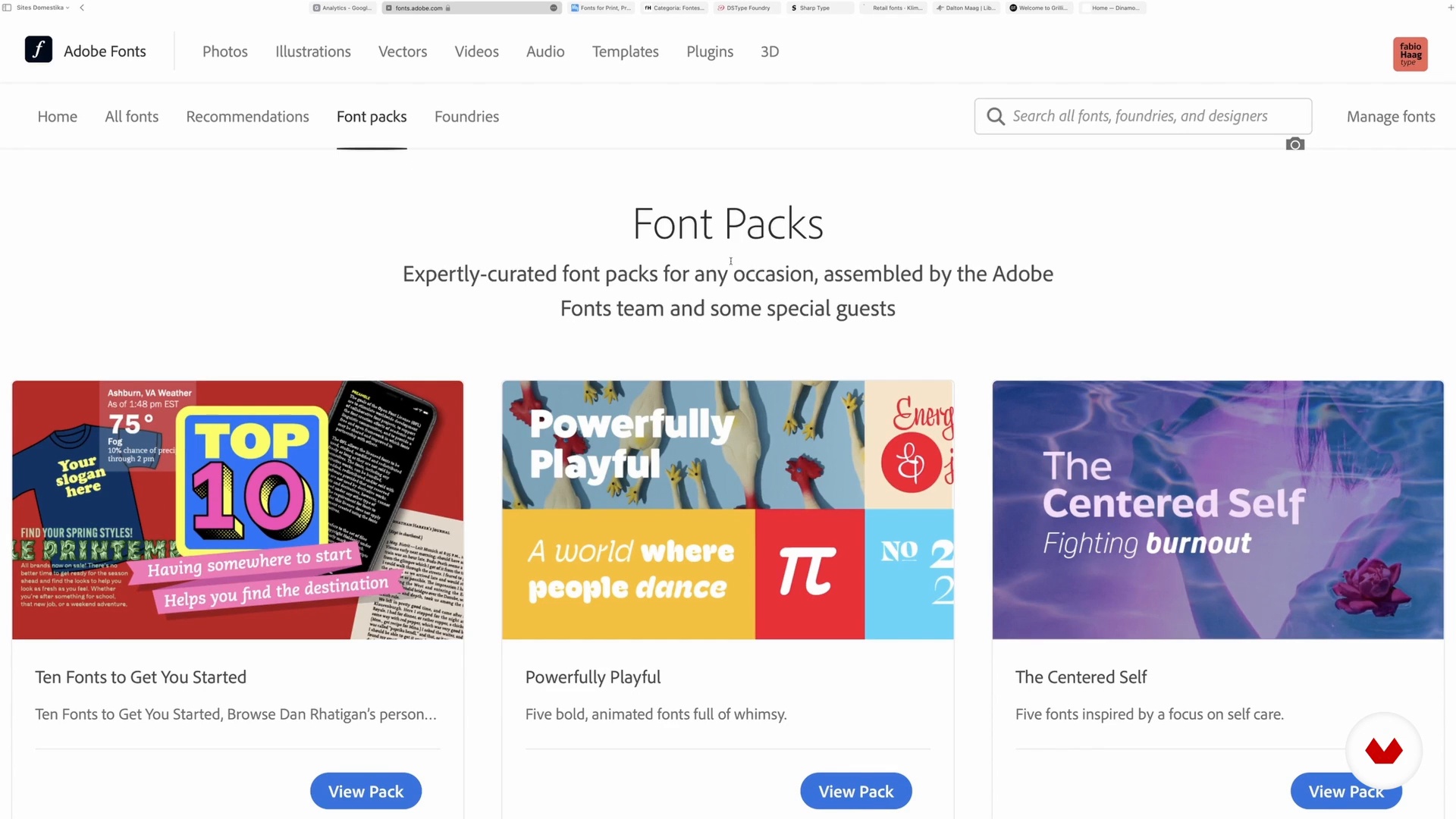
Now you'll see where to find good fonts and what parameters we should take into account when combining fonts, in addition to exercising typographic pairing.
12m
image
11
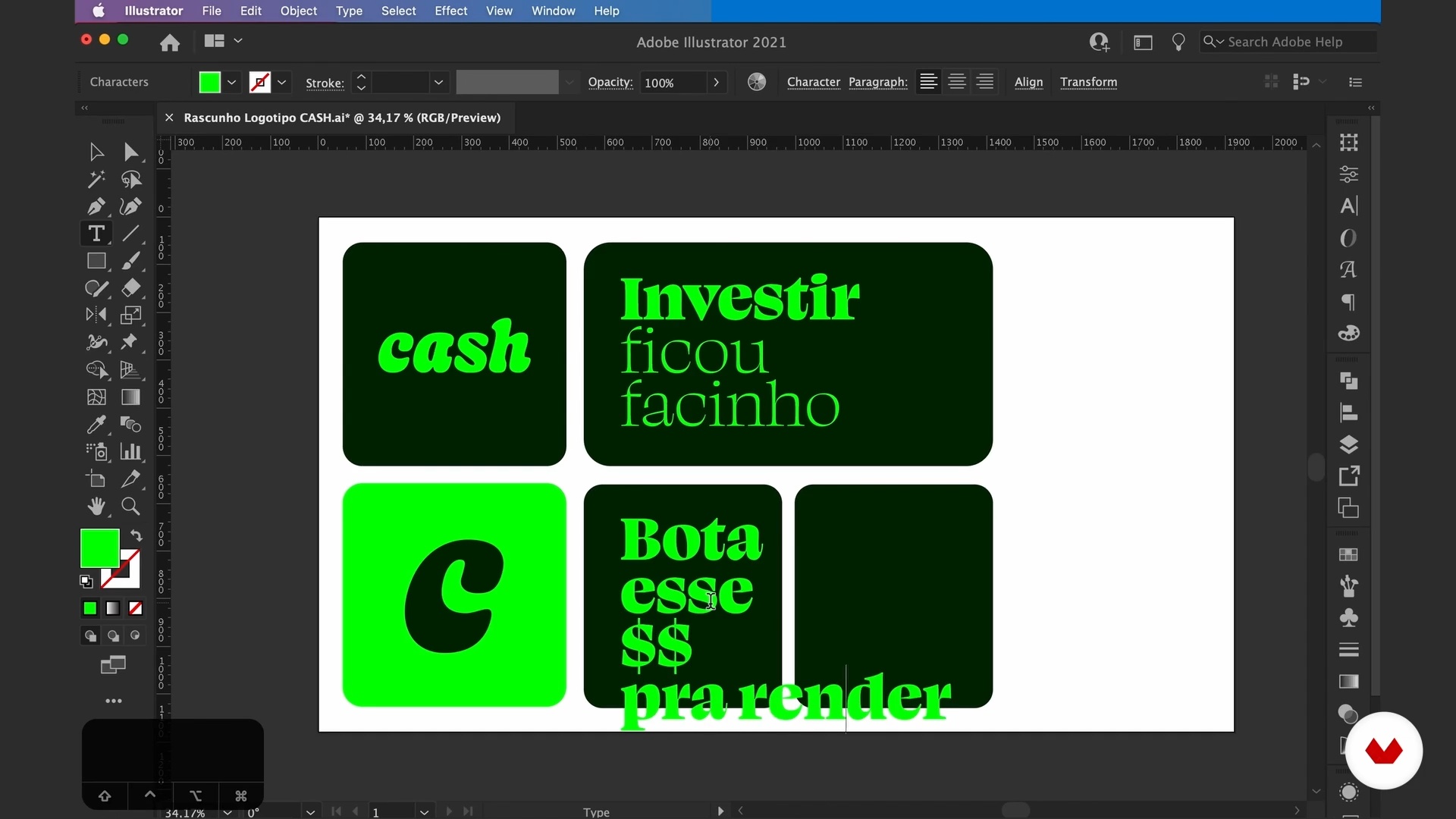
Toolkit Assembly
Now that we have the logo designed and the fonts chosen based on the brand positioning we are betting on, it's time to put everything together and give the final guidelines in the assembly of our toolkit.
12m
image
12
Presentation to the Customer
In this class, you will see how I present my creation to the client in a way that makes them feel impacted and excited to start using their new brand identity.
10m
image
3
Brands and typography
In this class, I will explain why the connection between typography and brands is so relevant in visual identity projects today.
5m
image
4
Feeling the lyrics
Now, you will discover how visual shapes can be triggers for emotional reactions.
4m
image
5
The written letters tell our story
The lines of the letters reveal in their design the innermost aspects of each era, its culture and worldview. In this class, I will deal with this relationship between written letters and history.
10m
image
6
Printed types continue our history
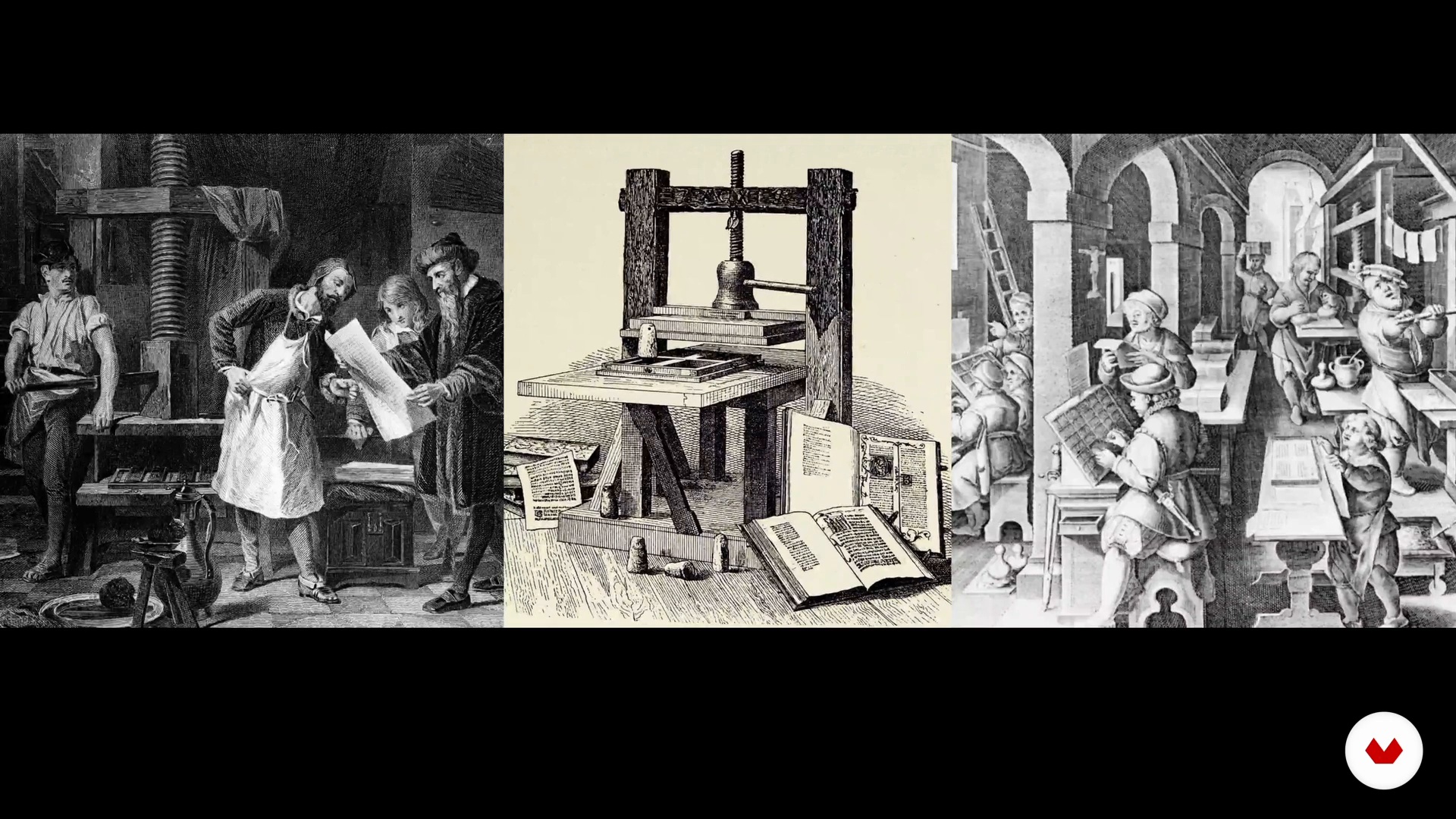
Continuing the tour through history, you will see how the emergence of movable type impacted our culture and humanity.
7m
image
7
The science of the reading process
What are the most accepted current theories to explain how the reading process works? In this class, I will address some of this research.
6m
image
8
Legibility and readability in practice
Here, you will see in practice how we apply current scientific knowledge to typographic decisions in our daily lives.
8m
image
9
Expressiveness and functionality
The holy grail of the discussion on corporate typography: how and why to balance expressiveness with functionality.
7m
image
10
Typographic design brief
Shall we start the project? In different ways, listening is the secret to understanding customer needs.
12m
image
11
Typographic search
Where do we start searching for sources? In this class, I will present my point of view on different options.
8m
image
12
Typographic choice and analysis
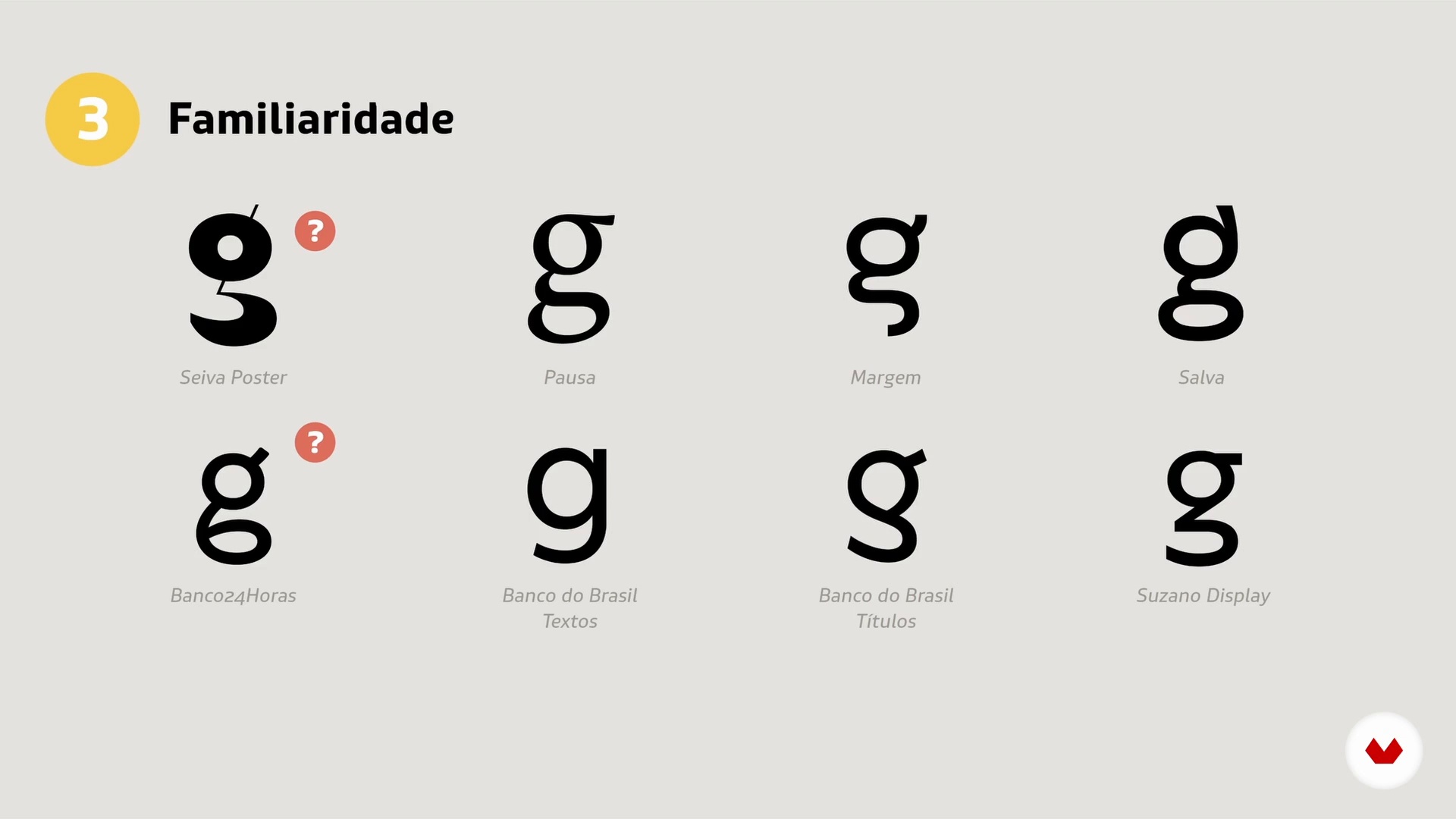
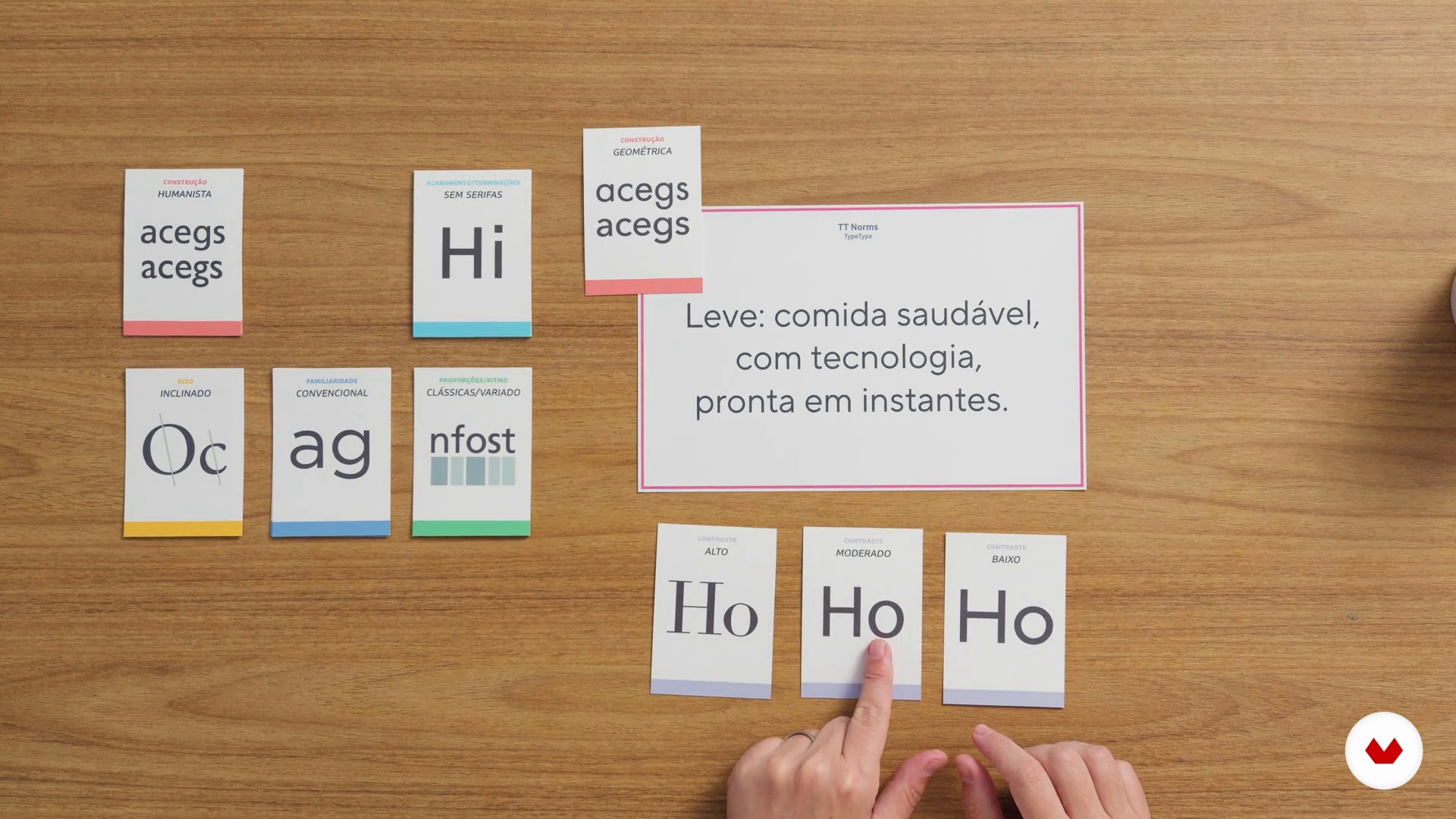
In this class, I will present a practical tool to help with the analysis and facilitate the understanding of the strengths and weaknesses of each typography.
18m
image
13
Defending your typographic choice
It's time to put together the presentation. And it is much more than showing typography, it is knowing how to defend your choices with reasons.
5m
image
14
Licensing
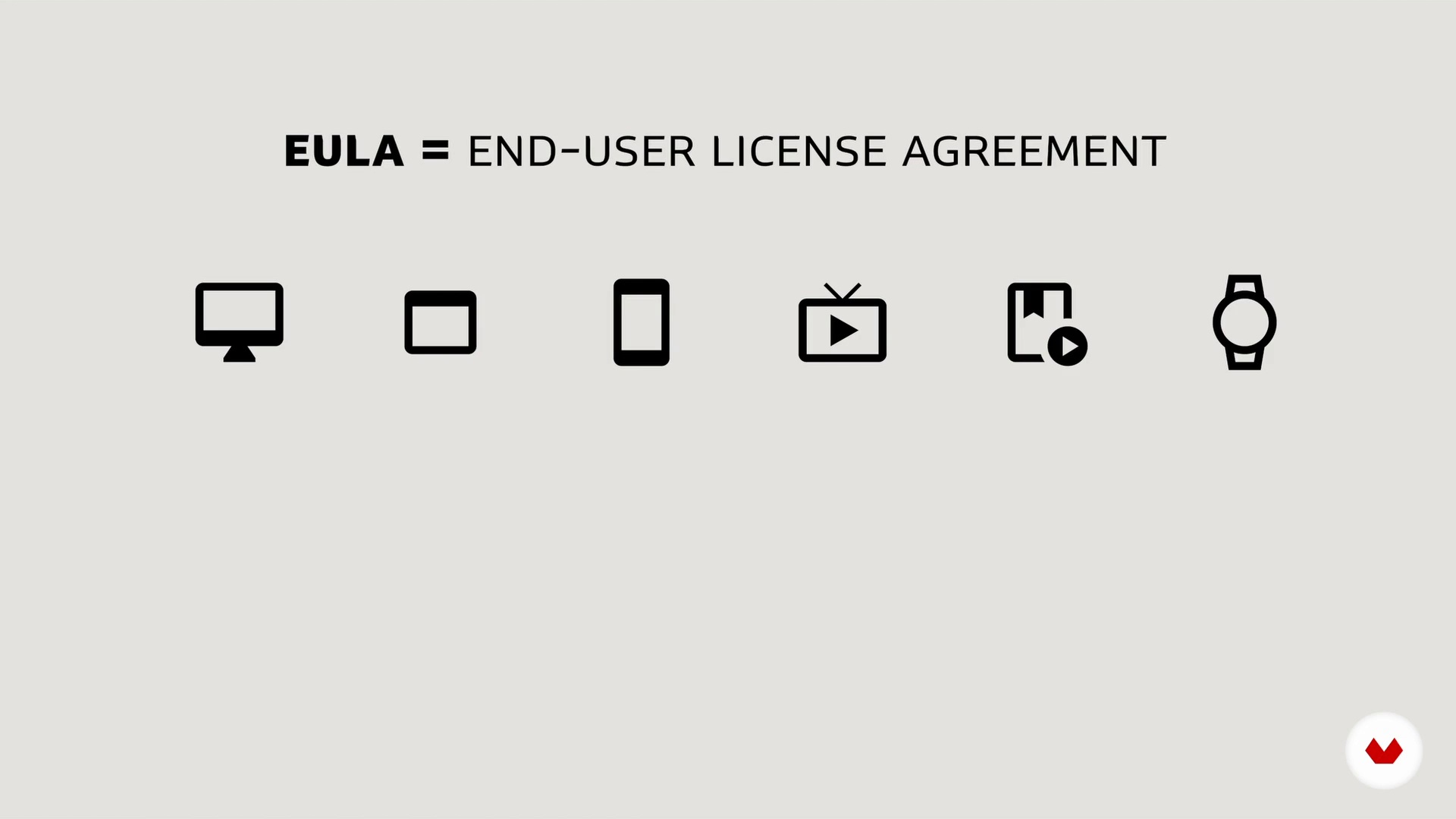
Font licensing is a complex and boring subject (I know), but very necessary. Here, you will understand, in a didactic way, the main issues on this topic and the types of license.
7m
image
15
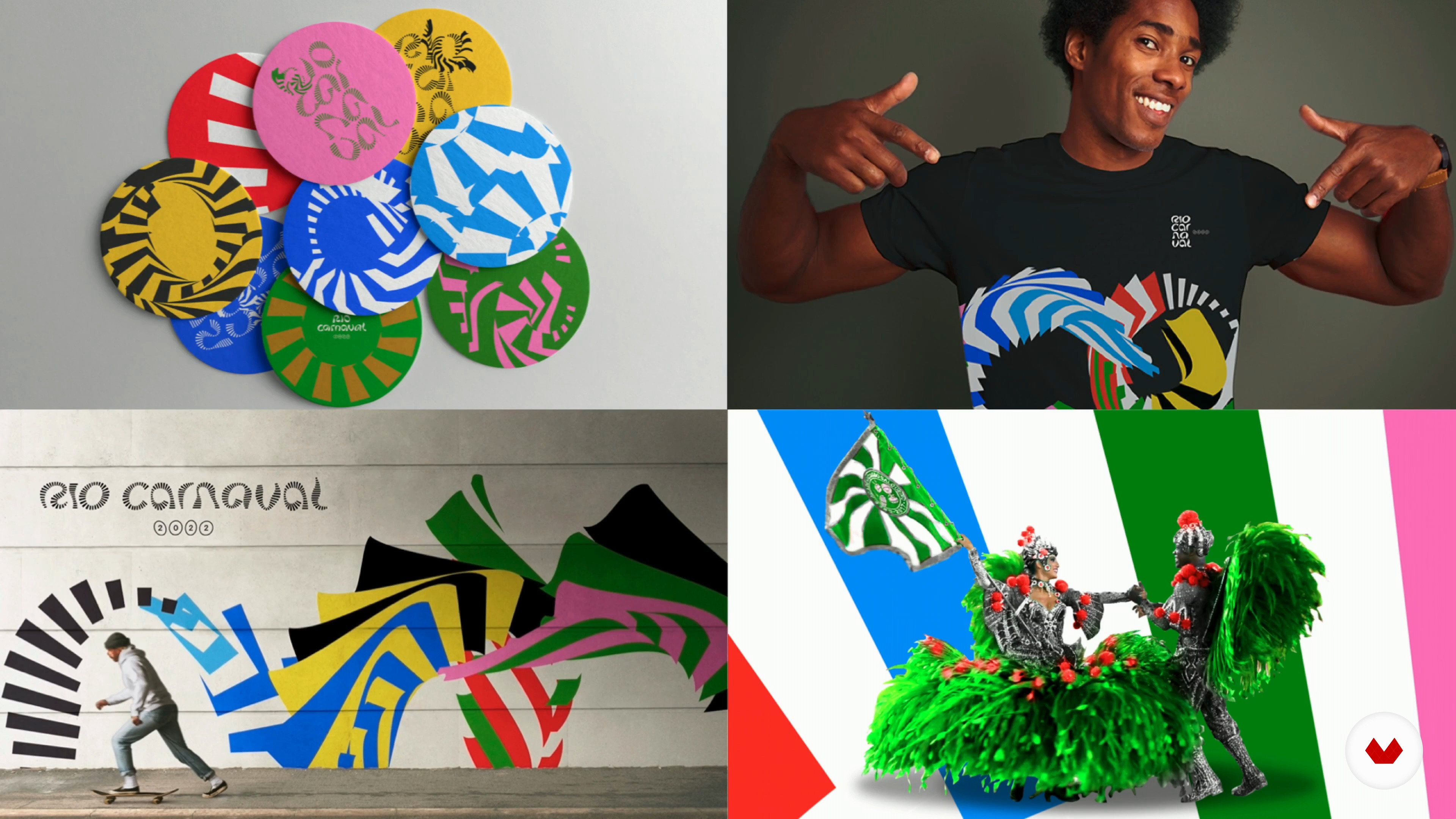
Case Rio2016
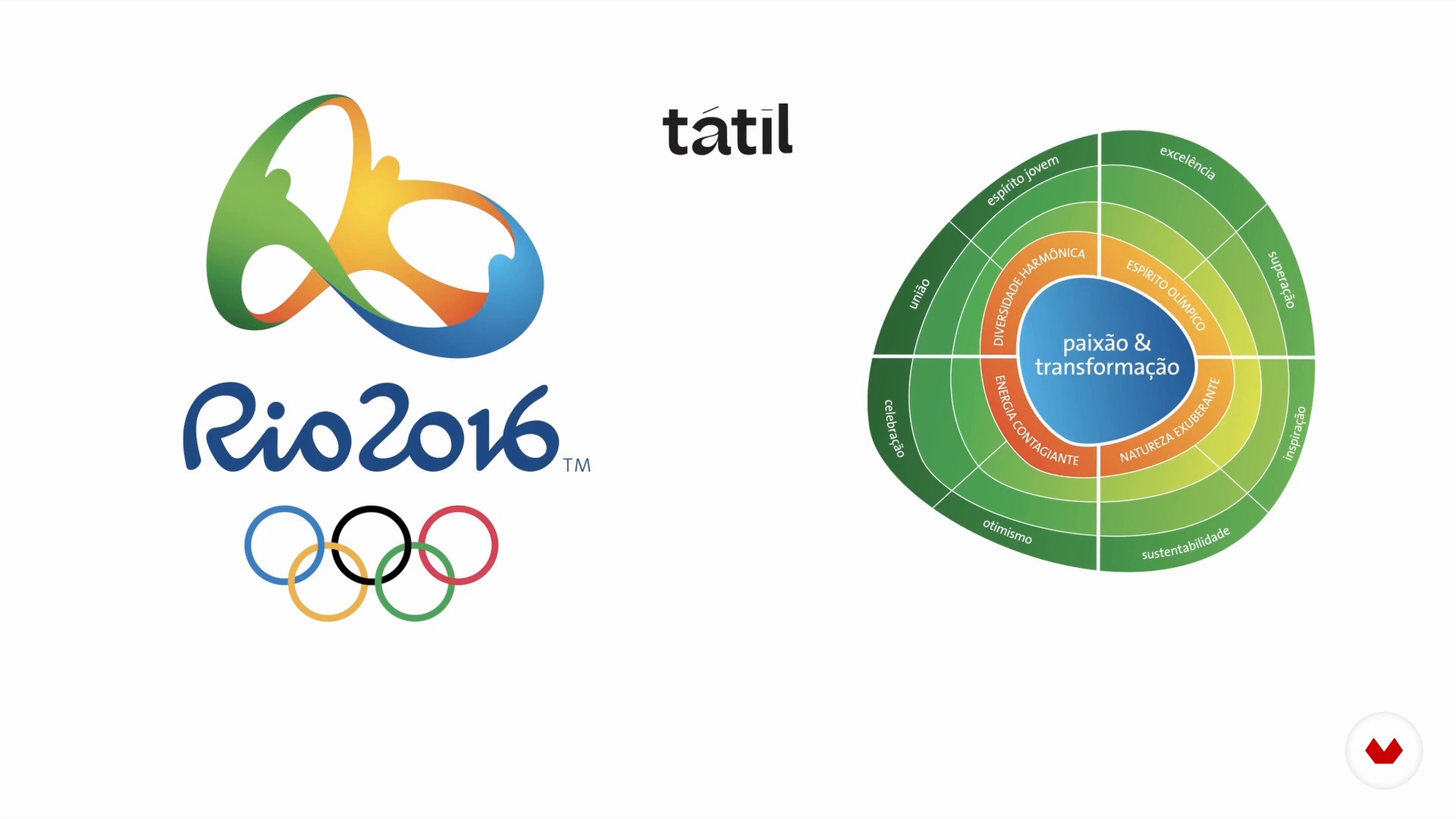
A historical example of distinction and coherence. The Games Organizing Committee launched the following challenge: design a complete typography from these few letters and numbers.
8m
image
16
Case Magalu
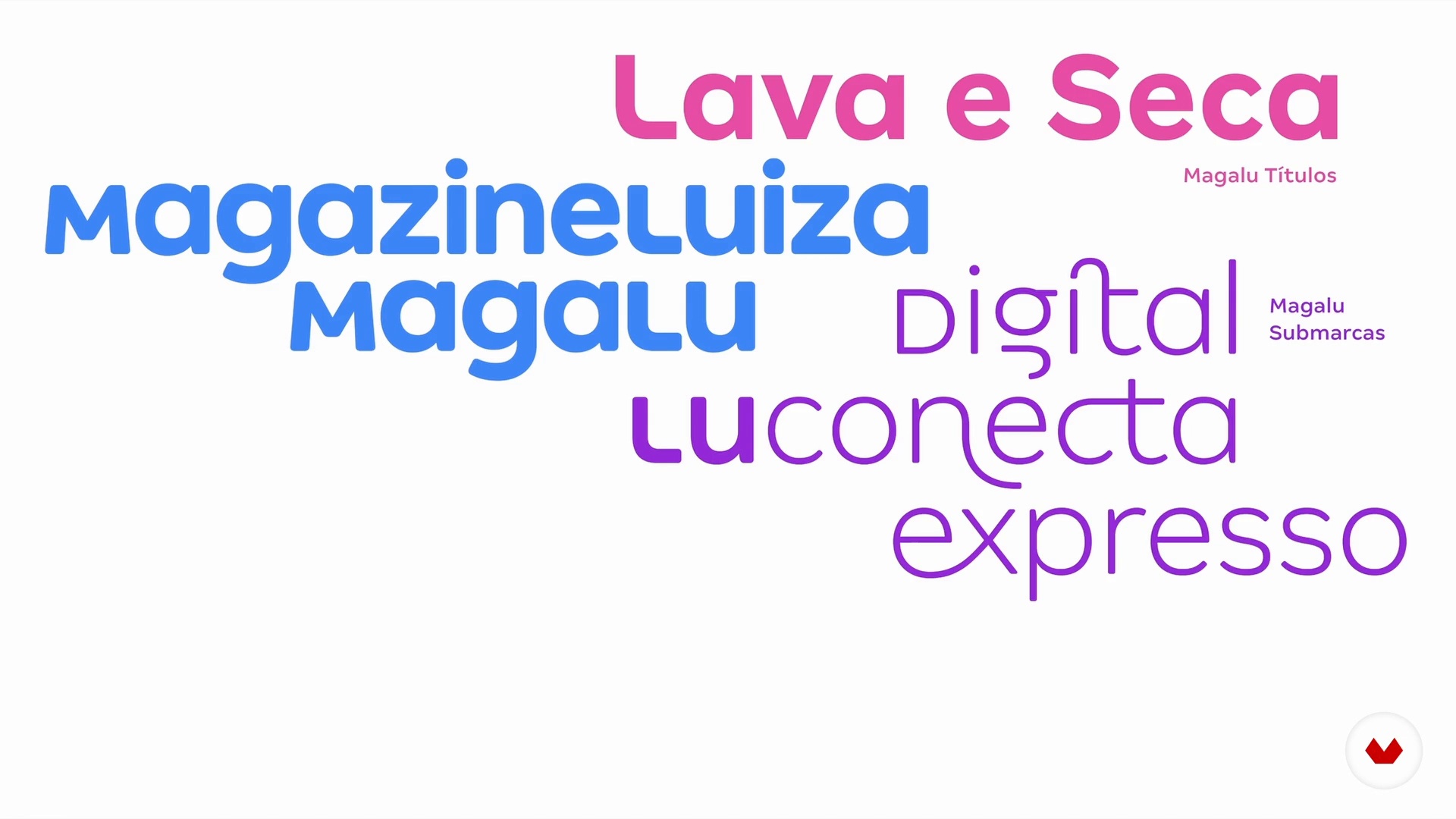
A typographic system with each font in its place. This case led to the creation of a true typographic system. And it all started with the logo.
3m
image
17
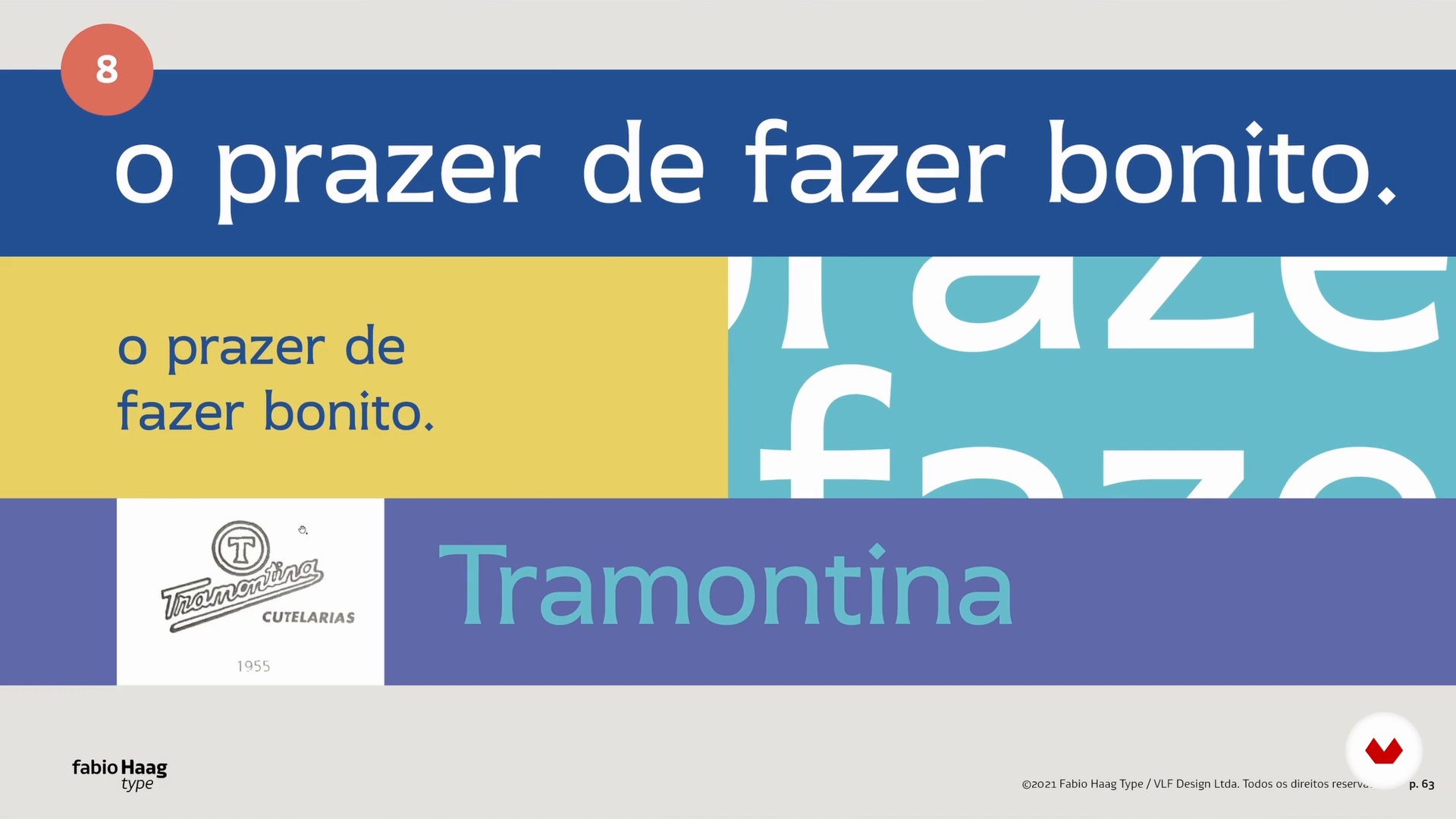
Case Tramontina
All behind the scenes of a super collaborative project. An example of how to listen to the client, understand the needs of each area and think about typographic decisions considering this complexity, which is unique to each client.
16m
image
18
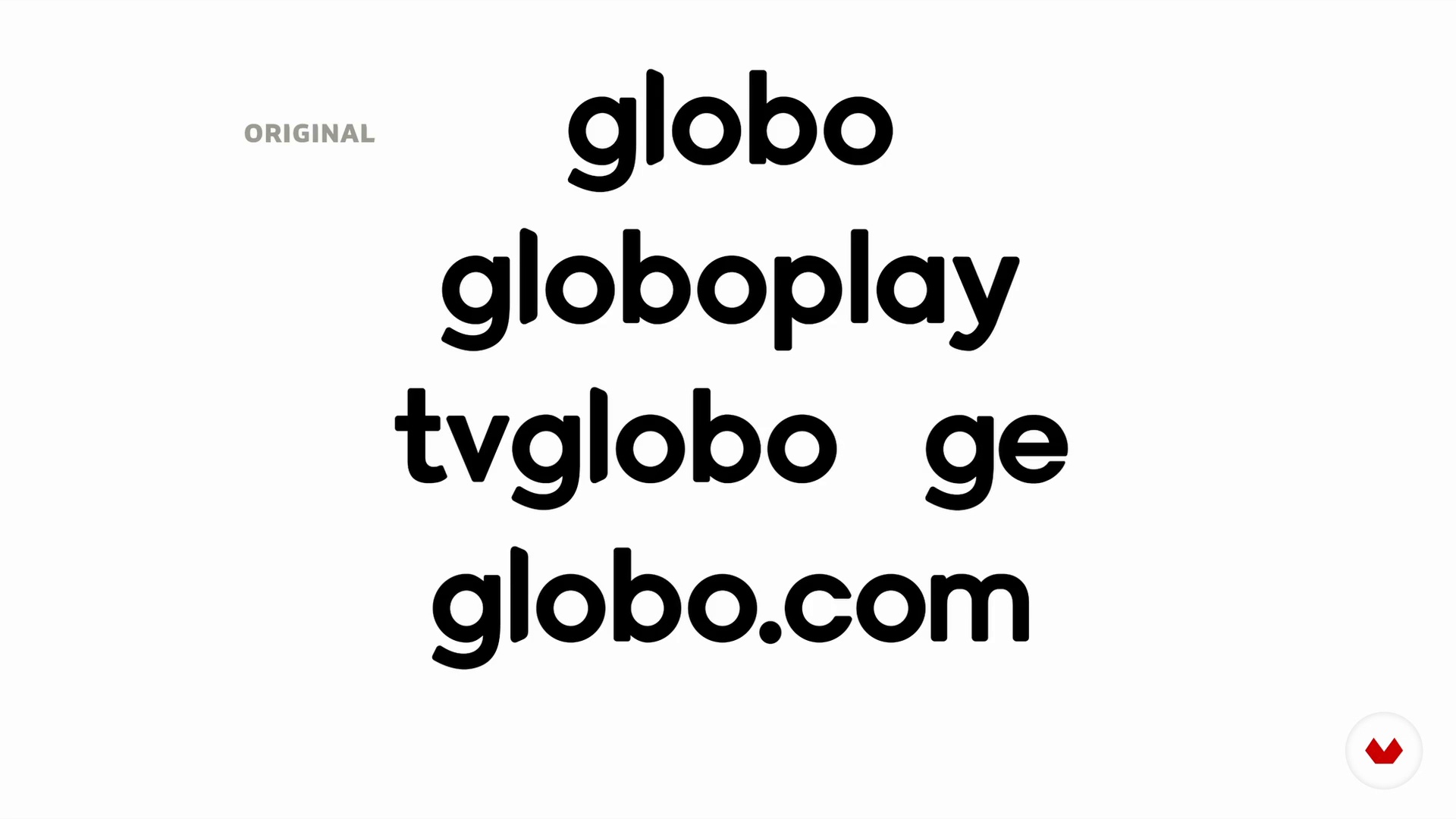
Case Globo
A font to shine on screens of all sizes. It was exactly a search for greater consistency in the communication of the Globo group’s brands.
7m
image
19
Case Banco do Brasil
The set of elements makes all the difference. This case is an example of the strength of a well-developed identity system.
5m
image
4
Introduction to typography and branding
In this lesson we will see a brief introduction to typography, its historical evolution and its relationship with the brand (corporate identity) as a selling factor.
16m
image
5
Basic concepts and visual codes of typography.
In this lesson, we will delve into basic typography concepts such as the anatomy of letters and their structure. How many of them have a basic geometric structure, how structural elements can be manipulated, and their role in distinguishing from a typed logo to one with typographic manipulation.
10m
image
6
How to manipulate fonts for a purpose
Now, we will see the importance of the manipulation of typographic fonts, with a specific purpose. In other words, giving a logo particularity and personality to serve as a differentiator in the market.
5m
image
7
Commissioning and conceptualization of the project
In this lesson, I will teach you to discern the nature of our project from the customer provided brieff, and we will do research that will allow us to conceptualize our project.
4m
image
8
Documentation
In this lesson, we will graphically structure the results of our conceptual research, (typography, color, shape).
8m
image
9
Type selection
In this lesson, based on the analysis of the concept, you will learn to select the typeface for your project, including combining two fonts.
9m
image
10
Analog process
In this lesson you will learn, in a traditional way, the basic concepts of sketching, from an existing source. Thus, you can modify it to give it the personality you want to generate in your project.
12m
image
11
Digitization and vectorization 1
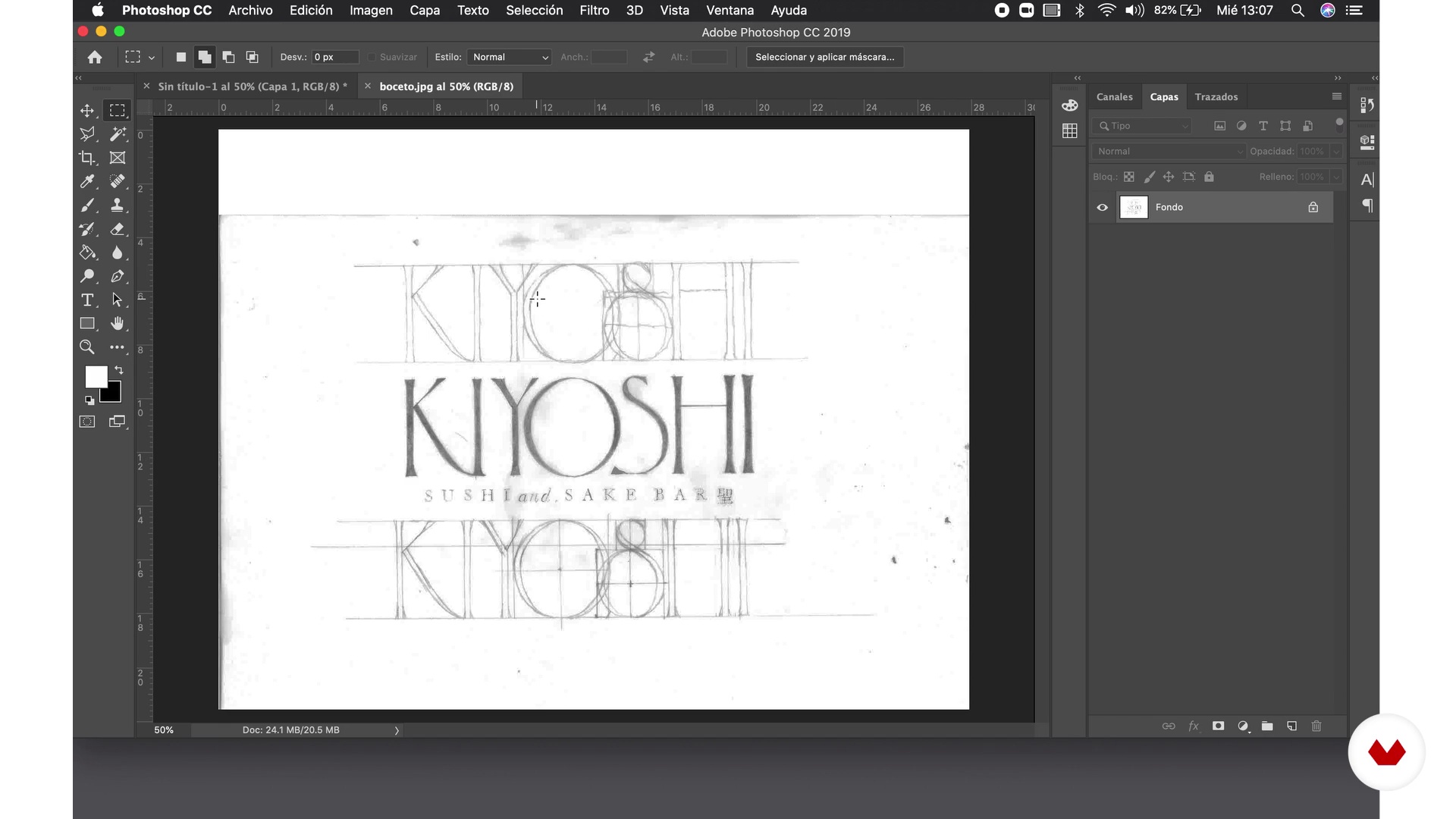
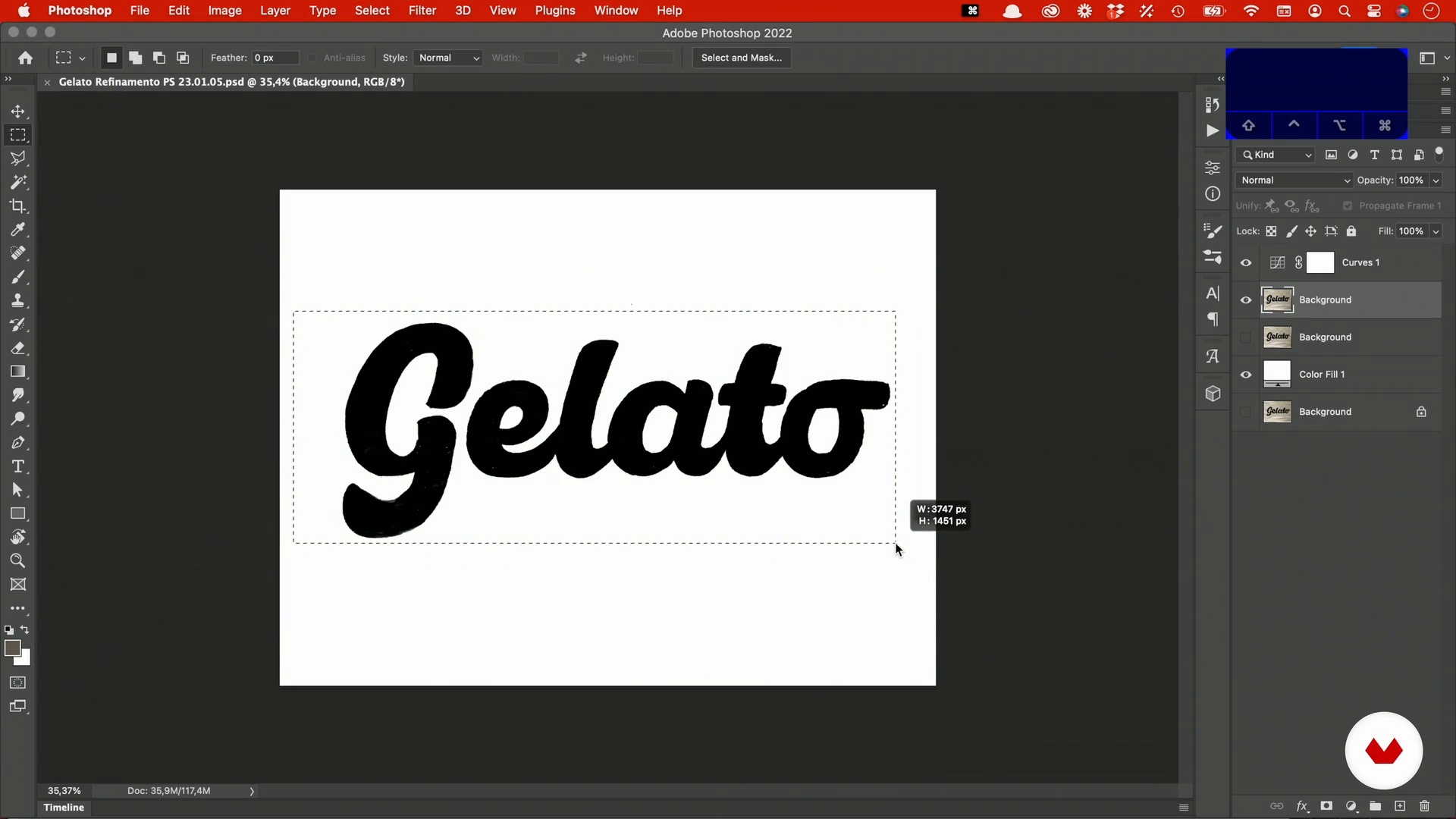
We will begin the digitization process, cleaning our image and we will work on the first part of vectorization.
11m
image
12
Vectorization Process 2
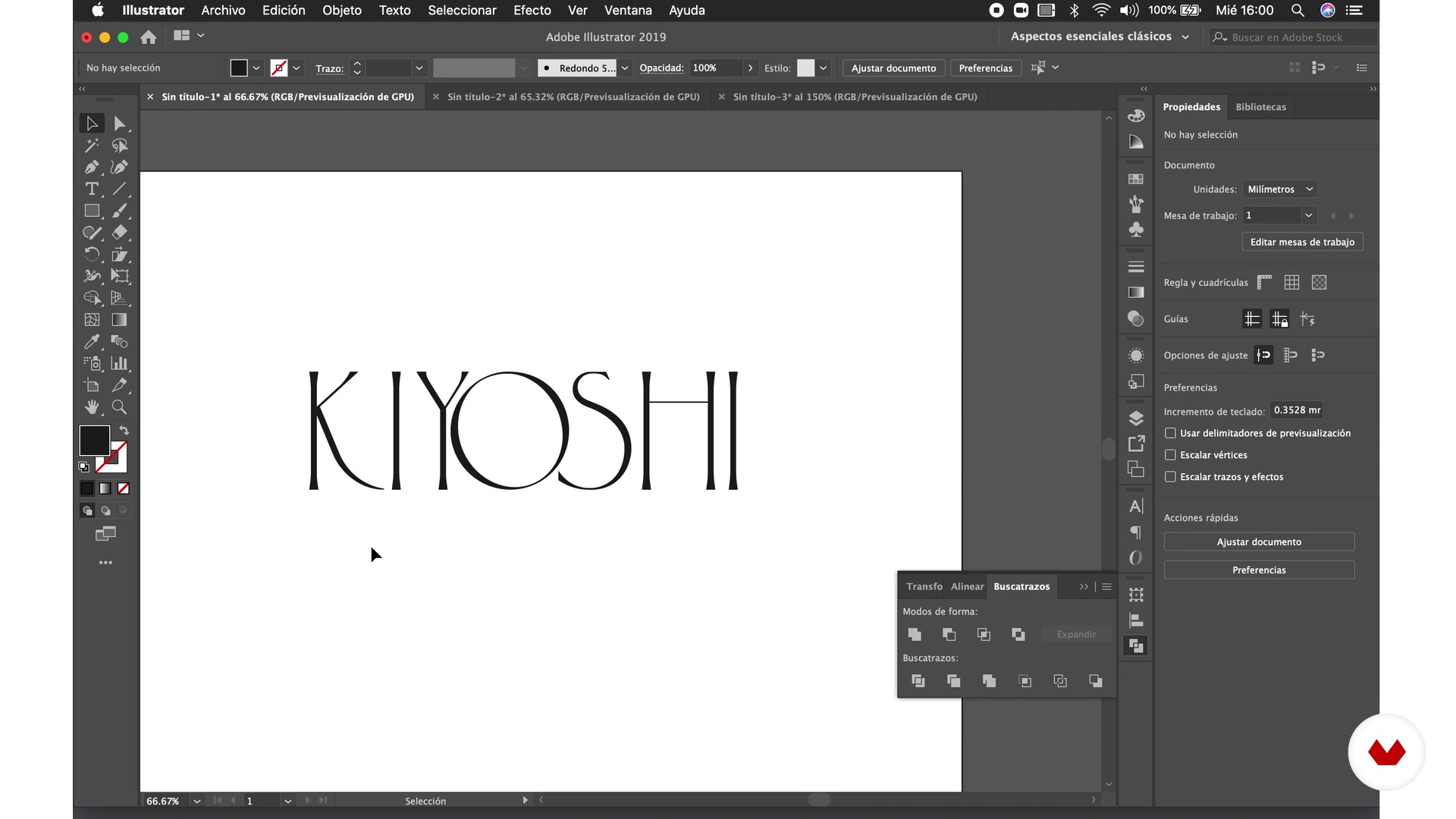
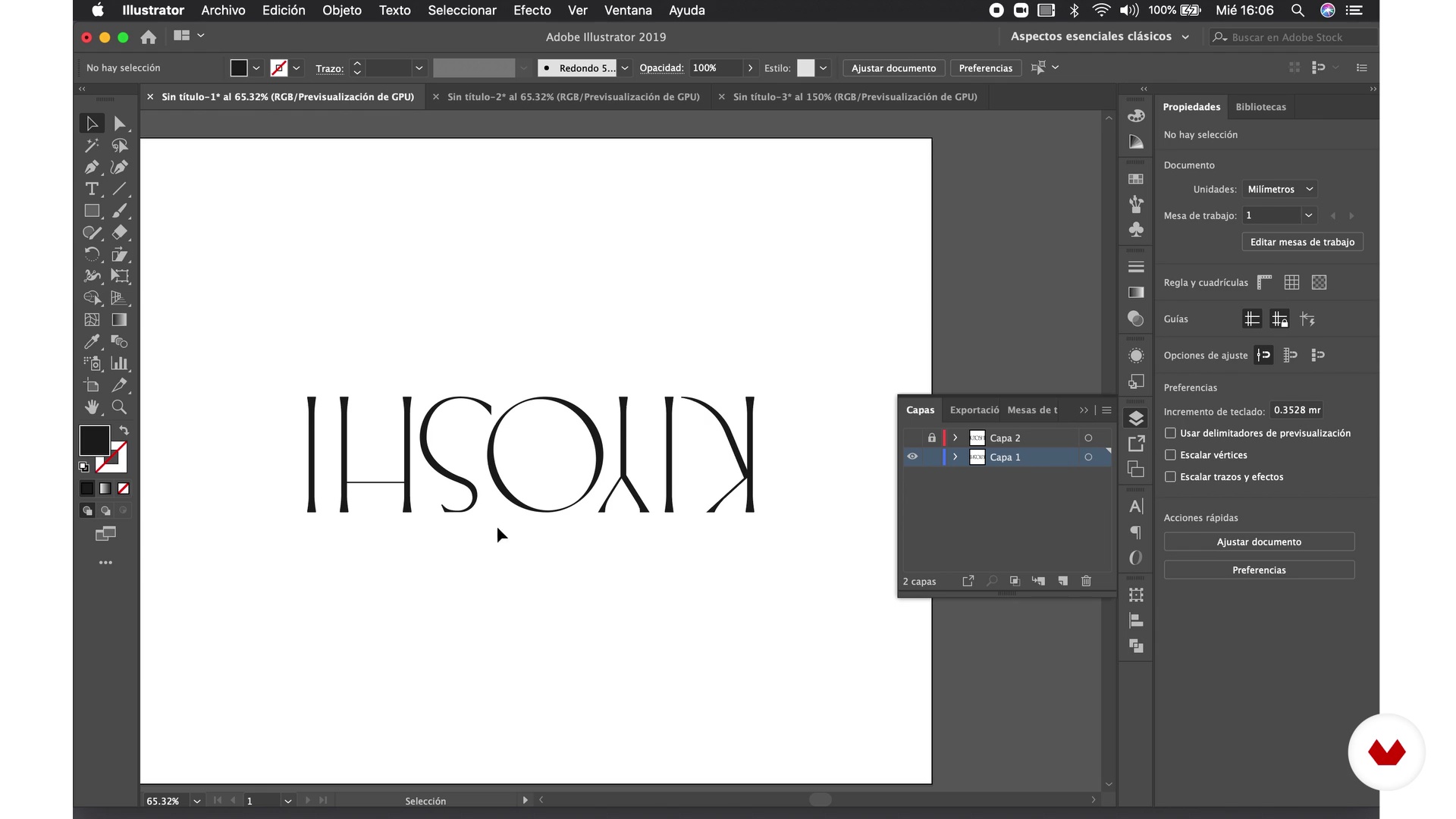
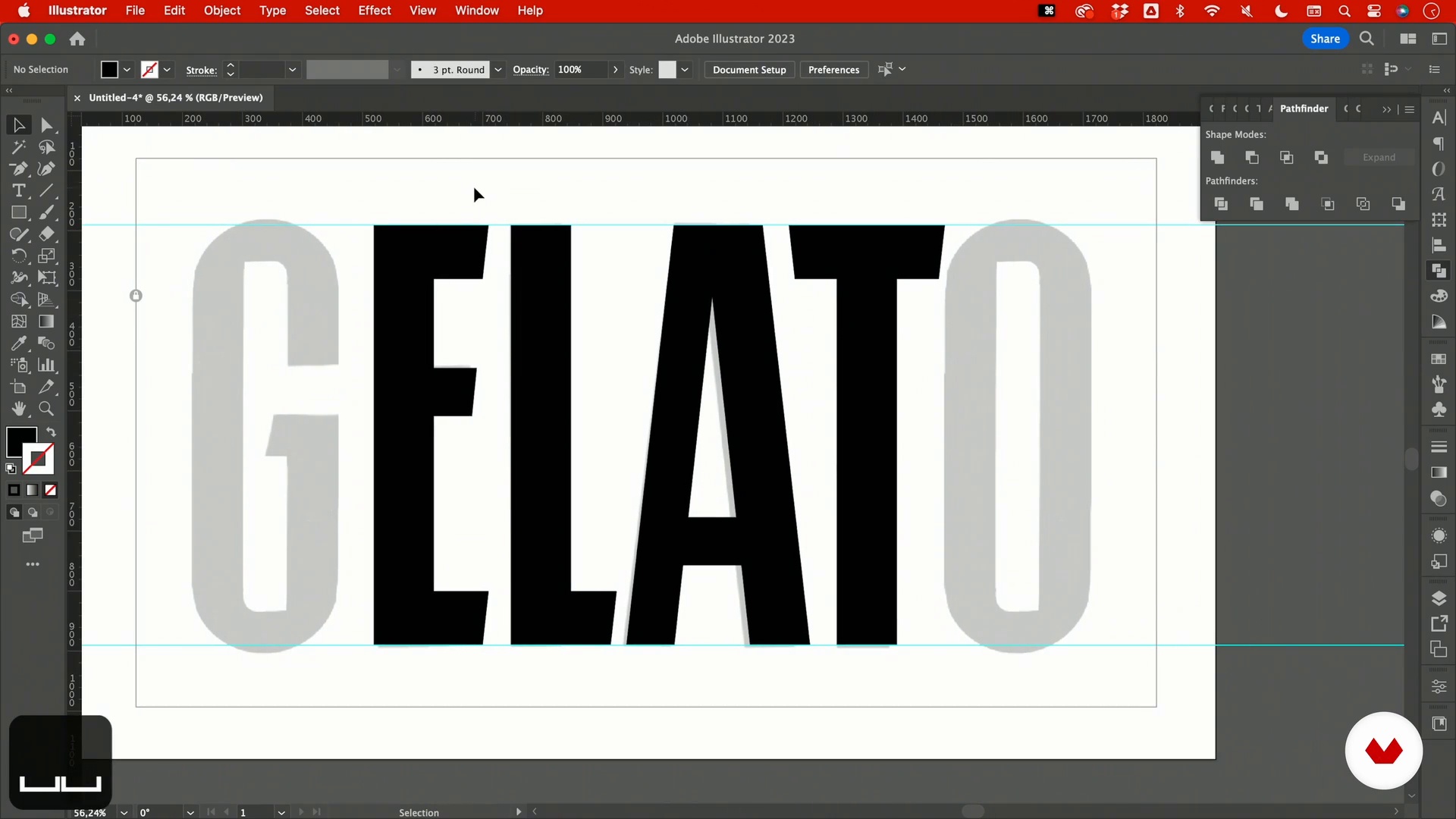
In this lesson, we will continue working with vectors. We will use tools such as the magic wand, duplicate and pathfinder, in order to optimize the process.
14m
image
13
Optical adjustments
Now, we will make the optical adjustments, which will allow you to avoid problems in the readability of your logo.
4m
image
14
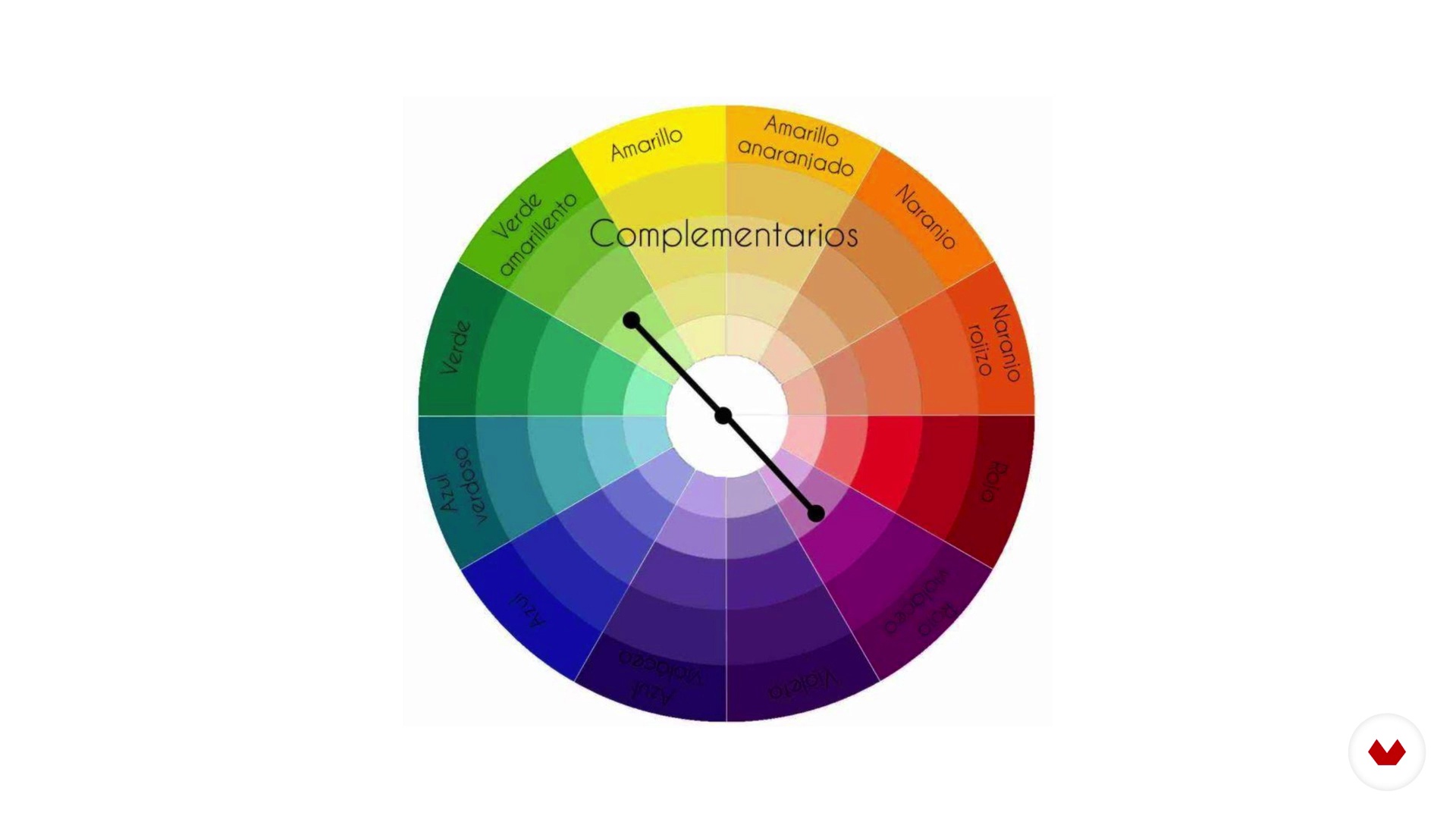
Selection and application of color
We have finished the vectorization, now, I will teach you to make a correct selection of color, which will allow dressing and giving the final touches to your brand project.
7m
image
15
Auxiliary Elements
We will see how to apply some auxiliary elements, such as illustrations or vectors, to give personality to our brand, through the different supports in which it will have a presence.
3m
image
16
Printing Methods
Here, I explain some printing methods, (screen printing, hot stamping, letterpress), and I tell you about some of its peculiarities that will allow us to capture our design in different supports.
5m
image
17
Application on different supports
Once our logo is finished, basic applications of it will be made, in the most traditional supports (business cards, letterhead, folder). Once finished, we will apply the principles of color and typographic selection that we saw in the previous lessons, to create a uniform brand identity and that everything has visual consistency.
5m
image
3
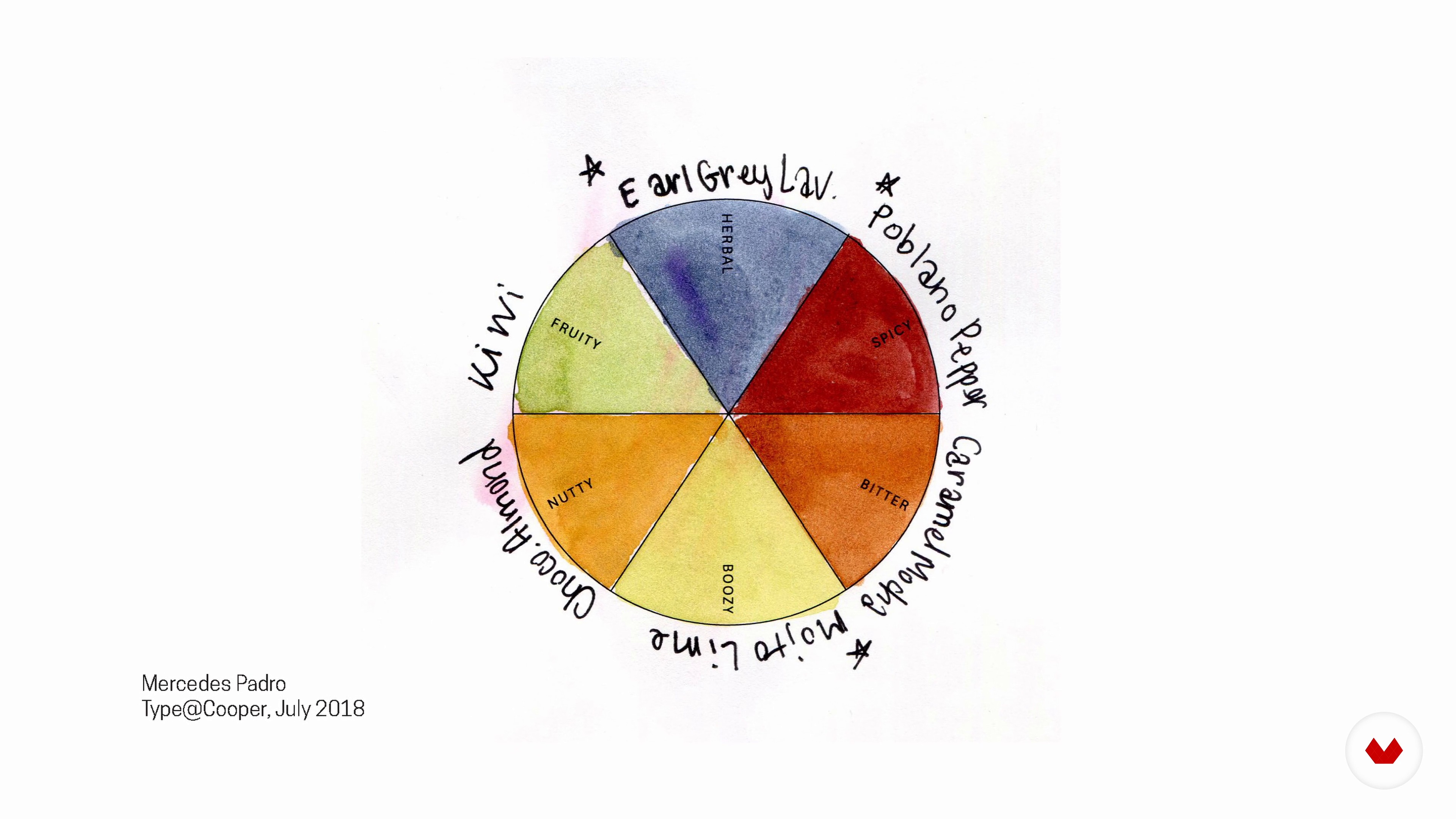
Values and Context
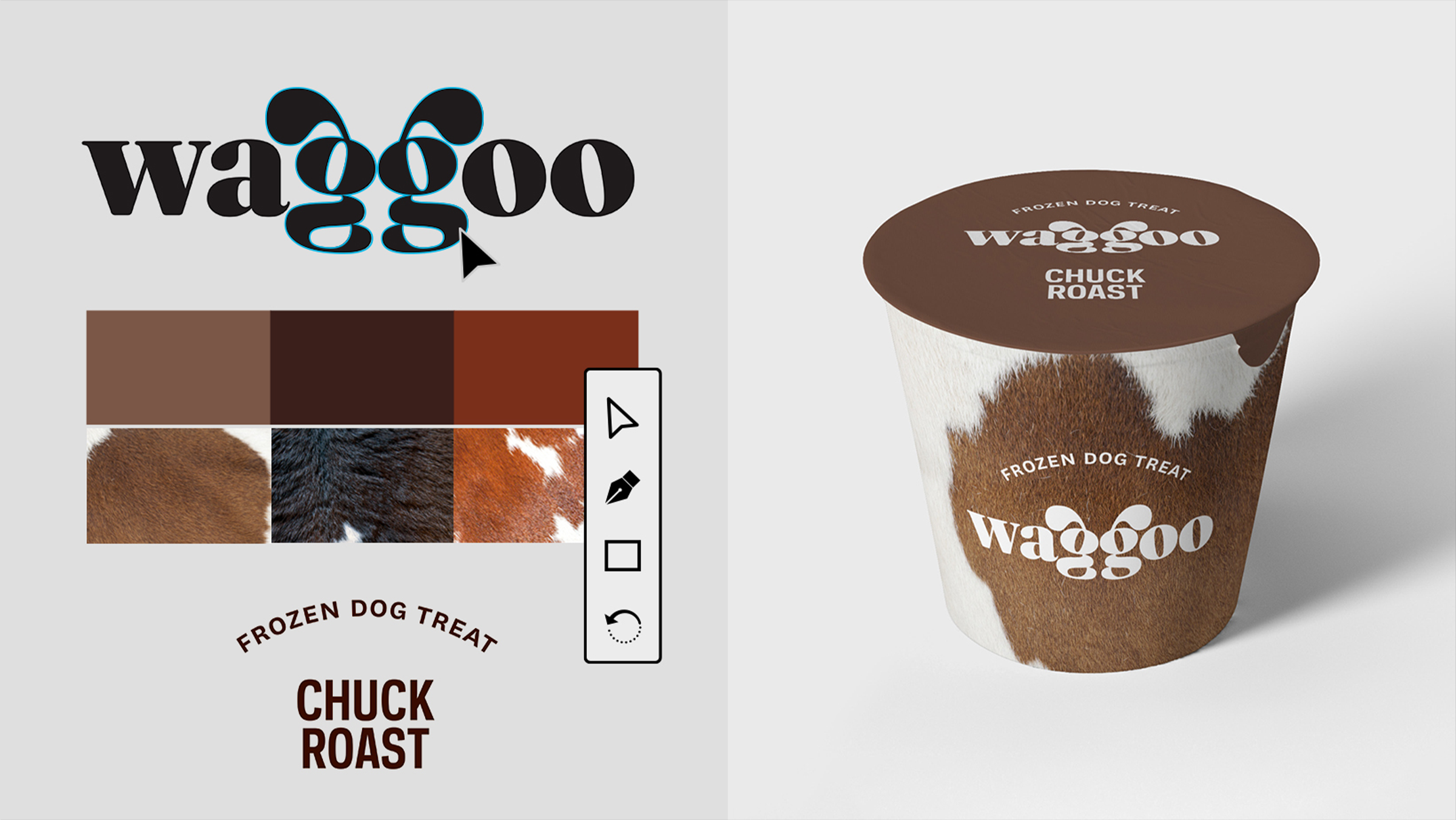
I want you to be a storyteller and come up with a unique concept for ice cream. What story will your brand tell? What sensory experiences will you offer? We'll start here by playing with colors and flavors to start defining the brand. I will also talk about the values behind the product.
5m
image
4
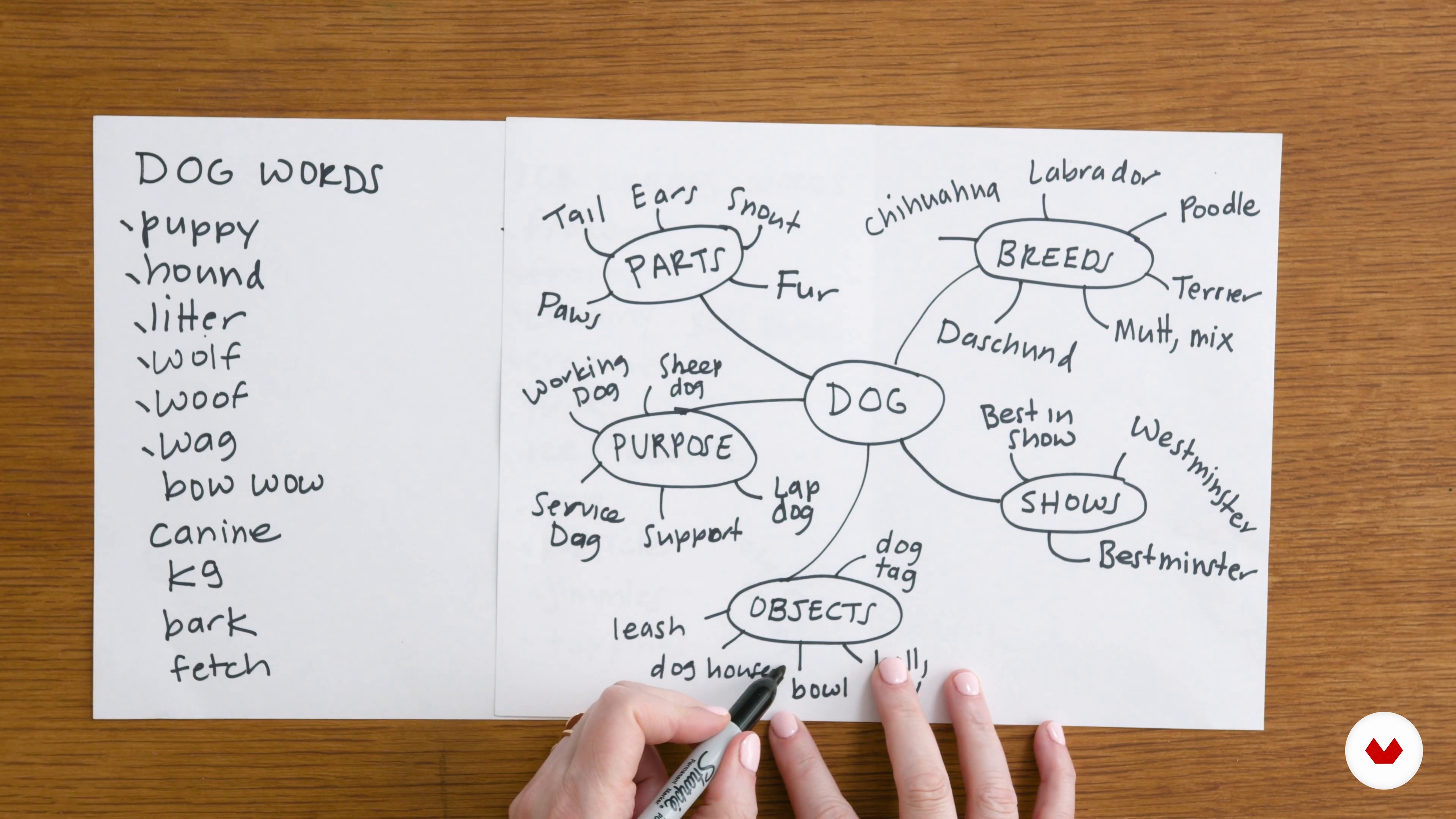
Naming
Designers should know how to invent interesting names, titles, or headlines. To help you come up with the name of the brand, I will teach you two techniques—name storming and mind mapping— that will lead you to create many ideas quickly.
4m
image
5
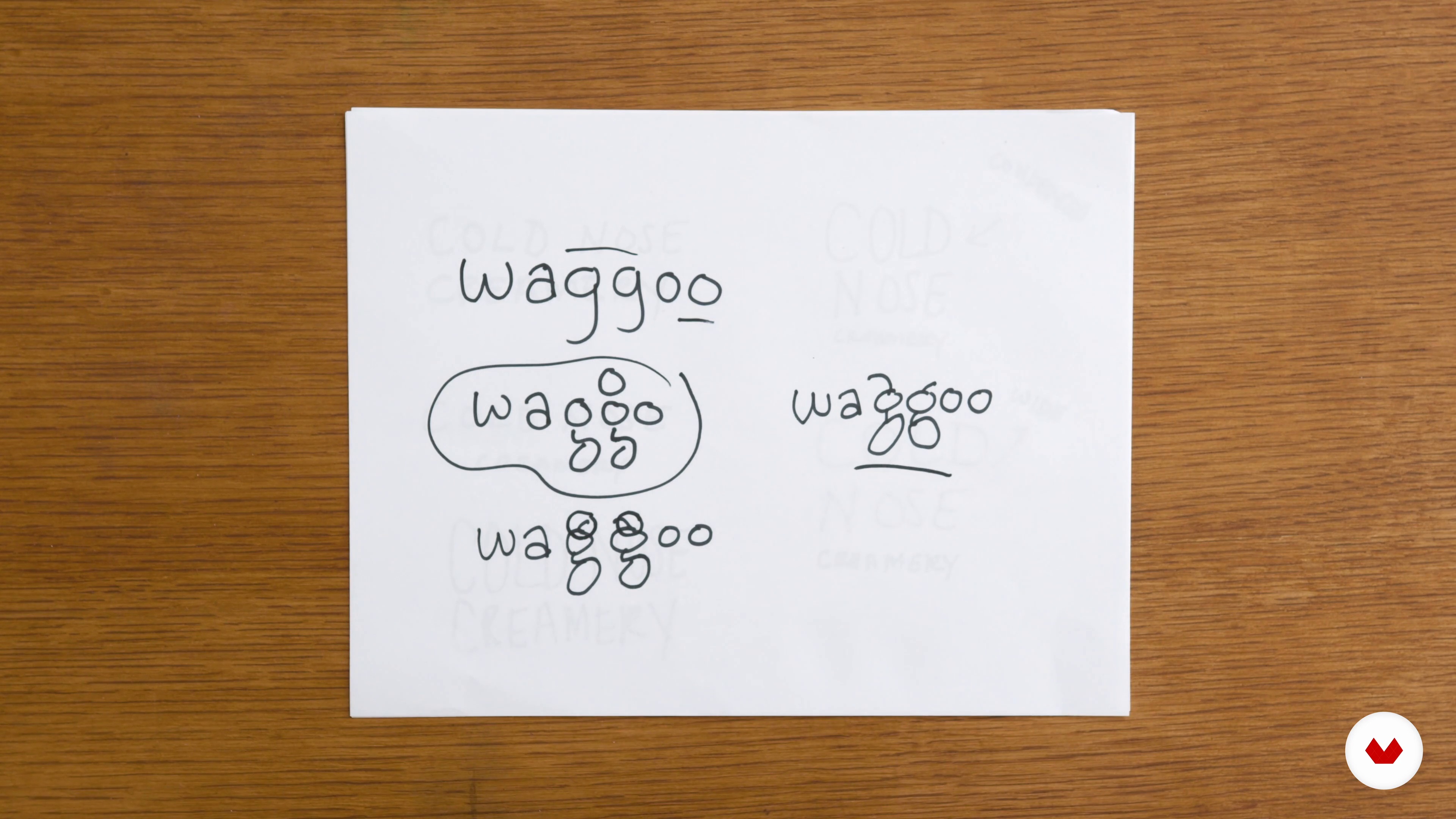
Basic Type Sketches
A great logotype starts with bare-bones ideas. Here we will get started creating the logo by writing the product name with a marker or pen in different configurations.
5m
image
6
Choosing a Primary Brand Typeface
Brand designers often start by choosing their primary font. Here, I will give you tips and ideas for creating a selection of typefaces to work with. It is important to see your product name in a variety of fonts.
9m
image
7
Logotype Studies
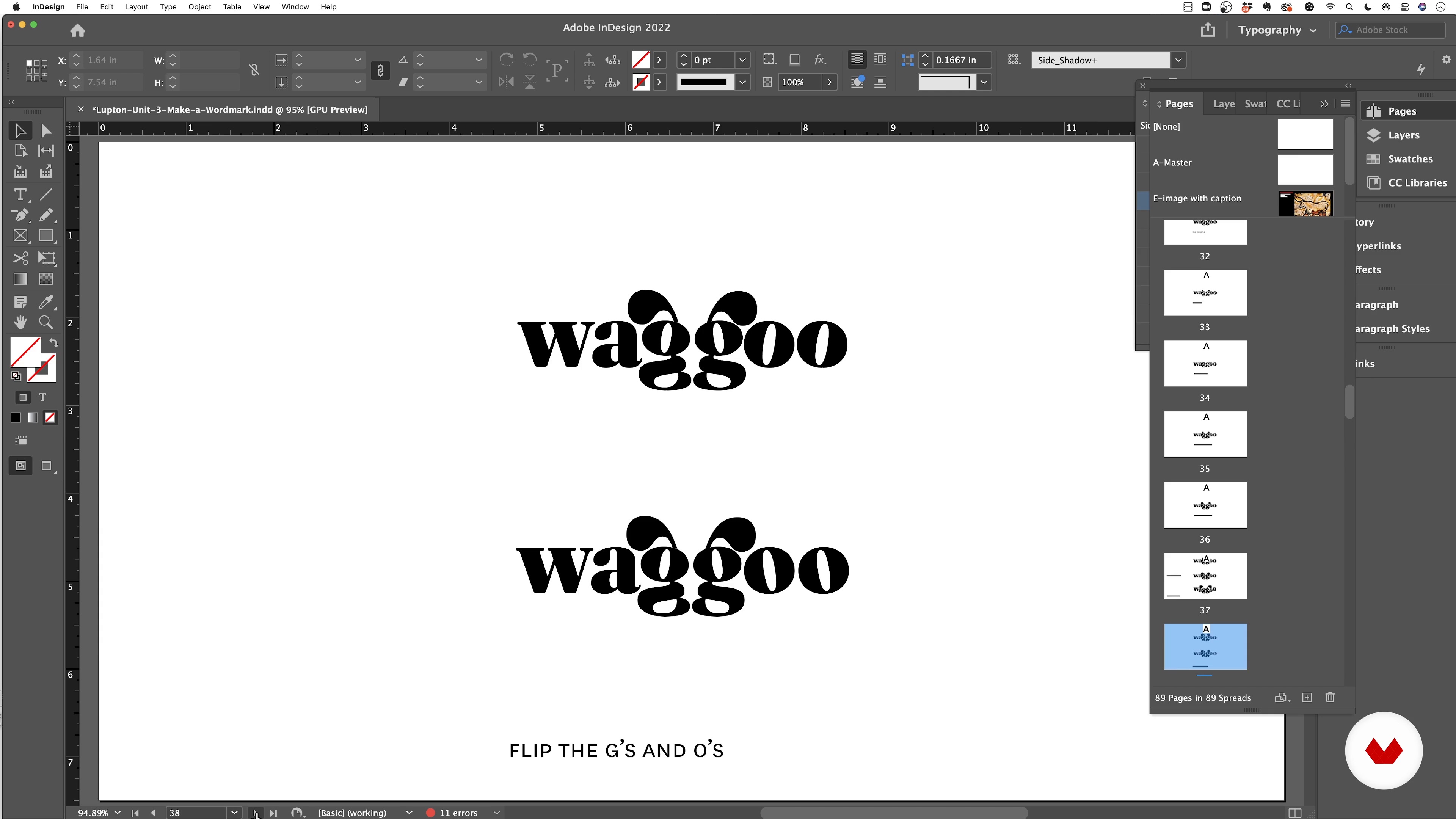
Now that we have chosen one or more typefaces and a basic arrangement, we will discuss how to make a unique logotype, using fonts and the tools of Adobe InDesign.
3m
image
8
Optical Sizes
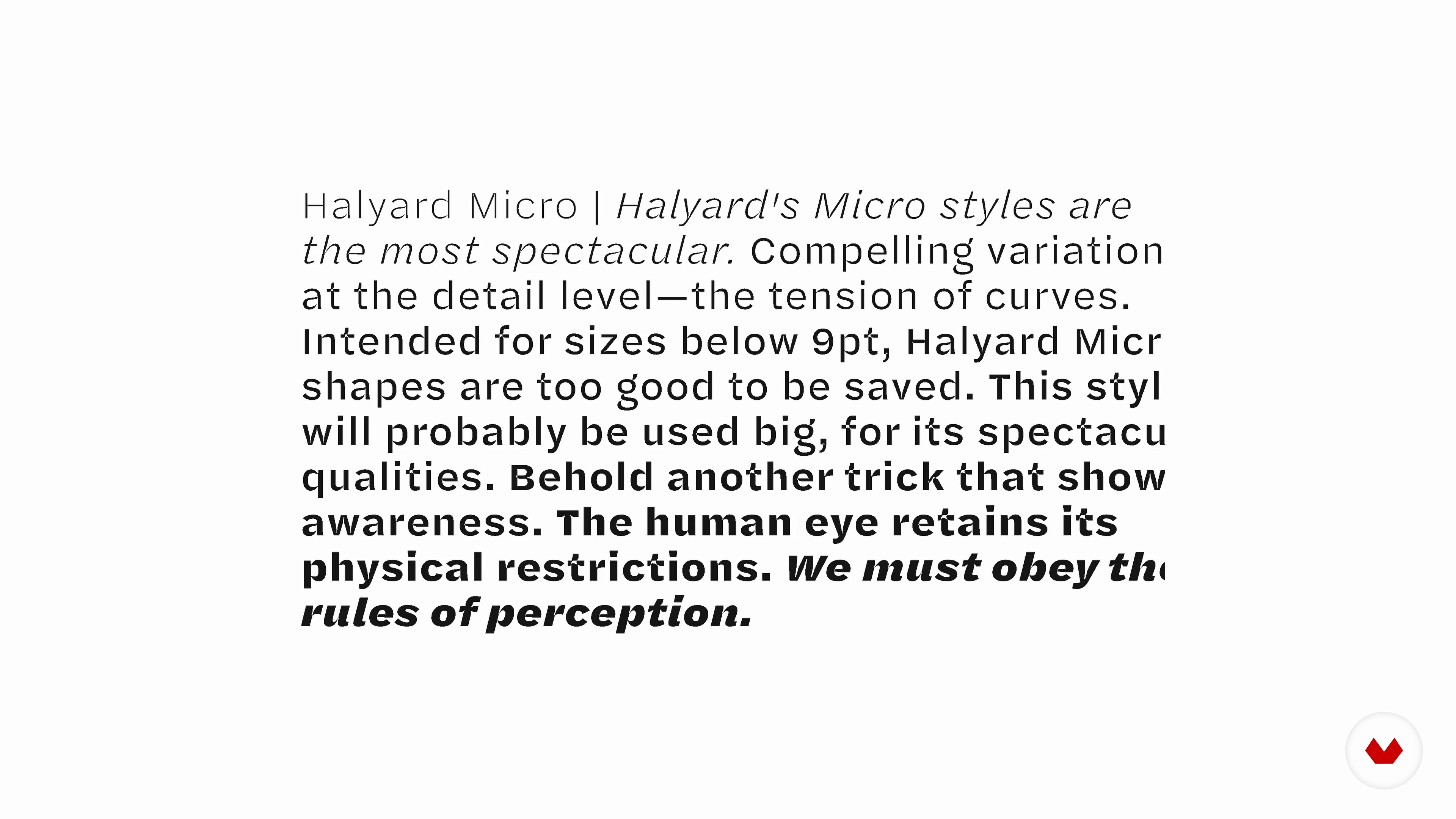
Some typefaces include unique styles designed for headlines, captions, microcopy, and text. These are called optical sizes. These type styles will add nuance to many design projects. Let's see how to use them.
7m
image
9
Choosing a Secondary Type Family
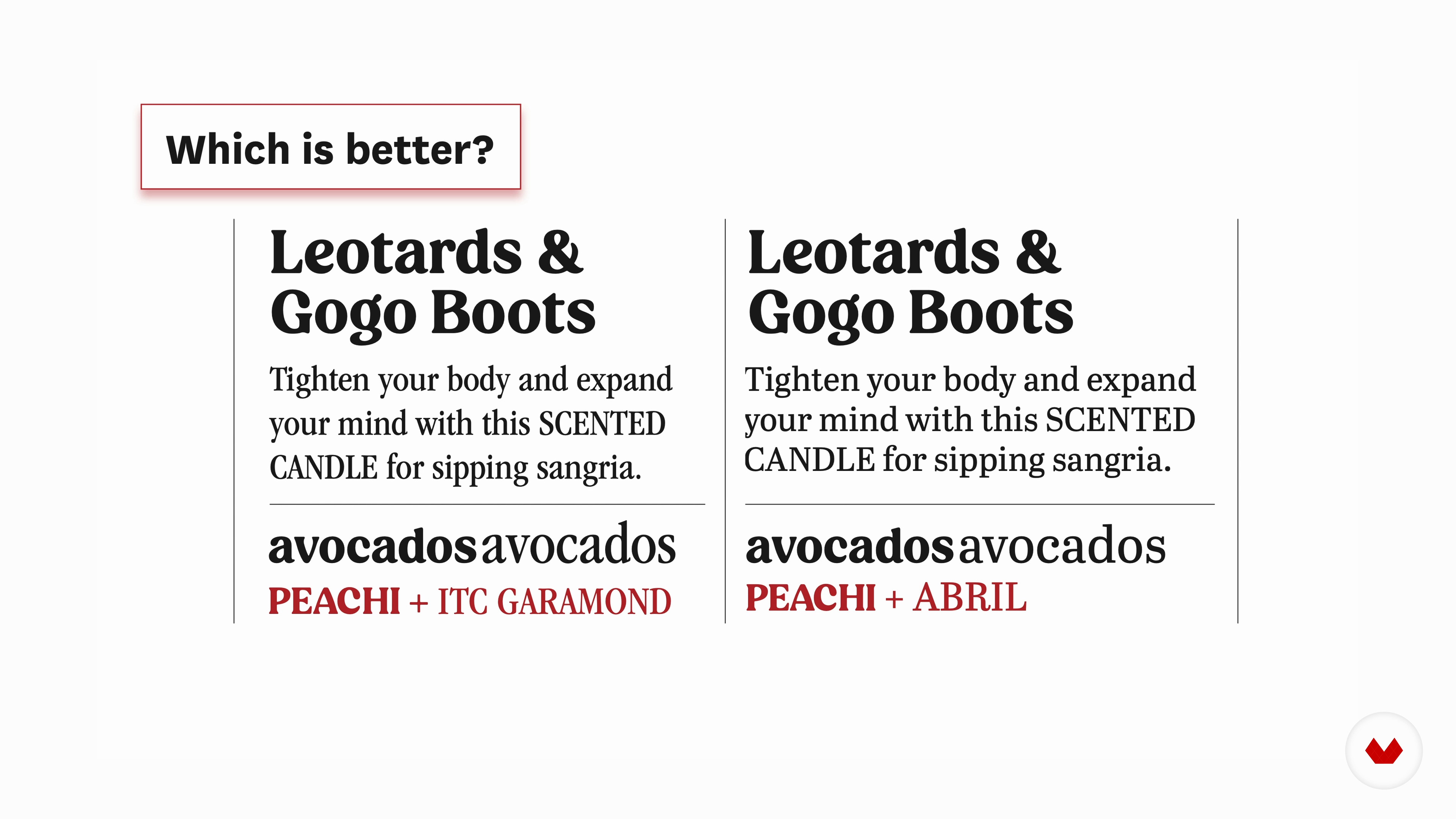
A playful logotype may need a dependable sidekick. Many brand systems use a secondary type family for taglines, product details, marketing copy, and more. I will now explain how to choose a typeface that supports your brand story and has appropriate similarities to—and differences from—your main typeface.
6m
image
10
Color
Using color allows you to enhance the sensory and emotional impact of your product. What do colors say and how do you choose them? Here I'll show you examples of how to do this by choosing the colors for my brand.
7m
image
11
Imagery
Imagery can be abstract or figurative. Patterns, illustrations, textures, and illustrations can enrich the narrative content of your brand system. But how do you choose the imagery that will complement your logotype and brand? Let's take a look.
7m
image
12
Applications
You will now see how to make your brand real by designing packaging, signage, social media campaigns, subway ads—or trucks. To do this, I will explain how to choose elements that amplify the story behind your brand concept.
7m
image
13
Presenting Your Work
Client presentations are works of storytelling. Here, I'll discuss how to engage a client in the process by giving them choices. I will also show you how to create a one-page brand guide that shows the parts of your system.
3m
image
3
Driven by the purpose of making pop typography
In this class, you will learn why Plau's purpose is to create pop typography.
16m
image
4
What makes a logo shine?
Logo is one of the most recognizable elements of a brand. Just imagine condensing the promise of an entire company or initiative into very few forms.
6m
image
5
Typography is the stem cell of communication
Typography is the spokesperson for an idea anywhere.
8m
image
6
Typographic theory
In this class, we will see how to translate a personality through letters.
19m
image
7
Briefing: defining the project scope
In this class, we will understand what the briefing is and what it is for.
9m
image
8
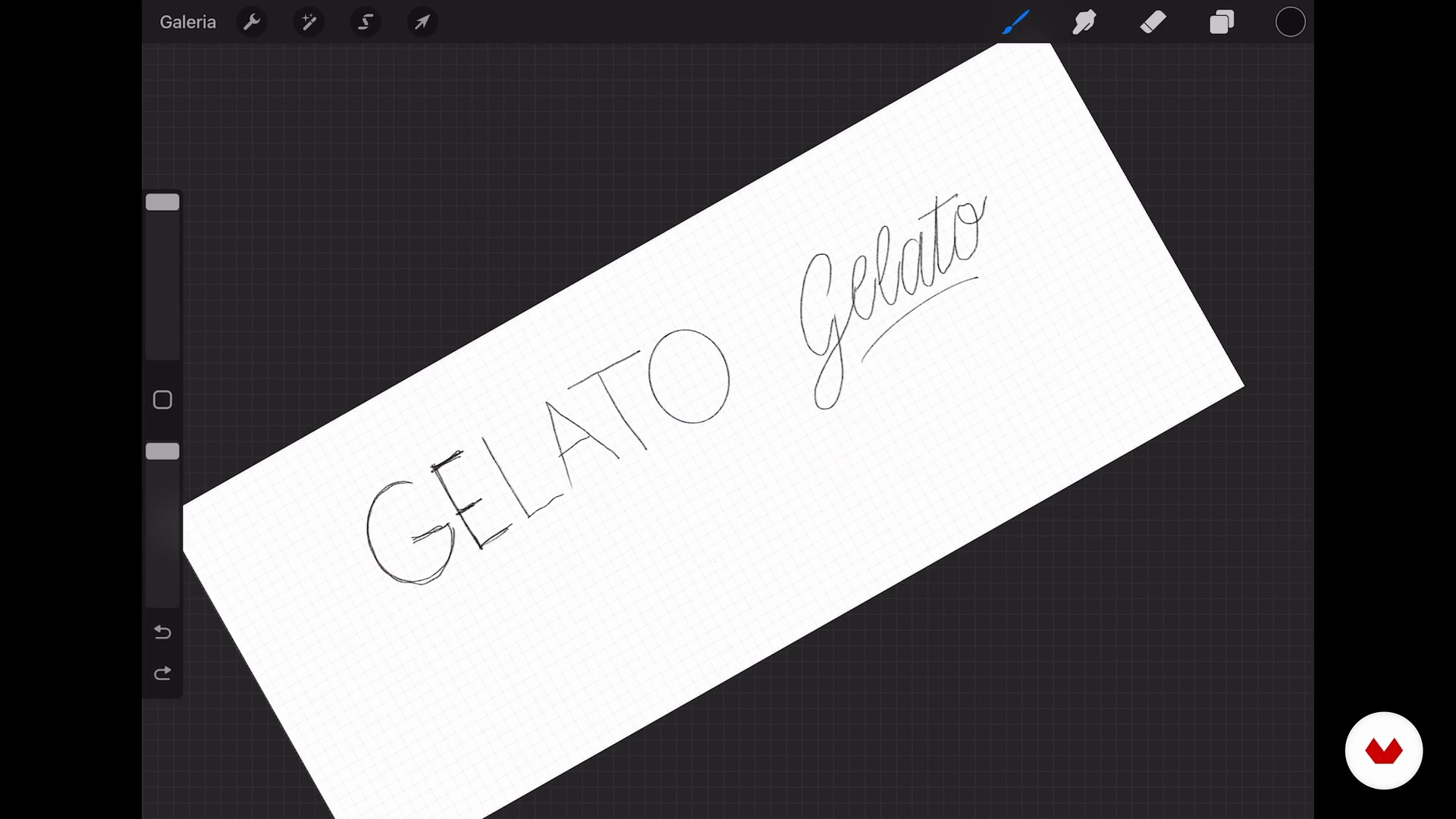
Sketching ideas in Procreate
Let's sketch ideas on the iPad. Follow the process!
12m
image
9
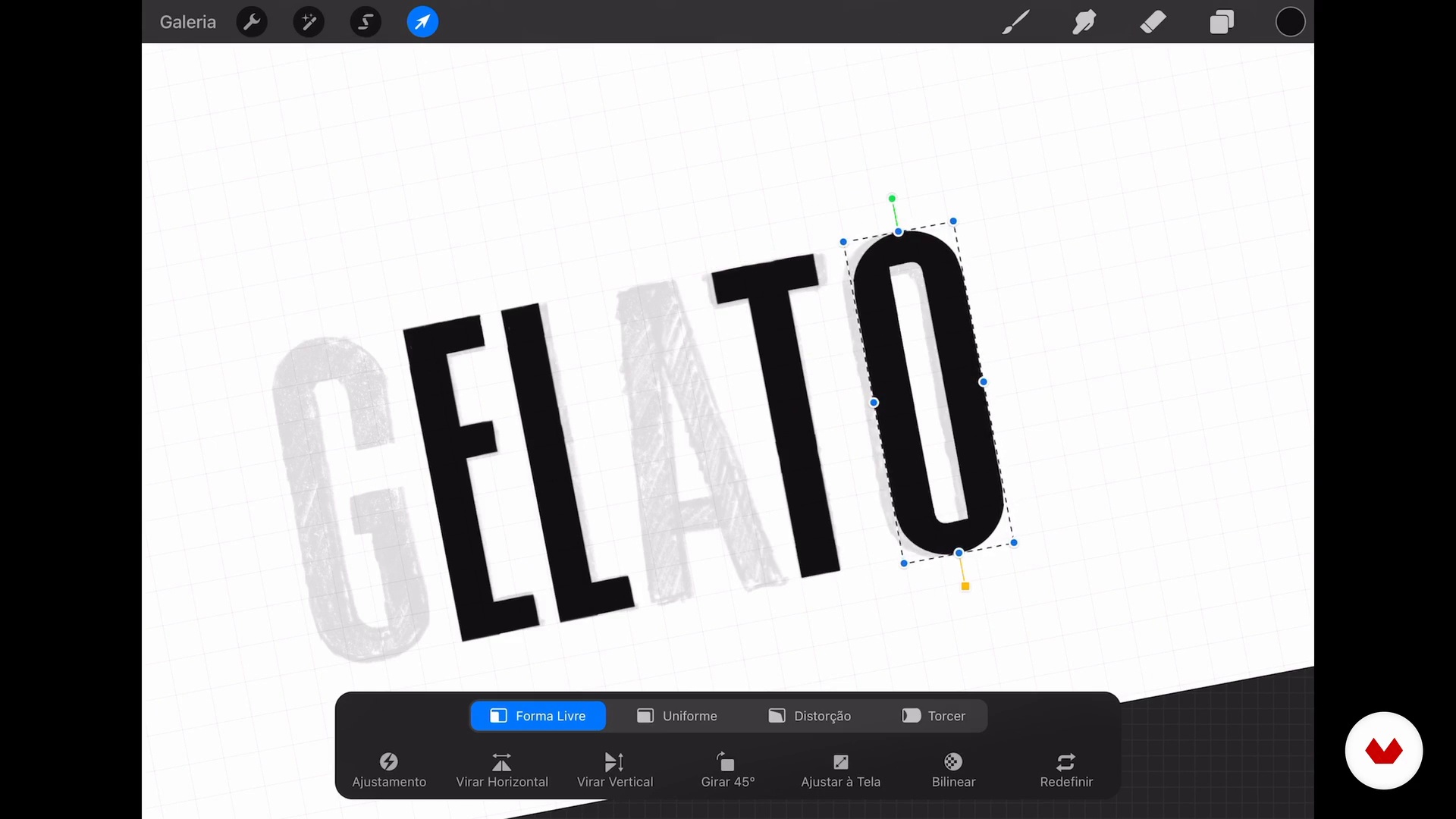
Refining drafts in Procreate
Now it's time to refine the draft.
11m
image
10
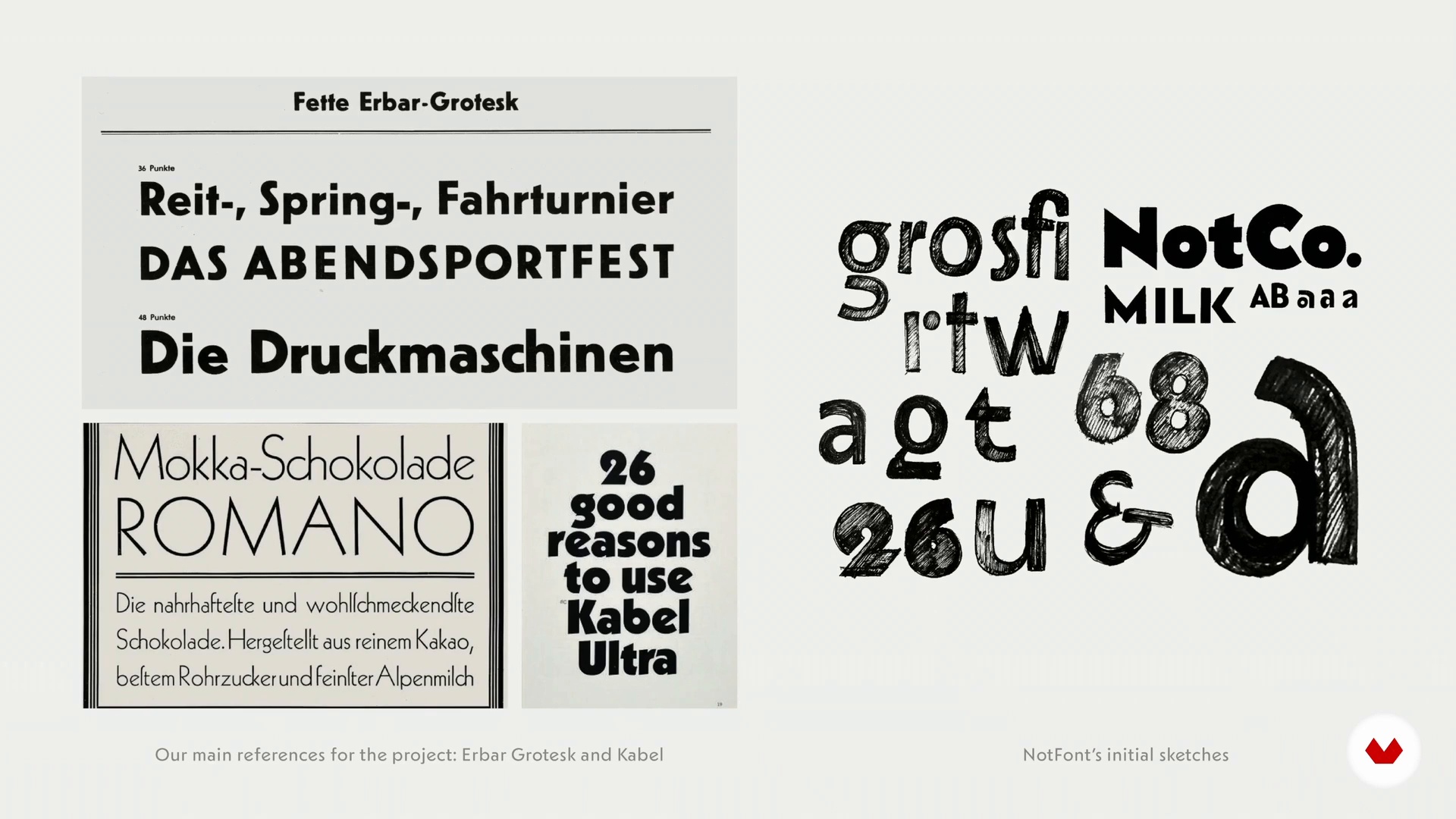
Sketching ideas on paper
Simply with a pencil and eraser it is possible to start our project. And with some valuable tips you will save time and generate increasingly interesting ideas.
14m
image
11
Refining drafts on paper
No matter how detailed a drawing on paper is, there is always room for improvement.
8m
image
12
Vectorizing logo
In this class, you will see how to vectorize the logo in a simple and effective way.
13m
image
13
Advanced vectorization 1
Now, you will learn about valuable vectorization techniques.
19m
image
14
Advanced Vectorization 2
In this second part of the class, you will see the vectorization work letter by letter and the specificities that emerge in each of them.
20m
image
15
Our way of thinking custom fonts
We will teach everything we learned about how to find the typographic voice of brands and develop fonts for the most different purposes.
6m
image
16
Font vectorization 1
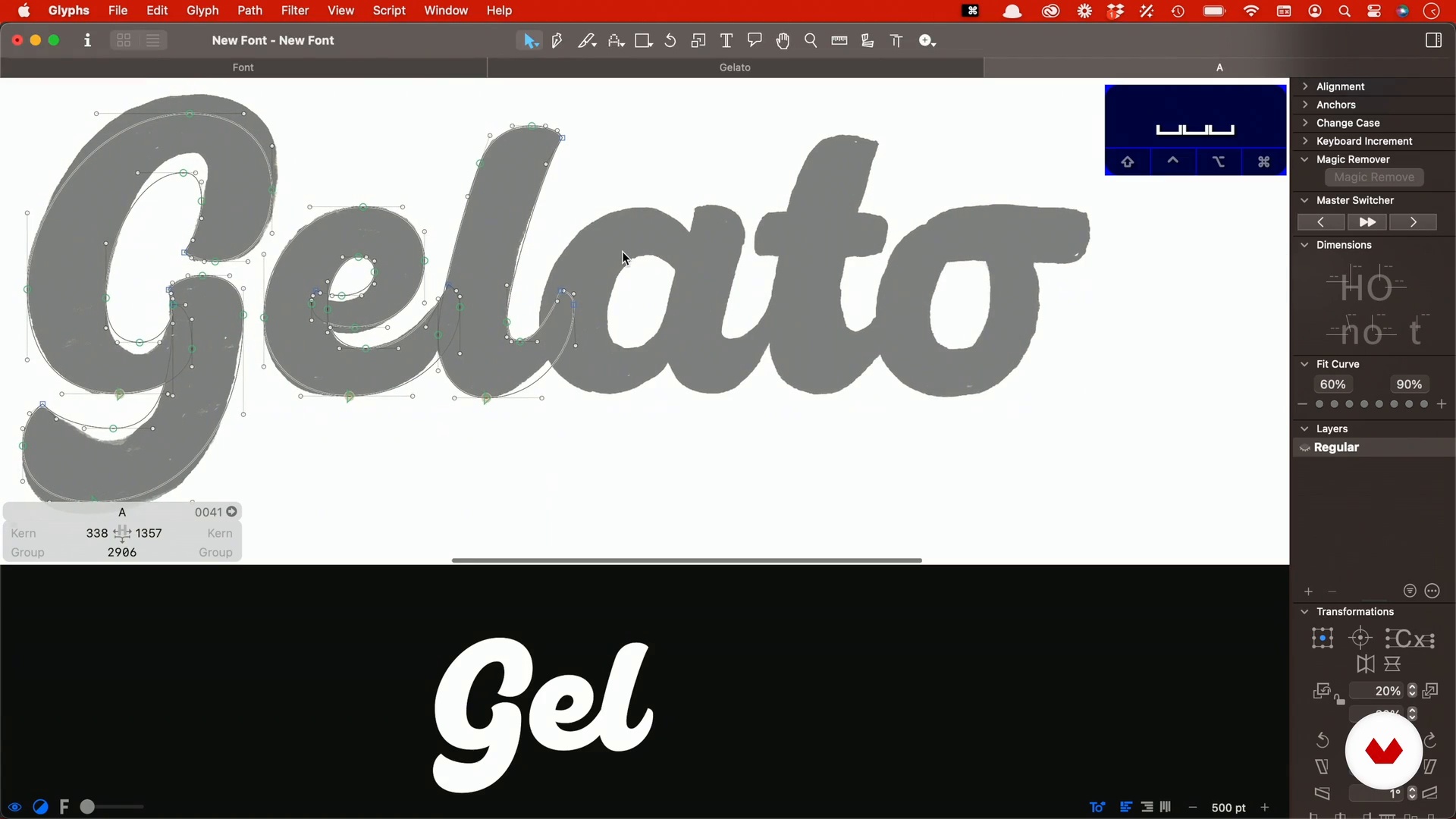
In this class, you will see the first steps towards creating your own font, in the same way we do every day at Plau. Let's transfer the vectors created in Illustrator to Glyphs and start designing the font.
20m
image
17
Font vectorization 2
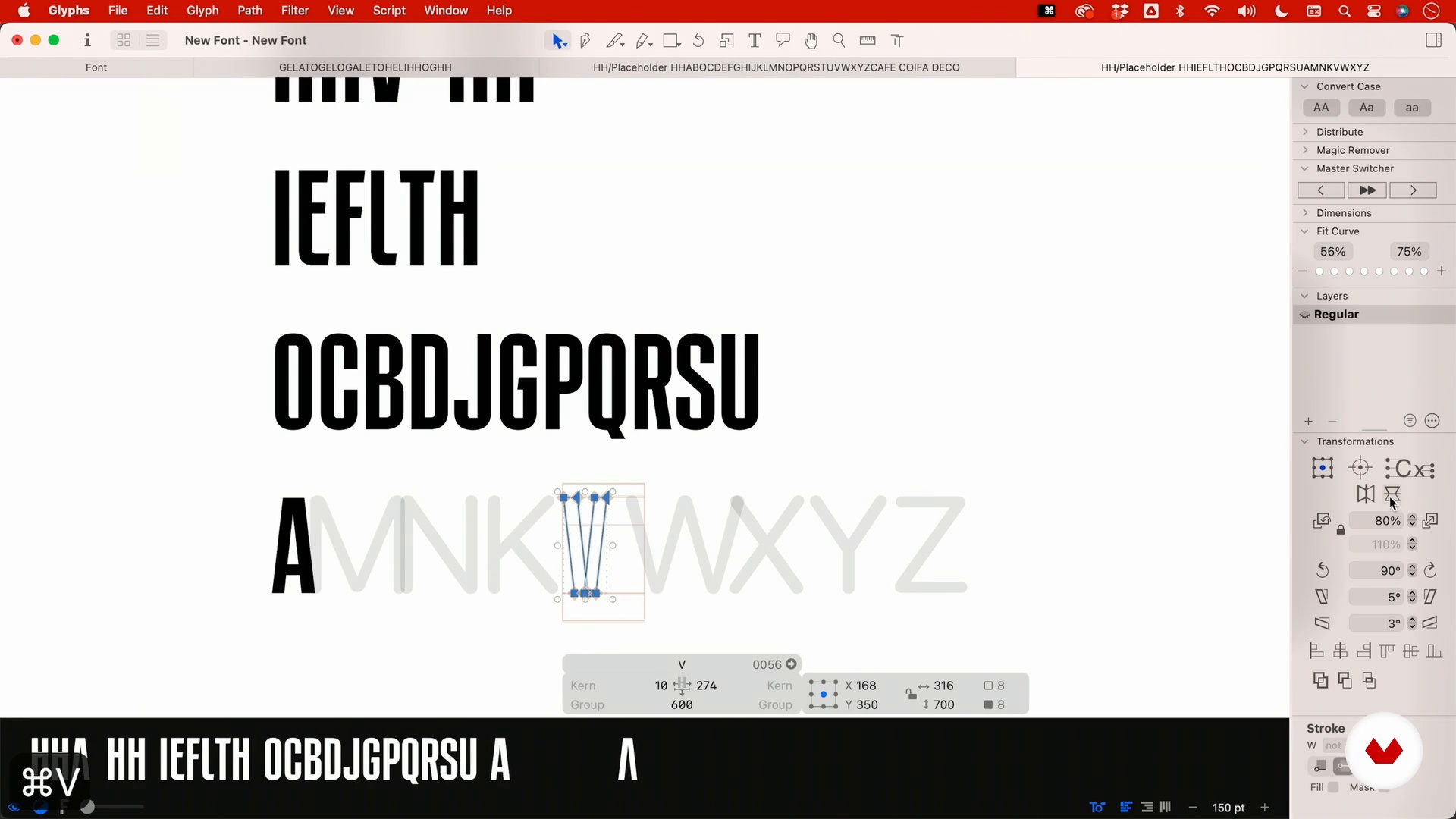
In this second part of the class, we will complete the alphabet and get everything ready to vectorize the other characters in the font.
18m
image
18
Vectorization: numbers and orthographic signs 1
In a font, the numerals, punctuation and accentuation are as important as the letters AZ. For a font to work well, all characters have to be thought out with the same care.
20m
image
19
Vectorization: numbers and orthographic signs 2
Let's finish vectorizing our list of characters and adjusting some that can be improved.
8m
image
20
Spacing Review
In typography, empty spaces count as much as filled spaces. When designing letters and logos, we must take great care of these relationships. In this class, we will see the main techniques for reviewing and adjusting letter spacing, from analog to digital.
19m
image
21
Portfolio Tips
In this class, you will learn the main tips, based on career experience, on how to present your work in the most effective and impactful way.
5m
  • 20 students
  • 77 lessons (12h 39m)
  • 99 additional resources (48 files)
  • Online and at your own pace
  • Audio: English, German, Spanish, Spanish (Latam), French, Indonesian, Italian, Dutch, Polish, Portuguese, Romanian, Turkish
  • Spanish · English · Portuguese · German · French · Italian · Polish · Dutch · Turkish · Romanian · Indonesian
  • Level: Beginner
  • Unlimited access forever

What is this course's project?

Students will create a comprehensive typographic brand identity, including designing an original logotype from scratch, developing a cohesive typographic system with hierarchies and combinations, personalizing typefaces, crafting a visual narrative, and producing an advanced application manual.

Who is this specialization for?

Graphic designers, art directors, branding specialists, and creatives aiming to master the power of typography in crafting memorable brand identities. Ideal for those seeking to enhance their skills in creating visually compelling, effective brand communications using innovative typographic techniques.

Requirements and materials

No extensive prior knowledge is required, but basic understanding of graphic design and access to design software are beneficial. A passion for typography and creativity is essential. Materials include sketching tools, digital design software, and a reliable internet connection.


Select to get to know your teachers in this specialization course
Read more ↓

What to expect from this specialization course

  • Learn at your own pace

    Enjoy learning from home without a set schedule and with an easy-to-follow method. You set your own pace.

  • Learn from the best professionals

    Learn valuable methods and techniques explained by top experts in the creative sector.

  • Meet expert teachers

    Each expert teaches what they do best, with clear guidelines, true passion, and professional insight in every lesson.

  • Certificates
    Plus

    If you're a Plus member, get a custom certificate for every specialization course. Share it on your portfolio, social media, or wherever you like.

  • Get front-row seats

    Videos of the highest quality, so you don't miss a single detail. With unlimited access, you can watch them as many times as you need to perfect your technique.

  • Share knowledge and ideas

    Ask questions, request feedback, or offer solutions. Share your learning experience with other students in the community who are as passionate about creativity as you are.

  • Connect with a global creative community

    The community is home to millions of people from around the world who are curious and passionate about exploring and expressing their creativity.

  • Watch professionally produced courses

    Domestika curates its teacher roster and produces every course in-house to ensure a high-quality online learning experience.


FAQs

Domestika courses are online classes that allow you to learn new skills and create incredible projects. All our courses include the opportunity to share your work with other students and/or teachers, creating an active learning community. We offer different formats:
Original Courses: Complete classes that combine videos, texts, and educational materials to complete a specific project from start to finish.
Basics Courses: Specialized training where you master specific software tools step by step.
Specialization Courses: Learning paths with various expert teachers on the same topic, perfect for becoming a specialist by learning from different approaches.
Guided Courses: Practical experiences ideal for directly acquiring specific skills.
Intensive Courses (Deep Dives): New creative processes based on artificial intelligence tools in an accessible format for in-depth and dynamic understanding.

All specialization courses are 100% online, so once they're published, specialization courses start and finish whenever you want. You set the pace of the class. You can go back to review what interests you most and skip what you already know, ask questions, answer questions, share your projects, and more.

The specialization courses are divided into different modules. Each one includes lessons, informational text, tasks, and practice exercises to help you carry out your project step by step, with additional complementary resources and downloads. You'll also have access to an exclusive forum where you can interact with other students, as well as share your work and your final project, creating a community around the specialization courses.

You can redeem the specialization courses you received by accessing the redeeming page and entering your gift code.

If you're a Plus member, when you complete a course you've purchased, you'll instantly get your personalized certificate. You can see all your certificates in the Certificates section of your profile. You can download your certificates as PDFs and share the link online. Learn more about certificates.
Specialization in Branding Typography: Craft Memorable Brand Identities. Calligraphy, and Typography course by Domestika

Specialization in Branding Typography: Craft Memorable Brand Identities

A specialization by multiple teachers
Berkeley, United States.
Joined April 2002
  • 20 students