


Treasures of the past: how medieval art inspires contemporary animation
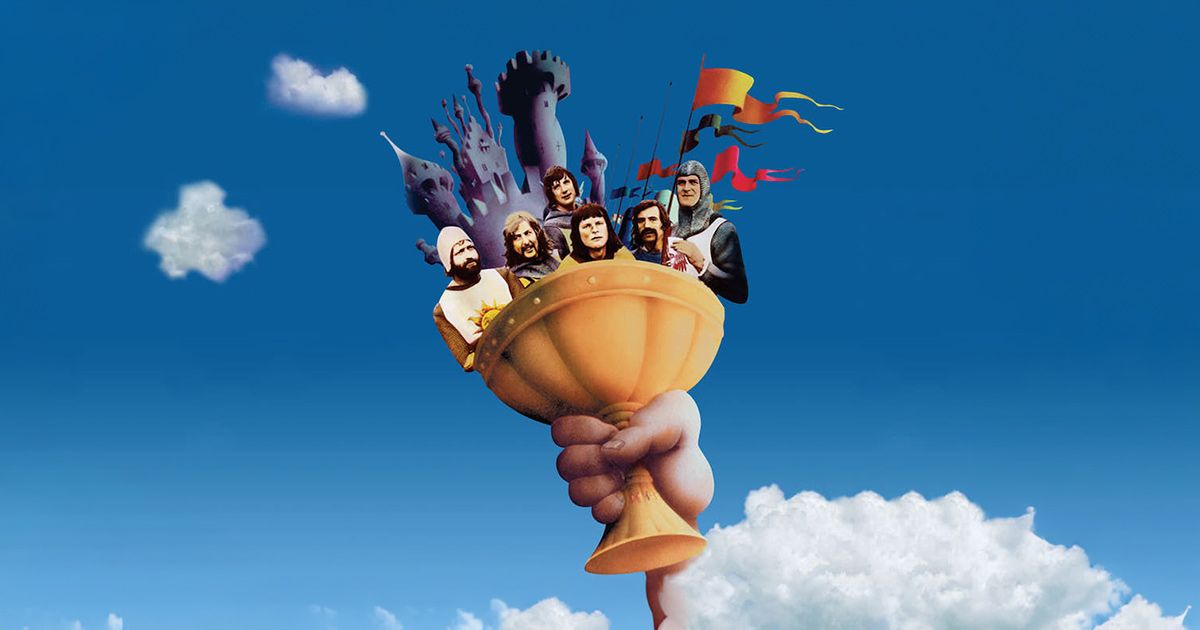
Medieval art, a key inspiration in contemporary animation.
Contemporary animation does not always look forward. On many occasions, it finds its greatest source of innovation by looking to the past. Medieval art, with its symbolic power, visual storytelling and meaningful aesthetics, has become a key inspiration for filmmakers and animation studios looking to build unique and memorable worlds.
[Stained glass windows, illuminated codices, tapestries and frescoes[/b] have been brought back to life on the big screen, transformed into visual languages that break with classical realism.
Have you ever noticed these medieval echoes while watching your favorite animated movies?.
Visual keys to medieval art.
Medieval art developed with a clear objective: to tell stories and transmit ideas in a society where the image was a fundamental language. Some of its most recognizable characteristics are:
- Intense and symbolic color palettes, with a predominance of golds, deep blues, reds and greens.
- Flat perspective, where hierarchy matters more than realistic depth.
- Religious and mythological iconography, loaded with coded meanings.
- Manuscript illumination, with geometric patterns, ornamental frames and decorated capitals.
- Stained glass and tapestries, which narrate complete scenes through composition and repetition.
These resources were not only decorative: they functioned as a powerful, clear and emotional narrative tool.

Animated films that draw from medieval art.
The Secret of Kells
The influence of the Book of Kells is evident in every shot. The animation adopts a geometric, flat and symbolic aesthetic that directly transfers the language of the illuminated manuscripts to contemporary cinema.
Song of the Sea and Wolfwalkers.
Both films, also by Cartoon Saloon, explore repetitive patterns, overlapping planes and textures that evoke ancient illustrations.
In Wolfwalkers, medieval bestiary and mythology are organically integrated into characters and landscapes.
Sleeping Beauty.
One of the clearest classic examples. Its backgrounds, designed by Eyvind Earle, are inspired by European medieval tapestries and Gothic architecture, creating a stylized, elegant and timeless visual universe.
Monty Python and the Holy Grail.
Terry Gilliam's Terry Gilliam's animations parody medieval manuscripts, cutting out figures and creating absurd movements that reinterpret this visual language with humor and satire.
We also find this influence in video games like Gris or Child of Light, where the medieval is mixed with the dreamlike and the contemporary.

Why does medieval art still work today?.
Medieval art connects with something profound and universal. Its symbolic power allows it to tell complex stories in a straightforward way, without the need for hyperrealism. Also:
- It evokes the mystical, the epic and the timeless, qualities much sought after in fantasy and animation.
- It breaks with classical three-dimensionality and opens the door to visual styles of its own.
- b]It makes it possible to create coherent worlds with a strong identity[/b] from the very first frame.
In a context saturated with realistic images, this aesthetic offers an expressive and memorable alternative.

How to apply this inspiration to your own projects.
If you work in illustration, graphic design or animation, medieval art can become an inexhaustible source of ideas:
- Design decorative or chapter frames to introduce scenes or characters.
- Experiment with palettes inspired by frescoes and manuscripts, limiting colors to reinforce the visual impact.
- Reinterprets religious or symbolic motifs from a contemporary point of view.
- Apply textures that imitate parchment, engravings or wood.
- Create characters with hieratic and expressive silhouettes, where the posture communicates more than the detail.
For documentation, you can explore online museums, digitized codices or references such as the Beatus of Liébana or the Maciejowski Bible.
Medieval art is not only a window to the past: it is a living source of beauty, mystery and visual strength that continues to inspire contemporary creators. By integrating it into animation, new ways of narrating, thrilling and building memorable universes open up.
"When story becomes image, animation finds new ways to excite."
If you are interested in further exploring how animation builds unique visual universes and delve into different narrative and aesthetic styles, you can discover the animation courses on Domestika.


0 comments