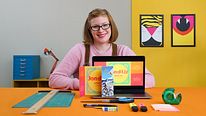
Introduction to Invitation Design: From First Brief to Final Print
Course final project
A course by Sarah Lewis , Graphic Designer

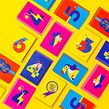

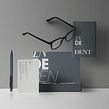
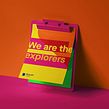


About the final project for: Introduction to Invitation Design: From First Brief to Final Print
Introduction to Invitation Design: From First Brief to Final Print
“We’ve reached the end of the course and you’re ready to get going with your final project. Let’s have a quick recap of everything we’ve learned. We talked about graphic design, and the difference between a well thought out project and a styling job. We learnt to question the decisions we make, always having an idea behind our choices, and spent some time thinking about trends and why we should avoid them in our work. Then we settled on an event for our project. We learnt about the importance of the brief, and how to get a really good one from a client. How to make sure you’ve understood the clients’ needs with a debrief, and how to quote for a project. Then we got creative. We looked at how to use mood boards to develop our ideas and sell a concept to the client. Once we had a concept we were happy with we learnt about how to decide on a format, what materials and special finishes we could use, and how we might send out our invitation. We talked about how to select typefaces and colours, and how to load these into our Indesign document. What I’ve taught you can be applied to any graphic design project. We focused on a printed paper invitation, but I hope that some of the ways of thinking that I’ve described will help you to approach any project with creativity. Have some fun with your final project, and don’t feel limited to a gatefold invitation and envelope if you have a brilliant idea for a different format. You could even attach your invitation to a tennis ball or a brick if it connected to the event. The more original your idea the more memorable the design will be. I’m going to give you some pointers to think about while approaching your project. Before I do, I want to remind you that I don’t only want to see the final results, but also the steps and decisions you took along the way. By sharing these you will be mirroring the process I laid out in the course, and I’ll be able to provide you with better feedback. There’s no right or wrong way to work, but by creating an invitation from scratch and following the framework I provided, you will be able to spot any differences between your way of doing things and mine. You can learn a lot about your own process this way. So let’s delve into your final project. Once you have been commissioned for a job (or chosen a test event to work on) you can start planning your project. Think about how long you will need, with key delivery dates and any anticipated costs. Remember to get signoff from your client before you start the project, and get a really good brief to work from. Spend lots of time researching your ideas and developing your mood boards. This is really where you develop your visual language so don’t rush this stage. Make sure you look outside the world of graphic design for references and inspiration. Once you have a chosen route you can move onto the production phase. First, you will need to choose a typeface or typefaces. Explore options, consider the implications of the fonts you’re choosing - what mood or feelings do they evoke? Next work out your hierarchy - think about how you can use size, weight, and colour to differentiate different levels of information within your typography. I would usually advise you not to use more than two fonts unless you have a good reason for choosing more - remember there are no rules but you need to have a ‘why’. Once you’ve picked your typefaces you can move on to your colour palette. Use your mood board as a reference and make sure you can print the colours you’re choosing within your budget. If your project calls for it, you might need to add other visual elements. You can either create or source them, but bear in mind the pros and tradeoffs of each solution (namely, extra time if you decide to do it yourself vs the extra cost of outsourcing). Once your toolkit is ready it is time to lay the invitation out. Try to create a layout that is both engaging and clear. The type hierarchy you established earlier comes in handy here. Think about how the information is delivered, what you want the audience to read first. Consider using margins and columns to space out the information, so it doesn’t get too busy. Don’t be afraid of negative space - it can help to give tension to your layouts. Once you’re happy with your design the next step is to present it to the client. Chances are there will be feedback, with amends and corrections before you can send your design to print. This is a critical step. I suggest you double-check everything: spelling, colour, sizing...


Partial transcription of the video
“Final Project That's it! We've come to the end of the course, so get going with your final project. Let's just do a quick recap to go over what we've learnt so far. We learnt a bit about graphic design and the difference between just styling a project and actually having a well-thought out idea. We learnt about trends and why we want to try and avoid them in our work, so that we can create original designs that really connect with the idea in this event, so that our invitation looks and feels like the event that we are working with. We talked about briefing, why a good brief is so important...”
This transcript is automatically generated, so it may contain mistakes.
Course summary for: Introduction to Invitation Design: From First Brief to Final Print
-
Category
Design -
Software
Adobe InDesign -
Areas
Branding & Identity, Graphic Design, Packaging, Stationery Design

Sarah Lewis
A course by Sarah Lewis
Sarah Lewis is a freelance graphic designer working and living in London. She got her start as an intern at Dazed and Confused magazine before taking on design roles with studios like Blue Source, Love, and Navyblue. She began as a freelancer in 2007 and now works directly with clients and design agencies like Conran Design Group, Start Creative, and Every Friday.
Specializing in print and identity projects, Sarah has collaborated on projects ranging from tiny charities to 300-page annual reports for global companies. Together with her graphic design work, she runs Alphablots, which makes graphic greeting cards and playful prints for kids and color-loving grownups. She is also a passionate roller skater and teaches classes for beginners in London.
- 100% positive reviews (34)
- 1,099 students
- 21 lessons (3h 46m)
- 36 additional resources (8 files)
- Online and at your own pace
- Available on the app
- Audio: English
- Spanish · English · Portuguese · German · French · Italian · Polish · Dutch · Turkish · Romanian · Indonesian
- Level: Beginner
- Unlimited access forever
Recommended software & tools for this course
 Adobe InDesign
Category
Areas