
Have fun learning to take on a branding project, from the brief to the presentation
All brands, in one way or another, have a personality, and all personalities are connected to a person. At the creative consultancy Pupila they have understood that defining the brand’s personality before designing it is the most relevant step in their creative process.
In this course, you’ll be joined by Bruno and Marcelo, half of Pupila, in a search to find the personality that a brand carries within, to then translate it into an image that expresses itself according to the values and attributes it represents.
No matter the business, product, or service you’re working on, this course will give you a solid foundation to take on any branding project, from start to finish.
What will you learn in this online course?
17 lessons & 31 downloads

What will we do in the course?
56 seconds
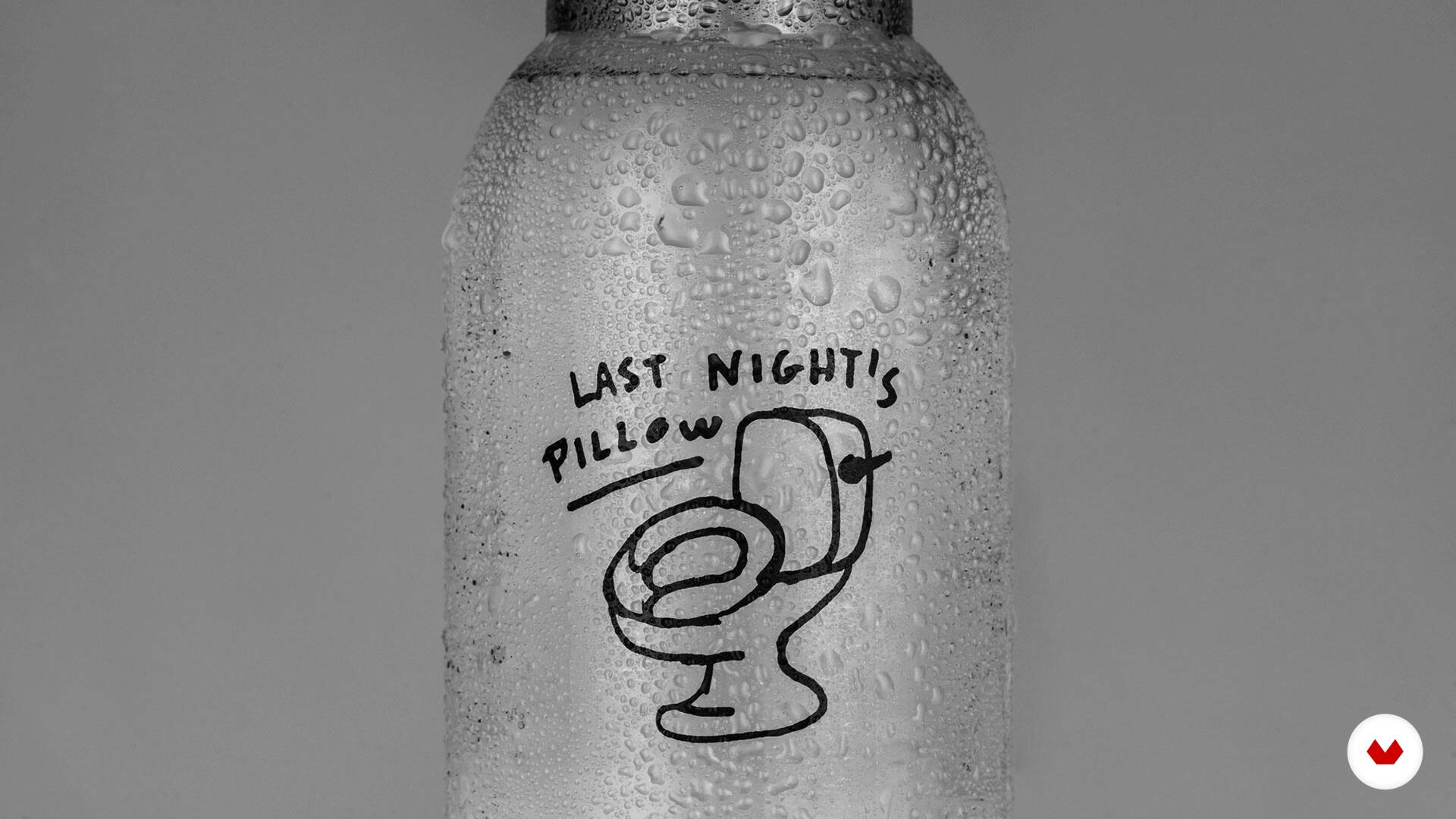
No brand represents me !: Importance of branding
10 minutes, 47 seconds
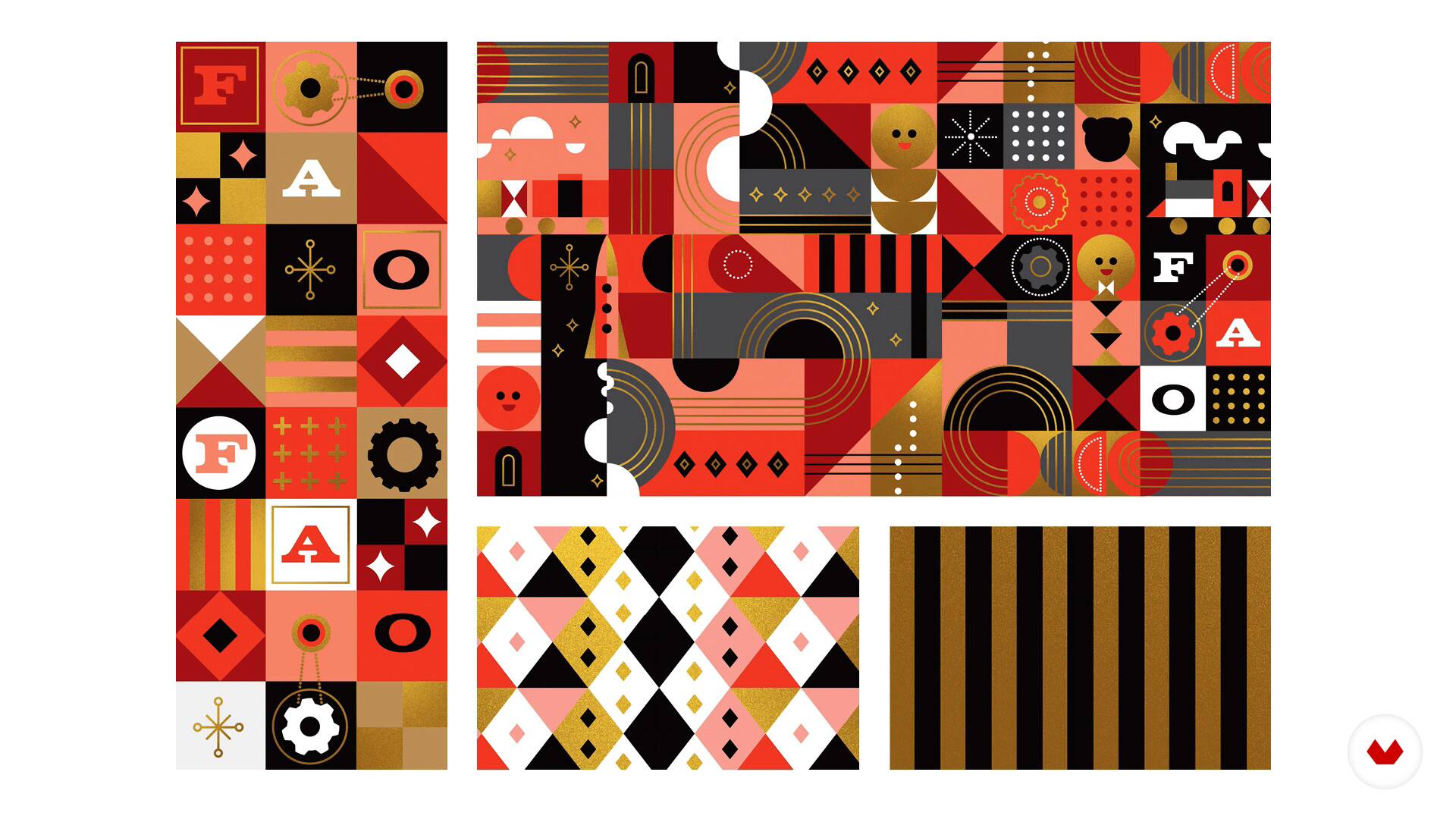
Make it shine: Identity beyond the brand
7 minutes, 16 seconds
It's time for you to mature !: The importance of creating timeless identities
8 minutes, 32 seconds
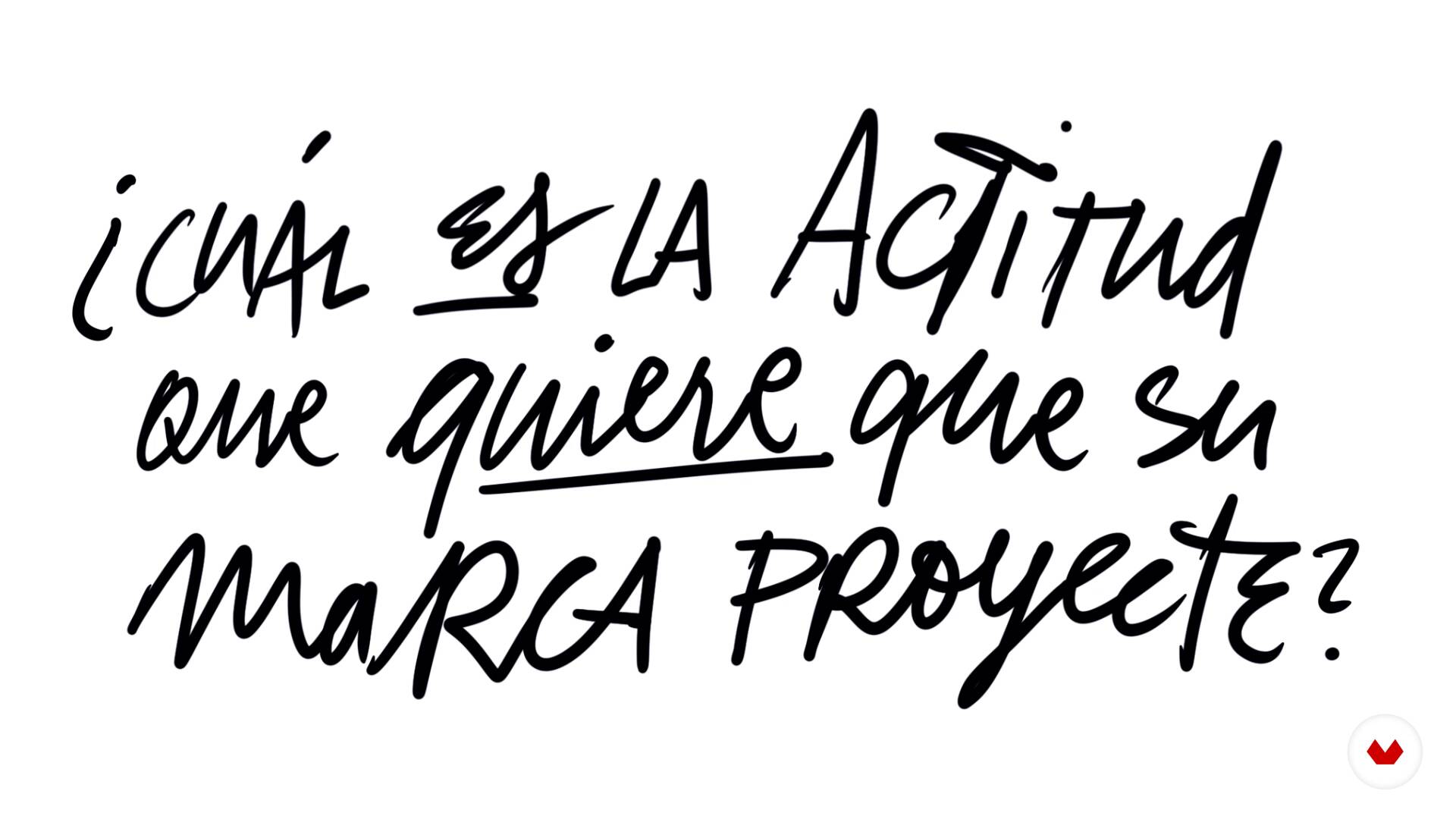
The first date: What you need to know about your client
10 minutes, 2 seconds
Valar Morghulis: The search for the brand's personality
10 minutes, 17 seconds
What's included in this course?
This course will give you an idea of Pupila's design process when working with entrepreneurial brands.
The first step will be to understand, as clearly as possible, the project in front of you. You’ll ask questions, many questions, but you’ll focus on those that will help you understand what kind of person this product or service is, and as a person, how you want it to connect with people. That means it’s not just about understanding the client, but also the client of your client.
In the second step, and once all the information you consider relevant to your client has been collected, you’ll start to create the visual imagery of the project. This document will also begin with the definition of who is the person represented by this brand; It can be an actor, musician, athlete or artist, but it can also be a friend from school, a co-worker, a neighbor or your sister. The person who embodies the brand of your product or service may even be the client you’re doing this project for.
During this search it is very important to also understand the environment, the local competitors, how they look, how they speak, how big or small they are, which valuable attributes you should respect and which ones you should definitely not. In addition, you'll investigate what’s going on in the segment globally, what are the best practices, what brands have effectively connected with their customers and what lessons you can learn from them.
With this foundation developed and approved by the client, you'll begin the visual development, guided not only by the personality of the brand but by an idea that can solve its problems. In this step, you'll put together all of your research and knowledge of the company, product or service, and translate it into a brand.
Finally, and after defining the path that responds effectively to the client's need, you'll put together a presentation that shows the brand created and its applications in the real world, selecting mock-ups that help take the client through the various points of contact that the brand will have with its audience, letting them also see the versatility and growth capacity of their new brand.
Recommended software & tools for this course
What is this course's project?
The goal of this course is to investigate, conceptualize, and design a powerful brand that is unforgettable and unexpected, from the creation of the brief to the client presentation.
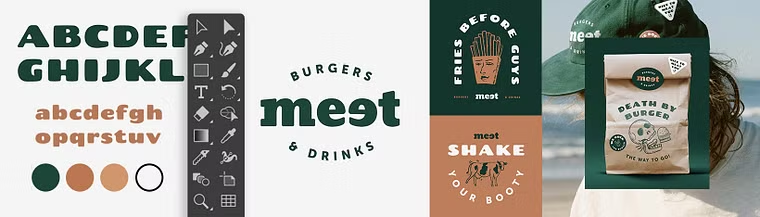
Projects by course students


Who is this online course for?
Students and design professionals who want to learn a different approach to designing brands. Also for entrepreneurs who are interested in learning more about branding and developing brands for their projects.c
Requirements and materials
To achieve the best results it’s important you know the basic rules of graphic design, as well as knowing how to use design tools such as Adobe Photoshop and Illustrator. Besides, it’s important to have a special interest in branding.
Regarding materials, you’ll need paper, a pencil, and a computer with the above-mentioned software.

Reviews
- 1 month ago
muy interesante
- 5 months ago
Es un curso introductorio muy interesante, bien armado y hasta divertido de ver. Gracias!
- 1 year ago
Curso maravilhoso que abriu minha mente principalmente em como buscar referências e usá-las de forma criativa na criação de uma nova marca,. Além disso, deu pra praticar um pouco o espanhol rs
- 2 years ago
achei bom!
- 2 years ago
Muy bien explicado todo. Tan claro que ahora me siento mucho mas segura de mi forma de hacer las cosas. Tenia muchas dudas hasta que tome este curso.

Like every designer who launches their own studio, Pupila started out working for old bosses, friends, family, senseless startups, and a couple of self-created ventures.
Currently, you’ll find a great variety of clients in their portfolio, from luxury furniture to sex shops, craft beer and editorial projects.
Content
- U1
Introduction
- Presentation
- Influences
- What will we do in the course?
- U2
Signals vs. noise: Introduction to branding
- No brand represents me !: Importance of branding
- Make it shine: Identity beyond the brand
- It's time for you to mature !: The importance of creating timeless identities
- U3
Blind date: Everything you need to start designing
- The first date: What you need to know about your client
- Valar Morghulis: The search for the brand's personality
- Meet your partner: Graphic inspiration, research and market analysis
- Look me in the eye: The creation, presentation and interpretation of feedback from the moodboard
- U4
Learning to dance lambada: The design process
- I've never tried it out there: Making manual sketches for the brand
- Discard and conquer: How to reduce options and decide on a single proposal
- Look at those curves: The search for the best typographic accompaniment
- Only you exist in my life: Realization of the final version of the brand
- In groups it is always more fun: Making the final version of the applications
- U5
Let's just kiss and say goodbye
- All that glitters is gold: Presentation, conviction, negotiation and correct delivery of the resulting material
- The problem is me, not you: Evaluating achievements and failures
- FP
Final project
- Brand development with personality
What to expect from a Domestika course
Learn at your own pace
Enjoy learning from home without a set schedule and with an easy-to-follow method. You set your own pace.
Learn from the best professionals
Learn valuable methods and techniques explained by top experts in the creative sector.
Meet expert teachers
Each expert teaches what they do best, with clear guidelines, true passion, and professional insight in every lesson.
Certificates
PLUSIf you're a Plus member, get a custom certificate signed by your teacher for every course. Share it on your portfolio, social media, or wherever you like.
Get front-row seats
Videos of the highest quality, so you don't miss a single detail. With unlimited access, you can watch them as many times as you need to perfect your technique.
Share knowledge and ideas
Ask questions, request feedback, or offer solutions. Share your learning experience with other students in the community who are as passionate about creativity as you are.
Connect with a global creative community
The community is home to millions of people from around the world who are curious and passionate about exploring and expressing their creativity.
Watch professionally produced courses
Domestika curates its teacher roster and produces every course in-house to ensure a high-quality online learning experience.
FAQs
Personality-driven branding means crafting a unique, distinctive identity that emotionally connects with your audience, setting your brand apart from competitors and strengthening its market position.
Yes, this course is designed for those with basic graphic design skills who want to deepen their knowledge of branding, visual identity, and advanced creative processes.
You’ll learn how to build strong visual identities, develop a brand’s personality, apply professional methodologies, design logos, select typography and color palettes, and create unique visual worlds.
Basic graphic design knowledge is recommended since the course focuses on intermediate and advanced branding and visual identity techniques.
You’ll need access to graphic design software like Adobe Illustrator or similar, a sketchbook, and internet access for research and inspiration.
Yes, the course examines real branding cases for restaurants, products, and creative studios, demonstrating practical application of the concepts.
The course teaches adaptable methods for both personal brands and small businesses, helping you create distinctive and authentic visual identities.