


What Is Ephemeral Architecture and What Purpose Does It Serve?
Learn about the history of temporary design spaces and discover how artists have evolved the style today
One of the most basic requirements of good architecture is that the construction is built to last. However, sometimes, architects purposely disregard this golden rule: they erect creations that are designed to disappear after a limited period of time.
Some say we are currently living in an ephemeral society in which things aren’t created to last. According to ephemeral designer Luca Hugo Brucculeri (@lucahugobrucculeri), this is not necessarily a bad thing. He says that the temporary nature of a design can push the creator to take bold risks and drive innovation.
Many of the monuments we admire today were created to be temporary, however, because they were seen to be so beautiful, ground-breaking, and culturally relevant, they instead became permanent features of our skylines. Here, we look back on the history of ephemeral architecture, explore some iconic examples, and explain how this design practice is used today.
Characteristics of ephemeral designs
According to our expert, Luca, the main characteristics of ephemeral spaces are as follows:
- They are designed to be temporary, therefore, the materials are low cost and easy to remove.
- They set out to be striking and magnificent.
- They embody innovation.
- Their temporary nature allows the designer to be bold and take risks.
- They have the potential to gain cultural relevance and popularity.
- When this happens, they cease to be ephemeral and become permanent.
The origins of ephemeral architecture
Since the beginnings of ephemeral design, these structures have been built to mark celebrations and special events. This is why these spaces are filled with so much symbolism and have such a striking visual impact.
This type of design started with the Egyptians. In Deipnosophistae, an early third-century Greek work by Athenaeus, the author describes a fleeting pavilion erected by Ptolemy Philadelphus - the pharaoh of Ptolemaic Egypt from 283 to 246 BC - for a spectacular banquet.
Later, in Ancient Rome, a similar tradition continued in which ephemeral constructions served to organize public ceremonies and celebrations of military victories. For this reason, triumphal arches were erected to mark each victory.
In the Middle Ages, the tradition of erecting arches continued, however, only to welcome monarchs who were visiting the main European cities.

Ephemeral design’s first surge in popularity
During the Renaissance, ephemeral architecture experienced a bit of a golden age. Whenever kings visited new cities, these destinations would be completely transformed. At the time, it was common to build very high facades in wood, plaster, brick, and adobe, which would be covered in sculptures and flowers. The goal was to give the city a colorful and wealthy appearance. To achieve this, brocades and other luxurious colorful fabrics were hung on the facades of buildings.
Over time, these ephemeral creations became less associated with military ceremonies and more linked to religious events - especially during the Baroque period. During this time, these arches no longer celebrated simply the arrival of kings but also the proclamations of new sovereigns, the weddings of monarchs, and the births of princes. The inauguration of temples and chapels and other religious ceremonies were also celebrated in this way.
Due to the temporary nature and fleeting duration of these structures, low-cost materials were used to build them. The materials and facades that decorated these traditional buildings brought much excitement to the cities.
Those leading the construction plans were usually prominent architects who held an esteemed role at court. One of the most famous architects was Gian Lorenzo Bernini, who was also a sculptor, painter, and set designer.
These projects were not limited to public spaces. Sometimes, an important architect could be in charge of transforming a banquet hall for just one night. They were commissioned to create centerpieces featuring sculptures, palm trees, and flowers to turn the quotidian act of sitting down for a meal into a spectacle that would impress the guests.

The second peak of ephemeral architecture
The first decade of the 20th century saw an ephemeral design resurgence as industrialization, the rise of the bourgeoisie, plus scientific and technical advances, once again, provided the perfect climate.
Improvements in communication, wider distribution of newspapers and magazines, the invention of photography, and later the invention of cinema allowed information about these types of projects to spread beyond their local cities for the first time.
The pretext for the construction of these projects was no longer limited to welcoming a monarch or celebrating a religious festival, instead, it was to put your city on the map, and promote it as a commercial hub.
Not-so-ephemeral art
Seen as grand public showcases for advances in industry, commerce, and the arts, the world fairs that began in 1800 were a perfect excuse for architects and engineers to express themselves.
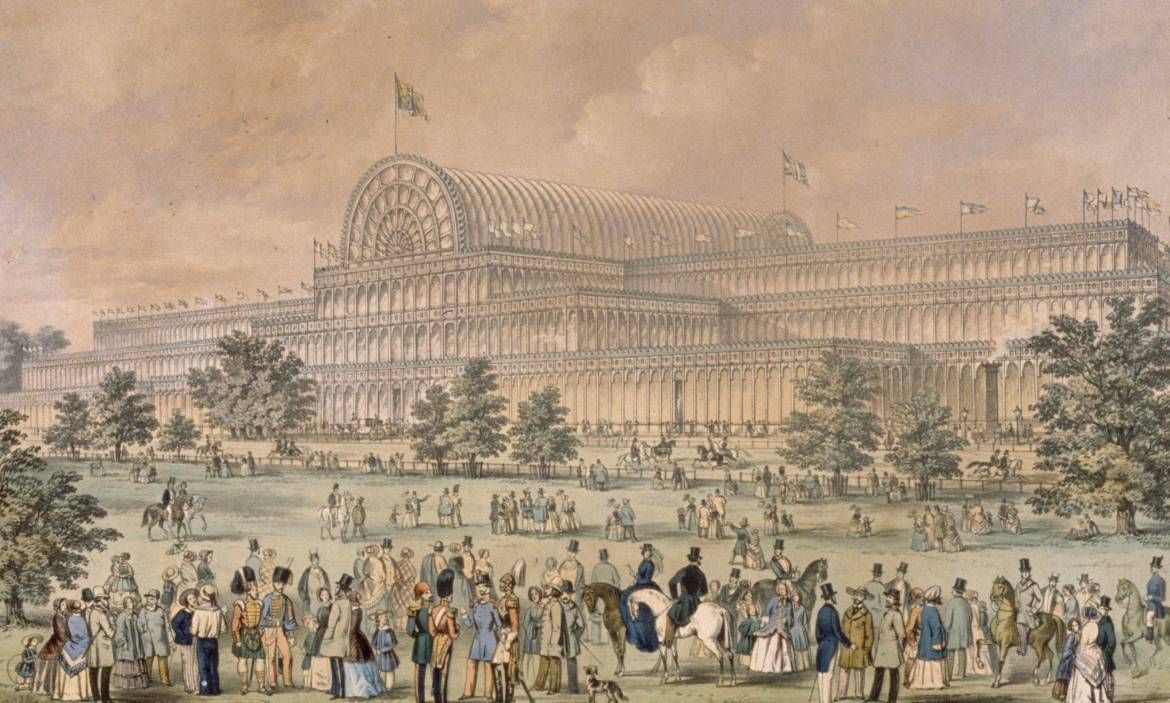
These exhibitions resulted in the arrival of some of the most iconic and symbolic ephemeral spaces in the world, such as Crystal Palace. Designed by architect Joseph Paxton to be a temporary construction to house the Great Exhibition of 1851, the building became a symbol of Industrial Revolution architecture, given its innovative use of materials and the unusual way in which they were used.
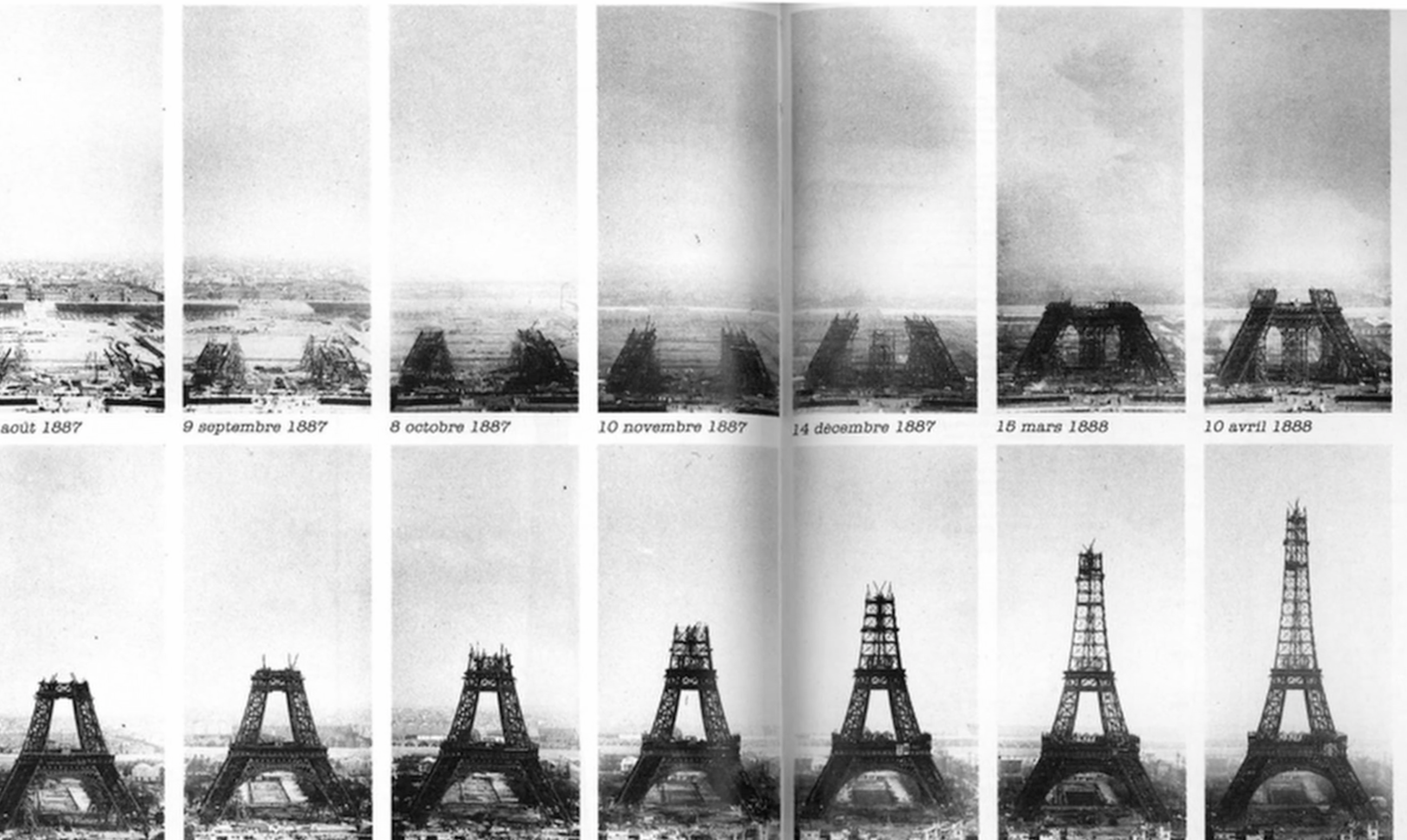
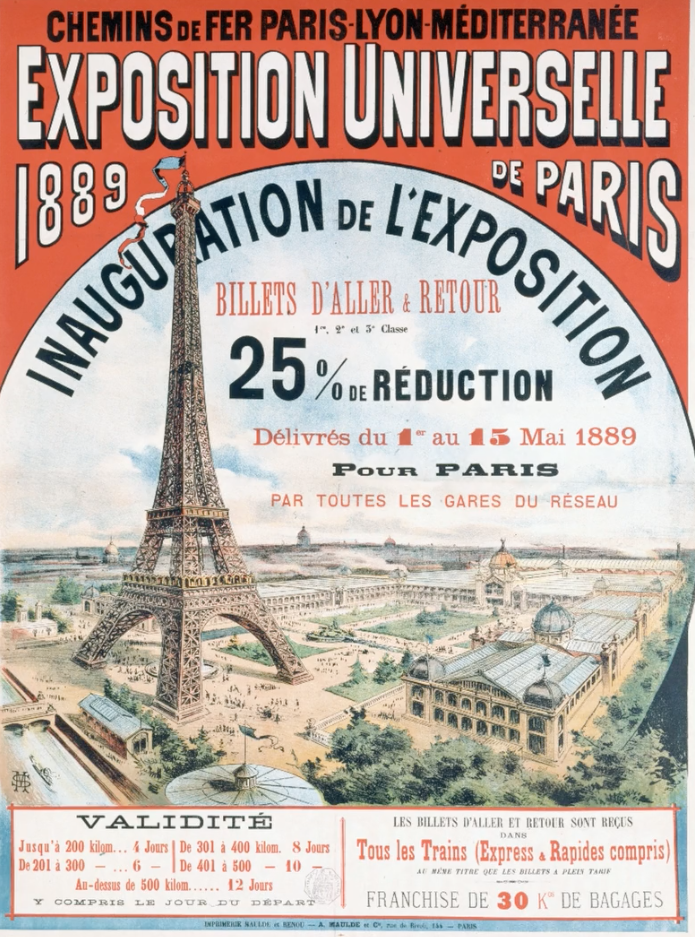
The Eiffel Tower was built for the Exposition Universelle of 1889. Like all ephemeral constructions, the intention was first to dazzle visitors, and second to dismantle it once the event was over. Given the great admiration felt for the design, it was saved from being taken down. However, many critics wanted it to be removed because they felt the materials used and shape were too outrageous.
Modern-day ephemeral design
Nowadays, the art of ephemeral design is also applied to small spaces. Ephemeral designers apply their ideas mostly to:
- Store windows.
- Set design.
- Sensory experiences.
- Artistic or commercial installations.
When it comes to their work, designers know that their ephemeral works have to fulfill certain requirements such as:
- Understanding a client's needs.
- Communicating their values.
- Telling a story.
- Stirring emotion.

If you would like to learn more about ephemeral architecture, sign up for the Domestika course Introduction Ephemeral Space Design, in which designer Lucca Hugo Bruccureli will teach you about their creative process. Lucca has worked with brands such as Hermès, Seiko, and Rabat, and will explain how to create striking works that can only be admired for a limited time.
English version by @eloise_edgington.
You may also like:
- The Banksy Case: How Can Anonymous Artists Legally Protect Their Work?
- What is Visual Merchandising and Window Dressing?
- Eco-Friendly Pop-up Architecture, a course by Izaskun Chinchilla Moreno.
- Ephemeral Architecture: Design Temporary Spaces, a course by Diogo Aguiar


0 comments