Ephemeral Architecture: Design Temporary Spaces
A course by Diogo Aguiar , Architect

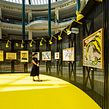

Learn to ideate and develop an architectural project by exploring the material and sensory qualities of a temporary space

Ephemeral architecture is the creation of temporary spaces, and its transitory nature can make it the perfect medium for experimentation and finding innovative solutions. Architect Diogo Aguiar, two-time winner of the ArchDaily Building of The Year Award and listed among the Young Talents in Portuguese Architecture (Jovens talentos da Arquitetura Portuguesa), specializes in building spaces that, although temporary, have a lasting impact on anyone who sees them.
In this course, learn to ideate and develop ephemeral architecture spaces. With Diogo as your guide, explore shapes and materials and learn to develop projects that awaken all five senses.
What will you learn in this online course?
15 lessons & 27 downloads



- 96% positive reviews (52)
- 2,286 students
- 15 lessons (3h 10m)
- 27 additional resources (16 files)
- Online and at your own pace
- Available on the app
- Audio: Portuguese
- Spanish · English · Portuguese · German · French · Italian · Polish · Dutch · Turkish · Romanian · Indonesian
- Level: Beginner
- Unlimited access forever
What is this course's project?
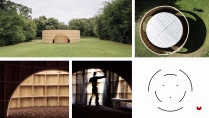
Design an architectural project for an ephemeral museum through the exploration of shapes and materials.

Projects by course students


Who is this online course for?
Anyone interested in art and architecture who wants to take on an architectural project.
Requirements and materials
Basic disciplinary and technical knowledge of architecture is necessary for this course.
In terms of materials, you need some paper, a pencil, a pen, some card, glue, a cutter, and some spray paints. You can also use a computer with the 3D modeling software of your choice, if you wish.

Reviews

Diogo Aguiar
A course by Diogo Aguiar
From his namesake studio, architect Diogo Aguiar seeks a balance between art and architecture in all his installations and small-scale constructions, ranging from public to private.
He has appeared in various national and international publications, is a two-time winner of the ArchDaily Building of The Year Award, and has represented Portugal at the Venice Biennale of Architecture. He is also one of the co-founders of the Galeria de Arquitectura located in Porto, Portugal, a gallery that exhibits architectural projects "as an exercise in contemplating this discipline and its limits."
Content
-
U1
Introduction
-
Presentation
-
Influences
-
-
U2
First steps
-
What is ephemeral architecture?
-
What is an ephemeral museum?
-
The Garden Pavilion
-
container and content
-
container and context
-
-
U3
Get to work
-
think about the experience
-
think the design
-
think space
-
think emptiness 1
-
think emptiness 2
-
think materiality
-
-
U4
build the idea
-
Carry out an ephemeral project
-
Communicate an ephemeral project
-
-
FP
Final project
-
Ephemeral Architecture: Design Temporary Spaces
-
What to expect from a Domestika course
-
Learn at your own pace
Enjoy learning from home without a set schedule and with an easy-to-follow method. You set your own pace.
-
Learn from the best professionals
Learn valuable methods and techniques explained by top experts in the creative sector.
-
Meet expert teachers
Each expert teaches what they do best, with clear guidelines, true passion, and professional insight in every lesson.
-
Certificates
PlusIf you're a Plus member, get a custom certificate signed by your teacher for every course. Share it on your portfolio, social media, or wherever you like.
-
Get front-row seats
Videos of the highest quality, so you don't miss a single detail. With unlimited access, you can watch them as many times as you need to perfect your technique.
-
Share knowledge and ideas
Ask questions, request feedback, or offer solutions. Share your learning experience with other students in the community who are as passionate about creativity as you are.
-
Connect with a global creative community
The community is home to millions of people from around the world who are curious and passionate about exploring and expressing their creativity.
-
Watch professionally produced courses
Domestika curates its teacher roster and produces every course in-house to ensure a high-quality online learning experience.
FAQs
What are Domestika's online courses?
Domestika courses are online classes that allow you to learn new skills and create incredible projects. All our courses include the opportunity to share your work with other students and/or teachers, creating an active learning community. We offer different formats:
Original Courses: Complete classes that combine videos, texts, and educational materials to complete a specific project from start to finish.
Basics Courses: Specialized training where you master specific software tools step by step.
Specialization Courses: Learning paths with various expert teachers on the same topic, perfect for becoming a specialist by learning from different approaches.
Guided Courses: Practical experiences ideal for directly acquiring specific skills.
Intensive Courses (Deep Dives): New creative processes based on artificial intelligence tools in an accessible format for in-depth and dynamic understanding.
When do the courses start and when do they finish?
All courses are 100% online, so once they're published, courses start and finish whenever you want. You set the pace of the class. You can go back to review what interests you most and skip what you already know, ask questions, answer questions, share your projects, and more.
What do Domestika's courses include?
The courses are divided into different units. Each one includes lessons, informational text, tasks, and practice exercises to help you carry out your project step by step, with additional complementary resources and downloads. You'll also have access to an exclusive forum where you can interact with the teacher and with other students, as well as share your work and your course project, creating a community around the course.
Have you been given a course?
You can redeem the course you received by accessing the redeeming page and entering your gift code.

Excelente curso... Muy amigable y empático... Básico y conciso... Me agradó y sirvió bastante... Muchas gracias...
Excelente curso, muy completo y útil.
me gusto mucho, la capacidad de sintesis, queda muy claro la logica de la situación, y e planteamiento del tema muy bien explicado, lo recomiendo ampliamente.
Muy buen curso
Es un curso interesante que ayuda mucho a introducirse al mundo de la arquitectura efímera. Me hubiera gustado un poco más de contexto para el diseño.