


Nature's Canvas: Your Guide to Mastering Landscape Design


Unearth the magic of outdoor space transformation with our comprehensive guide on landscape design.
Learn to weave the artistry into nature, creating captivating designs that echo your personal style.
Once in a blue moon, an opportunity to reshape nature’s canvas comes knocking. Landscape design is this very fine art—a beautiful blend of imagination, planning, and green-thumb know-how. Well, don't just sit there like a bump on a log, let's dive into this exciting realm!
Brushing Up the Basics
You see, landscape design isn't simply about sowing seeds and planting trees—it's about crafting an outdoor oasis that rings true to your heart. Think of Pearce Butcher, a fine artist who puts the 'landscape' in landscape design. Her designs aren’t just about looking pretty—they capture the essence of her clients' desires and the natural beauty of the space.
Sketching the Master Plan
So, you're itching to take a crack at this? Let's draw a master plan! It’s your blueprint, your roadmap. This initial step requires you to explore sketching techniques that will help you draft a design capturing every detail. Here’s a brief rundown:
1. Interview the Client: Your design must reflect the client's vision. Understand their preferences, their lifestyle, and what they’re looking to achieve with the outdoor space.
2. Site Analysis: Once you're armed with client insights, evaluate the site. What are its strengths and limitations? The answers lie in the site's topography, soil type, climate, and existing vegetation.
3. Draft the Concept: Now, breathe life into your understanding. Use design principles to draw a concept that marries the site's features with the client's expectations.
4. Refine and Present: Revise your concept into a detailed working plan. Add colors and 3D visualizations to make it as vibrant and appealing as possible.
Discover this amazing Domestika course: Introduction to Landscape Design
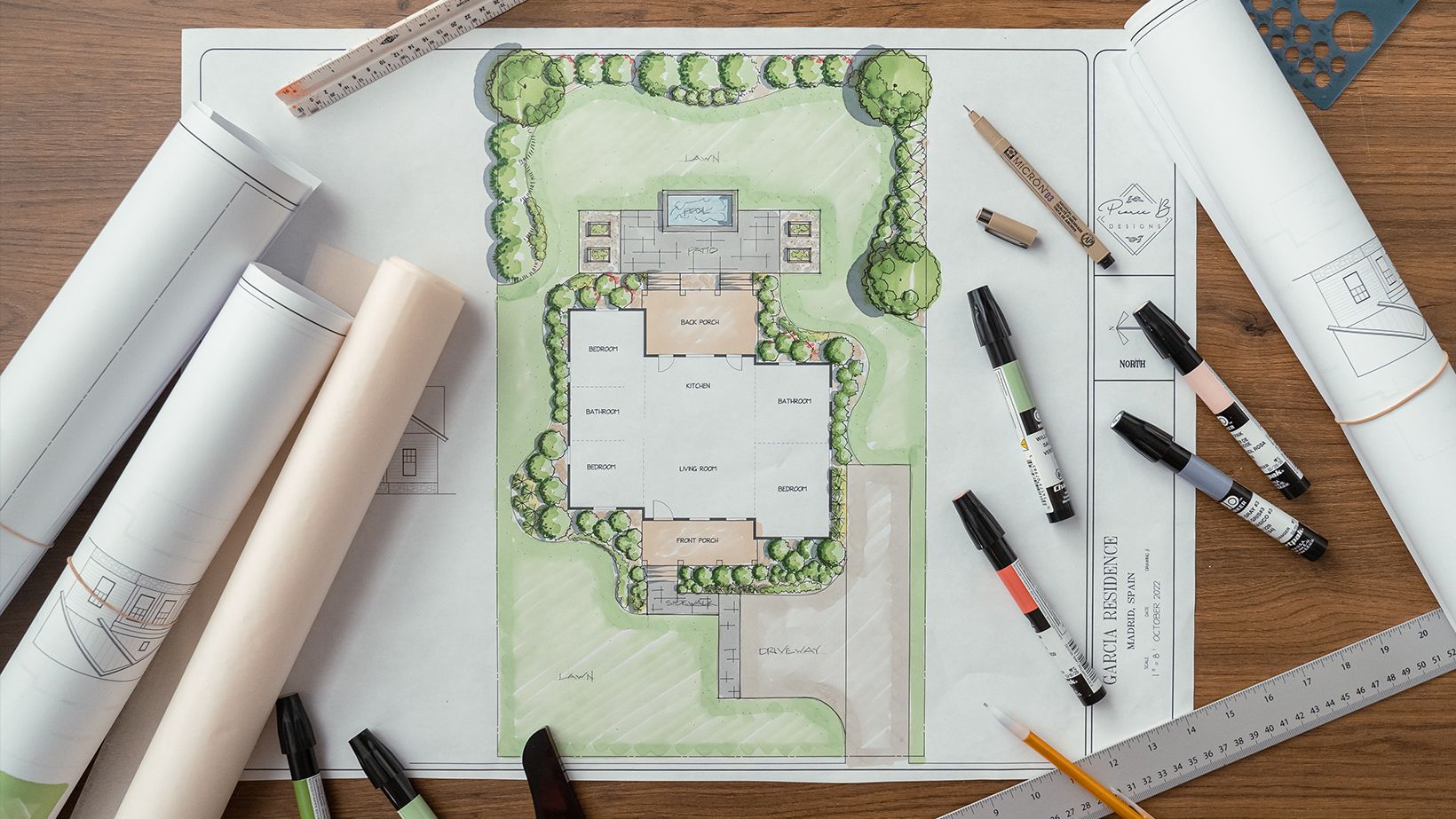
Pearce Butcher once said, "Every landscape design is like a canvas—empty until the artist’s vision fills it."
Running Your Business
And hey, landscape design isn't just an art—it's a business too! This means understanding the ins and outs of running a successful enterprise. Invest in the right tools, master your social media game, and always be ready to seize the day.
FAQs
What is Landscape Design?
Landscape design is the art of arranging or modifying the features of a yard, an urban area, or other space for aesthetic or practical purposes.
What skills are necessary for a Landscape Designer?
A landscape designer needs creativity, understanding of environmental elements, technical drawing skills, excellent communication, and keen observational skills.
How to get started with Landscape Design?
Start with a basic understanding of botany and design principles. Formal education can help, but self-study, practice, and hands-on experience are equally valuable.
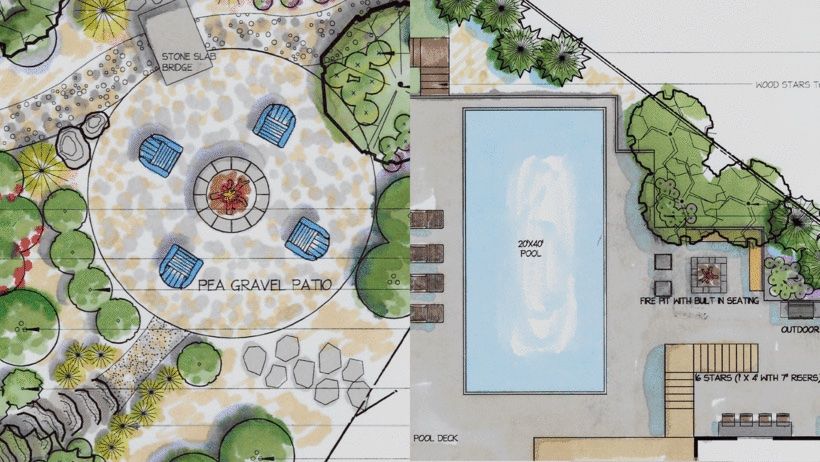
Books to Ignite Your Landscape Design Journey
"Planting: A New Perspective" by Piet Oudolf and Noel Kingsbury
"The Well-Tempered Garden" by Christopher Lloyd
"A Garden from a Hundred Packets of Seeds" by James Fenton
Quotes to Inspire You
"The best time to plant a tree was 20 years ago. The second best time is now." - Chinese Proverb
"The hum of bees is the voice of the garden." - Elizabeth Lawrence
"To plant a garden is to believe in tomorrow." - Audrey Hepburn
Discover this amazing Domestika course: Landscape Photography: Research and Storytelling

Practical Exercises
1. Site Observation: Spend time in different outdoor spaces and make notes of what works and what doesn’t. Try to identify the underlying design principles in successful landscapes.
2. Client Interview Simulation: With a friend or family member, simulate a client interview. Aim to extract information that can guide your design—likes, dislikes, vision, and expectations for the space.
3. Sketching Practice: Sketch a garden or park. Use this opportunity to experiment with different sketching techniques and materials.
4. Design Project: Pick a small area in your backyard or even a friend's place. Interview, analyze, sketch, and finally present your design. This will give you a practical understanding of the entire landscape design process.
By the end of this journey, you'll be chomping at the bit to start creating landscape designs that blend your artistic vision with practical knowledge. From drafting the first concept to seeing your design come to life, the joy of landscape design is in its transformational power. So, are you ready to paint your world green? After all, every artist needs a canvas, and what better canvas than nature herself!


0 comments