


What Is Stop Motion Animation?
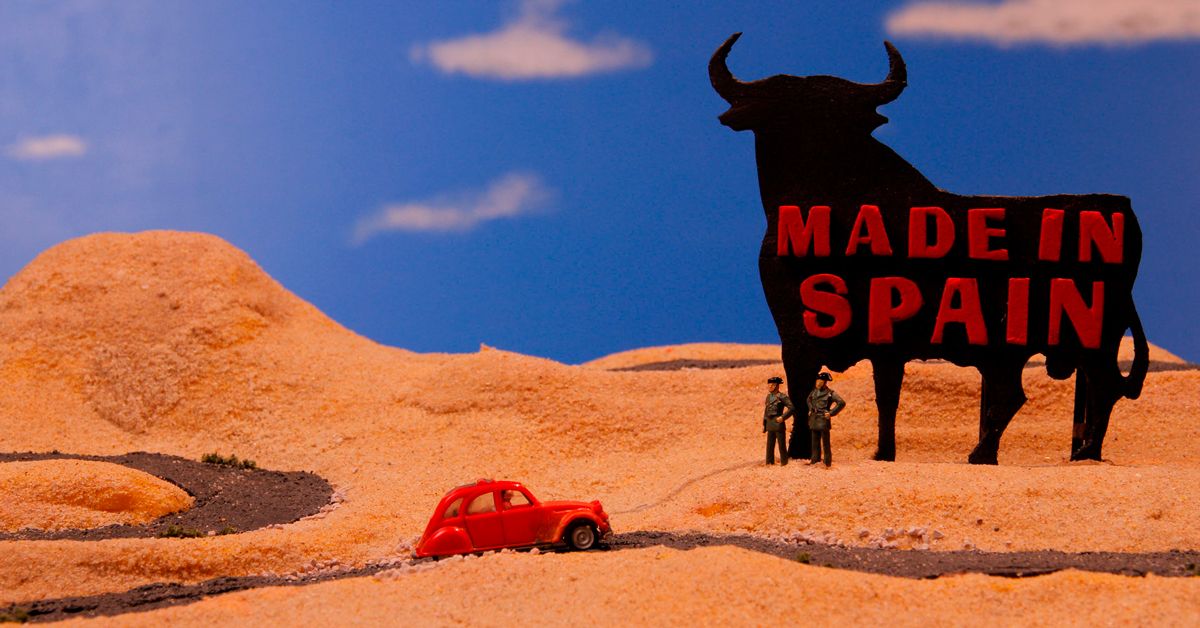
Learn about the origin of animation in its purest form: the stop motion technique
Also known as frame by frame animation, stop motion consists of simulating the continuous movement of static objects by filming a series of fixed images in succession.
This means that each frame of a stop motion film is a static image. Objects move or change of position slightly, always maintaining the movement’s continuity—at each frame. When all the frames are reproduced at an appropriate speed, we get the sense that we are watching an animated film like any other, where the objects move by themselves.
Stop motion is considered by many as the purest form of animation since to achieve the idea of movement, it is necessary to manipulate objects by hand, frame by frame, in an incremental way, and without the ability to change what has been recorded.

What type of objects can be animated in stop motion?
Inanimate objects, like jointed puppets or plasticine figures, are usually animated in stop motion. However, anything can be the character of a stop motion film, including human actors (a technique known as pixelation). The only prerequisite is to move or change position frame by frame in front of the camera.
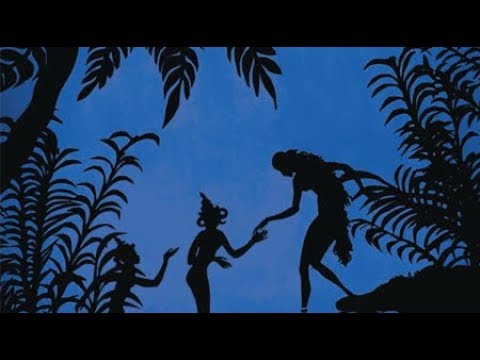
Origin of stop motion
Live-action movies and film animation have a lot in common in terms of beginnings. Stop motion animation was often used to create illusions and special effects in movie productions where the protagonists were human actors.
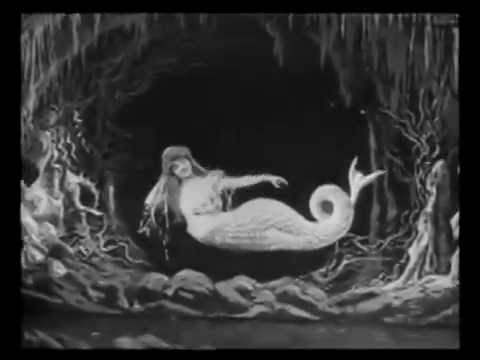
It is said that the first film-maker to record a sequence in stop motion was Georges Méliès and that he did so by accident: as he was filming a scene, the camera turned itself off and then on again. When viewing the reel, he was surprised to see a bus magically transforming into a hearse. This wonderful mistake resulted in what is known in the industry as a stop trick, a technique often used by the same Méliès and many other directors. Many people, however, believe this to be the origin of stop motion.
In their course Stop Motion: Frame by Frame Animation, Coke Riobóo, and Lourdes Villagómez will teach you the basics to learn to animate using plasticine, sand, and cut-outs.
English version by @acesarato.
You may also like:
- Learn to Draw Animations in 20 Hours
- 5 Animation Applications for Your 2D Projects
- The First Special Effects: From Méliès to Marvel


+0 Kommentare