Realistic Pencil Portraiture: Capture Stories and Emotions
A course by Alan Coulson , Portrait Artist

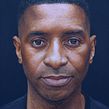
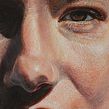
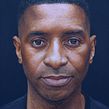

Illustrate lifelike portraits using a reference photo as your guide and make them your own with personalized details

Realistic drawing doesn’t have to mean making an exact copy of reality; it can also be interpretive and personal. Portrait artist Alan Coulson creates highly detailed portraits driven by an interest in people and their stories. He has collaborated with The New York Times, Sunday Times Magazine, University of London, and more.
In this course, Alan teaches you how to make a realistic pencil portrait using a photographic reference. Create lifelike illustrations filled with emotion and use experimental techniques to make them your own. Capture the stories of the people around you with a pencil.
This is Alan’s second course with Domestika. In his first, Realistic Oil Portraiture: Conveying Detail and Expression, he dives into creating detailed portraits through the vibrancy and versatility of oil paints.
What will you learn in this online course?
18 lessons & 14 downloads


- 99% positive reviews (138)
- 3,477 students
- 18 lessons (4h 0m)
- 14 additional resources (3 files)
- Online and at your own pace
- Available on the app
- Audio: English
- Spanish · English · Portuguese · German · French · Italian · Polish · Dutch · Turkish
- Level: Beginner
- Unlimited access forever
What is this course's project?
Create your own unique, realistic pencil portraits using a photo reference.

Projects by course students


Who is this online course for?
This course is for anyone with an interest in creating unique pencil portraits that capture feelings and emotions.
Requirements and materials
No previous experience is necessary for this course.
In terms of materials, you will need a range of pencils, from soft to hard, cartridge paper, paintbrushes, cotton buds, erasers, and access to simple photo editing software

Reviews

Alan Coulson
A course by Alan Coulson
Alan Coulson is an award-winning portrait artist from England with over fifteen years of experience using oil paints. He began a Fine Arts degree, however, after struggling to articulate his creative ideas, he dropped out and began working in fashion retail.
It was the birth of his first son in 2005 that prompted him to reconnect with his artistic ideas and explore oil painting. Shortly after deciding to pursue his dream of becoming a portrait artist, Alan Coulson was awarded a BP Portrait Award from The National Portrait Gallery in London. The exposure and awards he has received have given rise to a successful career in portraiture with clients including The New York Times, The Sunday Times Magazine, Bloomberg Markets Magazine, Carlton Books, The Chronicle Review, Club Wembley, and more.
Content
-
U1
Introduction
-
About Me
-
Influences
-
-
U2
Preparation, Form and Composition
-
Introduction and Materials
-
How to Create Form
-
Composition of Your Subject
-
-
U3
Setting up Your Portrait
-
Approaching Your Photo
-
Creating a Grid and Outline
-
Refining the Drawing
-
-
U4
Portrait Feature by Feature
-
Eyes 1
-
Eyes 2
-
Nose and Lips 1
-
Nose and Lips 2
-
Ears
-
-
U5
Finalizing the Portrait
-
Shading the Face and Neck 1
-
Shading the Face and Neck 2
-
Hair
-
Final Details
-
Personal Twist to Your Drawing
-
-
FP
Final project
-
Realistic Pencil Portraiture: Capture Stories and Emotions
-
What to expect from a Domestika course
-
Learn at your own pace
Enjoy learning from home without a set schedule and with an easy-to-follow method. You set your own pace.
-
Learn from the best professionals
Learn valuable methods and techniques explained by top experts in the creative sector.
-
Meet expert teachers
Each expert teaches what they do best, with clear guidelines, true passion, and professional insight in every lesson.
-
Certificates
PlusIf you're a Plus member, get a custom certificate signed by your teacher for every course. Share it on your portfolio, social media, or wherever you like.
-
Get front-row seats
Videos of the highest quality, so you don't miss a single detail. With unlimited access, you can watch them as many times as you need to perfect your technique.
-
Share knowledge and ideas
Ask questions, request feedback, or offer solutions. Share your learning experience with other students in the community who are as passionate about creativity as you are.
-
Connect with a global creative community
The community is home to millions of people from around the world who are curious and passionate about exploring and expressing their creativity.
-
Watch professionally produced courses
Domestika curates its teacher roster and produces every course in-house to ensure a high-quality online learning experience.
FAQs
What are Domestika's online courses?
Domestika courses are online classes that allow you to learn new skills and create incredible projects. All our courses include the opportunity to share your work with other students and/or teachers, creating an active learning community. We offer different formats:
Original Courses: Complete classes that combine videos, texts, and educational materials to complete a specific project from start to finish.
Basics Courses: Specialized training where you master specific software tools step by step.
Specialization Courses: Learning paths with various expert teachers on the same topic, perfect for becoming a specialist by learning from different approaches.
Guided Courses: Practical experiences ideal for directly acquiring specific skills.
Intensive Courses (Deep Dives): New creative processes based on artificial intelligence tools in an accessible format for in-depth and dynamic understanding.
When do the courses start and when do they finish?
All courses are 100% online, so once they're published, courses start and finish whenever you want. You set the pace of the class. You can go back to review what interests you most and skip what you already know, ask questions, answer questions, share your projects, and more.
What do Domestika's courses include?
The courses are divided into different units. Each one includes lessons, informational text, tasks, and practice exercises to help you carry out your project step by step, with additional complementary resources and downloads. You'll also have access to an exclusive forum where you can interact with the teacher and with other students, as well as share your work and your course project, creating a community around the course.
Have you been given a course?
You can redeem the course you received by accessing the redeeming page and entering your gift code.

Me gustó mucho el curso . Muy didactico y ameno el profesor . El
Excelente técnica y consejos para realizar un retrato. Este curso lo estuve buscando por mucho tiempo. Ya realicé mis dos primeros dibujos y la opinión que me dieron fue que estaban muy parecidos a la foto. Esto me anima a seguir practicando y mejorar cada día más. Felicitaciones y estoy viendo otro curso similar en otras técnicas.
Perfect
It was a great course,I learned quickly
This is an excellent course. The teacher is very talented. He shows you how he achieves his amazing portraits, walking you through all of the steps.