

Why did all pirates use the same flag?

Discover the history of the Jolly Roger flag, the powerful image of the pirate brand
Imagine riding the ocean waves in a merchant navy ship when, on the horizon, a boat raises a flag: it's black and bears a white skull and crossbones. Just by seeing it, you know that a pirate ship is approach.
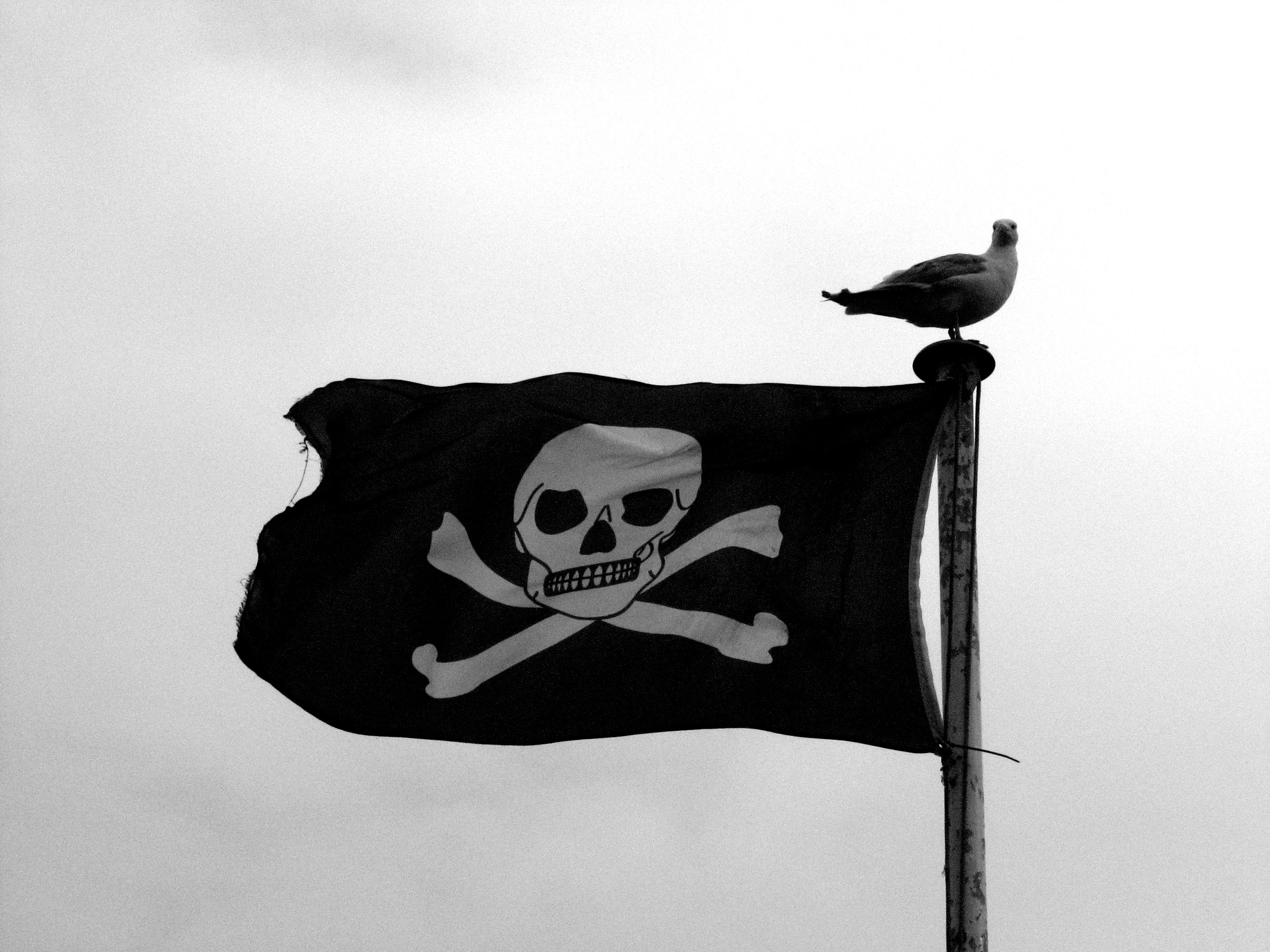
The classic pirate flag is called the Jolly Roger. It was used in the 18th century and rapidly became the symbol of choice for pirates across the oceans. Why did that design go viral? The response is simultaneously simple and complicated: the power of branding and design over people.
Learn its history in the video below:

A brand capable of transmitting messages and emotions
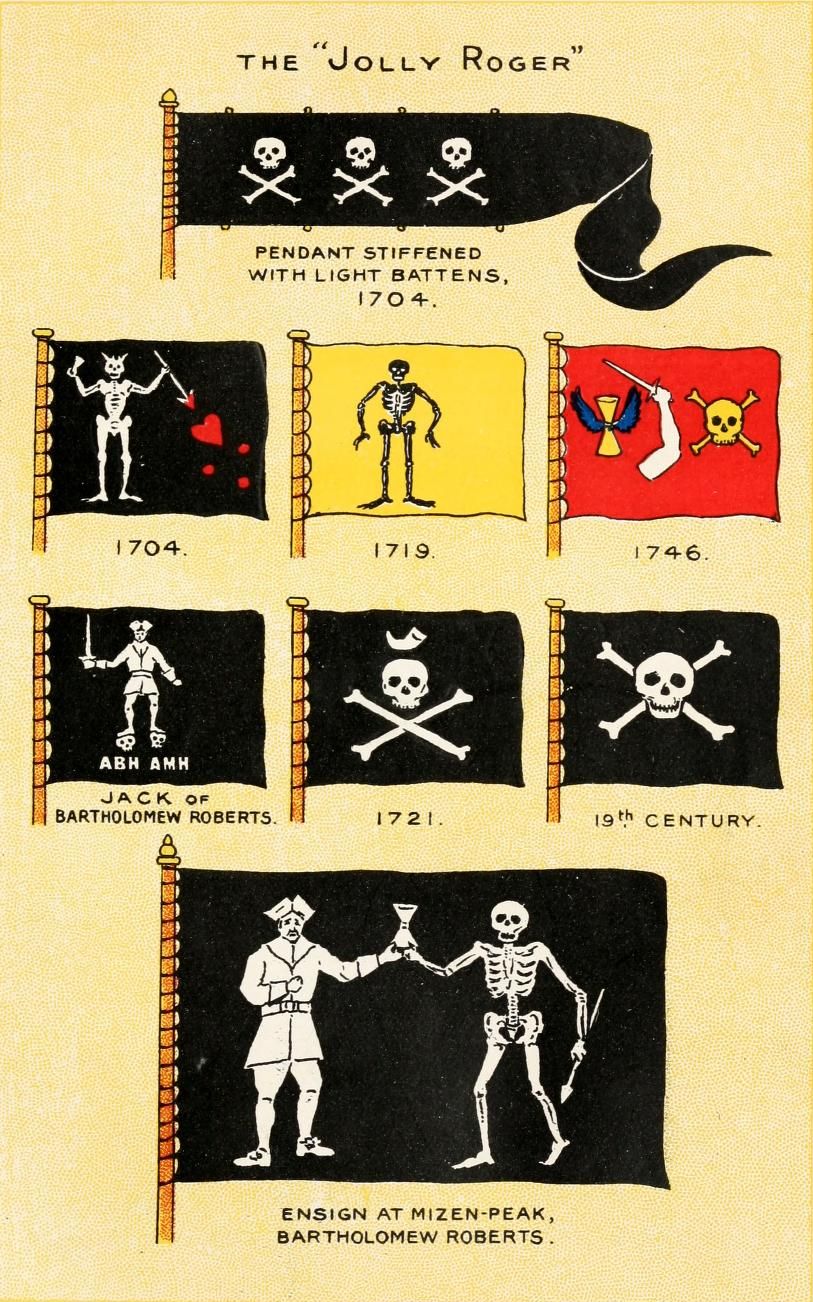
The name Jolly Roger is said to come from the French "Joli Rouge" ("Pretty Red") in reference to the red flag used by French privateers, but the origin of its name, and its original design, has never been confirmed. The first appearances of the Jolly Roger date back to the beginning of the 18th century. Its objective? To announce the presence of pirates, and provoke terror in their victims.
One of the first versions was that of French pirate Emanuel Wynn, whose flag consisted of a skull, crossbones, and an hourglass, representing time running out for his enemies.

Different crews adapted the image to their own identity and used their own version of the symbols as they sailed the seas. Another of the most famous flags was pirate Jack Rackham's, who used a skull on two crossed swords instead of two bones, or that of Stede Bonnet, who had a skull, a single bone, a knife and a heart, symbolizing the extremes of pirate justice.
Regardless of the designs on them, their colors also conveyed messages: raising a black flag meant that the crew would show mercy to the ship they were about to board, while raising a red one meant that they would show no mercy in the attack and take no prisoners.

But why did the pirates use a flag that identified them as criminals at first sight and notified their victims of the impending attack?
The aim of the pirates was to capture the enemy ship intact: the more booty they could get, the better. By first terrorizing the crew of the ship they wanted to attack, the pirates were able to make a successful boarding with little resistance and a minimum loss of men, ammunition, and effort.

The effectiveness of branding
It is not clear how the skull and bones were chosen as symbols of piracy, but the decision to adopt this design by crews all over the world was an effective branding strategy. Pirates had an easily recognizable logo, specific colors, and symbols clearly associated with their industry: plunder and death.
The design was so strong that even the illiterate crews that sailed the seas understood its meaning perfectly. In fact, because each crew designed its own version, this flag has been compared to the changing Google logo, another example of a hybrid brand identity.
The success of this flag lay in its communicative effectiveness, a vital aspect of all brand design. Its use over the years, and the fact that it has become the symbol of piracy that has lasted throughout history, demonstrates the power that branding has over society, even though it often seems a totally modern concept.
You may also like:
- Logo Design: From Concept to Presentation, a course by Sagi Haviv
- Branding in Three Times: Brief, Concept and Visual Creation, a course by Estudio Yeyé
- Branding and Identity: Construction and Development of a Brand, a course by Saffron


1 comment
I didn't expect to learn this here. Thanks!