


How To Perfect Your At-home Sound Recording Booth
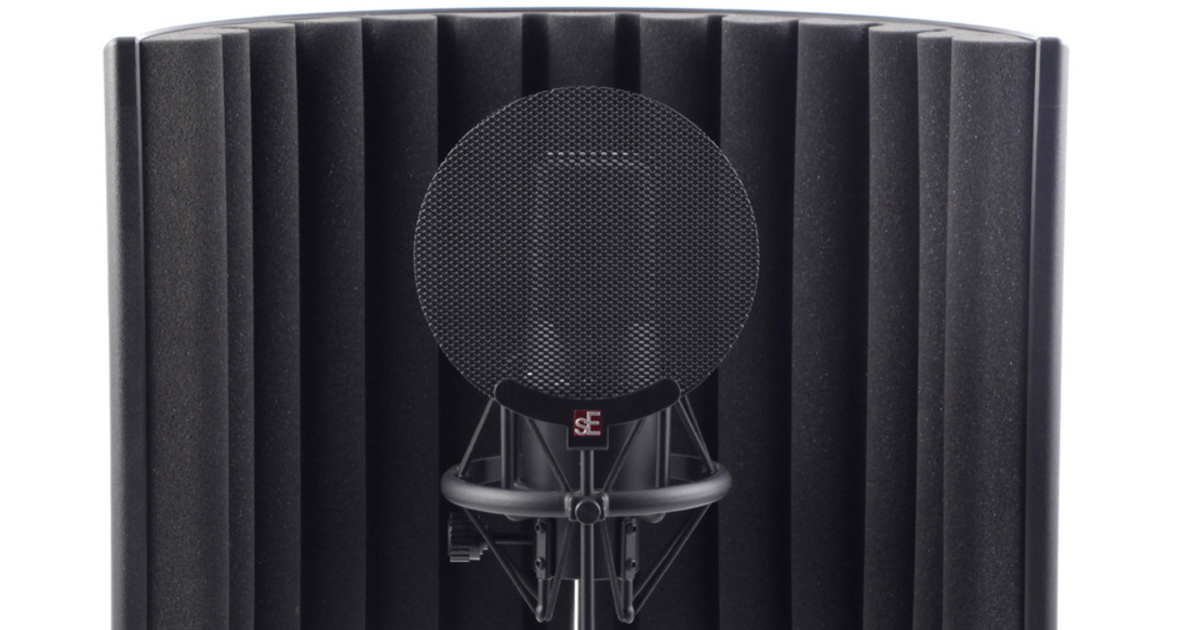
Follow these tips to turn your space into a home studio
You’ve got your computer, microphone, monitors, a DAW–digital audio workstation–set up and your at-home studio is ready to go. However, when you finally get around to recording, you don’t get the results you were expecting.
Even though you have all the right equipment, to get quality results, you will nearly always need to spend time adjusting the acoustics in the space where you’ll be recording. If you’re a producer, audio designer, audio, or music content developer, and you need to improve the quality of your voice recordings, follow these simple tips that will help you to perfect your at-home sound studio.
Essentials
If your voice is your instrument of choice, this equipment is essential for achieving clean recordings:
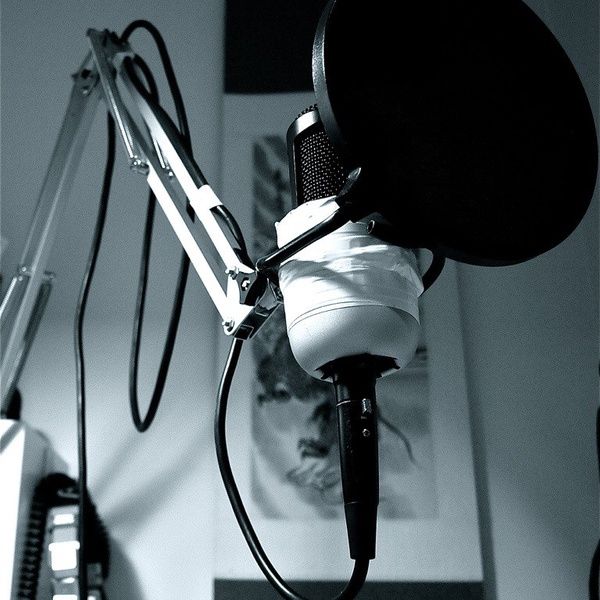
Microphone and microphone stand
These are the first things you need for voice recordings. There’s a great variety of brands offering a range of features at numerous price points–from 50 to 600 dollars on average–so it shouldn’t be hard to find one that fits your needs (and budget!). Check out these recommendations. When it comes to stands, it’s best to find a floor stand that is adjustable. If you are going to record in a booth, it’s recommended that you record standing up, hence why it’s important to be able to change your stand’s height.
Pop filters
This accessory reduces the “popping noise”–a sound that is naturally produced when hard letters such as p and b are articulated. Watch this video to learn how to fix your filter so that it is correctly and comfortably positioned.
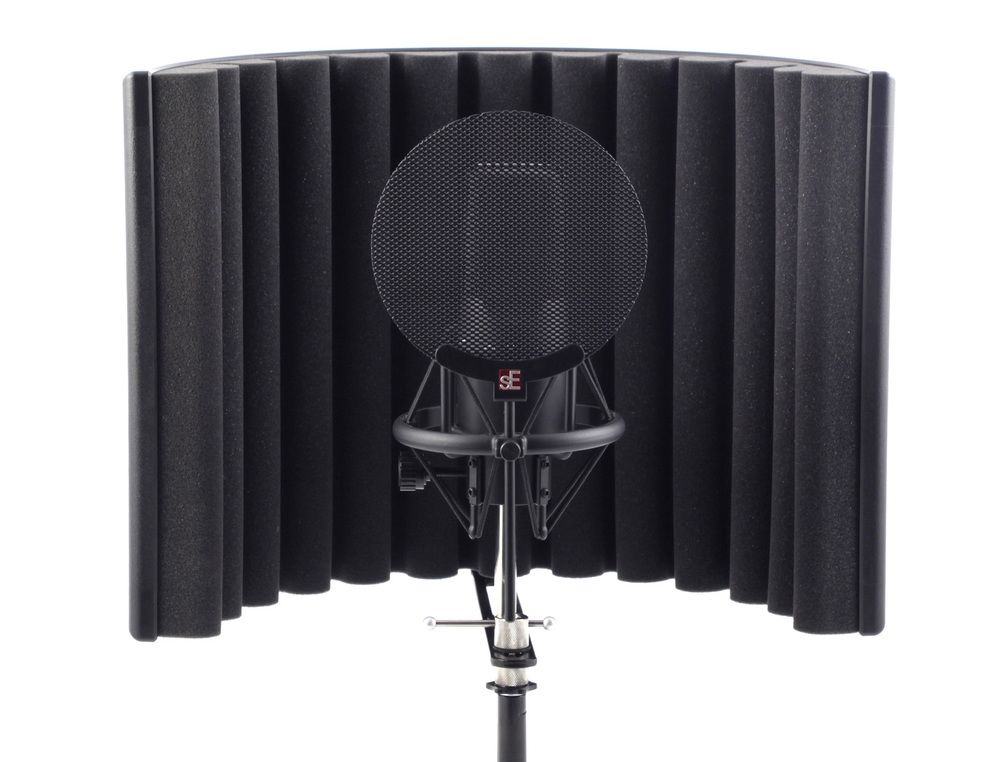
Protective filter for microphone
This works best when the recording space isn’t an isolated space inside a studio–such as your computer desk.
Headphones and earphones
Voice-over work is, ironically, based on your ability to listen to yourself and perceive changes in your voice. To do this, in contrast to when you are producing–in which case monitors are the best option–it’s important to wear a pair of headphones every time your record your voice.
Lectern/cellphone stand/screen
Often you will need to read texts while recording your voice-over, which is why we recommend that your sound booth have a stand on which you can place printouts or a cellphone. Alternatively, you could have a screen that connects to your computer, which you can read from.
Special acoustics
Good acoustics are key to quality recordings, especially for recording voice-overs. We recommend the following;
The perfect spot
Inside your home studio, you should choose a specific zone to set up the microphone you will use for your voice recording. While you could put it on the desk where you will have your computer set up, ideally you should choose an independent space in which you can better isolate the sound. Often, walk-in wardrobes are a good option.

Divide up your spaces
If you have already decided to invest in setting up a professional sound studio and you have budget, we recommend that you hire a specialist to build it. Normally they are made from wood that has been lined with a sound-absorbent material.
Reduce echo
Unlike production spaces, in which you don’t completely cover the walls with sound-absorbent material in order to let the sound move freely and sound like a real recording, inside the booth it is important that you cover as much of the space as you can using foam rubber on the walls and ceiling and carpet on the floor. This way, the recording will be as clean as possible.


0 comments