


3 Iconic Logo Redesigns
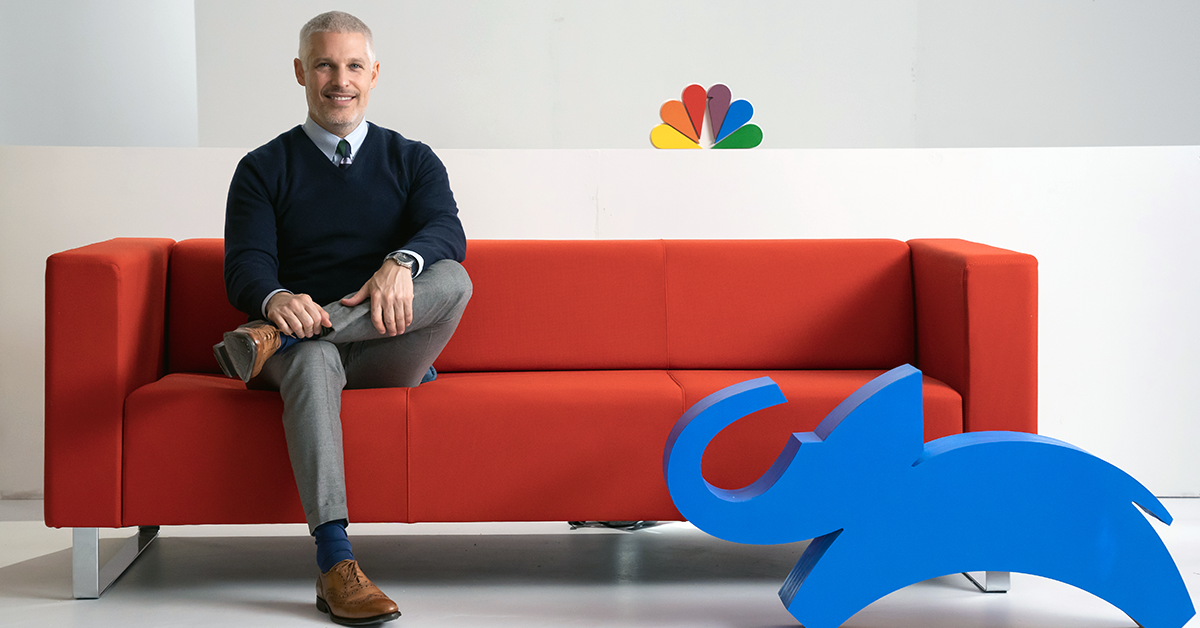
Sagi Haviv shares the secrets behind the graphic identity redesigns of three international brands
Designers are not artists. An artist has a problem and finds a way to solve it; designers, on the other hand, dedicate their work to solving someone else's problems. While the former can work for days locked up without having contact with anyone, the latter must continuously strengthen their relationship with others: they must connect, interact, and go out into the real world.
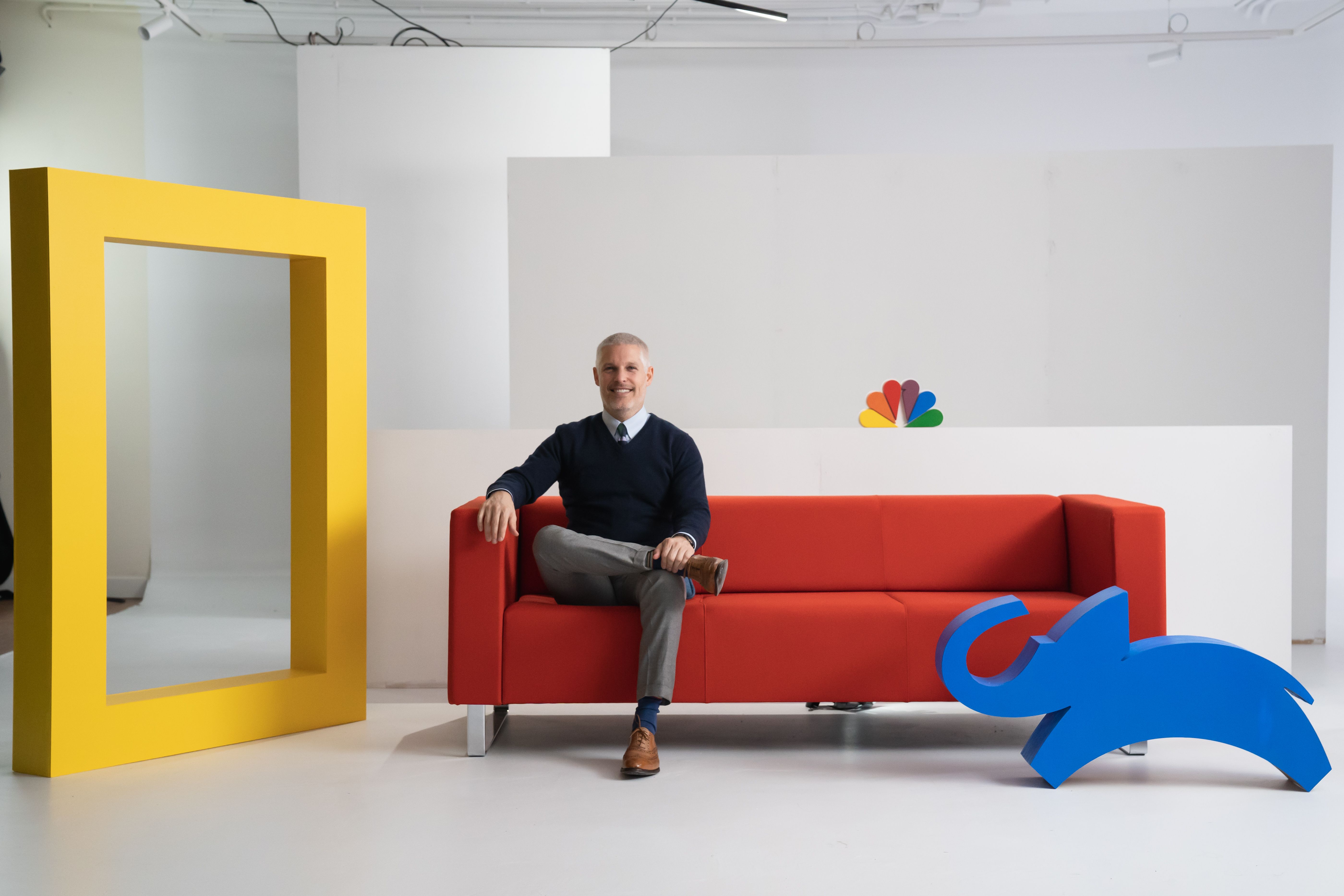
Sagi Haviv (@sagi), partner and designer at Chermayeff & Geismar & Haviv, knows this and, under that guiding principle, has developed more than 60 graphic identities, including those of the US Open, Harvard University Press and National Geographic. Besides.He is a frequent contributor to dozens of publications, such as Bloomberg Businessweek and Fast Company. He is a teacher, lecturer, and author of several books that have become benchmarks in the world of graphic design.
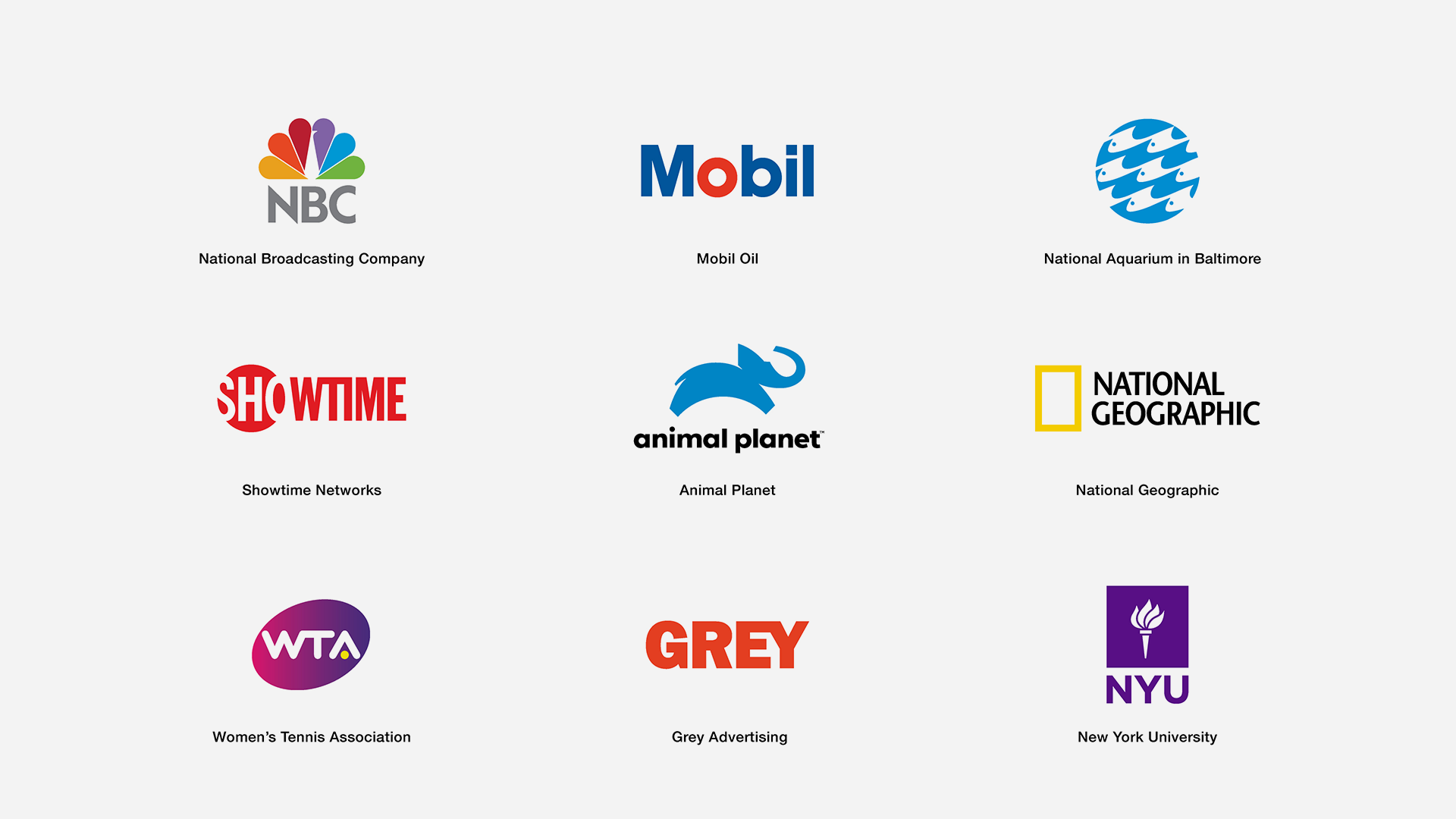
For Haviv, a designer's primary mission when creating or redesigning a logo is to create an image that will never change. Below, you'll find three examples of his work for three major international brands: NBC, Chase Bank, and Animal Planet.
NBC
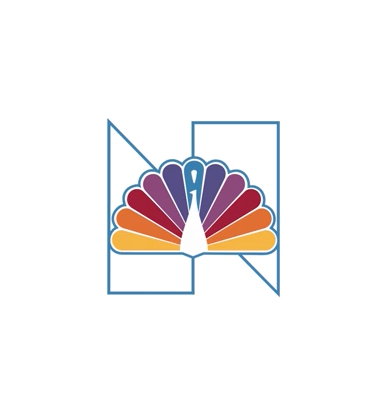
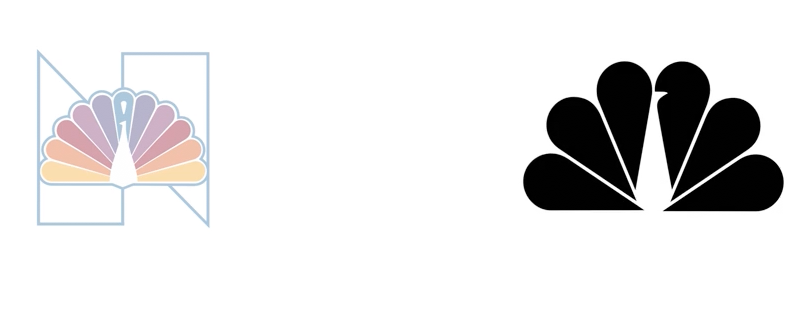
Before the agency's redesign work, the NBC logo was a bit messy: two of the brand's acronyms had been omitted, and the overlapping colors and lines made it too complex and lacking in essence.
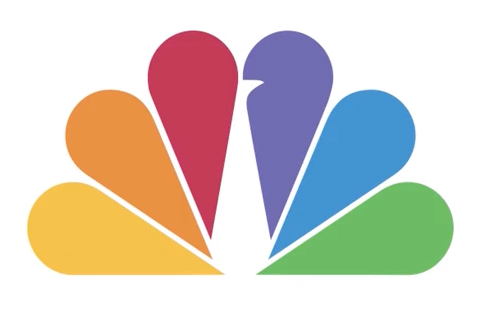
The central idea for the redesign of this logo was to simplify the image of the peacock and make it a much simpler and more concrete symbol. One of the major decisions was to change the number of feathers, going from 11 to 6. In addition, a single unique shape was used: if you look closely, you will notice that the body of the bird is created with the same shape the feathers have, only inverted.
Once the symbol was simplified, it was easy to give each of the feathers a primary or simple color. That's the way it became a timeless icon in the collective imagination.
Chase Bank
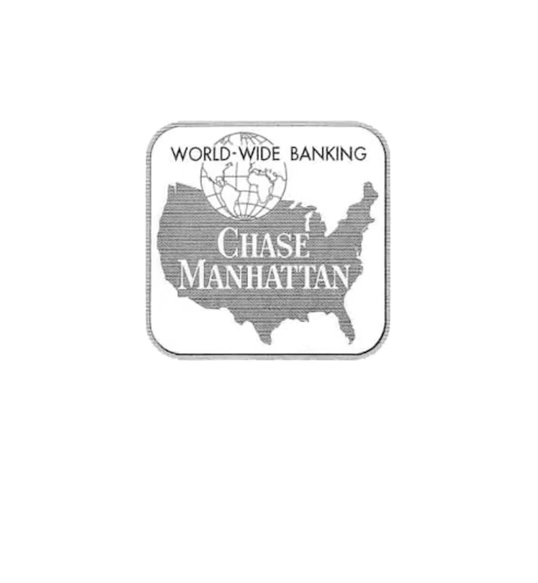
Chase Bank had a complex and clichéd logo: the map of the United States, a globe, and a lot of words littering the image. It was definitely a logo that needed to be reinvented to convey the essence of the company. Since there is no single representation of the financial universe, the idea was to do something abstract that, even over time, could continue to convey the general concept of a bank regardless of whether it is used for advertising or marketing purposes.
In the 1960s, Thomas Geismar, from the Chermayeff & Geismar studio, drew inspiration for this redesign from ancient Chinese coins. He wanted to take an old symbol and transform it into something modern, simple, meaningful, and that could convey the idea of trust and security. Instead of working on the concept of finance, he focused on developing a personality for the company.
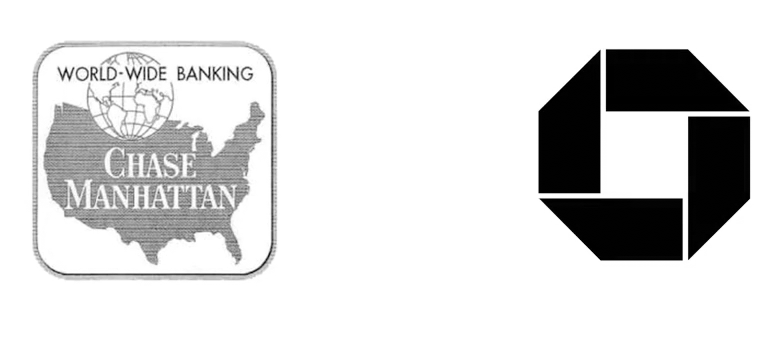
The solid lines that evoke movement refer to the idea of security, continuity, and seriousness. He decided to combine these principles to create an abstract, simple, and forceful symbol that represented the personality that the bank wanted to communicate abroad.

Animal Planet
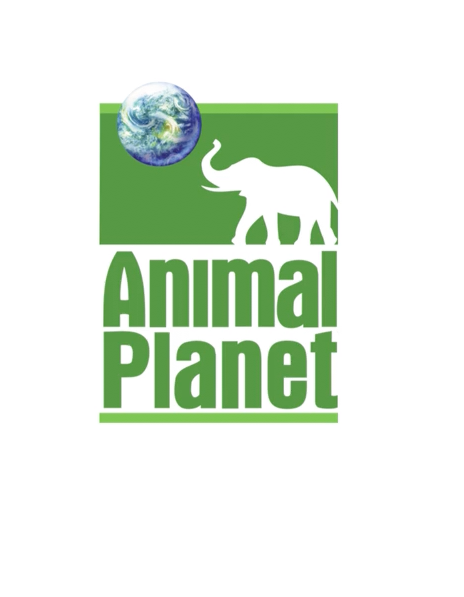
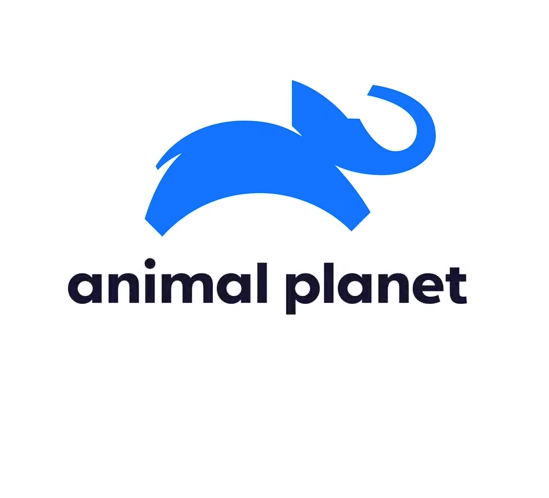
This is a good example of how you can take an existing idea, deconstruct it, build it again, and refine it until you get the outcome you want. The Animal Planet brand has always used an elephant as a symbol. The objective of this redesign was to keep its essence, but give the elephant a pose that it could not achieve in real life, thus reflecting the brand's past while giving it a new meaning.
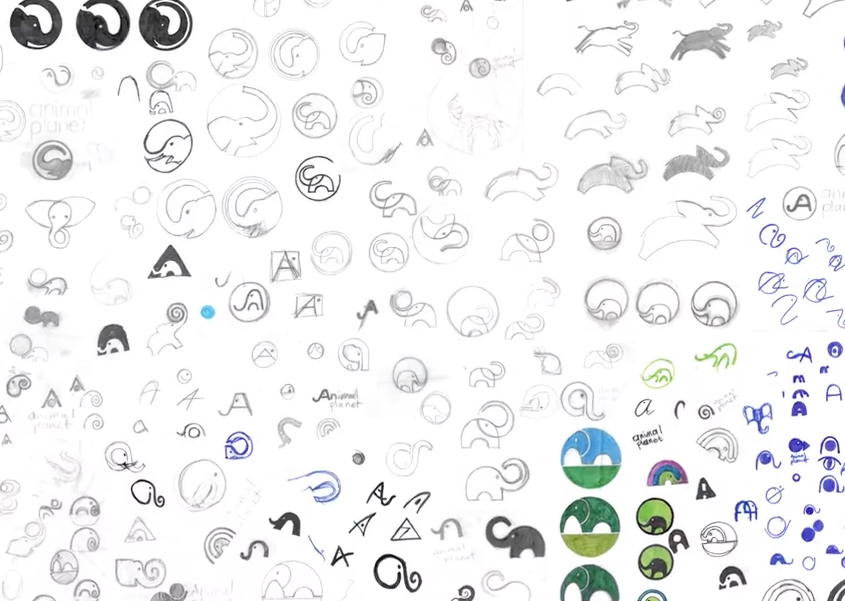
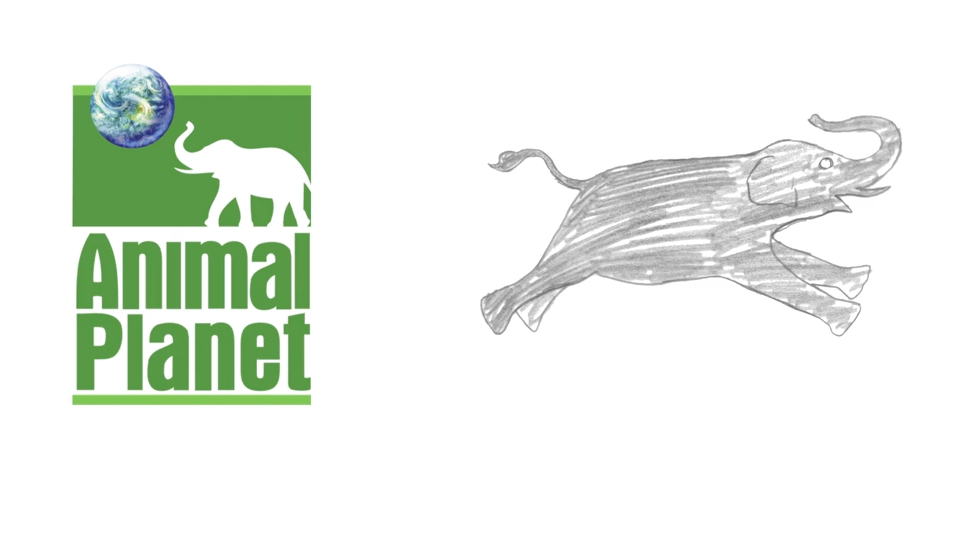
Although it was a good starting point for the creative process, the design team knew that they had to avoid a detailed representation and turn the elephant silhouette into something much simpler, with fewer lines, angles, and vertices.
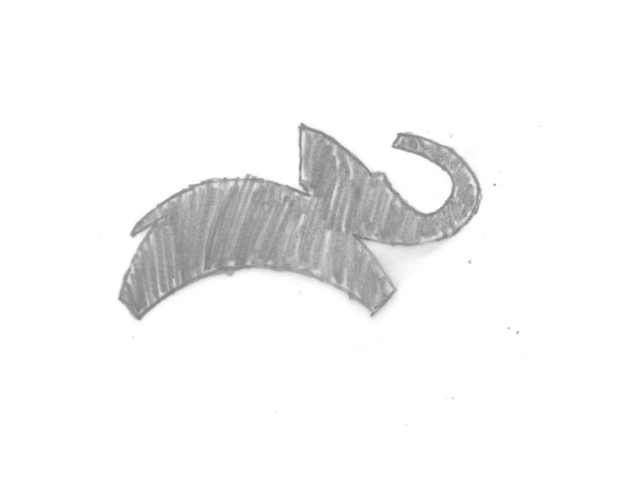
Once the final silhouette was obtained, it was time to consider coloring. Many options were tried, but when the team reached that bright blue, they knew it was the right one:
If you are interested in learning about how to transform your design ideas into iconic brands, we recommend that you check Sagi Haviv's course Logo Design: From Concept to Presentation. You will explore your identity as a brand image designer, acquire the skill to create an iconic logo, and sell it to a customer.
You may also like:
- What is a Graphic Designer?
- Susan Kare: an Iconic Career
- Interview with Ji Lee, Creative Director at Facebook and Instagram


0 comments