


Start Weaving with Confidence: Materials, Setup, and Inspiration for Beginners
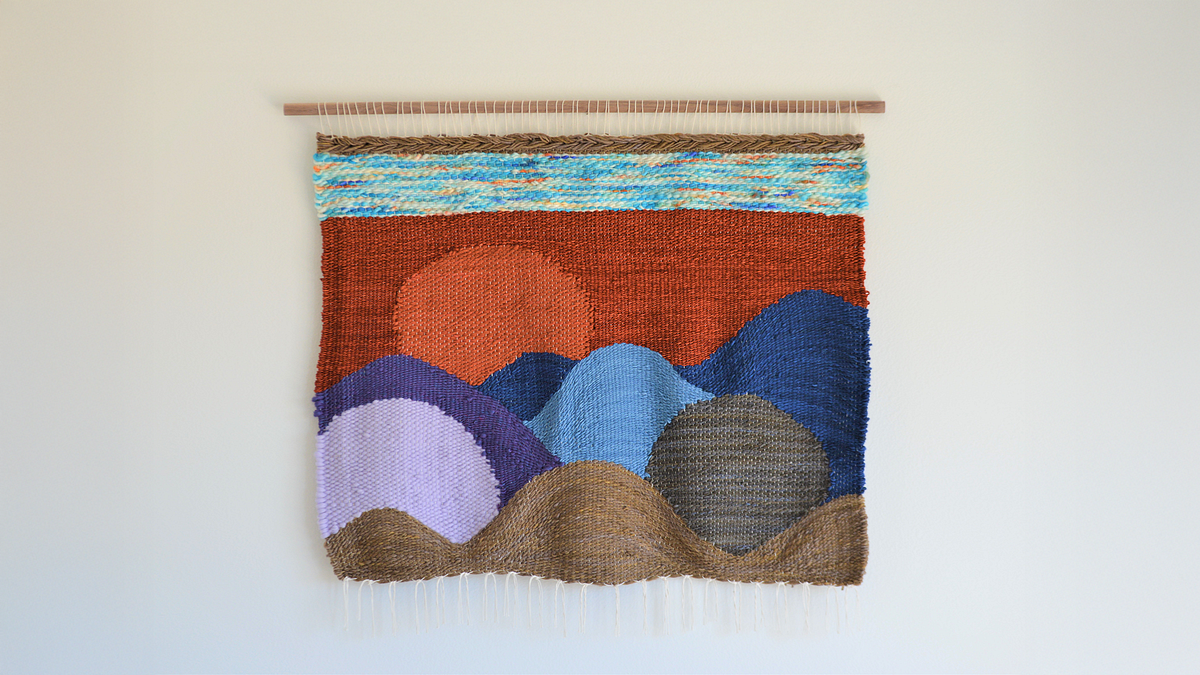
Starting your first weaving can feel both exciting and overwhelming, so many colors, textures, and tools to choose from! Setting up your materials is part of the creative process itself. Every yarn, fiber, and thread you choose carries its own energy and texture, shaping the way your final piece feels, both visually and emotionally.
In my Weaving for Beginners course on Domestika, I teach you how to use bold colors and organic patterns to express yourself through thread and texture. Before you start, here’s a simple guide to setting up your materials and finding what feels right for you.
1. The Loom: Your Creative Frame
Your loom is your foundation. It’s what holds the warp, the vertical threads, steady as you weave your design.
For beginners, I recommend starting with a simple frame loom. It’s lightweight, portable, and perfect for experimenting with organic patterns.
• Choose a wooden frame loom with removable dowels, it makes removing your finished piece easier.
• If you’re traveling or short on space, try a lap loom that rests comfortably on your knees or table.
• Avoid very large looms at first; smaller sizes (8x10 or 10x12 inches) keep the process approachable and fun.
Tip: Think of your loom as a canvas, the frame that holds your creative energy. Even a simple wooden loom can become a sacred space for color, movement, and expression.
2. The Warp: Your Structure
The warp threads create the backbone of your weaving. They hold tension and structure while you work with your weft (the horizontal threads).
For your first project:
• Use 100% cotton warp thread or strong mercerized cotton — it’s smooth, sturdy, and easy to handle.
• Avoid stretchy yarns for warp; they can make your tension uneven.
• Choose a neutral color like cream, beige, or gray — this lets your design colors stand out.
3. The Weft: Your Expression
This is where your personality shines, the colors, textures, and materials you weave through the warp.
You can use:
• Wool for warmth and texture
• Cotton for smoothness
• Roving or chunky yarns for sculptural volume
• Metallic threads, raffia, or linen for experimental contrast
Color tip: Try choosing one bold hue, one neutral, and one textured fiber to start. Too many colors can overwhelm a piece, but contrast brings it alive.
Texture tip: Mix thick and thin yarns, the uneven rhythm creates organic movement.

4. Setting Up for Flow
Before you start weaving:
• Gather your materials in a clear, inspiring workspace.
• Lay out your yarns so you can easily see color relationships.
This setup ritual helps ground you, it’s where weaving becomes meditation. You’ll begin to sense which colors call to you, which textures want to interact, and how your creative flow wants to move.
5. The Invitation: Weave with Me
If this sparks your curiosity, I invite you to go deeper inside my course Weaving for Beginners: Bold Colors and Organic Patterns.
Inside, you’ll learn how to:
• Design organic patterns intuitively
• Blend bold colors with harmony
• Build texture and flow
• Finish and display your work beautifully
You’ll also see my full materials list, color inspirations, and real-time demonstrations so you can follow along at your own pace.
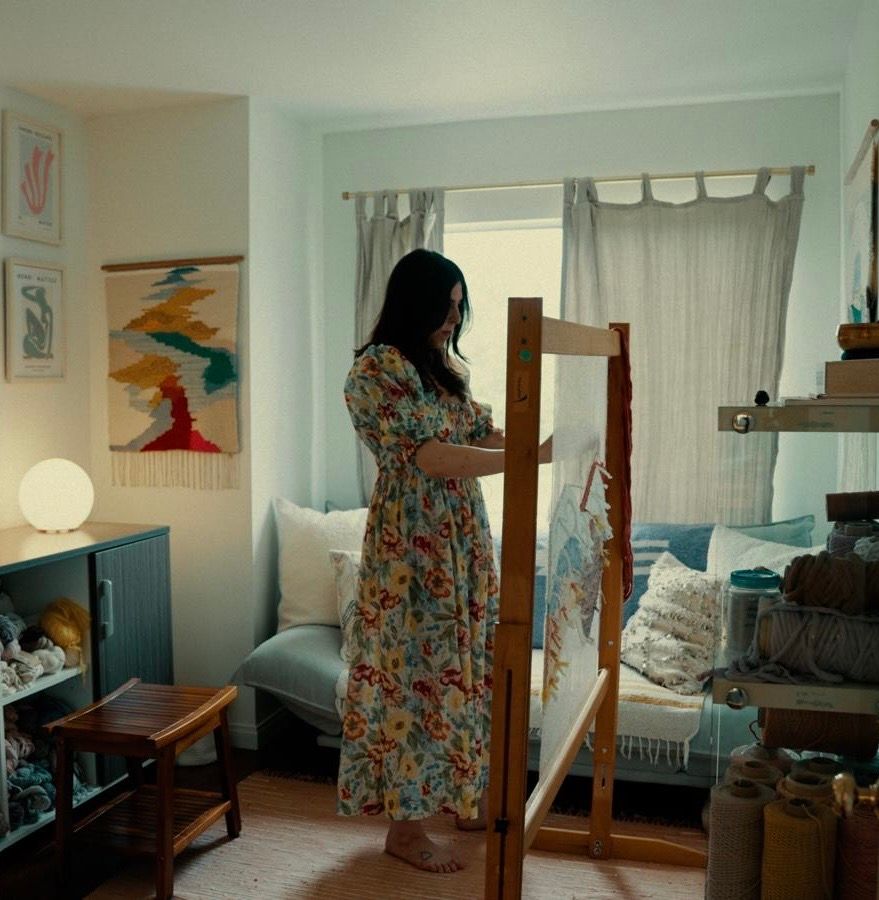
Every weaving begins with a single thread and a willingness to start.
Don’t worry about getting everything “perfect.” The beauty of weaving lies in its imperfections, the human touch that makes each piece one-of-a-kind.
Take your time choosing materials that feel right to you. The fibers you select become an extension of your energy, threads of intuition, creativity, and presence.
Start simple, stay curious, and let your hands lead you.


0 comments