Architectural Models with Rhino 3D and V-Ray
Course final project
A course by Saul Kim , Architectural Designer


About the final project for: Architectural Models with Rhino 3D and V-Ray
Archviz for playful architecture
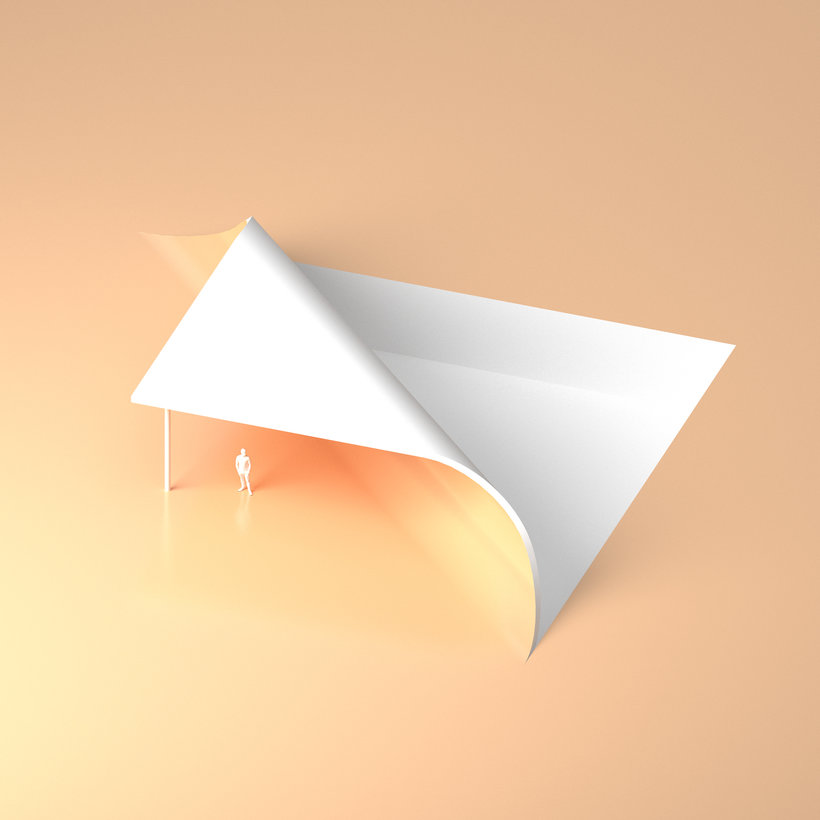
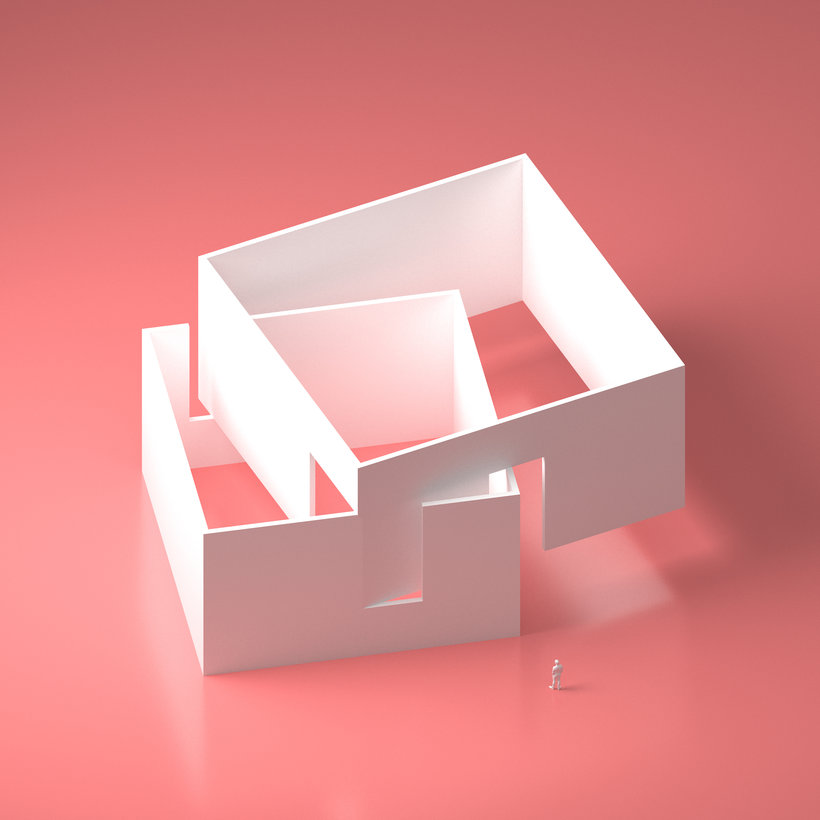
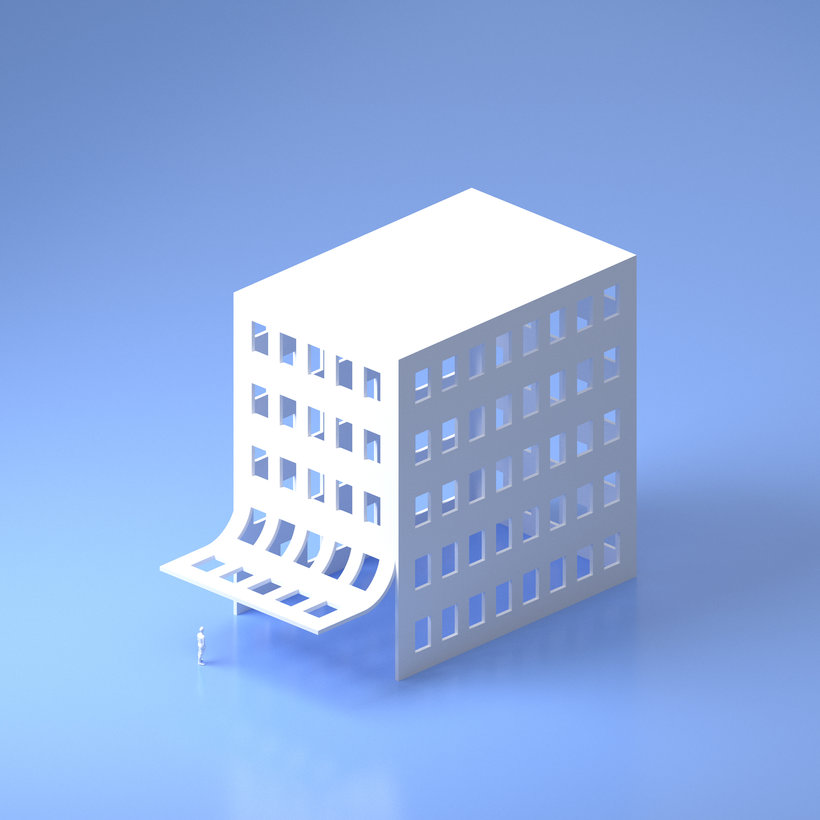
“We have now come to the end of the course. Thank you for accompanying me during this journey. It was a pleasure to share with you some of my design thoughts and techniques. I hope you’ve learned a little something and will start using some of the techniques for your future design projects. Remember to always iterate on a single idea multiple times to find the best result. You will realize that the design will slowly mature as you do so. I encourage you to take the things you’ve learned from this course to explore different ideas as well. Feel free to bring your own inspirations and repeat the process in order to achieve your own unique design. During this course, I took you from the beginning to the end of my design process. I started with some of the examples of architectural design studies and buildings that were inspired by daily objects. Always try to find characteristics of the object that might benefit spatially when translated to architectural elements. It is helpful to abstract the object as much as possible before you start designing. Next, I demonstrated how to test ideas through model making. I have covered three techniques in the course: folding surface, self-intersecting surface and deconstructing box. It is important to iterate on each technique multiple times. By settling on the first design iteration, you’re taking away the opportunity to explore the idea in depth. Hence, I have shown you how each technique can be applied to various architectural contexts. After finishing the study models, I showed you step by step how to model in Rhino 3D. I also showed you how I created other design iterations. This is done by applying the design to a larger context of ground or by adding other building elements. The goal is to find radical ways of making architectural form and space. As you design, keep in mind that the dimensions should consider habitability. To keep a good scale, you can put a human scale figure next to the model as a reference. Lastly, I showed you how to represent the design objects using V-Ray rendering. The rendering is done in a studio environment, with a seamless background and soft lighting. The goal is not to make an architectural rendering within an urban context. Instead, we will think of the model as a displayed object that is meant to be studied from afar. Be creative and play around with the light and material colors as much as possible to find your own aesthetic. Remember that it should look like a physical model, instead of a fully developed building. If you apply too many building materials such as brick, you’re predefining the logic of construction. With more pure materials, you can still see the abstract qualities and the essence of the design.
Partial transcription of the video
“We have now come to the end of the course. Thank you for joining me on this journey. It was a pleasure sharing with you some of my design thoughts and techniques. I hope you've learned something valuable that will help you in your future design projects. Remember to always iterate on one idea multiple times so that you can get the best result. you realize that the design will slowly mature as you do so. I encourage you to take the things that you've learned in this course to explore different ideas as well. Feel free to bring your own inspiration and repeat the process to achieve your own u...”
This transcript is automatically generated, so it may contain mistakes.
Course summary for: Architectural Models with Rhino 3D and V-Ray
-
Category
Architecture & Spaces -
Software
Rhino, V-Ray -
Areas
3D, 3D Modeling, Architecture, ArchVIZ, Digital Architecture, Digital Illustration, Interior Architecture

Saul Kim
A course by Saul Kim
Saul Kim is an architectural designer from South Korea. He’s been interested in art and technology since he was a child, and has always enjoyed making things by hand. Whilst studying for a degree in architecture at Southern California Institute of Architecture, he discovered a passion for experimenting with form. He went on to specialize in it as part of his master’s degree in architecture from Harvard Graduate School.
Saul currently works in the United States as a freelance designer alongside developing his personal design series, which explores the ideas of conformity and contradiction of architectural parts. His designs, which he shares with over 30K followers on Instagram, are inspired by daily life, and he is passionate about finding new ways to create form and space through architecture.
- 99% positive reviews (82)
- 5,136 students
- 14 lessons (2h 4m)
- 10 additional resources (2 files)
- Online and at your own pace
- Available on the app
- Audio: English, Spanish (Latam), French, Italian, Portuguese, Turkish
- Spanish · English · Portuguese · German · French · Italian · Polish · Dutch · Turkish · Romanian · Indonesian
- Level: Beginner
- Unlimited access forever
 Rhino
Rhino V-Ray
V-RayCategory
Areas

