


Painting Tutorial: A Basic Guide to Acrylics for Beginners
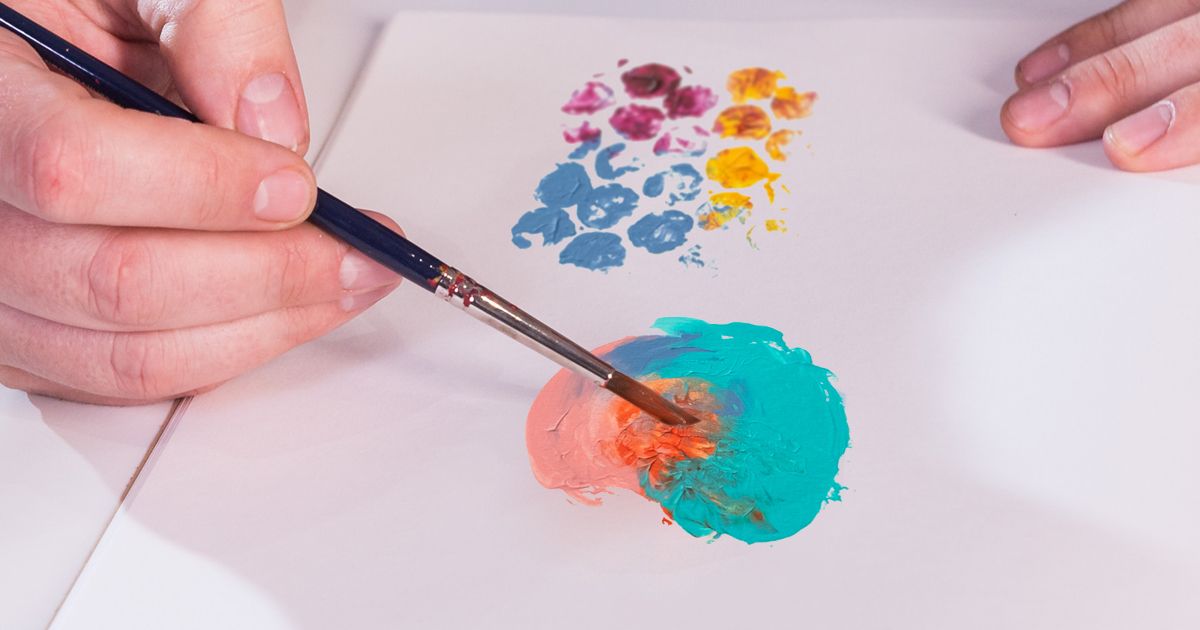
Learn the keys to start painting with acrylics, with professional artist Adolfo Serra
Adolfo Serra @adolfoserra is a Spanish illustrator who specializes in books for young readers. His credits include tales like Little Red Riding Hood and El Bosque Dentro de Mí (The Forest In Me).
In this tutorial, he gives you a basic beginner’s guide to get the most out of acrylics. Discover his advice in the video.

A basic beginner’s guide to painting with acrylics
1. Brushes
One of the key things you need to know to start working with acrylics is which brushes to use and what each of them does. Adolfo recommends the following selection when you’re starting out.
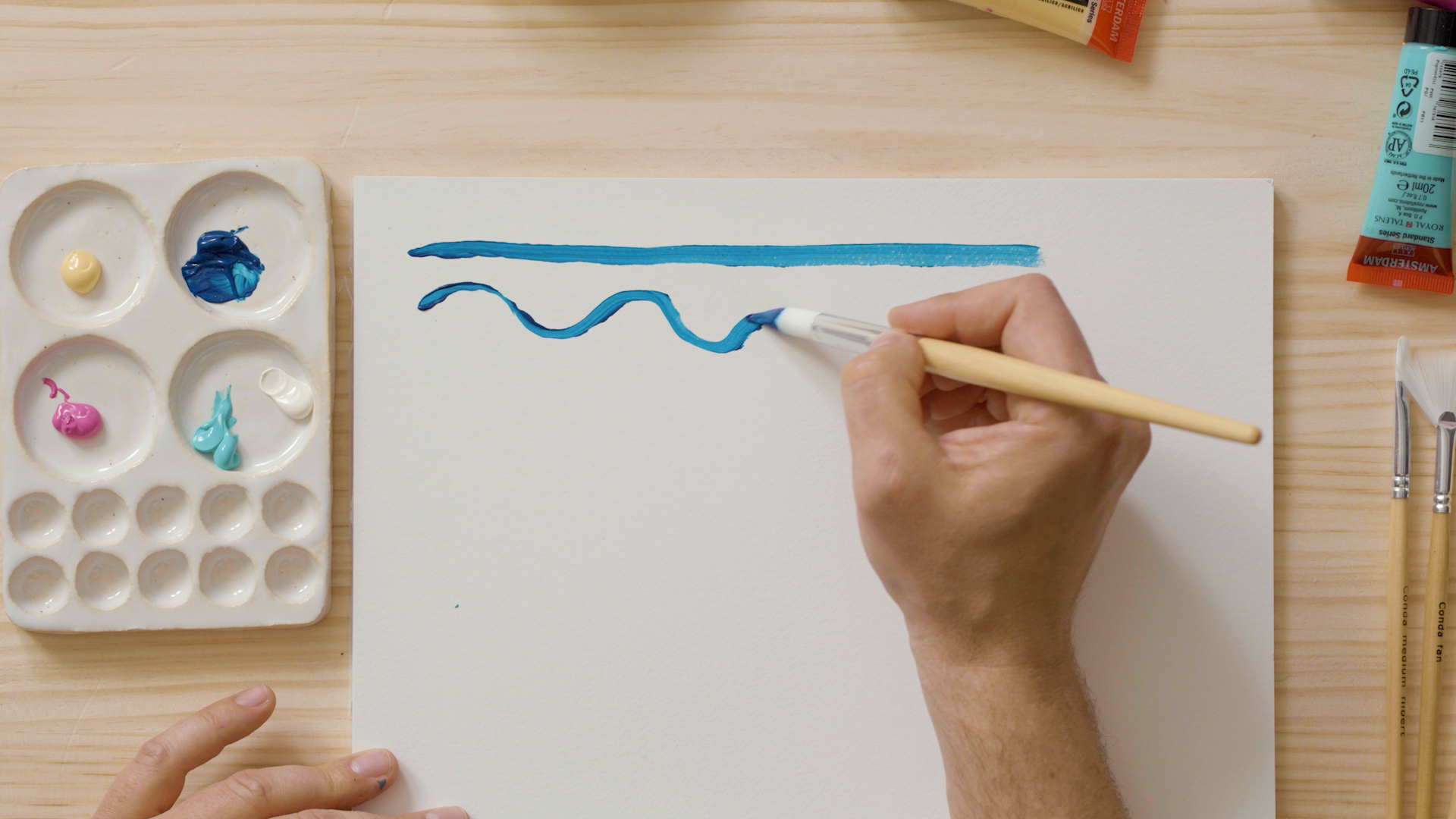
Large round brush
Round brushes give you plenty of options as they can provide an even line as well as finer strokes (when you use the tip). Large brushes can also hold plenty of water and paint.
You need to pay attention to how wet your paint is: the greater the amount of water in your brush, the more watery the strokes. And the greater the amount of paint on your brush, the dryer your strokes will be.
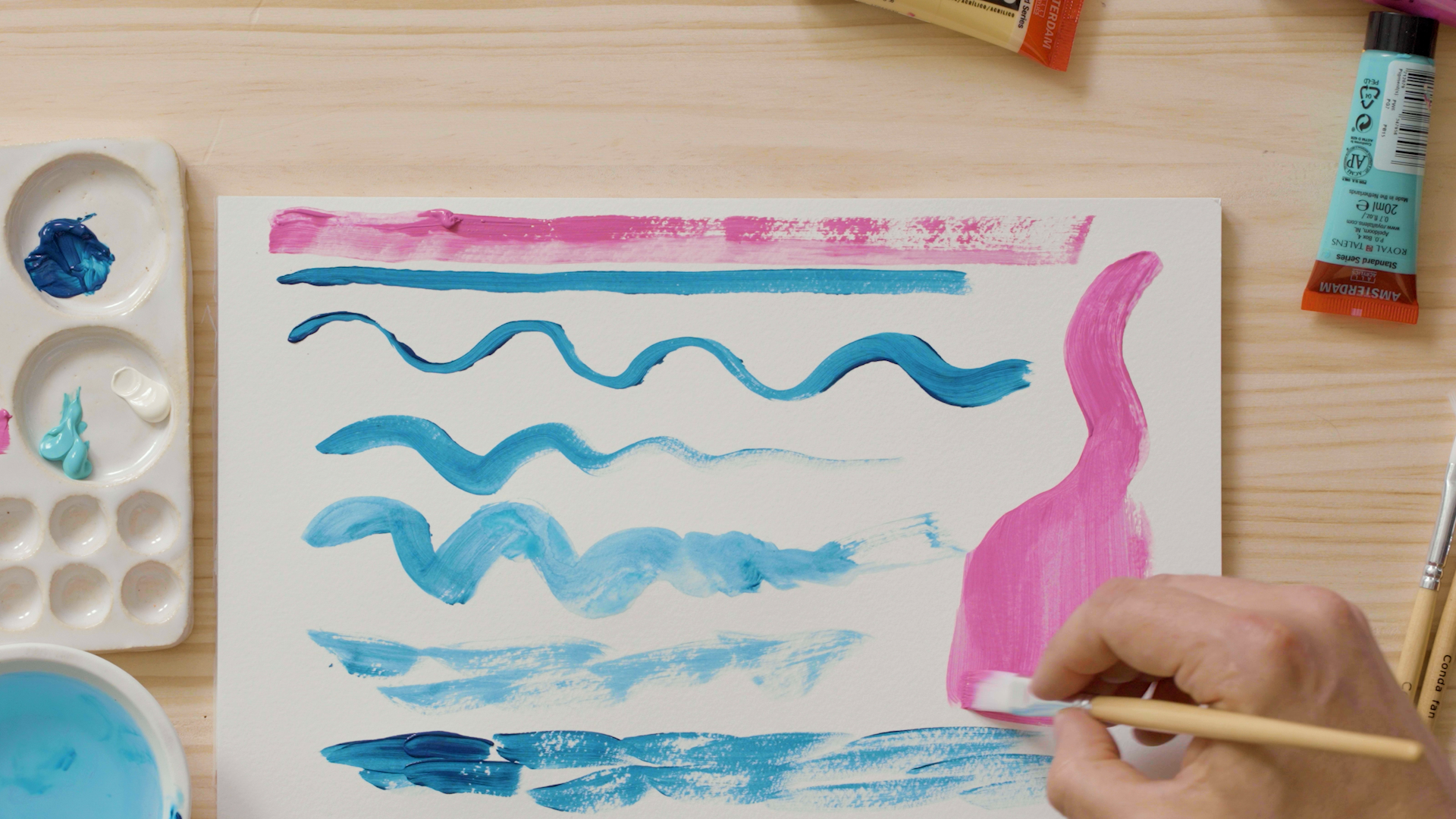
A flat brush
These brushes allow you to create even strokes. They are also very useful when it comes to covering a large area because they are very good at distributing paint evenly.
Filbert brush
Filbert brushes are flat but with rounded edges. Use them dry to create uneven brushstrokes.
Fan brush
Fan brushes are great when you want to achieve more creative results.
2. Gestures
When it comes to painting, the gestures you use to move your brush (and therefore the paint) are as important as the type of brush itself. Your gestures help express a range of feelings, from forcefulness to insecurity.

3. Colors
Adolfo Serra used too many colors when he first started out with acrylics. But it makes things too dense.
He recommends starting out with a limited palette, and allowing each color to dry as you go. He also suggests experimenting to allow happy accidents to occur.

Love this tutorial? If you’d like to learn how to experiment with acrylics and express your ideas by playing with colors, symbols, monsters and myths, don’t miss Adolfo Serra’s online course: Acrylic Illustration: Create a Magical Universe.
You may also like:
- 5 Essential Courses to Get Started in Illustrated Storytelling
- Glossary: Different Types of Paint and Painting Materials
- My Materials: Acrylic Illustration
- Introduction to Children‘s Illustration, a course by Adolfo Serra
- Illustration Techniques to Unlock Your Creativity, a course by Adolfo Serra


2 comments
mara627
Muchas gracias Adolfo. Eres toda una inspiración y un lujo de profesor.
adolfoserra
Teacher Plus@mara627 ☺️☺️☺️🖌️🎨 muchas gracias!!