


@micaela_mh
Materials: Crochet
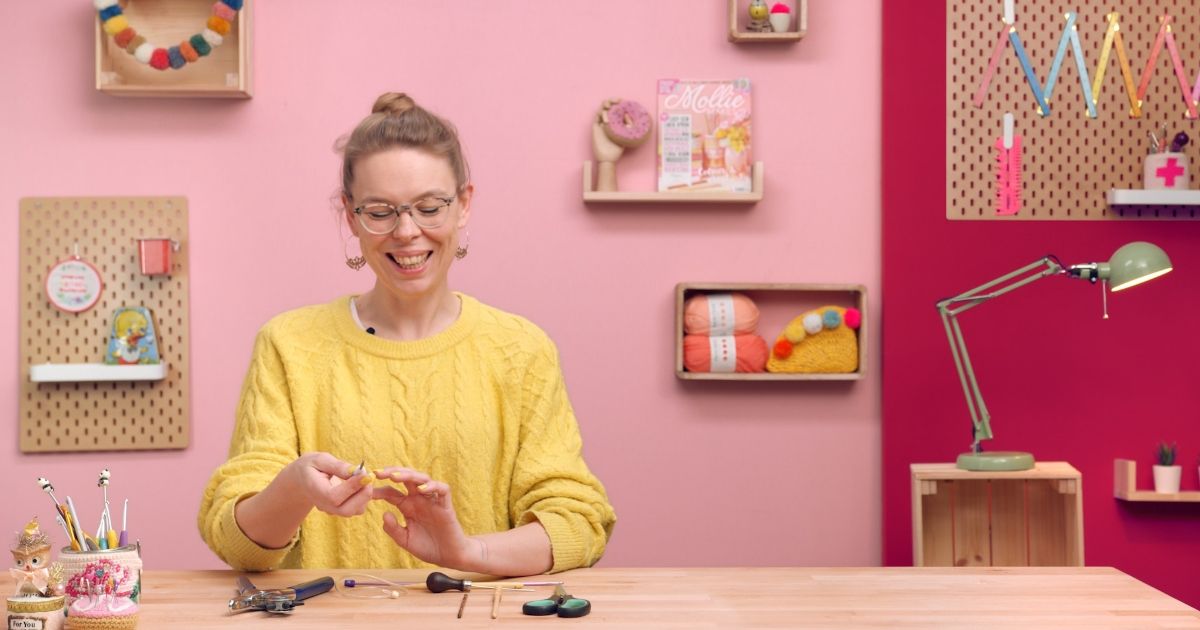
Steel & Stitch gives beginners a primer on the different types of crochet hooks and tools
One reason why crafting can be intimidating is that it’s difficult to know where to begin. Before you can make your first stitch, it’s important to have selected the correct materials and tools since these elements will greatly impact the process, and result, of your project.
The tools you use in crochet can do more than shape the yarn itself. As a repetitive physical motion, crochet can put stress on your wrist or tire your hand if you don’t pick wisely.
In the video below, crochet and upcycling expert Emma Friedlander-Collins, also known as Steel & Stitch (@steelandstitch), gives a primer on the pros and cons of different types of crochet hooks, as well as other tools you can use to take your projects to the next level.
7 Types of Crochet Tools
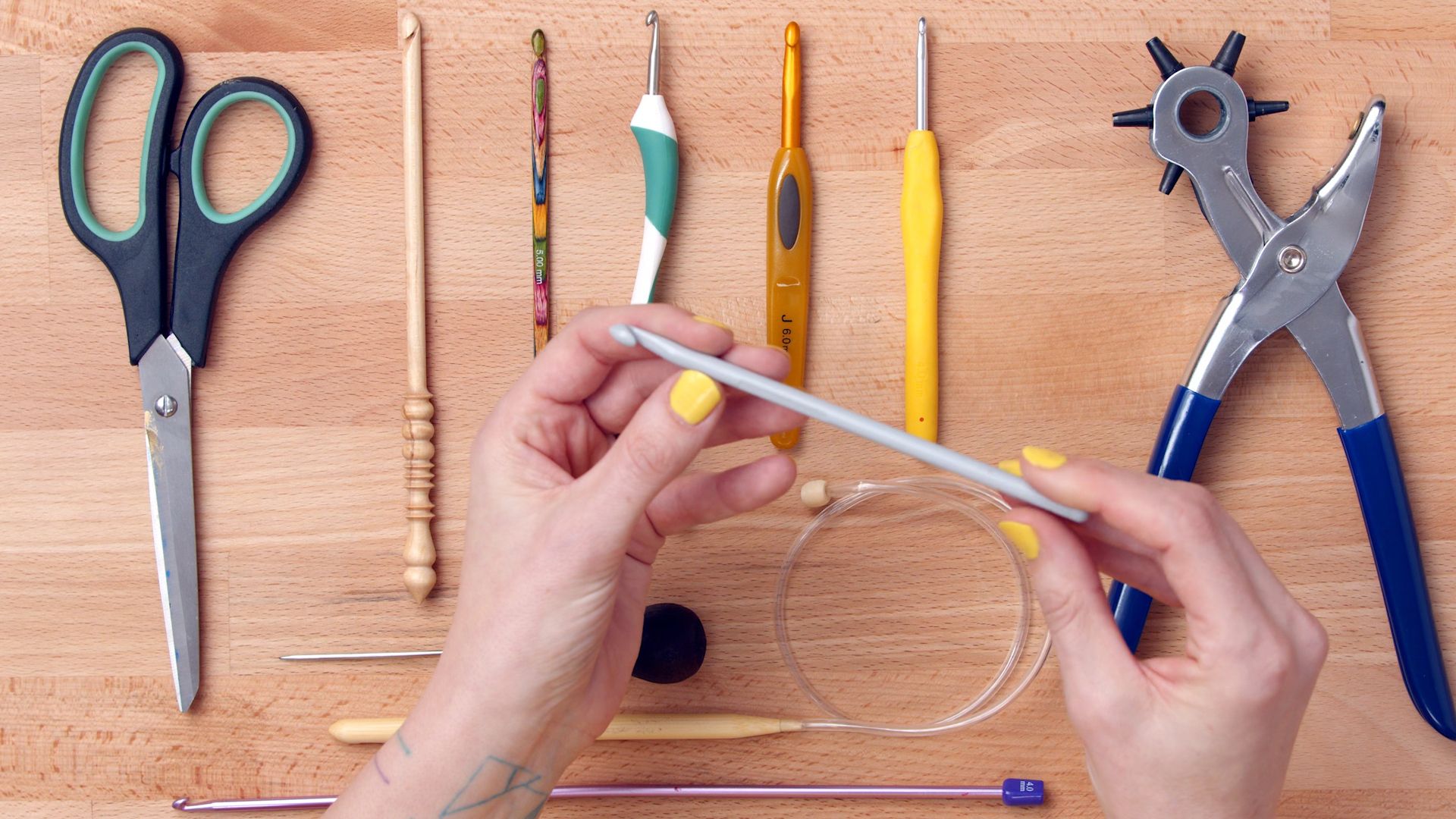
Plastic hooks
Though these are cheap, making them a popular hook for crochet beginners, Friedlander-Collins strongly encourages you to invest in something nicer. That’s because the plastic body of the hook can get “sticky”, preventing it from easily gliding against yarn, and because its straight body doesn’t offer a comfortable grip. Though there are a few ways you can choose to hold your hook while working, none of them can easily accommodate the thin, straight hook, meaning that if you use it for any period of time you’re likely to experience hand cramping and pain.
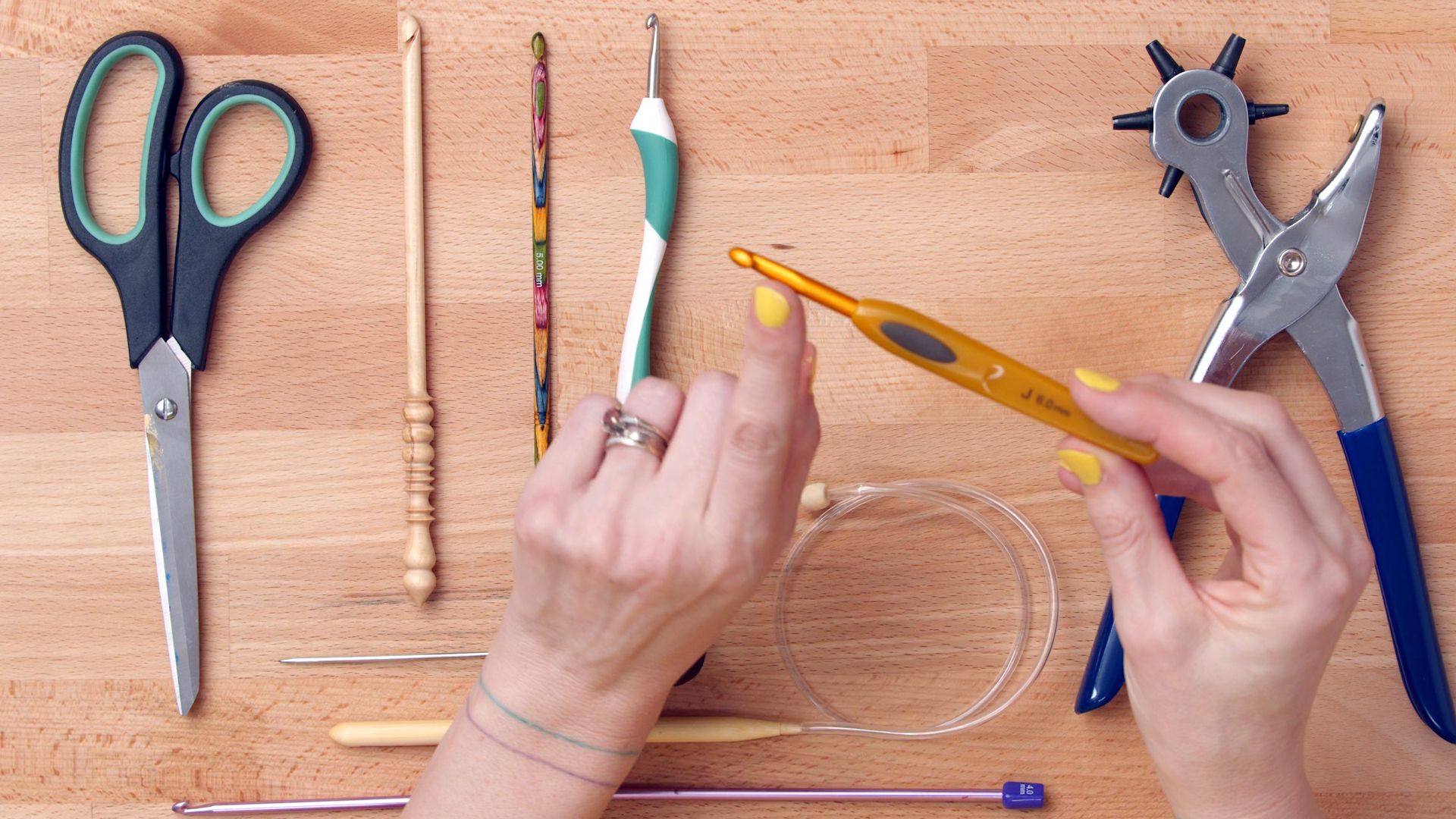
Hooks with an aluminum head
There are plenty of different versions on the market, but hooks with an aluminum head pass smoothly through yarn and are typically lightweight. When deciding which is the right fit for you, consider the handle. Pick one that gives you something comfortable to grip onto, and that is easy to hold.
Swing hook
Somewhat strange looking compared to the traditional crochet hook, these are characterized by a short head and a large, weighted handle. As you crochet, the weight swings the hook, helping you along. This hook is especially ideal for people with wrist or hand problems.
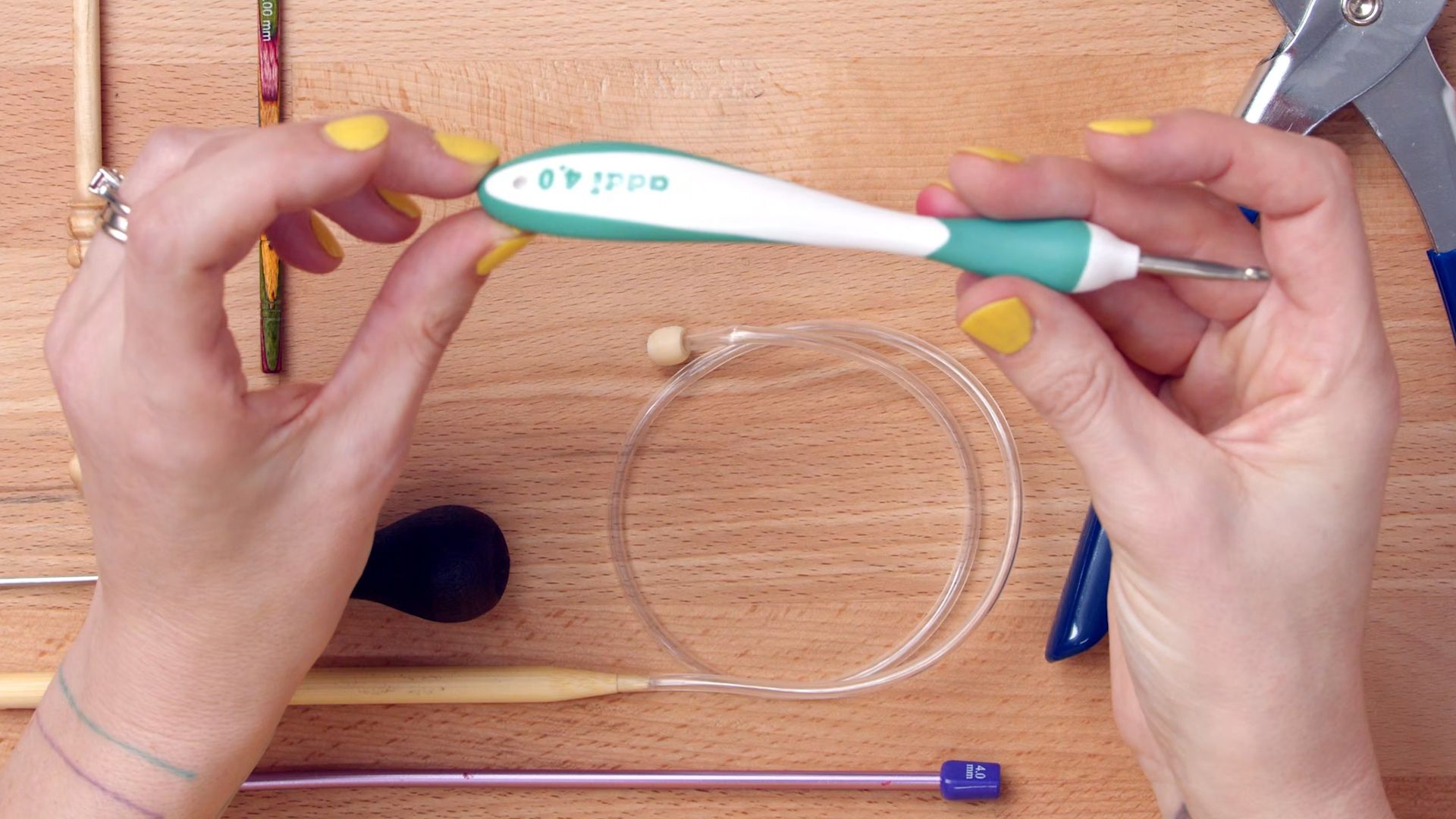
Wood hooks
These can be produced in all shapes and sizes. Composites, where multiple pieces of wood are put together and shaped into a hook, can be beautiful but often suffer from the same problem as plastic hooks: because of their straight shape they are uncomfortable to use.
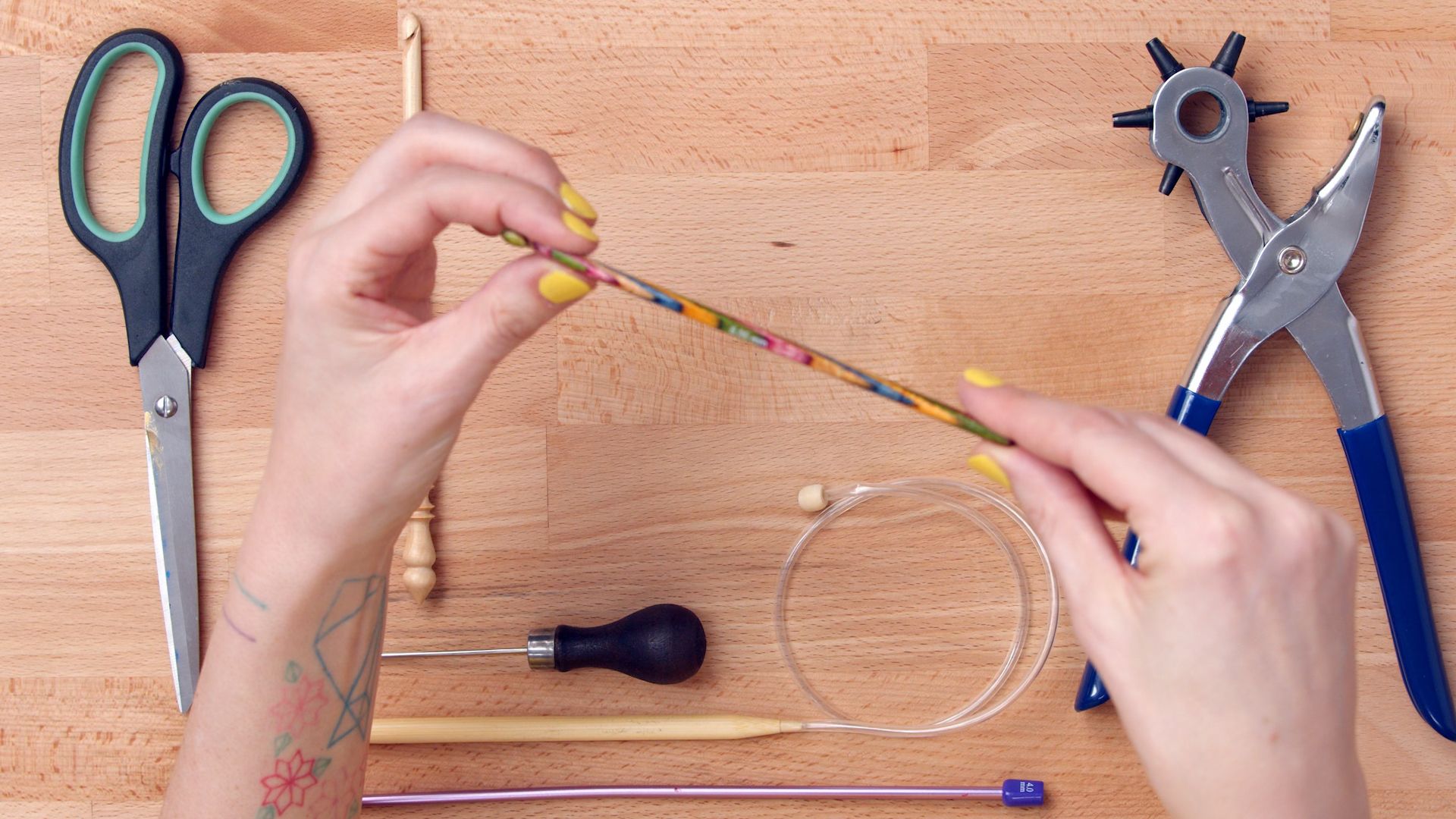
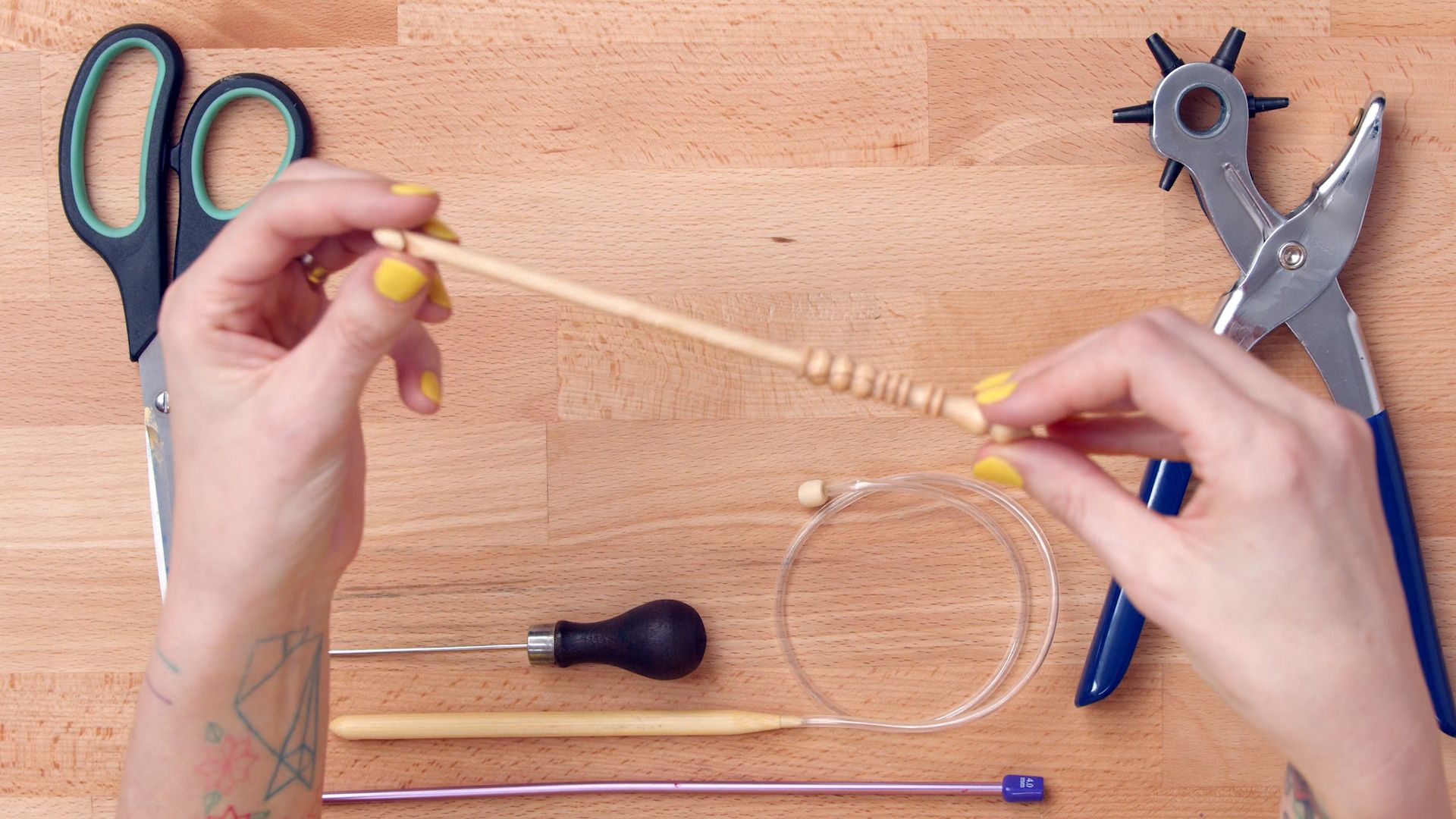
More intricately carved decorative hooks are visually striking and a fun way to add personality to your crafting kit. The downside can be that if there are any places where the wood hasn’t been perfectly smoothed, splinters or rough surfaces can catch on and damage your yarn. Depending on their design, the shape can also be uncomfortable to hold. For that reason, Friedlander-Collins typically uses them as strictly decorative objects.
Tunisian crochet
With Tunisian crochet you cast on to the hook (somewhat like knitting), picking up each stitch as you go. For rigid hooks, the hook length determines the length of the piece you create.
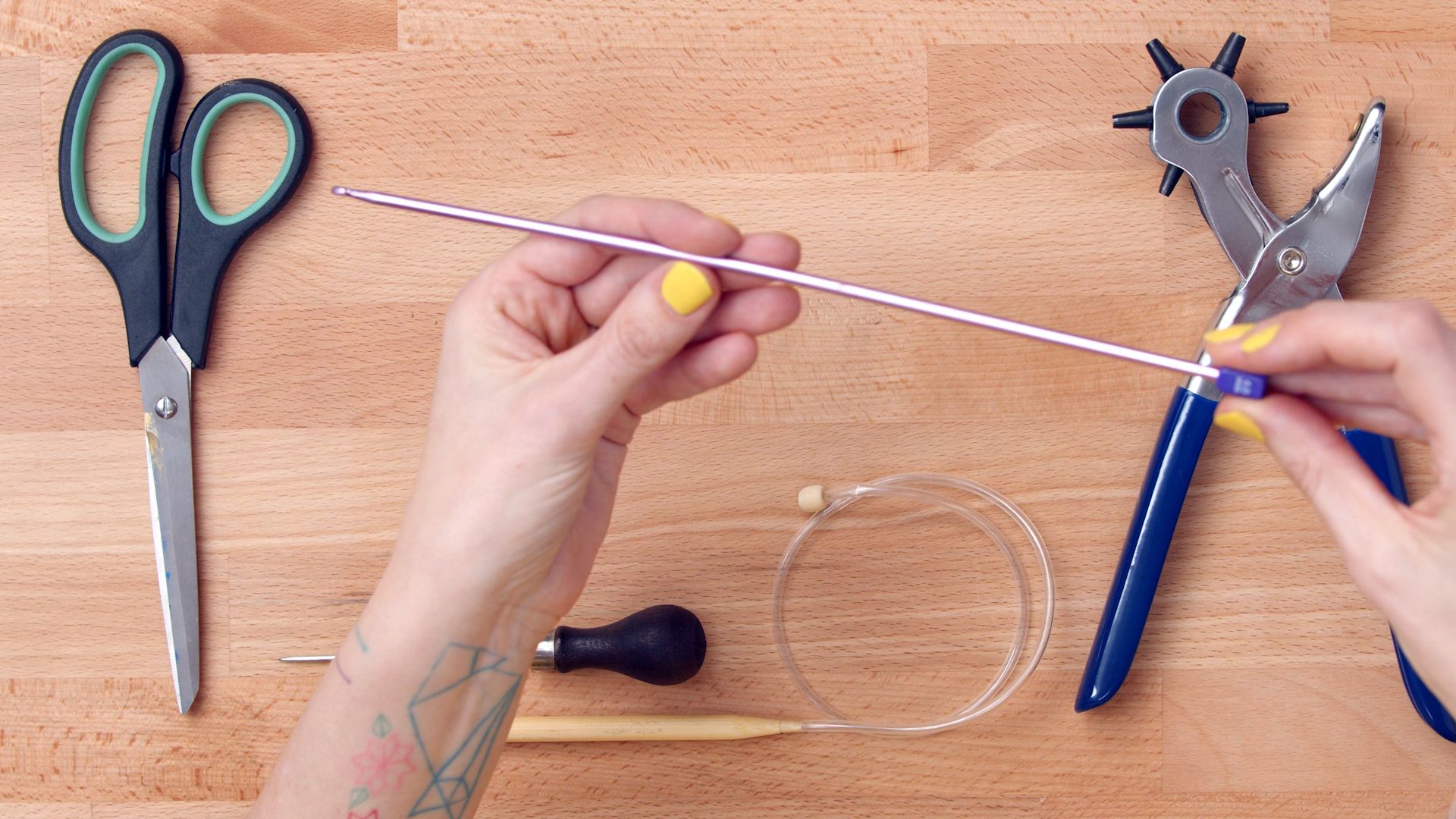
For hooks that come with a flexible plastic end, you can work more stitches on it. As always, when selecting which one you’d like to use, keep in mind what material the hook is made of.
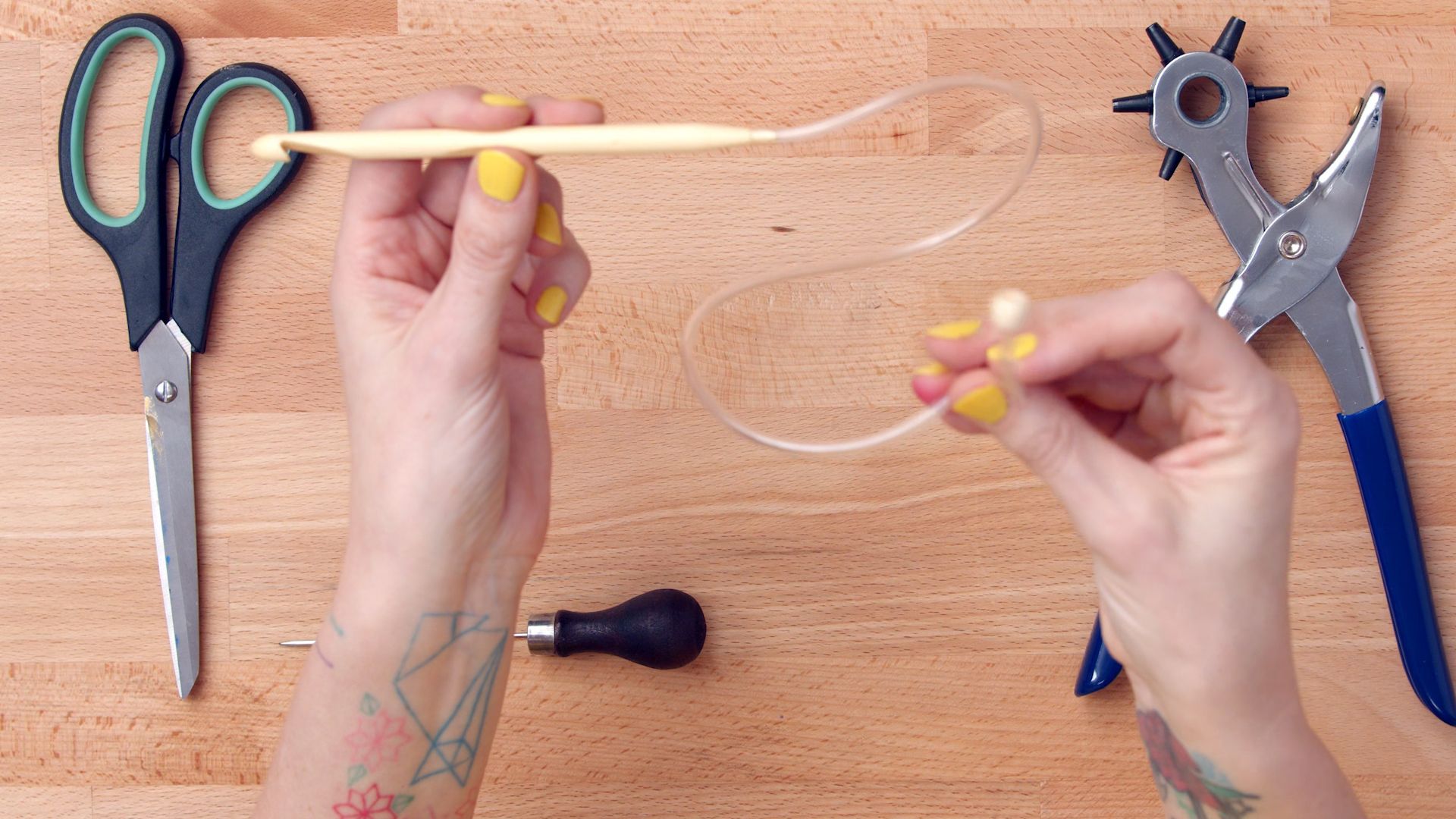
Fabric scissors
Of all the materials that you can invest in, Friedlander-Collins stresses the importance of a good pair of fabric scissors. If you’re upcycling clothing, good scissors will allow you to easily and smoothly cut your pieces. While it’s a common misconception that kitchen scissors can do the trick, they’re actually likely to shred the edges of the fabric, which results in ugly and uneven edges that are more difficult to work with.
Leather punching tools
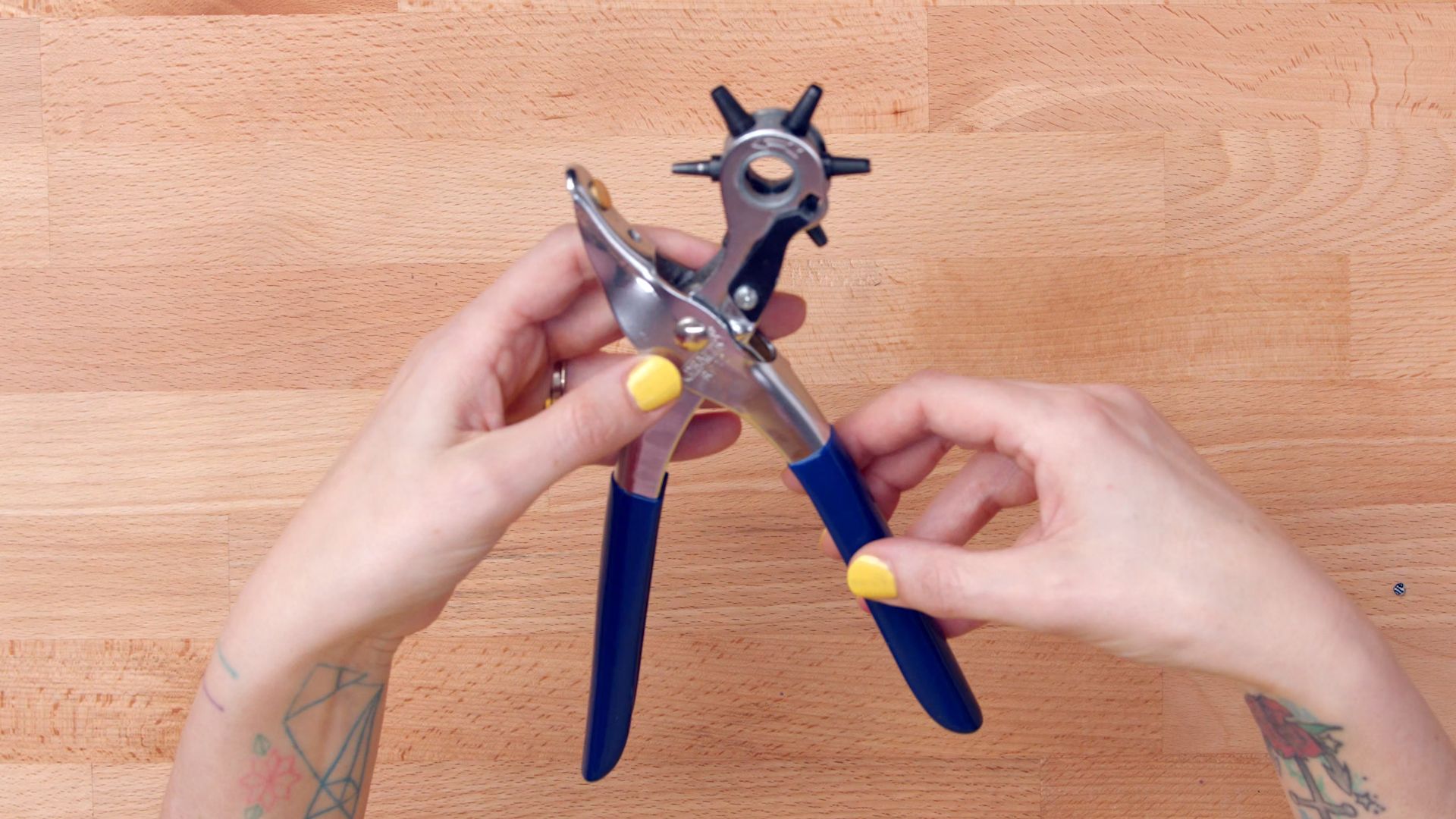
A great way to incorporate crochet into upcycling projects is by using it to embellish pieces or construct new ones. Whether you want to add a new edge to a top or piece together scraps of fabric to construct something entirely new, using leather punching tools is a simple way to create clean holes that your hook can then pass through.
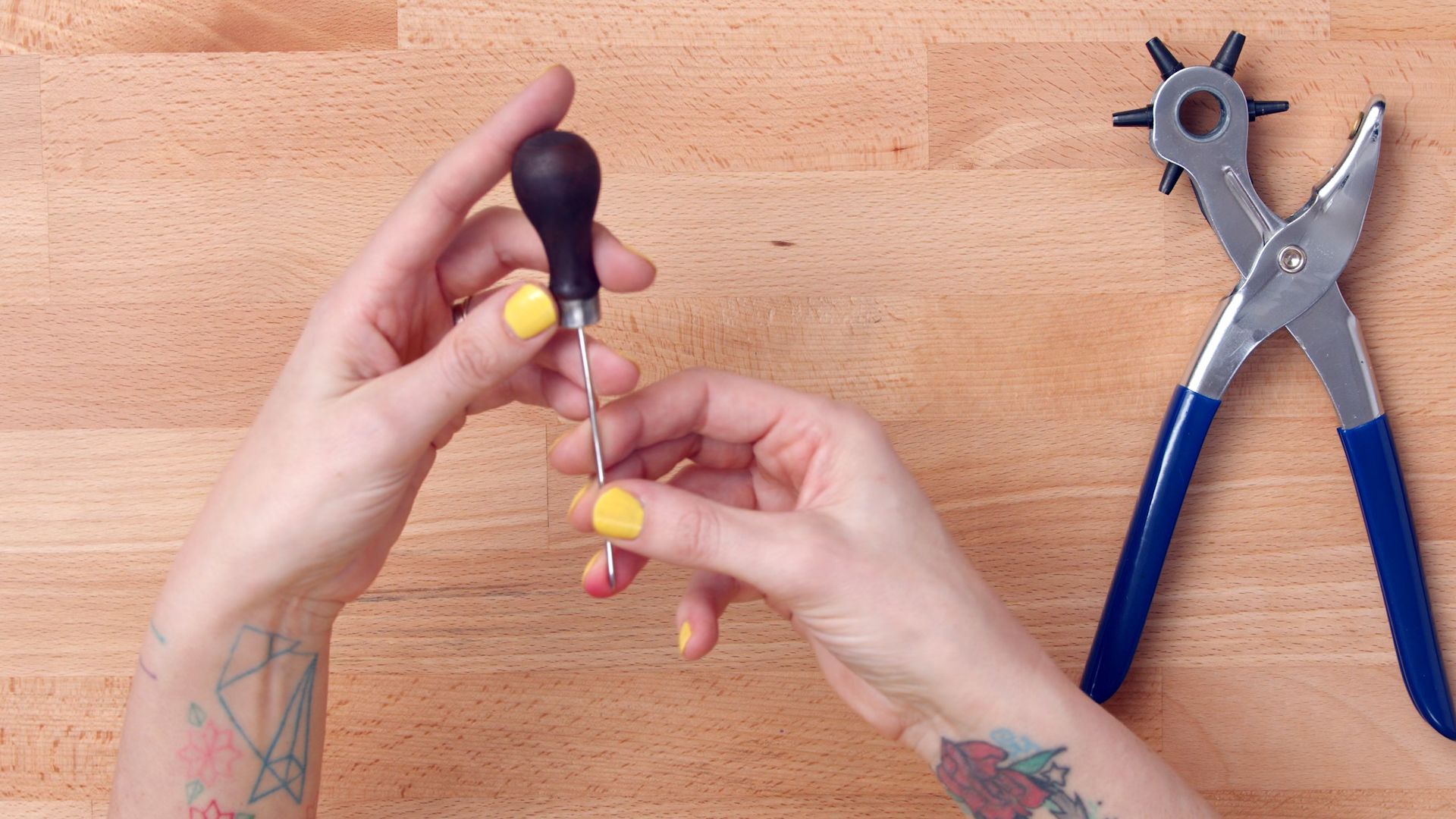
From a bodkin, which you can use to stab holes into the material, to a leather punch, which works essentially like a hole puncher, these inexpensive tools help to open up the creative possibilities of what crochet can be.
Did you enjoy this guide? To learn more about crochet and upcycling, check out Steel & Stitch's online course, Upcycling with Crochet for Beginners.
You May Also Be Interested In:
- 5 Fashion Design Courses to Create Garments From Scratch
- What is Slow Stitch?
- How to crochet a slip stitch and chain stitch


0 comments