


@harry_davies
How to Improve Your Creative Portfolio

Your portfolio should convey your essence and your creative identity. That's why it's so important to know what to include and how to show your work
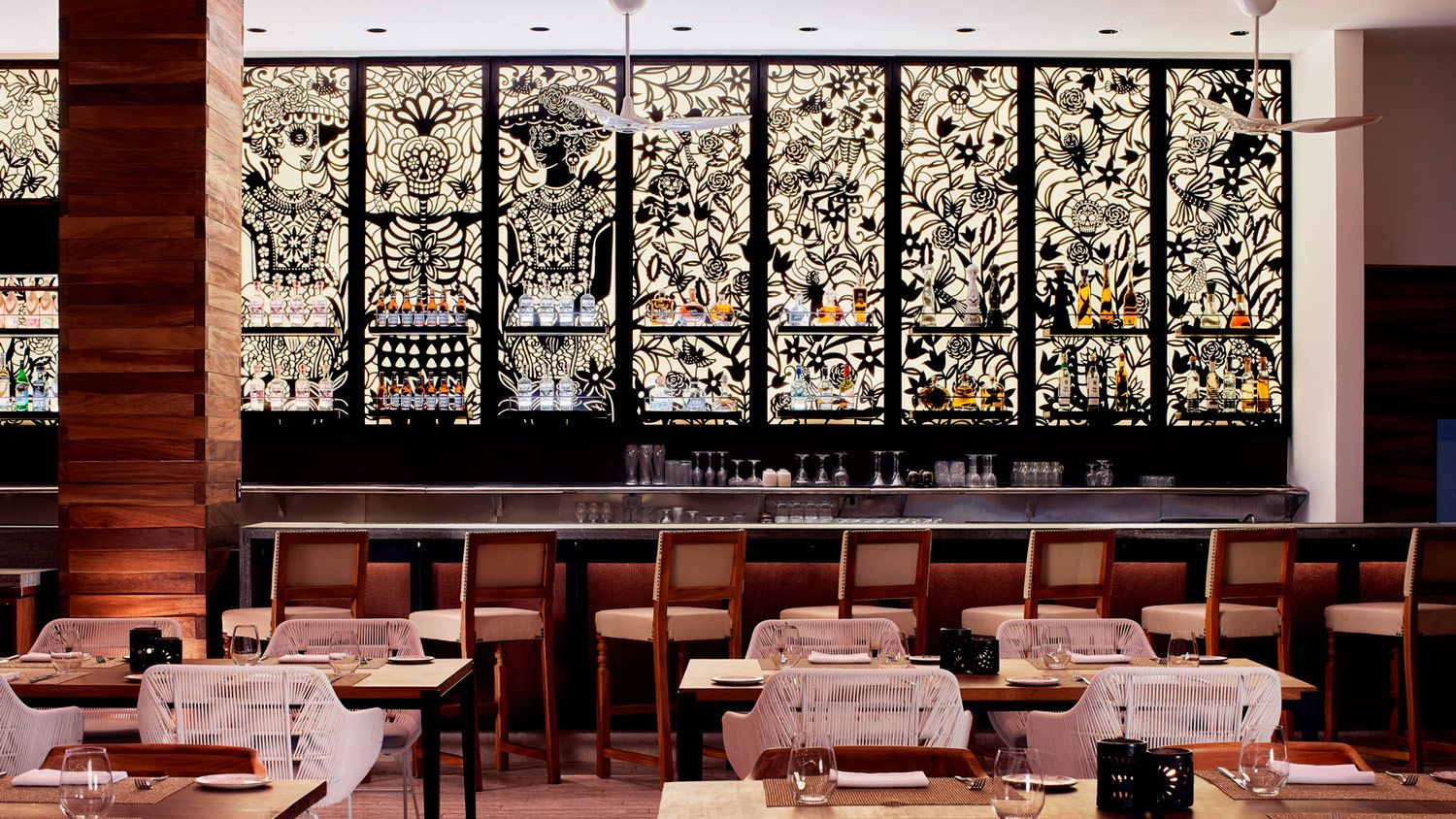
Almost two decades of experience have made Colombian graphic designer Arutza Rico Onzaga (@arutzarico) a specialist in putting together a visual portfolio. Throughout their career, they have built and deconstructed the way they show their work in order to take their professional career to ever higher levels and overcome new challenges.
In a recent lecture (which you can see in full at the end of this article), Arutza spoke about the "psychology of the portfolio" and gave some key tips to shape our creative CV based on examples from their own portfolio and their professional and personal projects.
The portfolio as an identity
One of the pillars of Arutza Rico's discourse about the creative portfolio is that it is not – at least not exclusively – a means of looking for work or attracting clients, but should be a reflection of our creative identity and, therefore, show our essence.
But how do we find our own style and identity? "The secret is to pay attention to yourself, to discover yourself," says Arutza, who has developed a mechanism to identify what you like best and what usually attracts your attention, in order to better define your style:
It consists of pasting images of things you like from magazines into a notebook. Without thinking much, just cutting and pasting, for several weeks or months. After a period of time, you must look at and analyze what you pasted, identifying common elements. This exercise can also be done in writing; you just need to have a notebook at hand and something to write with so that every time you like something you can add it to the list. Then, consciously, you start using those elements in your design. While doing this exercise, Arutza realized that they liked geometry and pieces with a lot going on. "This may seem evident but, when you return to it consciously, it helps you build on your own marked, recognizable style".

Curatorship: what and how to show your creative work in your portfolio
In creating our portfolio, we must become curators of our own work. While this task may be difficult, there is no one who can do it better than you, since you are the one who knows your identity best and your goals as a creative.
To make choosing which projects to include in your portfolio easier, Arutza establishes three categories that you should consider:
- Sentimental projects. These are those projects that are emotionally charged, for example, the first logo you made or one you felt a special connection to for some reason.
- Outstanding projects. These are projects that have been recognized by other designers or colleagues and, therefore, deserve a place in your portfolio.
- Strategic projects. Those that show your ambitions. "I, for example, want to work for massive brands and so I select the projects I worked on with my biggest clients.”
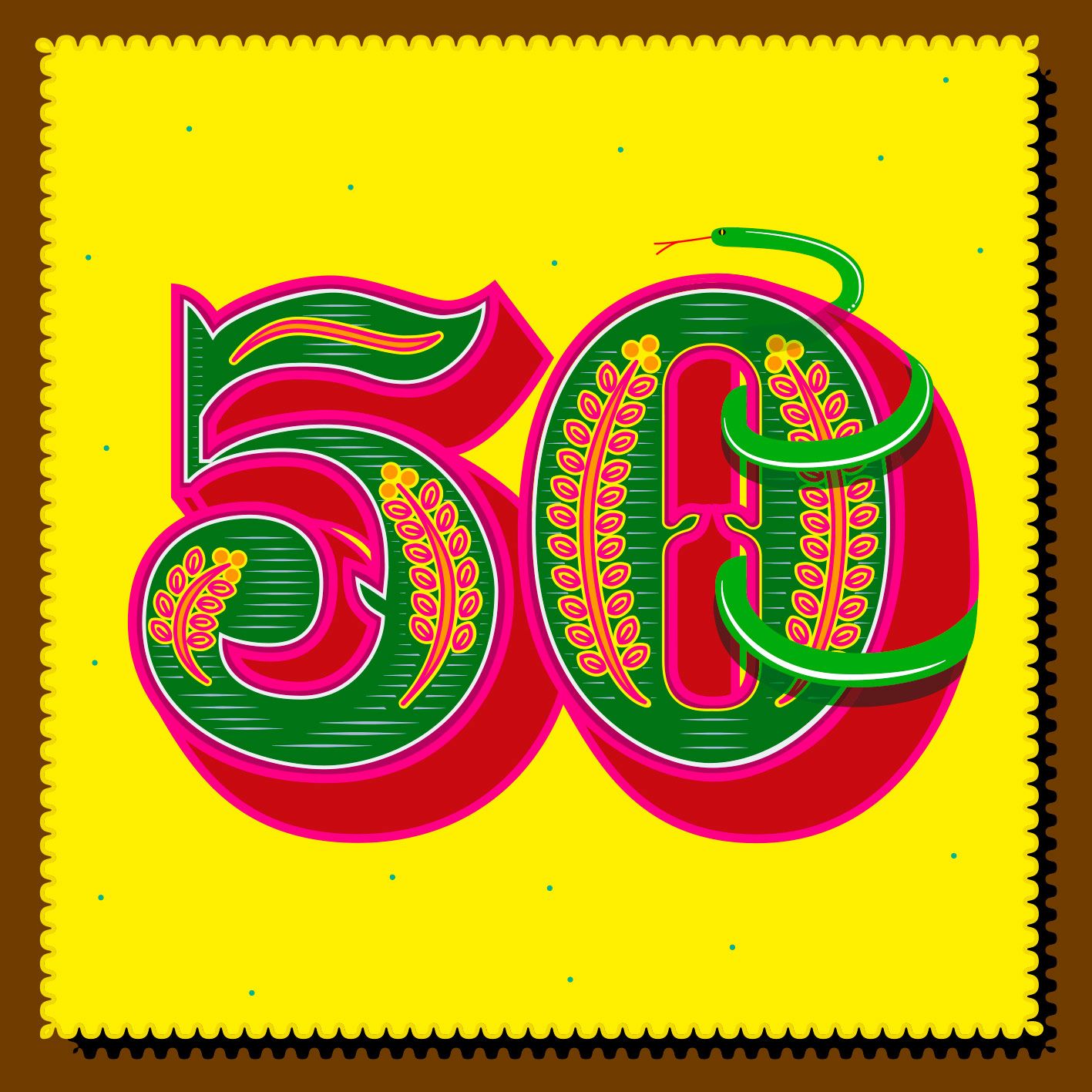
For Arutza, in a graphic design portfolio it is essential to include projects that show good typographic management, color knowledge, and ideas, all presented in the best possible way. In addition, as a general rule, it is highly recommended to always have something recent and something authentic.
What to show in your portfolio when you are starting out and don’t have many projects
Starting out in the creative world is not an impediment to building a quality portfolio and Arutza gives us some tips to do so: "You can include the processes of your projects, for example. Or divide up the work so that the portfolio feels robust. For example, if you've done the identity of a restaurant, you can put the logo and its applications as a project and in another publication put the menus".
Also "there are projects where the options you present are good and appropriate, but the client chose another. The important thing, I think, is to clarify that this proposal was not chosen or show it as a process. Fictitious clients–university projects for example–must be presented as such. In the end, if you are good and lucky, these works will soon be replaced by real and approved projects.

Art direction for your own creative portfolio
Building a creative portfolio is ultimately about looking at your own work from another point of view and finding ways to transmit your knowledge and identity through the projects you have done. More than a means of finding work, it is a way of showing the world what you know how to do and what you want to achieve with your work, with beauty as the guiding thread.
Arutza Rico teaches the Domestika course Branding for Restaurants, where they teach how to conceptualize and develop a visual identity for a gastronomic brand.
You may also like:
- How to Promote Yourself and Your Work to the Right People
- The Dos & Don’ts of a Creative’s Resume
- Animation Tutorial: How to Prepare a Portfolio to Send to Studios
- Why Start Your Own Creative Projects?


0 comments