


Minimalist design: practical examples for better communication
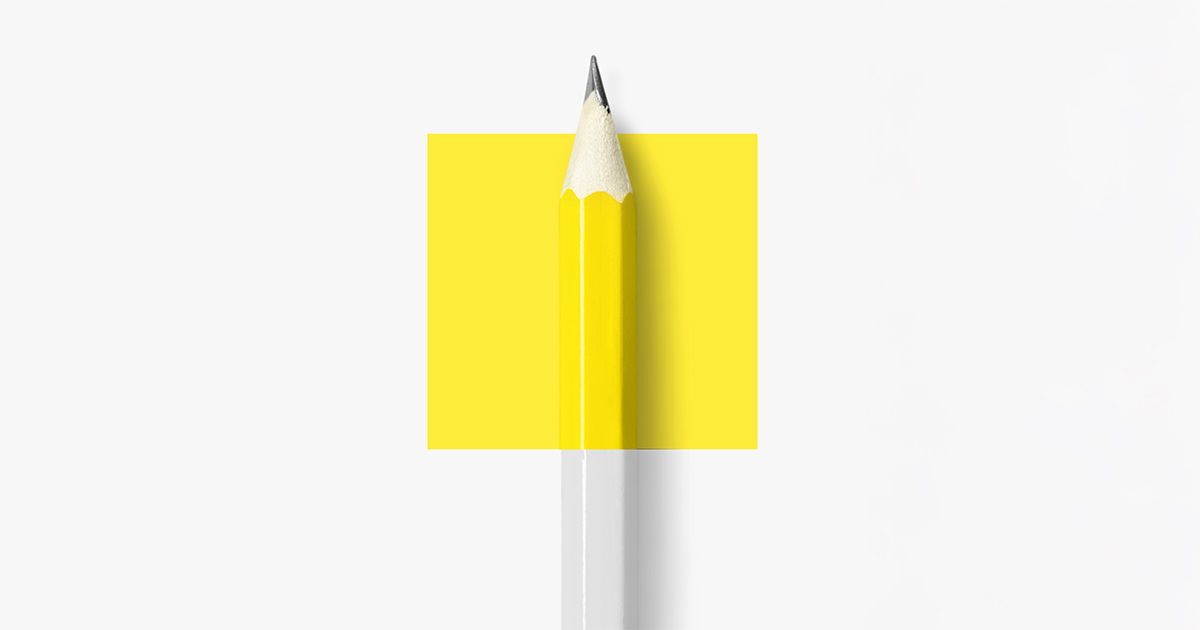
Minimalism in Design: Simplicity, Clarity and Practical Examples
.
Minimalist design has been consolidating for years as one of the most effective and timeless visual trends. In a context saturated with stimuli, betting on simplicity has become a strategic decision to communicate with clarity, elegance and precision.
Far from being a fad, minimalism responds to a real need: to focus the message, reduce visual noise and facilitate understanding. This article explores what defines minimalist design and shows practical examples to apply it in real graphic design, branding, editorial or digital projects.
What defines minimalist design?
Minimalist design is based on the idea that less can communicate more, as long as each element has a clear function. Some of its key principles are:
- Efficient use of white space
- Reduced and coherent color palettes
- Clean and legible typefaces
- Clear visual hierarchy Clear visual hierarchy [/b
- Elimination of unnecessary decorative elements Elimination of unnecessary decorative elements.
It is important not to confuse minimalism with emptiness. A minimalist design is not poor or incomplete: it is [b]intentional. Each decision responds to a specific communicative objective, and simplicity becomes a tool to reinforce the message.

Practical examples and how to apply them yourself.
Visual identities with only one color
Type of project: branding
Why it works: reinforces recognition and visual consistency.
Practical tip: choose a color with personality and work on tone and texture contrasts.
Brands such as Muji, Aesop or Everlane demonstrate that a limited palette can convey values such as honesty, quality and timelessness.
Editorial design with white space.
Type of project: magazines, books or portfolios.
Why it works: improves readability and reading pace.
Practical tip: let the content breathe and avoid filling every available space.
White space is not a void: it is an active element that guides the eye and prioritizes information.
Posters with leading typography
Type of project: events, exhibitions, cultural campaigns.
Why it works: message becomes direct and memorable
Practical tip: choose a typeface with character and take care of the line spacing and composition
In these cases, typography does not accompany the design: it is the design.
Sober packaging with subtle details.
Type of project: cosmetics, gourmet products.
Why it works: Conveys quality, care and exclusivity.
Practical tip: go for materials, embossing or finishes instead of complex graphics
A discreet design can stand out more than an overloaded one in a saturated environment.

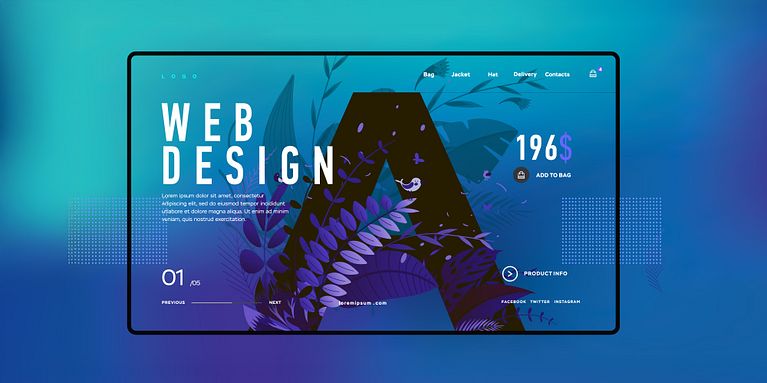
Web design focused on the reading experience.
Type of project: blogs, portfolios, creative studios
Why it works: makes navigation easier and reduces visual fatigue.
Practical tip: prioritize content, use clear hierarchies and limit colors.
A well-planned minimalist site invites you to linger and explore.
Clean and visual presentations.
Type of project: pitches, classes, professional presentations.
Why it works: the message is better understood and better remembered.
Practical tip: one idea per slide and short texts.
Eliminating visual noise helps to reinforce the oral speech.
Social media posts with clear hierarchy.
Project type: digital content.
Why it works: captures attention quickly.
Practical tip: highlight a single message and avoid cluttering with secondary elements.
Recommendations for applying minimalism to your projects.
Before adding elements, ask yourself if they really add value. Do a visual cleanup of your designs and decide what is essential and what can be eliminated. Tools such as Canva or Figma, along with the use of grids and templates, can help you better structure the composition.
Minimalism does not imply losing personality. On the contrary: it forces you to clearly define what you want to communicate and how to do it in an honest and effective way.
Minimalist design is a way of thinking rather than an aesthetic. Applied with intention, it allows you to communicate better, highlight what is important and create clearer and more memorable visual pieces.
If you liked this article we recommend these Domestika design courses.


0 comments