


Meet the computer graphics pioneers of the 1960s
Discover the origins of a visual revolution that transformed design, art and technology
Long before digital graphics dominated screens and interactive experiences, a group of visionaries were already imagining a future where computer-generated images would play a central role in the way we create and communicate.
In this series of three videos, we review the history of computer graphics from its beginnings in the 1960s to its consolidation in the 1990s. Through interviews and visual examples, we introduce the key figures who paved the way for the design and animation tools we use today.

When did computer graphics begin?
The artistic and technical use of computers to generate images began in the 1960s, in academic and research environments such as MIT, Bell Labs or pioneering computer universities. Initially, these were simple technical tests and visualizations, but over time, these experiments developed into a new visual language.

One of the key names of this stage was Ivan Sutherland, creator of Sketchpad (1963), considered the first interactive graphic design program. His influence extends from CAD to digital animation.
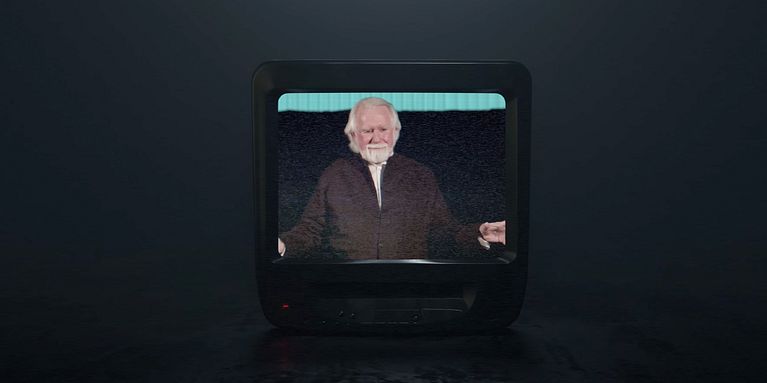
Who are the pioneers who appear in the videos?.
The videos we share bring together referents such as:
Ivan Sutherland - pioneer in visual computing and inventor of Sketchpad.
Alvy Ray Smith - co-founder of Pixar and key figure in the development of digital color.
Ed Catmull - pioneer in 3D modeling and also co-founder of Pixar.
John Whitney - considered the father of computer animation.
Vera Molnar - artist who integrated algorithms into generative art long before there was talk of AI.
Through their testimonials, we discover how these figures helped transform design, film, scientific visualization and digital interfaces.
The Pioneers of Computer Graphics - Part 1/3

The Pioneers of Computer Graphics - Part 2/3

The Pioneers of Computer Graphics - Part 3/3


0 comments