


The Creative Process: from Briefing to Budget
Discover how to organize a creative proposal when working with clients, from the first handshake to closing the budget
One of the main factors that impacts the profitability of creative companies is the process that starts with the first briefing for a project and ends with the final budget: How long should it be? How many people should be involved? Answering these and other questions correctly could be the difference between a company that thrives and one that goes bust.
So, with the help of Enrique Rivera (@kike_dnoise), CEO and Creative Director of dnoise, we have created this step-by-step guide that will help you understand the importance of each phase, and how to calibrate this process that is the beating heart of countless creative studios.

Client Briefing
Everything starts with a client looking for a service, so the first step will be for the client to submit a briefing in writing. This is what we call the pre-project phase. In this document, the client explains their needs. It could be more or less formal or exhaustive, but we must always respond with a counter-briefing: another written document in which we build on the previous request, correct the client's assumptions and expand the scope of the project if necessary, always with the approval of the client.
In this first phase, it is important to schedule face-to-face meetings, since they are the best way to obtain first-hand information, but don't plan too many or you'll risk slowing the process. The main objective is to obtain detailed information from the client. Don't forget to sum up every meeting in written form and share it with the client so both parties are on the same page and share information effectively.
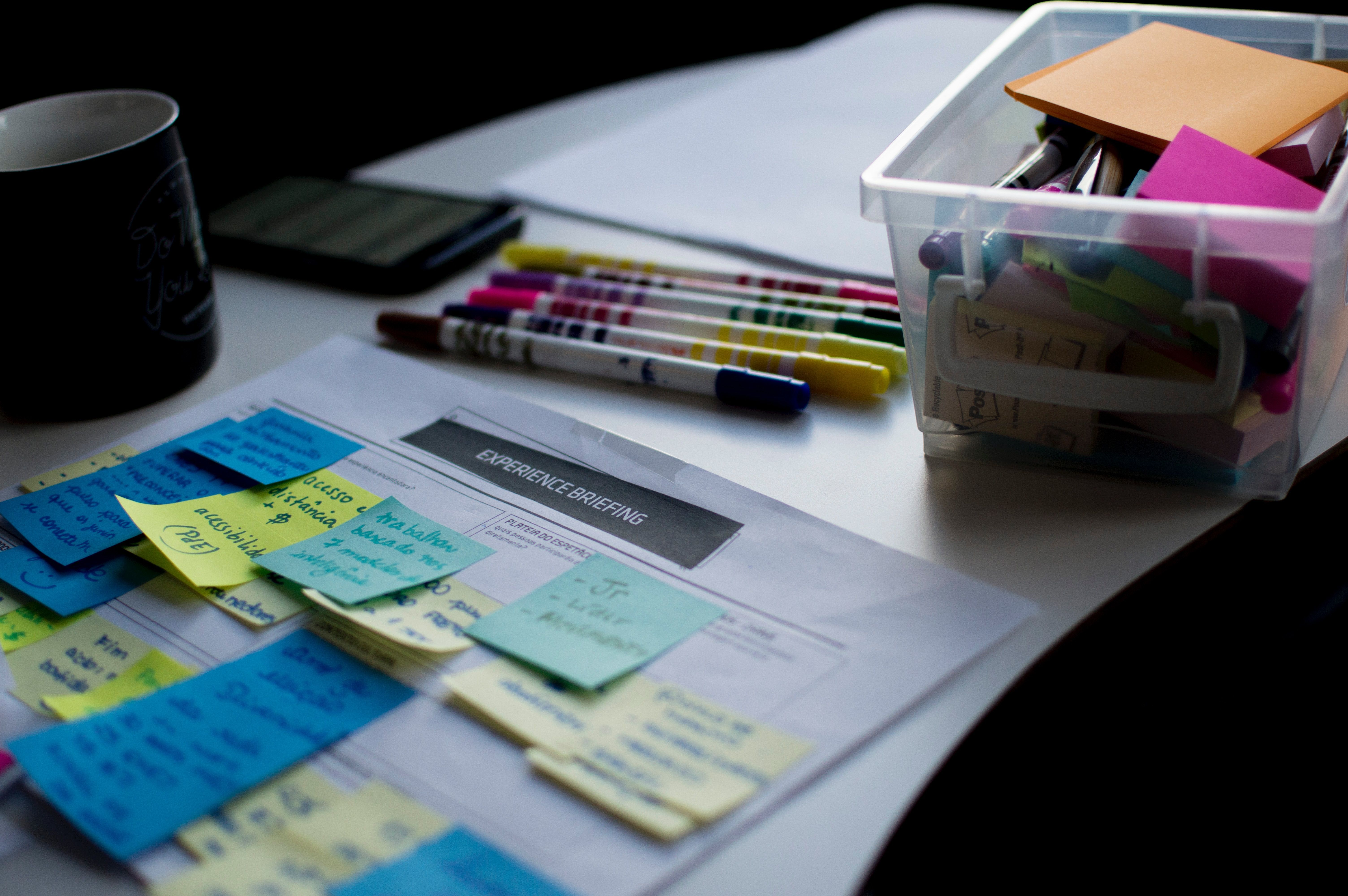
Draft
Once both parties have agreed on what exactly the client needs, we enter the project phase. This is where we need to make an initial proposal: What are we going to try to achieve? What will we do and when? We should also attach some examples from our portfolio.
The latter is important because, at this stage, we don’t want to show all our cards. The most powerful creative concepts, the "brilliant ideas", are better saved for later so the client cannot steal them. Showing other examples of our work makes our talent clear without the need to "give away" our ideas for this specific job.

Budget
Once the proposal gets approved, we will move on to the negotiation phase. The idea is to create a document that will be validated by both parties, and that should include final price, delivery times, other conditions (like the amount of changes that will be accepted) and technical specifications (materials or technology we will use).
Remember that a budget, in order to be valid, must contain at least the following information:
- Company name, Tax Identification Number and full address, yours and the client’s.
- Invoice number and date.
- Description, quantity of units and the price of the products.
- Subtotal without taxes.
- Conditions of any kind: due date, payment terms, number of changes included.
- If the client demands it, some identification code for the company.

Approval
If your budget meets the client's conditions, it will get approved. The approval should be formalized in writing, especially if it is a first time client or one you still do not have an established relationship with. Even a client you trust, it's important to have some document or audio recording-if it's a verbal agreement-, stating the acceptance of the budget.

If you liked this article, remember that you can learn how to manage and organize a design, marketing or communication business in 'Planning and Management for a Creative Studio', a course by Enrique Rivera.
You might also like:
- What makes a good (and bad) portfolio?
- What Is A Brand Identity Manual And What Should It Include?


+0 Kommentare