

Train creativity through observation, drawing, writing exercises. Unlock creative potential and develop innovative ideas
Unlock your creative potential with a dynamic journey that transforms inspiration into a career. Creativity isn't a mystical gift, it's a skill that can be cultivated and expanded. This specialization guides you through techniques to nurture your imagination, harnessing the power of storytelling, technology, and artistic exploration. You'll learn to generate unique ideas and develop projects that reflect your personal vision, all while gaining insights into your inner creative potential.
Led by Silvia Ferpal, Sara Ricciardi, Ji Lee, Magic Jungle, and Daniel Granatta, these courses empower you to define and project your professional path in the creative world. From mastering ideation exercises to forming narratives with technology, this program equips you with the tools to build a coherent portfolio, discover opportunities, and establish a clear trajectory. By the end, you'll not only have a robust creative project but also a strategic professional plan that aligns with your artistic identity, turning inspiration into purpose.
What will you learn in this specialization?
 1
1Introduction
Creativity isn't a rare gift—it's a skill you can train, stretch, and turn into a compass for your artistic journey. It starts with curiosity, thrives in exploration, and often grows in the chaos of not knowing. Each generation reinvents creativity, and now, with just passion, an idea, and Wi-Fi, you can too. In this era of innovation, creativity bridges disciplines and sparks change. As we push ideas to their limits through fearless ideation, you'll discover that creativity lives in the space between who you are and who you could become. Every idea you shape is a step toward confidence, clarity, and creative mastery. In this lesson, you will explore creativity as a skill, not a gift. You'll engage in ideation exercises, embrace uncertainty, and stretch your thinking to connect unexpected ideas. This is where your artistic identity begins to take shape—through exploration and fearless invention.
1m
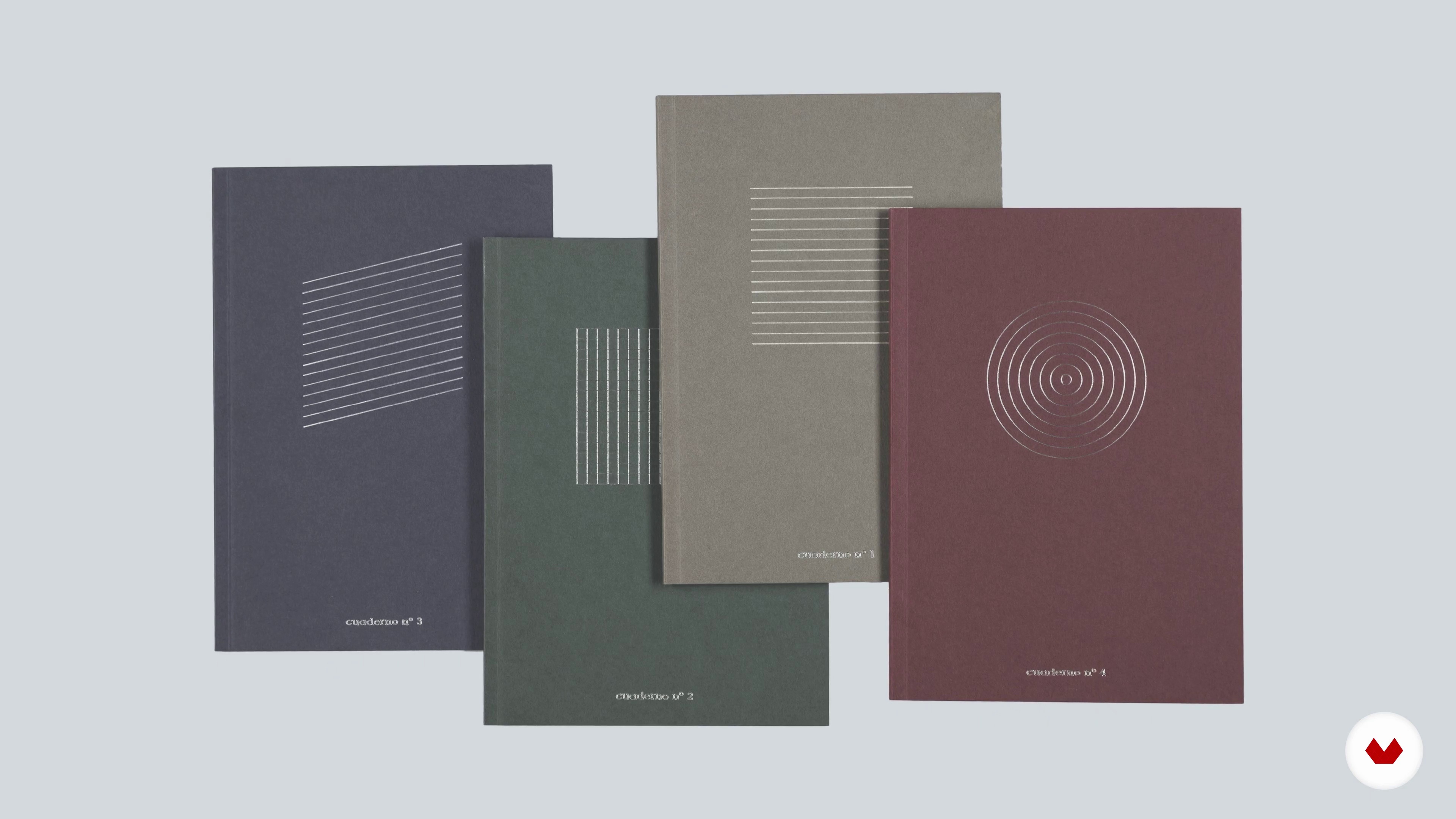 2
2My References / Silvia Ferpal
I will tell you about people, books and things that have played a fundamental role in my career. You sure love them!
11m
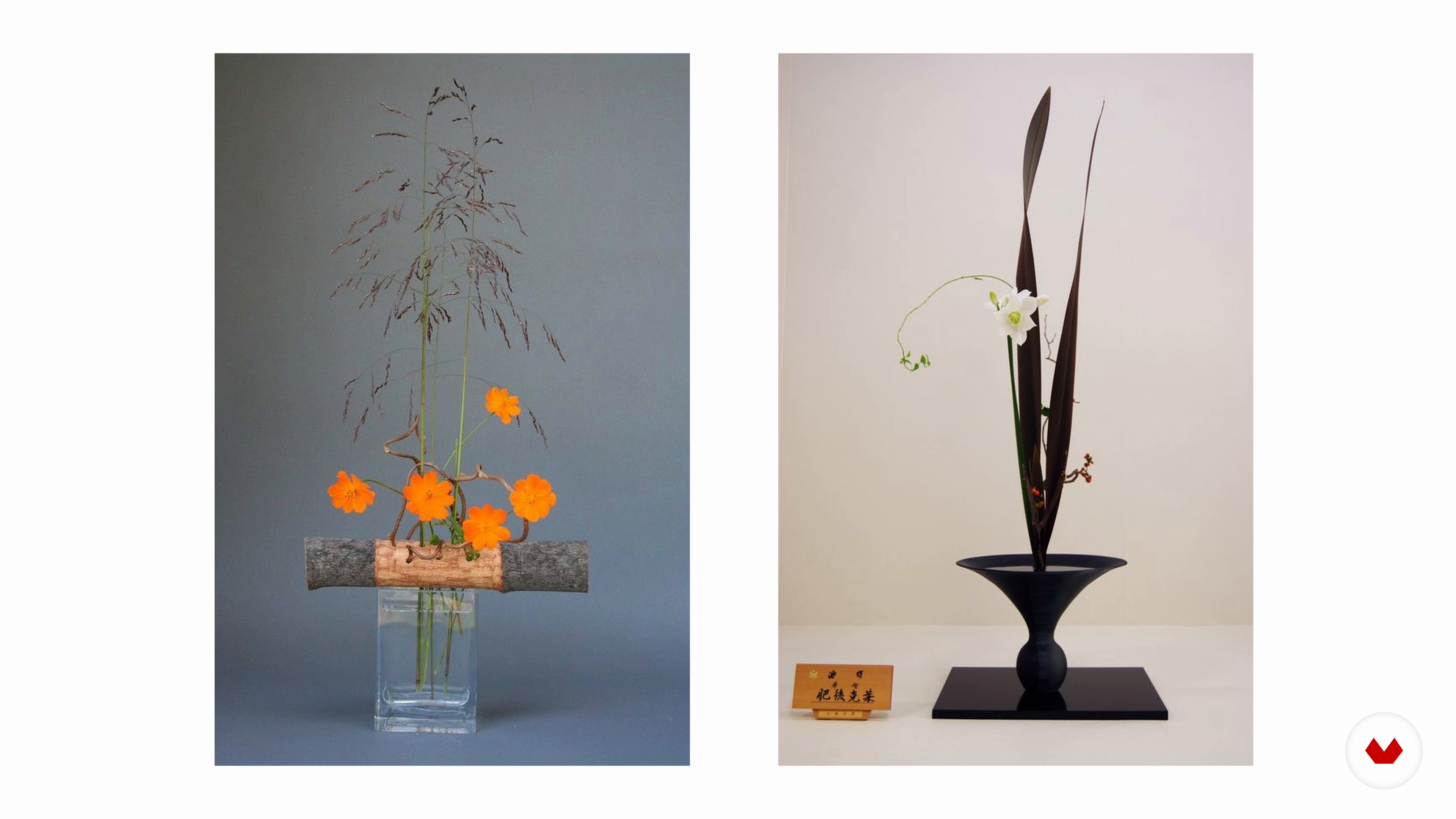 3
3Sources of Inspiration / Sara Ricciardi
I will lead you into my inspirations, which are the humus of my life and my work.
11m
 4
4My Influences / Ji Lee
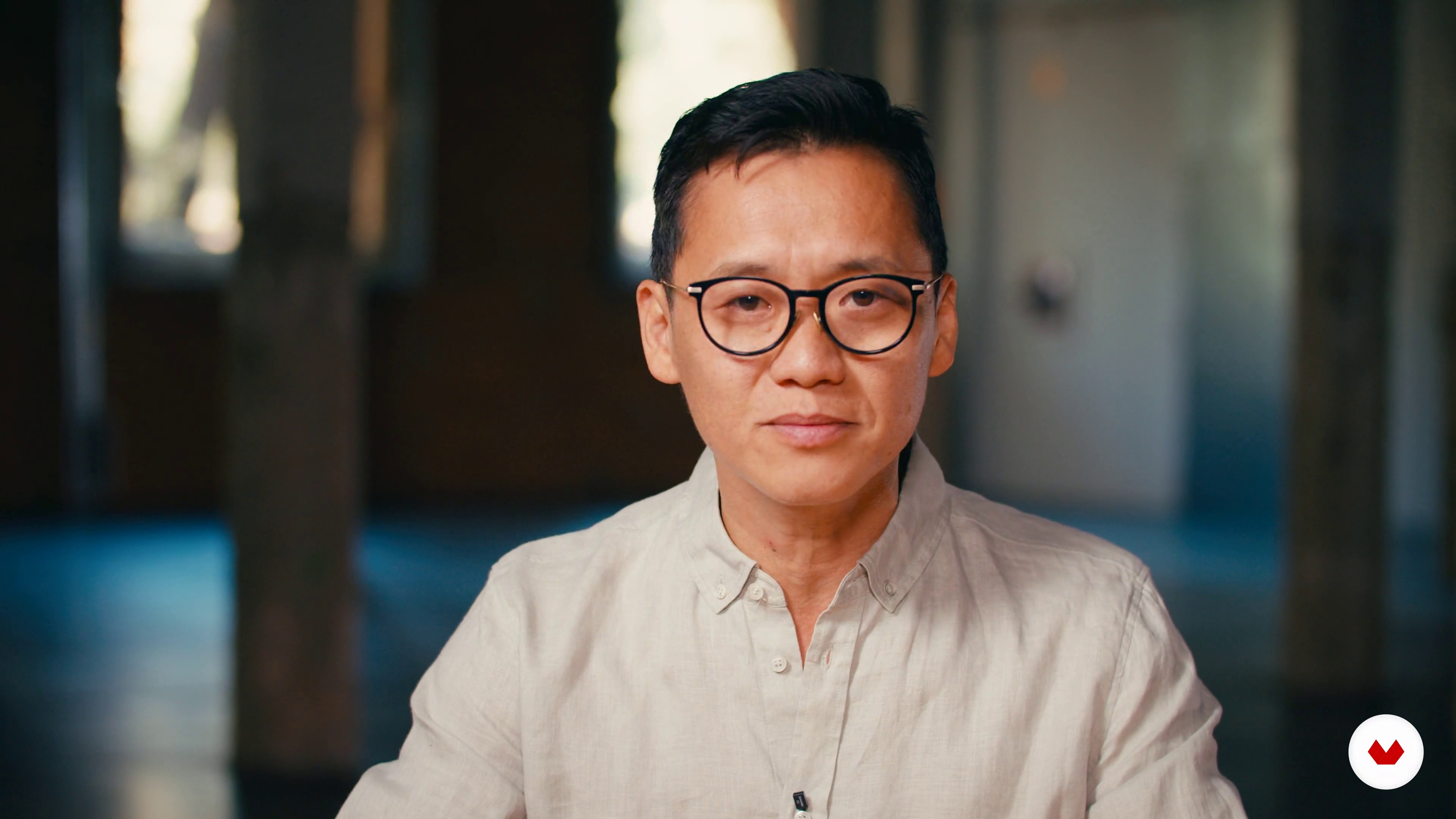
Some of my influences are: Tibor Kalman, Marcel Duchamp, Fischli & Weiss, Chris Burden, Tom Sachs, Charles Ray, Nam June Paik, and Dadaism. I also find inspiration from friends like Ivan Cash and Christoph Niemann. Here are some of my favorite Instagram pages: @christophniemann, @jackwatteau, @subfolder and @pablo.rochat.
6m
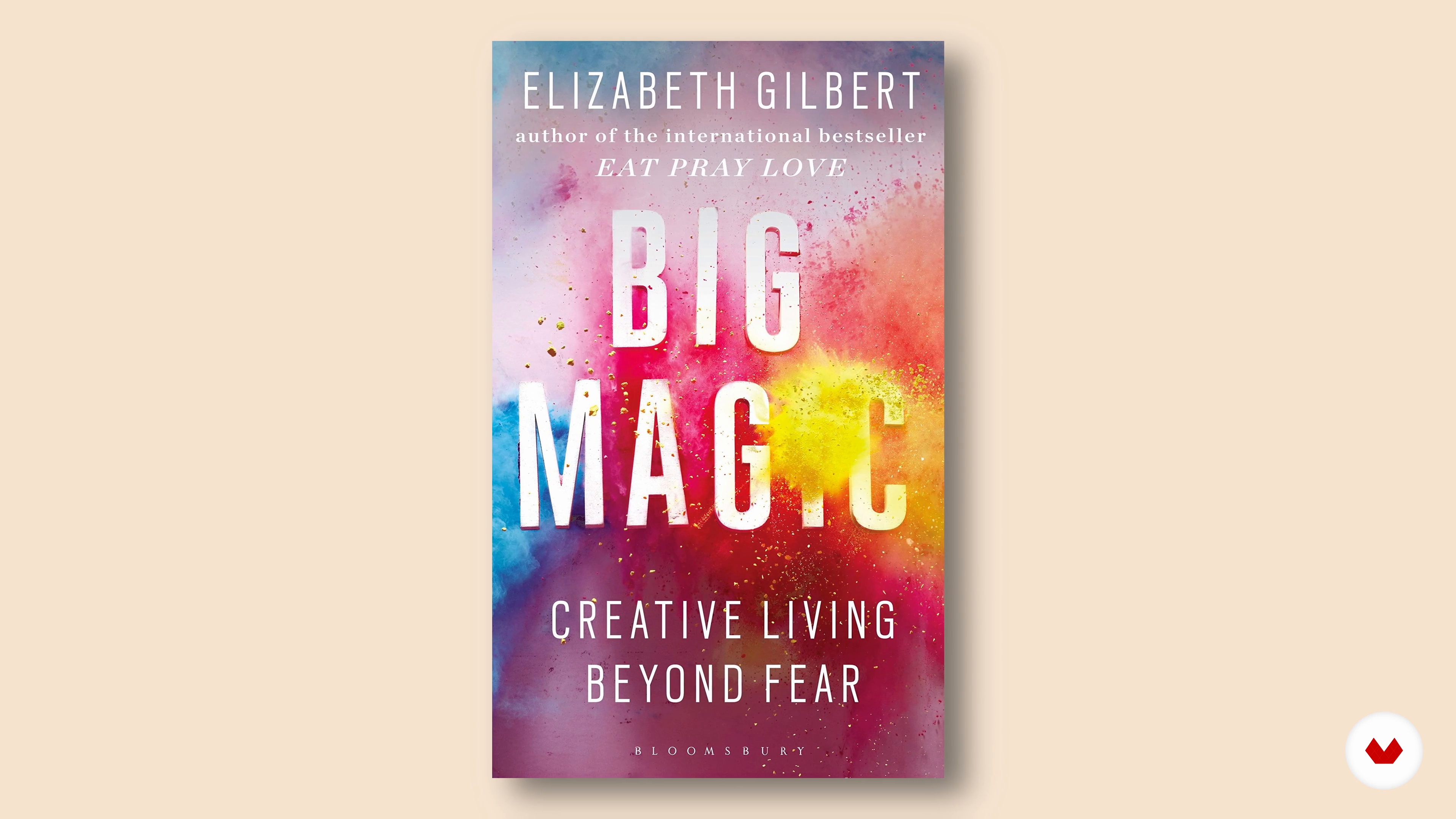 5
5Influences / Magic Jungle
As a collective, there are a few authors we absolutely love for the way they share their thoughts and insights on creativity. The themes that we align on are authenticity, creativity, community, and material success.
3m
 3
3What will we do in the course?
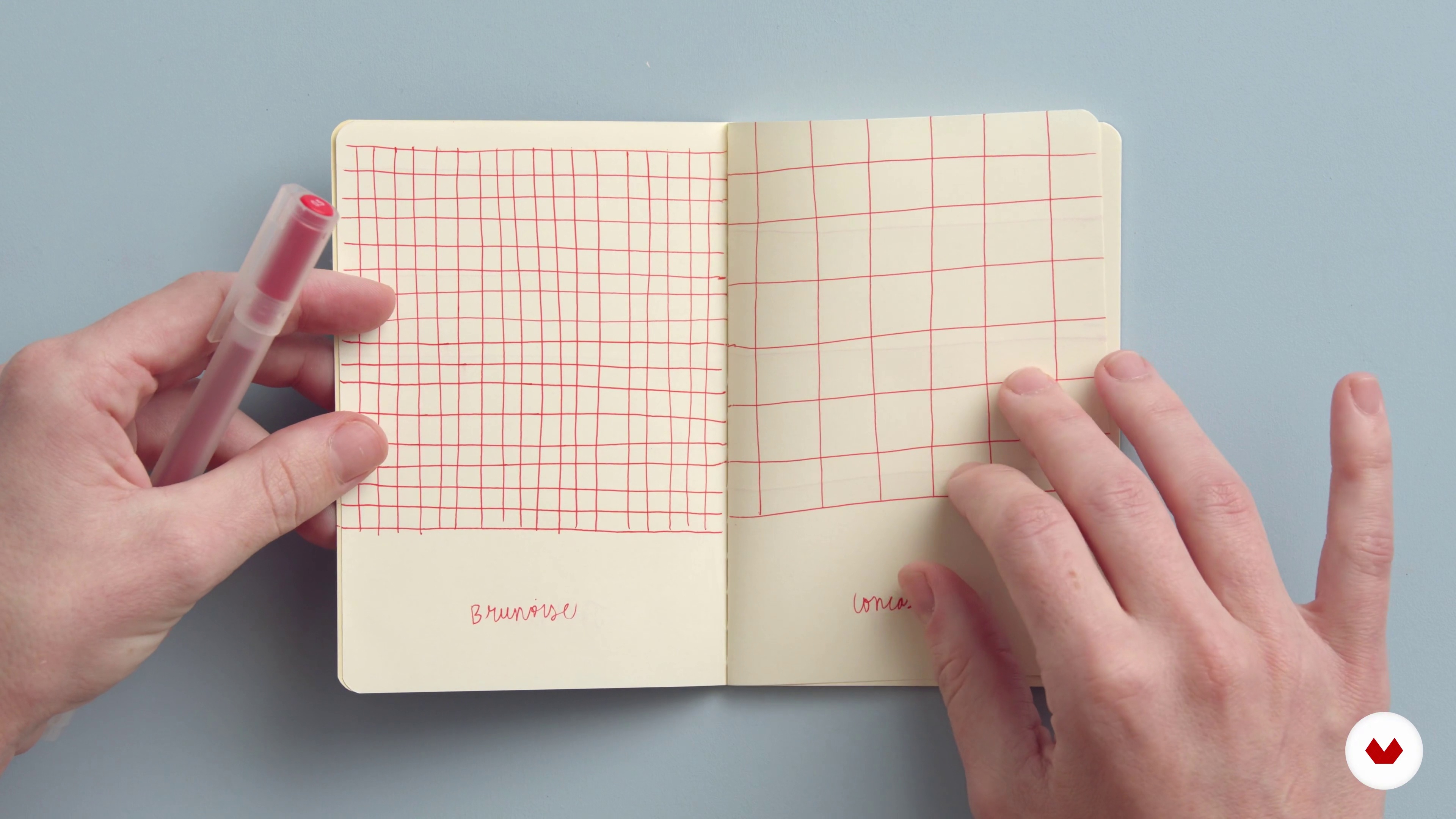
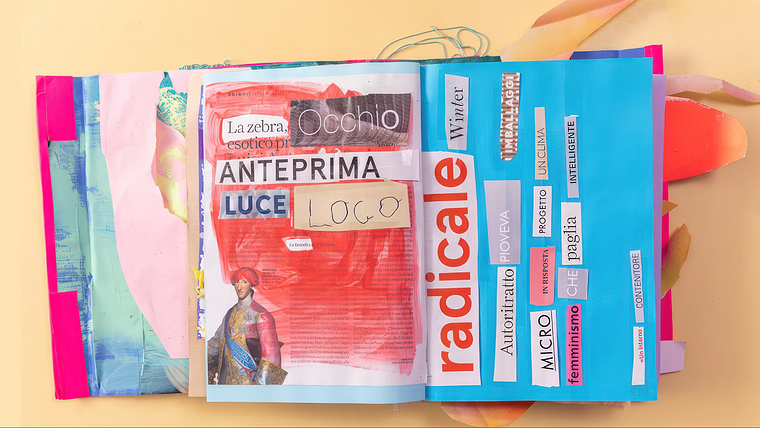
In this lesson we will see what things unite art and design. We will also talk about the final project that we will do in the course: a crazy notebook. The important thing is that at the end you can transfer the tricks that we are going to learn to future projects.
4m
 4
4Exploring: you, environment and people
In this lesson I will explain to you how I did the research on the MN6 project and I will talk to you about how other people who move between art and design approach an investigation and that search process.
9m
 5
5Creative blocks
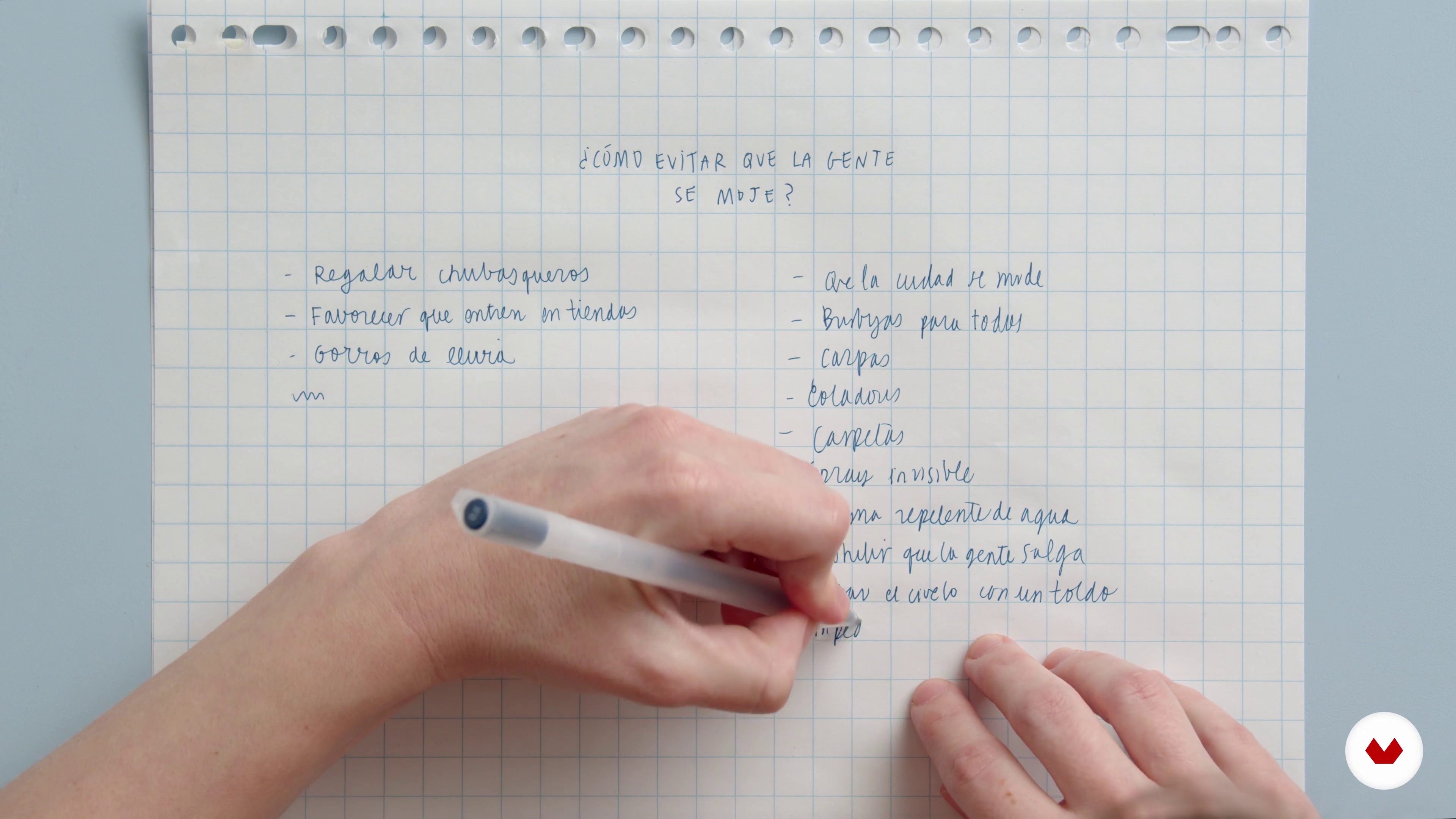
It is important to feel comfortable before getting down to work, we have to have a clear mind and ready to create. In this lesson I will show you which are the most frequent creative blocks and I will teach you how to combat them.
7m
 6
6Me: reference tree and mood board
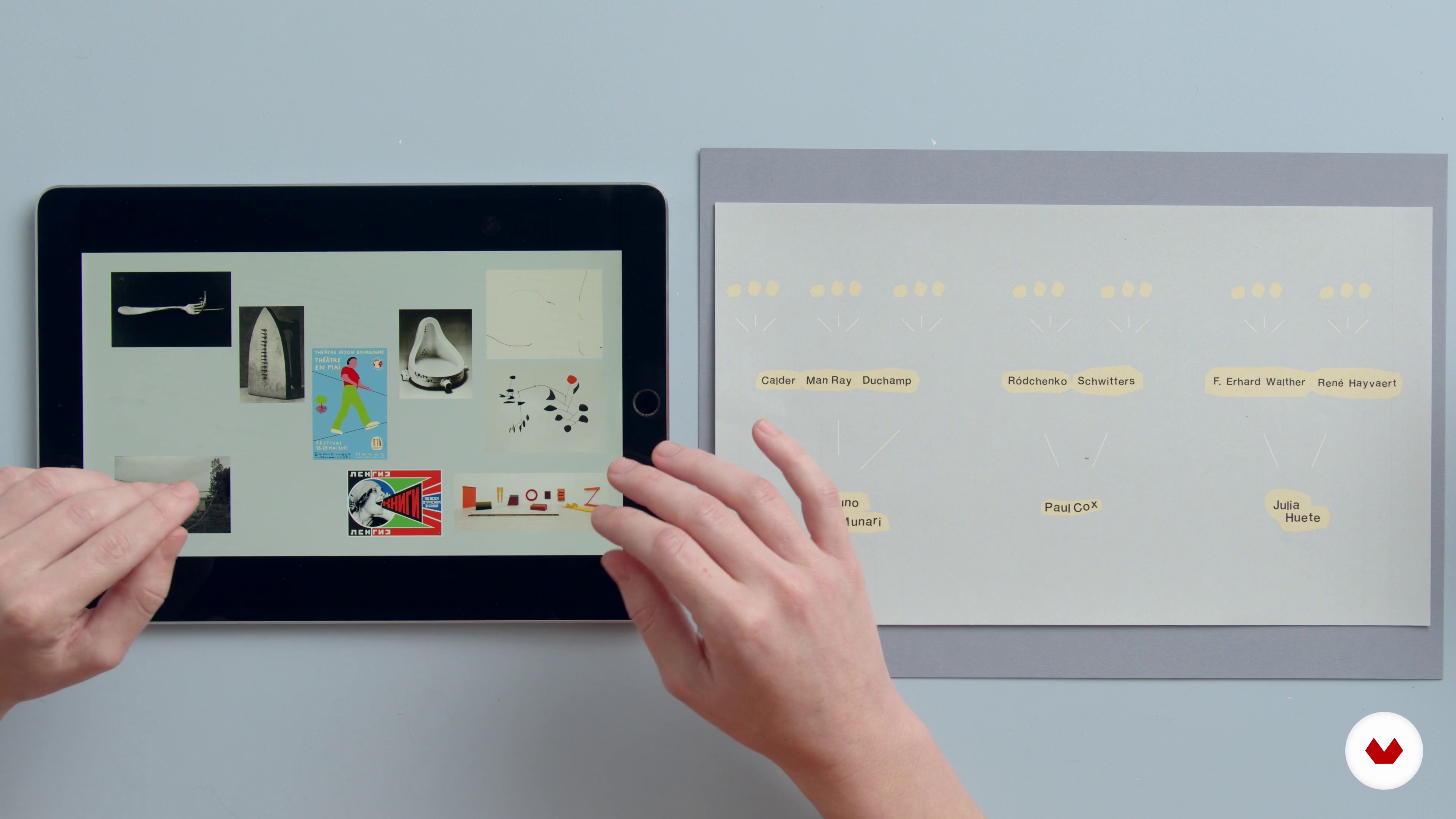
In this lesson I will talk about how your background and references influence what you do. I'll show you how you can build a reference tree and an mood board .
11m
 7
7Environment: selfless search
In this lesson we will see the environment that surrounds us and we will look at the details. We will also see that many images can help us to represent a concept.
7m
 8
8People
In this lesson we will choose an audience for our project, we will see how the designs are influenced by people and we will learn some technique to obtain information through observation.
9m
 9
9Ideas and inventions
In this lesson I will tell you how I collected ideas for my project, what paths I could have taken and how I organized them to be able to choose the most valuable ones. I will also show you photos and documents of the whole process and how other authors generate ideas. I will also tell you about some exhibitions that have influenced the history of design.
9m
 10
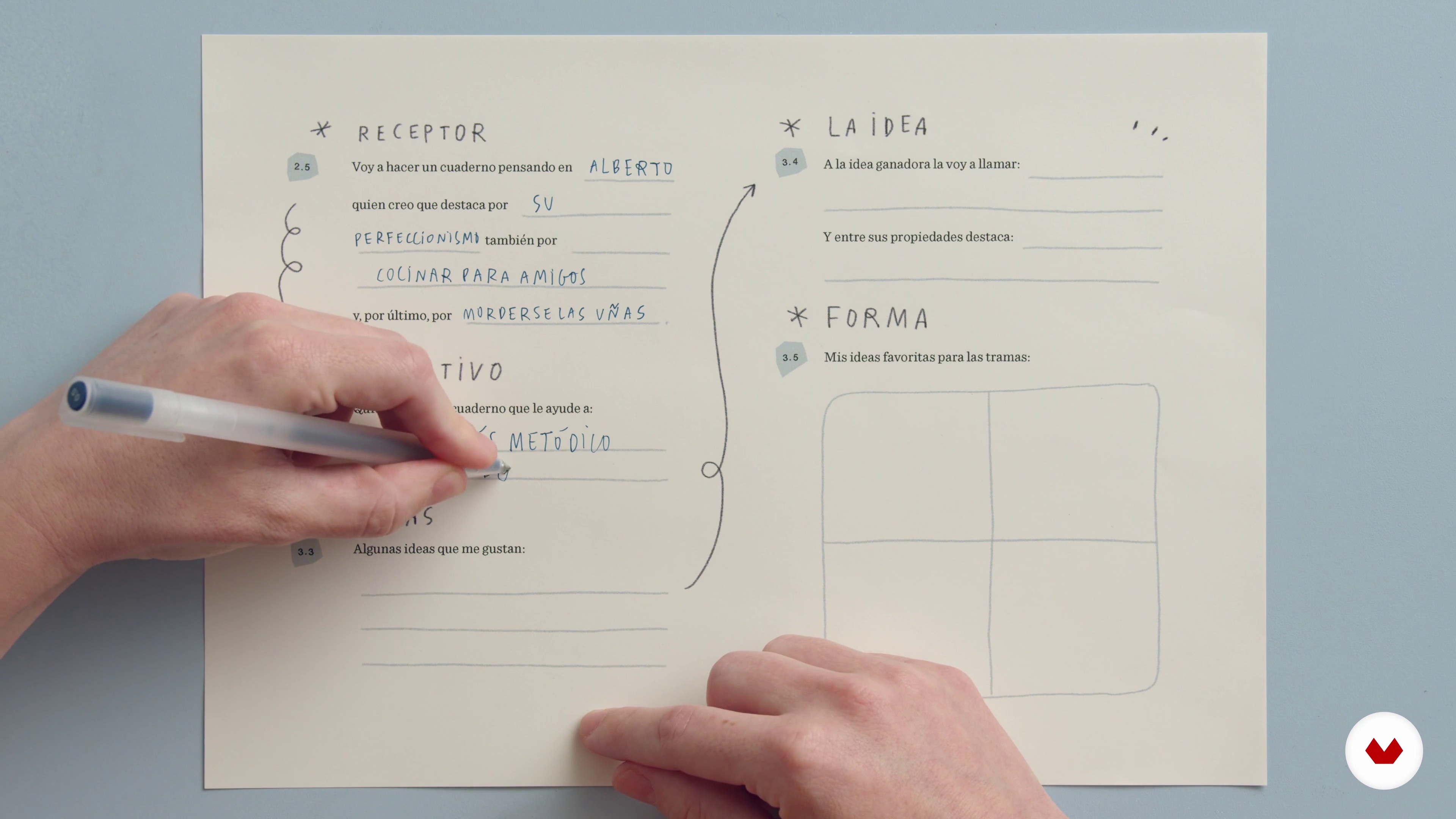
10Defining an objective
In this lesson we will choose an objective for our user and I am going to give you a structure to help you create a notebook with that person in mind. The objective we choose will guide us throughout the course.
7m
 11
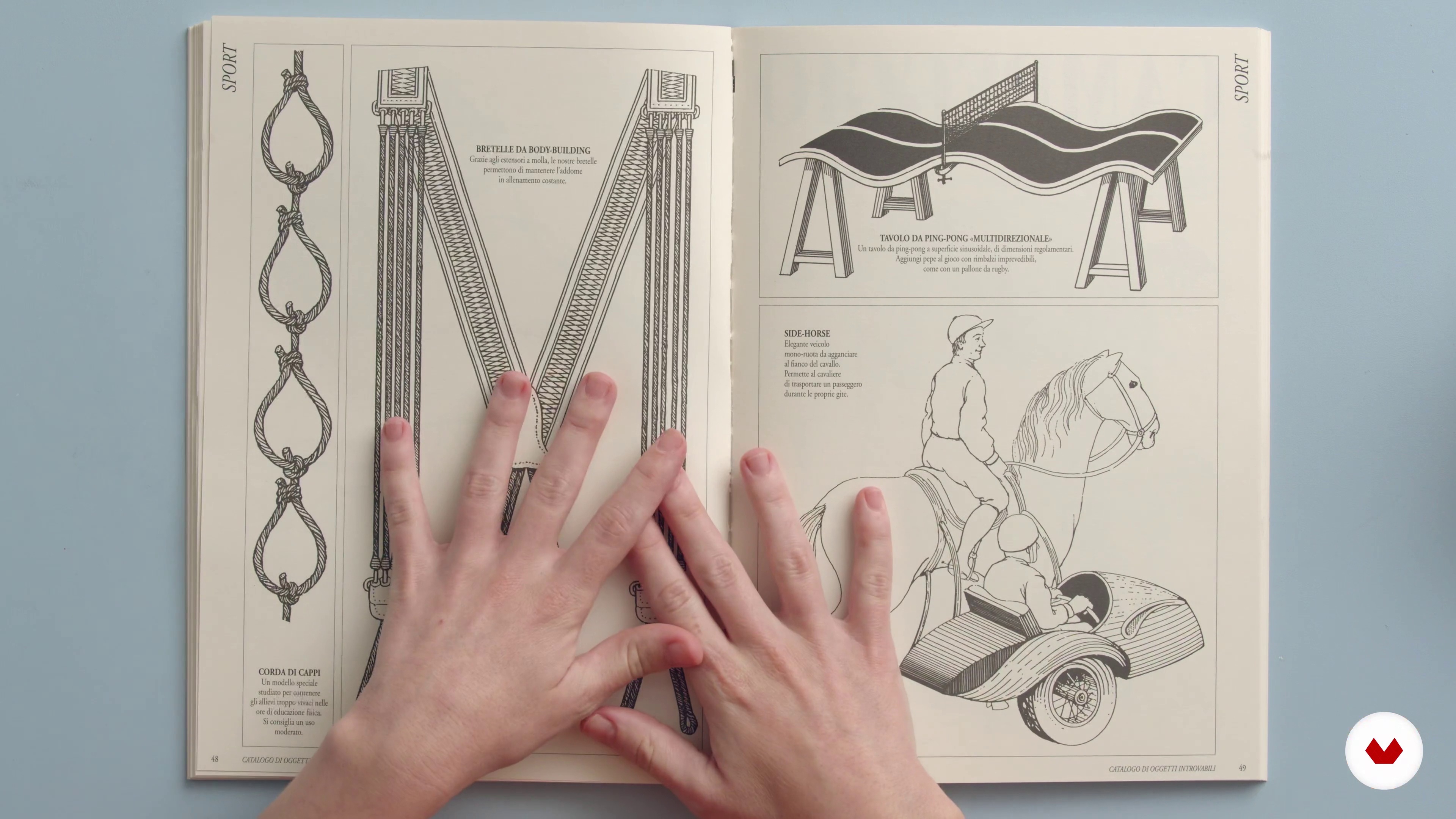
11Alternative uses
In this lesson we will see what are the functional properties that make an object what it is. We will do an exercise that will help us assign alternative functions to what they really are.
7m
 12
12Impossible relationships
In this unit we will see how two things that a priori do not fit together can create a third new thing that we had not imagined before.
13m
 13
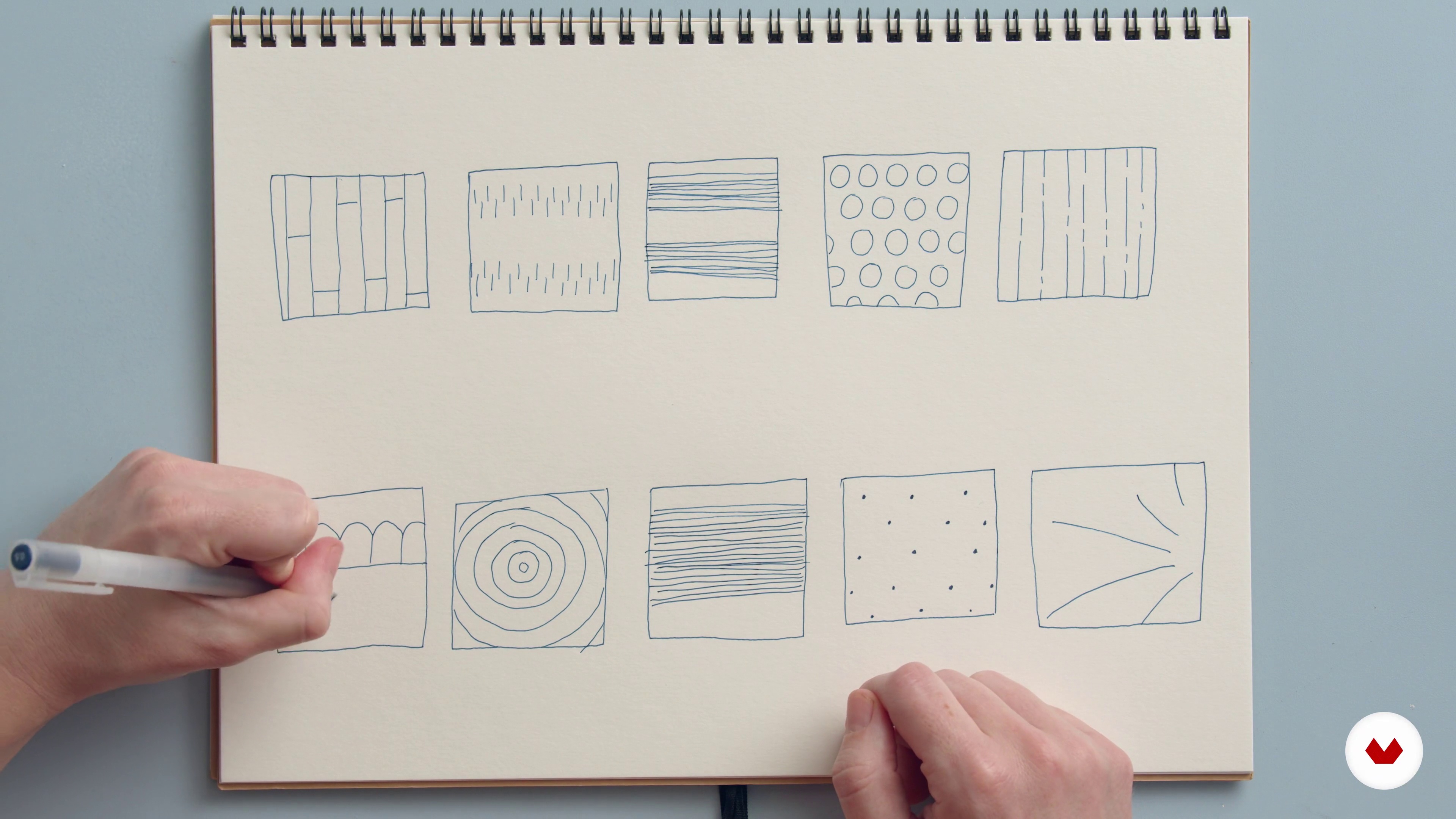
13Frames
In this unit we are going to look at the interiors of the notebooks. They generally carry a weft. We are going to make an idea about how a plot could help to fulfill a function and vice versa. What plot could we choose for a specific function?
12m
 14
14Landing the idea
In this lesson we will look at ways to land ideas through sketching and prototyping. We will also see how the project that we have seen in other lessons ended and how the sketches and prototypes helped. I will also show you how I have projected my notebook and the sketches that I have made to generate the prototype.
16m
 15
15Giving it to try
We will give the notebook to a user and see if it meets the objective we had set. We will note things to improve in future iterations.
5m
 3
3Tools and Materials
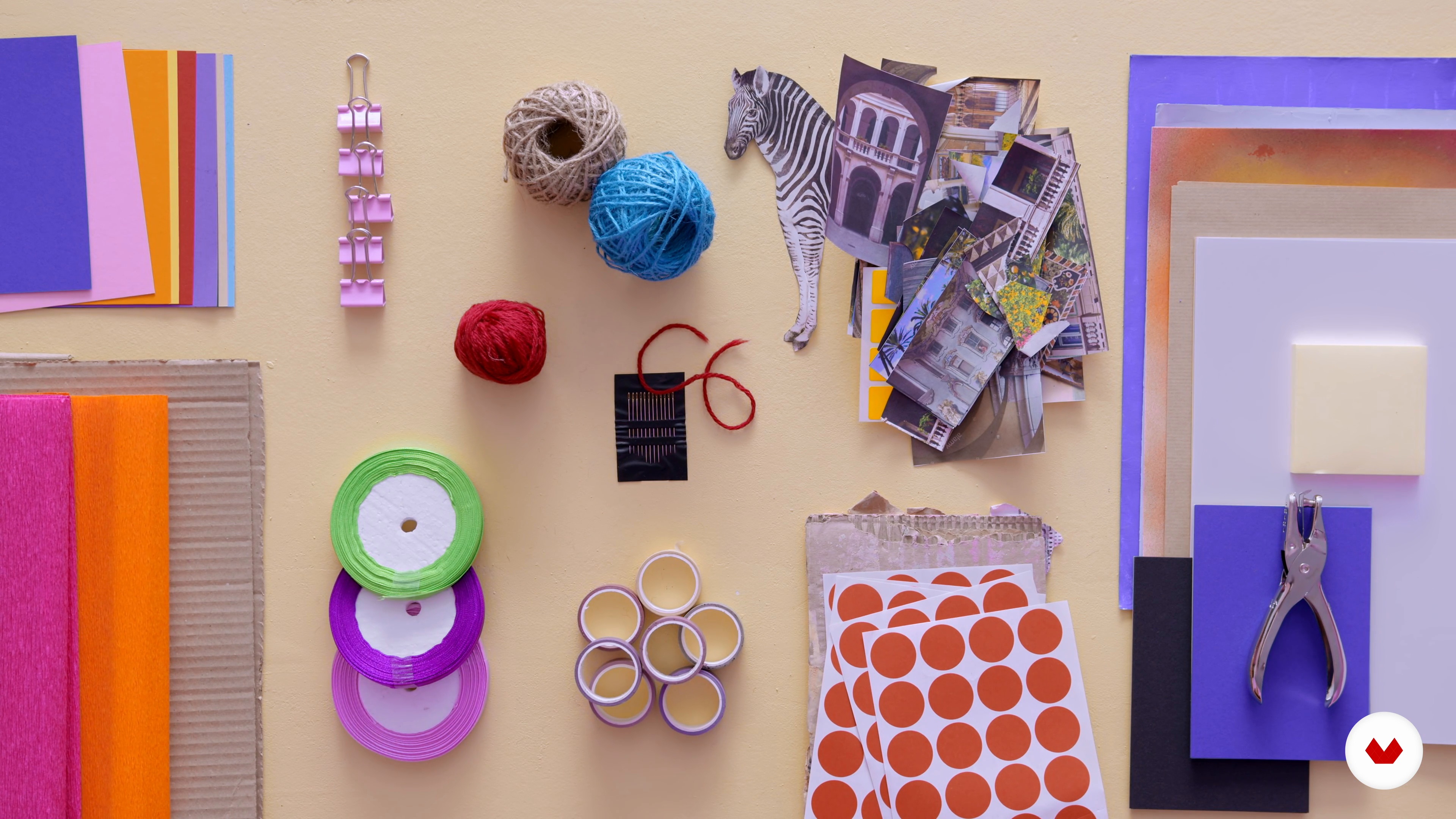
In this lesson I will show you the tools and materials to use that you can find at home or in any stationery: everything you find even by chance in your life!
5m
 4
4The "Fantastica": The Art of Inventing
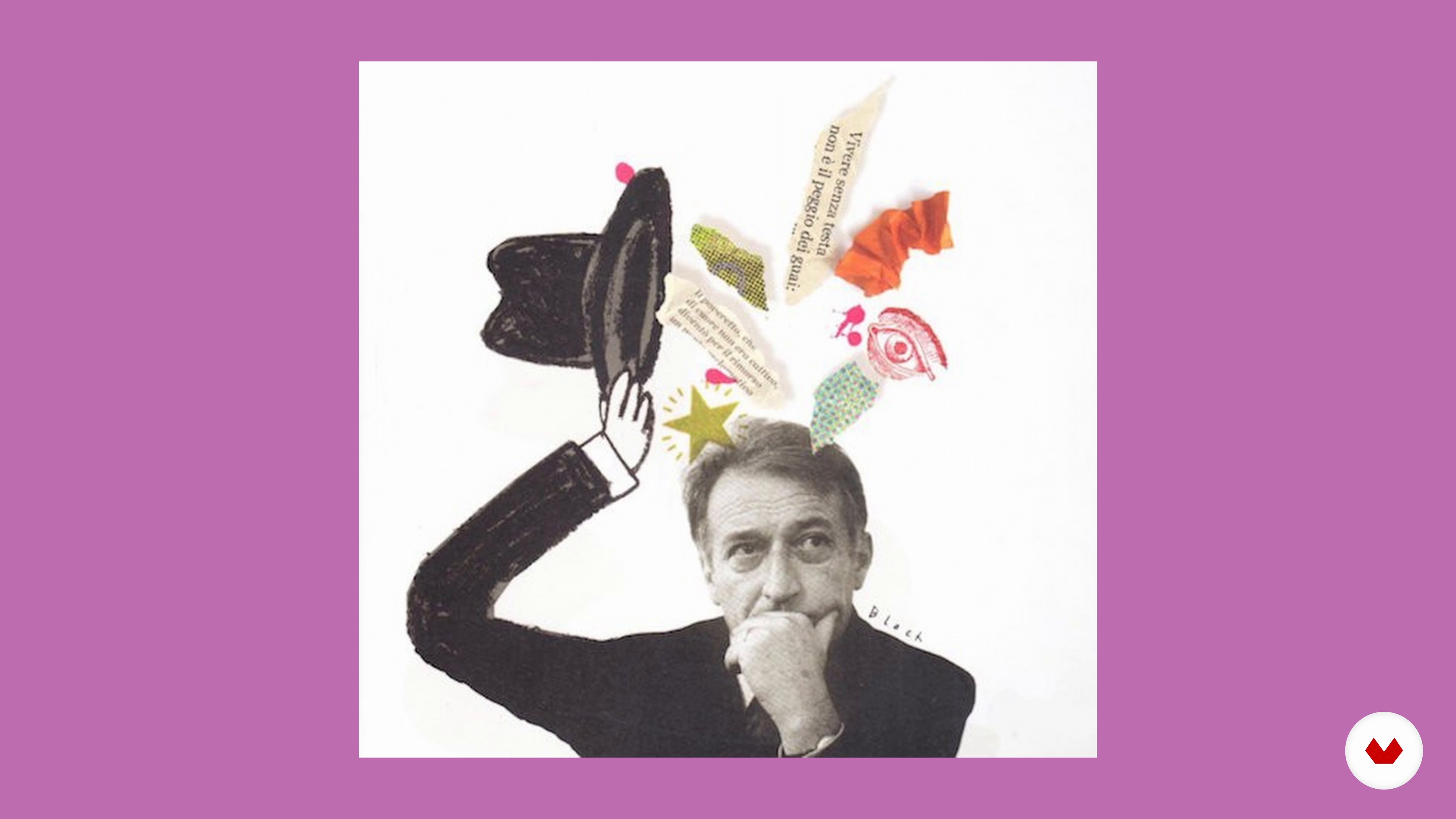
It's time to tell you what "Fantastica" is! I will show you how solid foundations can be given not only to science, but also to the processes of fantasy.
5m
 5
5The Creative Process and the Imagination
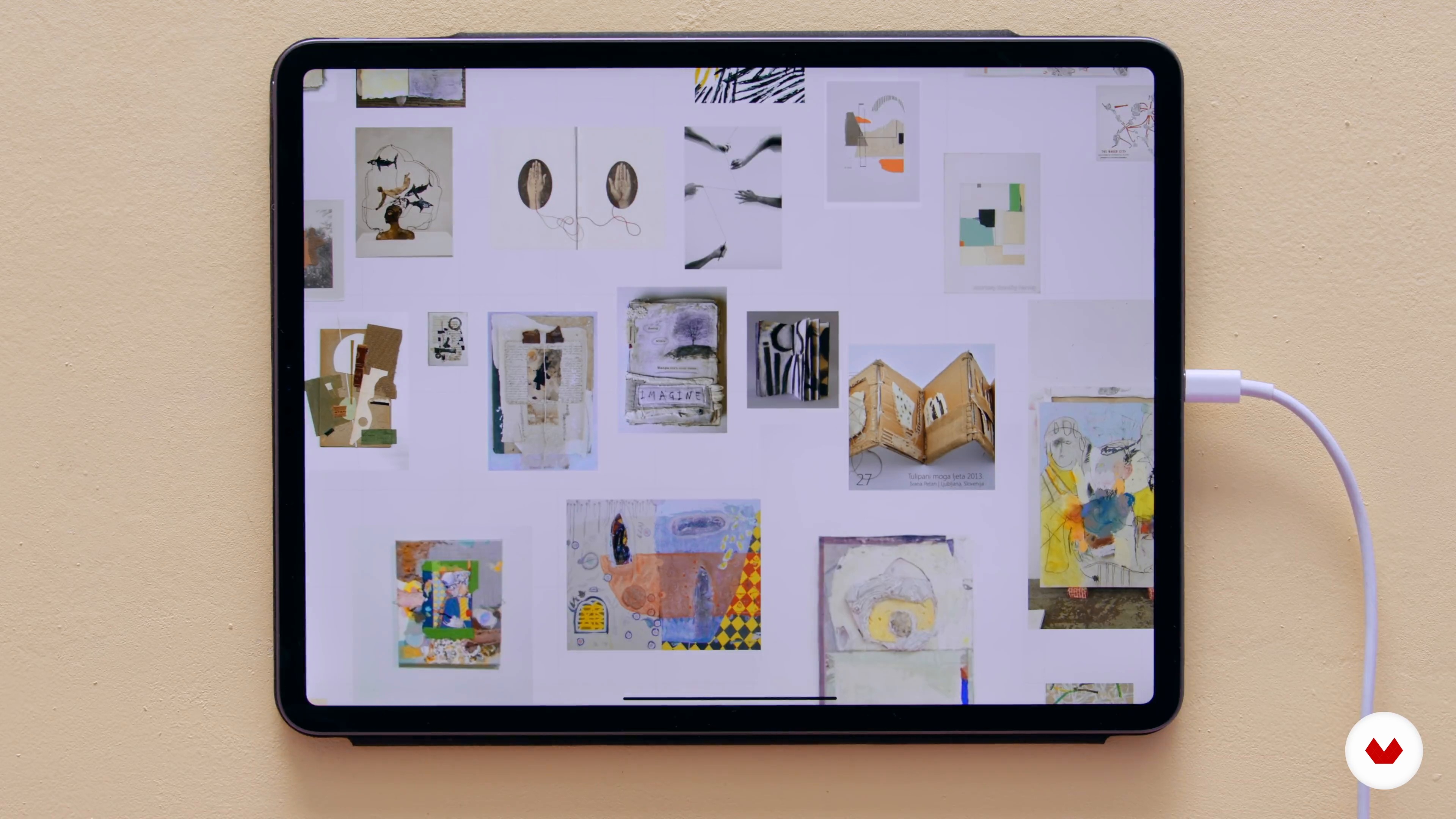
Now I'm going to tell you about how to nurture and maintain your creative potential and how to put it and visualize it in a notebook.
7m
 6
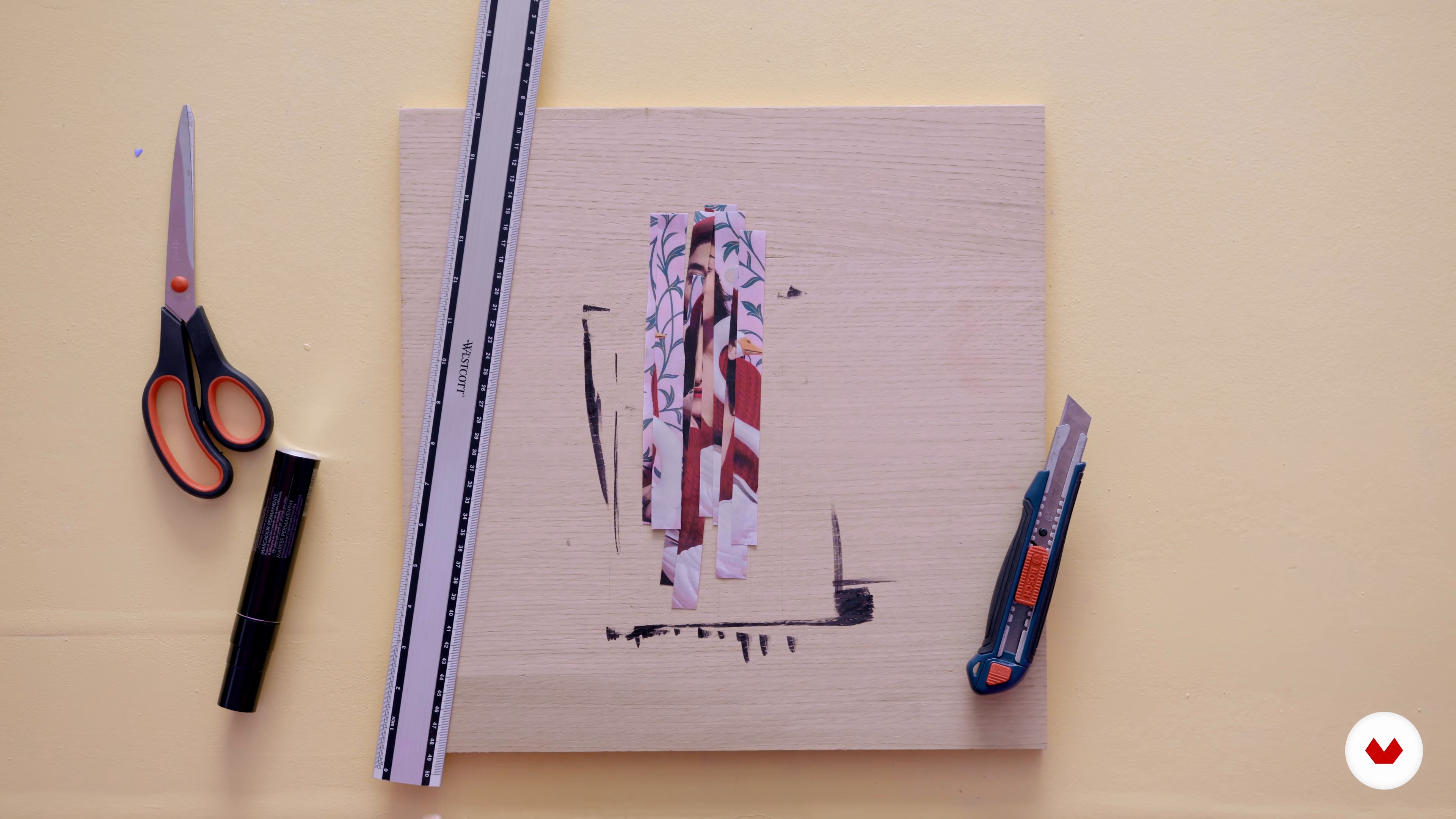
6Who Am I?
In this lesson I will show you what you need to feed the "Fantastica": first of all you need to have the desire to interact with yourself, without taking it for granted that you know each other. Who am I?
14m
 7
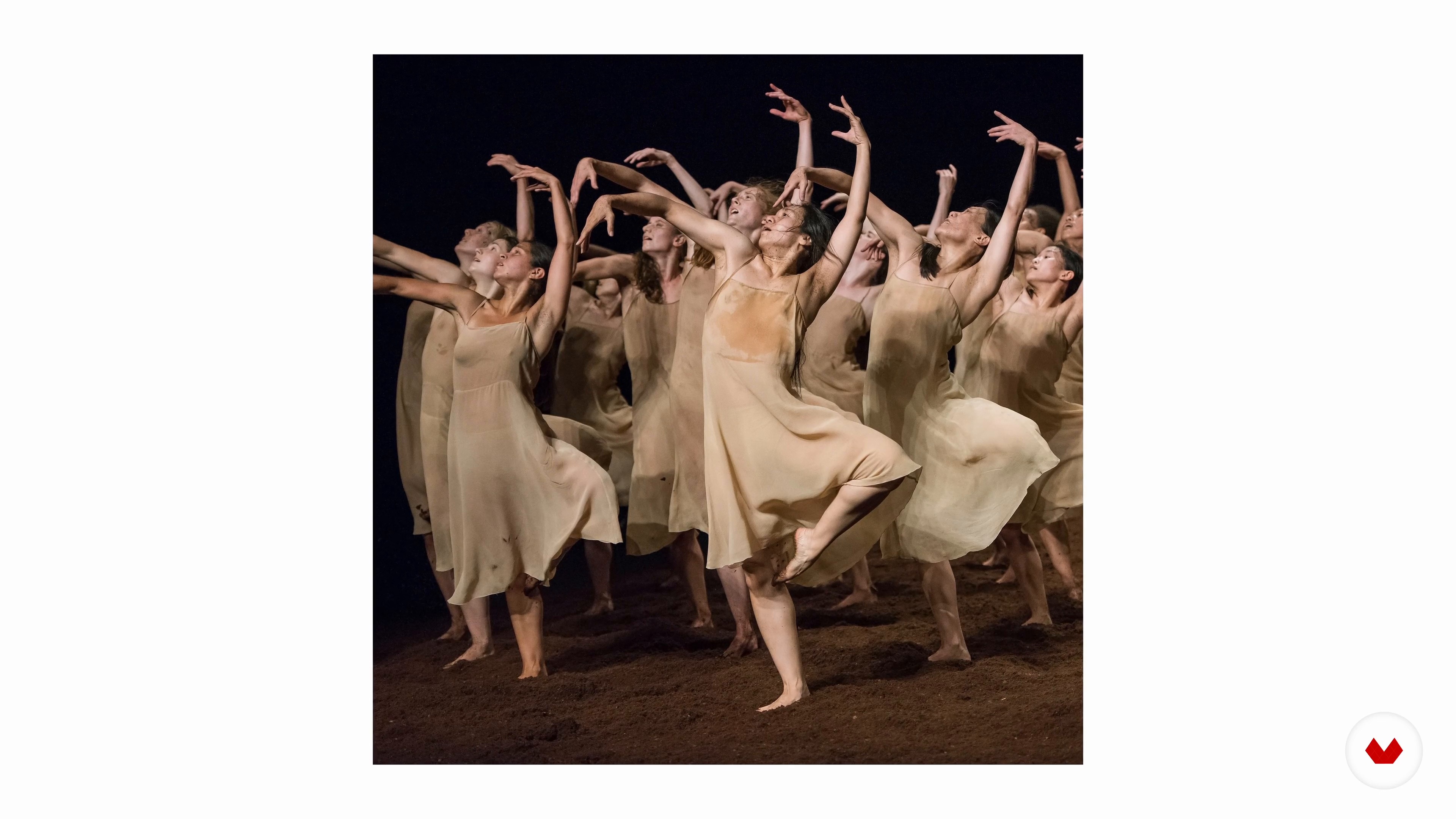
7Identity and Body
We arrived at the second theme: the exploration of one's own body. To activate your "Fantastica", I will now talk to you about how to feel the low vibrations, the ones that often remain silent in the body.
13m
 8
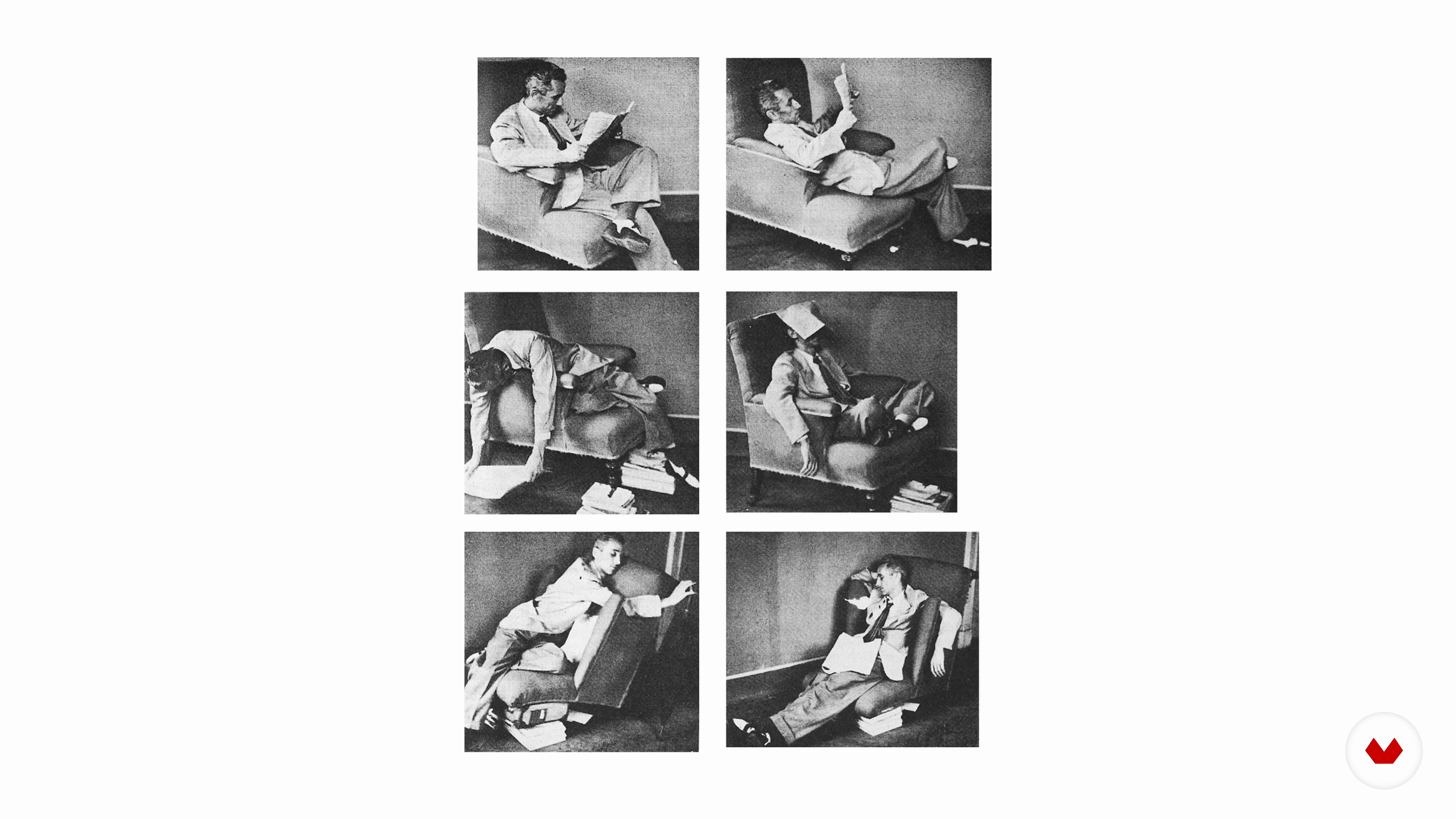
8Proxemics of the Object
In this lesson I will delve into the relationship between body and object, exploring new ways to relate to it.
10m
 9
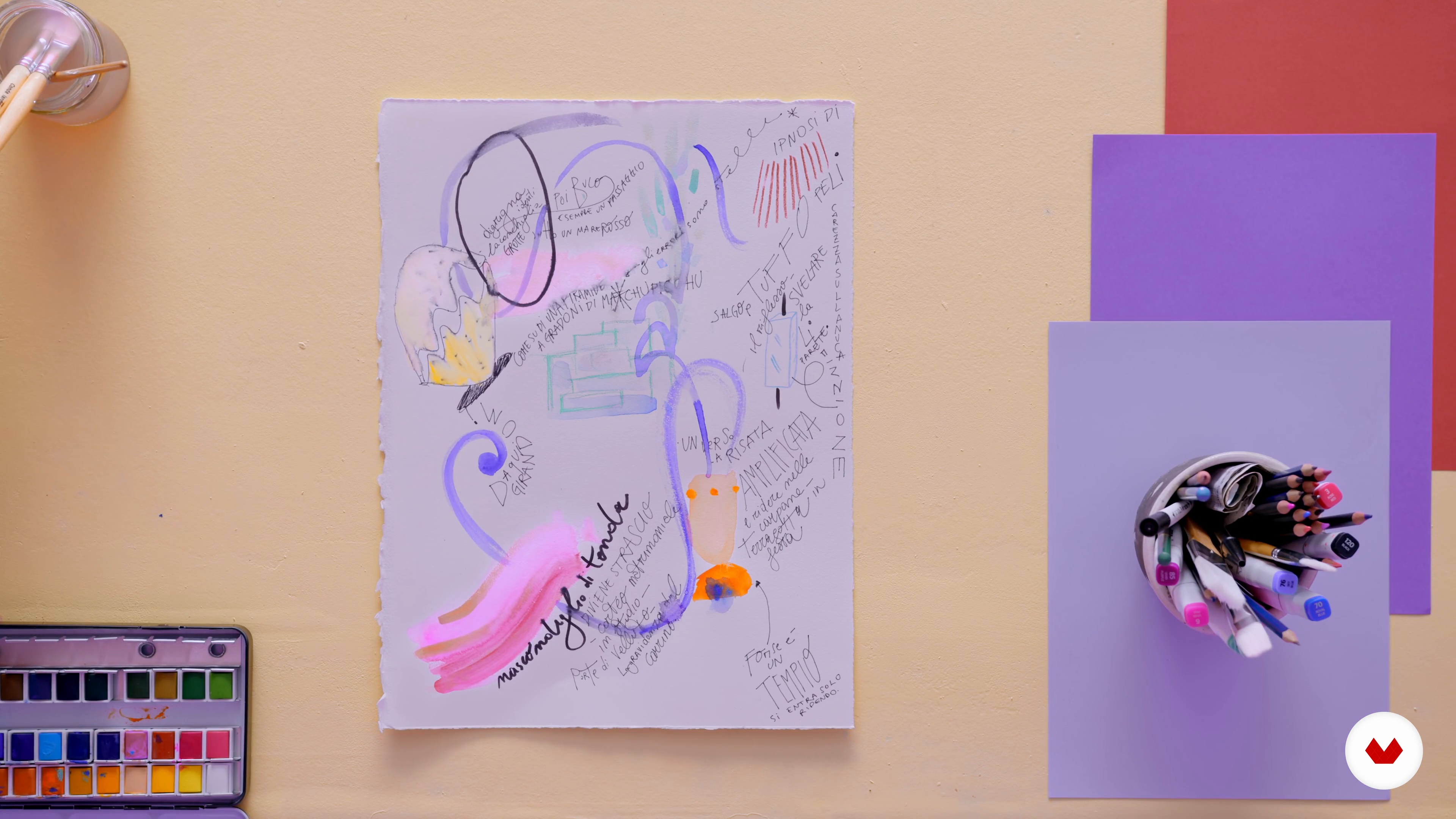
9Psychogeography
In this lesson instead I will explore the body in relation to space thanks to psychogeography.
9m
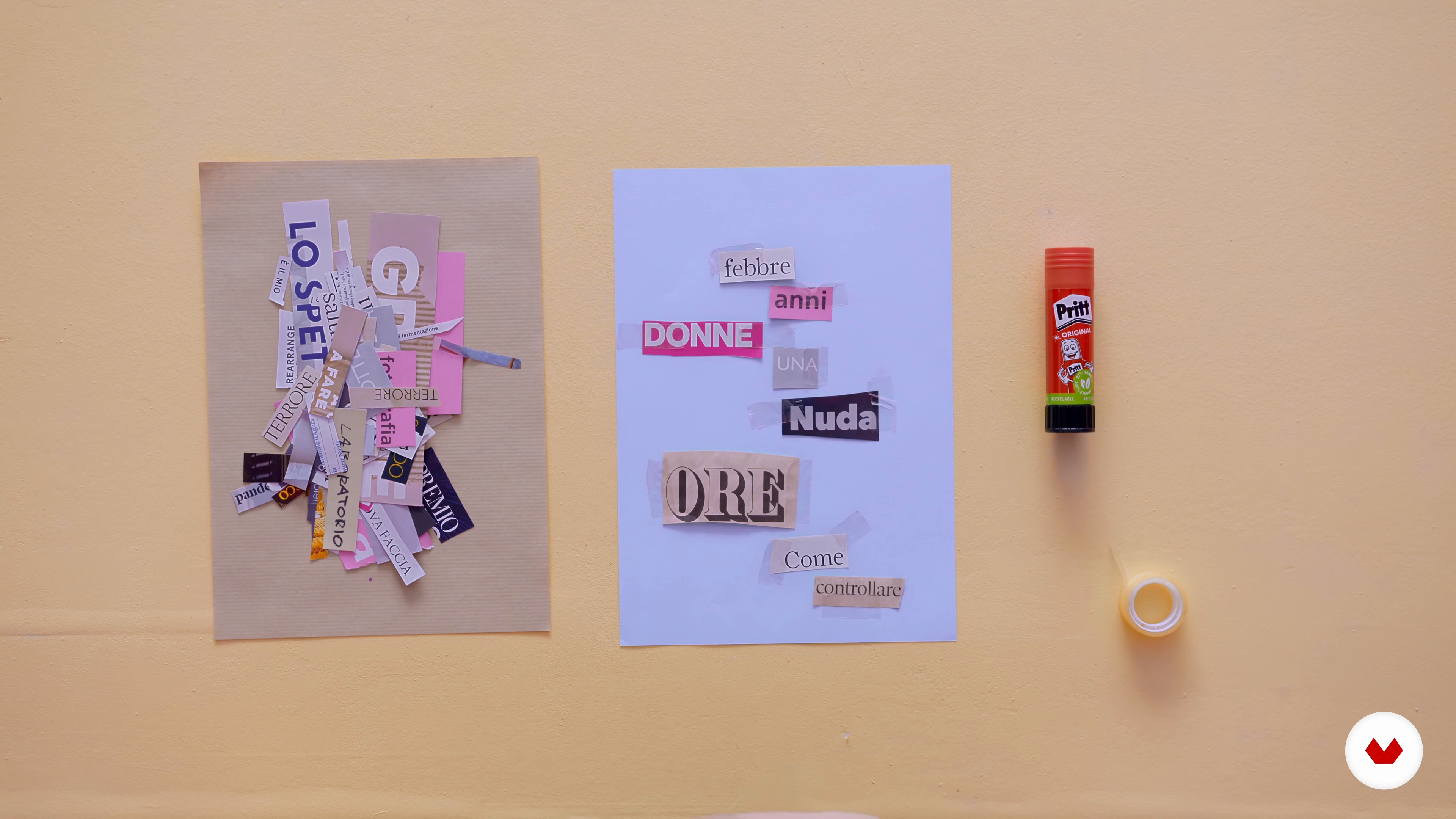 10
10Identity and Words
In this lesson I will explore the theme of language and play with words and storytelling!
16m
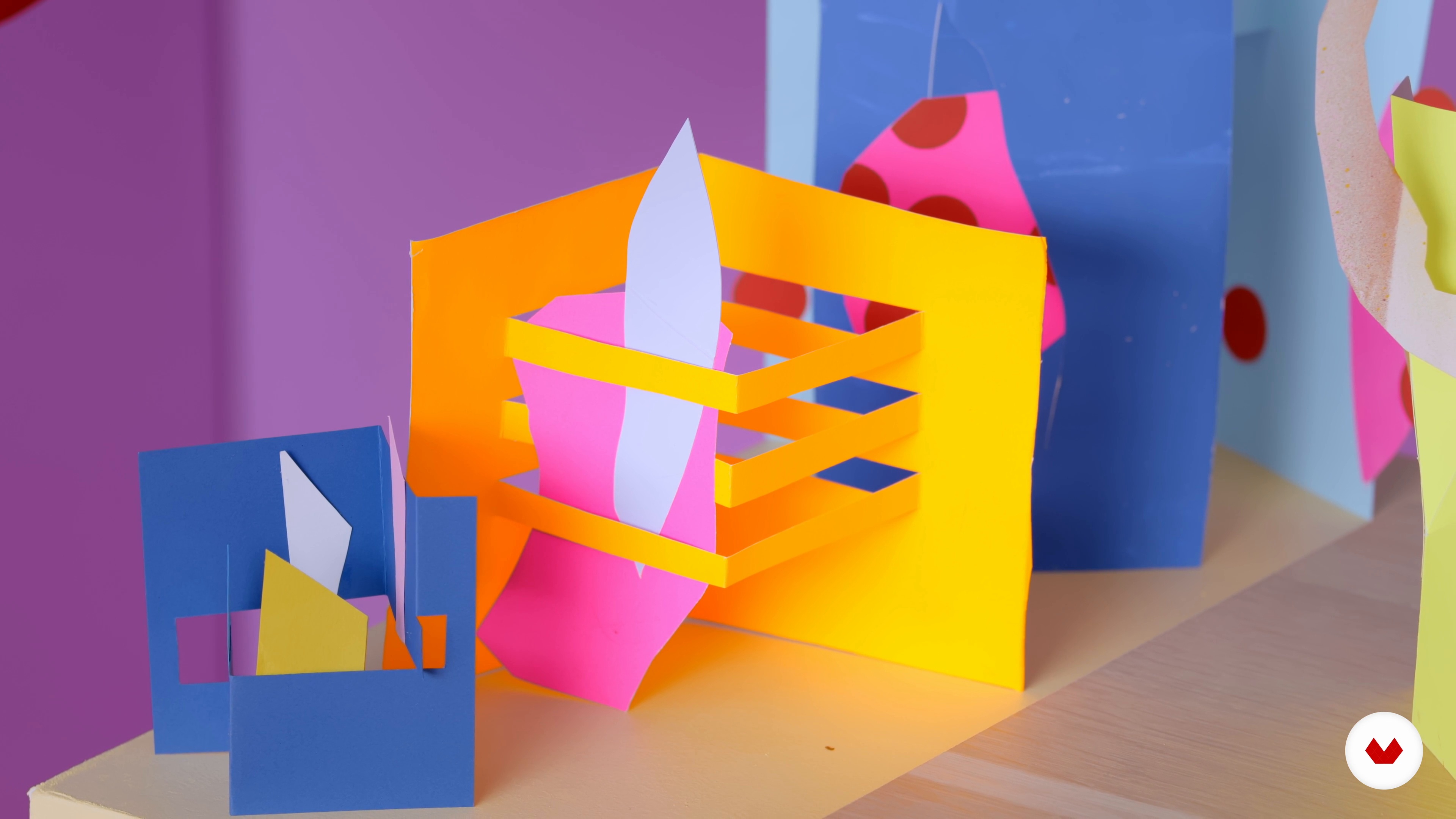 11
11Ride the Chaos
In the beginning it was chaos: don't be afraid of delirium! Here I will show you how to ride it and create something new.
9m
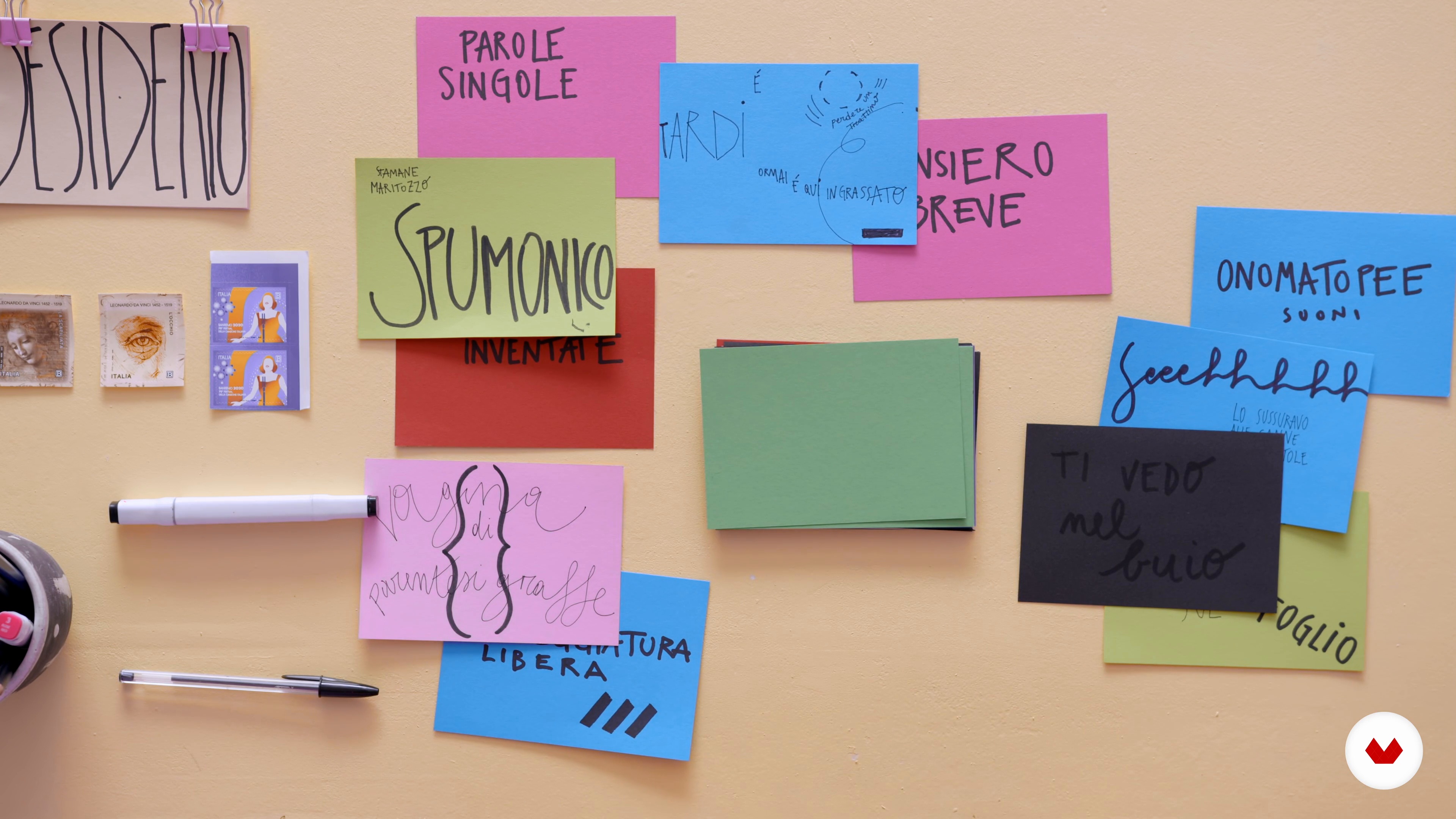 12
12Poieo: To Create for Me and for Everyone
In this lesson I will explore the last theme of the creative process: poetry. And together we will learn to give it to others.
17m
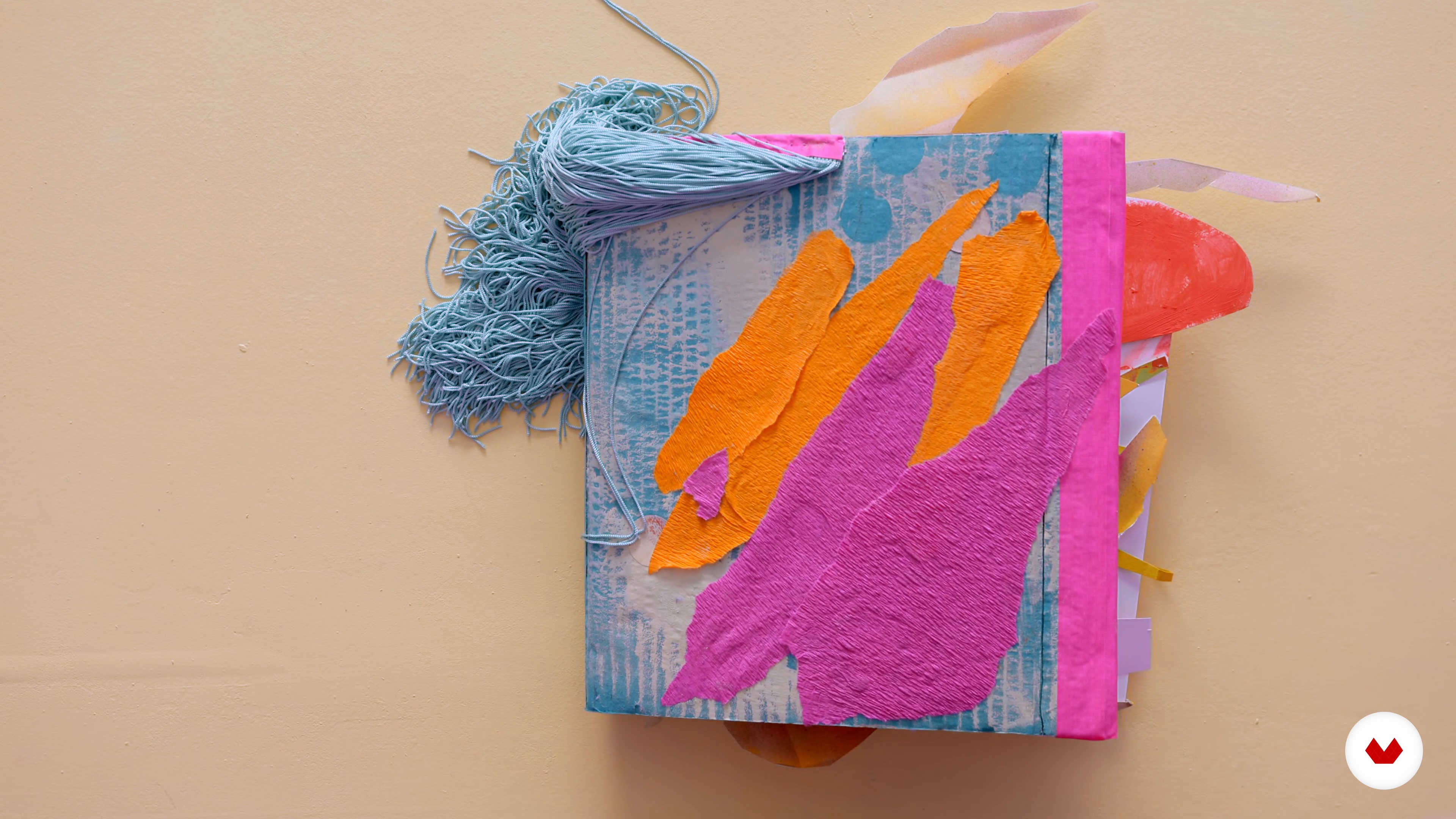 13
13The Notebook of the "Fantastica"
Now I will show you all the suggestions collected so far: here is my notebook of the "Fantastica"!
6m
 3
3What will we do in this course
In this course, you will explore your surroundings, find inspiration in mundane things you may have overlooked in the past. You will photograph everyday objects, then create new things with them. You will make things to make someone happy. Then in the end, we will discuss how you can name and package your project and pitch it to the media outlets so it may get published.
2m
 4
4Interesting things I found in my block
For this lesson, you’ll walk around your own block and try to find interesting things to photograph. Try to find things you didn’t notice before. Try to really look at every detail of what catches your attention. Maybe it’s an old sign, maybe it’s a crack on the wall, or something hanging on a wire. Look up, down, and take your time to really notice everything and take as many photos as possible.
8m
 5
5Photodrawing
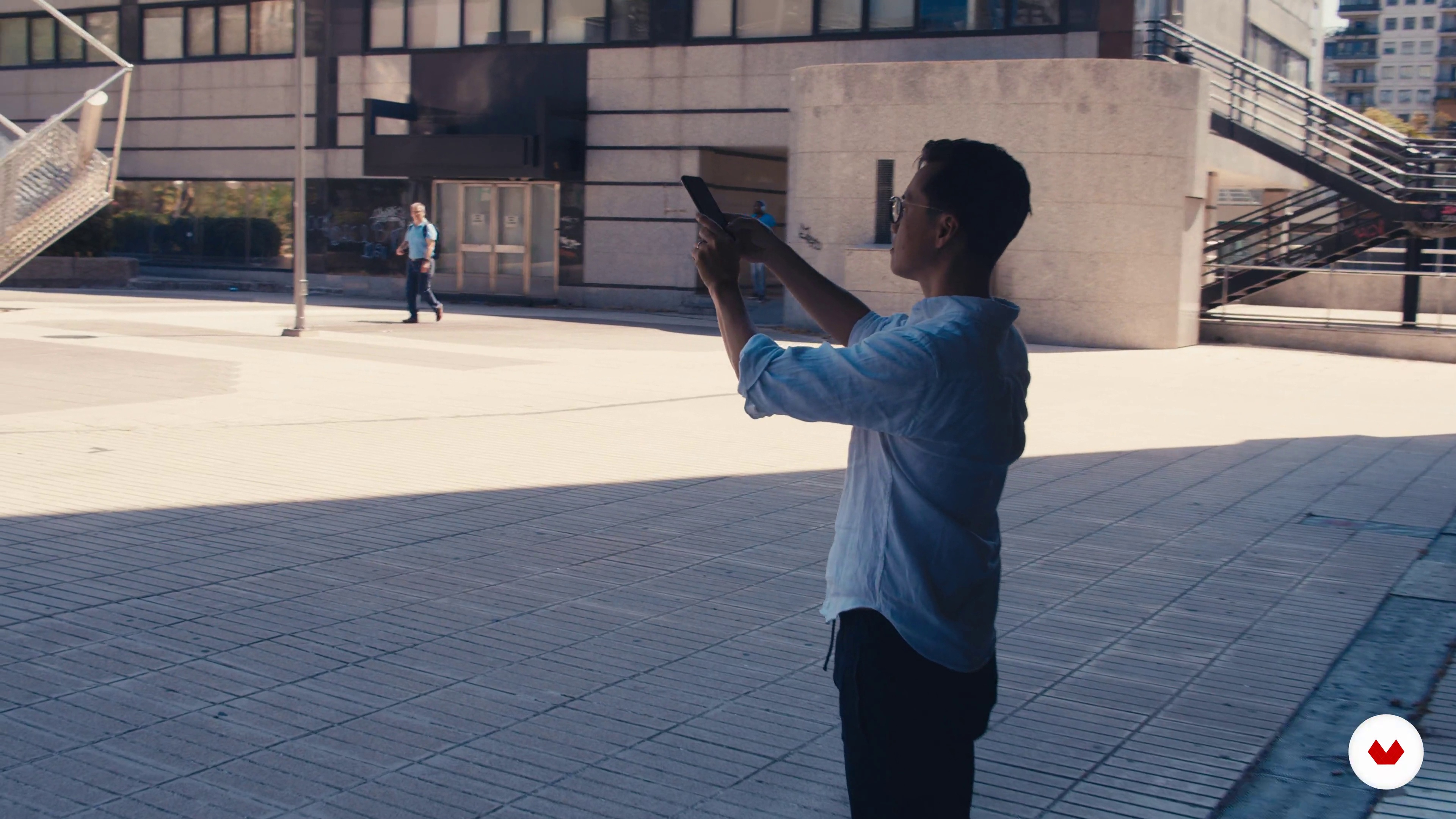
For this lesson, you’ll walk around your city, look around and find objects and structures, that could become part of something else. Take photos, then when you’re back home, either through photoshop, pen, paint, draw something on top of them to transform them into something else.
9m
 6
6The transformative power of personal projects 1
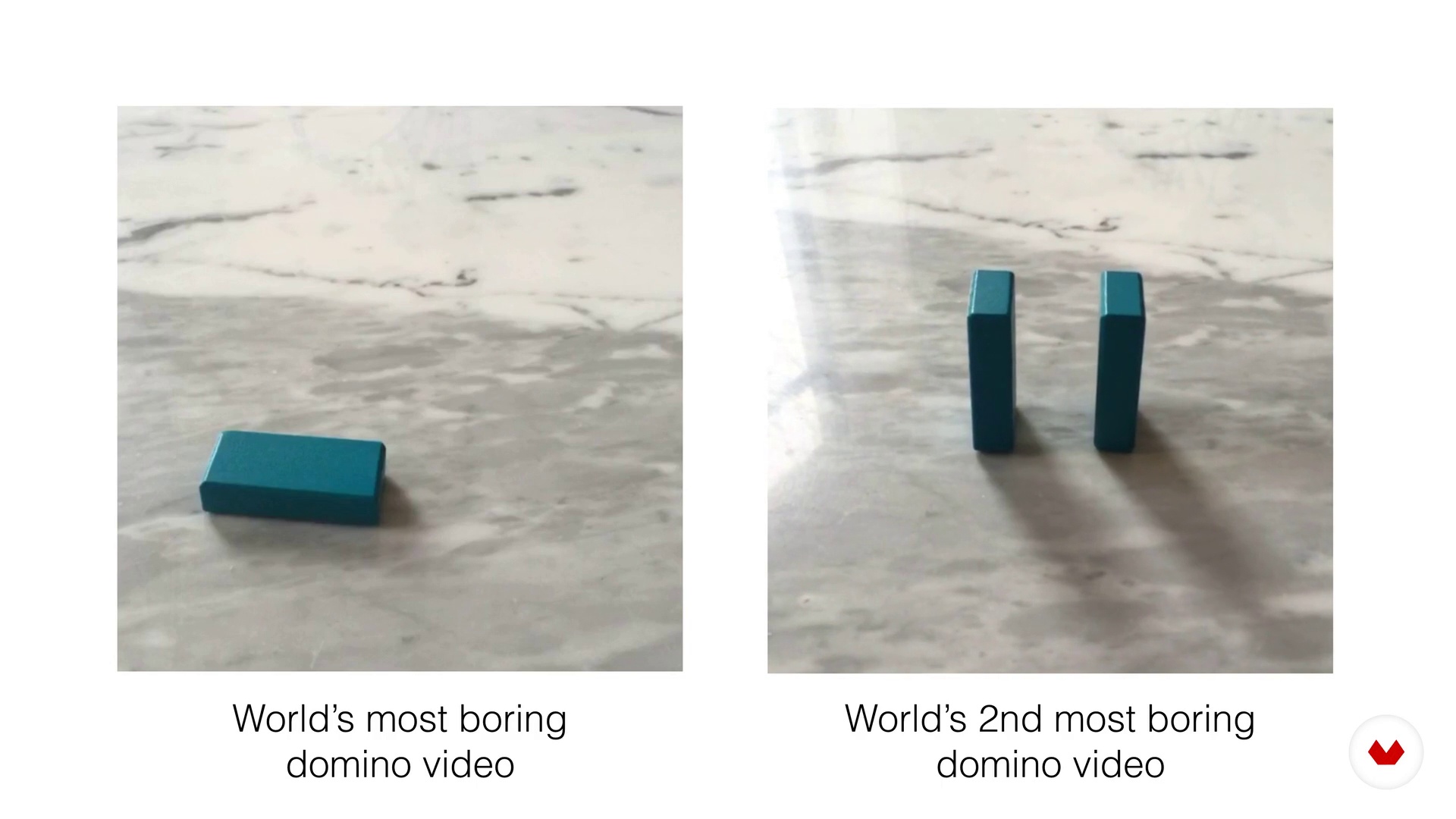
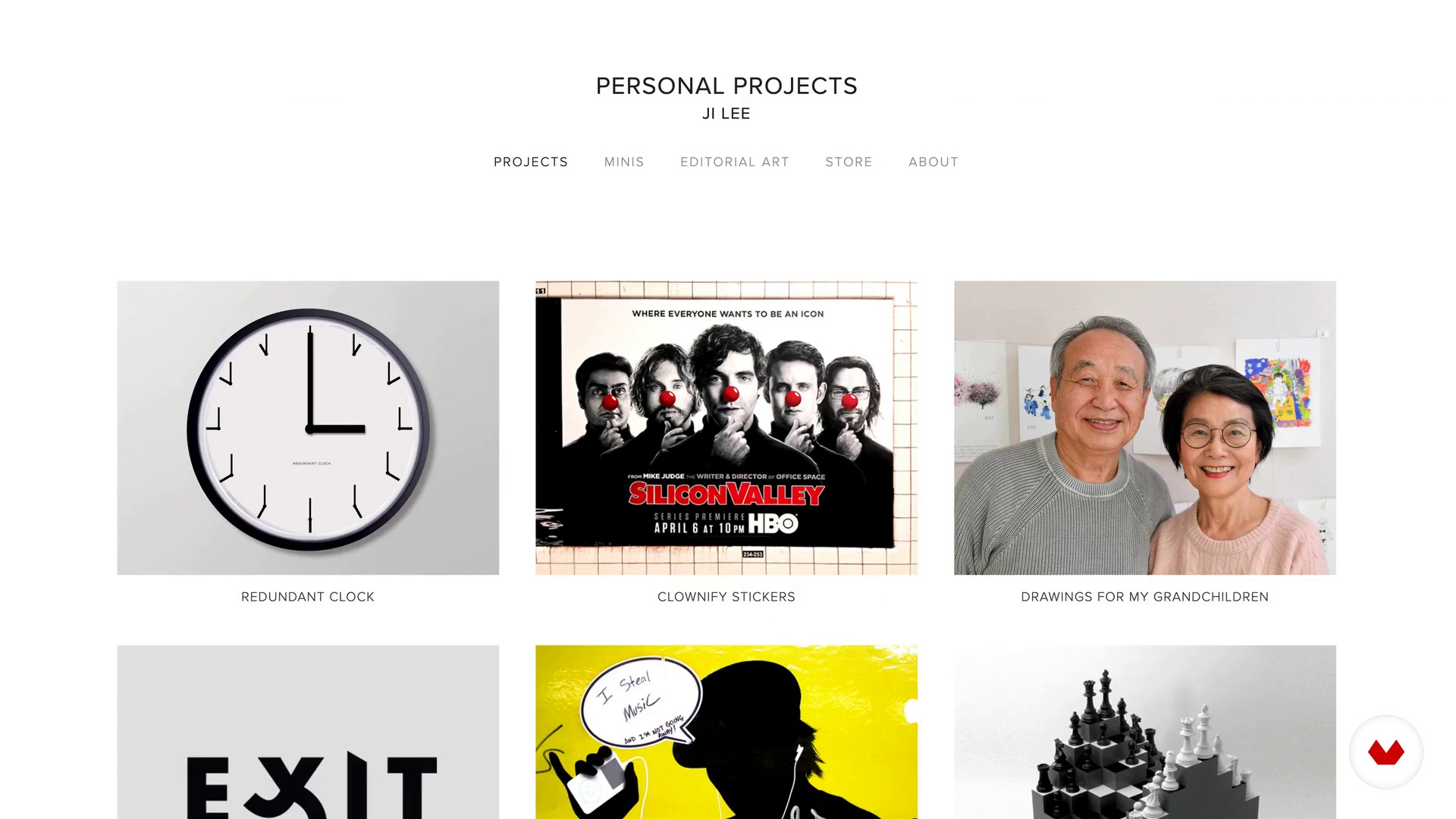
Personal projects are done for passion, not profit, often take on a life of their own and end up resulting in creative and professional growth you could’ve never foreseen.
14m
 7
7The transformative power of personal projects 2
17m
 8
8The transformative power of personal projects 3
8m
 9
9The transformative power of personal projects 4
16m
 10
10The transformative power of personal projects 5
11m
 11
11Make Someone Happy / Personal Happy Birthday Wish
For this lesson, use FB or your personal calendar and make a custom birthday card for your friends and family (or even strangers). Use your creativity and your skills. Draw, make collages, objects, find out what sorts of things make that person happy. Then post the result on the person’s FB page, IG (with tag), or give them the real thing in person. If possible, document the results and share them on your social media page to inspire others to do the same.
5m
 12
12“Better World” project
Observe your surroundings, find something that bothers you and create a project that fixes / improves it.
4m
 13
13Naming & Packaging
Time to think about a very simple, memorable name for your project. I’ll give you some tips to make it easier and once you write a brief description for it, it will serve as a quick explanation of the project too.
13m
 14
14Share
Now you are ready to share your project with the world.
6m
 15
15Pitch to the media
Are you looking for exposure? I’ll give you simple tips to reach the bloggers, journalists, and editors, and help your projects get published.
11m
 3
3Making Space
We will start by teaching you how to create your internal and external space, including your mood, physical space, and inner world. Remember that you’re not alone as you watch this workshop. Take some time to think of all the other creatives watching this video simultaneously as you.
12m
 4
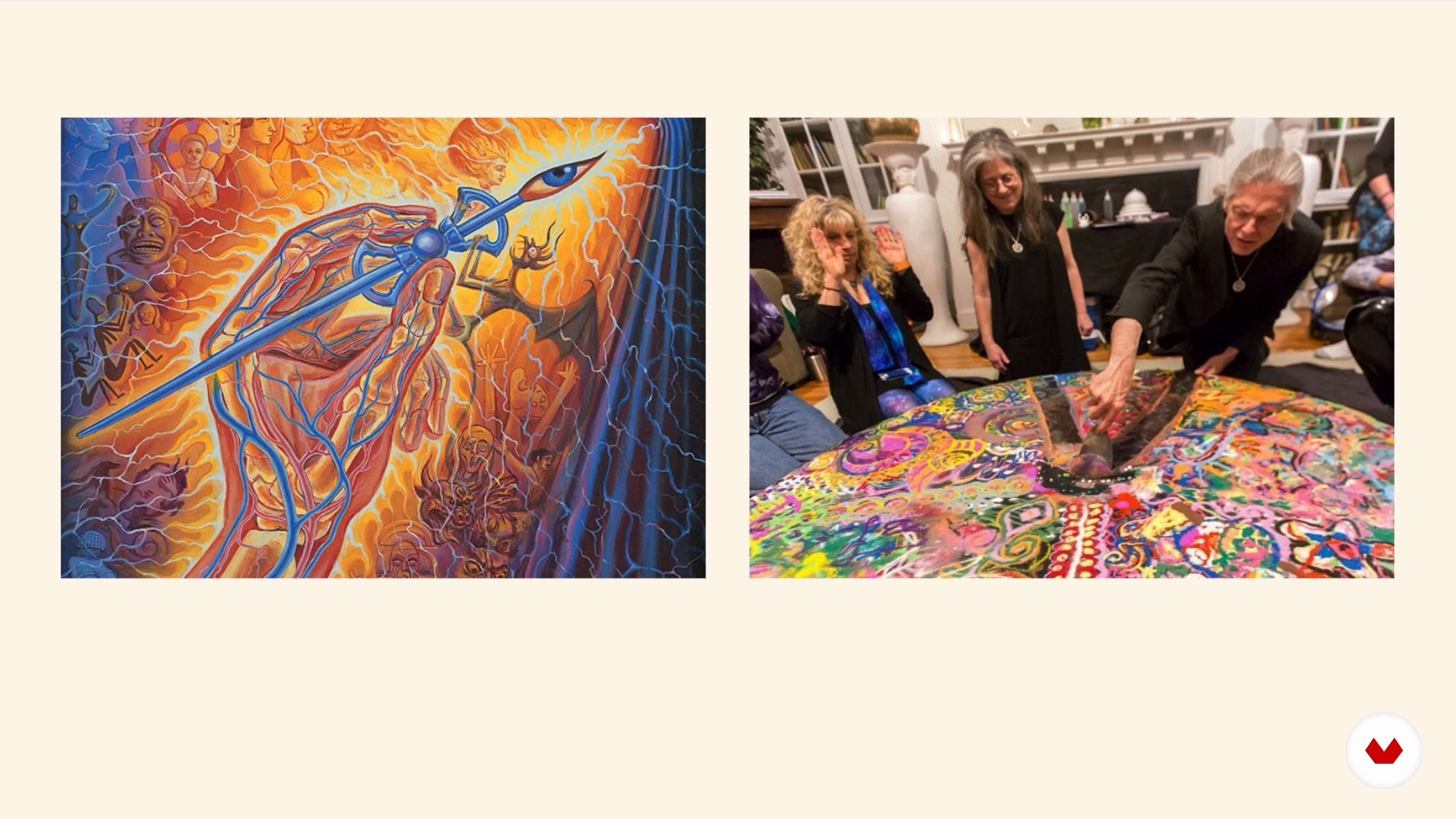
4Style Icons 1
During this lesson, you will get to know yourself and what truly matters to you by thinking about the people you admire.
19m
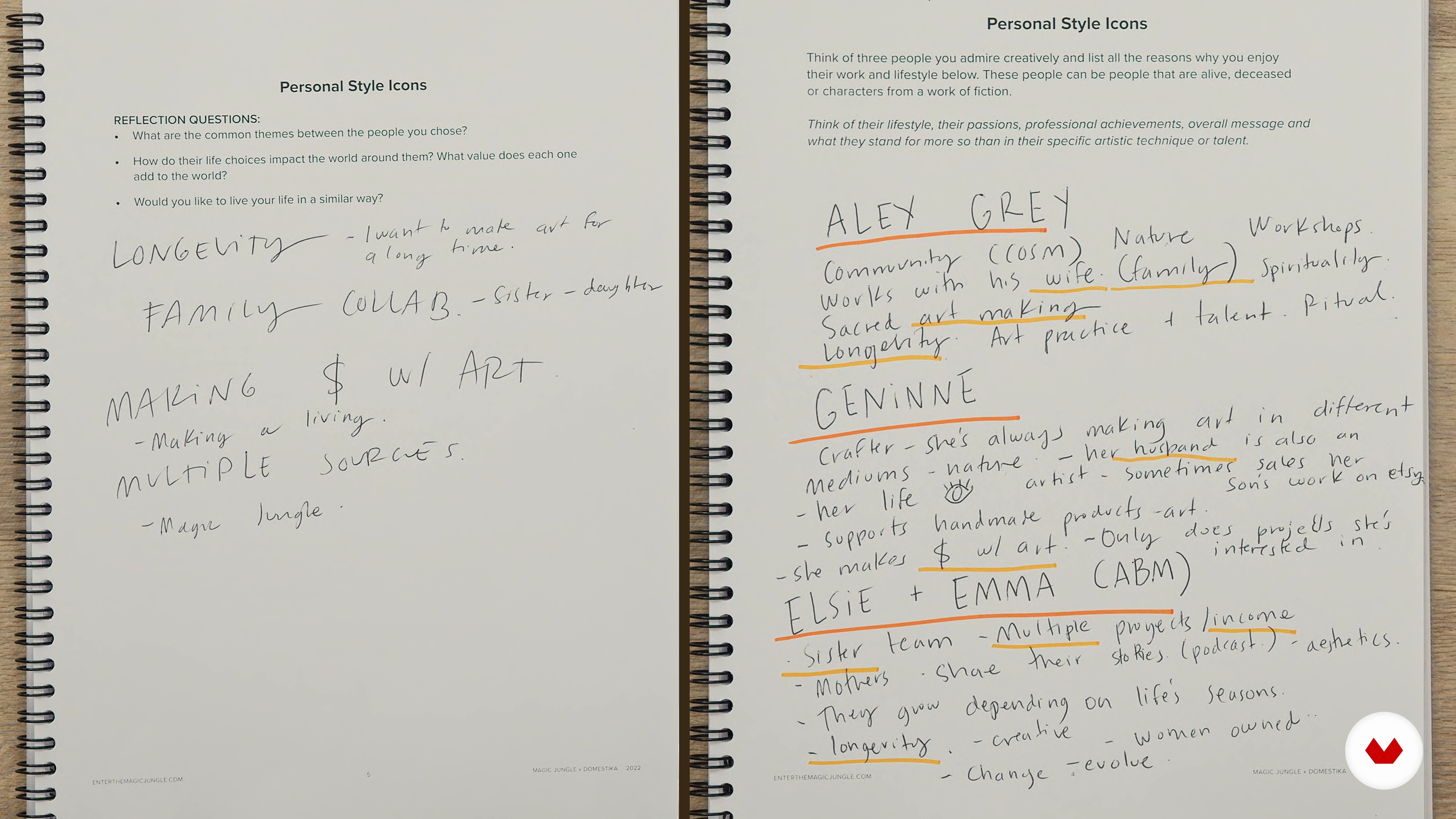 5
5Style Icons 2
In this second part of the lesson, we will show you the process we made to identify who are our style icons and why.
8m
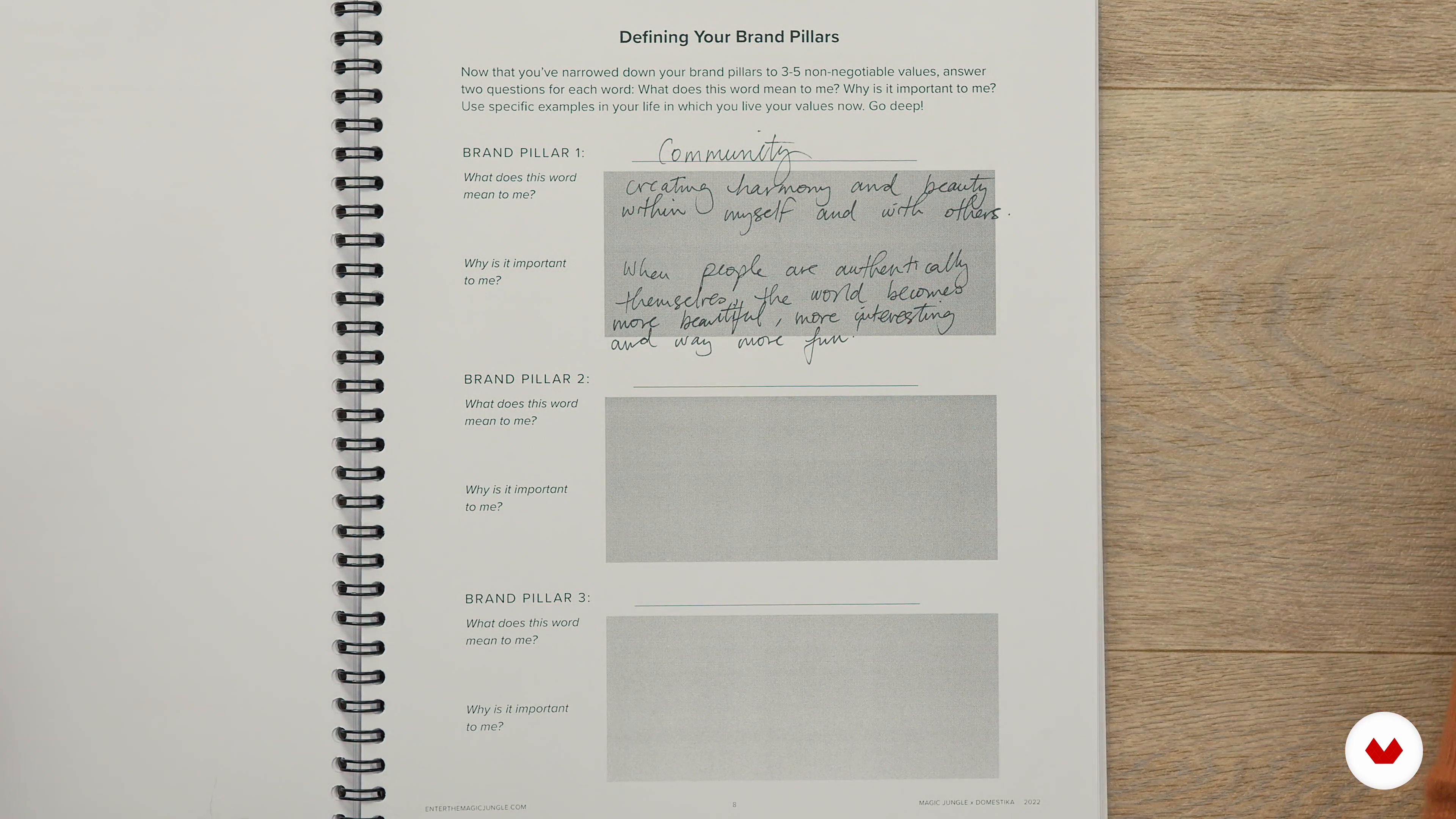 6
6Brand Pillars
As an artist, separating yourself from your work is nearly impossible. You can’t just walk into a room, clock in, write, paint, or design something without considering your life experiences, core beliefs, and values. This is an easy, fun, and intuitive way to create a cohesive direction through which you chart your path.
14m
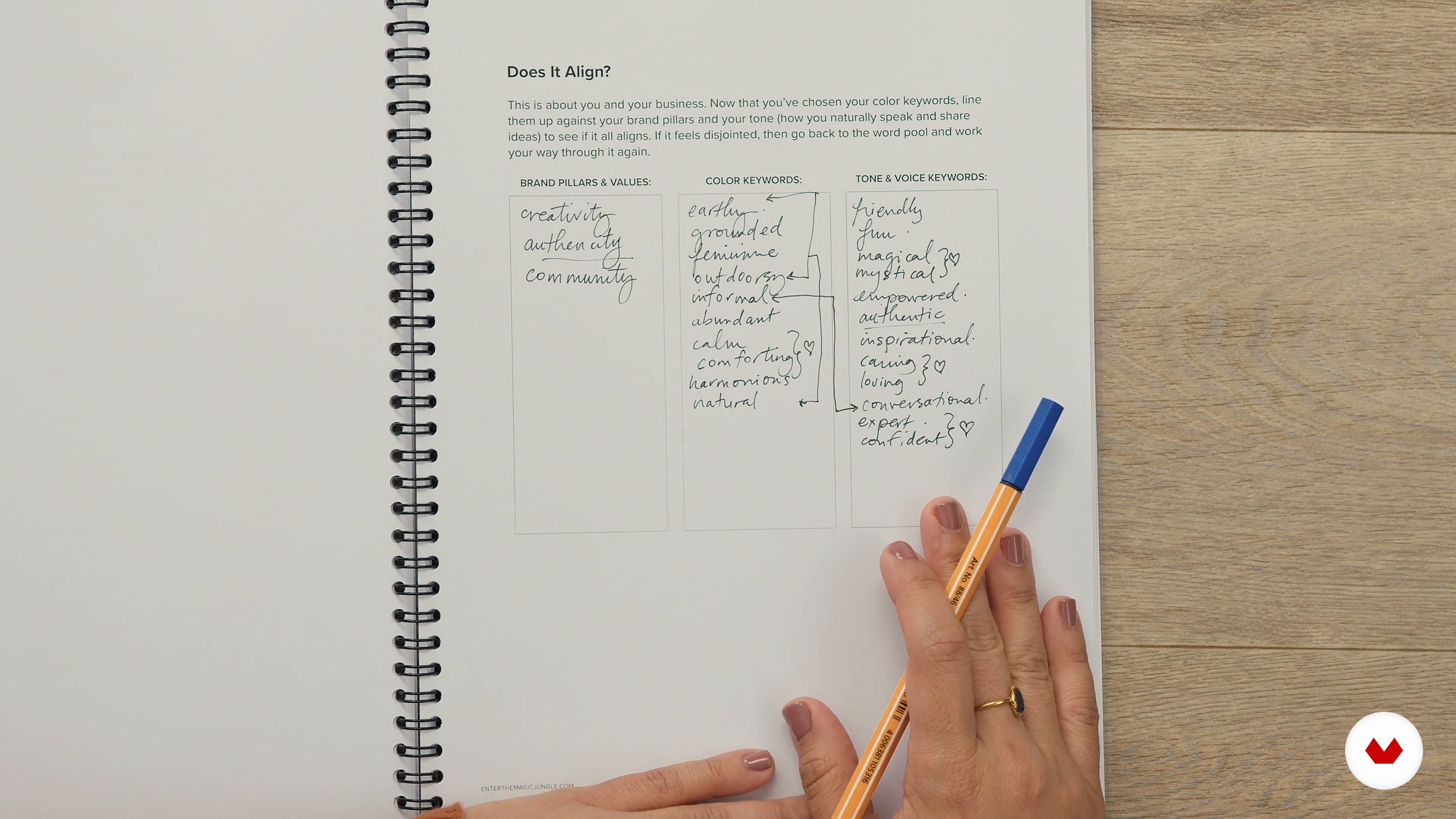 7
7Your Personal Archetype
This process continues to create clarity for you in the overall direction of your work. You will see how to explore the color vibe, tone, and voice. Then, you will learn how to use these ways to express and align with your brand pillars… or not!
11m
 8
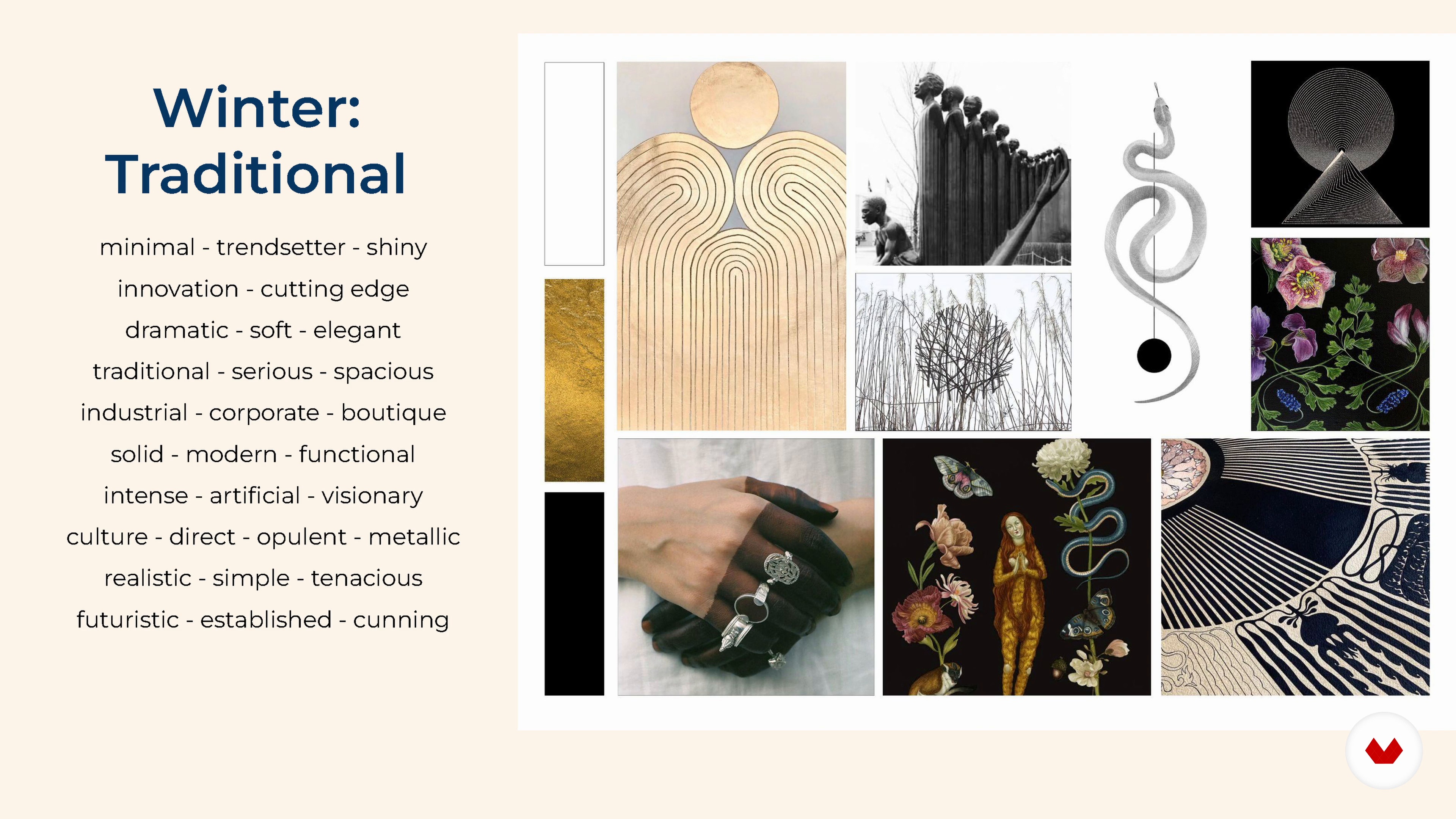
8Your Color Season
Every color exists in different hues and tones. They can all be softer, muted, textured, stronger, and more intense. This is why season color archetypes are the way to establish the brand look and feel and start narrowing down the colors. It is a form of color psychology that is simple, intuitive, and works.
13m
 9
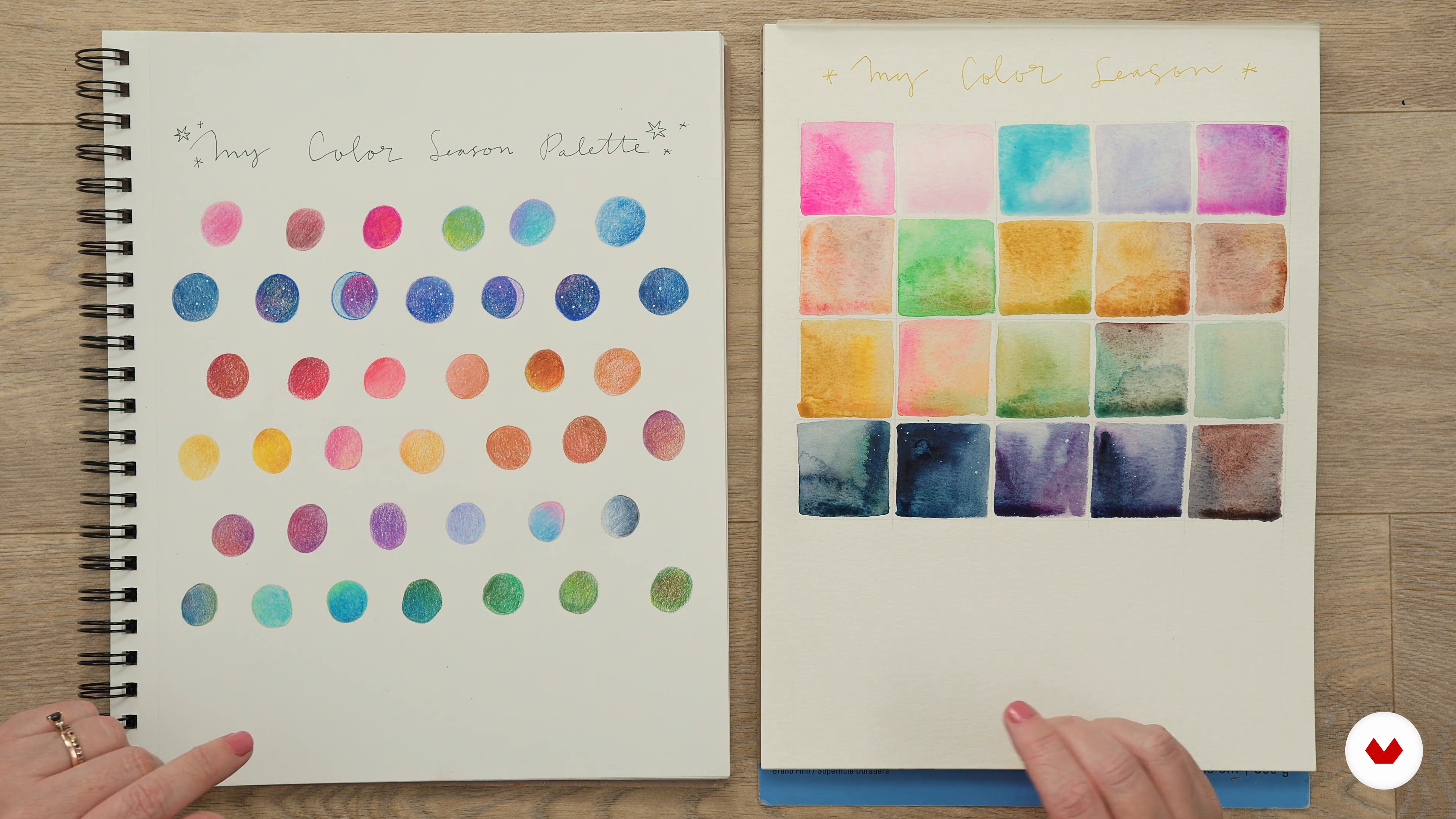
9Creating Your Color Palette 1
Let’s start making it real! First, you'll learn everything you need to know about the world of color, that way; you'll make better decisions about color in your projects.
16m
 10
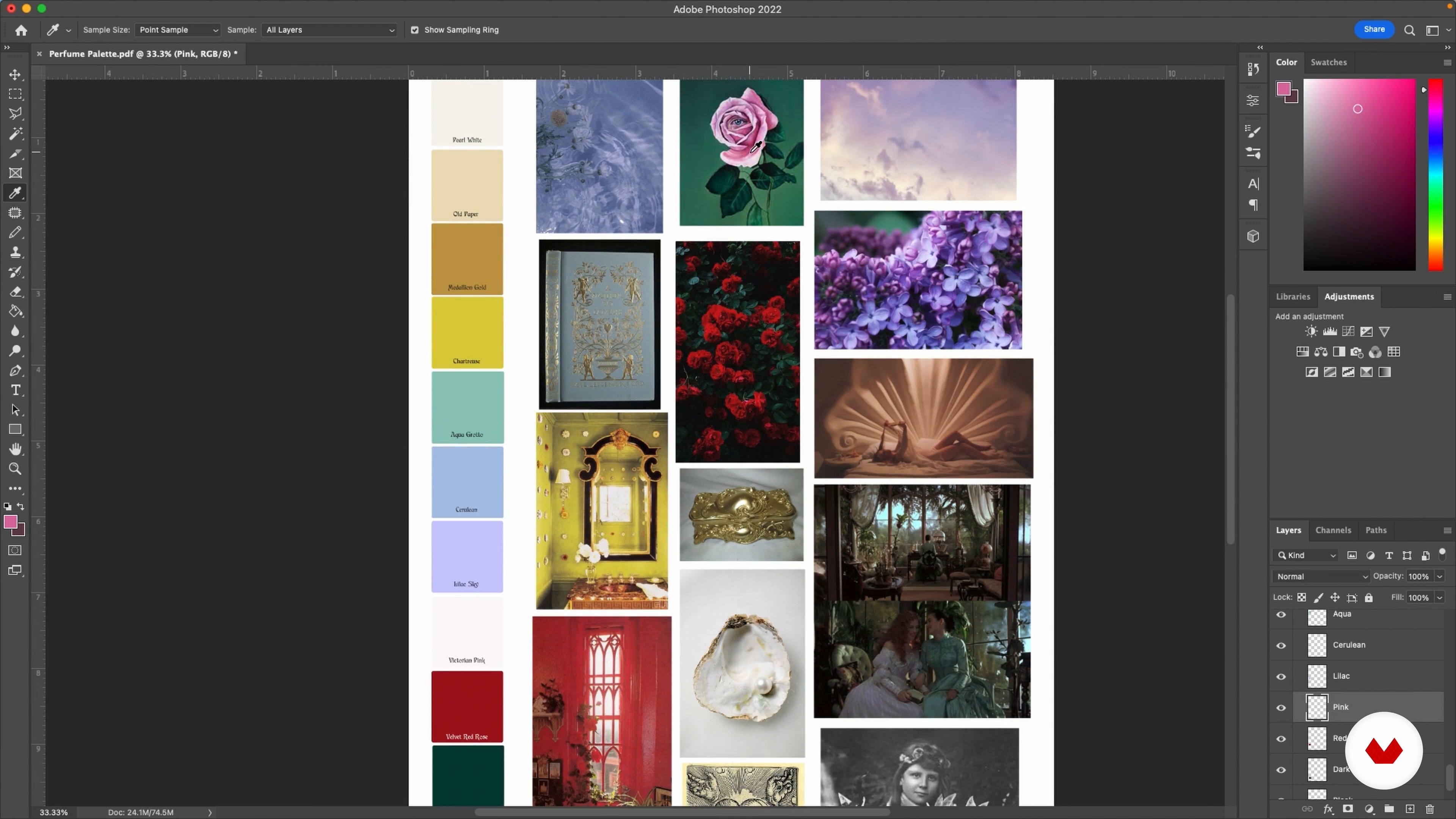
10Creating Your Color Palette 2
During this second part of the lesson, you'll see how to take all the information you’ve discovered in the past lessons and create a color palette that feels true and exciting. Feel free to use the tool of your choice.
5m
 11
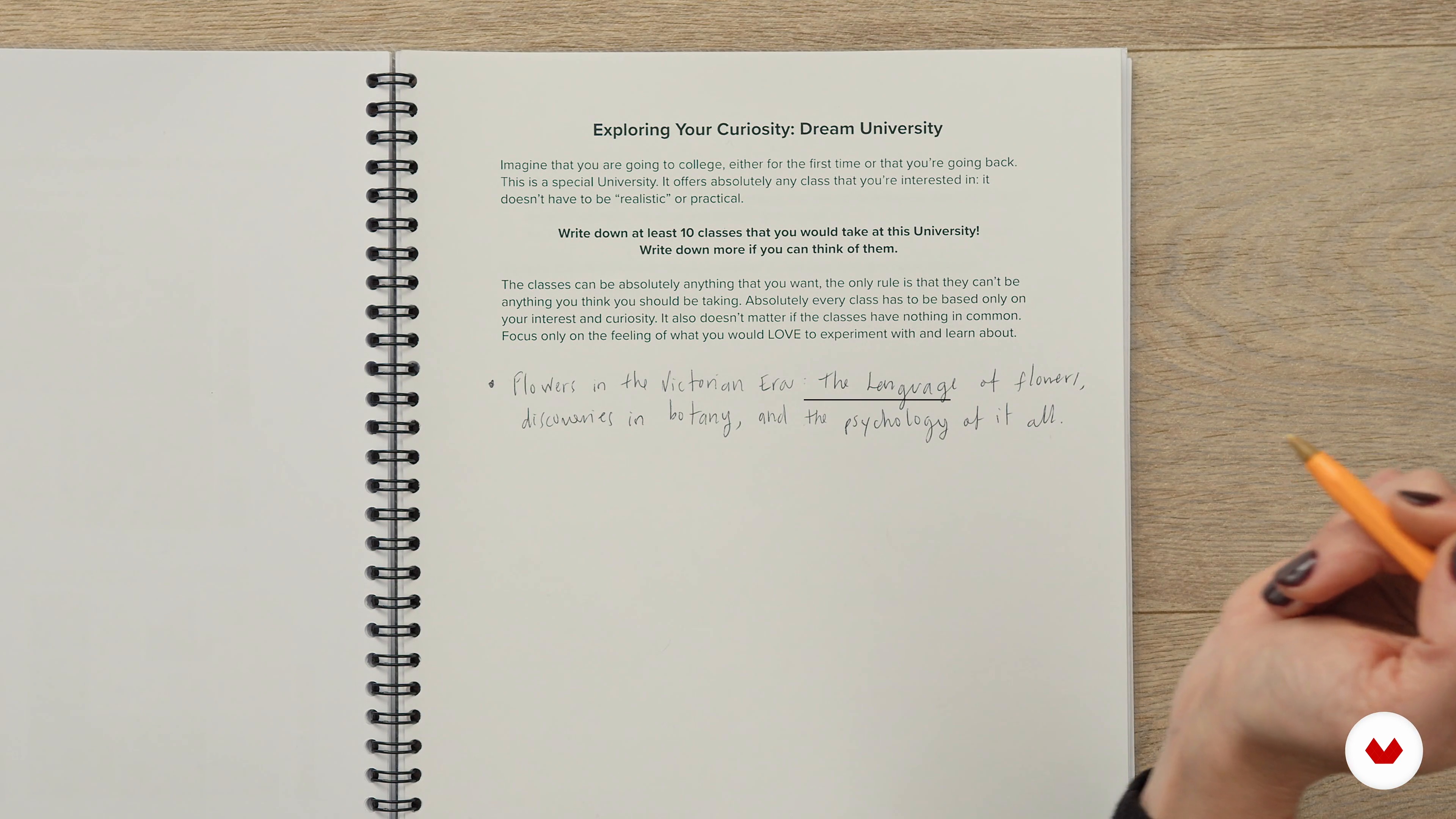
11Dream University
It’s time to open to your true creative interests. This workbook activity will allow you to explore your unfiltered curiosity. By being curious, you can effortlessly find what fascinates you!
12m
 12
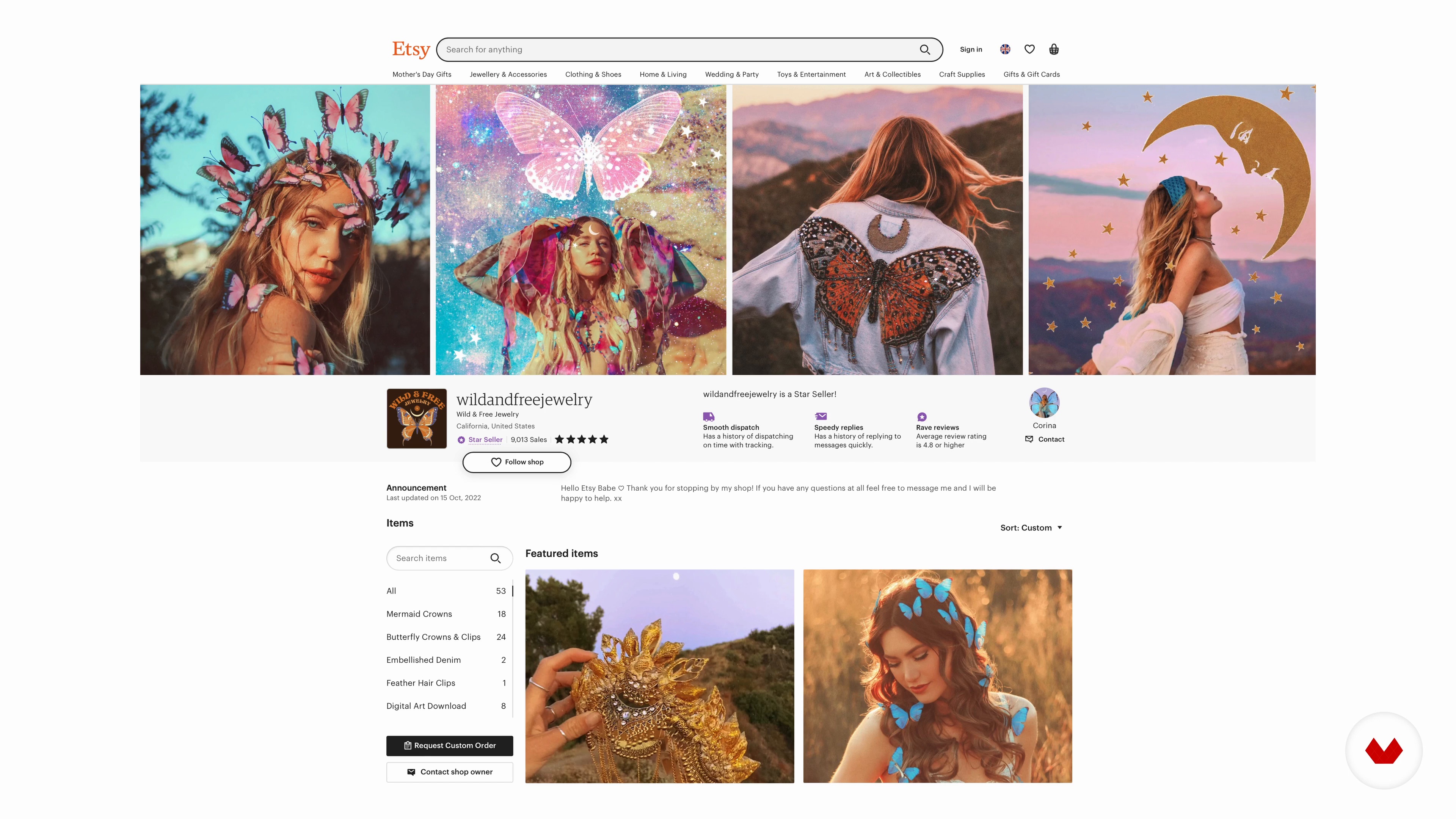
12Artist Review: Artists Case Studies
Let’s look at four artists creating in a way that is aligned with who they are, connects with their audience in ways that feel good to them, and are experiencing business success.
18m
 13
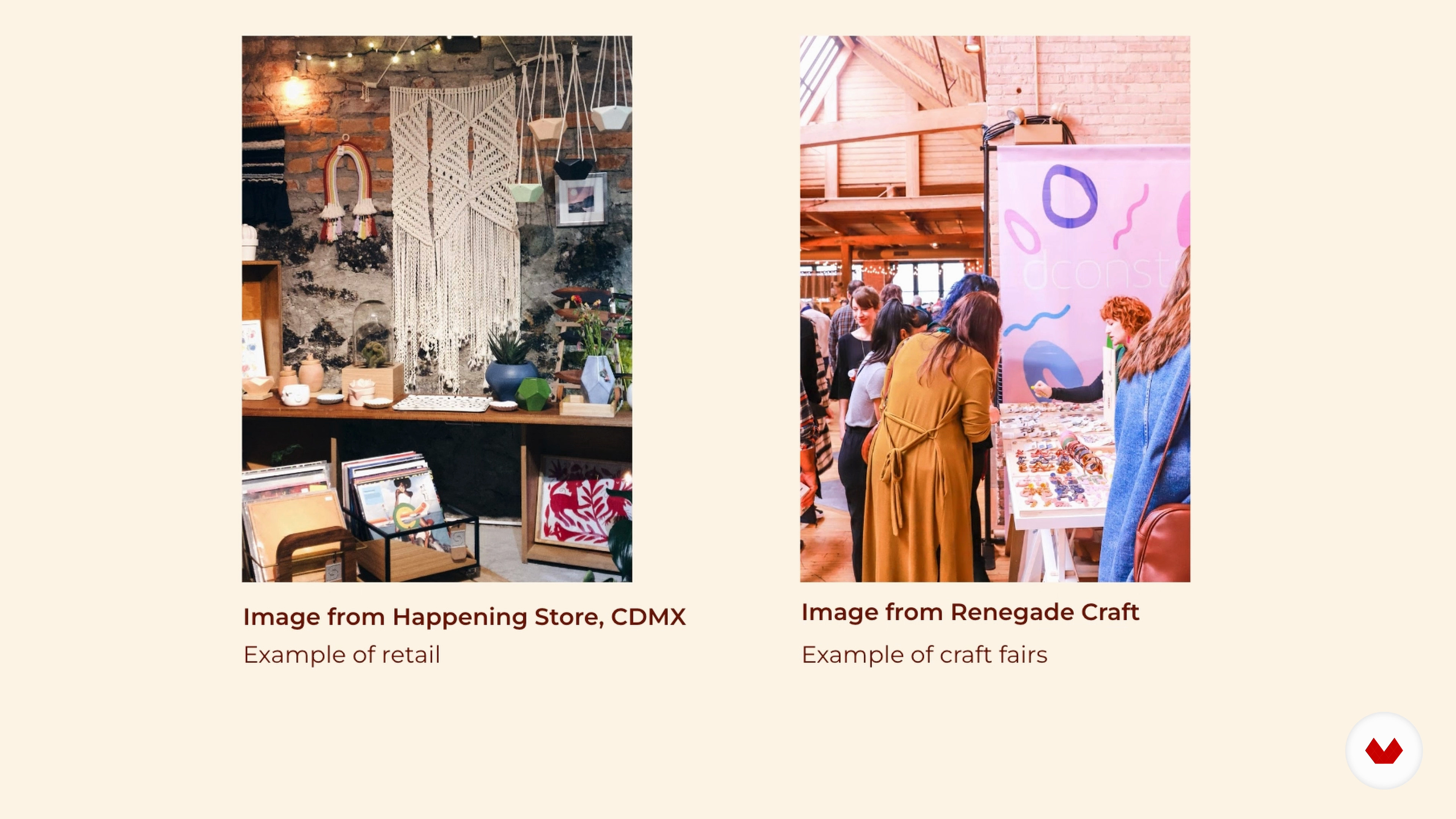
13Money Talks
There are so many ways to make money as a creative! That's why here we will talk about all the business models you can use as a creative.
20m
 14
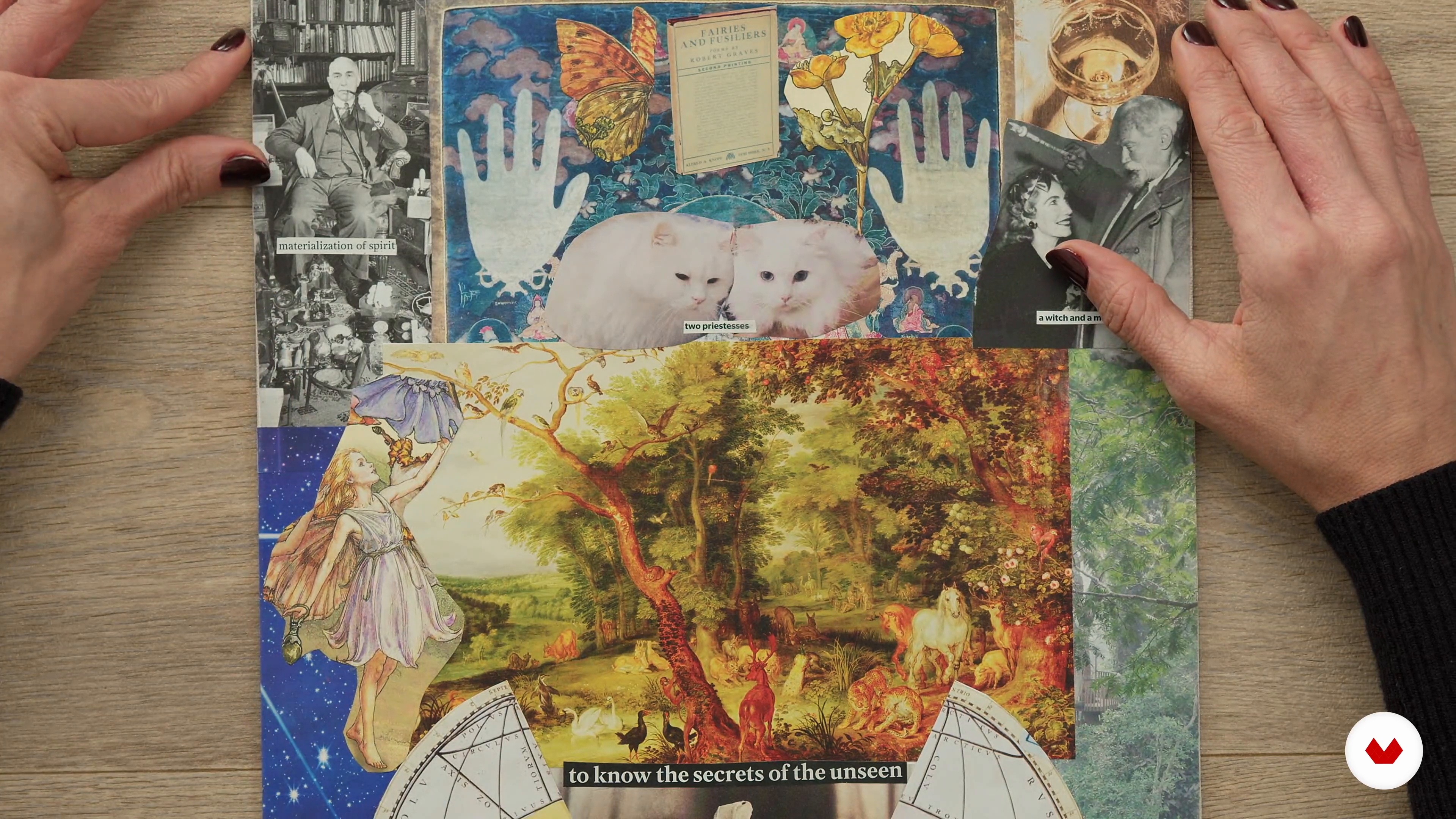
14The Complete Vision
Now you have clarity on your pillars, values, tone, voice, color season, interest, and a new view of all the possibilities around making a living with your art. We’ve come all this way together! It’s time to put everything into one space and make it beautiful.
17m
 2
2What do I do here?
Here I will tell you the anecdote by which I began the exploration of the method that we will learn in this course; why it is necessary to work with a method, as well as, the reasons why it is going to be useful.
3m
 3
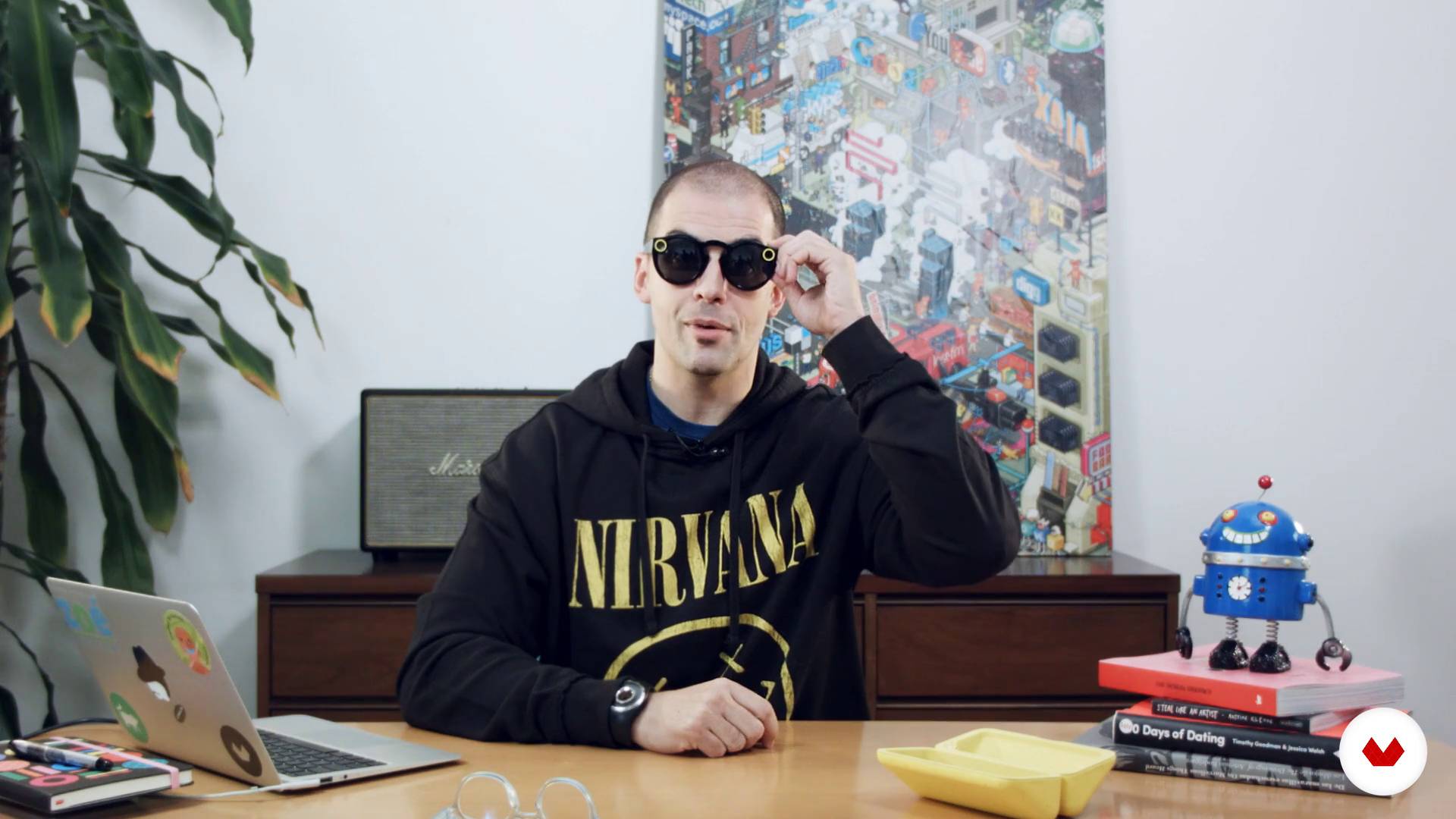
3The new behaviors of users and their consequences
From a personal example, I will tell you how technology is becoming invisible and what consequences this has for users.
16m
 4
4The role of technology
In this lesson I will talk about the very specific role that technology plays today.
8m
 5
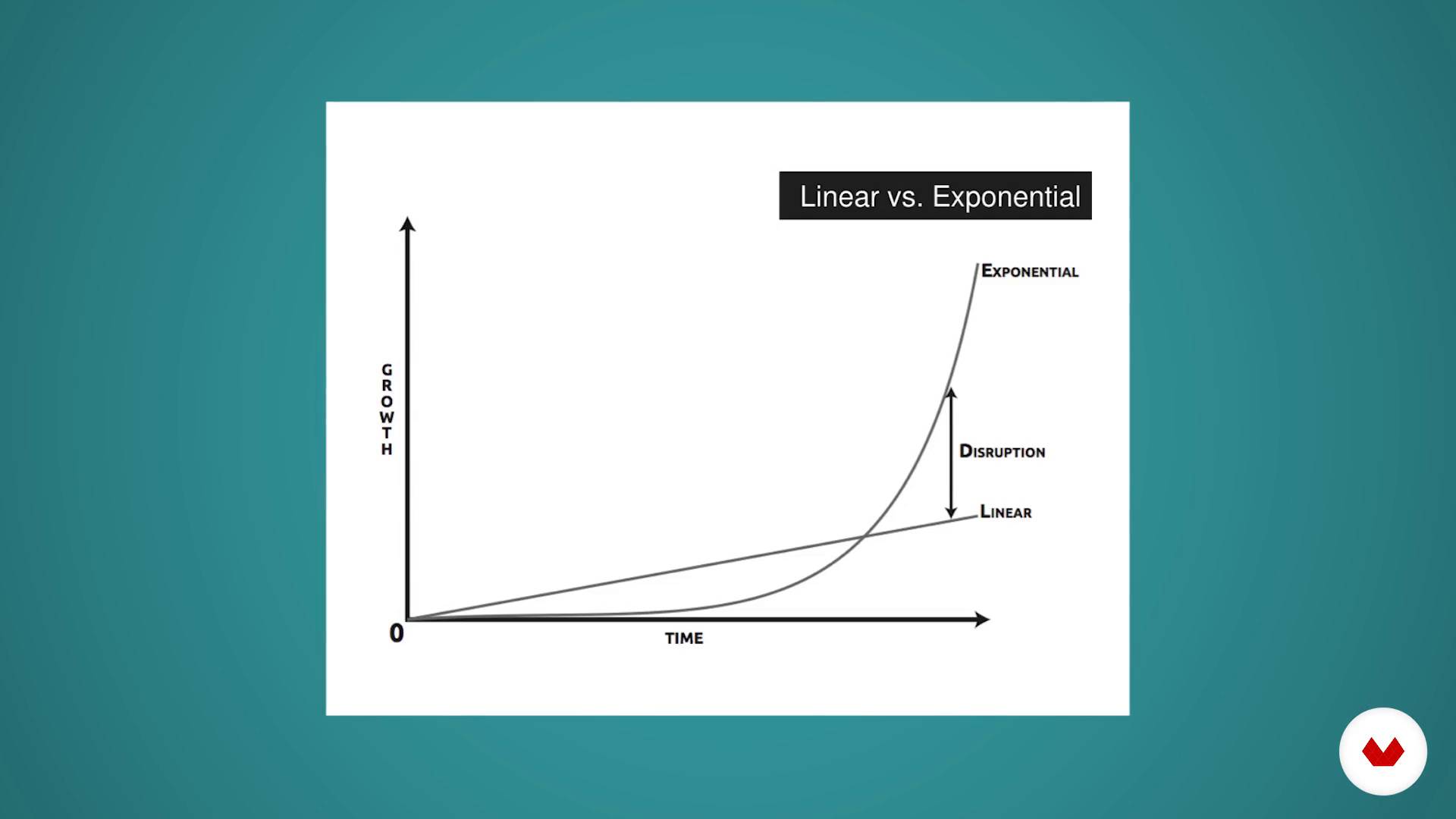
5The exponential growth of technology
The technology grows exponentially, in this lesson I explain how and what is the importance of it.
10m
 6
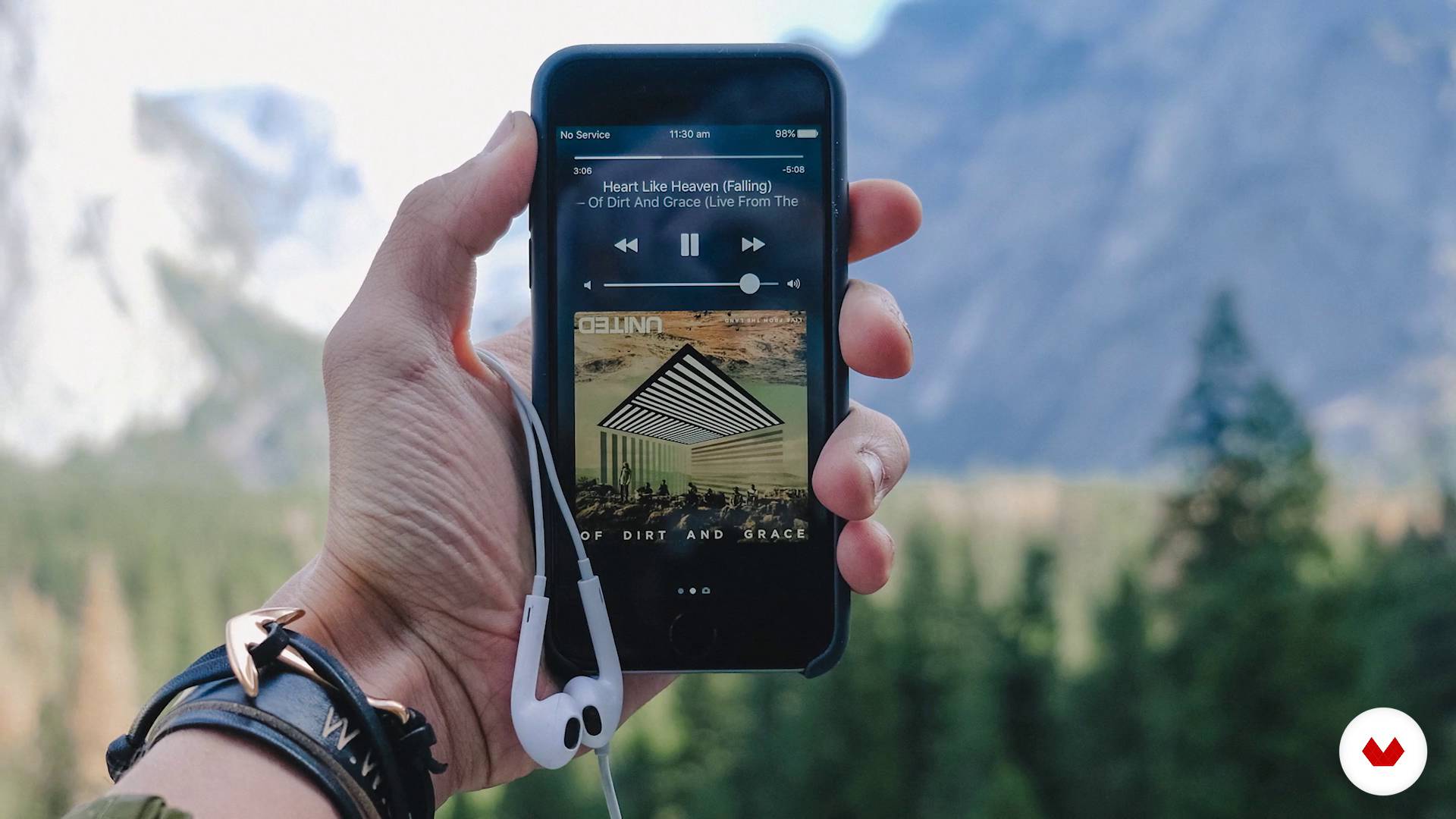
6Technology, the digital world, marketing and advertising
Technology also came to advertising and communication, and look what happened ...
4m
 7
7Creatives who did not know about technology
For many creatives, technology is no more than a resource to show a message, without considering very important factors such as scope or ethics.
13m
 8
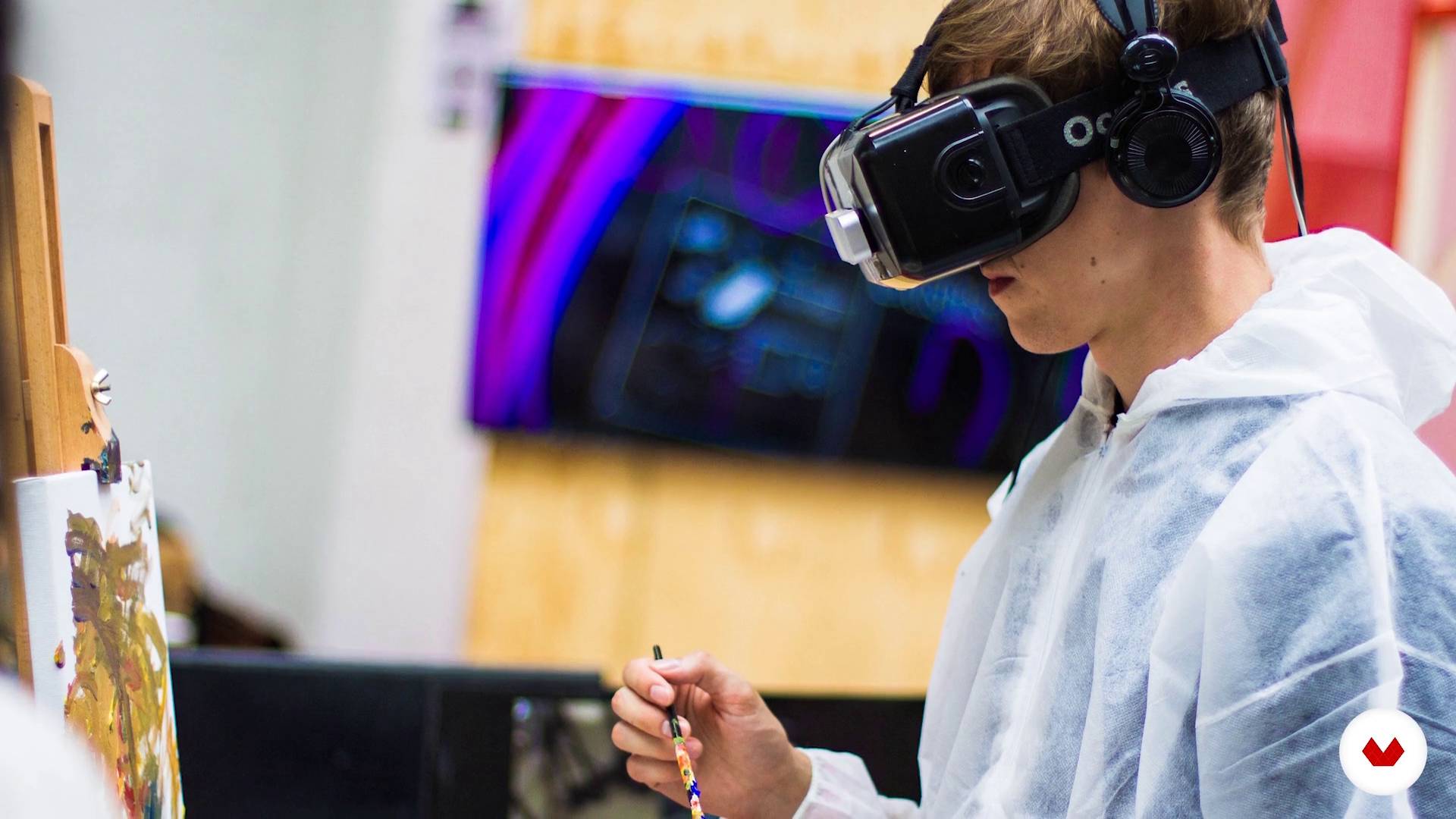
8The engineers who did not know about storytelling
When an engineer does not know how to tell stories, the stories he tells are what the software he has just created allows him to do.
12m
 9
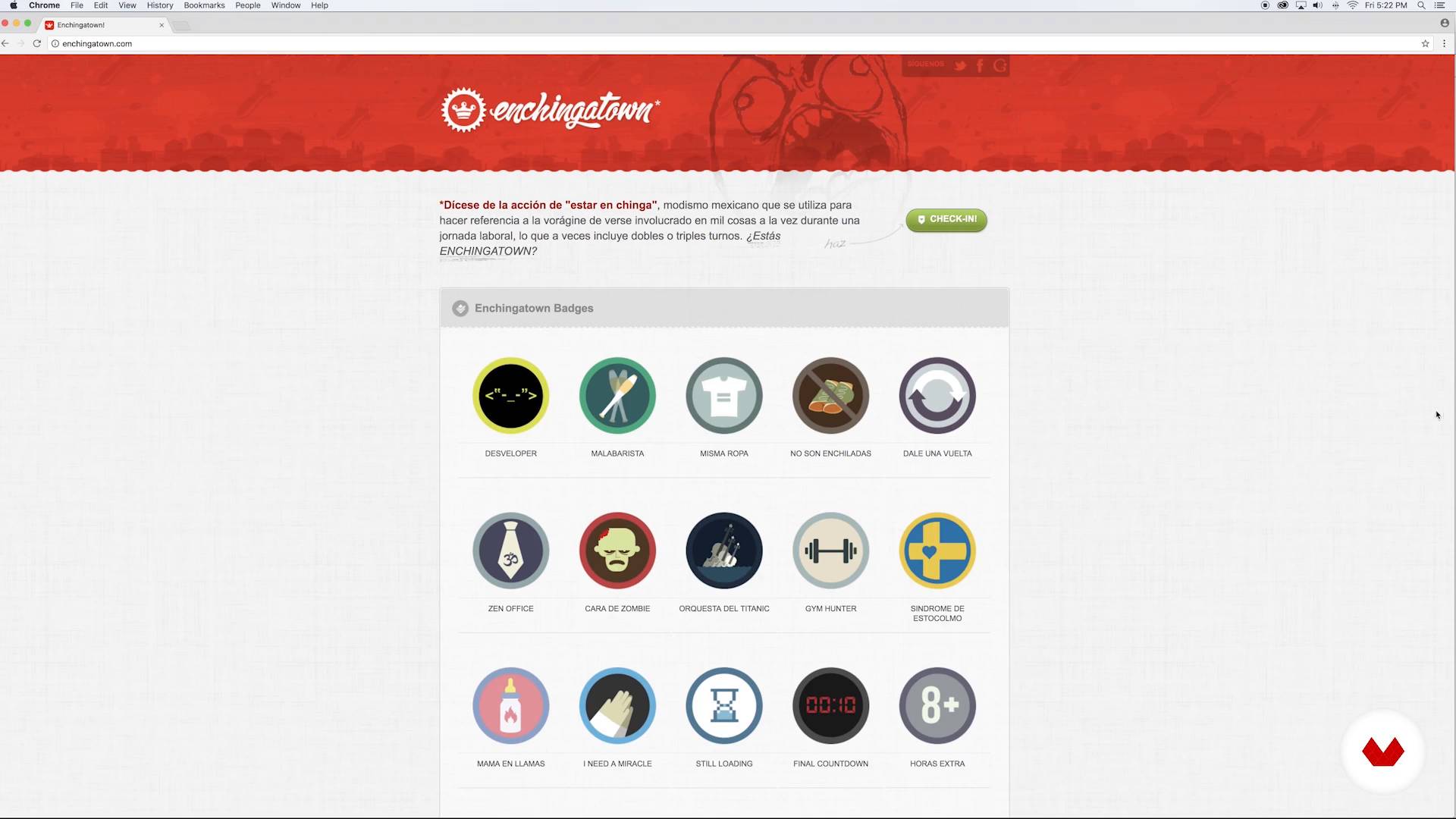
9Innovation and the world of communication and advertising
Innovation reached the world of communication and advertising ... in the form of PR.
17m
 10
10The importance of stories
Stories are one of the tools that make us human, in this lesson I tell you why.
5m
 11
11Storytelling tools
Telling stories is a job within reach of everyone, it's just a matter of discipline.
8m
 12
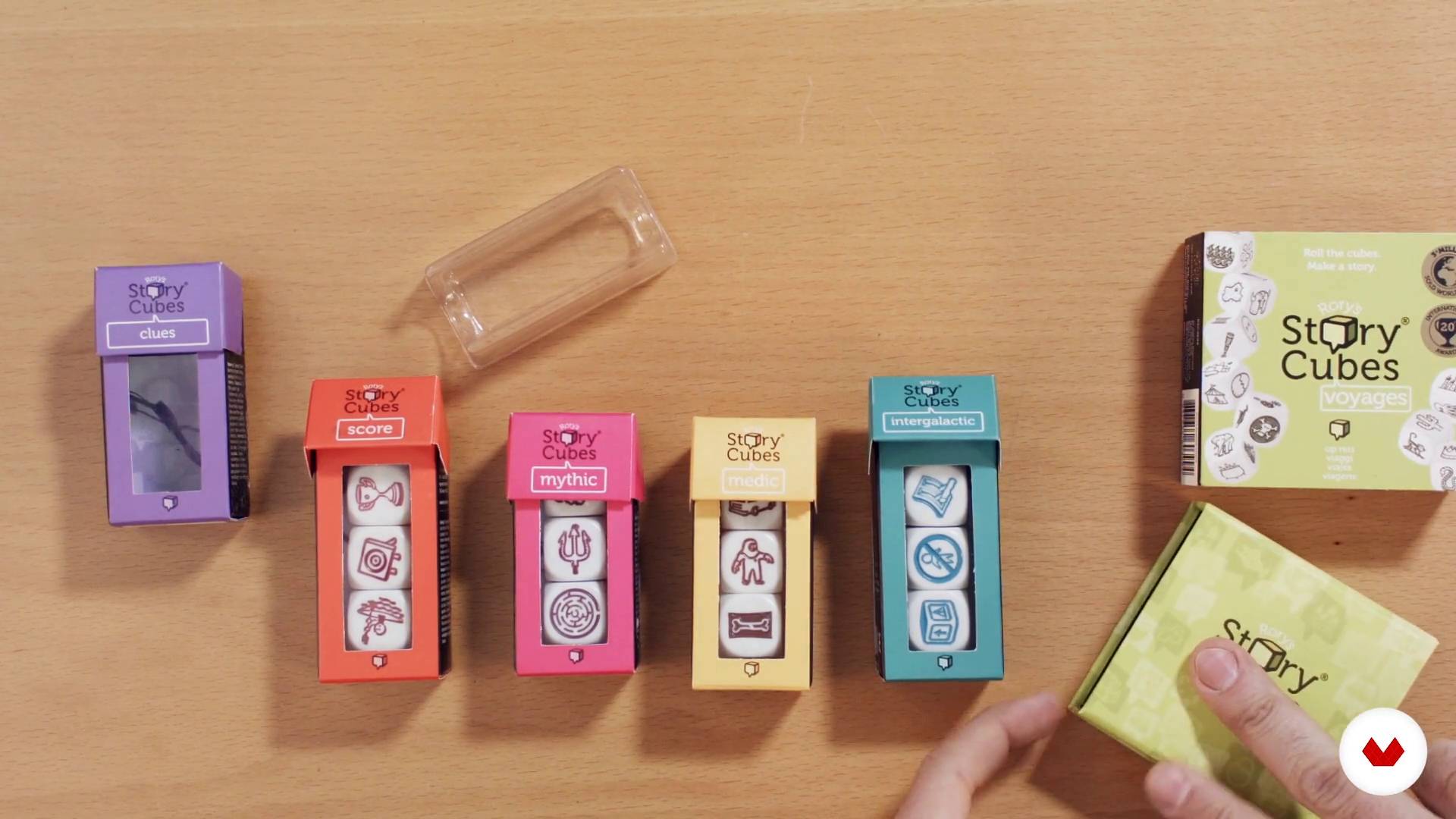
12Storycubes
I'll show you some toys to start practicing with your stories: the Storycubes.
13m
 13
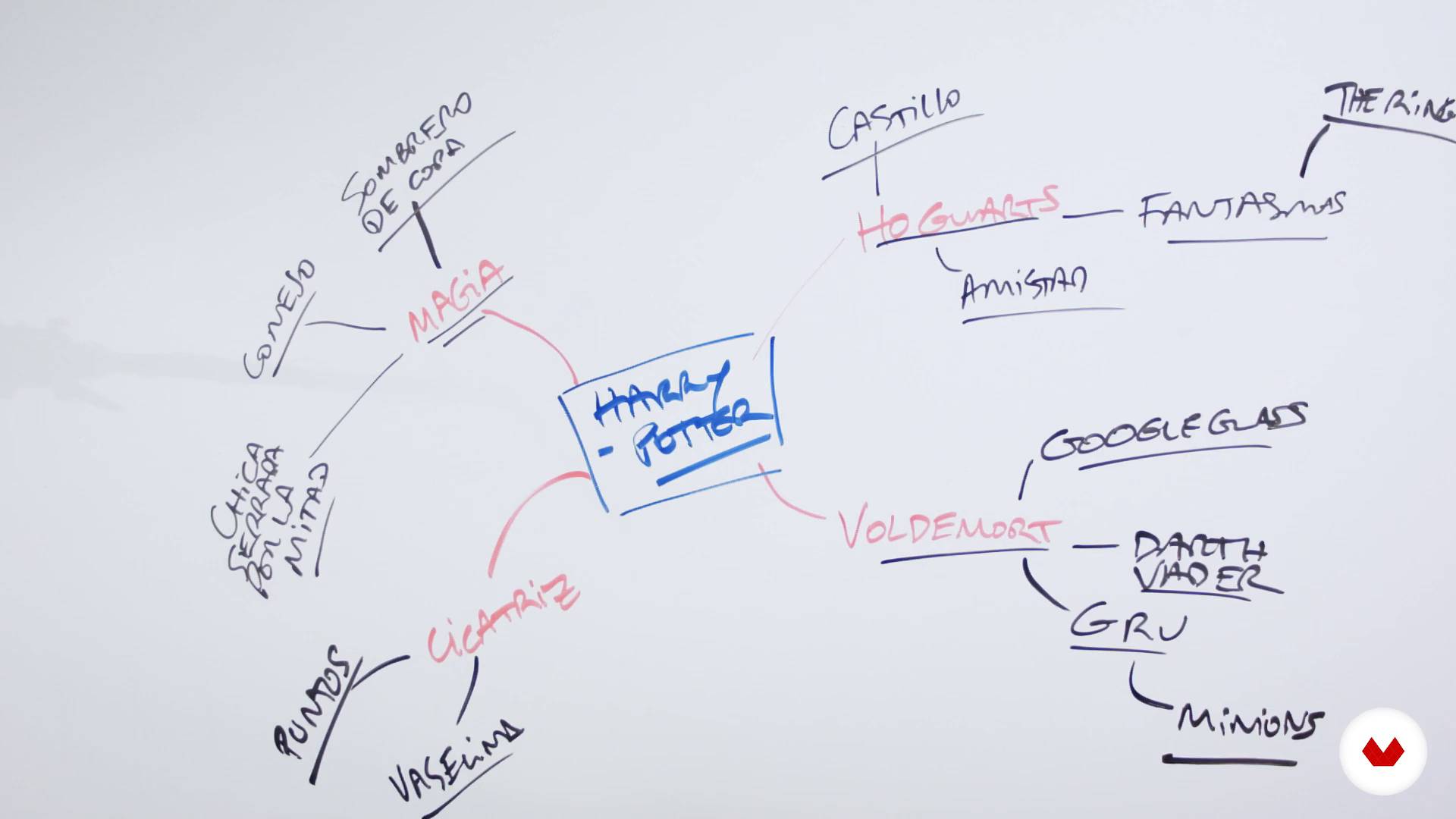
13Mindmaps
We will see one more technique to practice your stories, the mental maps.
9m
 14
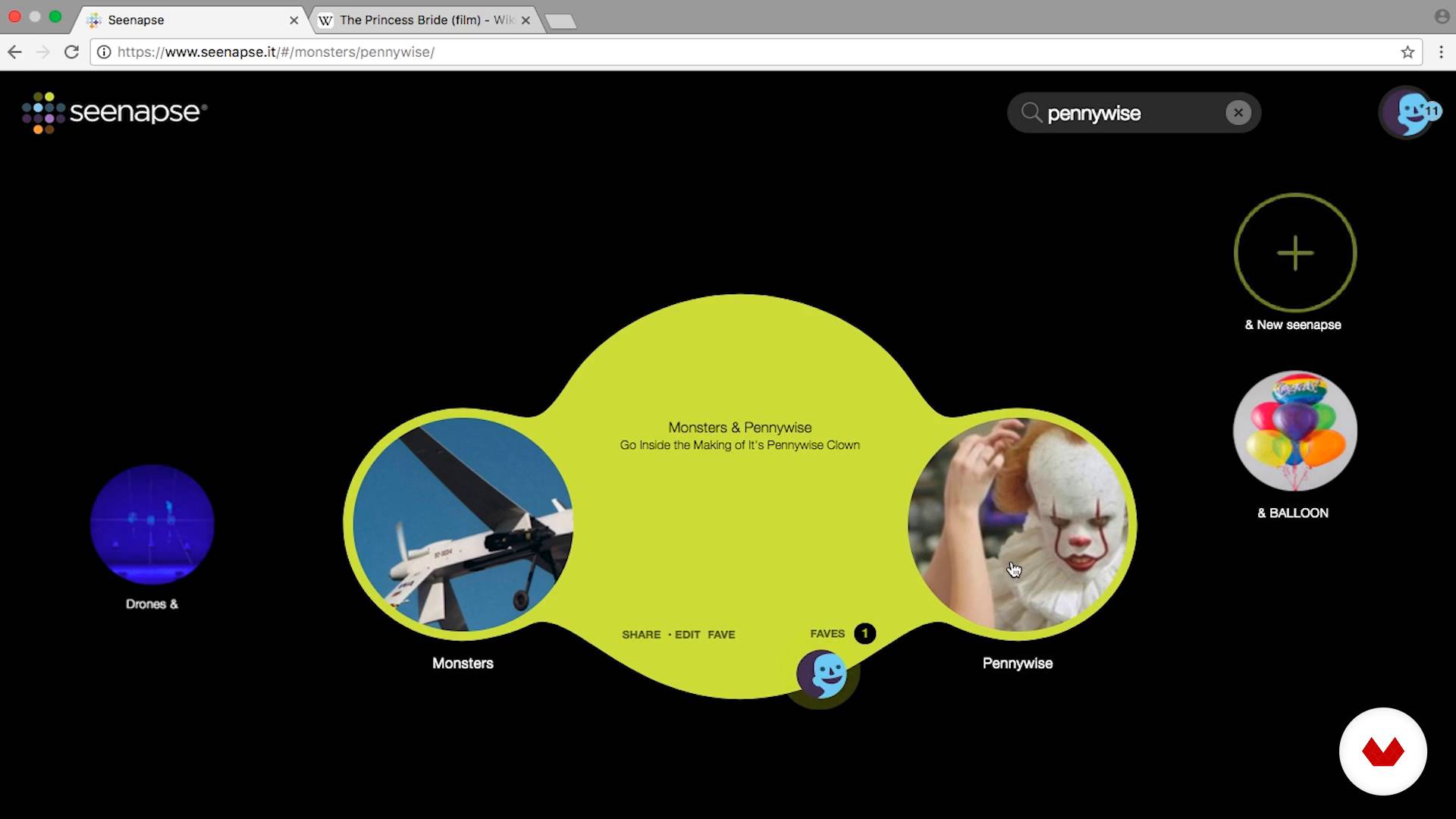
14Seenapse
Another tool to find better associations for your stories is Seenapse, here I will talk about it.
8m
 15
15The narrator
In this lesson, we will analyze the importance of the narrator in a story. We will see how we can generate hundreds of stories simply by changing the narrator of it.
3m
 16
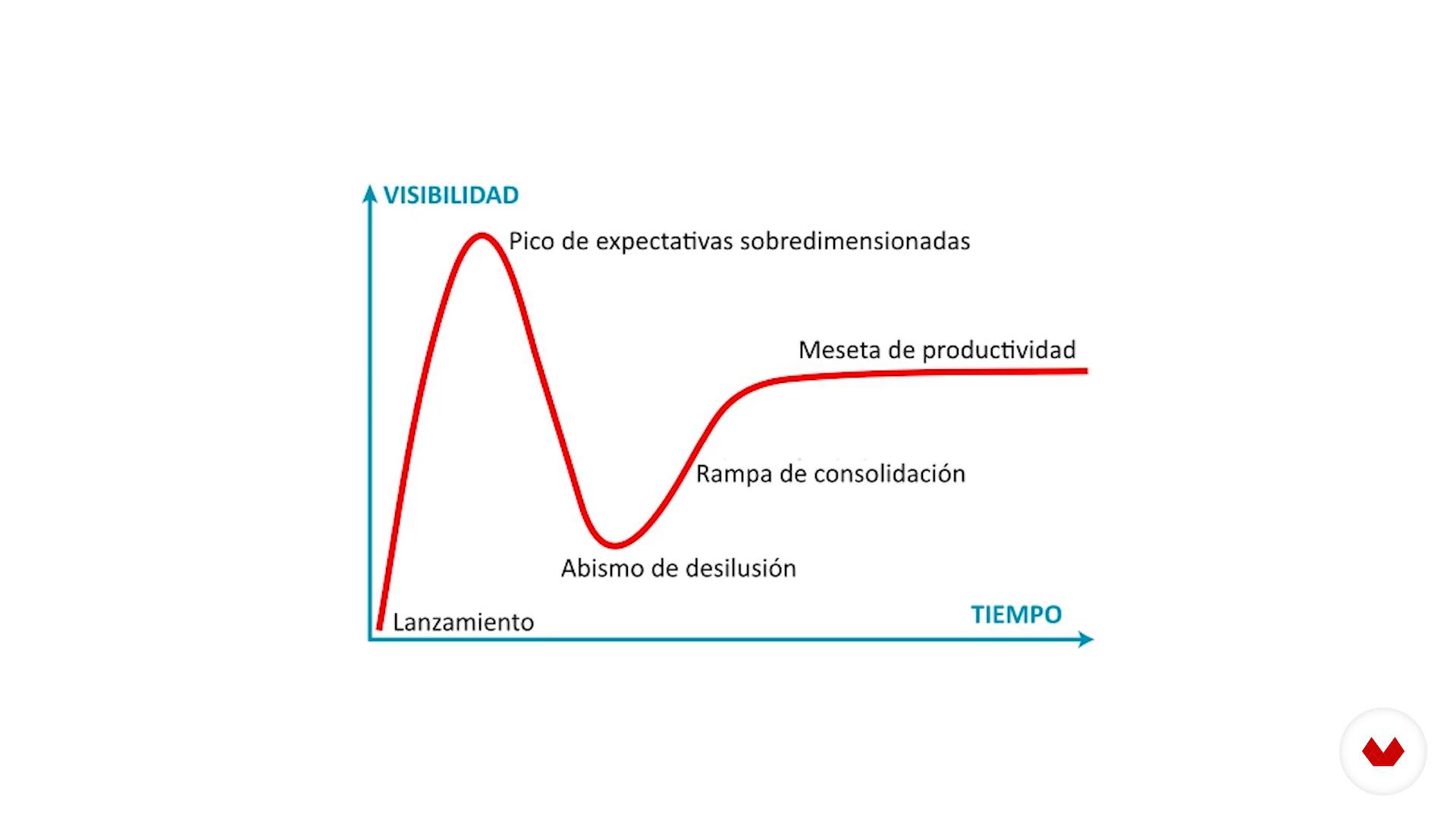
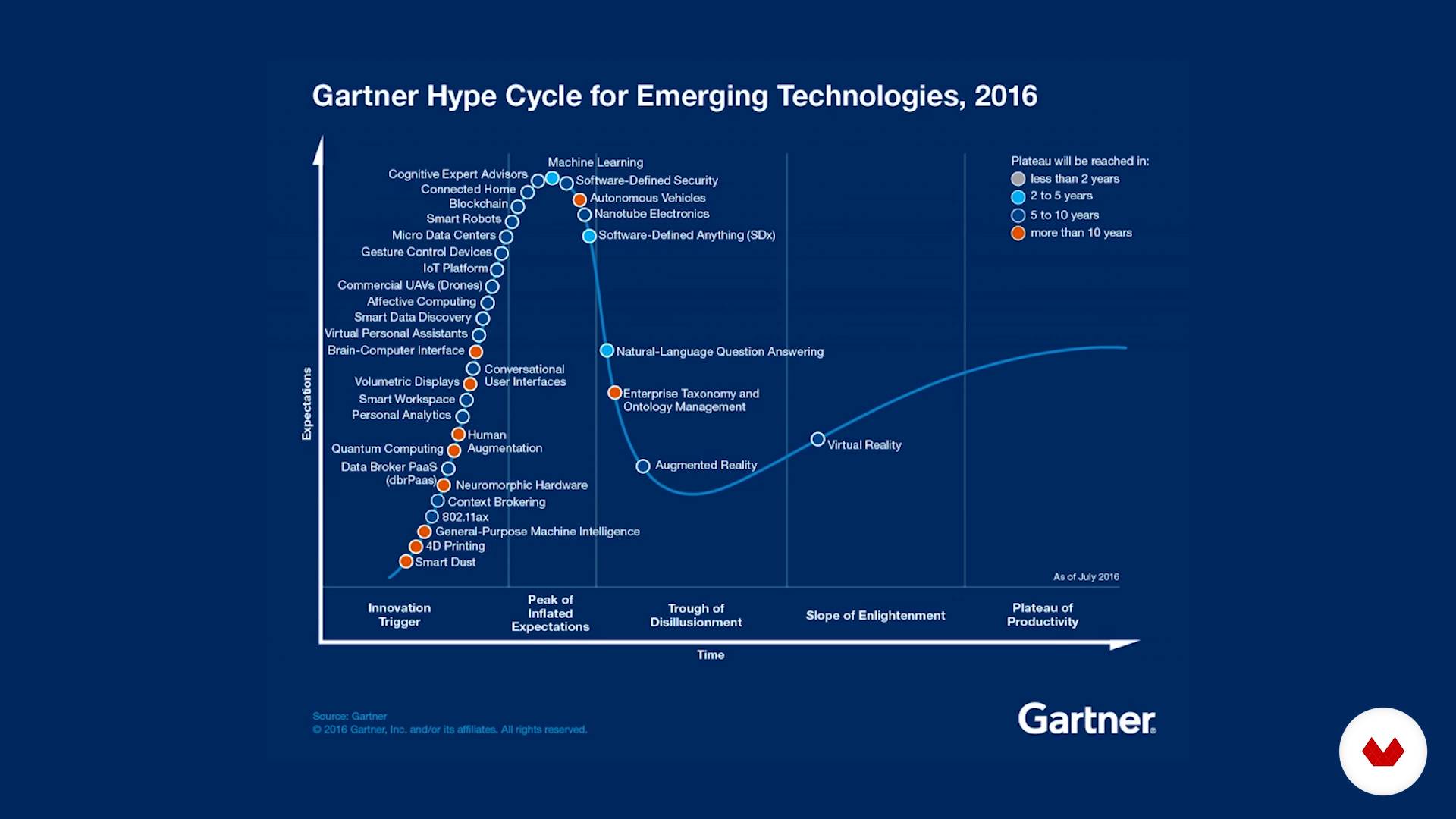
16The hype cycle
In this lesson I will tell you what the hype cycle is and why it is important in our stories.
8m
 17
17Technology over the years and how to use it
In this lesson I tell you how to use the technologies in the stories we are going to create.
13m
 18
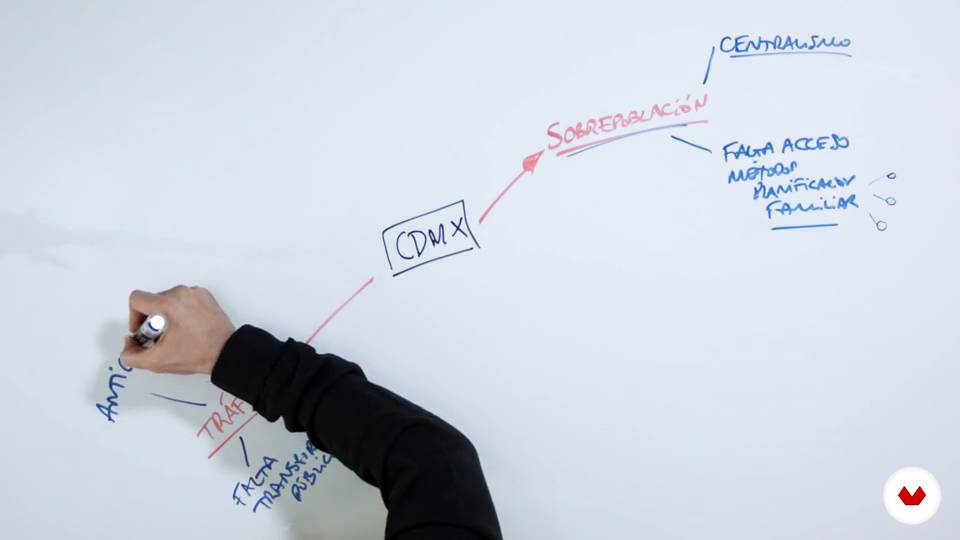
18Reverse brainstorming
One of the best ways to narrow a problem and reduce its complexity is to use inverse brainstorming. In this lesson I tell you how.
11m
 19
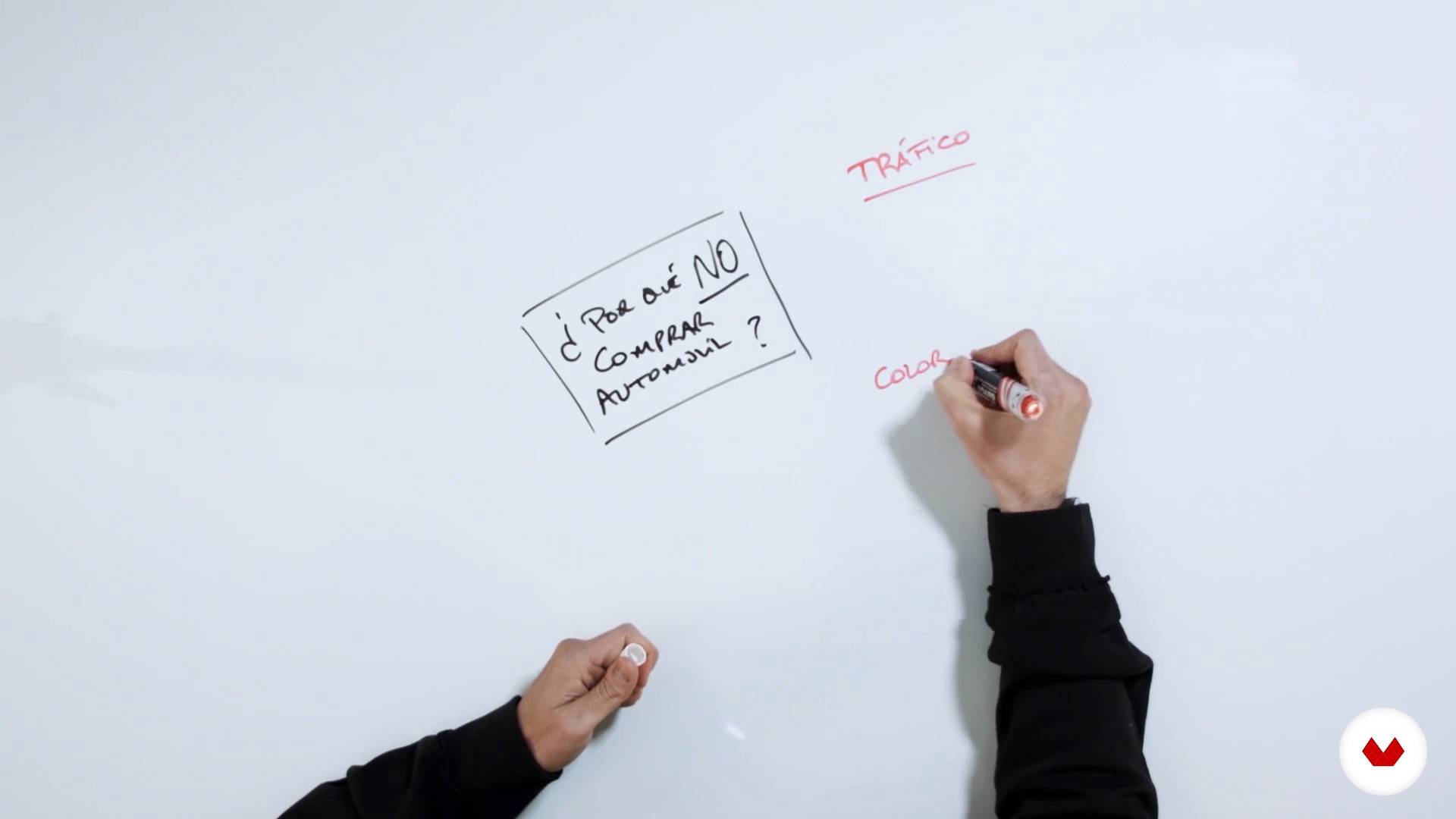
19Problems of brands and problems that surround us
Is this method used to fix problems and for the brand I work for? Yes, find out in this lesson.
6m
 20
20Problem selection
Once we have broken down our big problem, it is time to select the most important, those with whom you identify with, and then compare them with your work team.
1m
 21
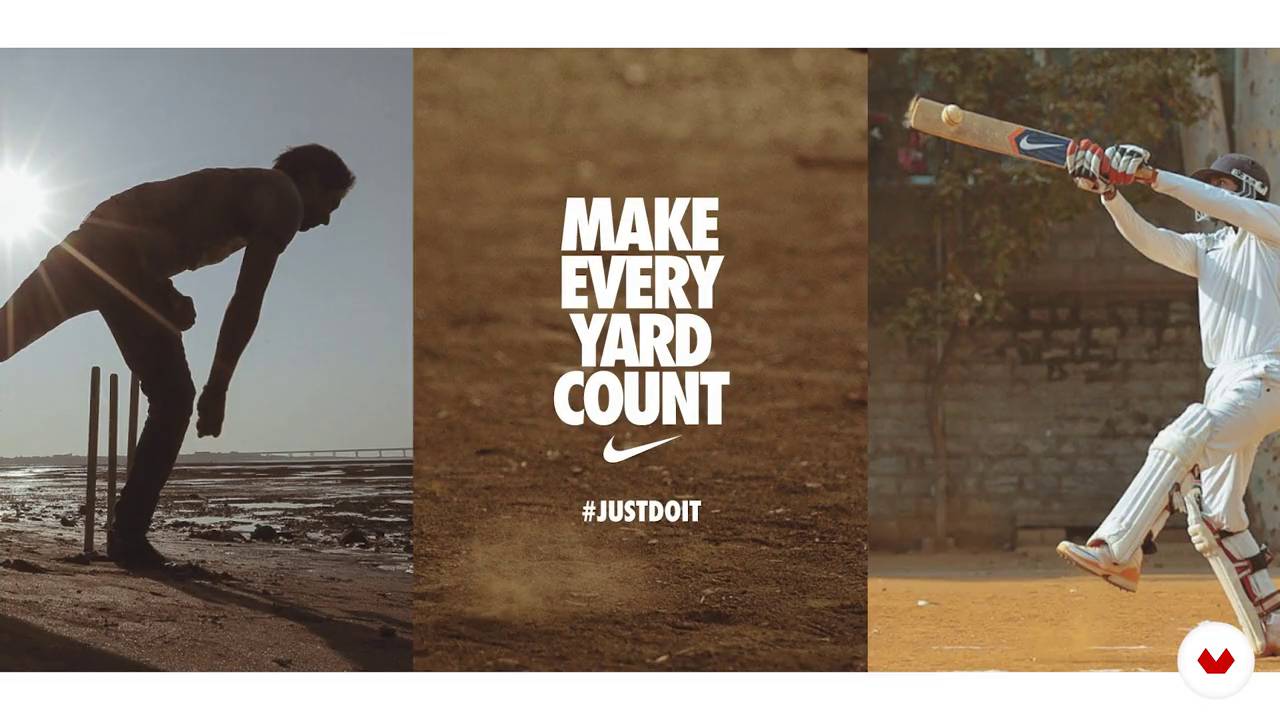
21Ideas, stories, concepts, formats and executions
I'll tell you what advertising concepts are, the difference between ideas and formats, and what is an execution.
8m
 22
22Some good stories with technology and storytelling
I will show you some examples of students who have already used the method we are learning in this course to generate stories.
8m
 23
23Transform your story into an idea
Here I am going to tell you the difference between history and idea, and how to use the first to obtain the second.
5m
 24
24Creation and presentation of an idea to improve your city
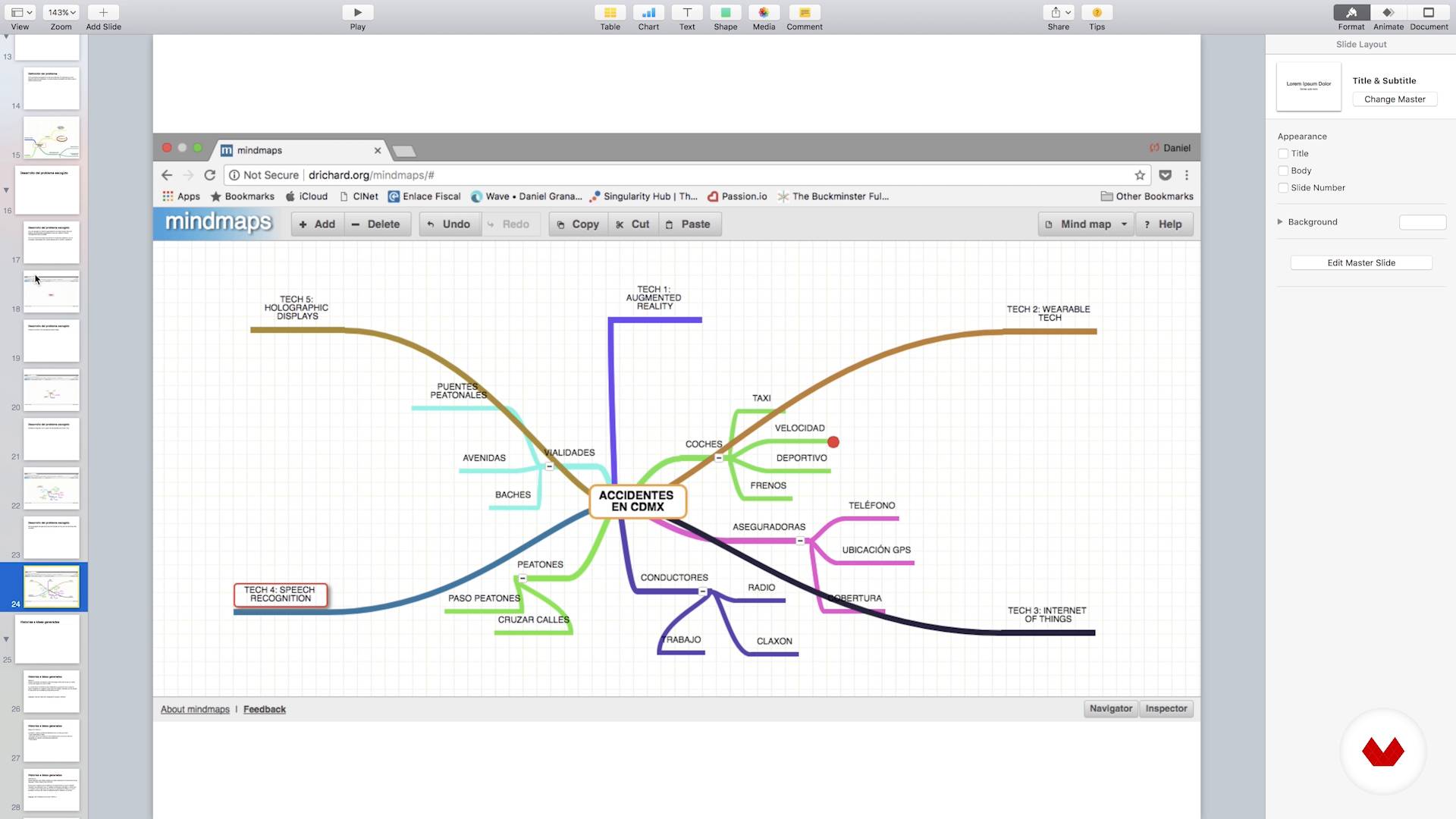
What we think are problems of the place we live in are often actually symptoms of deeper problems, worthy of being studied and revised to find a true solution and not a purely cosmetic one. As a final project of this course, we will first detect what are the problems that surround us and, later, we will look for solutions for each of them, applying the techniques learned.
12m
 25
25Example of creating an idea for the city in which I live
Finally, I will show you what I discovered about my city and some solutions for it.
20m
What is this course's project?
Students will create a personal project combining concept, form, and message, transforming abstract ideas into concrete expressions. By exploring the intersection of storytelling, technology, and creativity, they will design an innovative narrative or digital proposal, reflecting their unique vision.
Who is this specialization for?
Aspiring artists, creatives, and innovators seeking to transform their inspiration into a professional path will benefit from this specialization. Ideal for those eager to explore their inner potential, generate unique ideas, and strategically develop a creative career.
Requirements and materials
No extensive prior knowledge is necessary, just a curious mind. Basic necessities include a notebook for exercises, access to a computer with internet, and a few creative materials like pencils or art supplies to explore your creativity.
Reviews
- gerard_lzPLUS3 months ago
Recomendado, buenos contenidos.
- 3 months ago
I can say that this course is veri informative and inspiring for me
- 4 months ago
ok
Select to get to know your teachers in this specialization course


What to expect from this specialization course
Learn at your own pace
Enjoy learning from home without a set schedule and with an easy-to-follow method. You set your own pace.
Learn from the best professionals
Learn valuable methods and techniques explained by top experts in the creative sector.
Meet expert teachers
Each expert teaches what they do best, with clear guidelines, true passion, and professional insight in every lesson.
Certificates
PLUSIf you're a Plus member, get a custom certificate for every specialization course. Share it on your portfolio, social media, or wherever you like.
Get front-row seats
Videos of the highest quality, so you don't miss a single detail. With unlimited access, you can watch them as many times as you need to perfect your technique.
Share knowledge and ideas
Ask questions, request feedback, or offer solutions. Share your learning experience with other students in the community who are as passionate about creativity as you are.
Connect with a global creative community
The community is home to millions of people from around the world who are curious and passionate about exploring and expressing their creativity.
Watch professionally produced courses
Domestika curates its teacher roster and produces every course in-house to ensure a high-quality online learning experience.
FAQs
Yes, this course is designed for beginners and welcomes anyone curious about art and creativity, regardless of previous experience or technical skills.
You’ll need a smartphone or camera for taking photos, basic drawing materials, and access to simple digital tools like Photoshop or free alternatives. Most exercises use everyday items and accessible resources.
You’ll learn observational techniques, how to find inspiration in your surroundings, combine photography and drawing, create and name personal projects, and share your creative work online or with media.
The course covers strategies for naming, packaging, and promoting your projects on social media and through media outreach, ensuring your work reaches and engages a broader audience.
Photo drawing involves drawing directly on photos to reinterpret or illustrate objects and scenes. The course teaches both analog and digital techniques for creating imaginative visuals by merging photography with illustration.
No advanced Photoshop skills are required. The course offers beginner-friendly instructions and alternatives for those new to digital editing.
Yes, the course guides you in creating and packaging personal projects suitable for your portfolio, social media, or even launching products on platforms like Kickstarter.