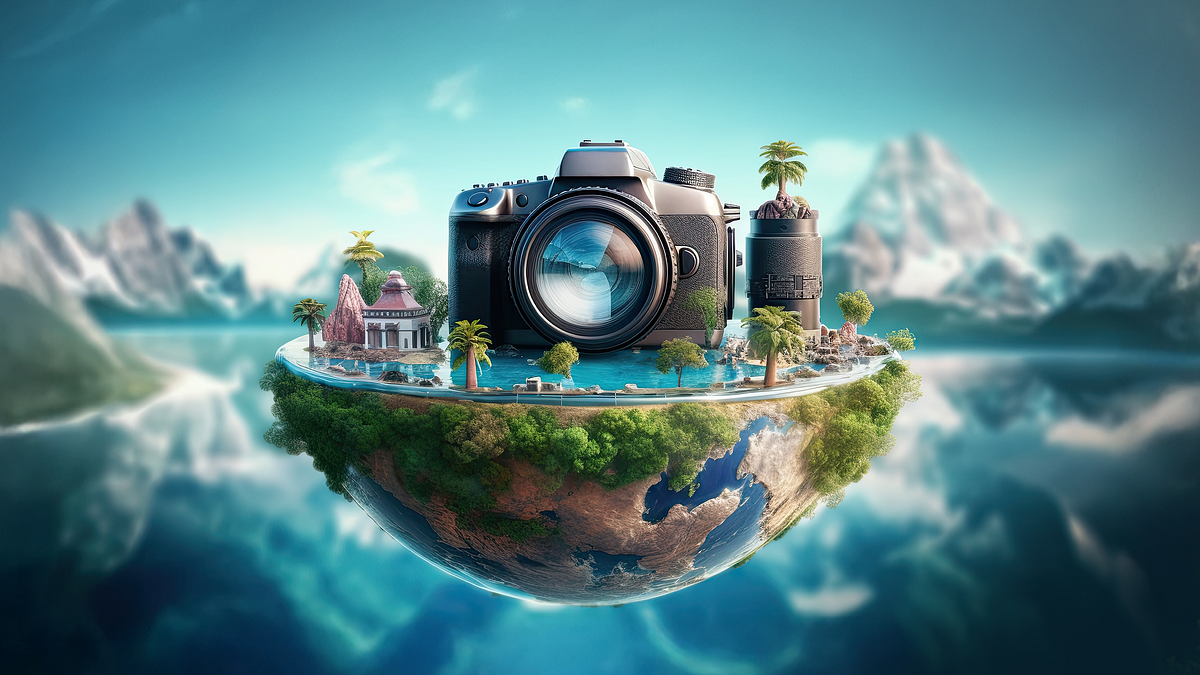

Explore smartphone travel photography techniques to capture stunning images and tell unique visual stories
Discover how to transform your travels into unforgettable photographic experiences with the Travel Photography specialization: Capturing the World Through Your Lens. Learn to capture the essence of each place, from breathtaking natural landscapes to vibrant urban life. Explore smartphone photography with Dan Tom, who will show you how to tell impactful visual stories with the device in your pocket. Nicolás Ferreyra will guide you through the fundamentals of travel photography, highlighting the importance of planning and strategy for achieving spontaneous, high-quality images.
Boost your creativity and social media composition skills with Derio Ilari, while Elaine Li teaches you how to capture the essence of cities with her focus on urban photography. Finally, Alvaro Valiente will guide you in mastering advanced techniques for capturing the beauty of natural landscapes. This specialization not only refines your technical skills but also prepares you to create a professional Instagram profile, developing a visual narrative that connects with global audiences and allows you to stand out in the tourism sector.
What will you learn in this specialization?
 1
1Introduction
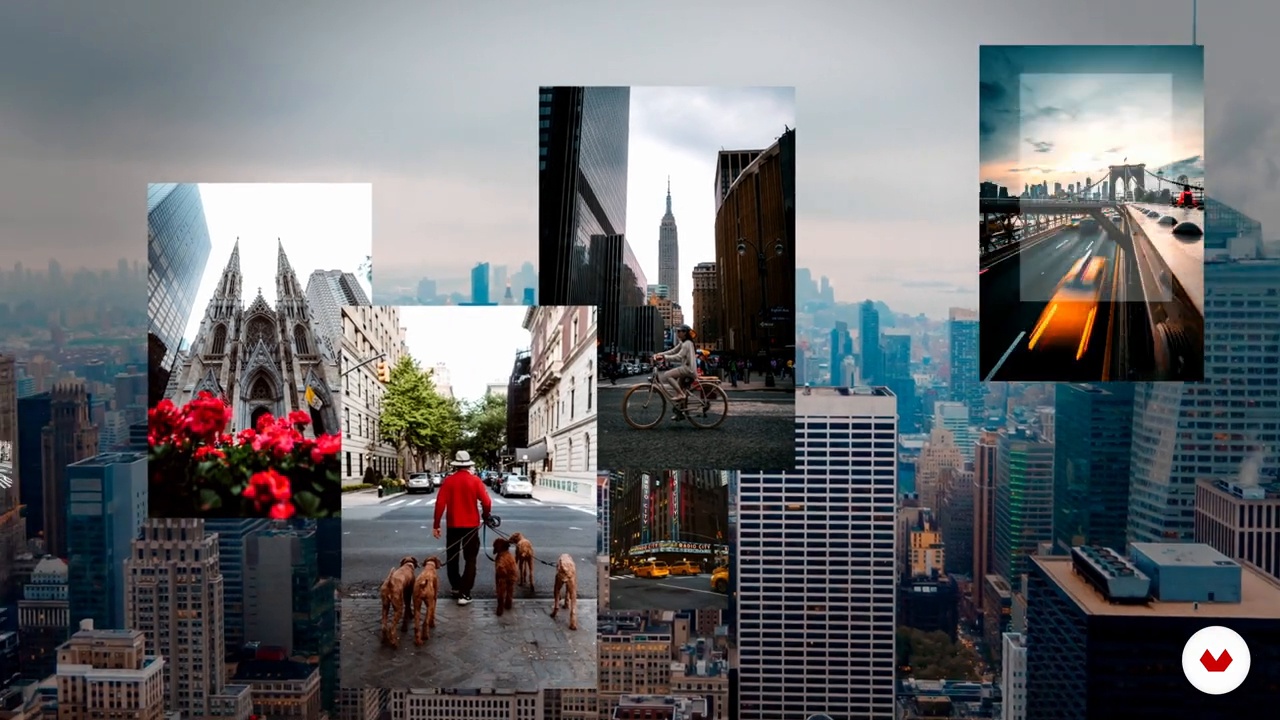
Travel photography has always been much more than capturing beautiful landscapes. In this first lesson, you'll discover how it combines art, emotion, and human connection across time and cultures. From the pioneers to today's visual storytellers, every image can spark curiosity, preserve memories, and inspire others to see the world with fresh eyes.
1m
 2
2Influences | Dan Tom
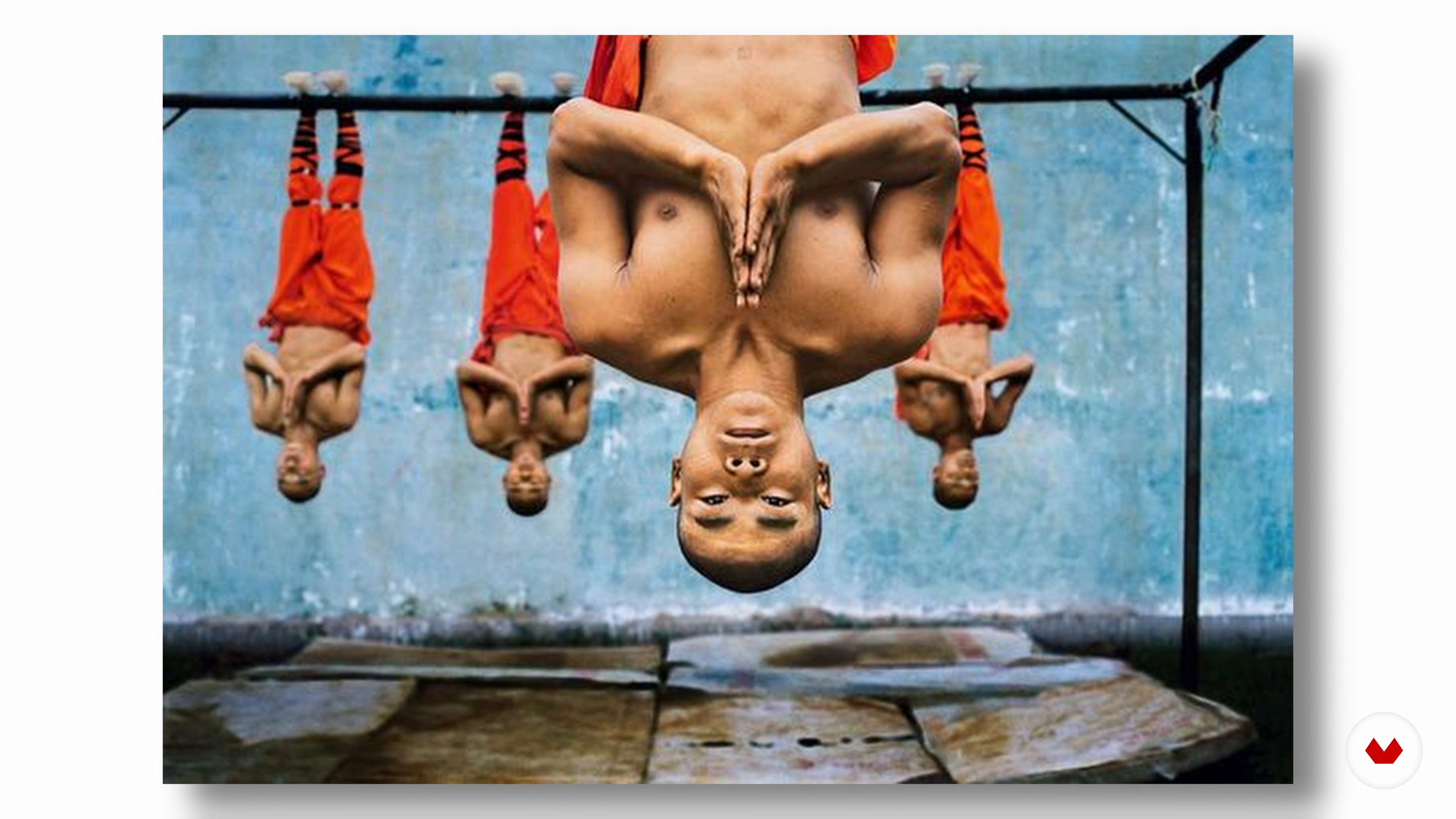
In this lesson, I'll show you some of the photographers that have greatly impacted my work.
6m
 3
3Influences | Nicolás Ferreyra
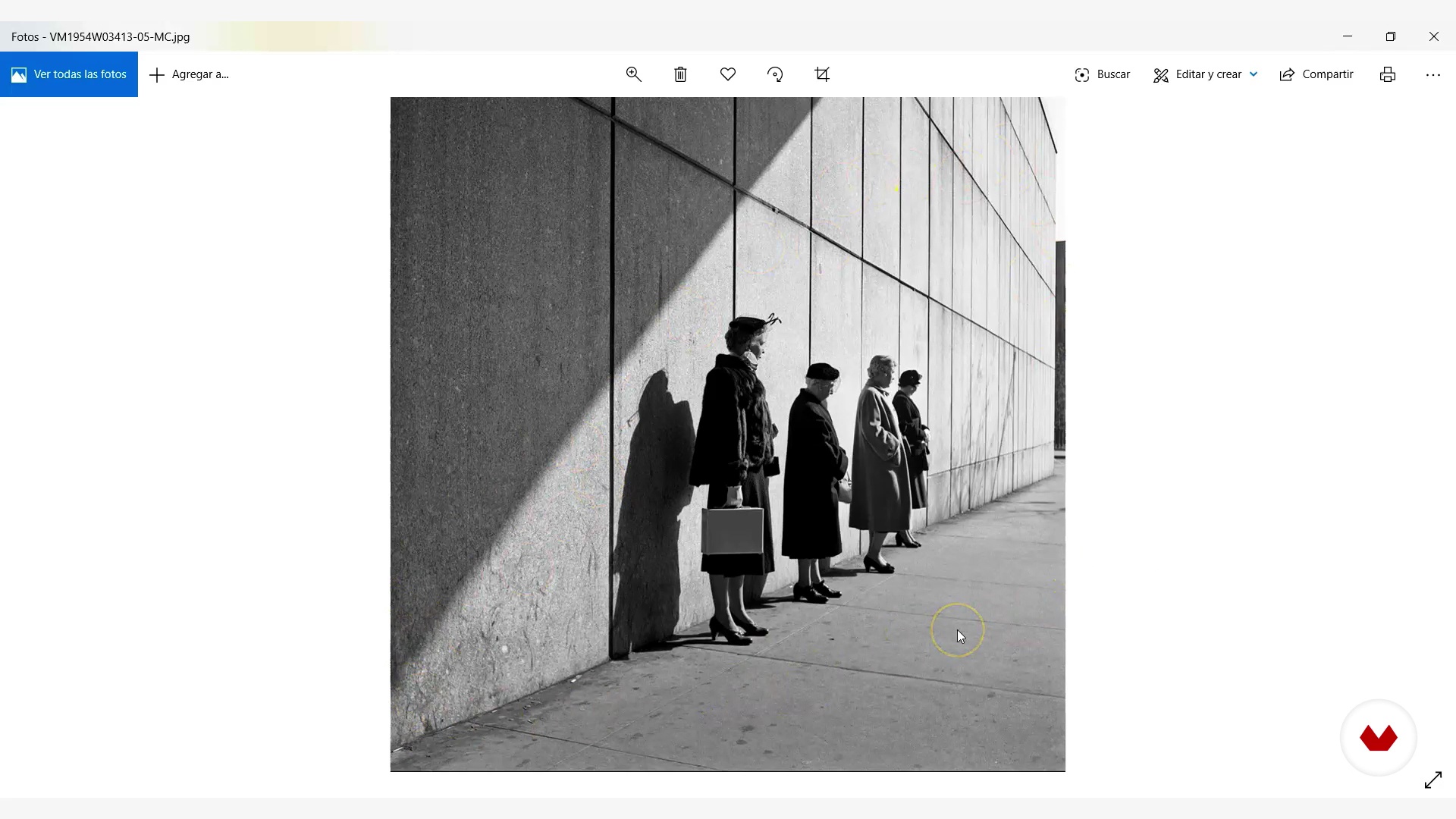
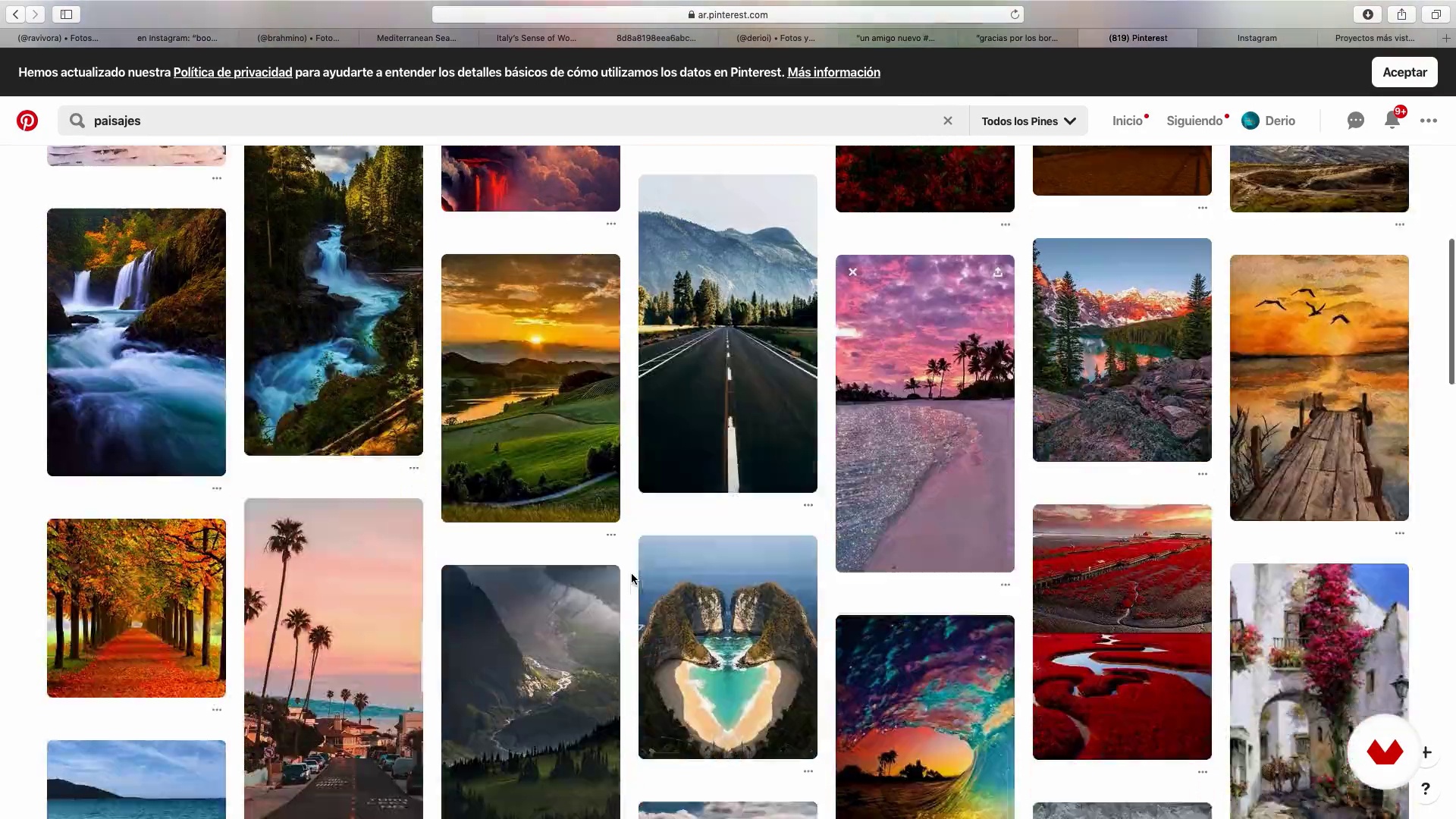
Over the years, everything we learn ends up influencing us in some way. So the influences when taking a photo are not just about seeing other photos, they can come from a song, a moment lived, family or have gone to a museum. Now I am going to share with you which artists have inspired me.
10m
 4
4Inspiration sources
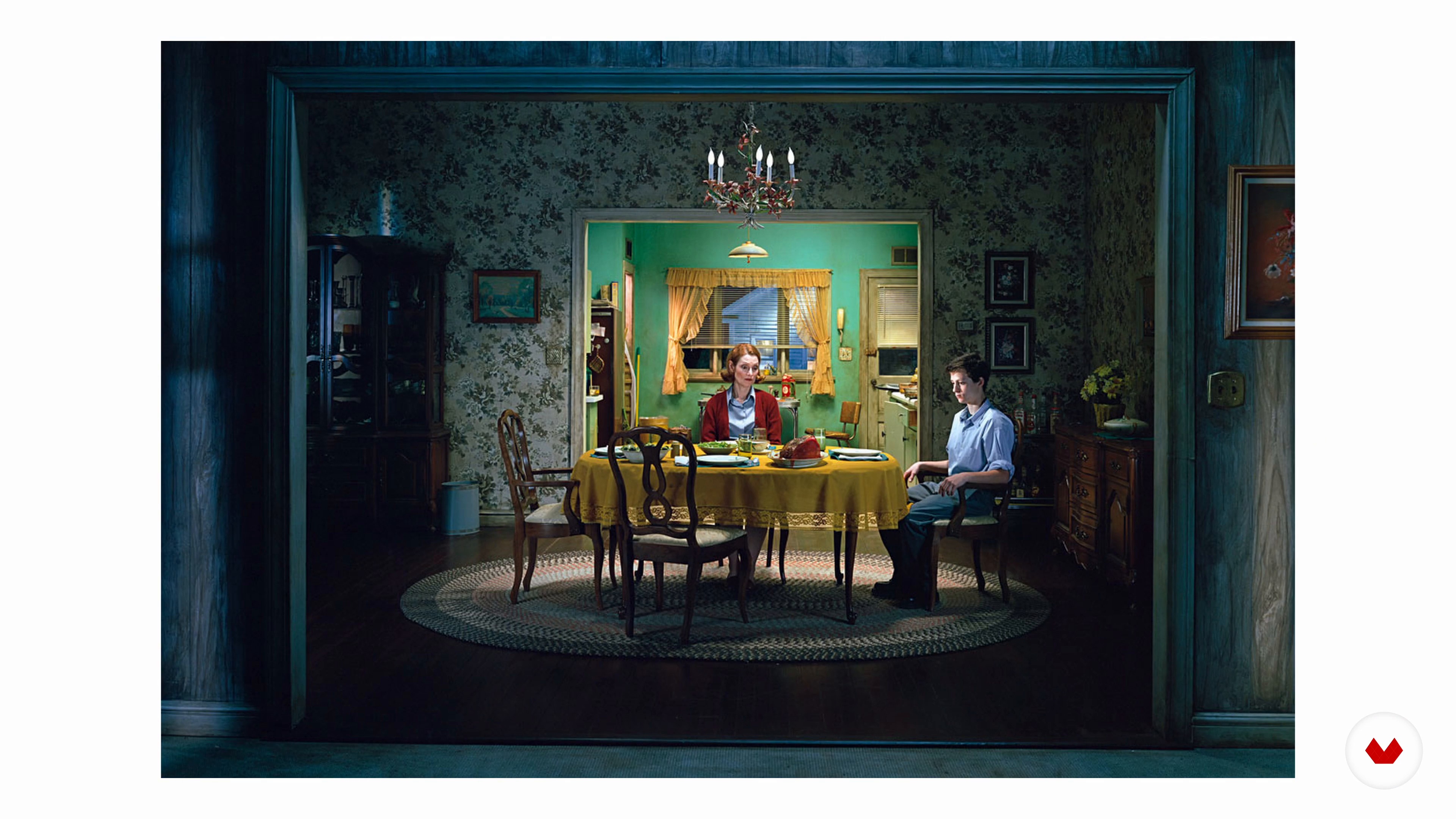
Although I have not followed specific artists, there are many photographs that aroused my desire to become a photographer, through them I could discover what was the style that most attracted me. I will show you those photos in which I found the challenge I needed to move to a professional level and we will see how to look for new inspirations.
9m
 5
5Influences | Elaine Li
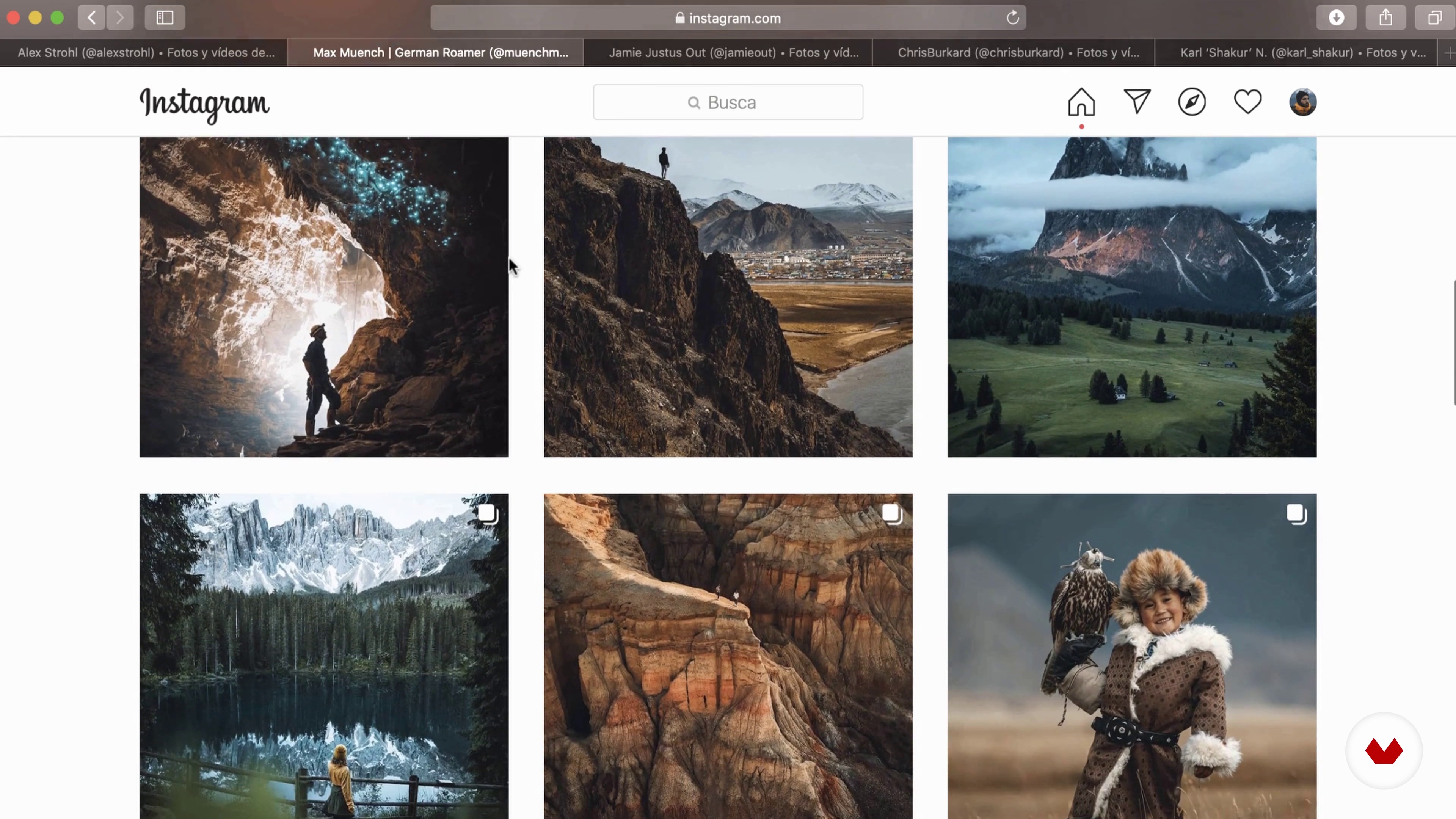
Now, I will introduce you to amazing photographers and directors who inspire me. I will also talk about how my culture and heritage influence the way I shoot.
5m
 6
6Influences | Alvaro Valiente
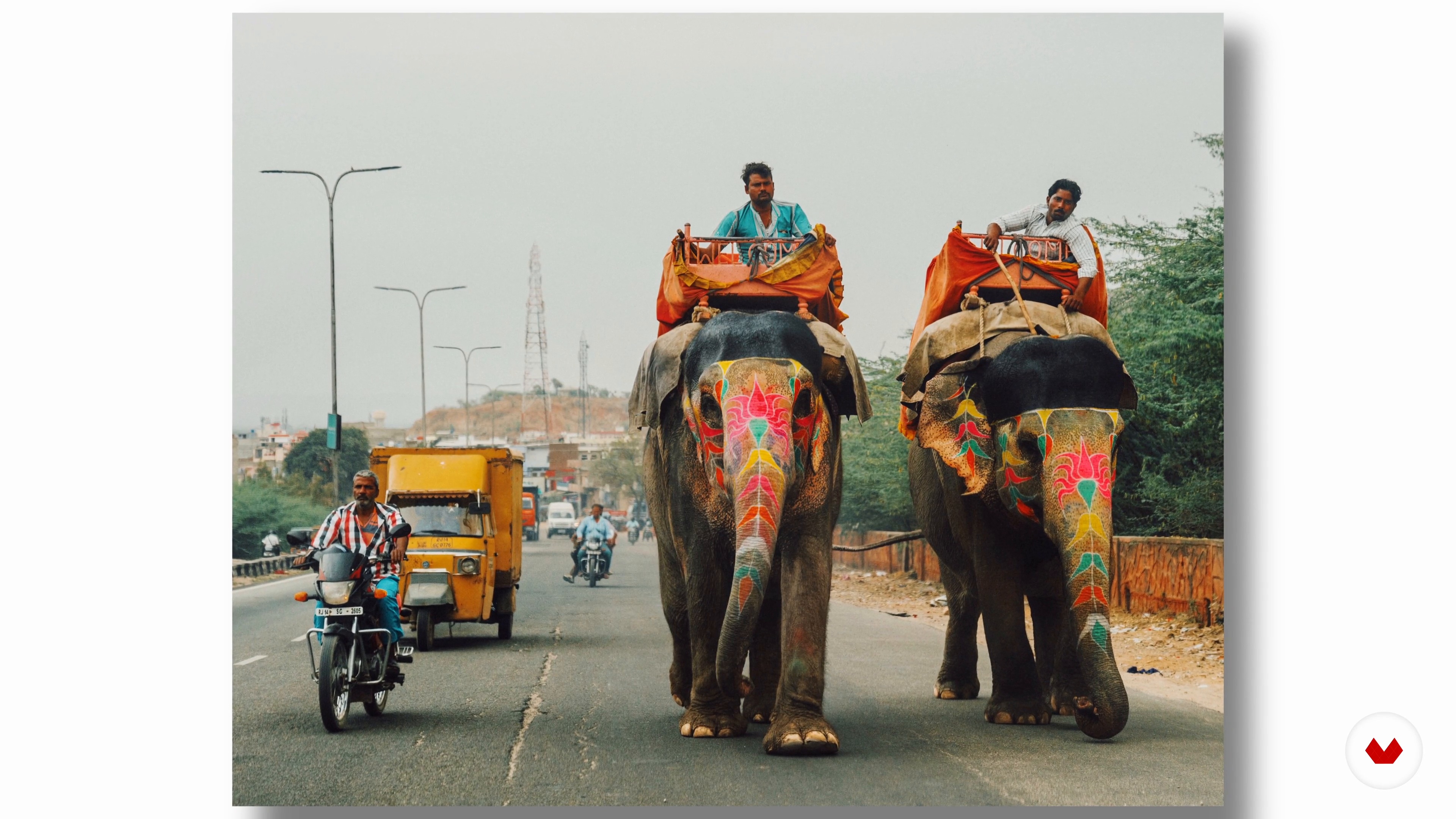
In this lesson, I'll tell you about what inspires me! Sometimes I feel like I have a photo overdose because I literally spend my day looking at photos of other artists, which, in addition to inspiring me, train my eyes. A very important aspect in photography is to be critical, and by this I mean analyzing all aspects of the photos that we see in order to learn from it and be able to assess it according to acquired or learned criteria.
4m
 3
3Travel Photography
Discover my approach to travel photography and the advantages your mobile camera has over a more expensive camera.
9m
 4
4Making the Plan
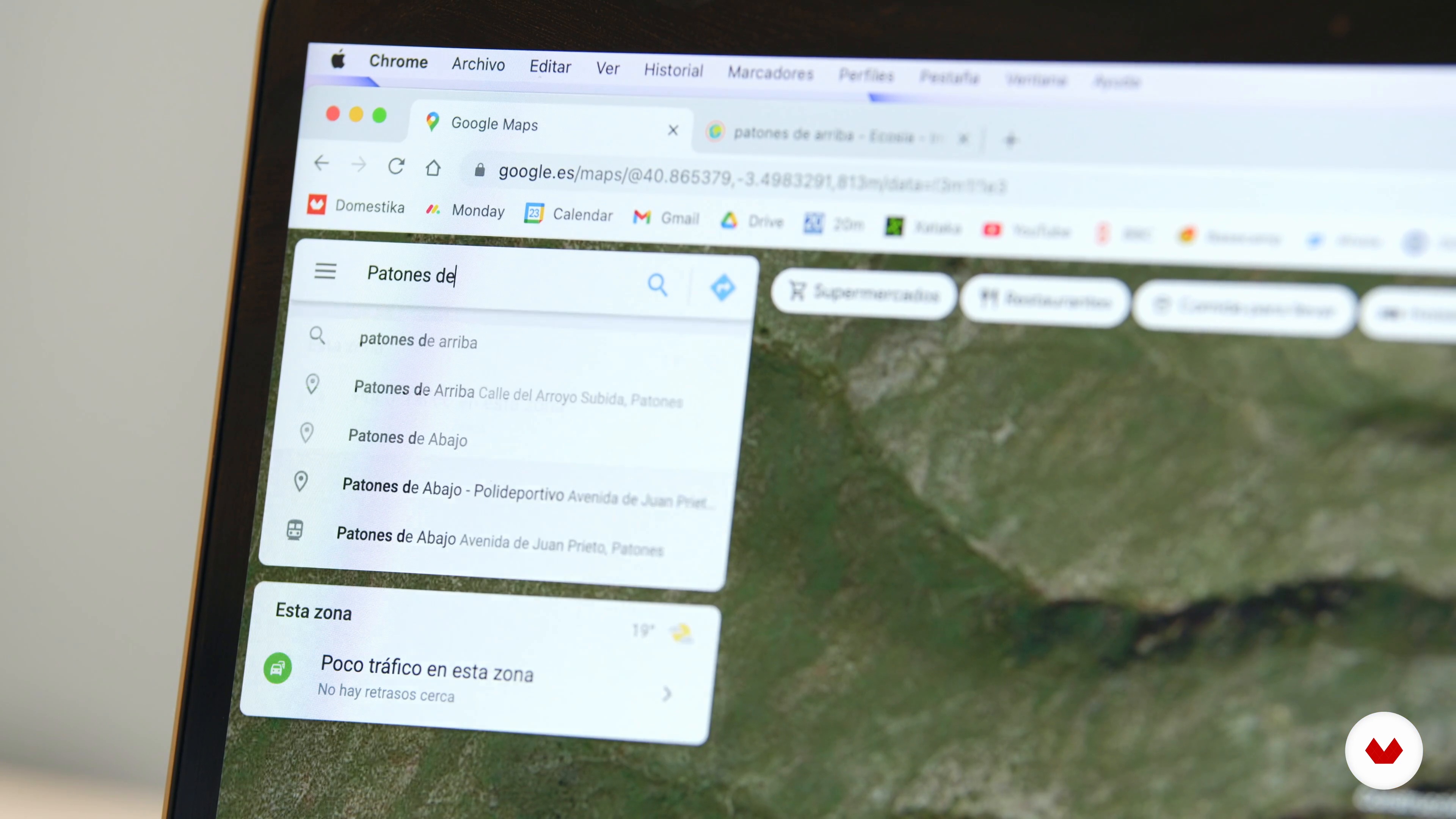
There are many ways of traveling. Some people like traveling in groups, and some like traveling by themselves. It's really up to you. In this lesson, I'll share with you how I plan for a trip.
8m
 5
5Getting Ready
Before starting a trip, there are things I always want to do. Let me show you my final to-do checklist before going out to shoot.
9m
 6
6The Composition
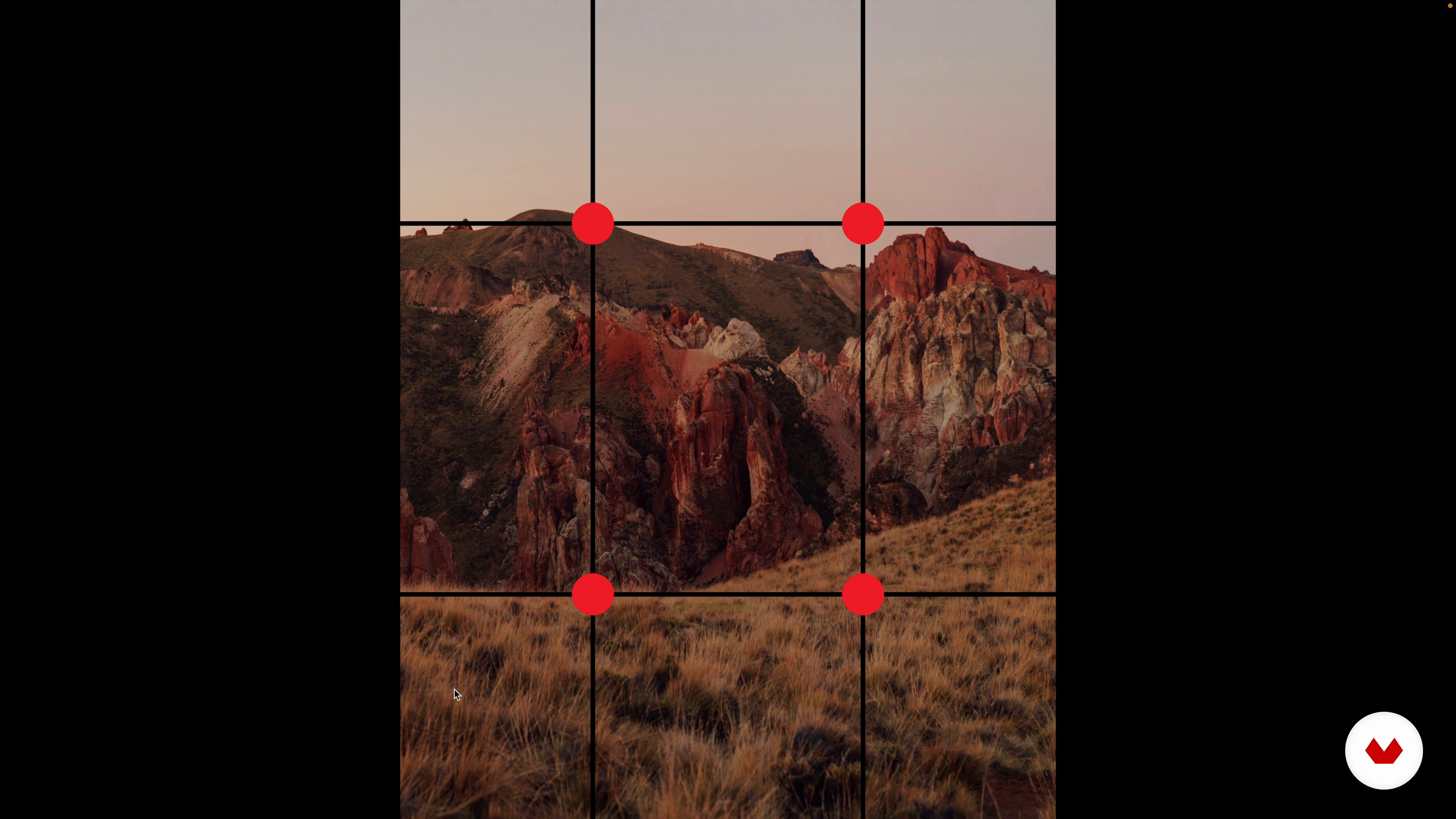
Composition is how a photographer tells a story within the confines of a single frame. In this lesson, I'll teach you how to create a photo with great composition.
17m
 7
7Understanding the Light
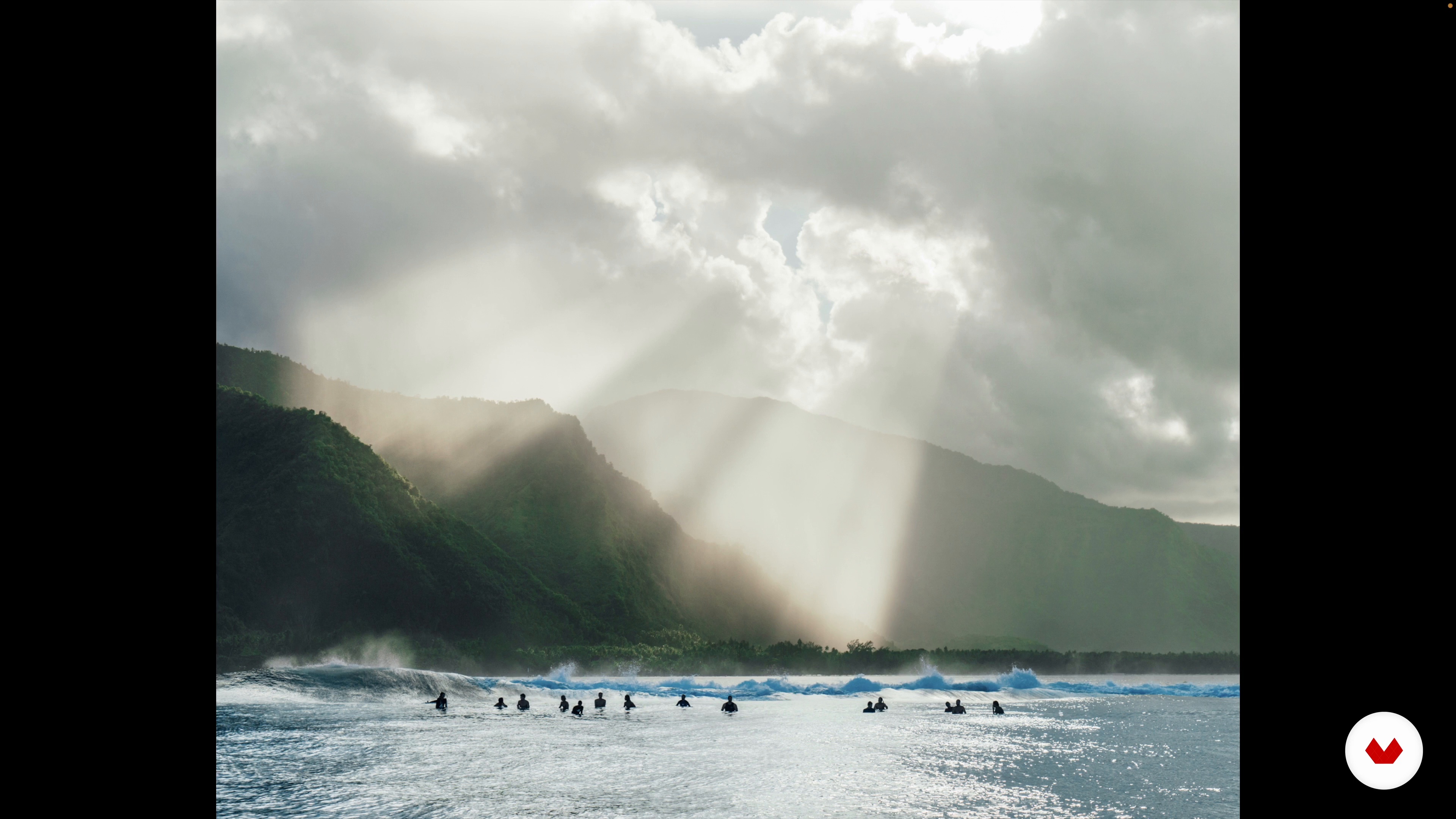
Light is the single most fundamental element when taking a successful photo. Light determines the brightness, colors, and darkness but also conveys mood and atmosphere. Here, I'll teach you why light is the key component to creating a successful photo.
9m
 8
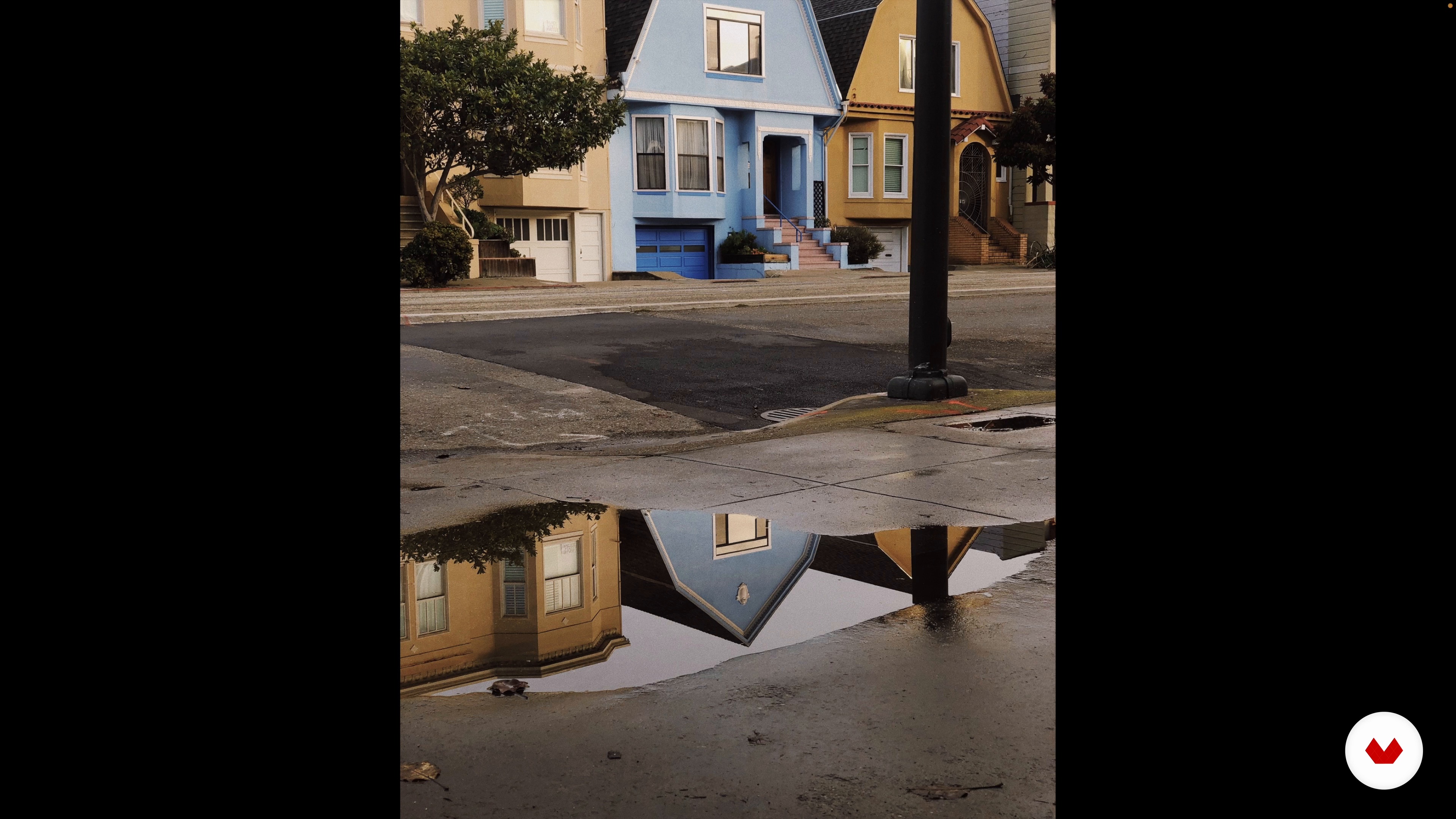
8Creative Ways to Photograph
During this lesson, I'll teach you how to discover easy creative ways to capture your next photo.
14m
 9
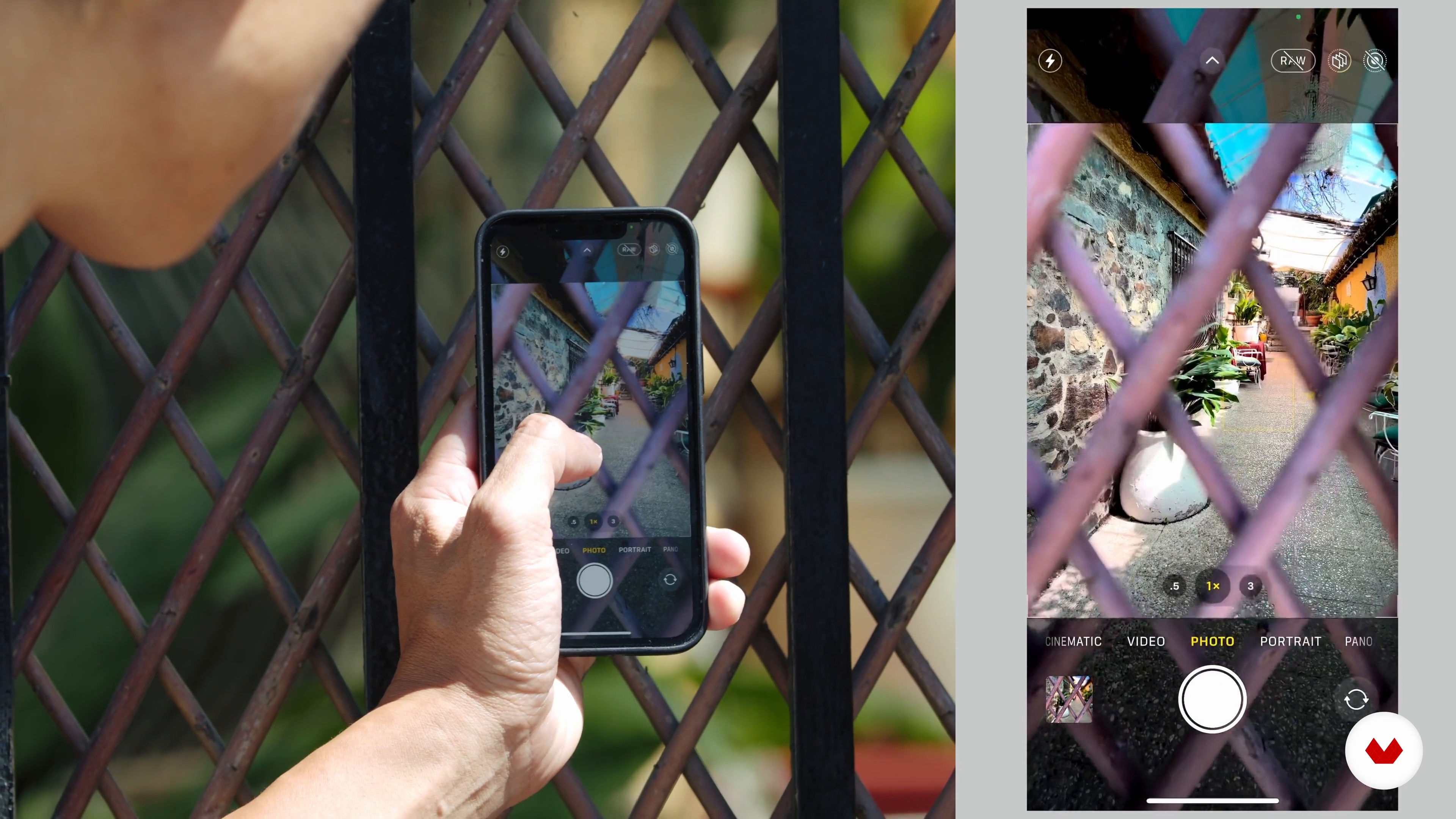
9Photographing with a Phone
The only thing you will need for this workshop: is your phone.
7m
 10
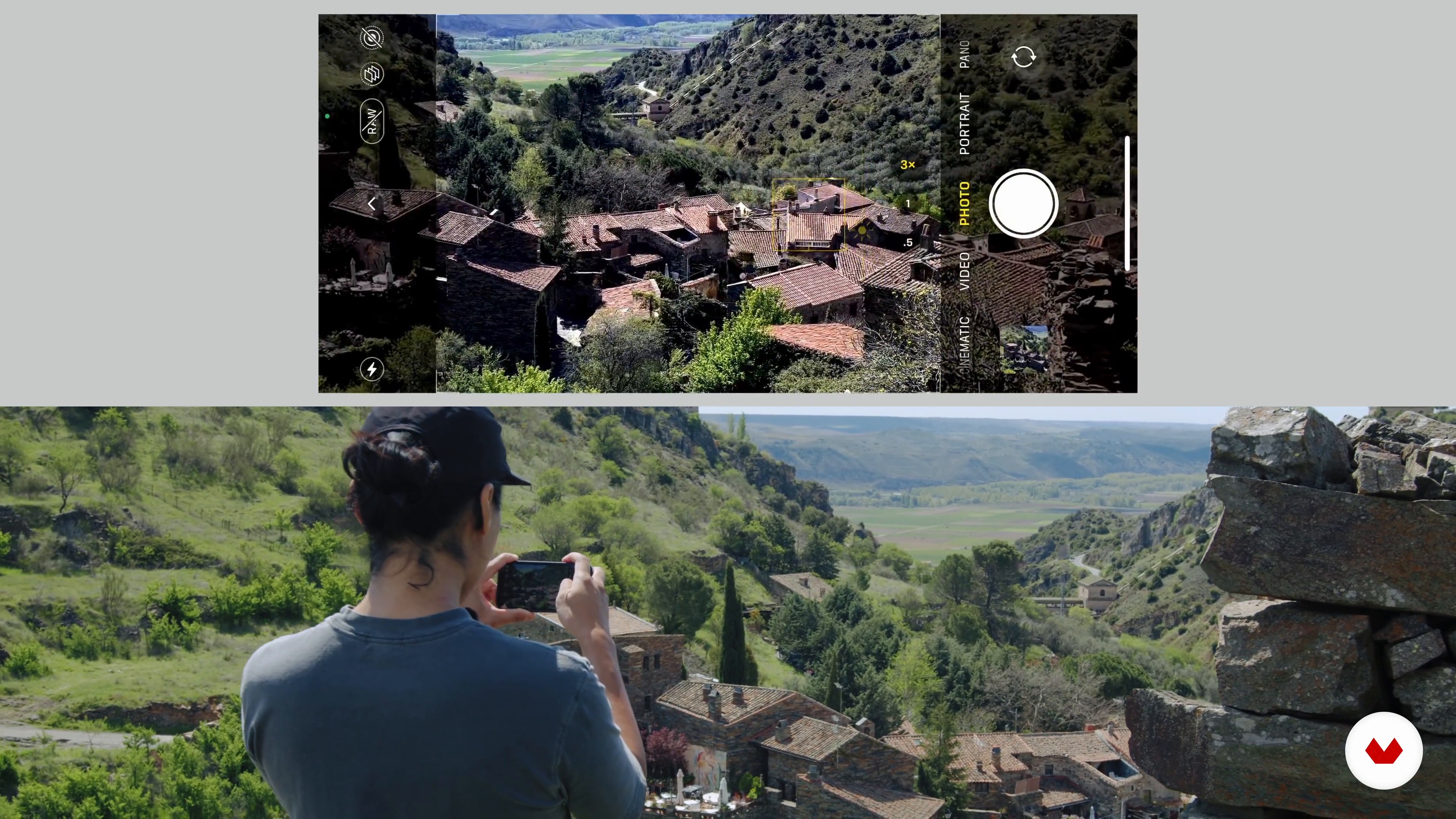
10Photographing a Landscape
When shooting a landscape it takes a little bit of planning. It's probably the least spontaneous shot. During this lesson. I'll share with you my approach and tips for shooting a landscape photo with your iPhone.
8m
 11
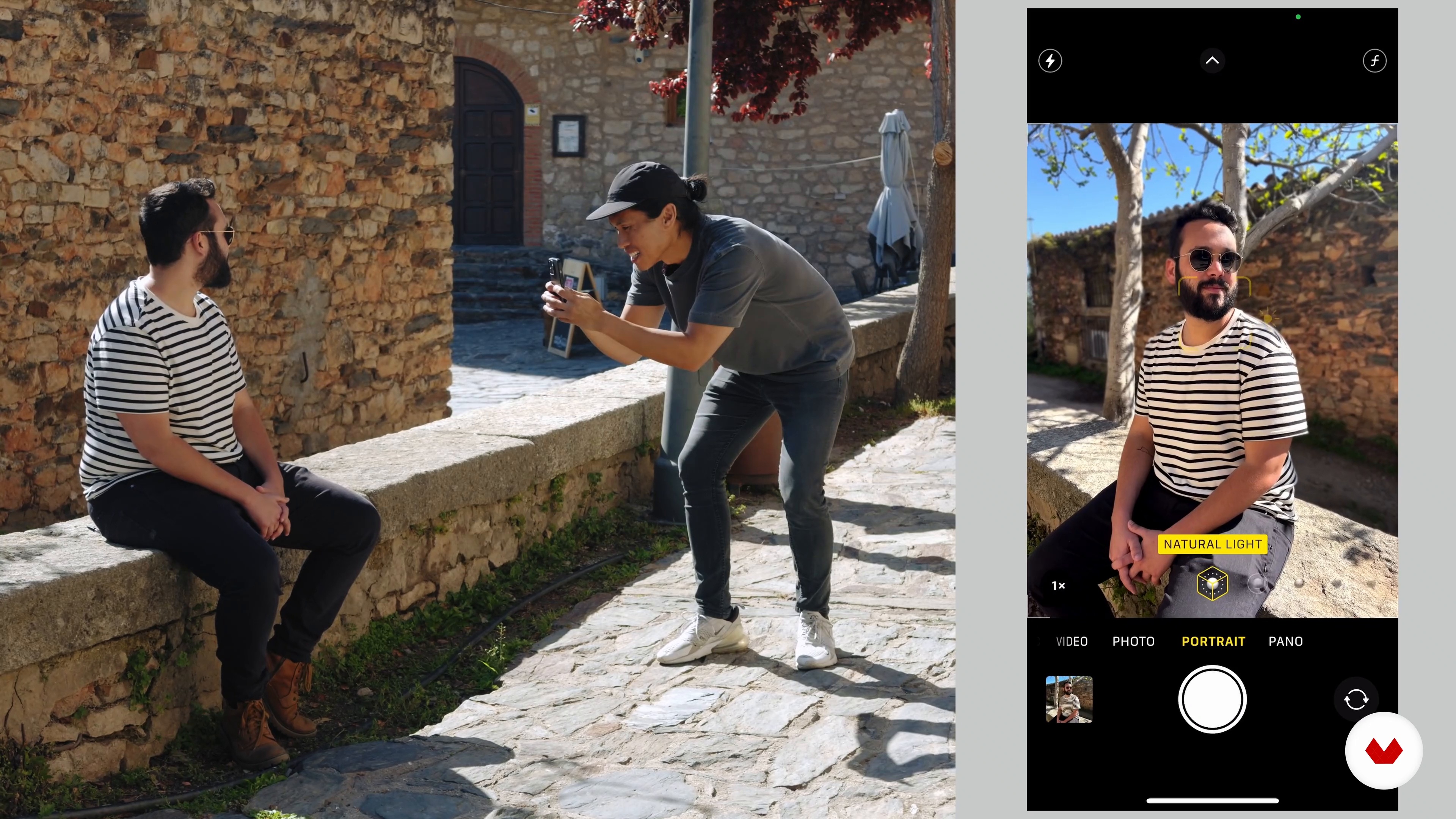
11Photographing a Portrait
Here I'll share with you my approach and tips for shooting a portrait of a stranger with a phone.
5m
 12
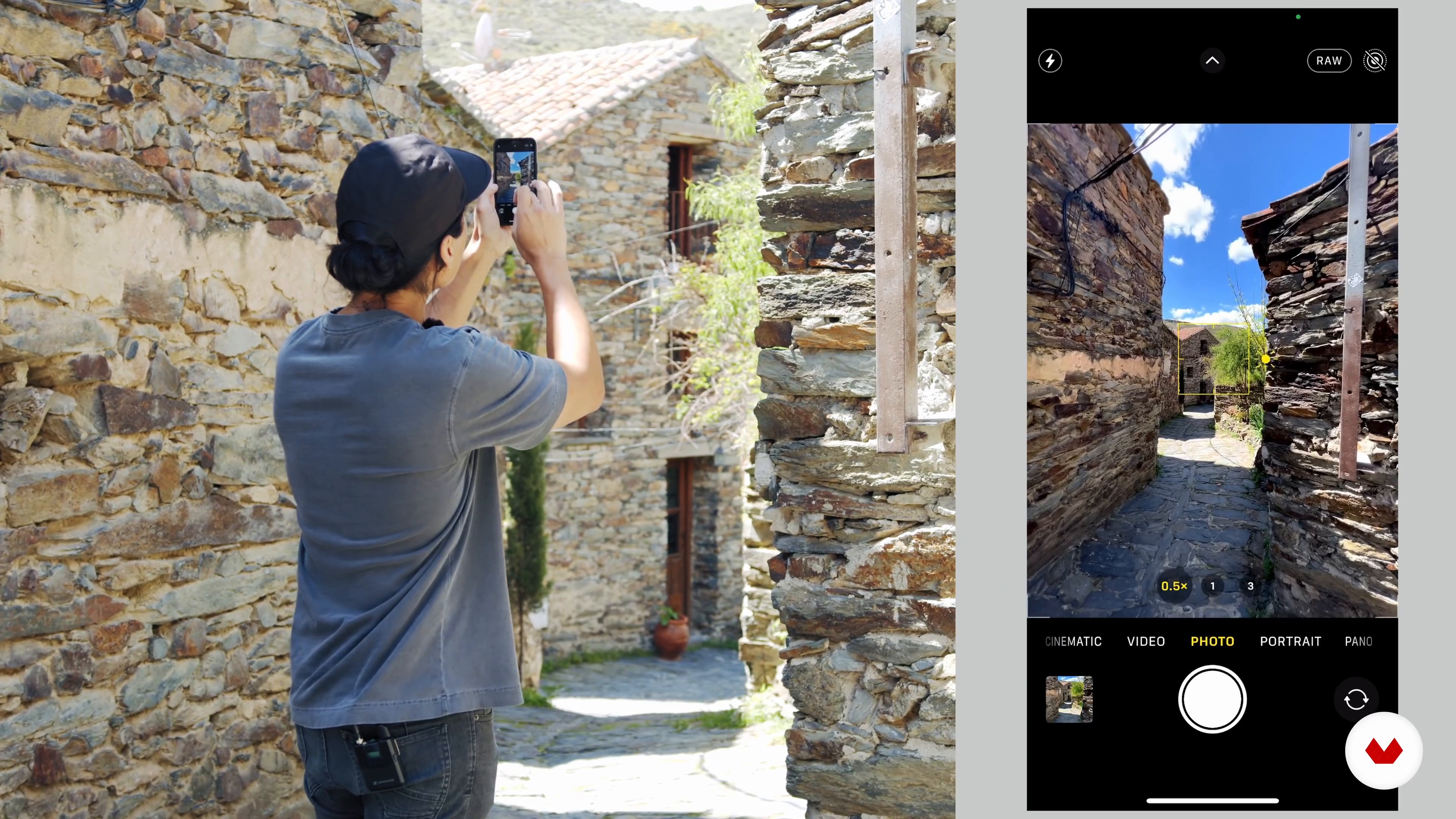
12Capturing That Special Something
Now you'll learn how to capture the essence of a place by paying attention to the details.
12m
 13
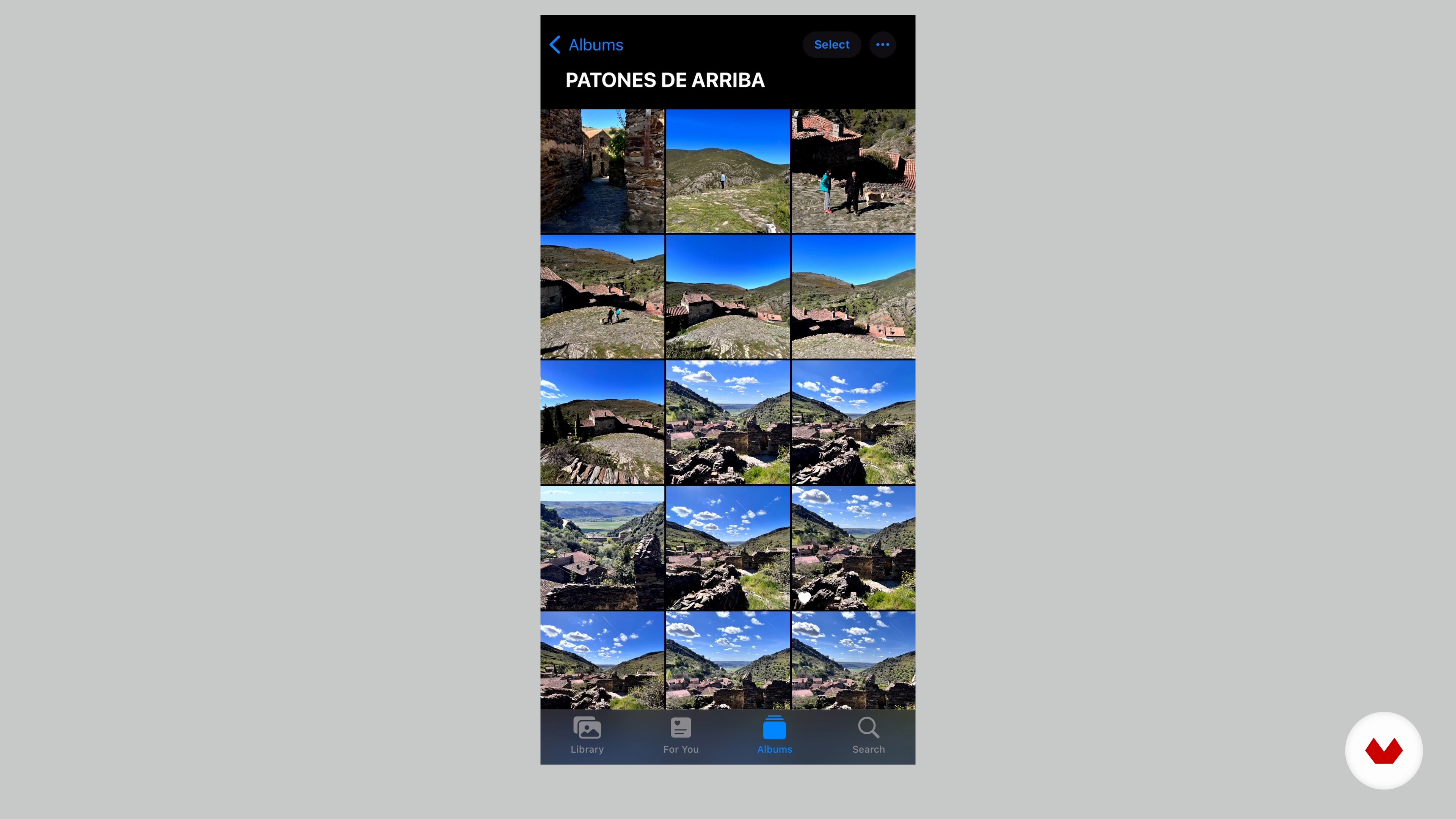
13Curating
Have you ever wondered how to create a great story with photos? Here I'll teach you how to curate your story.
15m
 14
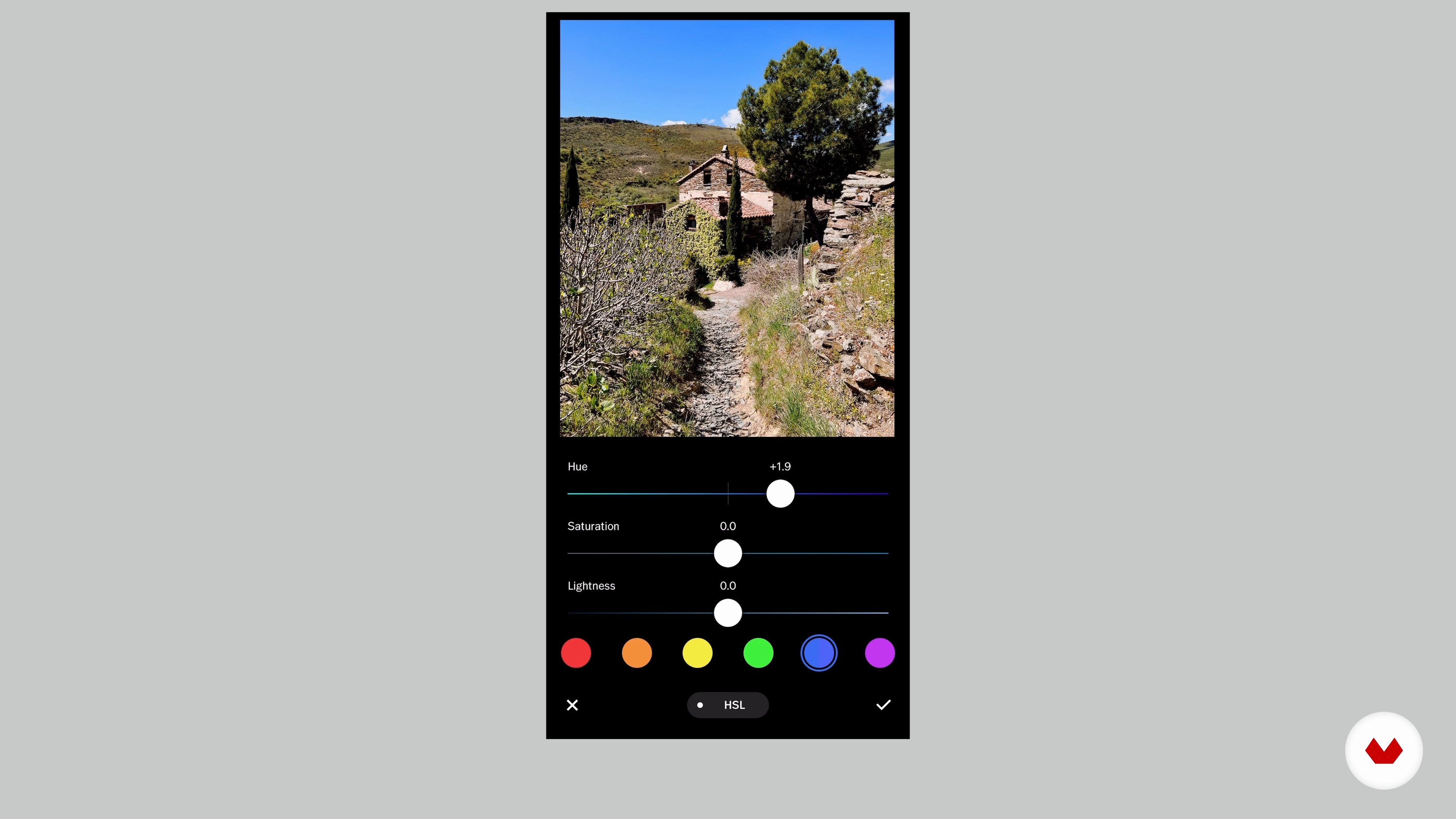
14Editing
Now you'll learn to edit the photos. I'll teach you how to do it with two apps for editing.
17m
 15
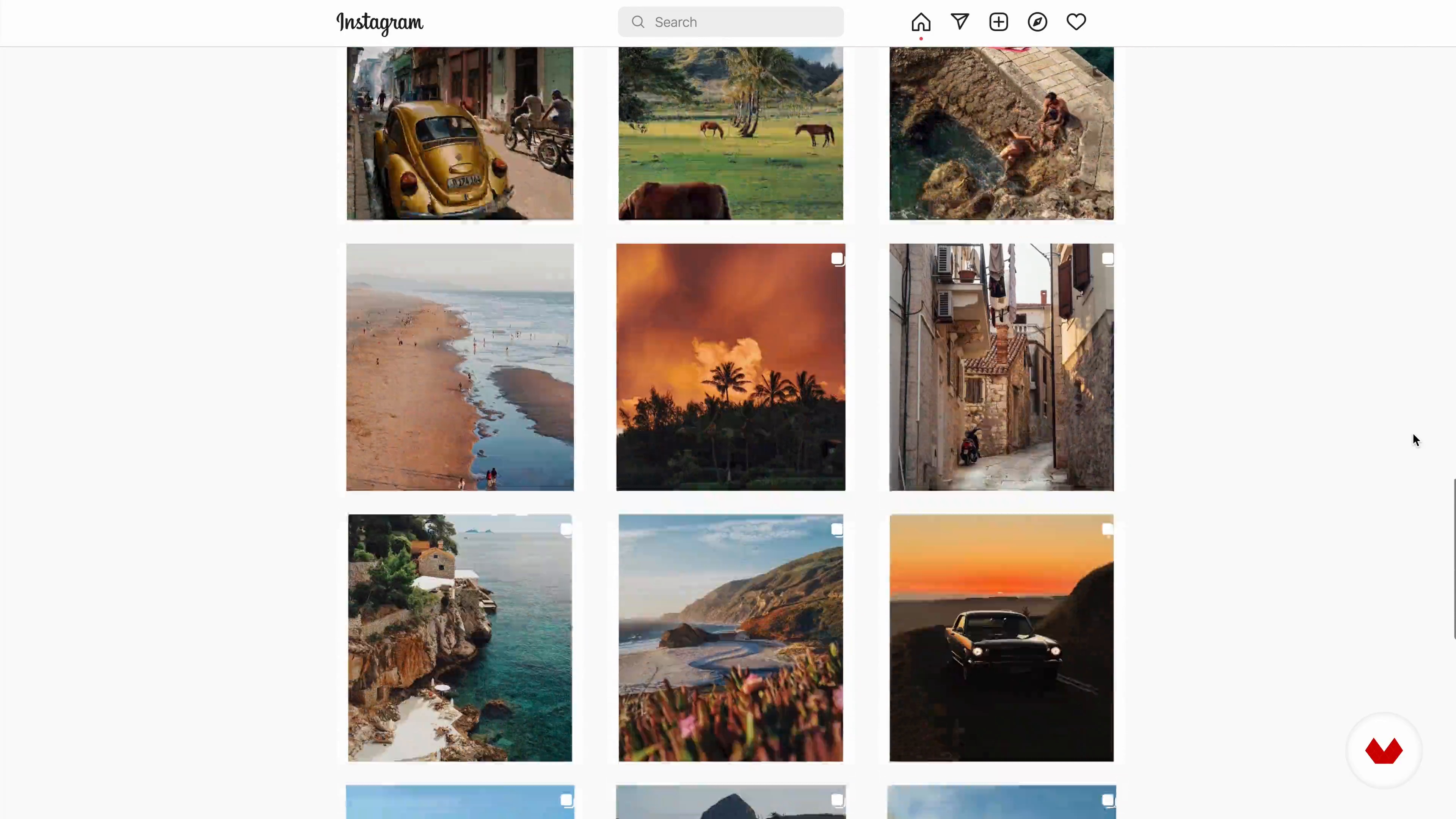
15Posting
Finally, you'll learn how to select the best images to tell a story. Besides, I'll teach you to make a great post for Instagram.
10m
 4
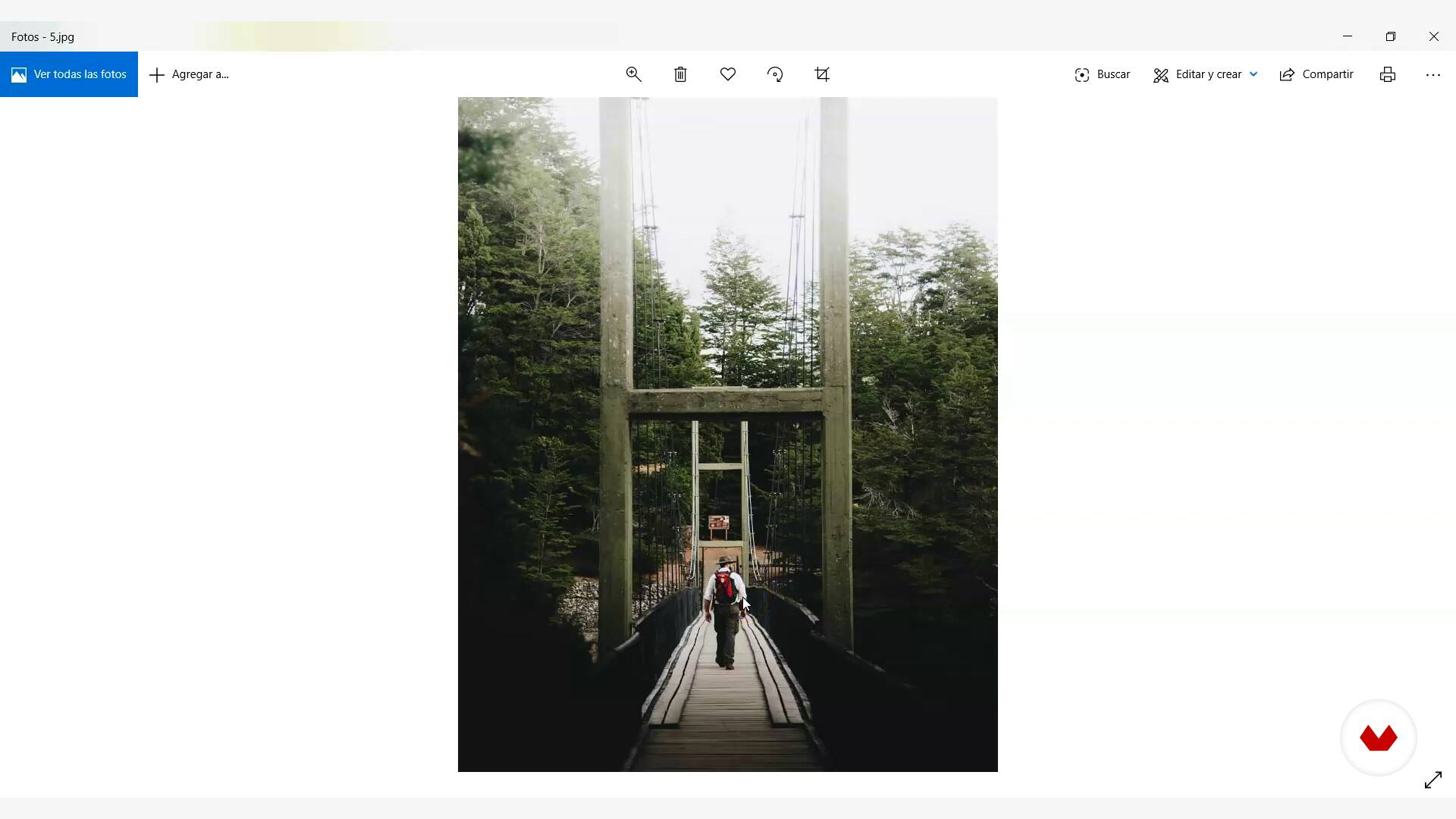
4Composition in landscape photography I
To capture a good photograph it is not only important to be in the right place at the right time, but also to know about composition techniques. That is why we will review different photographic composition techniques to keep in mind when photographing a landscape, be it urban, mountain, with or without people. We will see rules of thirds, symmetry, vanishing point, framing or framing, odd rule and organic element.
10m
 5
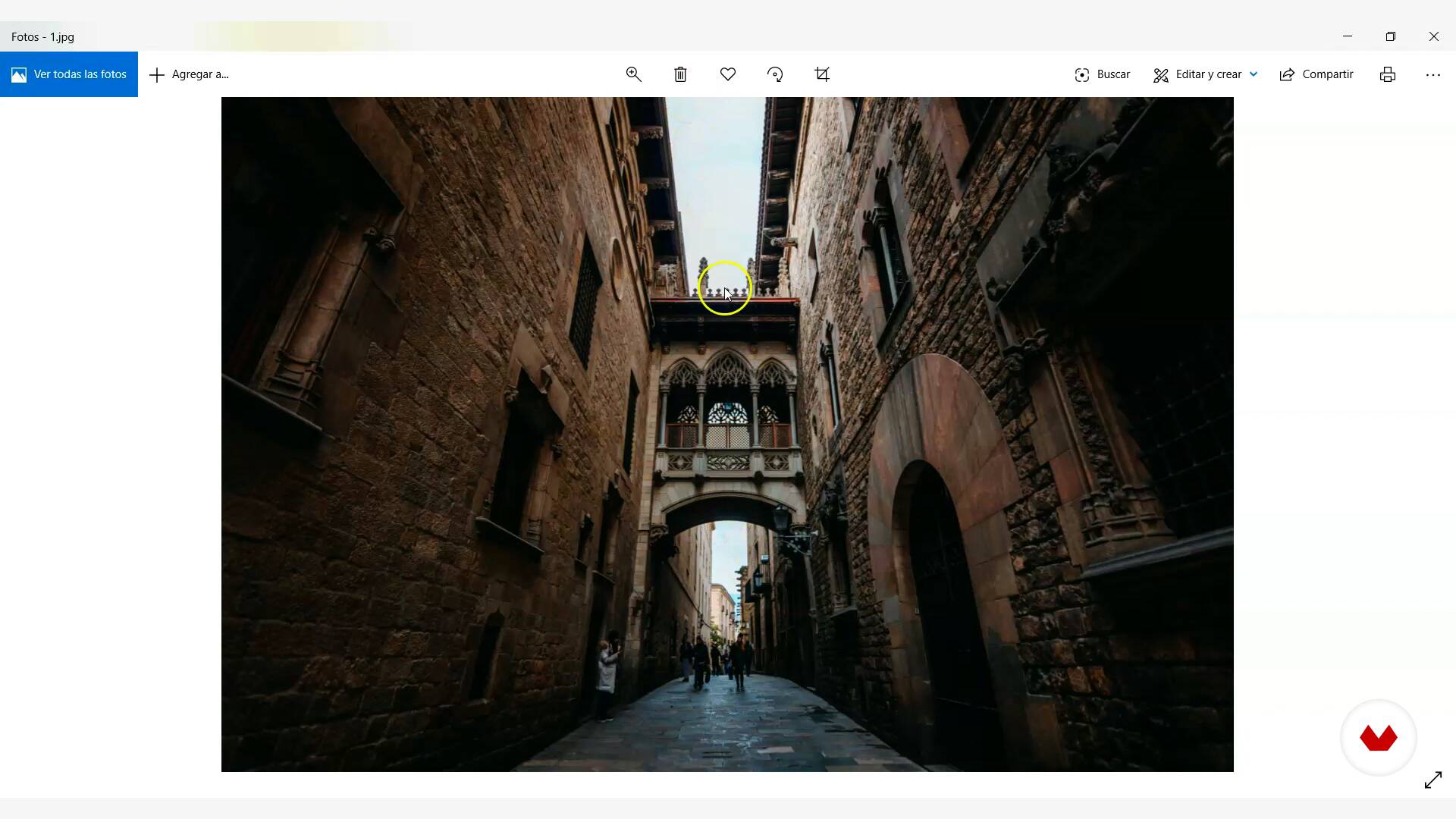
5Composition in landscape photography II
We continue to see the composition rules.
9m
 6
6Research and preparation
Each destination we visit is a new world and we must investigate what we are going to face, cultural aspects and customs, main attractions, transfers, schedules, etc. It is always good to get ahead of the situation and have advance planning. From places I traveled to, I will tell you how I put together the tour to obtain the shots I was looking for.
16m
 7
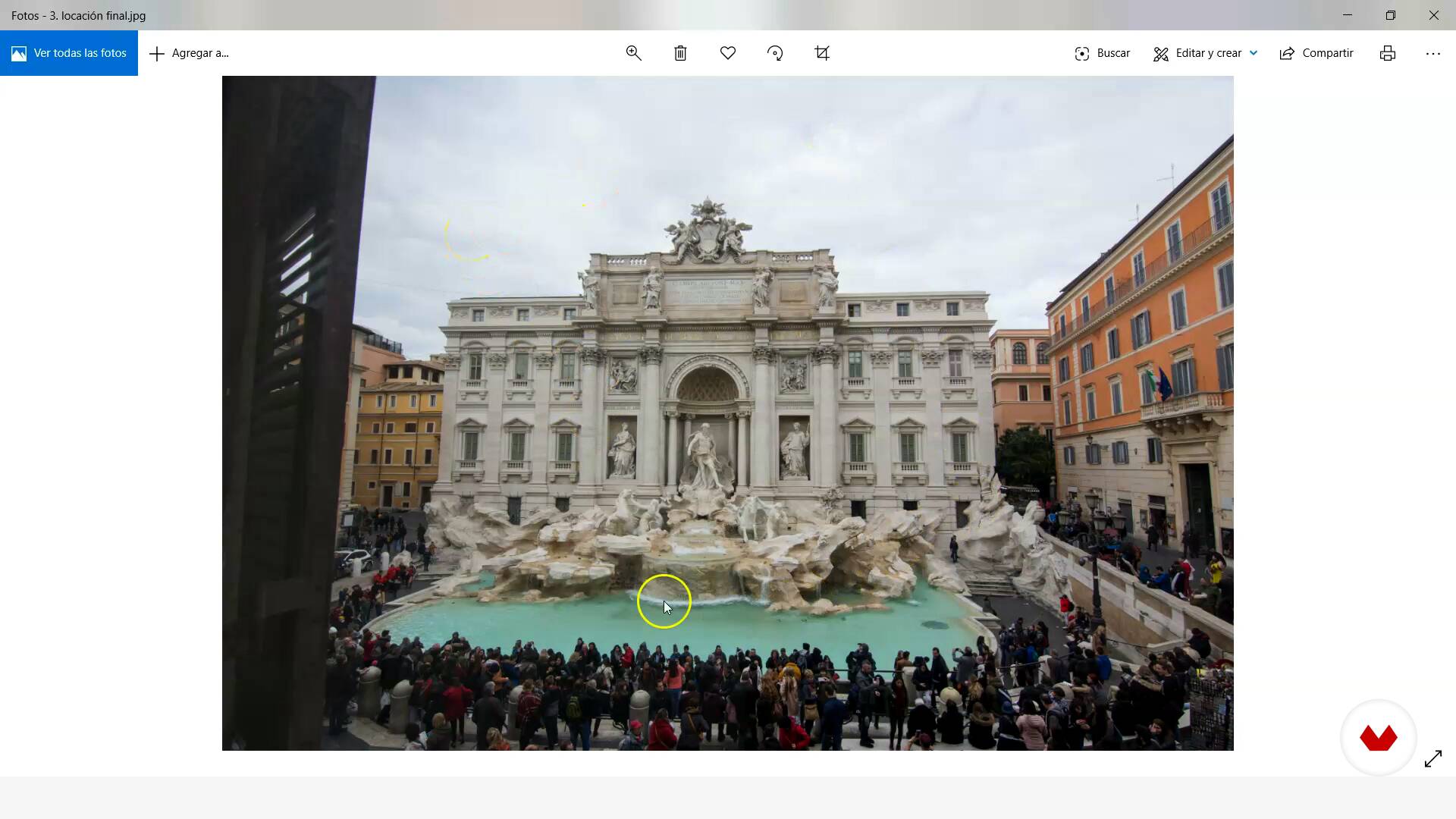
7Variable conditions
I left this space so that you can learn to capture images in low light conditions or with many people, which is usually common in busy destinations. I will show you how to turn the "bad situations" in your favor and that the photos never stop
5m
 8
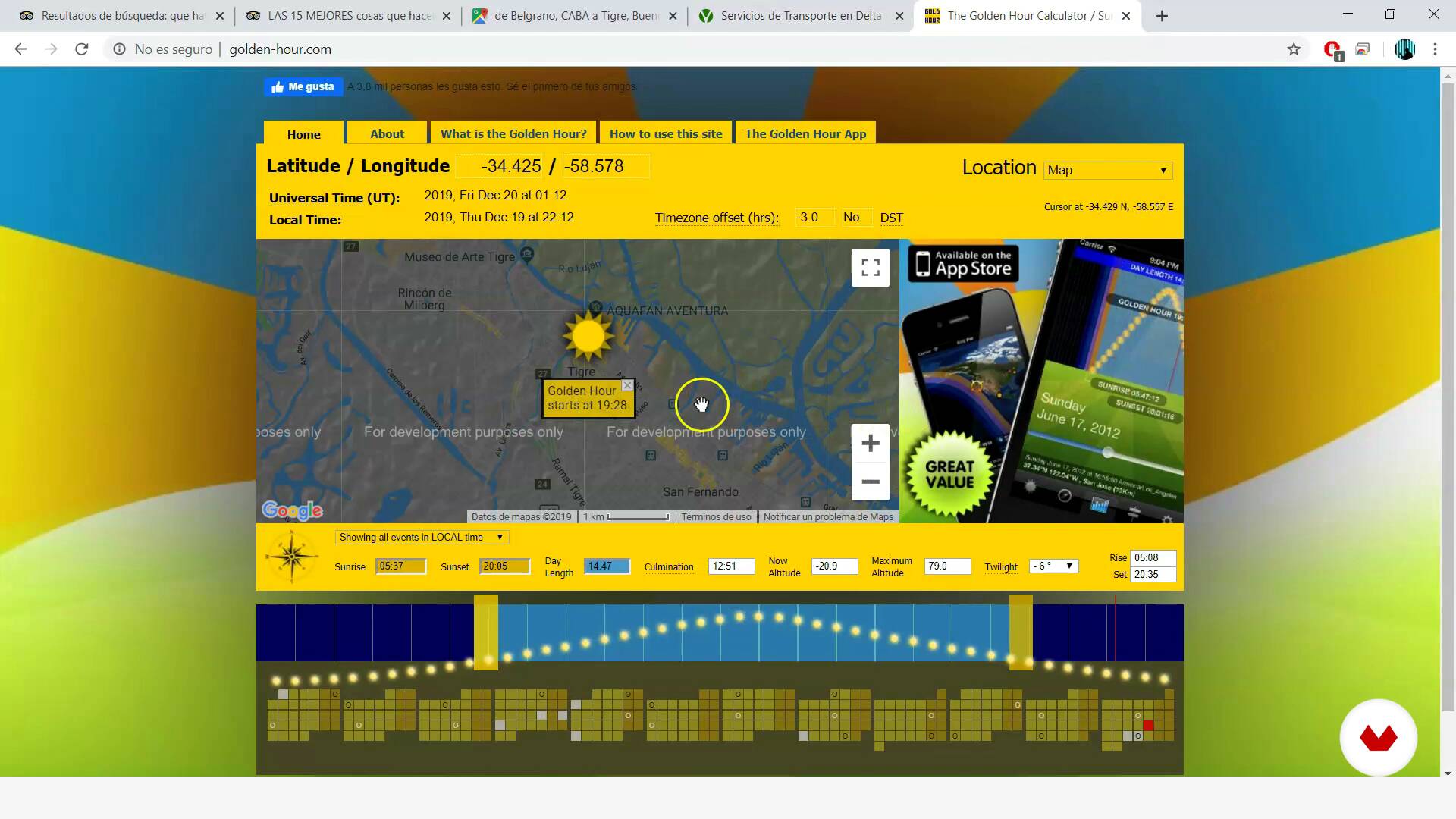
8Destination: The Tiger
In this lesson we are going to investigate the chosen shooting destination, El Tigre. We will analyze the main attractions, the means of transport to get to them, the necessary permits to take photographs. We are going to put together a tour and define schedules.
4m
 9
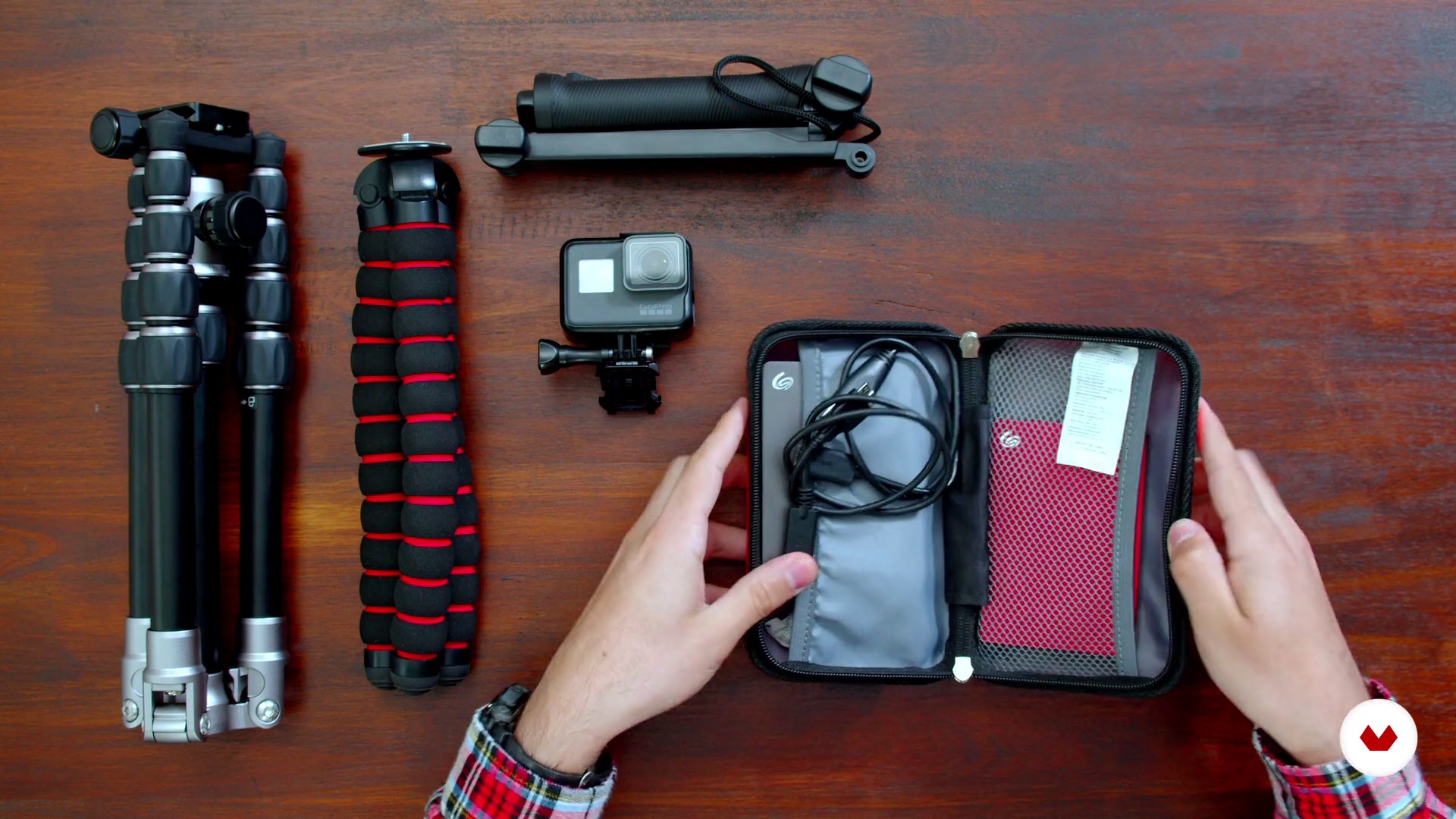
9What do I take on my trips and why
In this lesson you will learn to organize yourself for your trip understanding the needs you have depending on the destination and the time the trip lasts. I will also show you what elements I consider essential for each new adventure, the equipment I work with and how I use it in each situation.
12m
 10
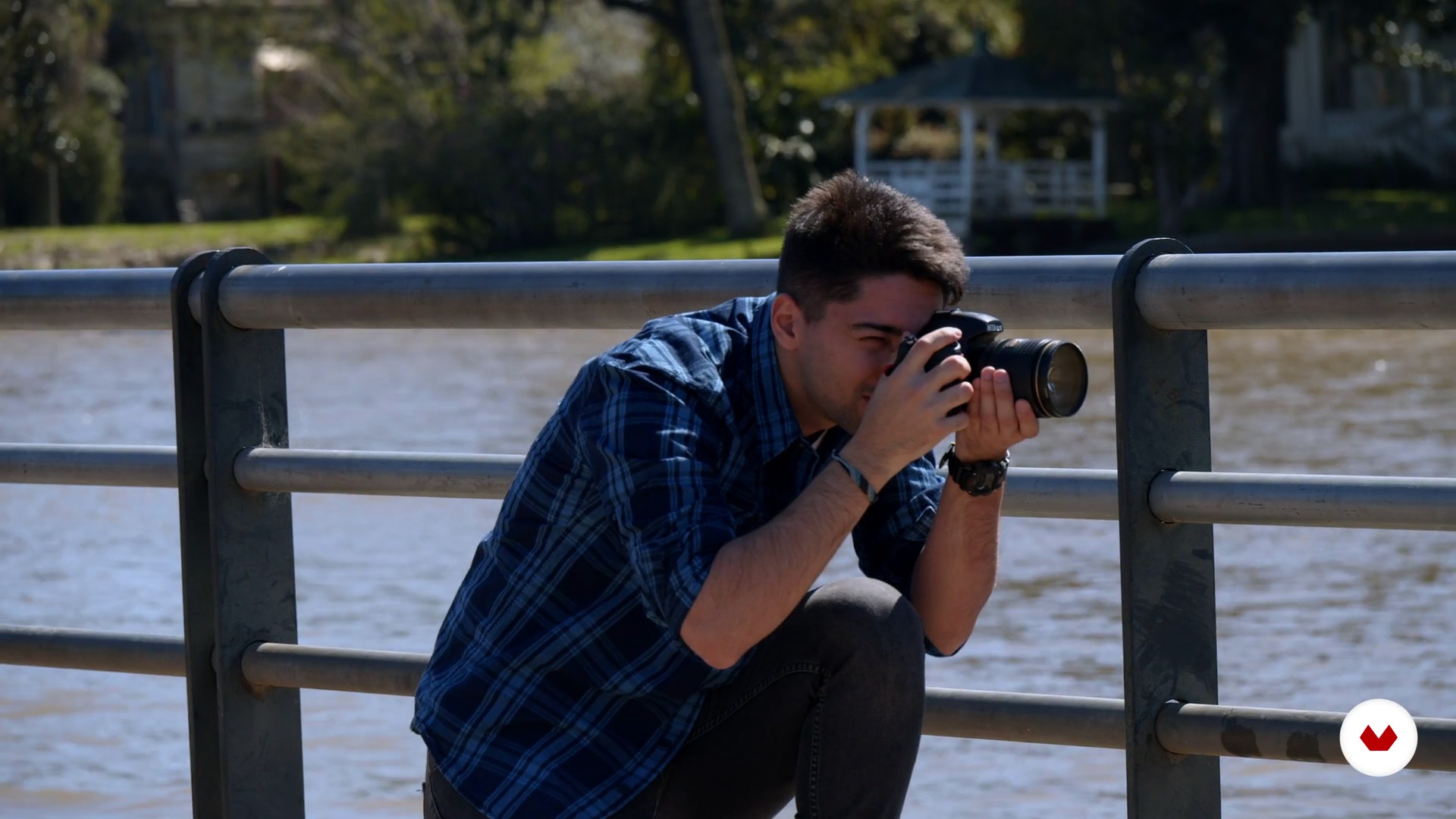
10Landscape and urban portrait
Once we arrive at our first chosen place, we will see what story we want to tell with our photos and compose the image based on that. Now we are going to see the different forms of composition in a practical way. Each new destination we visit has one or more particular characteristics that differentiate it from the rest. Many times this particularity is given by its people and its culture. We will also see techniques that I use when making an urban portrait taking into account the two possibilities that exist, requesting a portrait or taking it naturally.
9m
 11
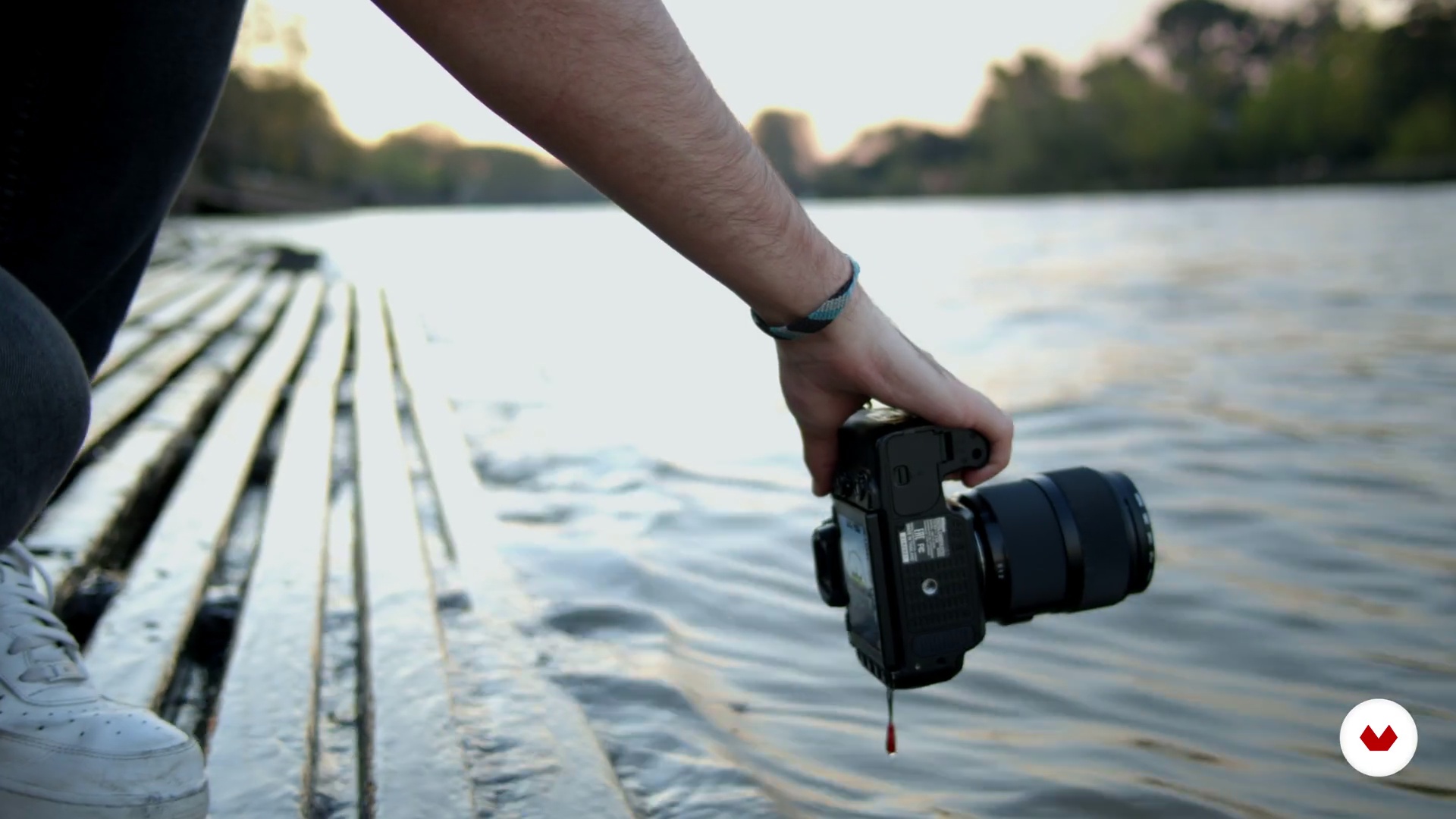
11Focus, depth of field and some tricks
In this lesson you will learn the importance of precise focus, how to vary focus to tell a totally different story, and depth of field.
3m
 12
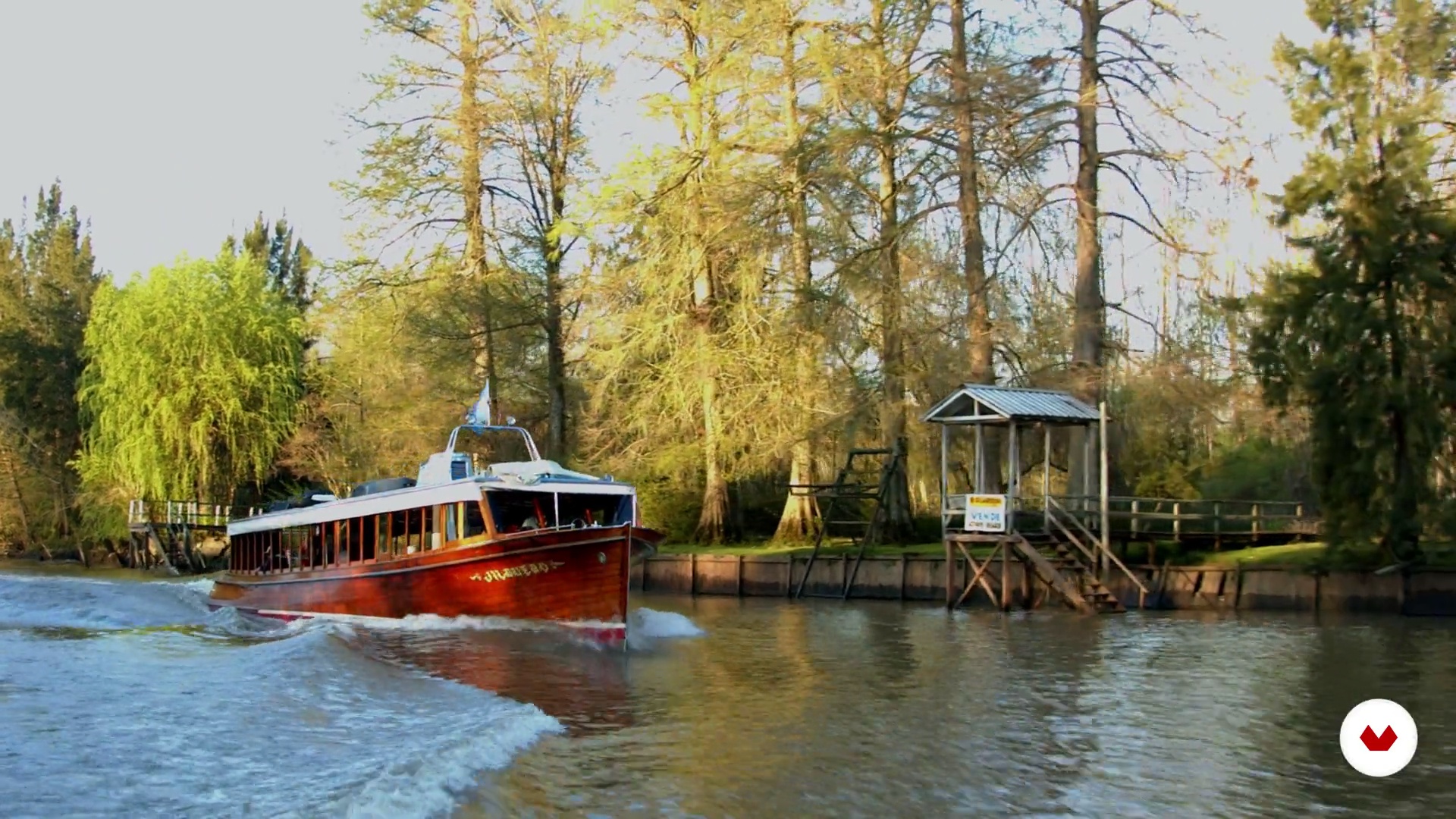
12Nature landscape
In this lesson you will learn how to capture images in which green spaces or low light areas predominate and how to overcome the challenge of capturing moving images.
4m
 13
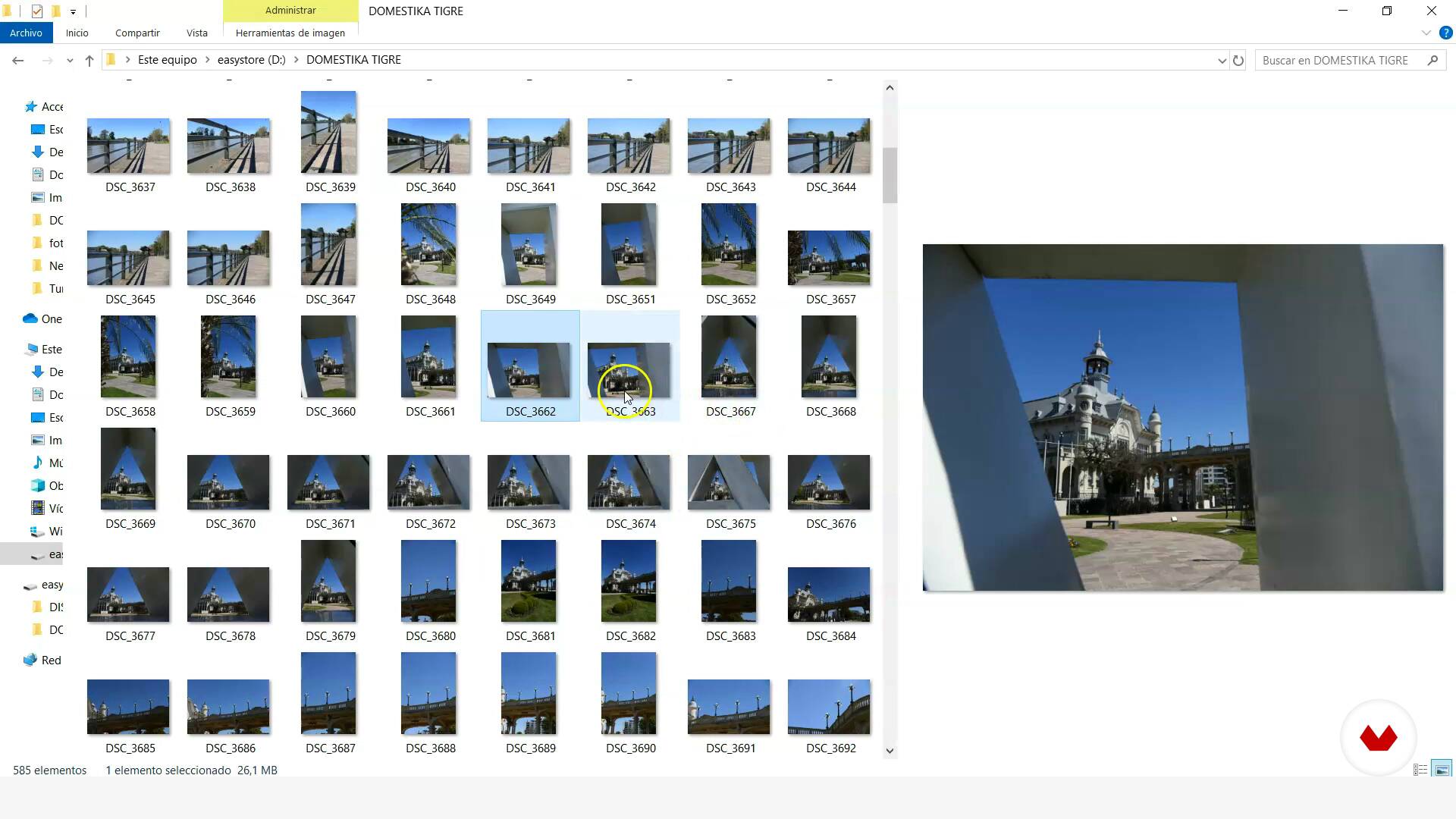
13Image analysis I
First we are going to analyze the images we obtained and evaluate how we composed them.
10m
 14
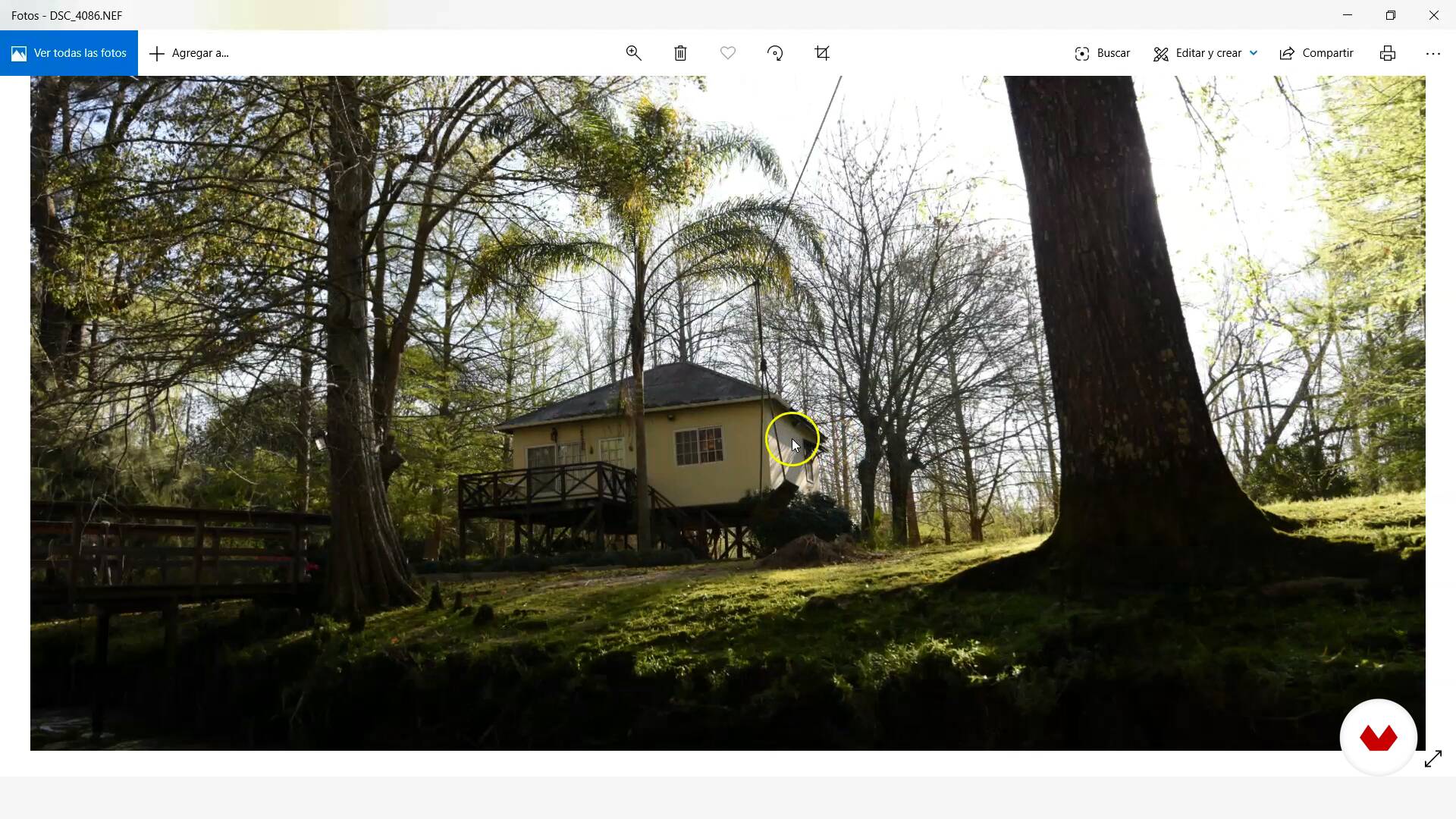
14Image Analysis II
We continue to analyze the images.
10m
 15
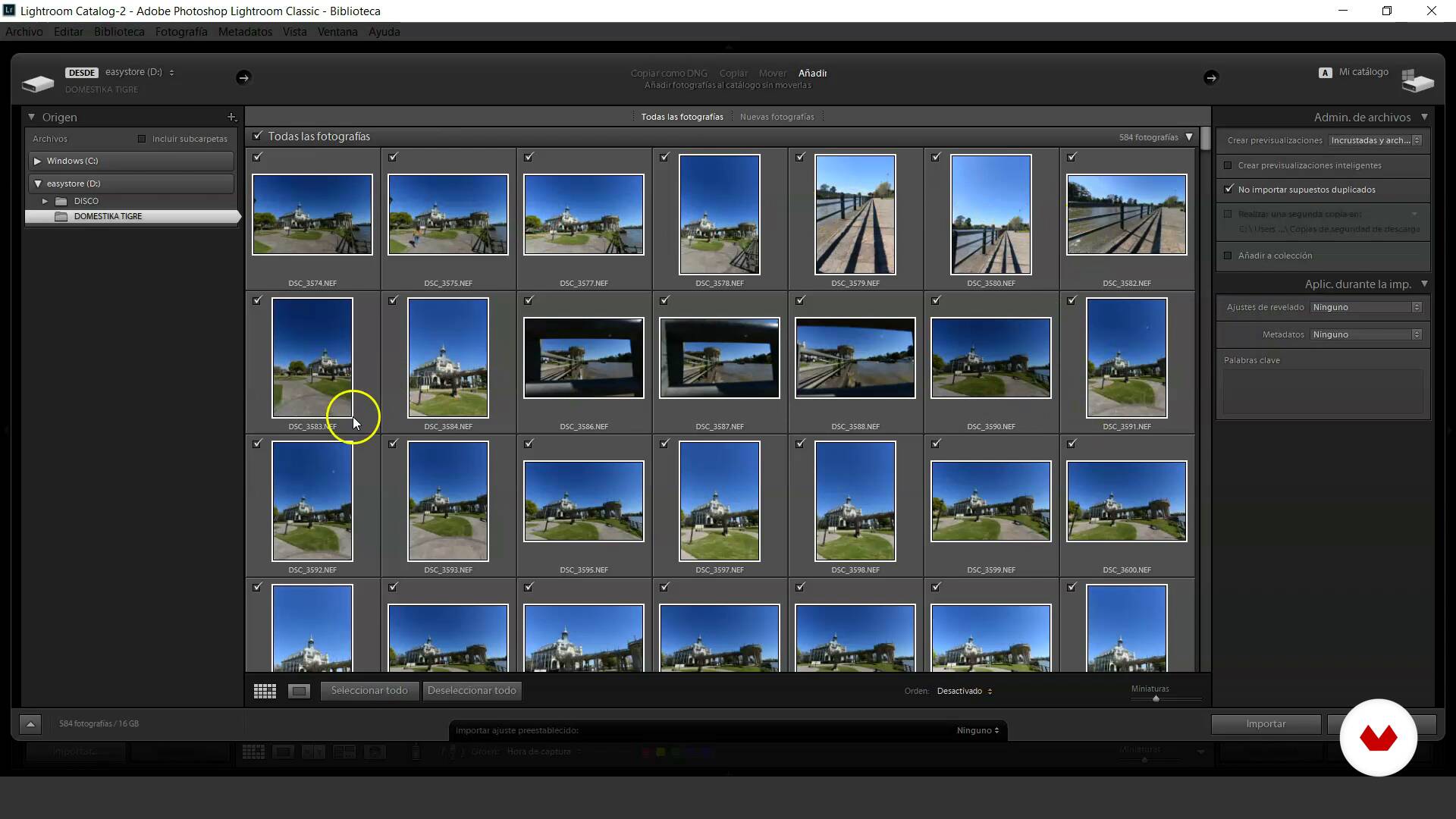
15How to import photos into Lightroom
In this lesson you will learn how to import your photos into Adobe Lightroom. I will show you how to use the program and what each tool is for.
7m
 16
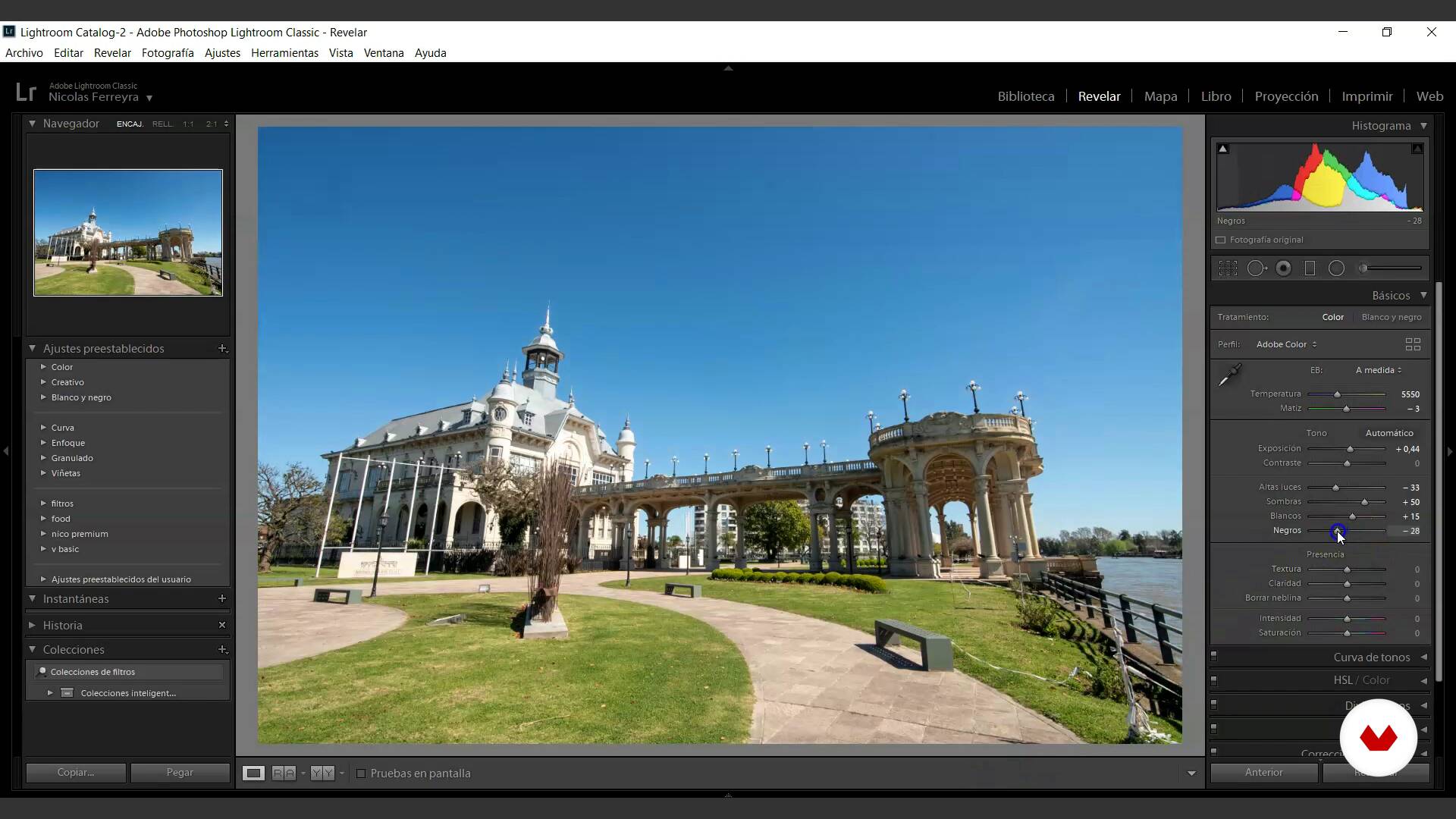
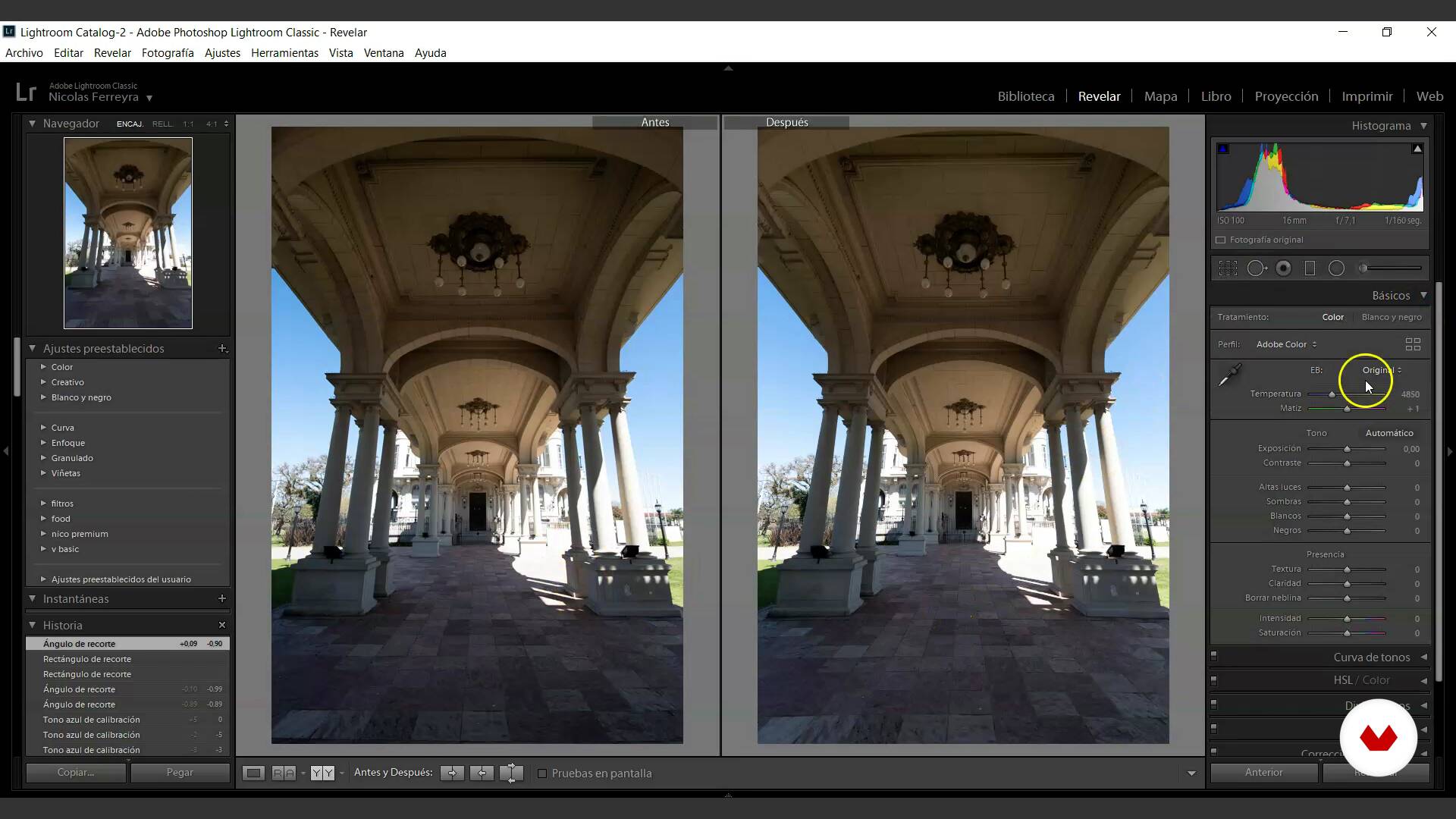
16Basic retouch, light correction
The time has come to learn how to edit our photos, in this lesson I will show you how to use the basic parameters to give it a better finish. We will see the importance of finishing correcting light, shadows and contrasts to achieve a much better result than the photos that the camera gives us.
13m
 17
17Artistic editing and creation of presets
I prepared this lesson to show you how I edit my travel photos to make a bigger impact and different tools with which you can give your photos an artistic touch. Now we will see how to use the most specific tools to achieve better results.
18m
 18
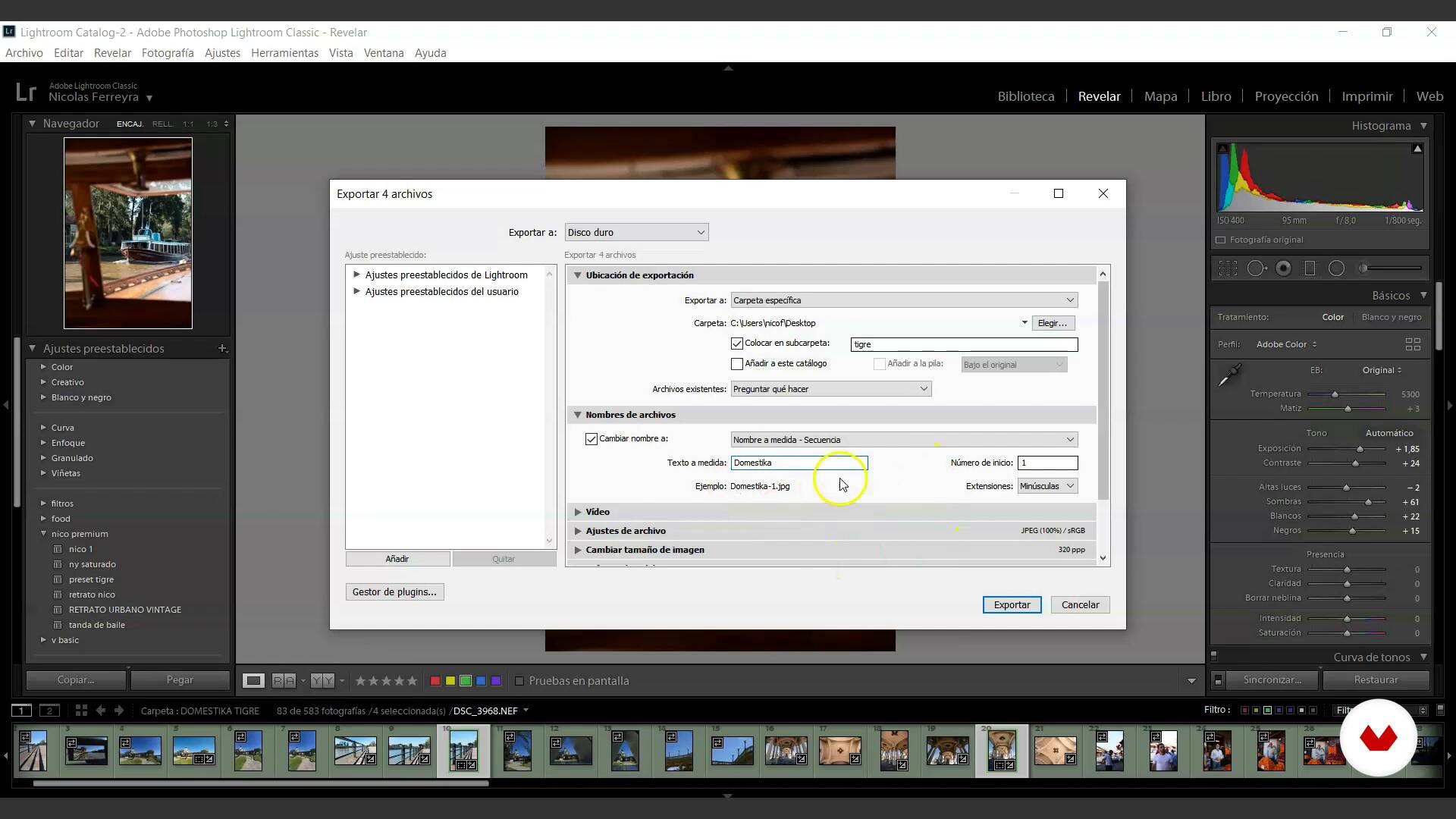
18Synchronized editing and export
Many times we want to apply the same basic parameters to similar photos, here I will show you how to edit several photos simultaneously. Once we have our edited photos we must export them, you will see how to do it and in what quality and file it is convenient to save our photos.
7m
 19
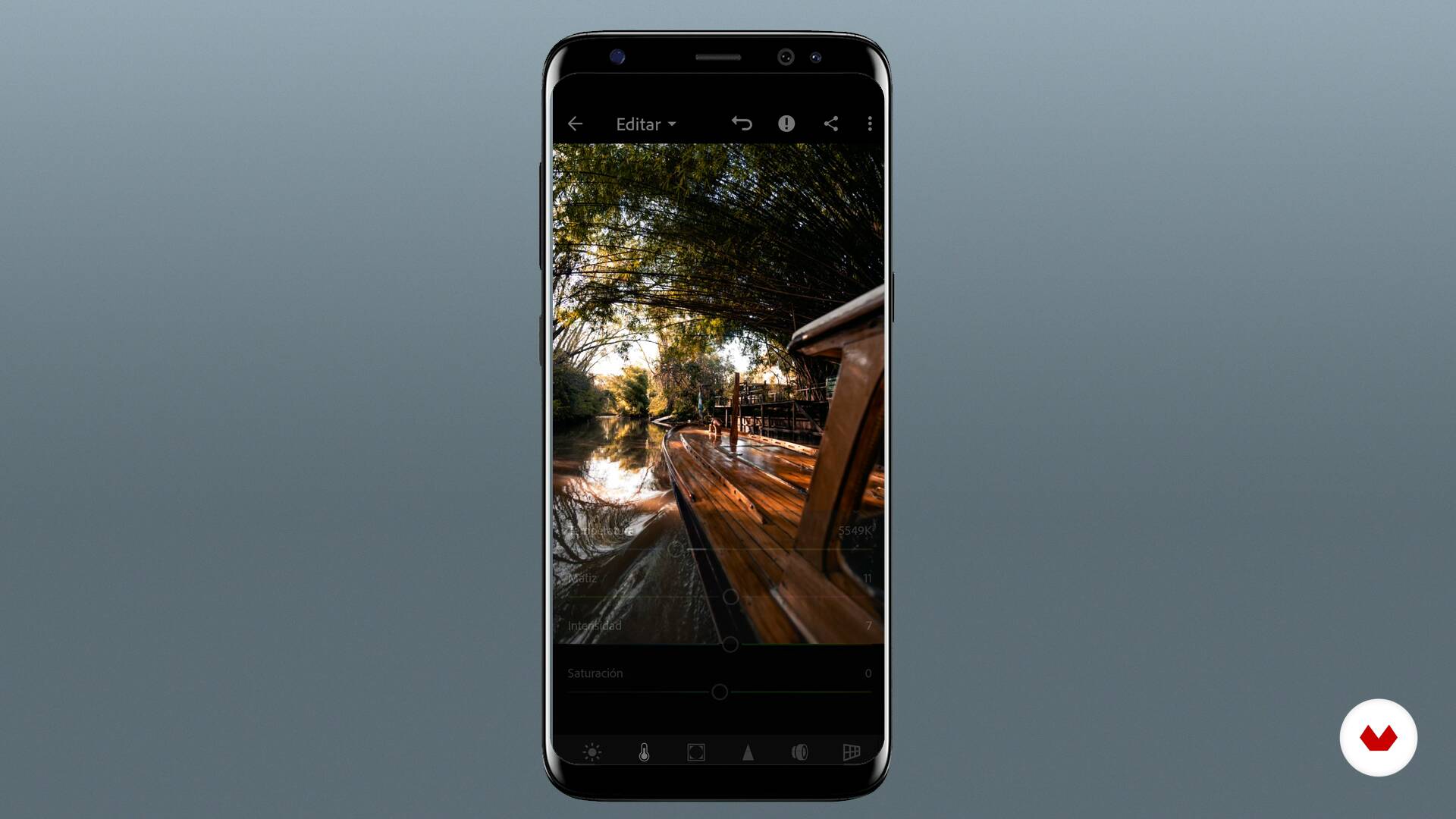
19Editing with apps
Computer programs are not the only possibilities to give a better finish to your photos. Here you will learn to edit with different applications and achieve an excellent result. Some of the ones we will see are, the Lightroom application that works almost the same as the pc program, Snapseed that has good options and VSCO that has good filters to use as a base.
10m
 4
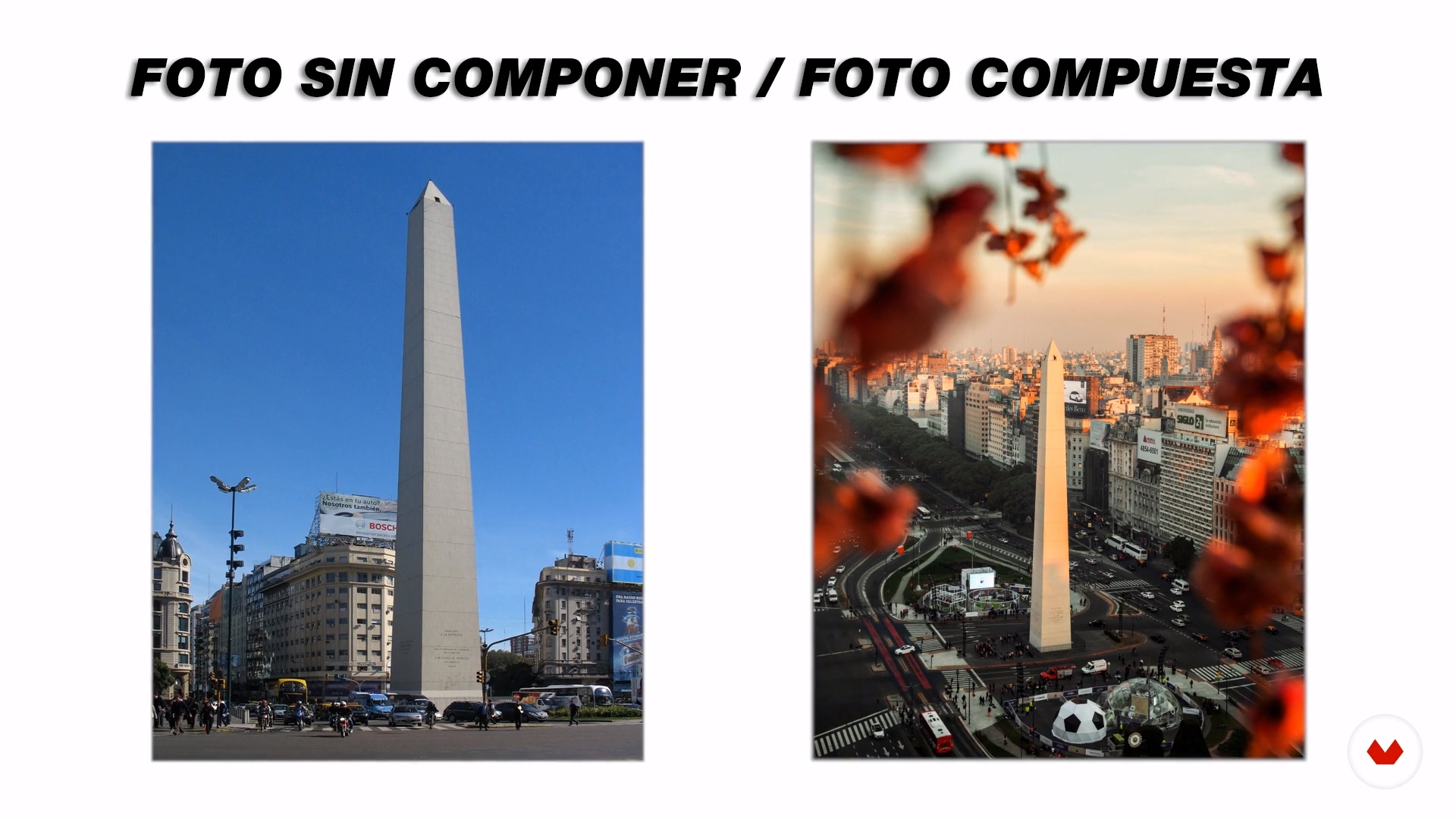
4What is the composition?
I will explain a theoretical basis of what is the composition and then go to see the elements. The idea is that you understand what it means and how it can be used in your photos. These concepts are key since they are the foundation of the contents that come later.
6m
 5
5Elements of composition I
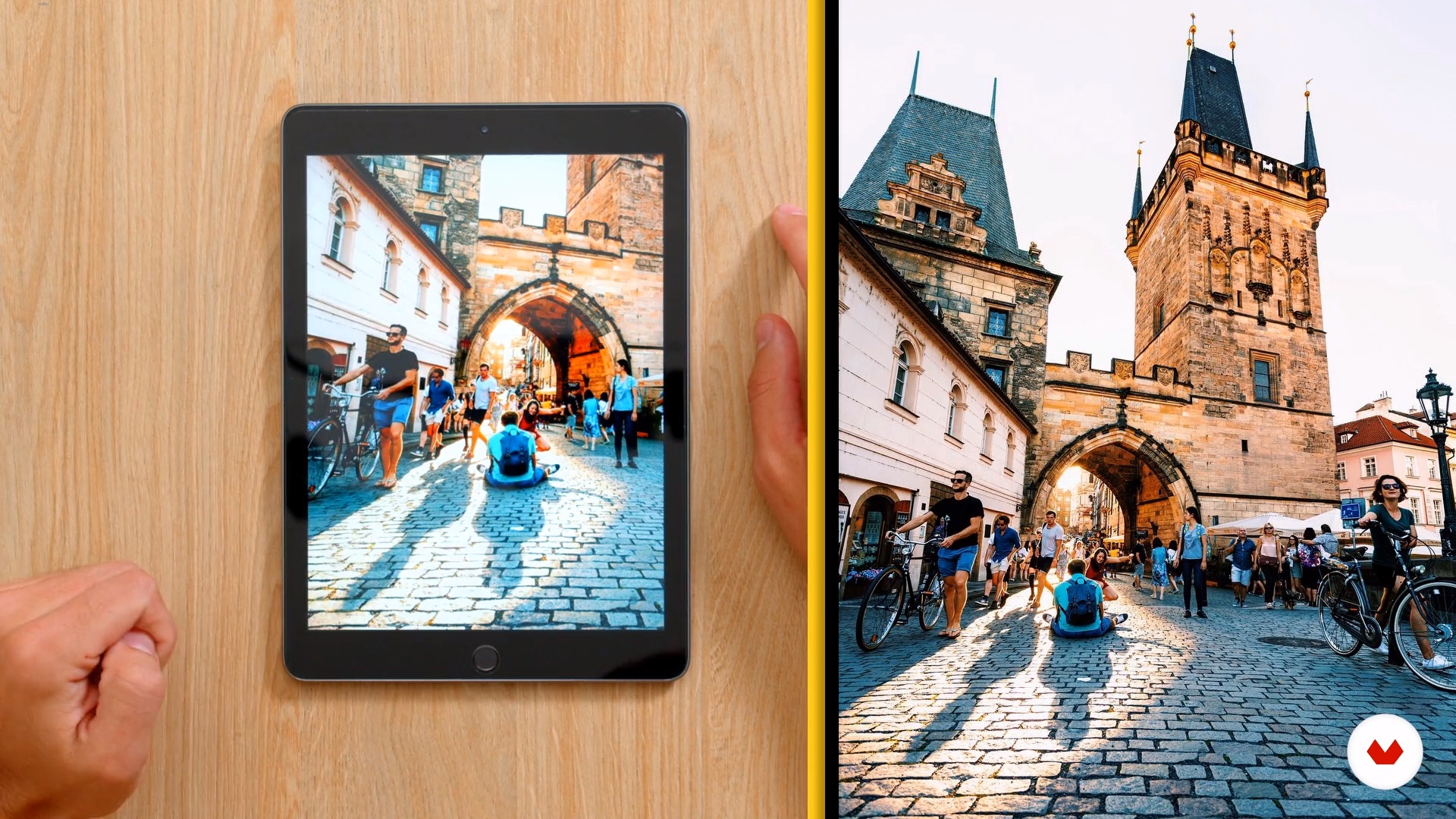
We will see in detail the first eight elements: the point, the line, the outline, the tone, the direction, the texture, the scale and the space. I will teach you how to use them through examples.
11m
 6
6Elements of composition II
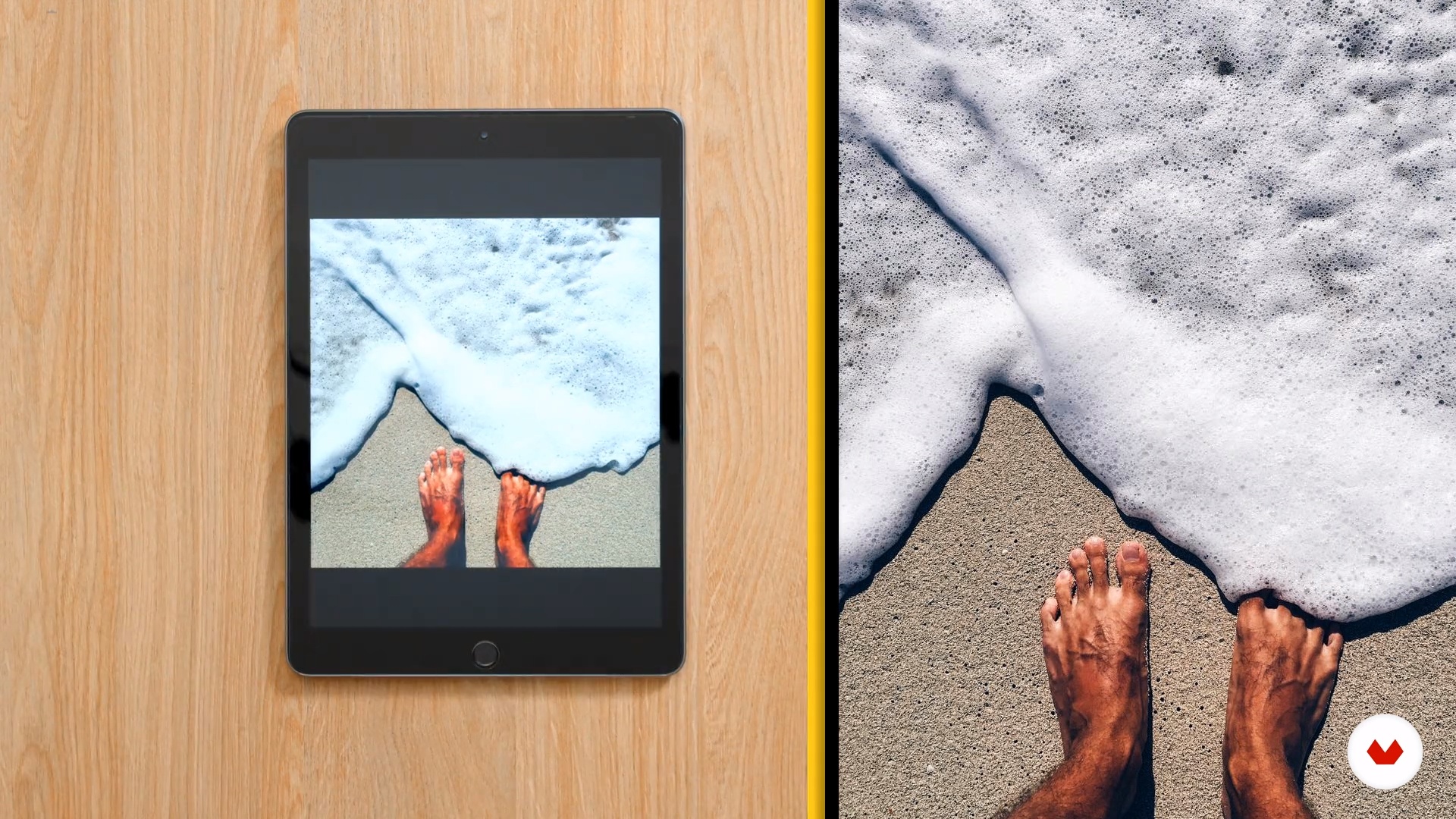
Second part of the lesson.
5m
 7
7Color
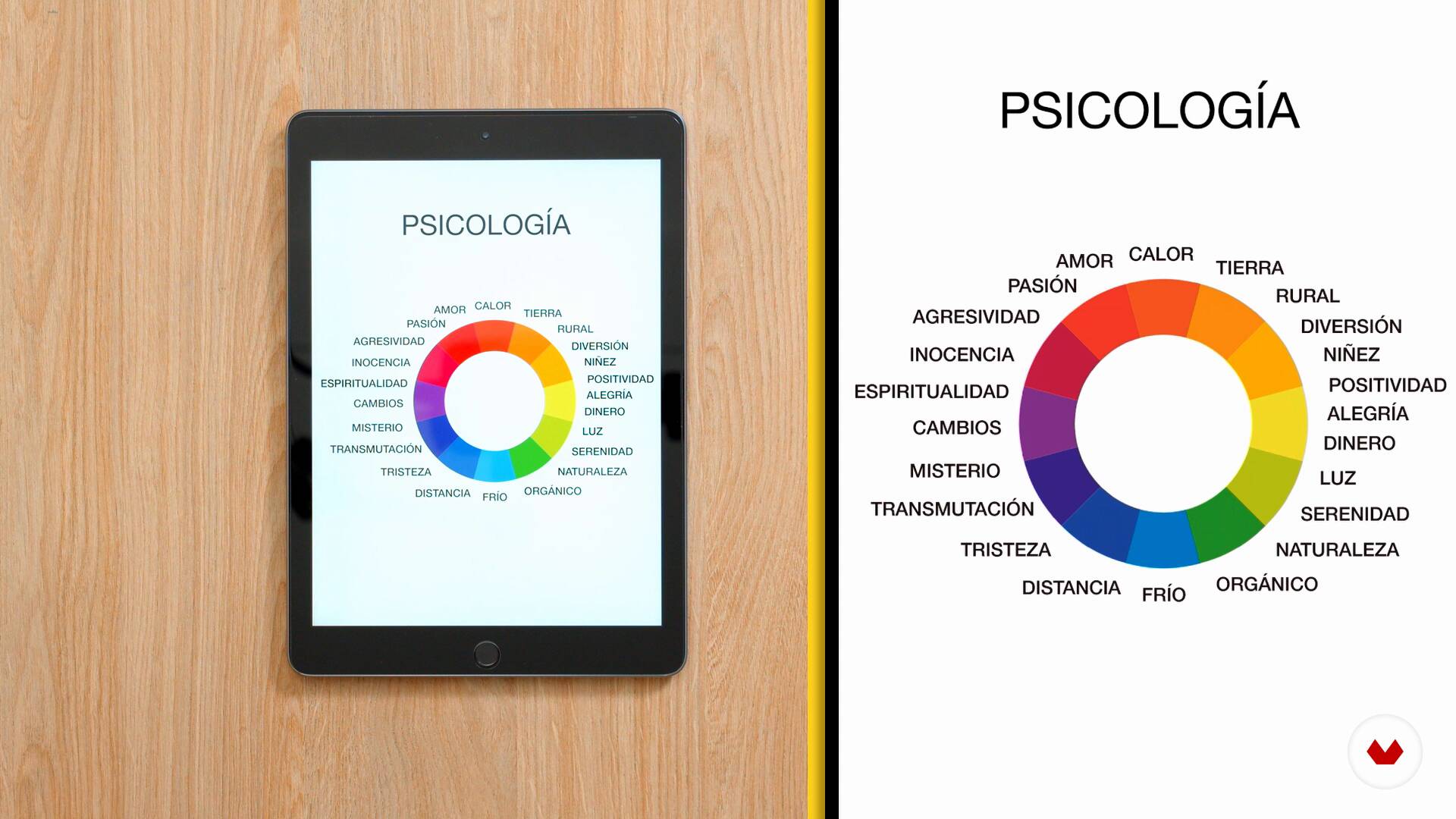
In this lesson we are going to talk about the last element of the composition, the color. It is one of the most we will use when editing. I will teach you to take advantage of it with the use of the chromatic circle and through practical examples. We will see how to combine tones, colors and their psychology so that your photos can say much more than is seen with the naked eye.
10m
 8
8Materials
It is time to have everything you need to launch your final project: a camera, it can be a cell phone, a pocket or a professional; a computer with Lightroom and a cell phone with internet access. In addition, I will show you what are the optimal settings for these elements.
4m
 9
9Five tips for your own style
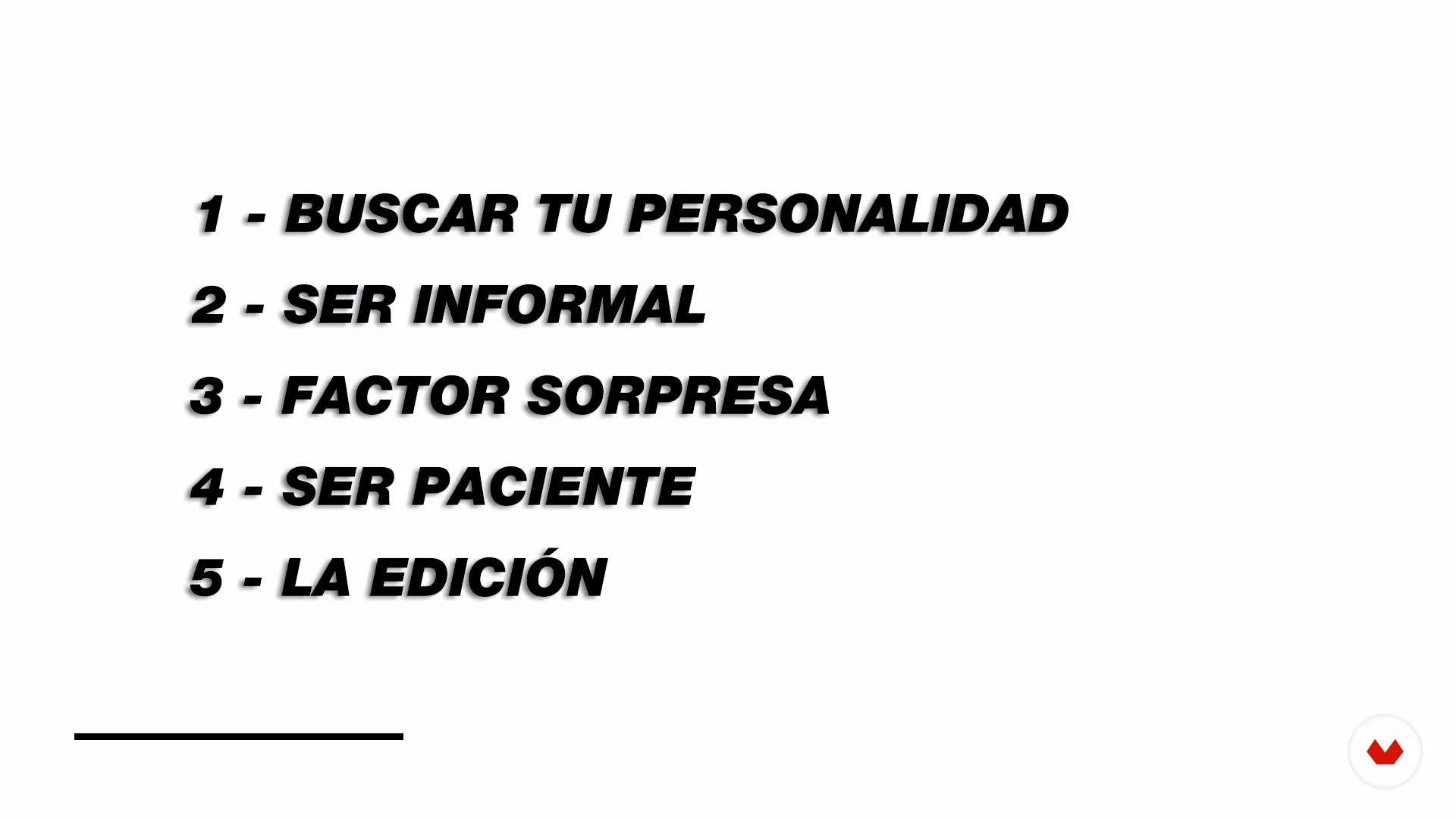
In this lesson I am going to give you five fundamental tips to generate content that works on Instagram . Every time I develop some content for networks I always keep this in mind and I want to share it with you so you can use it.
7m
 10
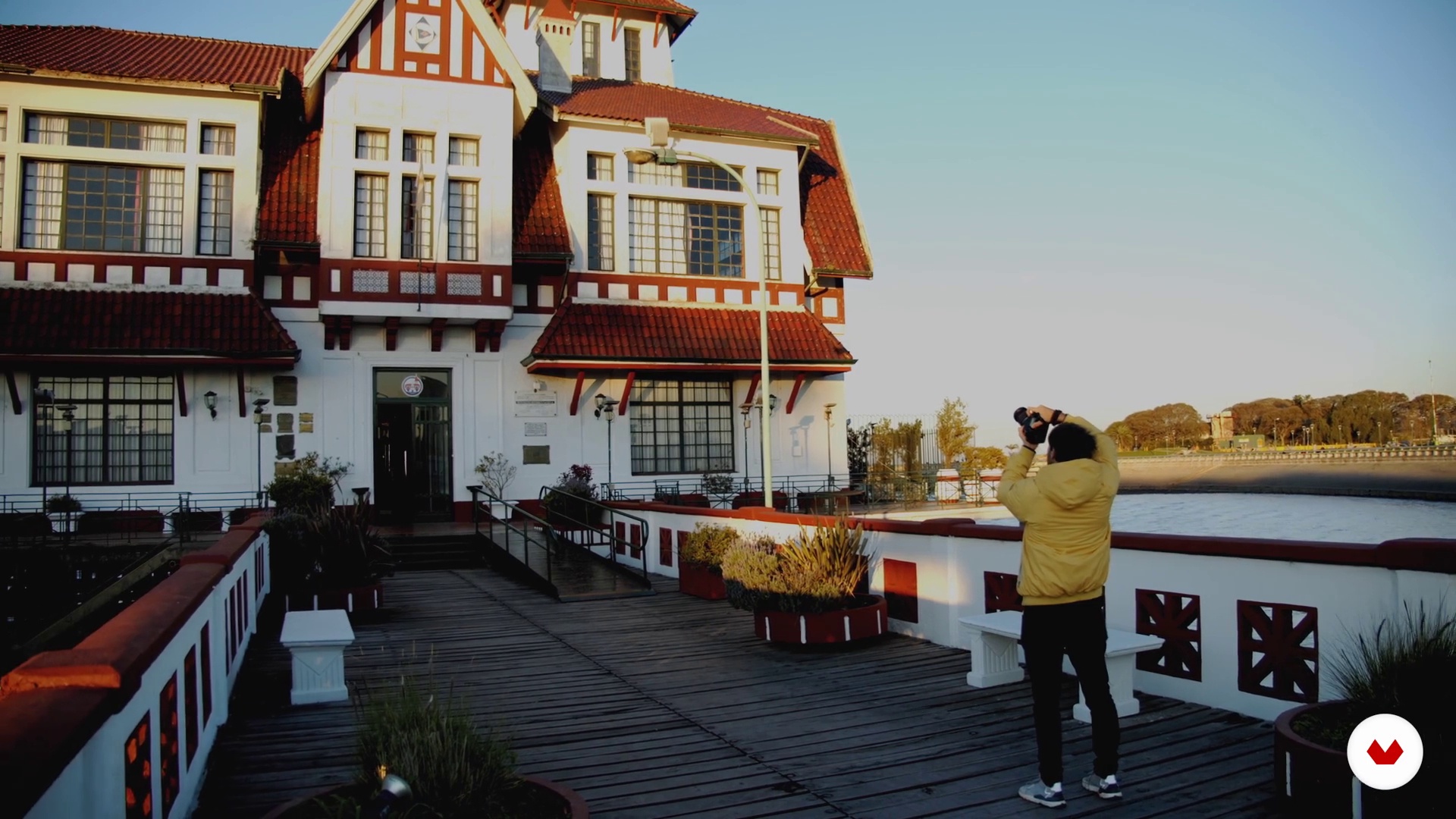
10Recommendations to take a picture
I will give you my recommendations to take a picture. The photo begins to be created from the moment we imagine it in our mind, that is why the previous process is as important as the production and editing. I have these tips at hand! They will help you streamline the creative process.
11m
 11
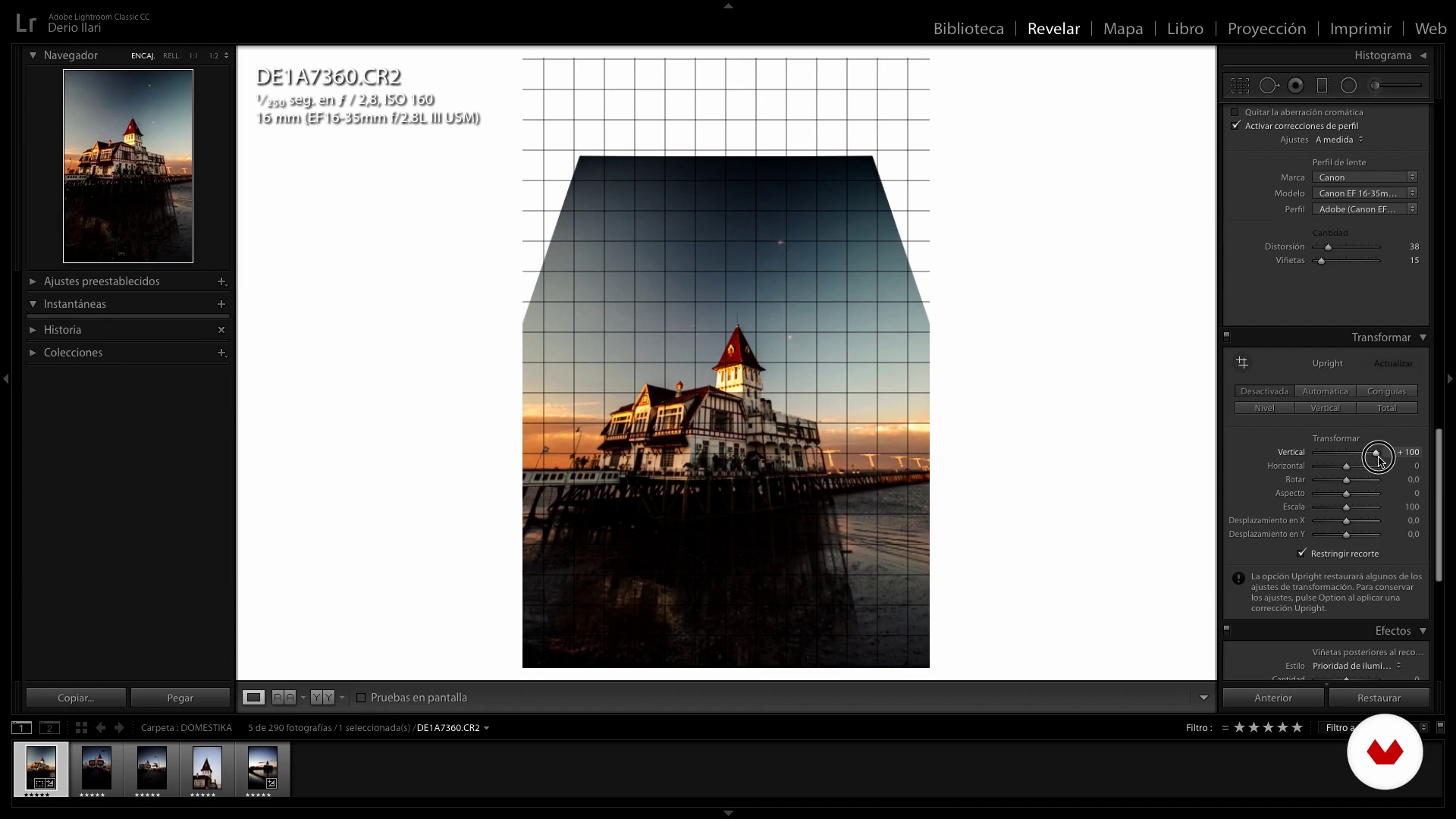
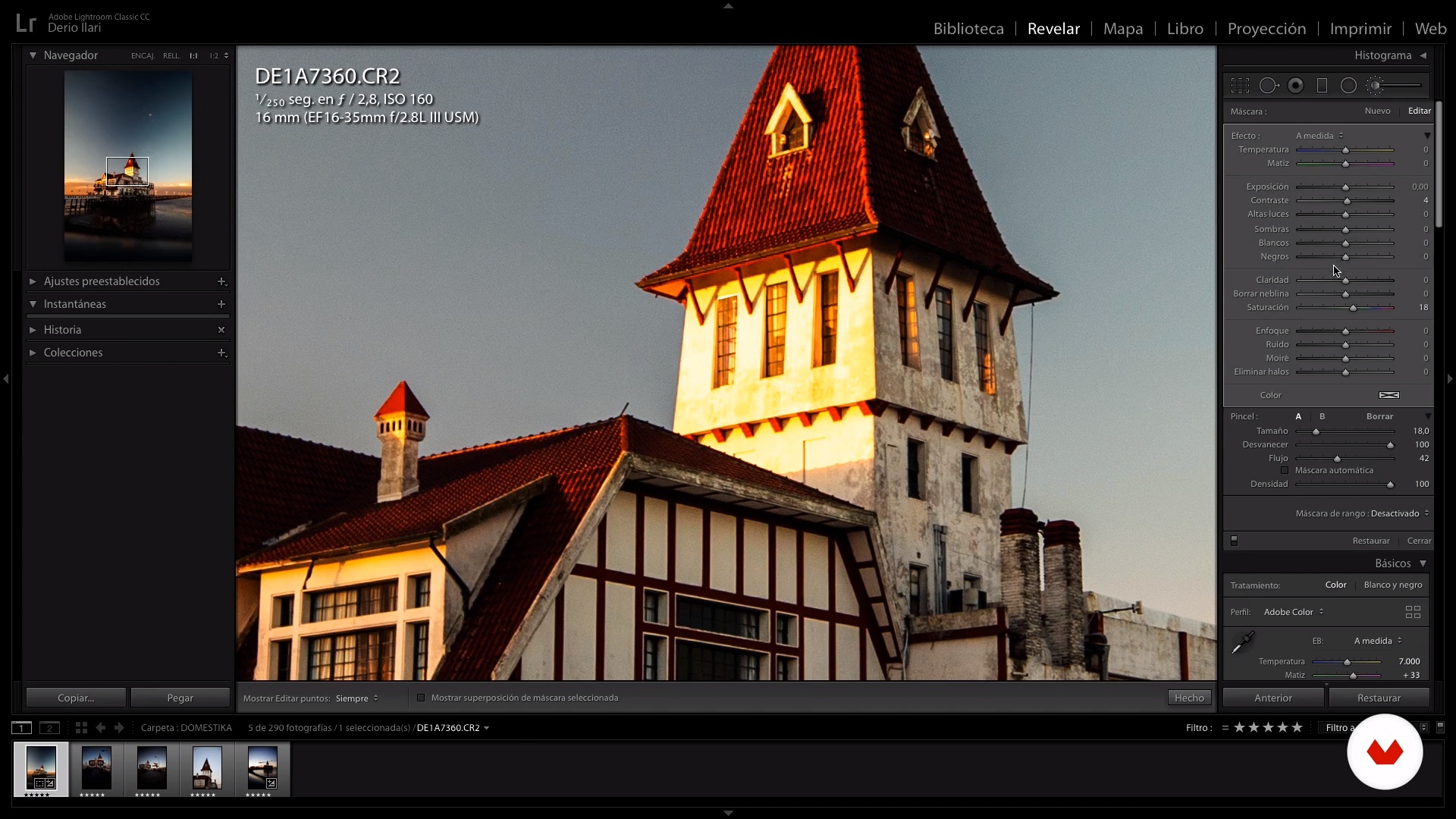
11Lightroom I
I will explain how the tools of Lightroom so that you lose their fear and start using them regularly. You'll see how, by modifying a few parameters, the photos start to stand out.
12m
 12
12Lightroom II
Second part of the lesson.
7m
 13
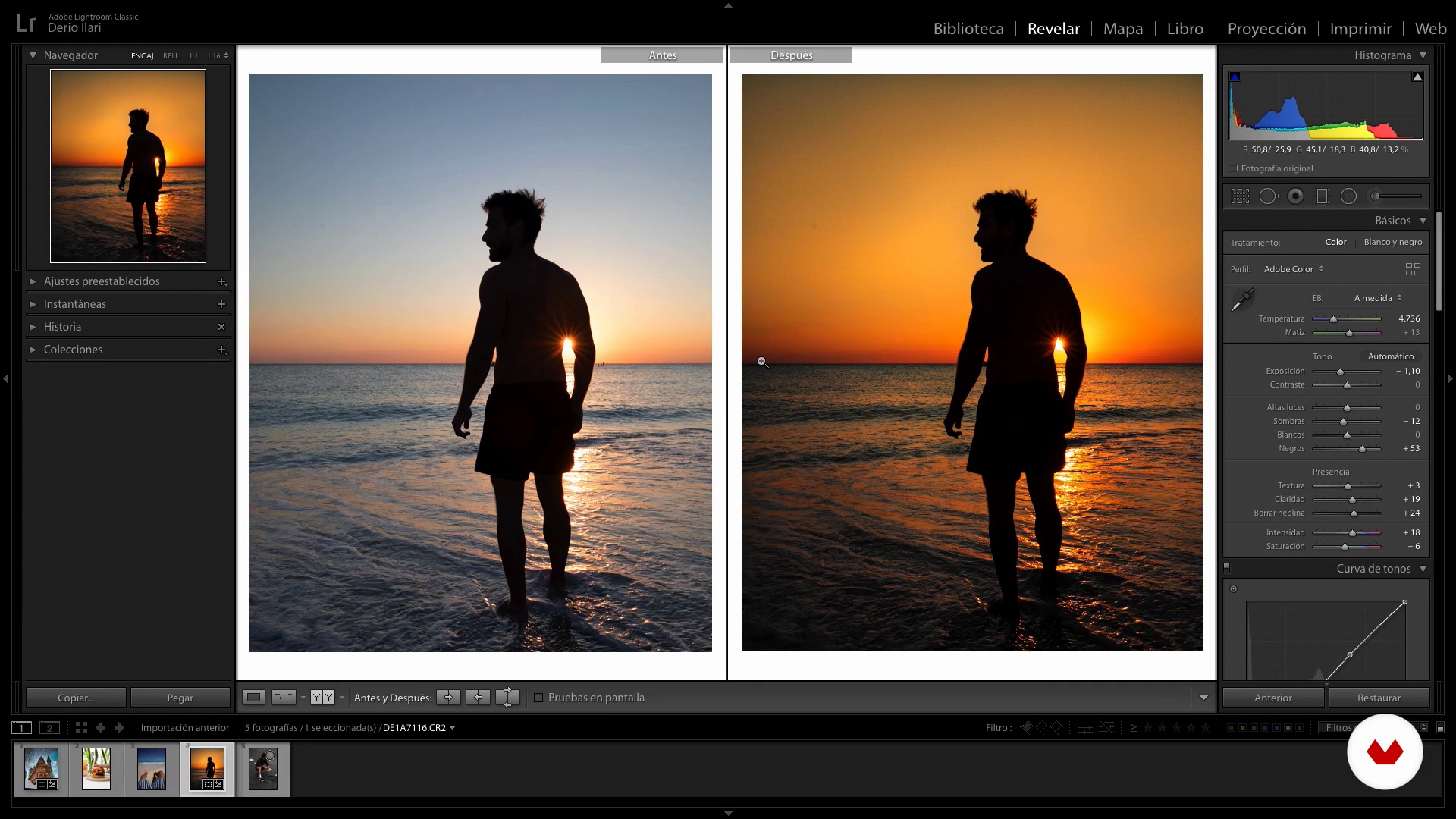
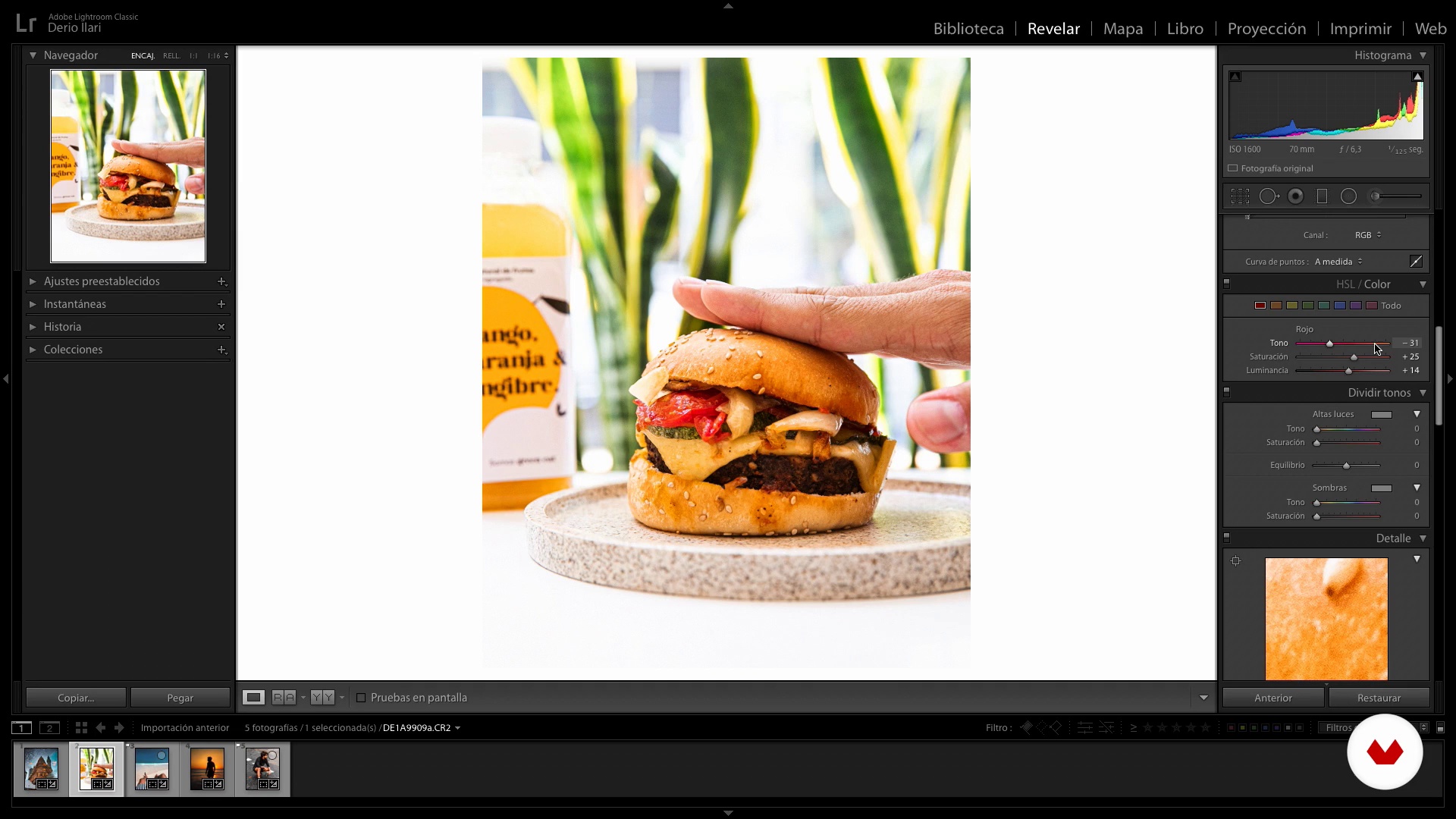
13Search your personality in Lightroom I
In this lesson we will edit five photos and see how with the same program we can find totally different styles. These are some examples that can serve you as options when looking for your own.
12m
 14
14Search your personality in Lightroom II
Second part of the lesson.
17m
 15
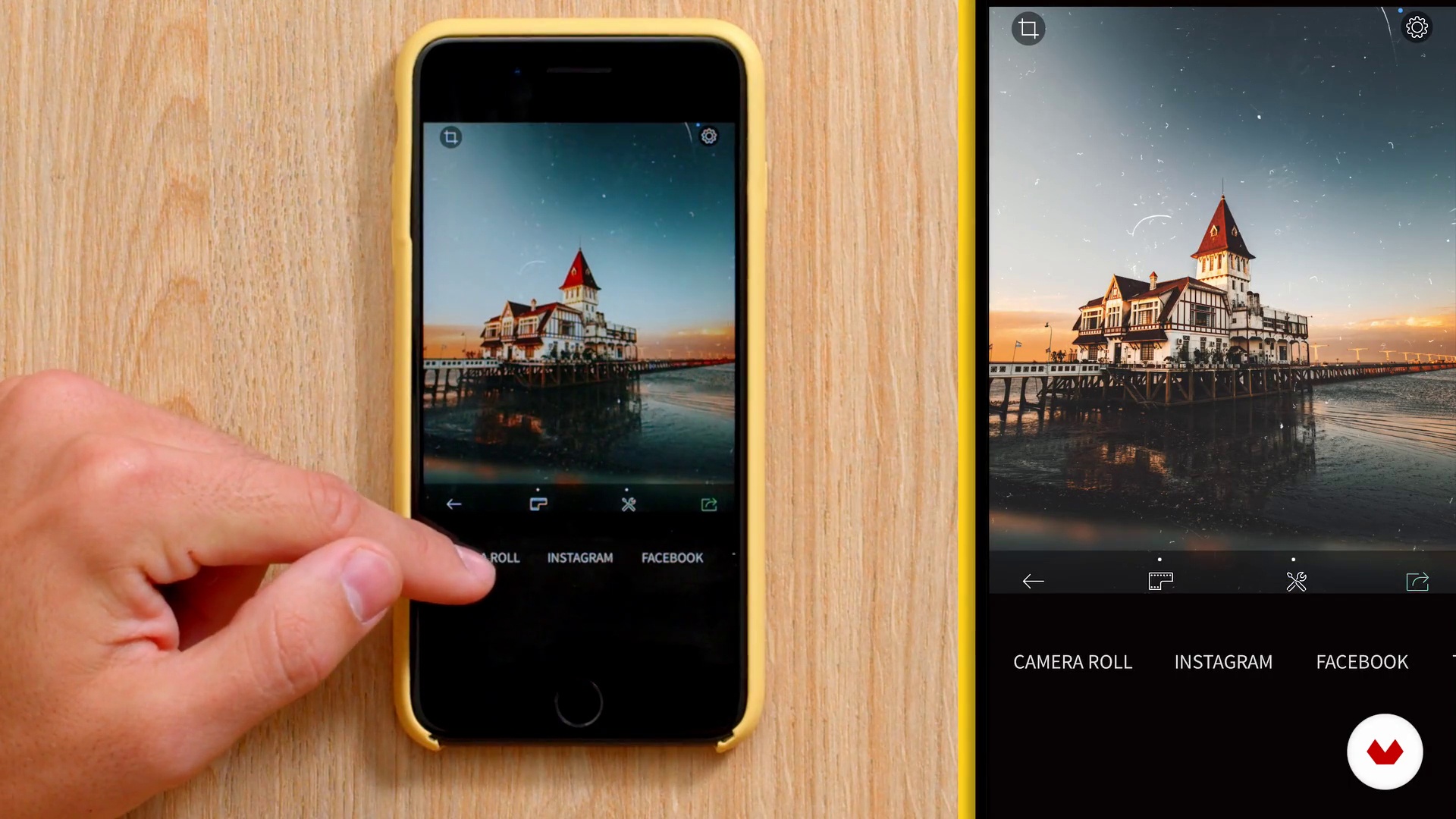
15Applications on cell phone I
In this lesson I will show you what my favorite apps are when making the last touches to the photos.
7m
 16
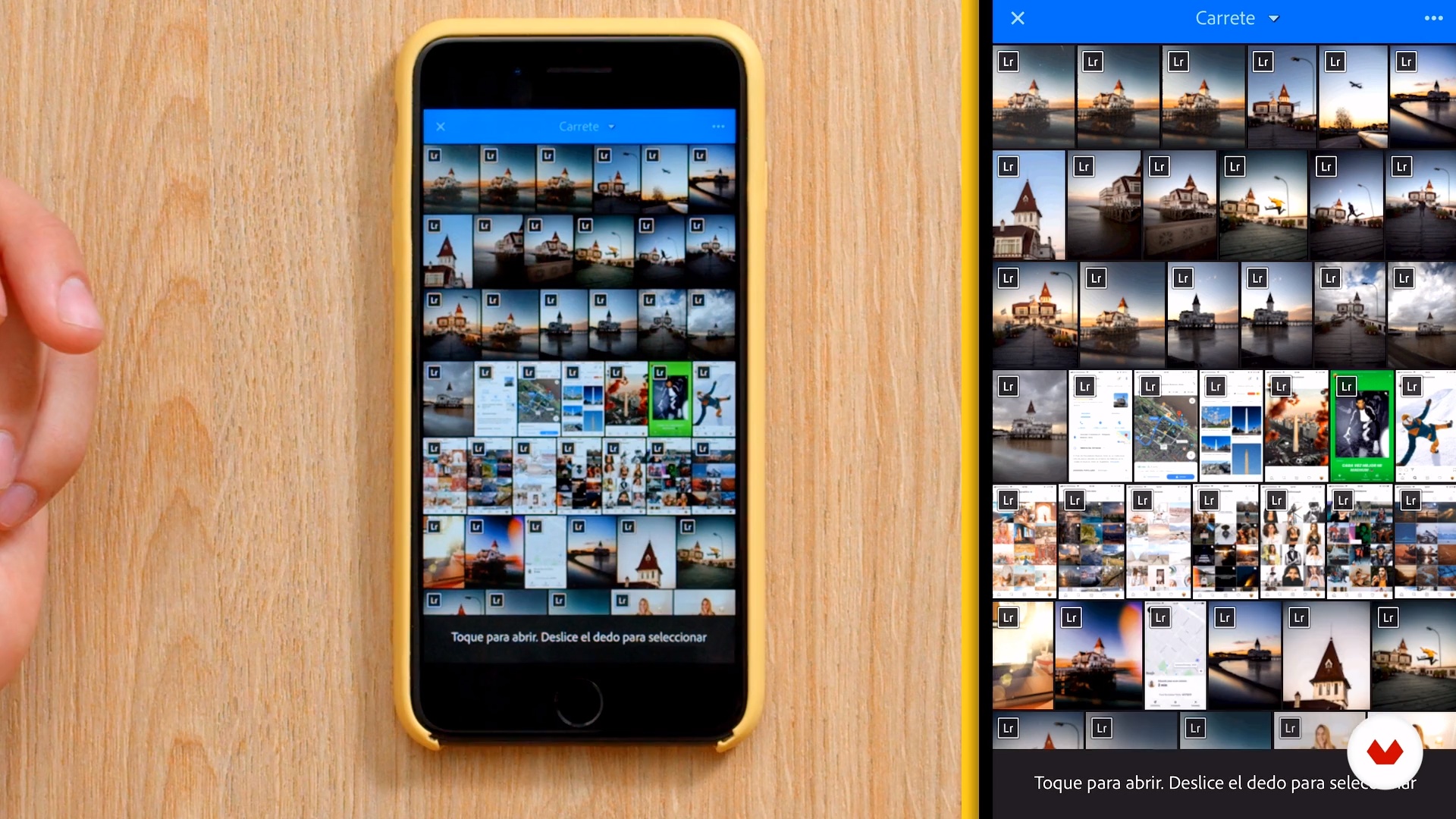
16Applications in cell II
Second part of the lesson.
10m
 17
17Publication and dissemination
Now we are going to see the key points to consider when publishing. We will write the description of the photo, define hashtags and geolocate it. The reach of networks is everything! The better we describe our material, the better results we will obtain.
7m
 18
18Closing and conclusions
The key to photography, from my point of view, is to transmit and, for that, first, you have to feel. So, when you have the opportunity to take a picture, beyond all the theory you have in mind, do not forget why you are doing what you have chosen to do. In this lesson I will close to unite all the concepts we saw during the course.
2m
 3
3Preparation for Travel Photography
In this lesson, we will briefly go through what the project of this course will consist of and how you will get there.
2m
 4
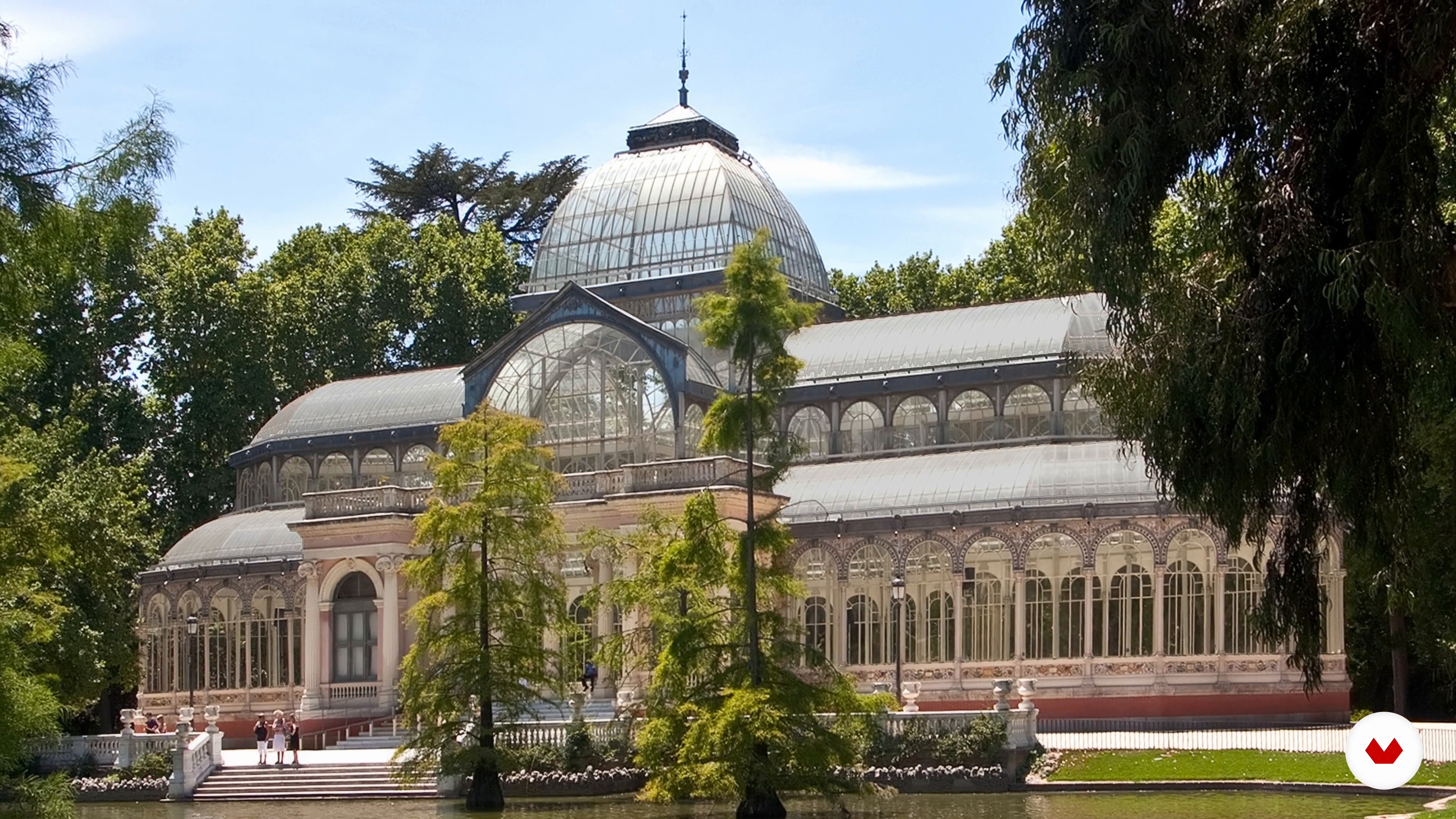
4Location Research
Now, I will take you through my process of location research. Not just from a touristic point of view, but to do a deep dive into the place and culture.
7m
 5
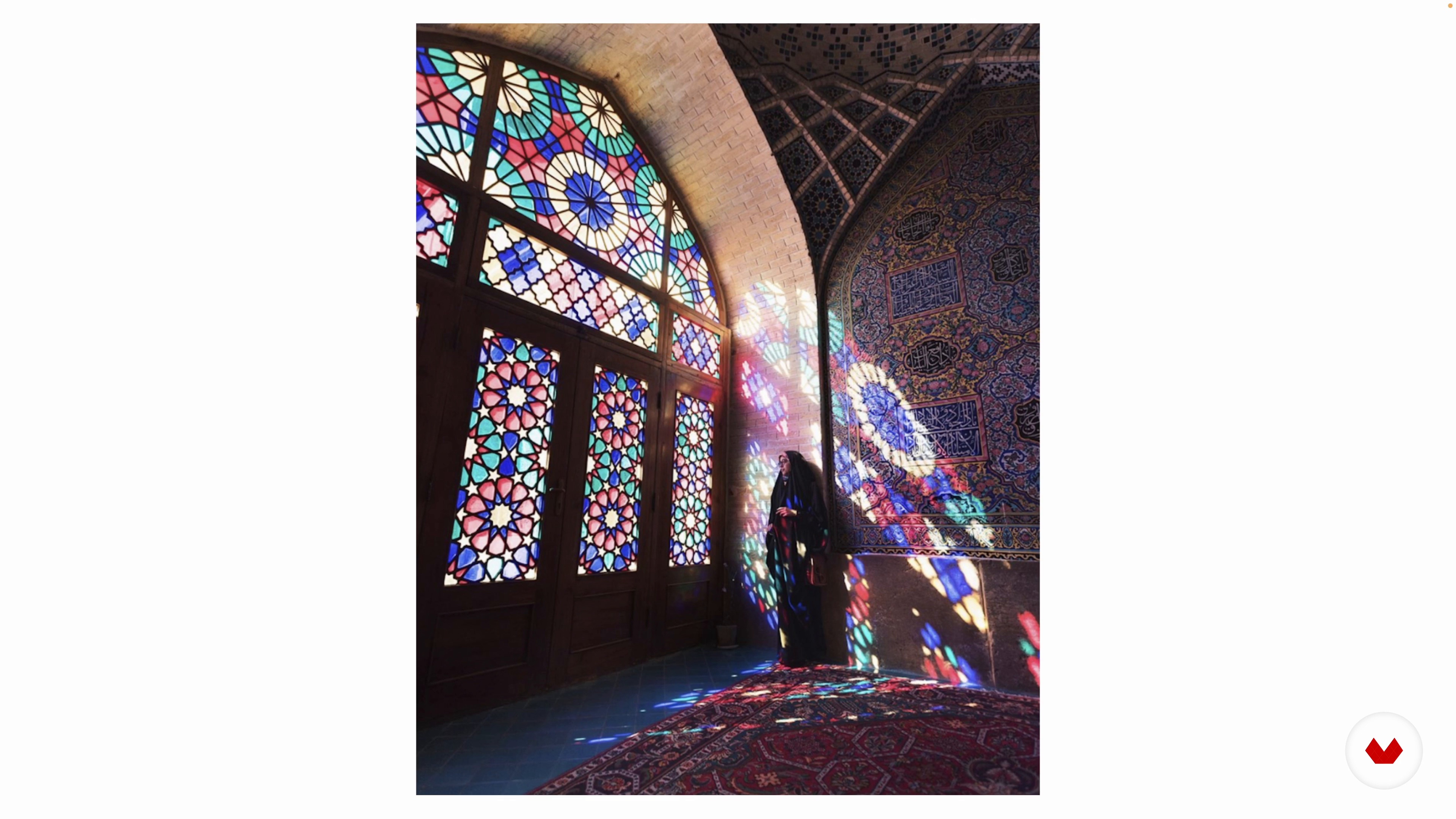
5Photography Tips
Being observant is more important than any photography equipment. In this lesson, I will take you through a few photography tips to be aware of while shooting.
10m
 6
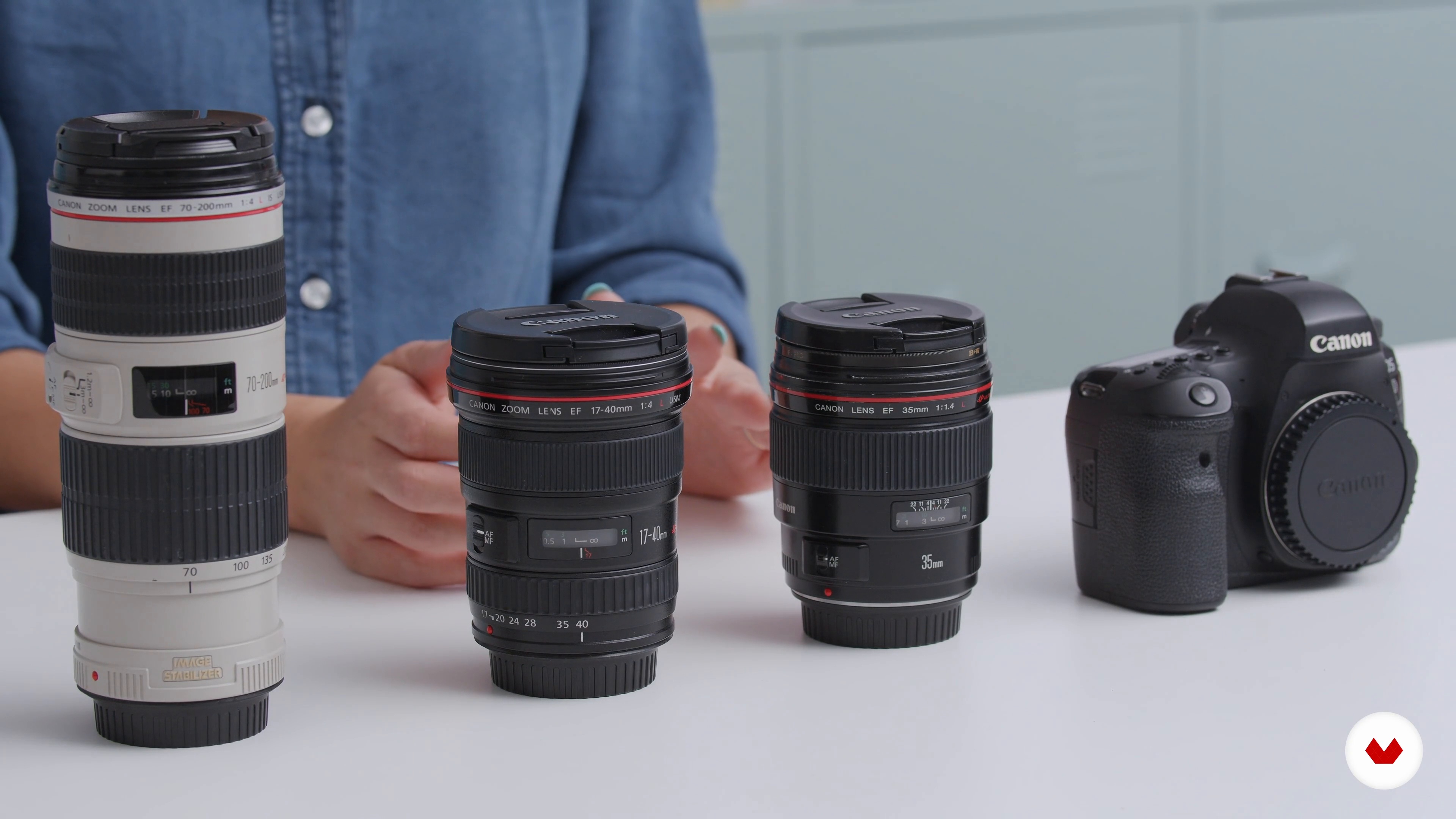
6Gear and Equipment
Now, I will show you the camera gear I use, which I try to keep light and minimal.
2m
 7
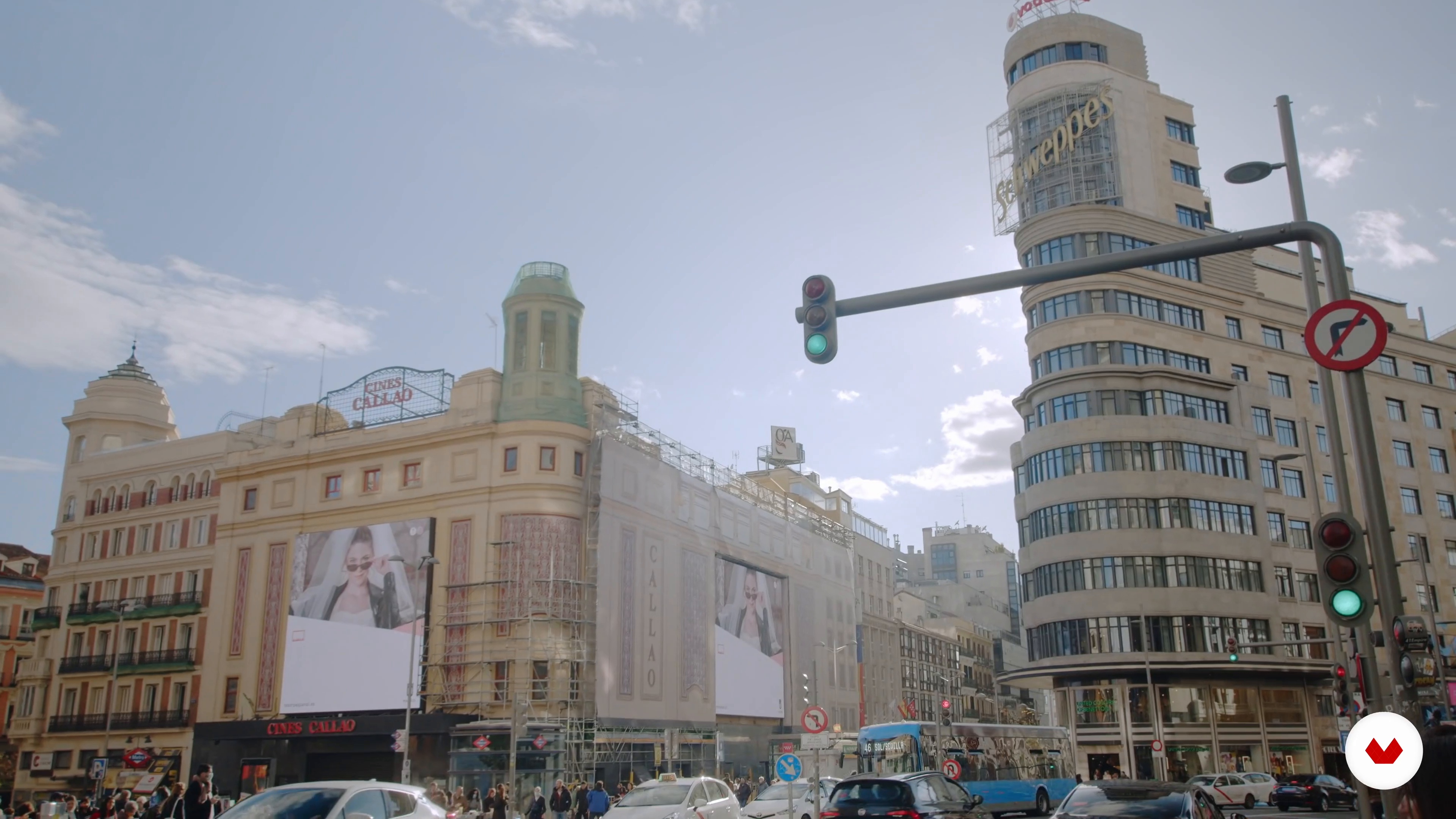
7The Location and First Image
Observation is key to a photographer. In this lesson, I will explore a few neighborhoods in Madrid, then identify the one area I would like to focus on for the project of the course.
3m
 8
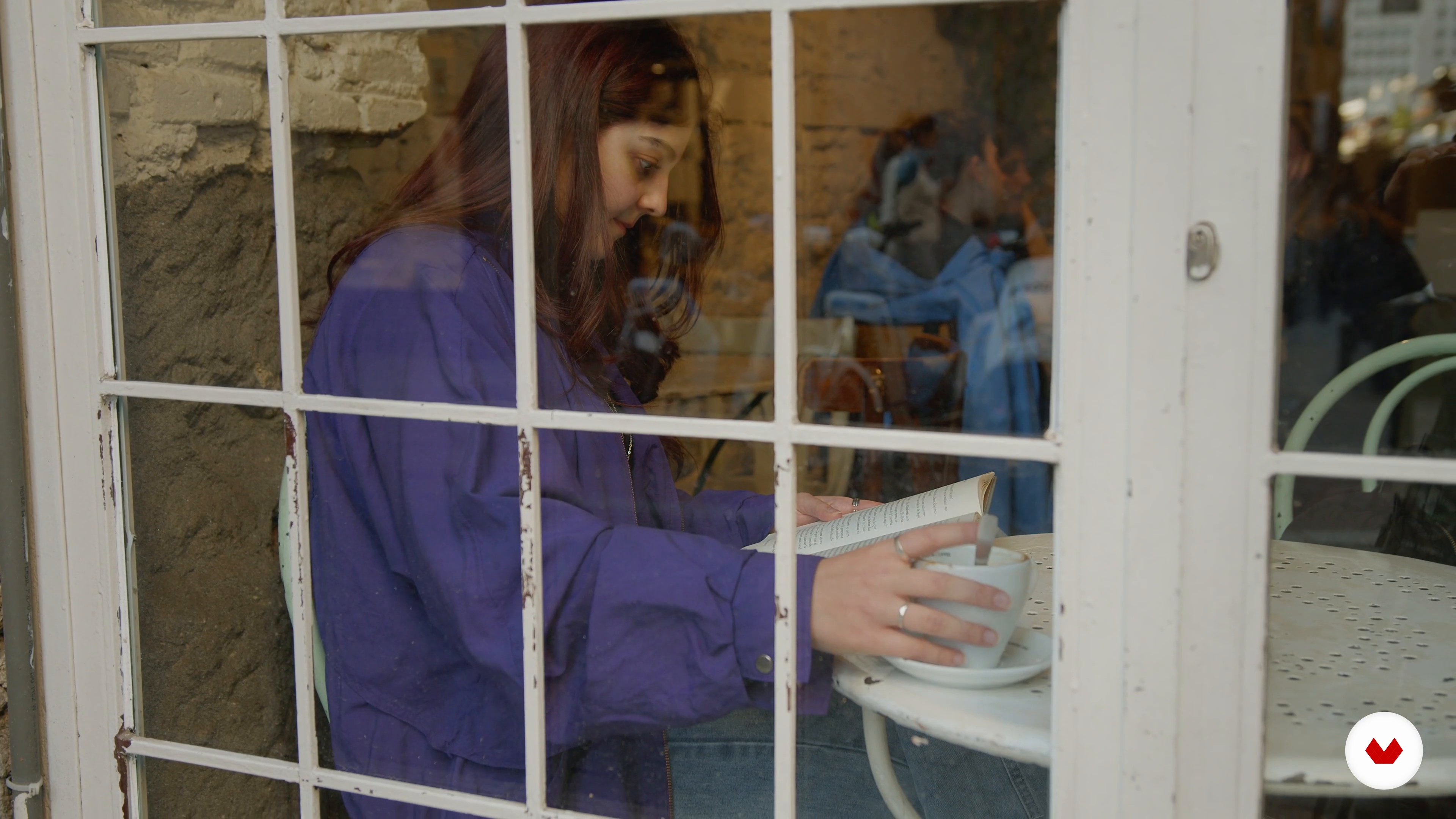
8Capturing People and Emotions
Taking photos of people can be intimidating, especially when you are up close to the action. In this lesson, I will go through my approach to capturing emotions on the streets.
2m
 9
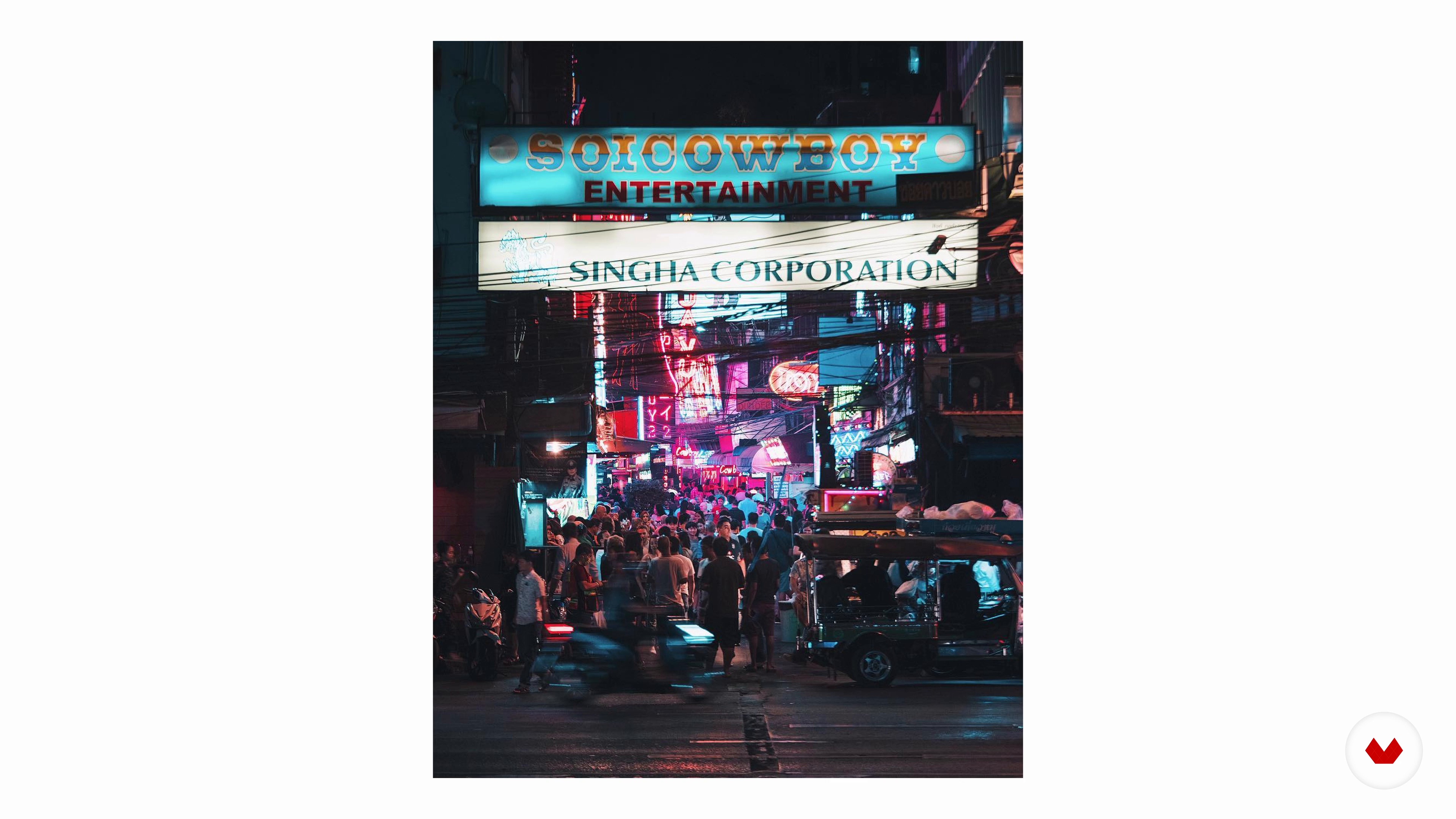
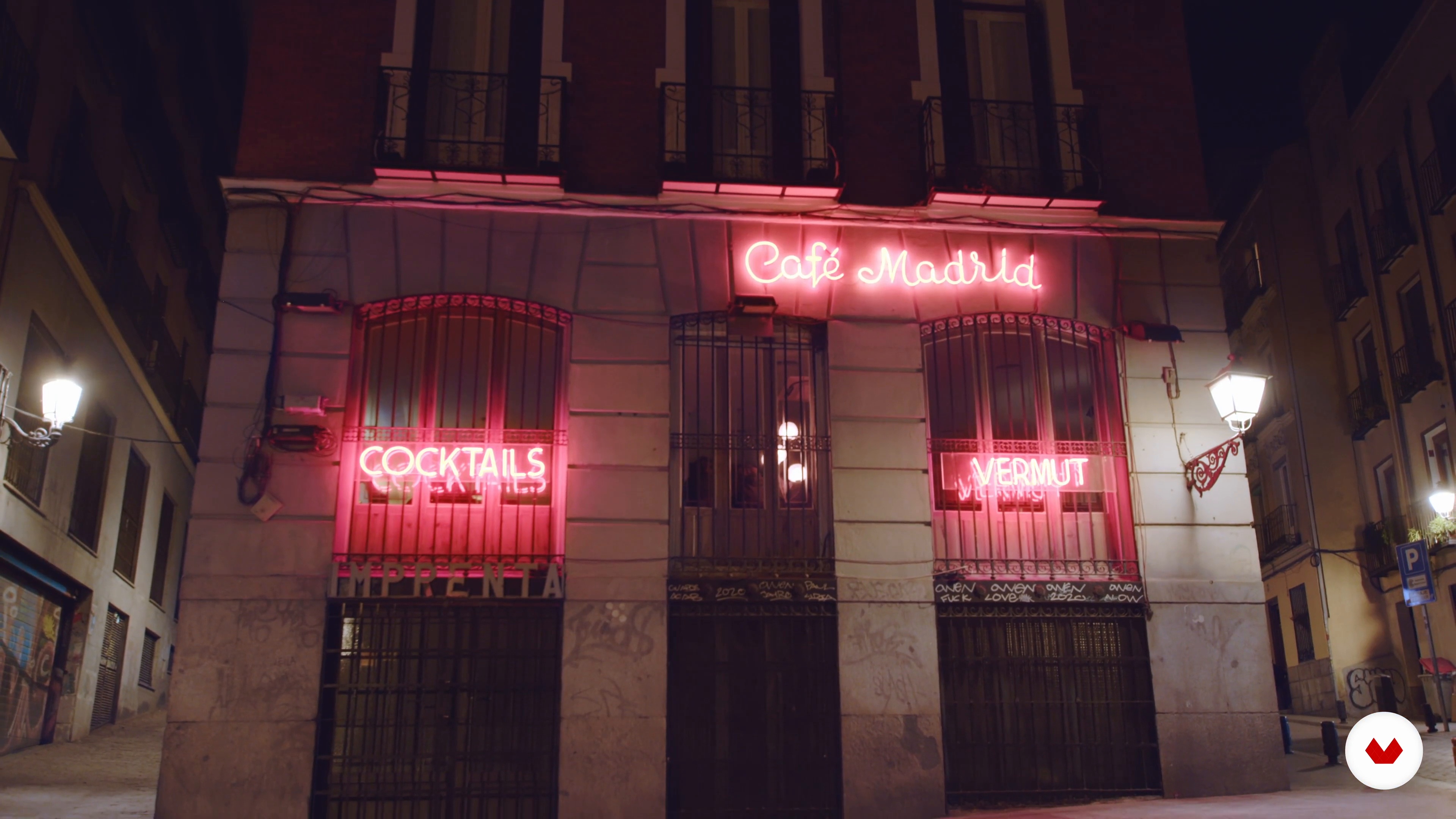
9Photographing at Night
The atmosphere of a city changes so much at night. It's one of my favorite times to shoot. In this lesson, I will take you through how I shoot at night and what to look out for in the absence of daylight.
3m
 10
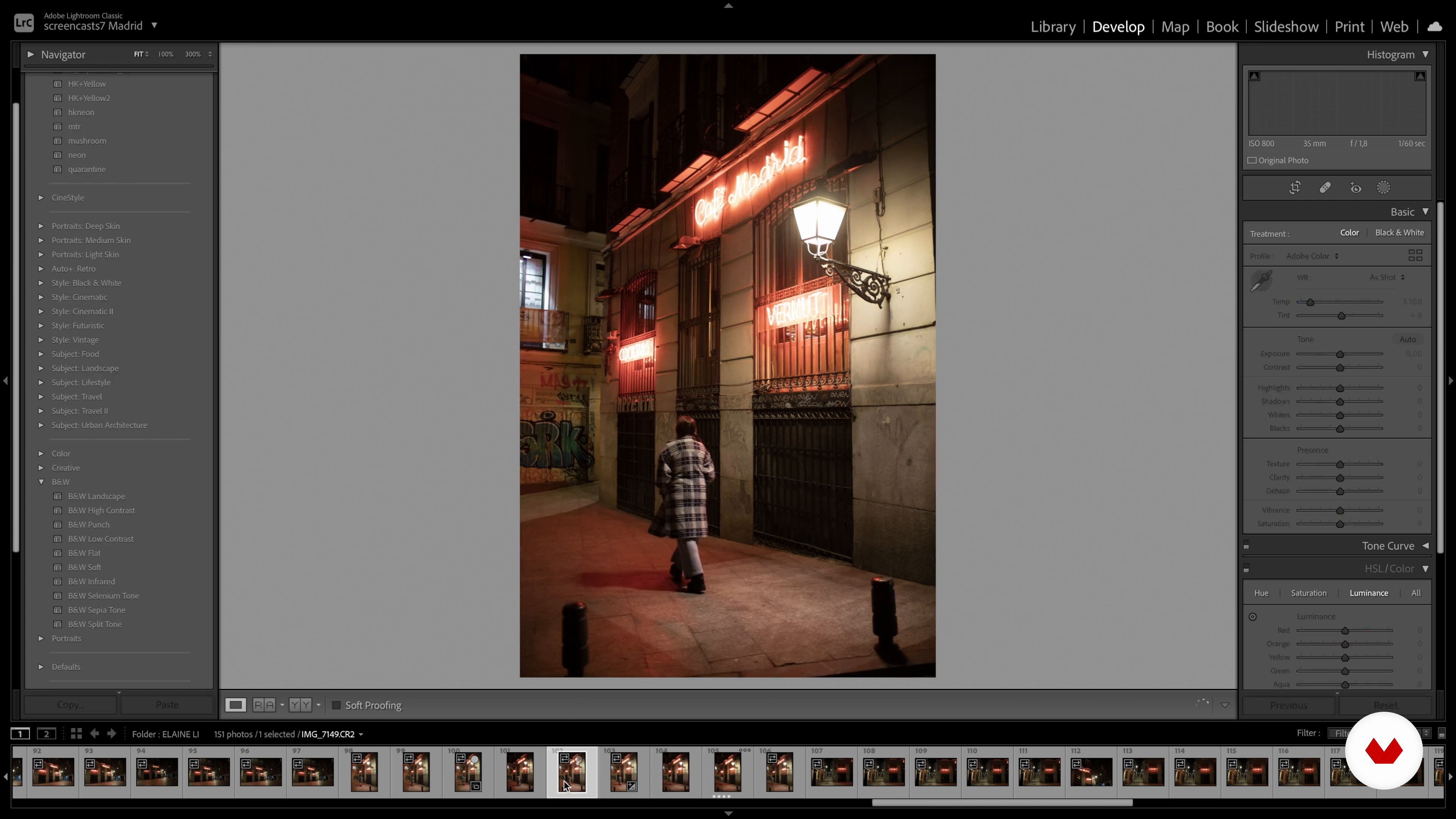
10Image Selection
In this lesson, I will go through the software I use for photo selection. I will also cover the process of selecting a photo—why we choose one over another.
17m
 11
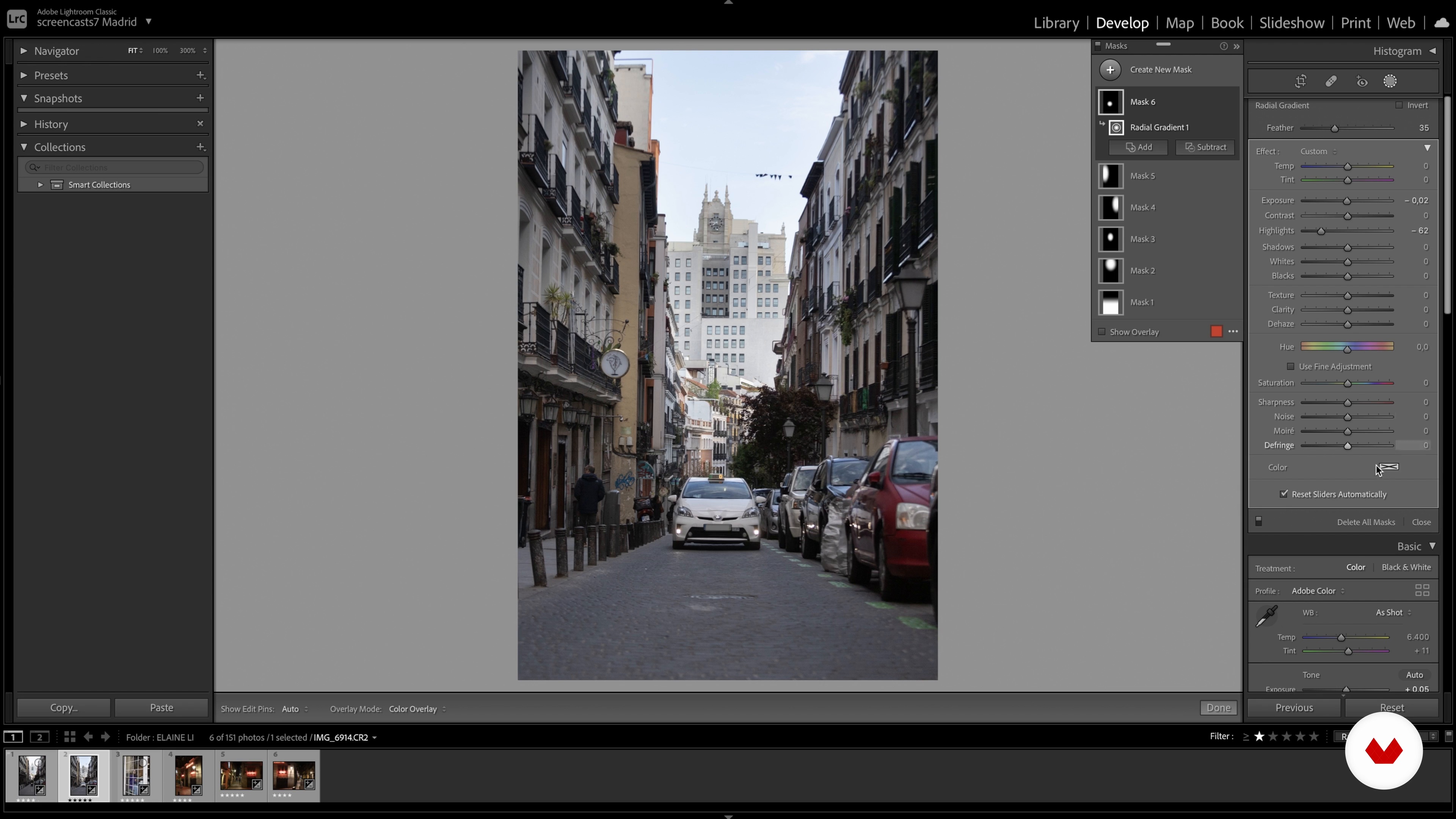
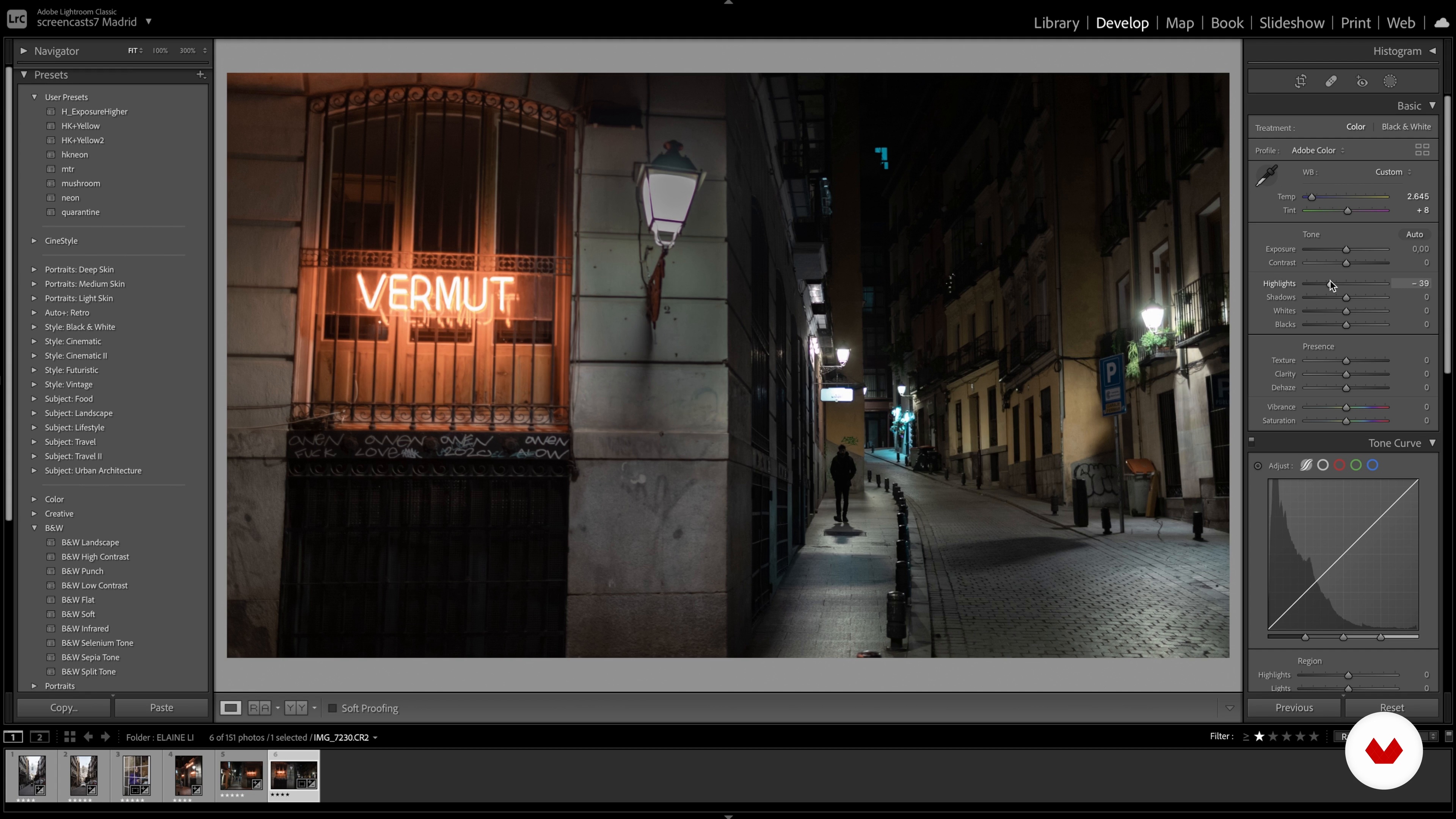
11Editing 1
Now, I will guide you through image editing in Adobe Lightroom. Have fun!
14m
 12
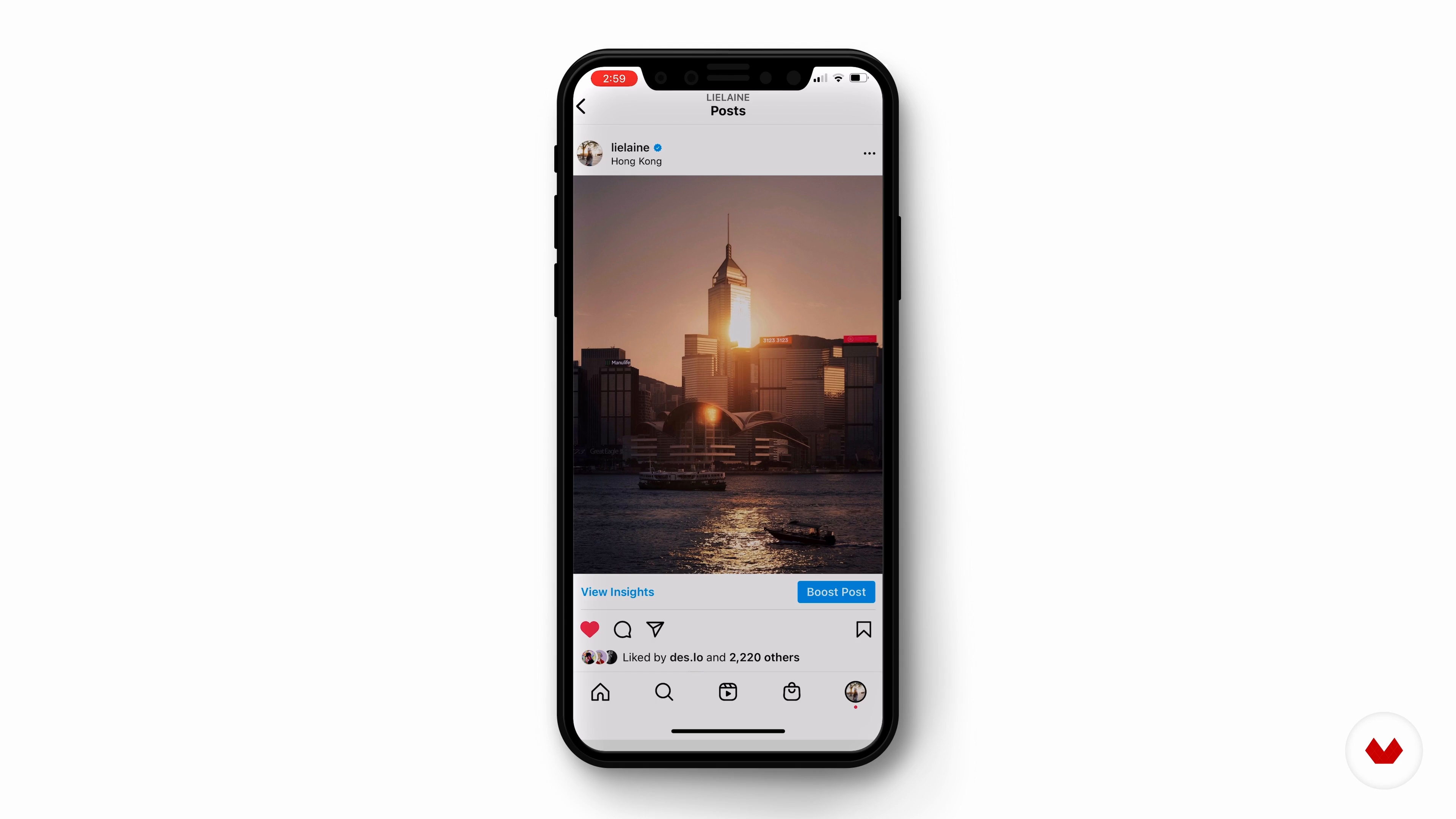
12Editing 2
Here I will continue editing my images using Adobe Lightroom. Then, I will use Adobe Photoshop to work on the last details. By the end of this lesson, I will have my set of three images ready.
11m
 13
13Sharing on Instagram
After creating your beautiful imagery, you might want to share it for the world to see. In this lesson, we will look at the best ways to share photography on Instagram and how to optimize it for the best engagement.
4m
 14
14Engaging with the Audience
In this lesson, I will take you through some things I have learned in the past ten years of sharing photos on Instagram. I will talk about how to increase engagement and impressions, and how to create meaningful connections on the platform.
2m
 4
4Photography basics
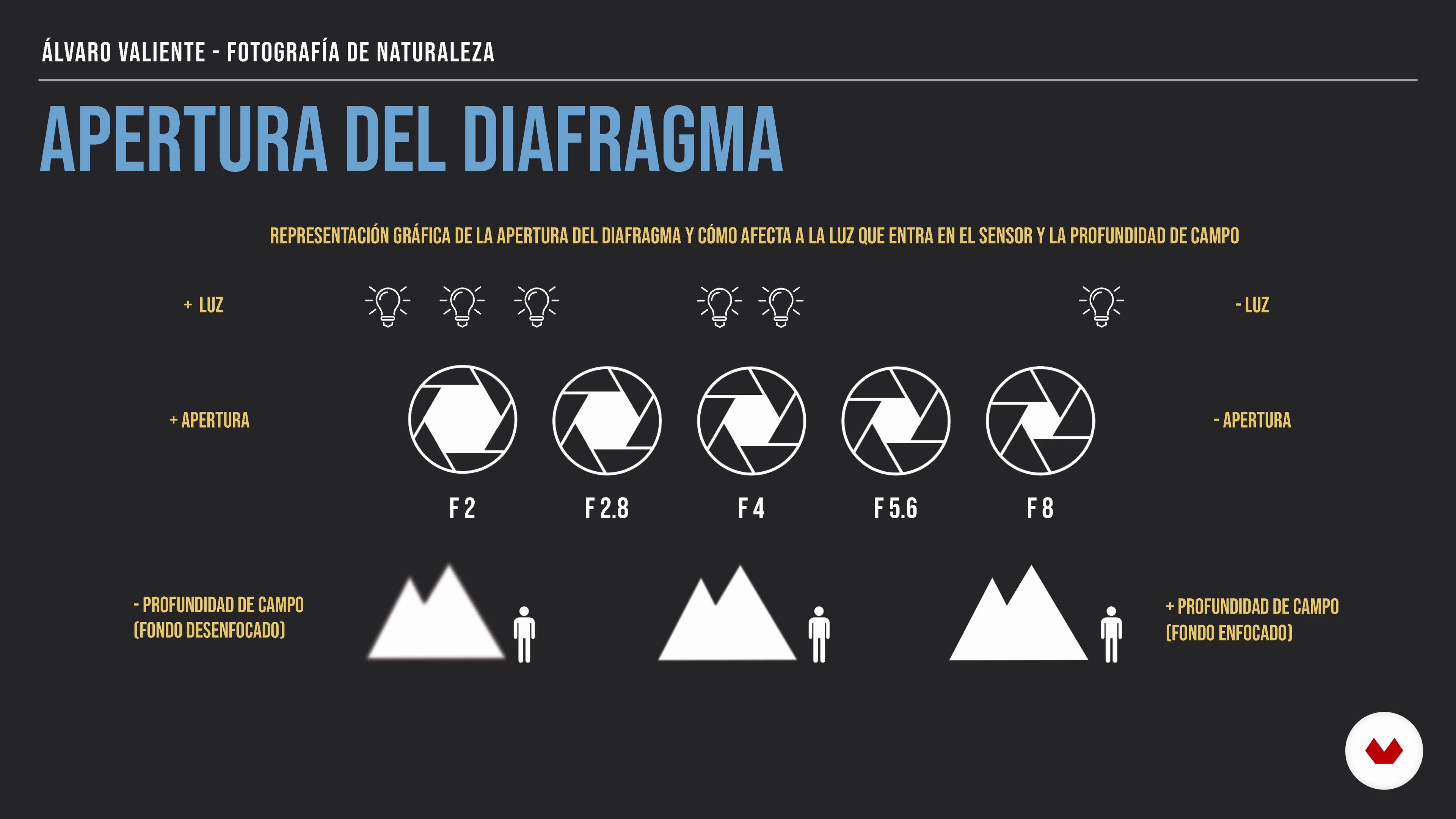
What defines photography is the use of light, everything is based on it. Light is what shapes objects that, when projected onto them, generates shadows, which helps us to perceive shapes, colors and textures. In this lesson I will explain the three pillars of photography that you will need to understand very well in order to face any lighting situation: ISO Diaphragm aperture Shutter speed I will tell you about the meaning of these concepts and how they influence when taking a photo.
9m
 5
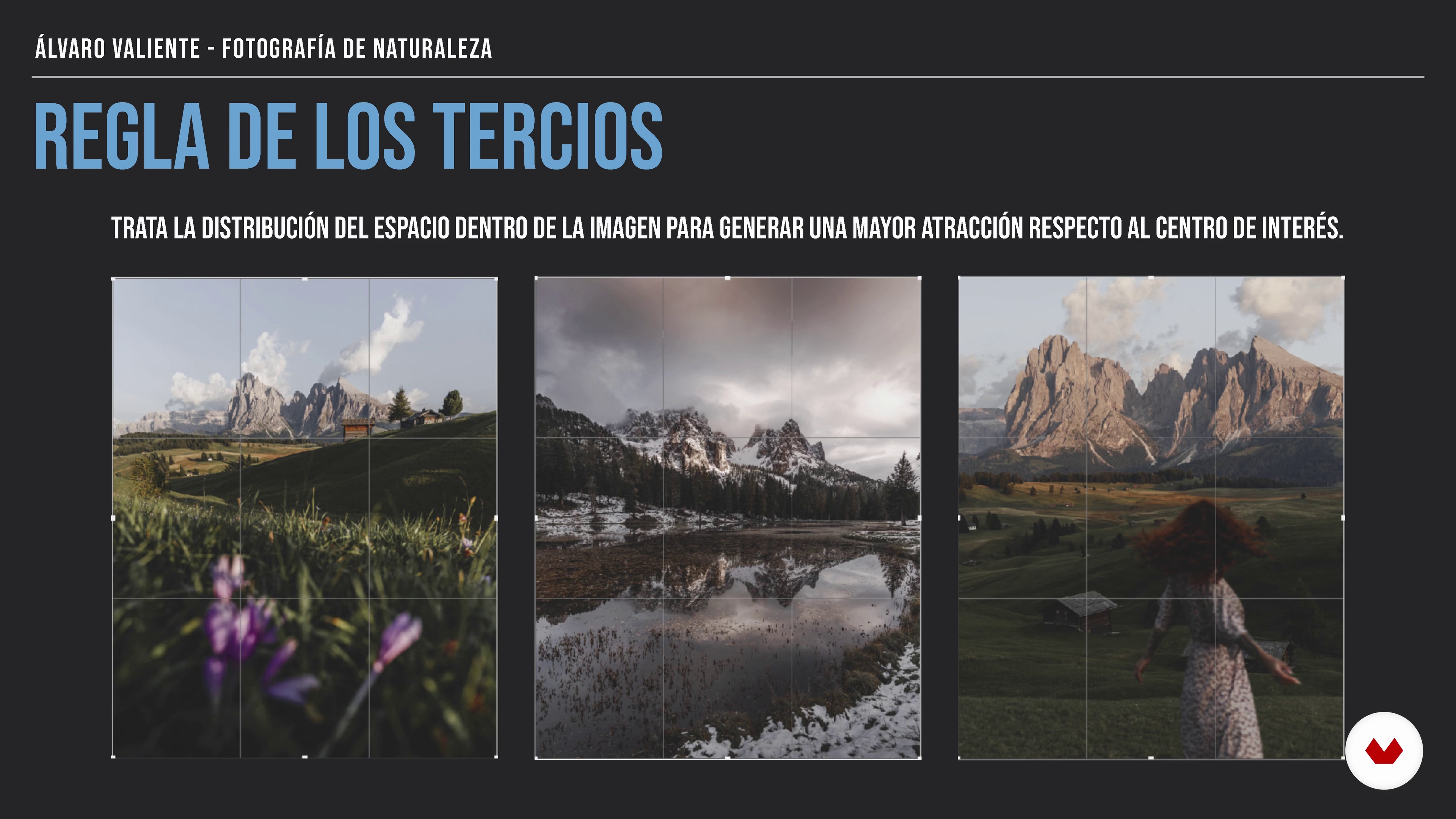
5Good practices in photography
Once these concepts are understood, I will tell you about "good practices" when taking pictures and composition rules.
16m
 6
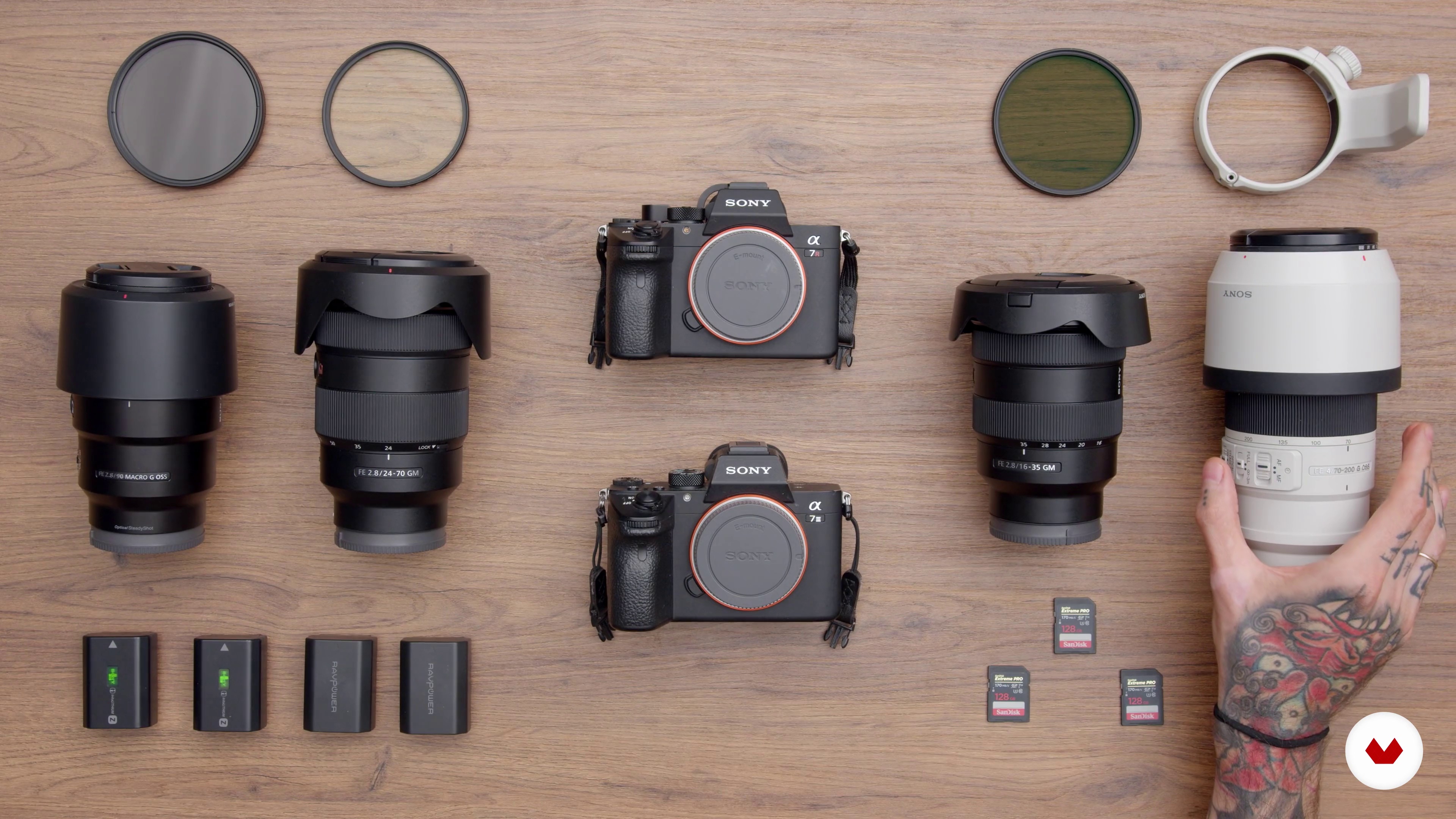
6What do we need to be ready for adventure?
Now I will tell you about a fundamental part: the team! I'll do a review of my equipment and how I use it. The result of each photo will depend a lot on this, since each objective leads to different results depending on what we want to express in each photograph.
3m
 7
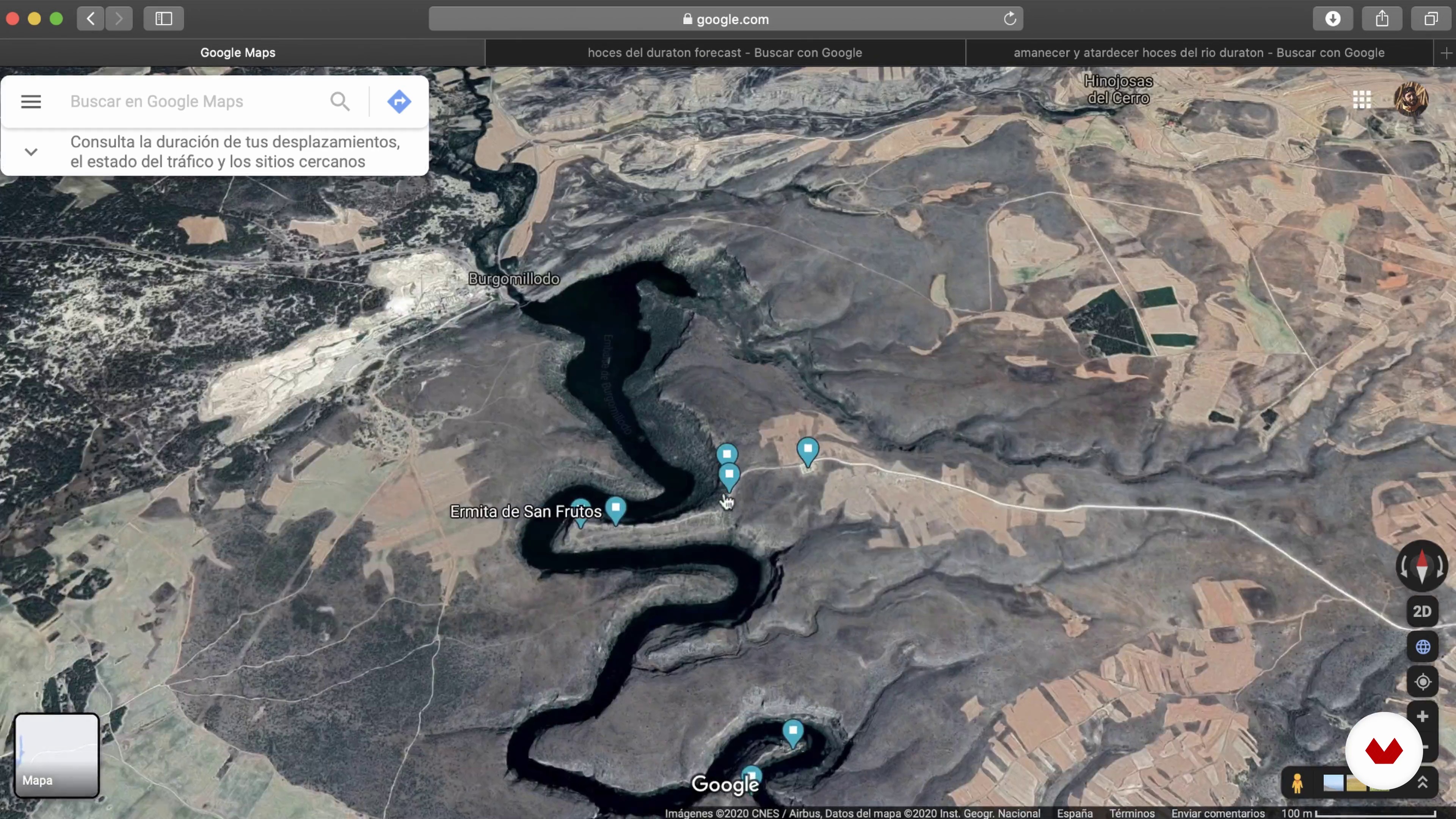
7Previous study of the place
You already have the equipment ready and you handle your camera and lenses perfectly. Now it's time to do a field study! As I mentioned in the lesson on the basics, light is the most important thing in photography, therefore, we will go into more detail about the best times of the day to take photos when light helps us a lot. Knowing where we are going, even from previous photos or maps, is essential.
9m
 8
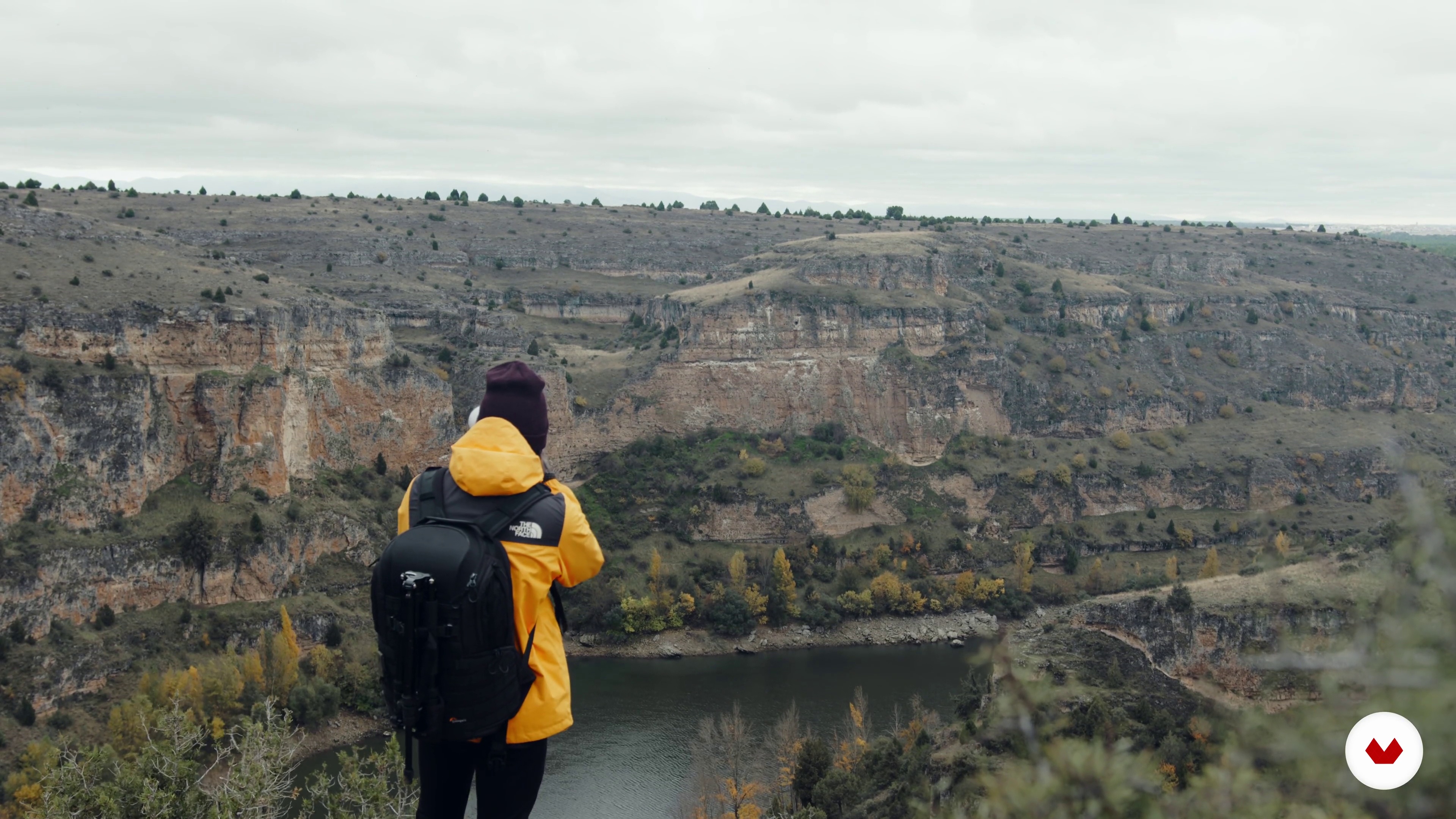
8Photograph that will include a subject in it
The first moment when you arrive at a new place that you have normally only seen in photos or even that you do not even know what it is like, is a bit overwhelming and the first thing you will ask yourself is, what do I do now? What photos do I take? How do I do it? Well, there is no written manual for these situations and each photographer feels it differently. In my case, I'm going to try to explain step by step what I do when I get to a new place.
2m
 9
9Detail photography
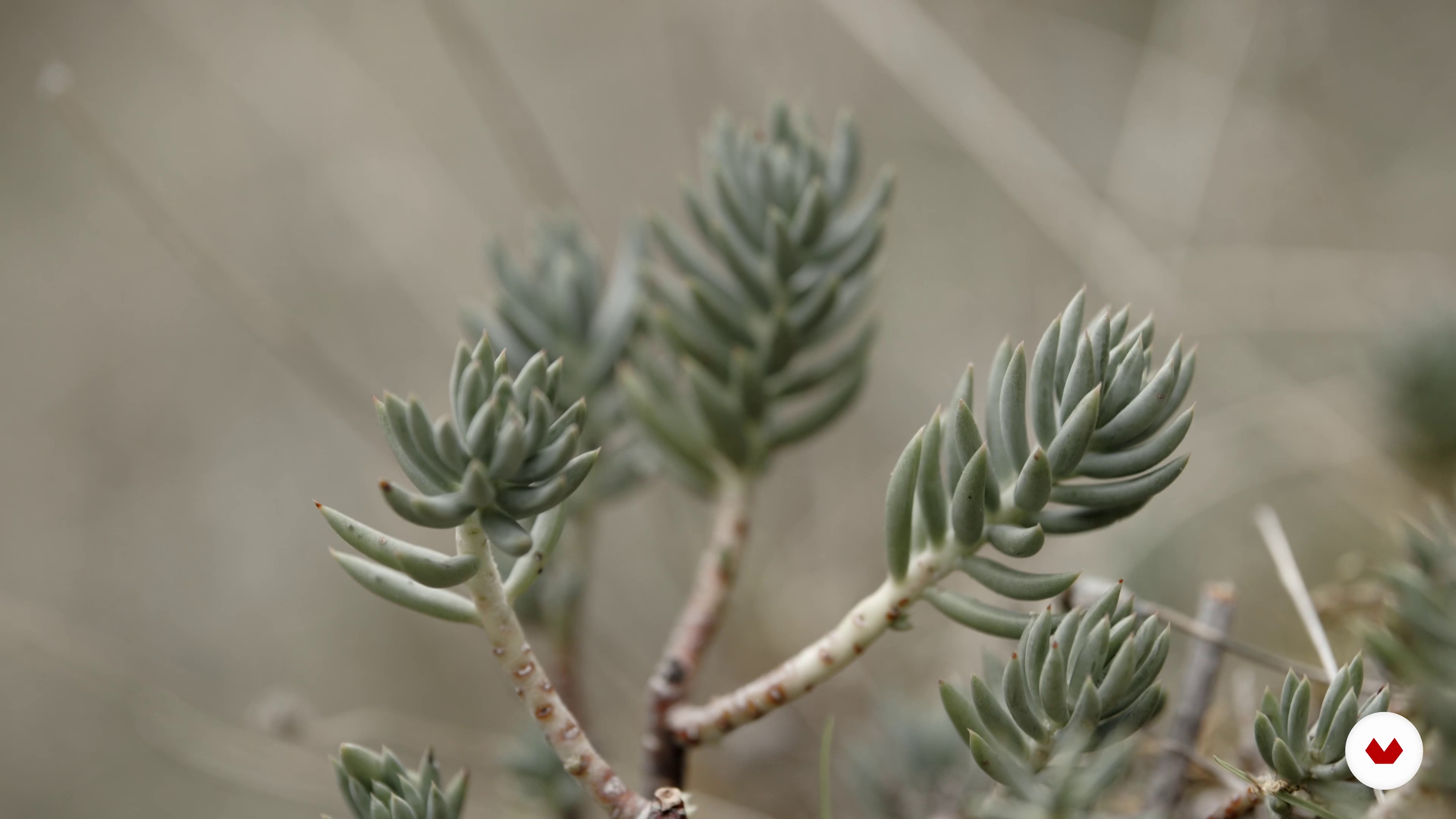
In nature we will not only find spectacular places that make us stay with our mouths open, if we look more in detail we will find the beauty of the place in the smallest things. Sometimes it is not necessary to photograph impressive mountains or incredible valleys to show the beauty of nature. If we pay attention to elements as simple as a fern, the drops of water touching a leaf or the texture of the moss, which at first glance seems simple, can become a great photo that summarizes the essence of nature.
2m
 10
10The landscape in all its essence
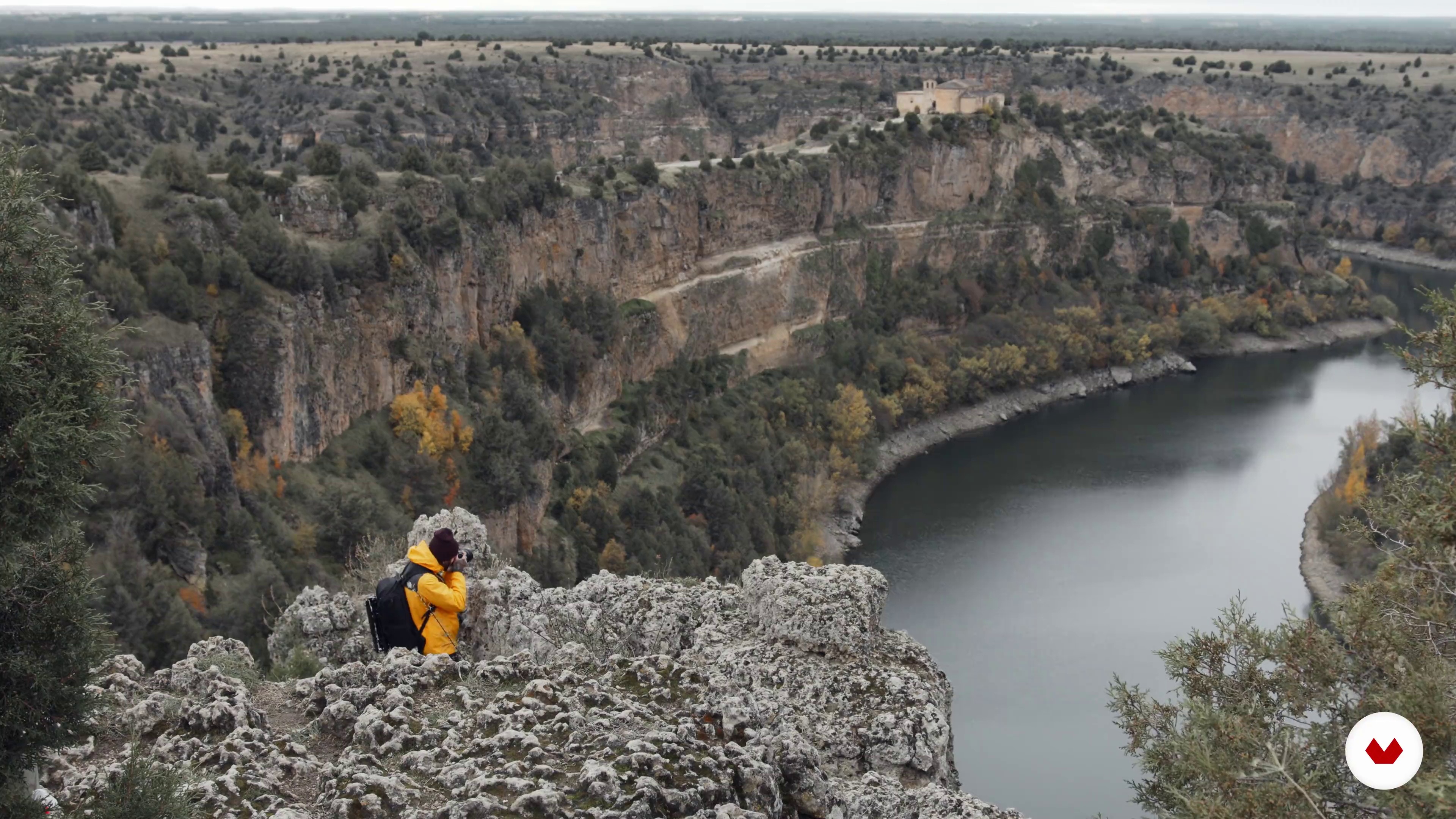
The main thing for this photo, as I mentioned earlier in the course, is to arrive at the place well in advance to be able to explore it without haste, because this is what we must do first. The first thing I do is put a goal as versatile as possible on my camera, so I don't waste a lot of time changing. We are going to explore the place as much as possible to look for frames and perspectives that allow us to portray the site in different ways and that will serve as a reference for when the light conditions are optimal.
3m
 11
11Image selection
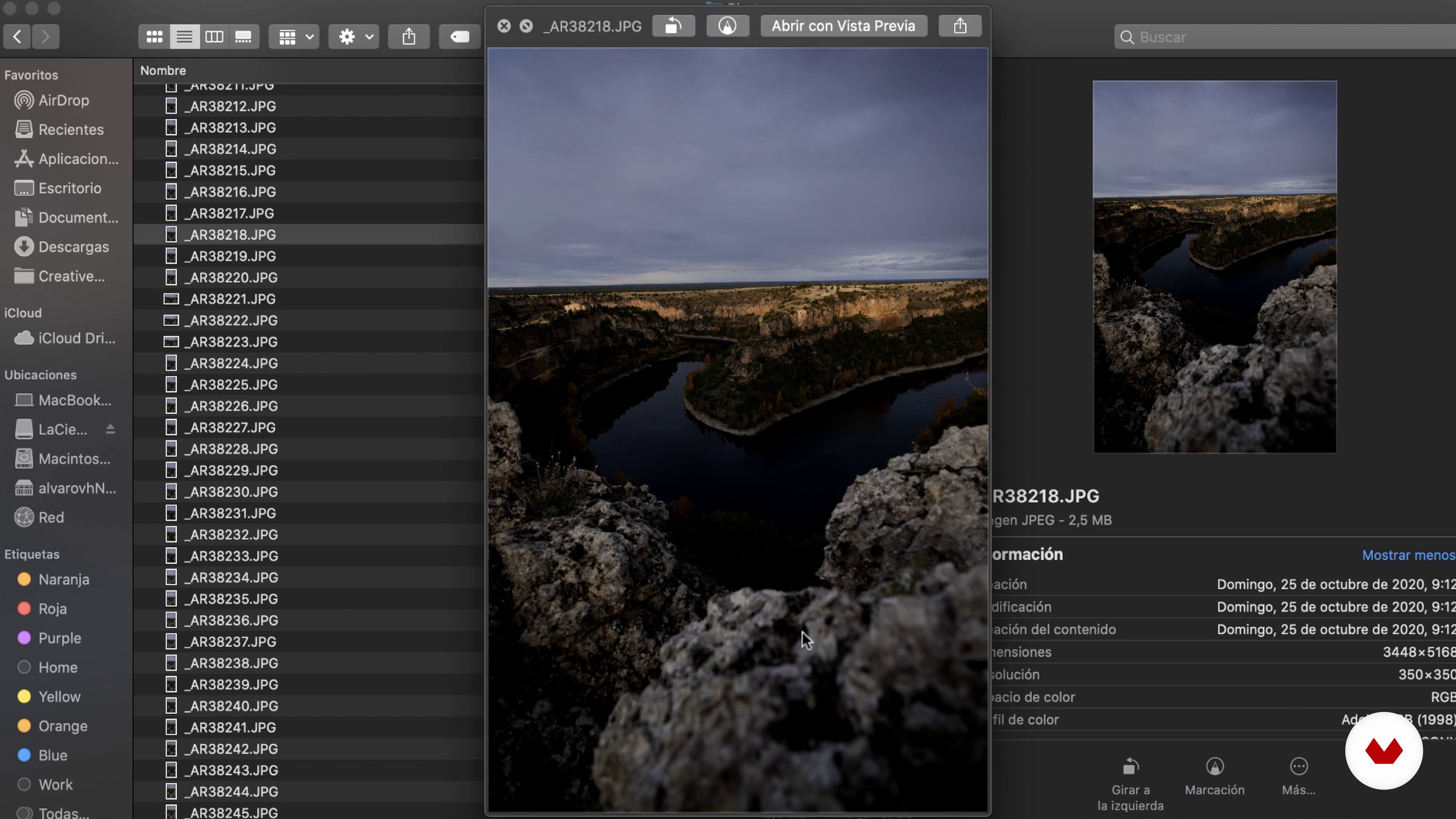
Like everything in life, photography is a process of trial and error, and after our adventure there will be many of the photos we have taken that are not exactly what we were looking for. Some will be poorly focused or poorly exposed or, even if they are fine, there will always be one that stands out from the rest. In this lesson you will see how to select and organize our images to facilitate later access when you need it.
12m
 12
12Workflow in Lightroom 1
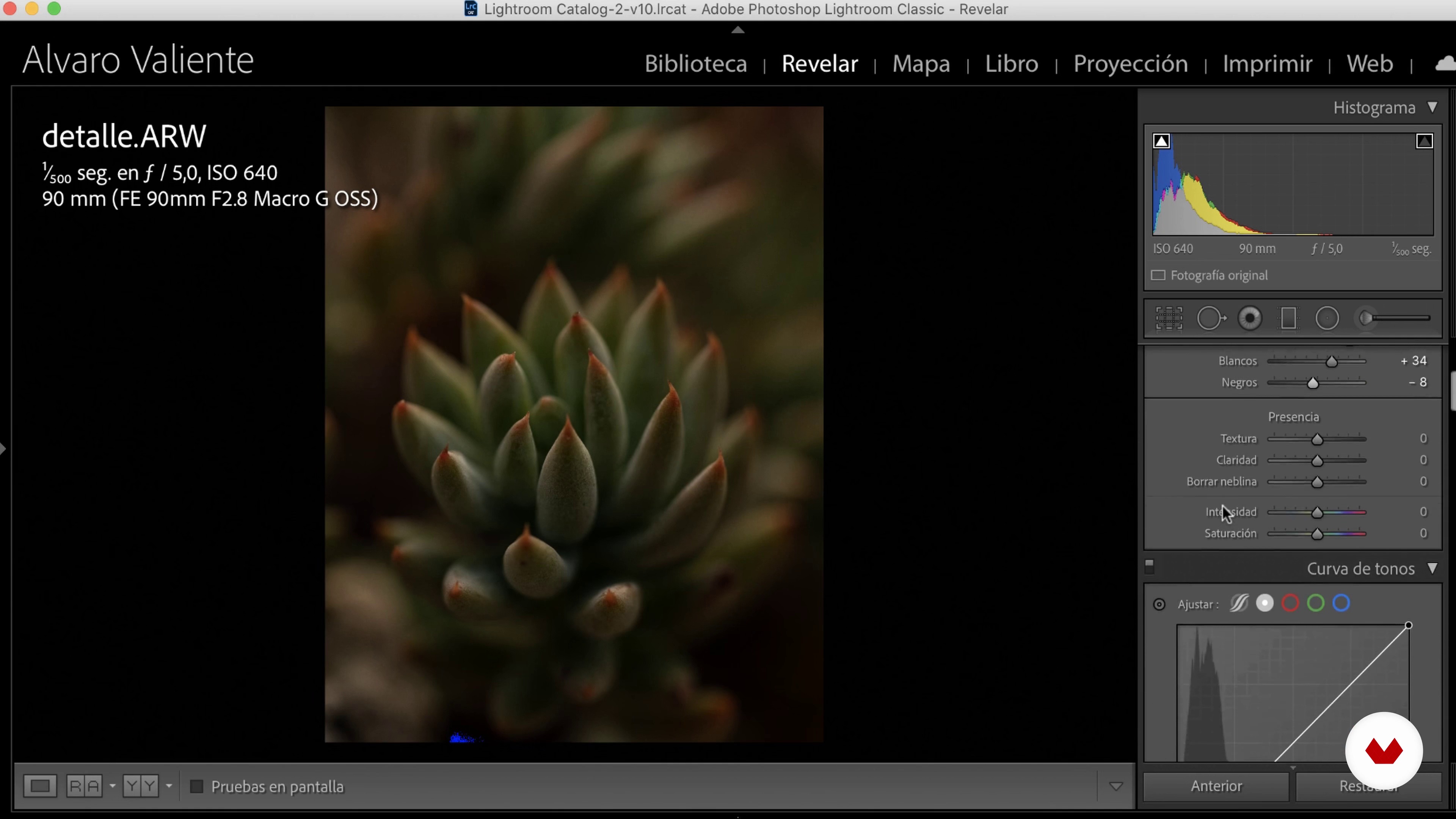
In this lesson I will show you my workflow and editing of the photographs taken during this course. I will edit the photos and explain why I make each decision so you can choose a basis to develop your own editing style. You will learn to face a photograph in RAW transforming it little by little until you achieve the desired result.
20m
 13
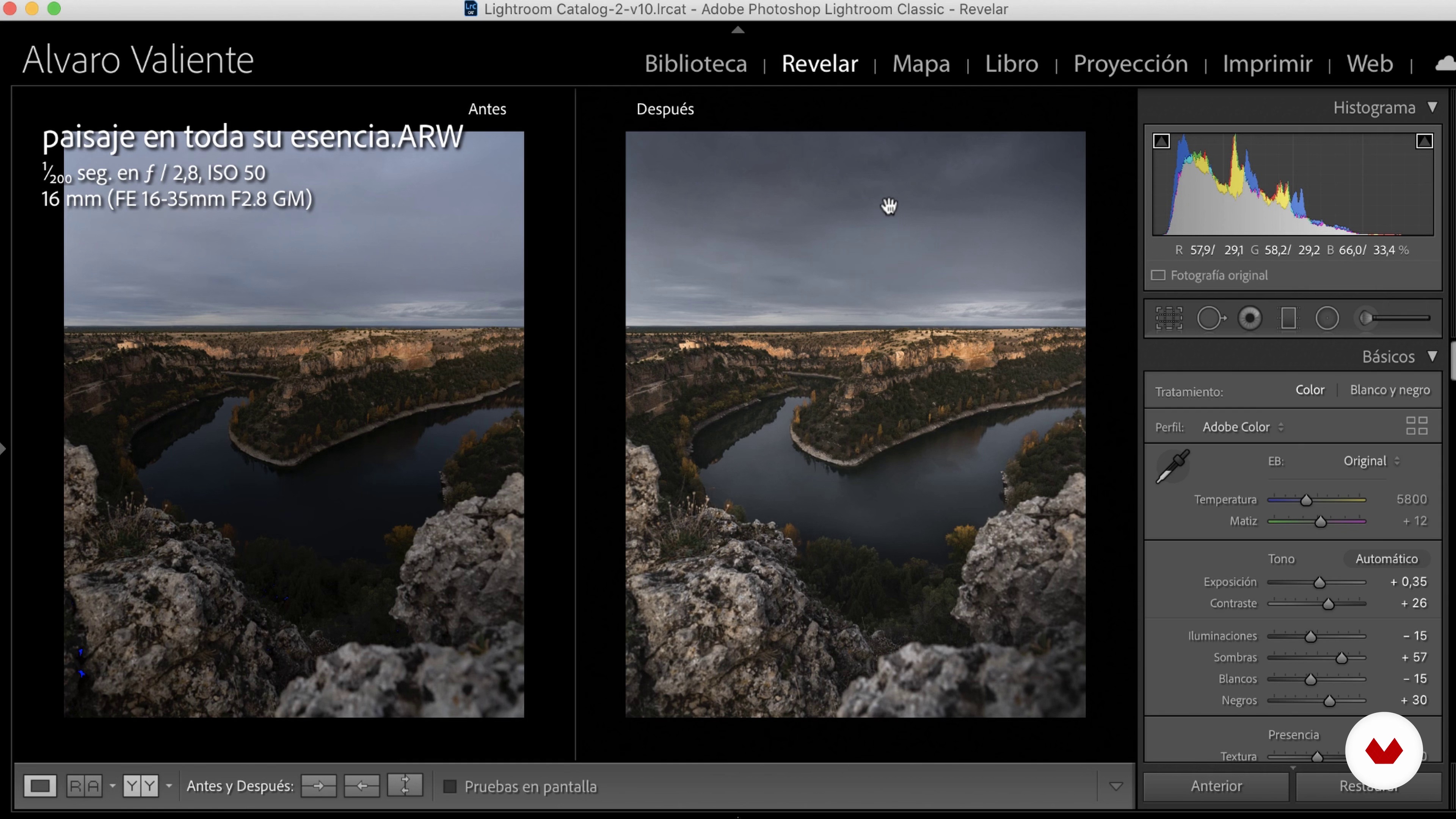
13Workflow in Lightroom 2
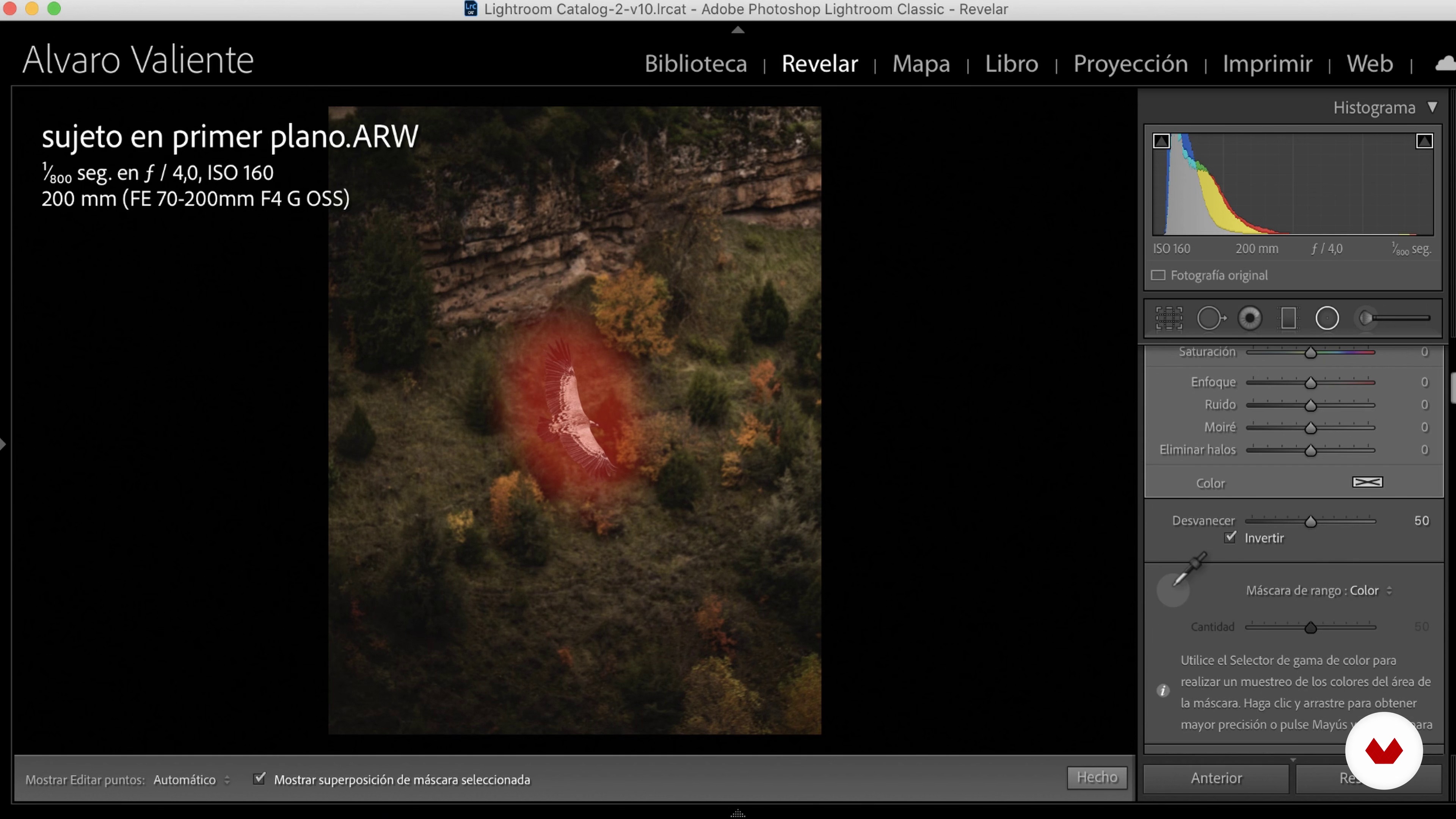
In this second part of the lesson, I am going to deal with the second photo and highlight the subject that I have chosen by playing with lights and shadows to achieve the desired highlight.
15m
 14
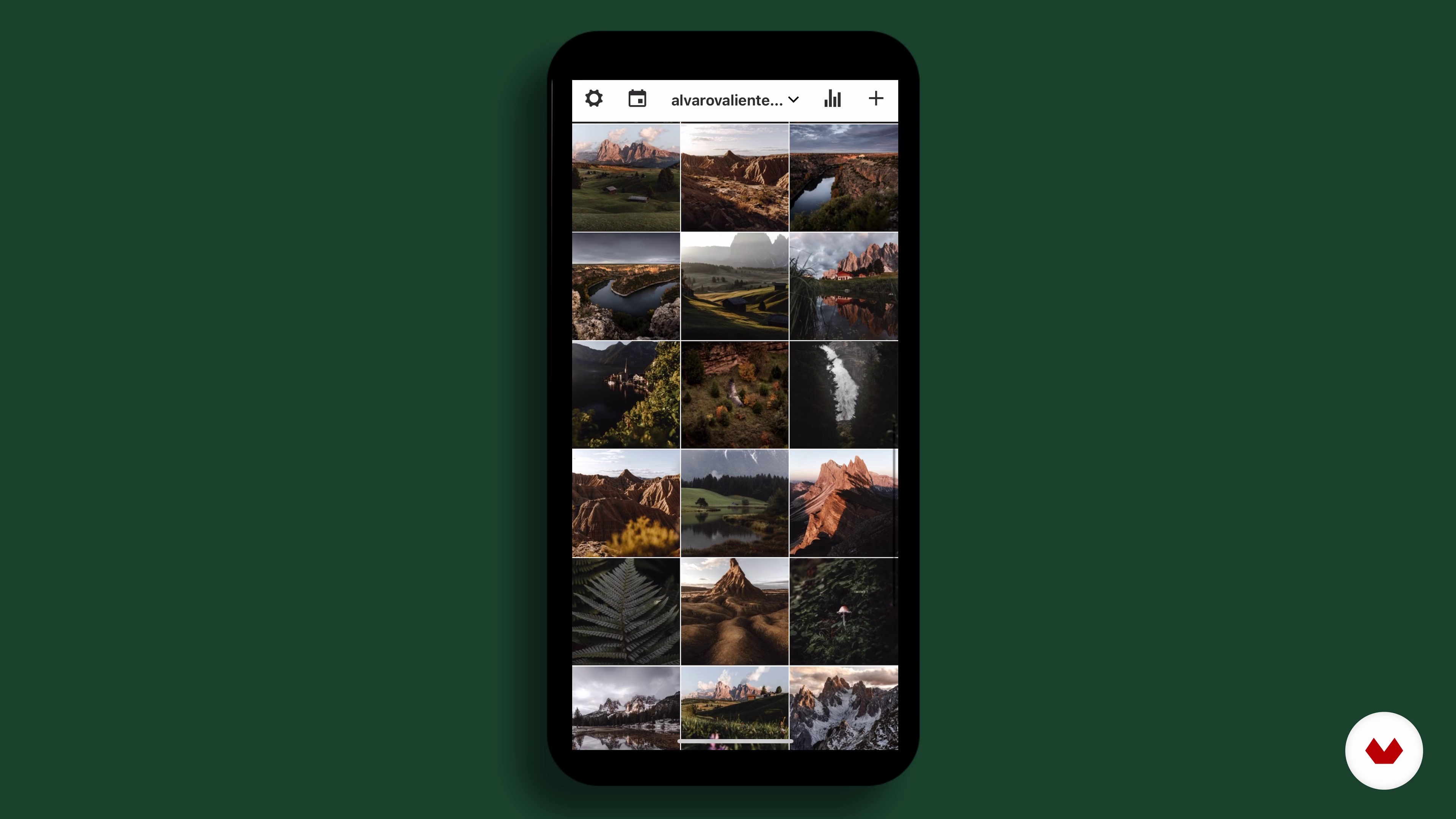
14Workflow in Lightroom 3
In this last part of the lesson, I will repeat the process used in the previous photos and finish my workflow in Lightroom.
11m
 15
15Photography and social media
Social networks are a wonderful window to show our work, interact with other artists and get feedback, specifically on Instagram. With me you will learn a series of little tricks to take into account when uploading your photos to Instagram. In addition, we will talk about the consistency and image of the feed and how to create an account that attracts people's eyes.
9m
Recommended software & tools for this course
What is this course's project?
The project involves developing a professional Instagram profile with high-quality travel content, showcasing advanced photography and content strategy skills. This will include creating a cohesive feed, a series of urban and nature photos, and an optimized photography guide.
Who is this specialization for?
Photographers and travelers passionate about capturing unique moments will find this course a guide to honing their skills. From using smartphones to advanced techniques, they will learn to create impactful visual narratives, connecting with global audiences through images.
Requirements and materials
No extensive prior knowledge is required. You'll need a smartphone with editing apps installed. A willingness to experiment and curiosity are key to making the most of the creative possibilities that mobile travel photography offers.
Reviews
- 28 days ago
Um curso que eu precisava muito satisfatório ainda não terminei só o que eu aprendi já me ajuda muito.
- 1 month ago
Ce cours est pas mal complet. La variété d'enseignements y est appliquée.
- 3 months ago
Siempre quise hacer este curso, y me encantó, lo amé
- 6 months ago
Excelente curso, te va guiando por el fascinante mundo de la fotografia urbana y de paisaje, abordado desde diferentes miradas.
- flavietPLUS7 months ago
es el mejor curso para aprender de cero ,la explicacion super detallada
Select to get to know your teachers in this specialization course


What to expect from this specialization course
Learn at your own pace
Enjoy learning from home without a set schedule and with an easy-to-follow method. You set your own pace.
Learn from the best professionals
Learn valuable methods and techniques explained by top experts in the creative sector.
Meet expert teachers
Each expert teaches what they do best, with clear guidelines, true passion, and professional insight in every lesson.
Certificates
PLUSIf you're a Plus member, get a custom certificate for every specialization course. Share it on your portfolio, social media, or wherever you like.
Get front-row seats
Videos of the highest quality, so you don't miss a single detail. With unlimited access, you can watch them as many times as you need to perfect your technique.
Share knowledge and ideas
Ask questions, request feedback, or offer solutions. Share your learning experience with other students in the community who are as passionate about creativity as you are.
Connect with a global creative community
The community is home to millions of people from around the world who are curious and passionate about exploring and expressing their creativity.
Watch professionally produced courses
Domestika curates its teacher roster and produces every course in-house to ensure a high-quality online learning experience.
FAQs
Yes, this course is designed for beginners and covers foundational skills in travel, street, and urban photography, including camera settings, composition, and storytelling techniques.
You can start with a basic camera or even a smartphone. The course discusses options for minimal gear, lens choices, and accessories for both beginners and more advanced photographers.
You’ll learn how to research locations, plan photo walks, capture cityscapes, document urban details, and compose dynamic images using techniques like symmetry, reflections, and the rule of thirds.
The course includes lessons on using artificial light, capturing neon signs, creating cinematic moods, and mastering long exposure and light trails for night photography.
Yes, the course guides you through selecting, editing, and organizing your images, plus strategies for posting on Instagram with effective hashtags and location tags.
No prior experience is required. The course introduces street photography basics, ethical considerations, and ways to respectfully photograph people and urban environments.
Yes, you’ll learn how to use tools like Google Maps, Instagram tags, and Atlas Obscura to find photo spots, create itineraries, and discover hidden locations.