

Specialization

Project Management Specialization

Master project management essentials through planning, communication, and innovative strategies for successful project execution and delivery

Specialization · 6 modules

Embark on a journey through the art of project management, where strategic planning transforms ideas into reality. Learn to develop comprehensive project plans that integrate user-centered design, effective communication, and agile methodologies. Explore how to manage resources, timelines, and risks while maintaining a clear focus on achieving impactful outcomes. Discover innovative solutions with design thinking principles and enhance your communication strategies to lead diverse teams effectively. Navigate the complexities of digital product management, understanding market analysis, user experience design, and cross-functional team leadership.

Gain insights from industry experts such as Alessia Casillo, Sophie Simmons, Silvia Calvet, Irene Prieto, María Granadino, and Victor Niharra. Each instructor brings unique expertise, guiding you through the complete project lifecycle from initial concept to market launch. Whether coordinating teams, managing stakeholders, or executing successful product launches, you'll master the skills needed to deliver consistent value. By the end of this specialization, you'll be equipped with the methodologies and tools to lead projects confidently and creatively, making a tangible impact in any industry.

Read more ↓

What will you learn in this specialization?
A total of 6 modules and 63 lessons
A total of 10h 35m of vídeo lessons
Taught by 5 selected expert teachers
image
1
Introduction
Project management is more than a role — it's a mindset rooted in empathy, adaptability, and problem-solving. This lesson traces its evolution from military logistics to a human-centered, innovation-driven practice. You’ll explore key methods like design thinking and critical path planning, while learning how to lead with clarity, collaborate across cultures, and turn complexity into meaningful solutions.
2m
image
2
Influences | Alessia Casillo
Here are some secrets about myself, as well as introducing you to the thoughts and personalities that have shaped my point of view.
3m
image
3
Influences | Sophie Simmons
What are the things in life that fuel inspiration? In this lesson, I will tell you what places, arts, and activities influenced my life and career decisions.
7m
image
4
Influences | Silvia Calvet
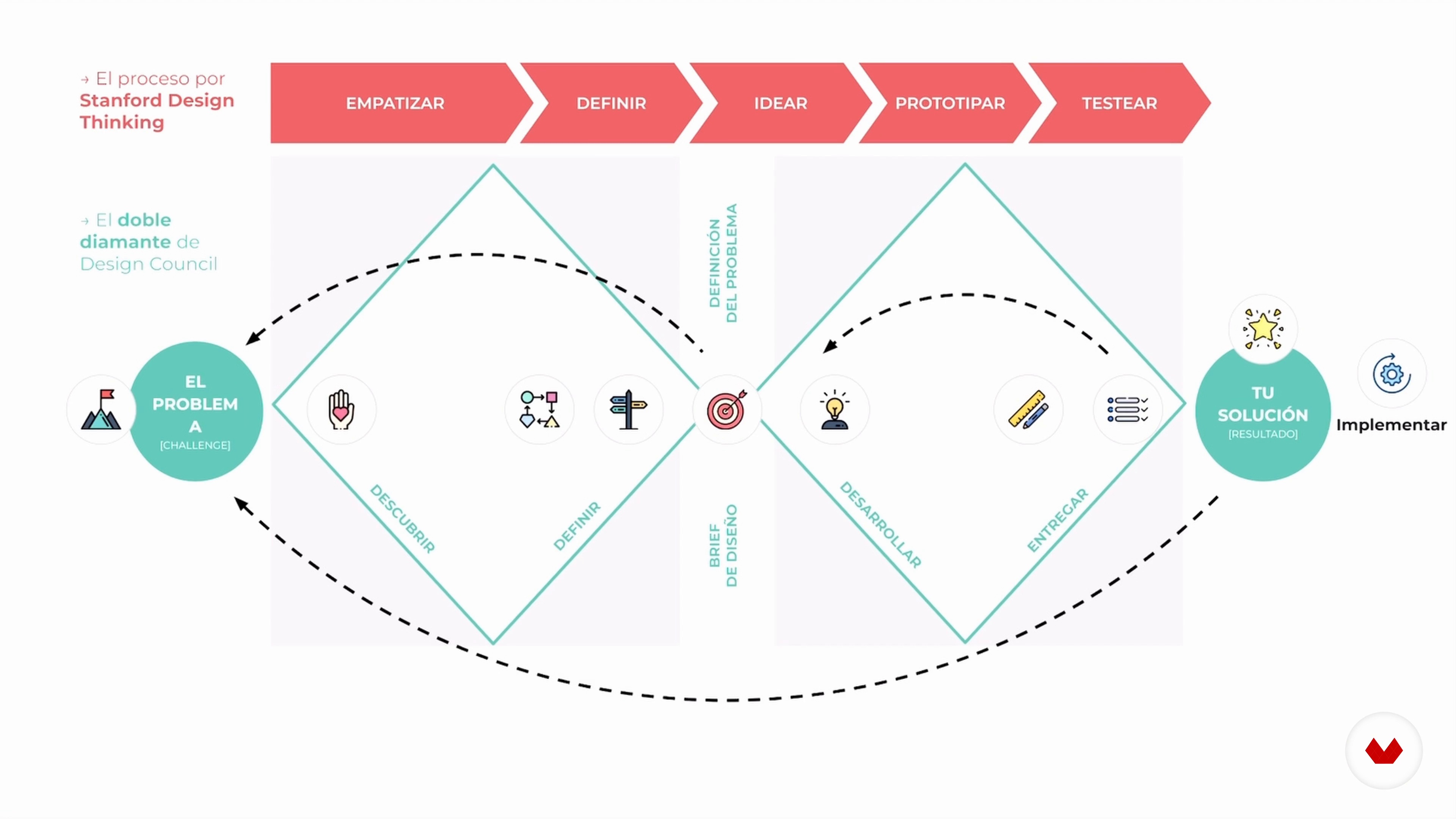
I found that it naturally facilitated design conversations and became an enthusiast of the design thinking and design process. In this lesson I will tell you what my main sources of inspiration have been. In addition, I will show you the different visualization models of the design process that have helped me understand the methodology and I will tell you why I consider them relevant to the topic of this course.
8m
image
5
Influences | Irene Prieto & María Granadino
We will share with you some of our influences, from a very personal point of view, in addition, we will explain how they have marked our trajectory. We'll show you some of our favorite books and tell you why we think they're relevant to this course.
6m
image
6
Influences | Victor Niharra
I have had several kinds of influences throughout my Product Management career. For the purpose of this course, however, I have selected three of the most influential people that have shaped my journey.
3m
image
3
Introduction to project management
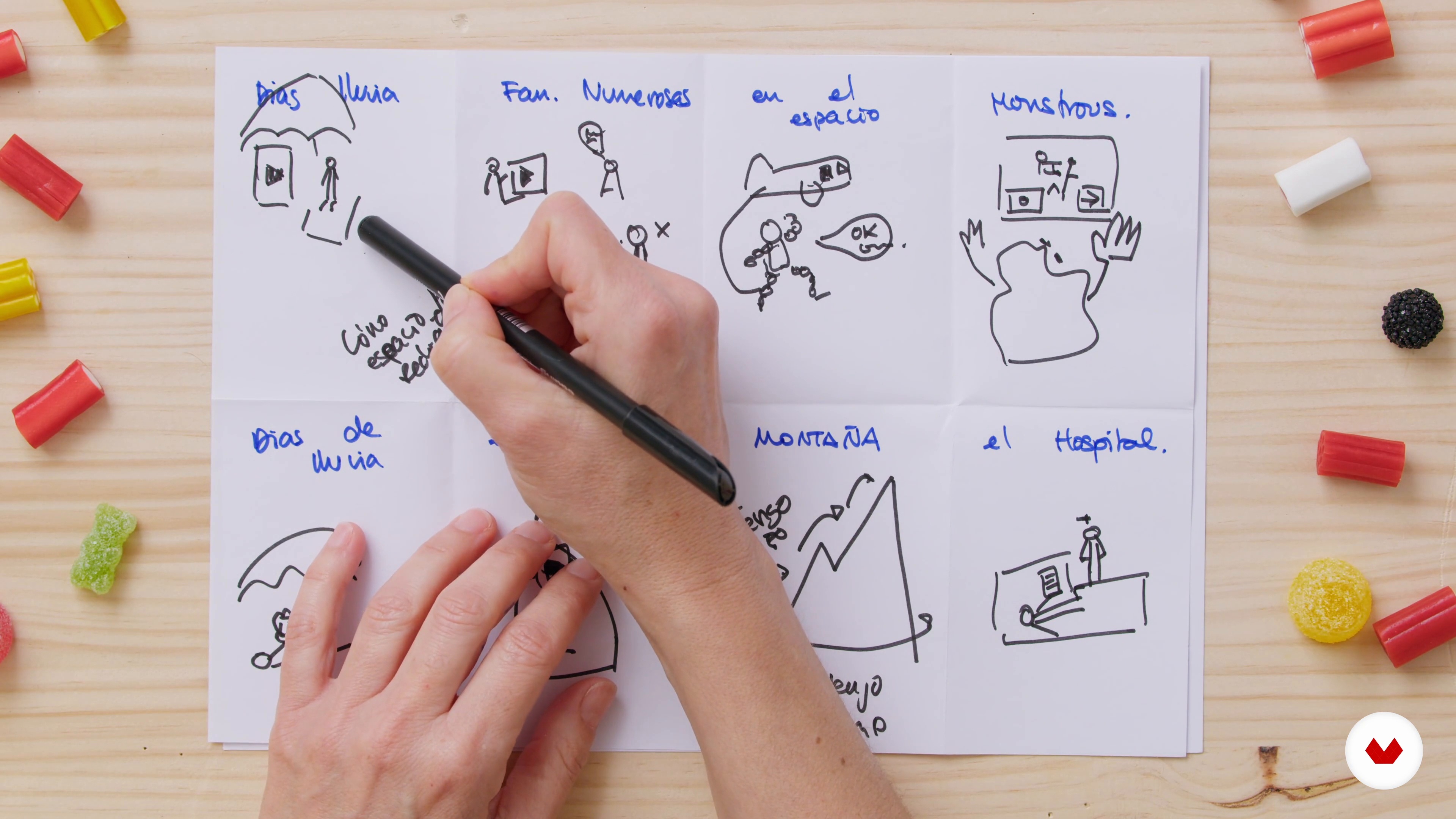
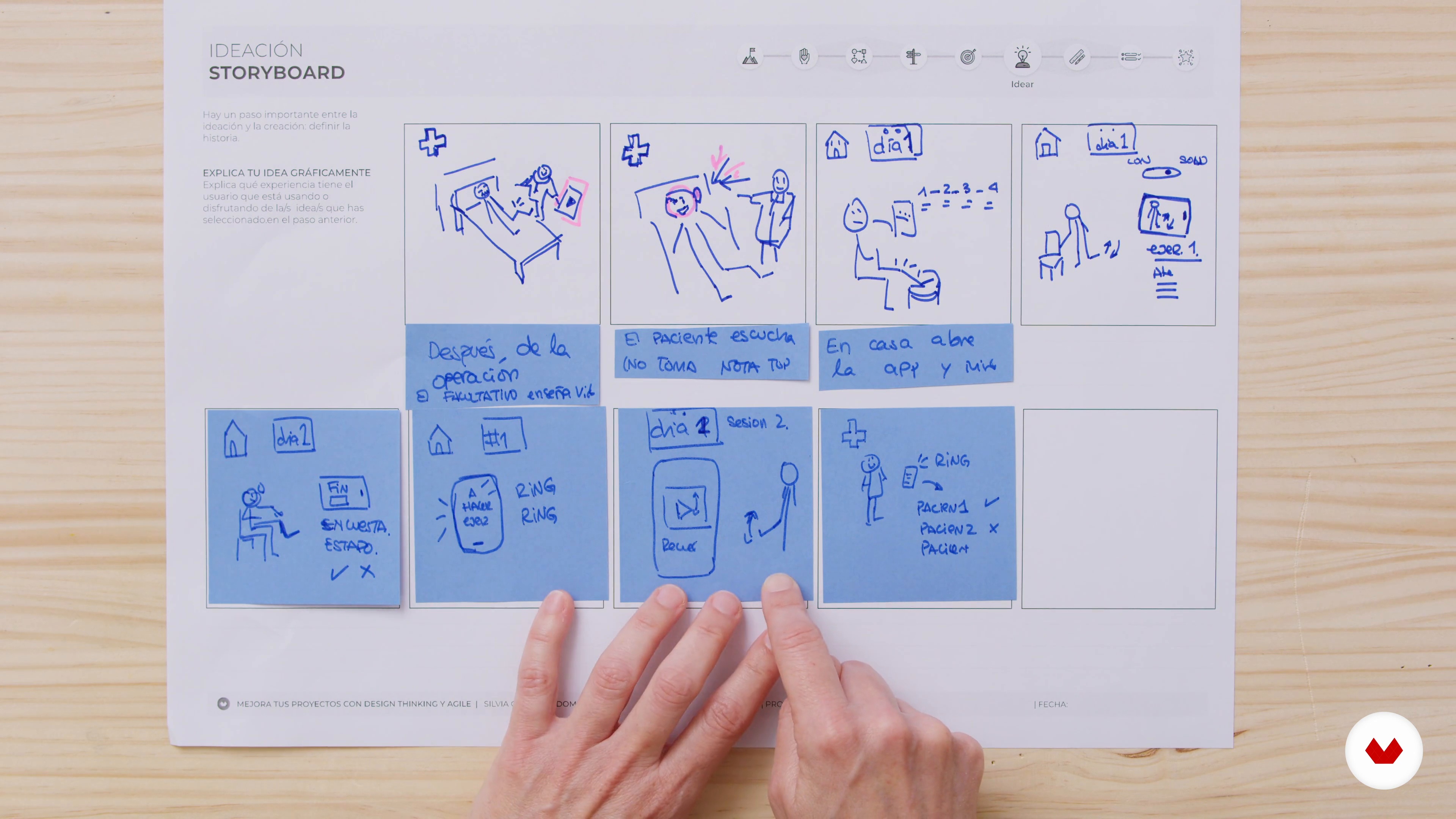
Why do we need to plan? What is the purpose of planning? This lesson will help you understand the usefulness of project management and organization. I will also present to you what I would like the final project to be. It would be great if you continued to keep the needs of your own project in mind in subsequent lessons.
6m
image
4
Type of key steps and their usefulness
The organization is fundamental for management, but what is management? What types of steps could be useful for your project? Perhaps you are already applying management methods, but you don't know it; This lesson will help you theorize and understand management in its entirety.
7m
image
5
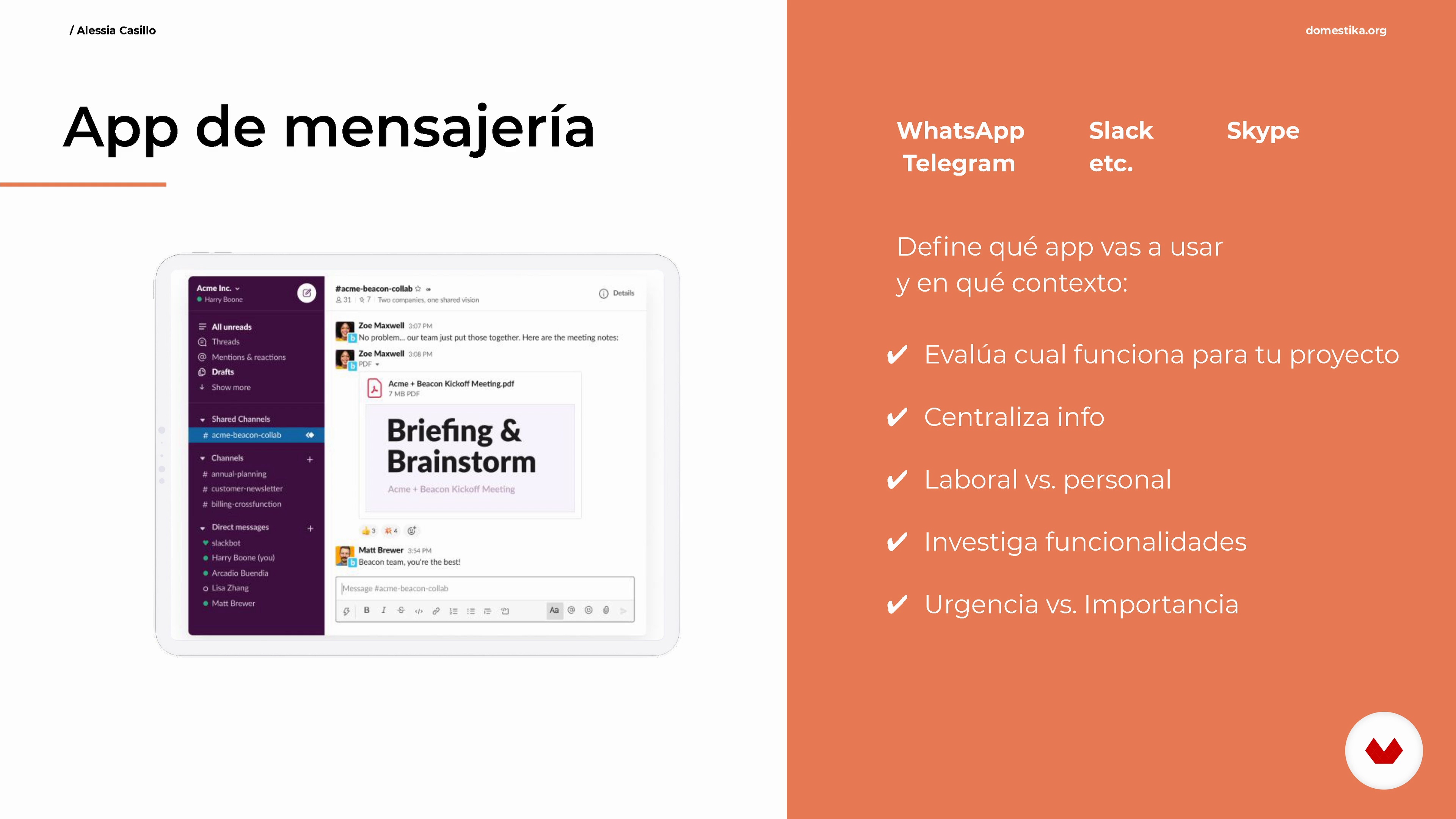
Basic project management tools
We are going to review the main tools from an organizational point of view. Sure you are already using one, but it will be interesting anyway!
18m
image
6
Project planning and visualization
In this lesson I will tell you why it is convenient to plan your projects and I will explain the methods that I use.
3m
image
7
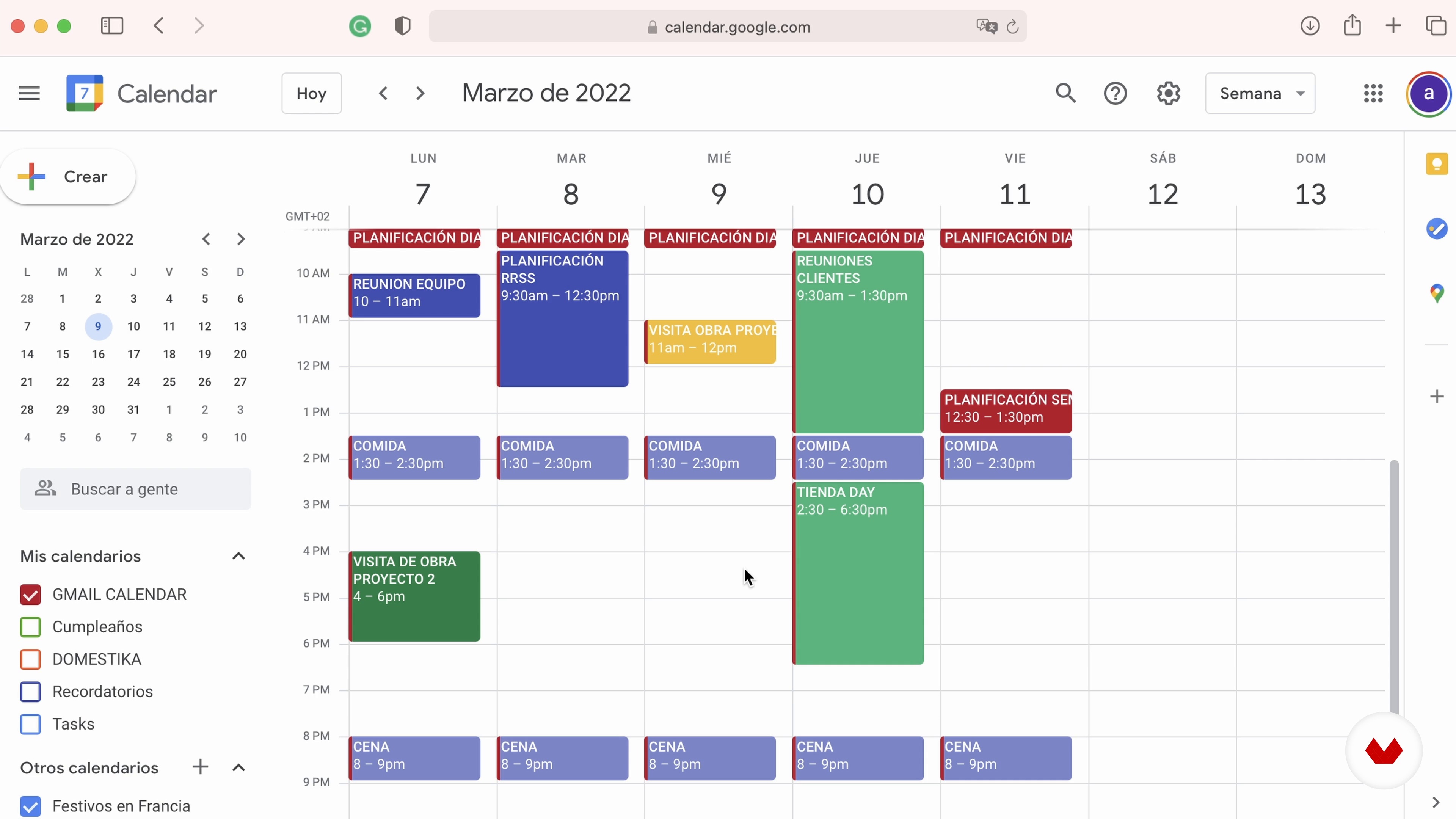
Calendar
Now I am going to explain to you the first method of organization and planning; is the most important. I will also explain the time blocking technique to you. Your schedule and, above all, your life will thank you.
17m
image
8
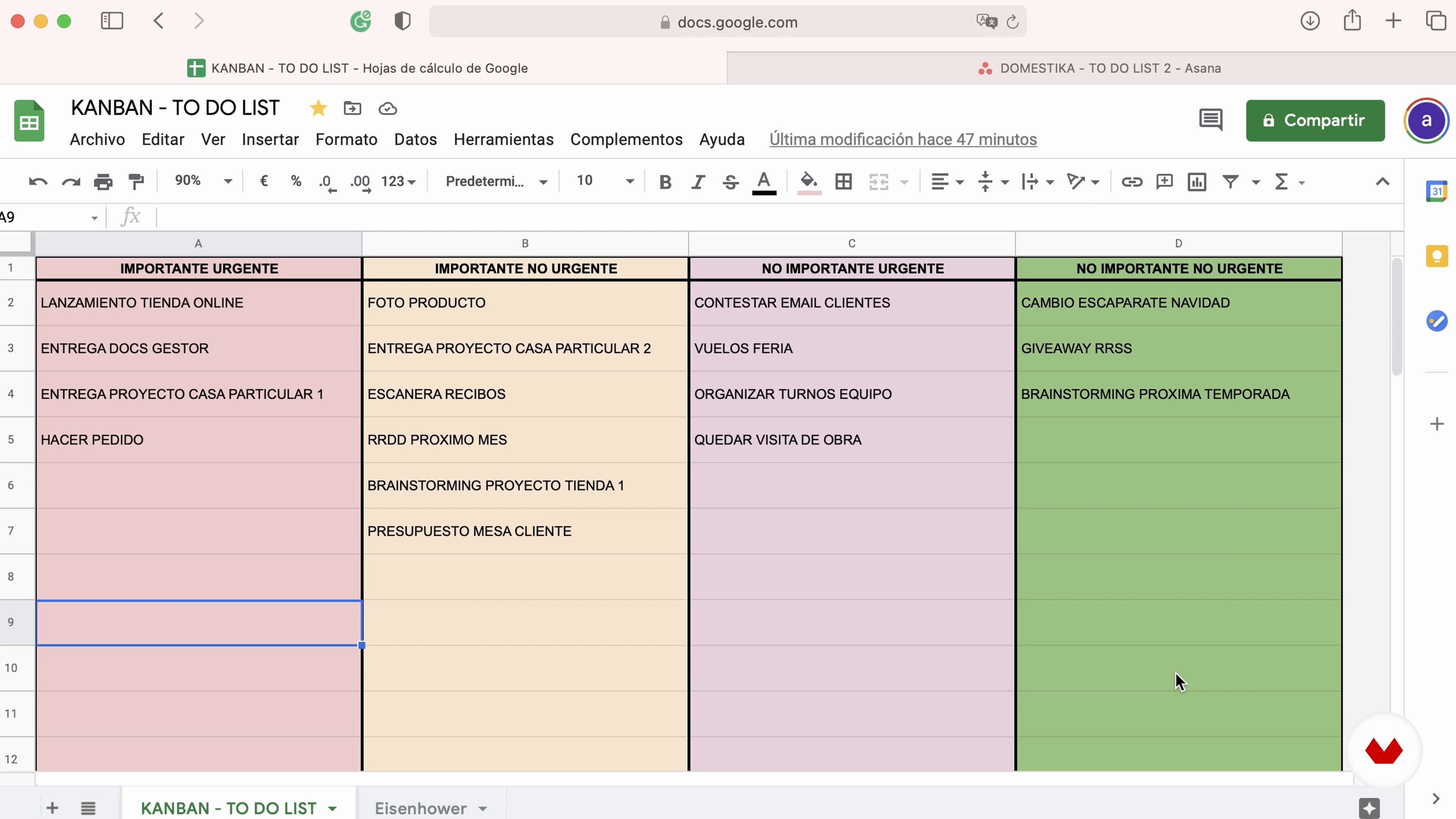
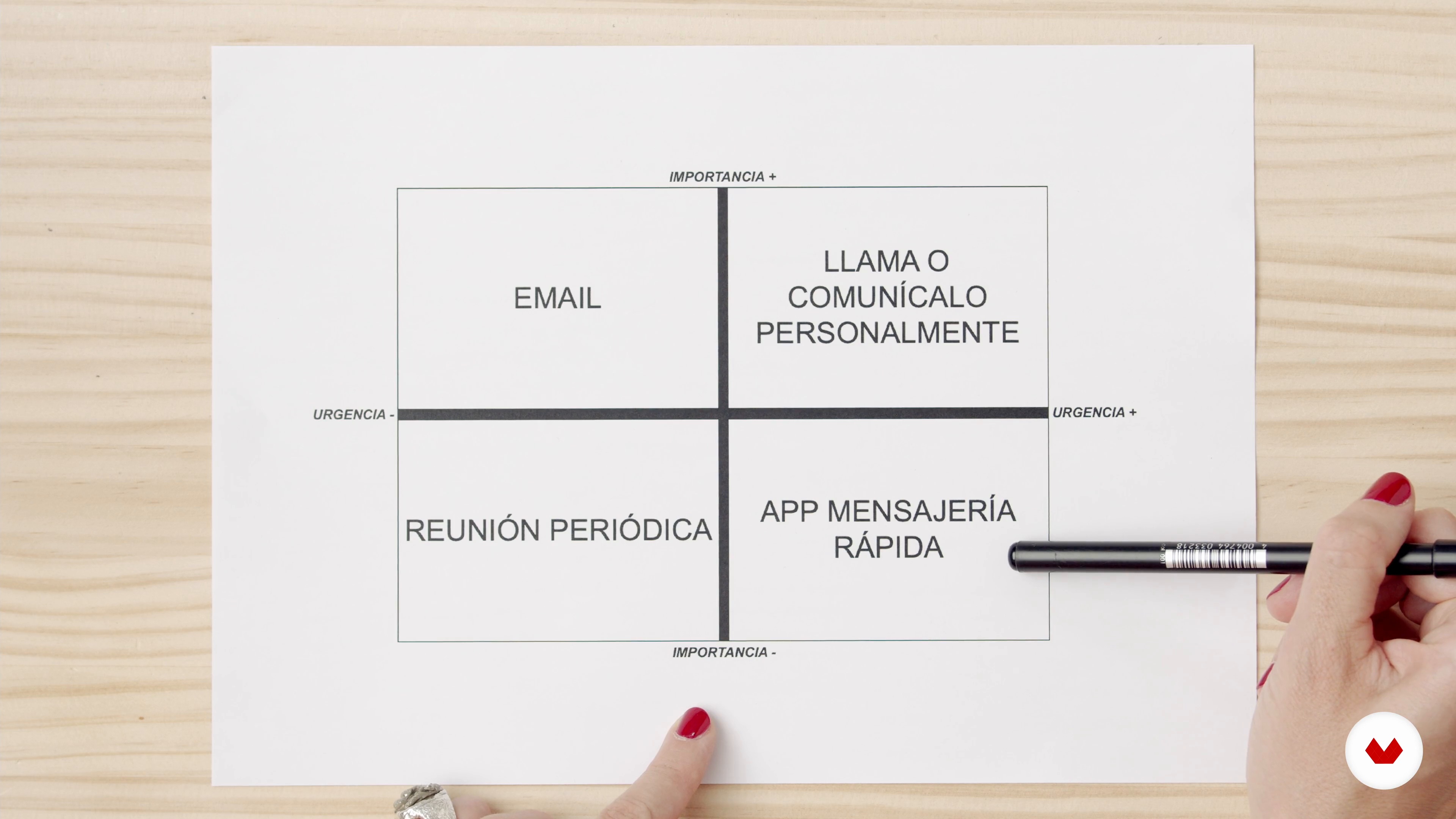
Kanban boards
From Japan with love comes this planning technique, ideal for organizing your tasks and priorities. In addition, I will tell you about the Eisenhower diagram, your bible for defining your priorities.
11m
image
9
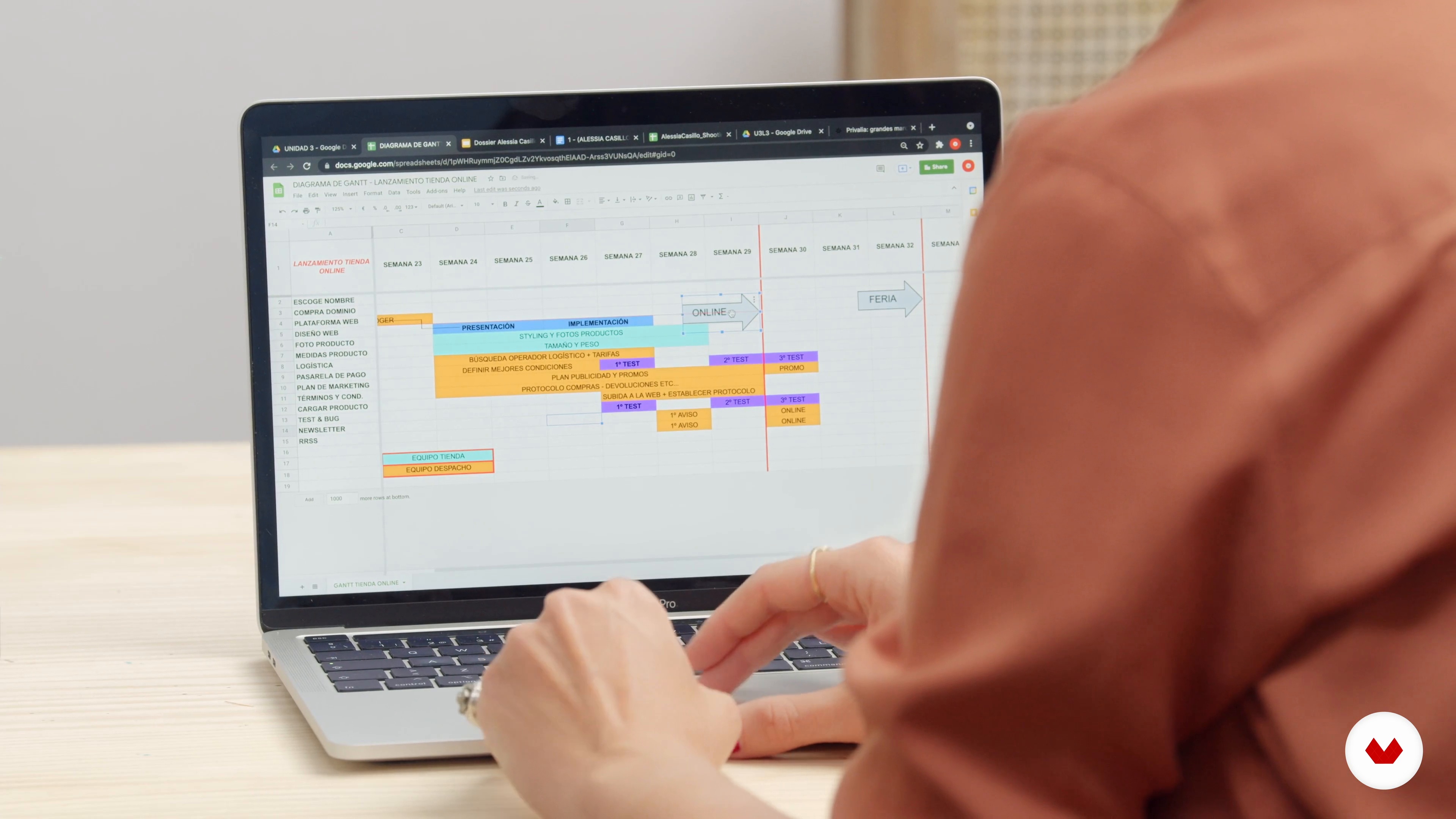
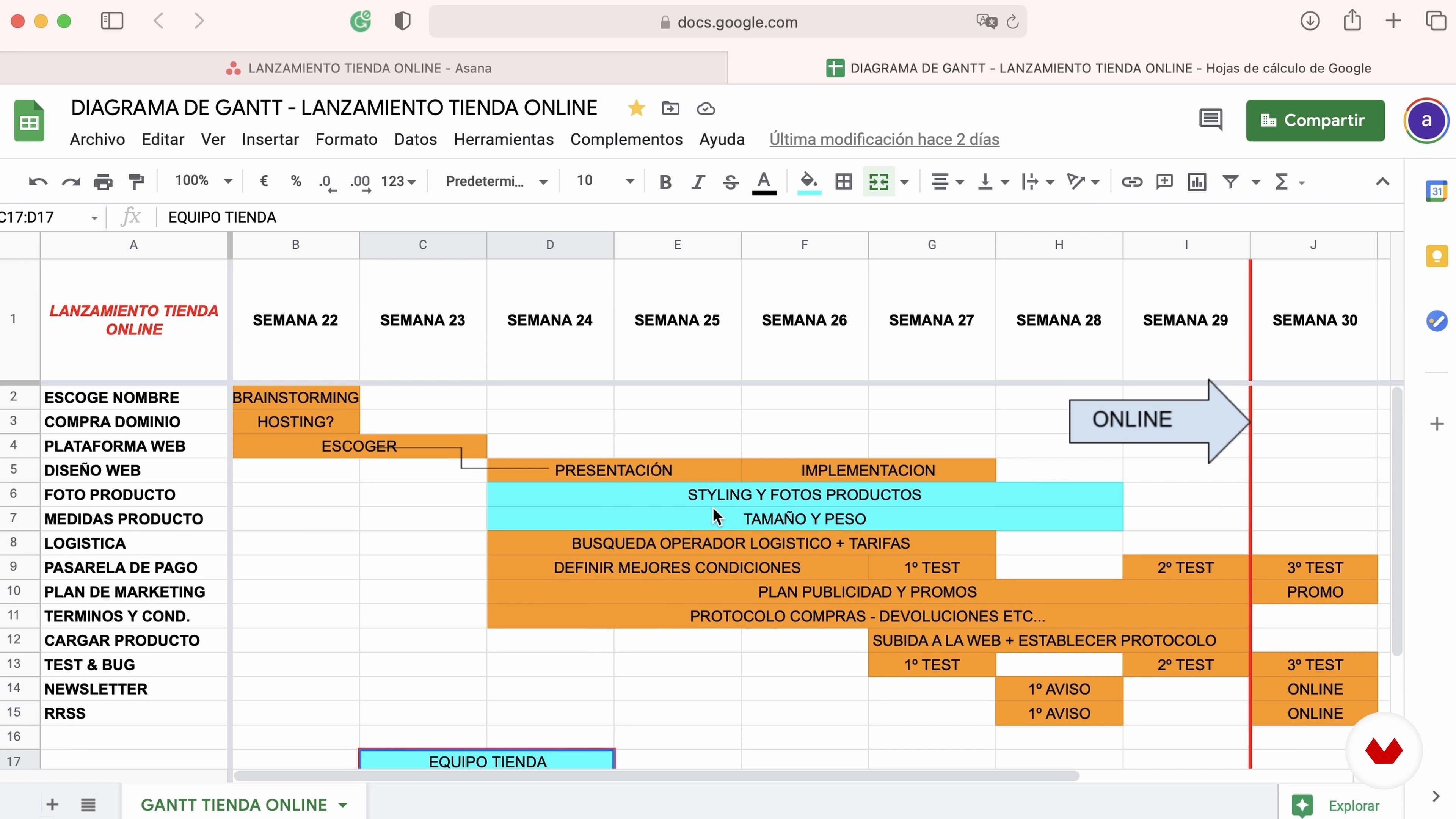
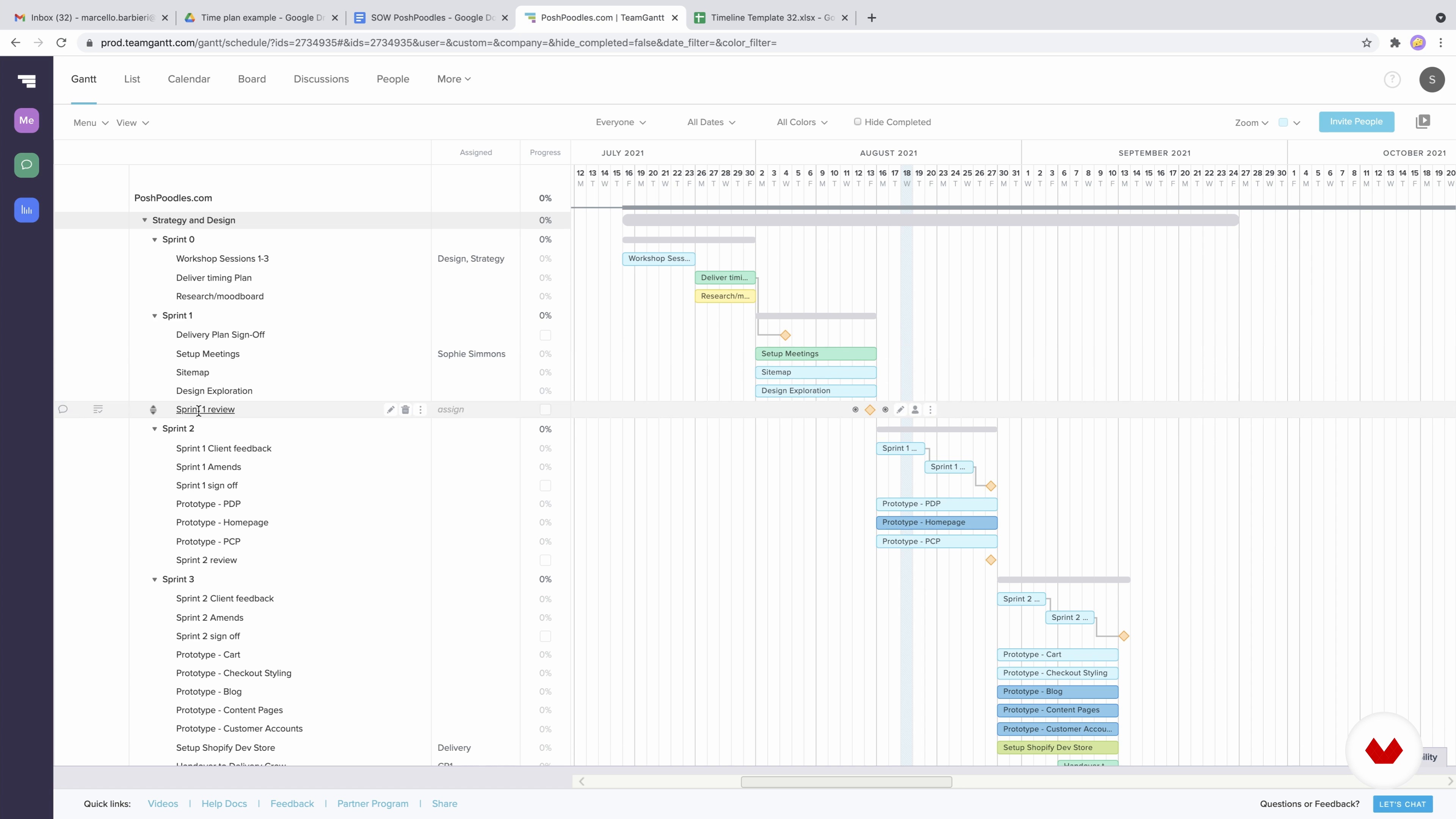
Gantt diagram
This is the third and final planning method I'm going to introduce you to, but perhaps the most useful for complex projects. I am going to explain five easy steps so that you can create your scheme.
9m
image
10
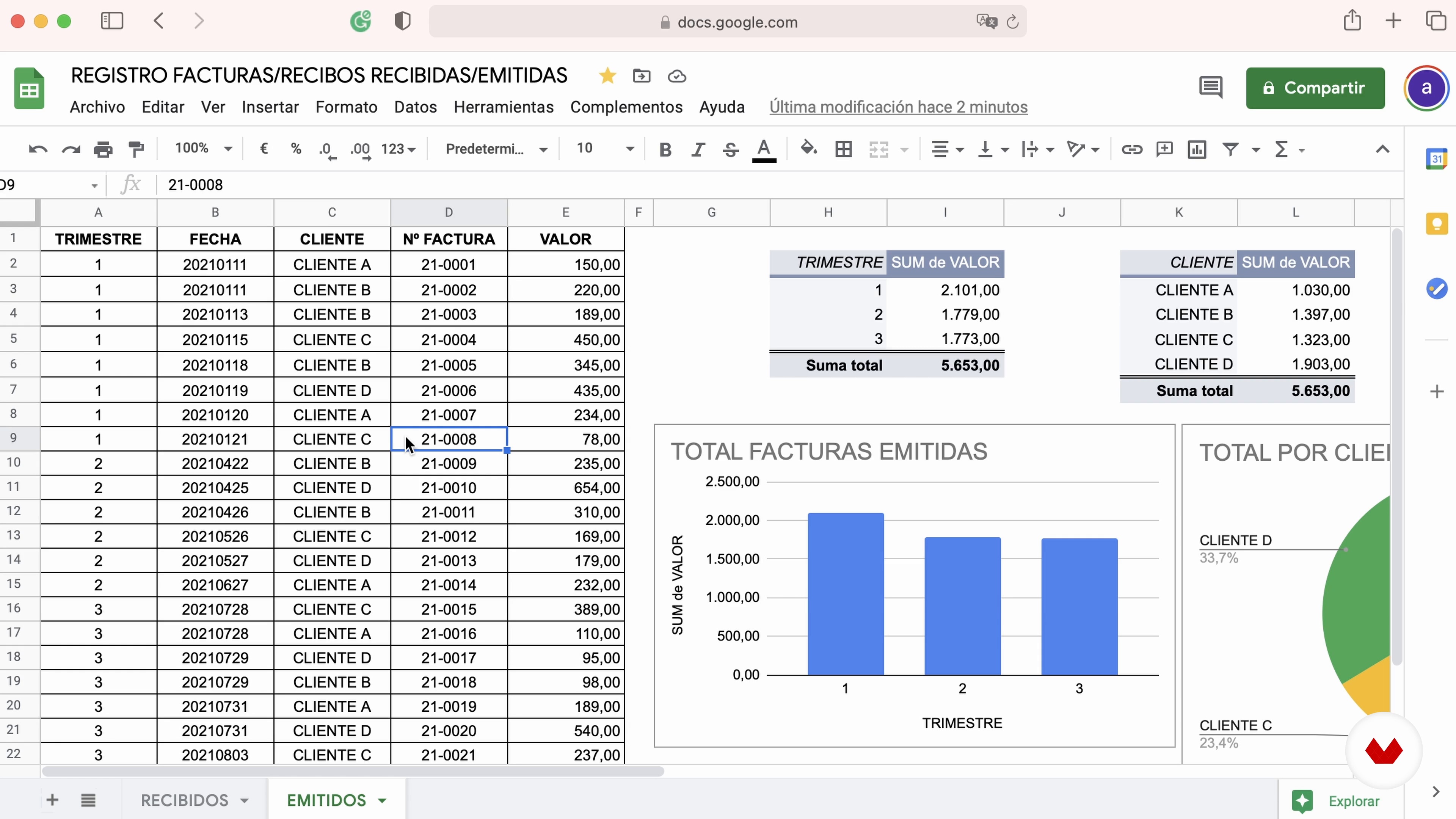
Customizing your method: accounting management example
In this lesson I want to share with you my personal form of organization of accounting management. Follow me to understand what I mean when I say that you have to personalize your method so that it adapts to your way of being and working and, therefore, it is not a burden and flows alone.
9m
image
11
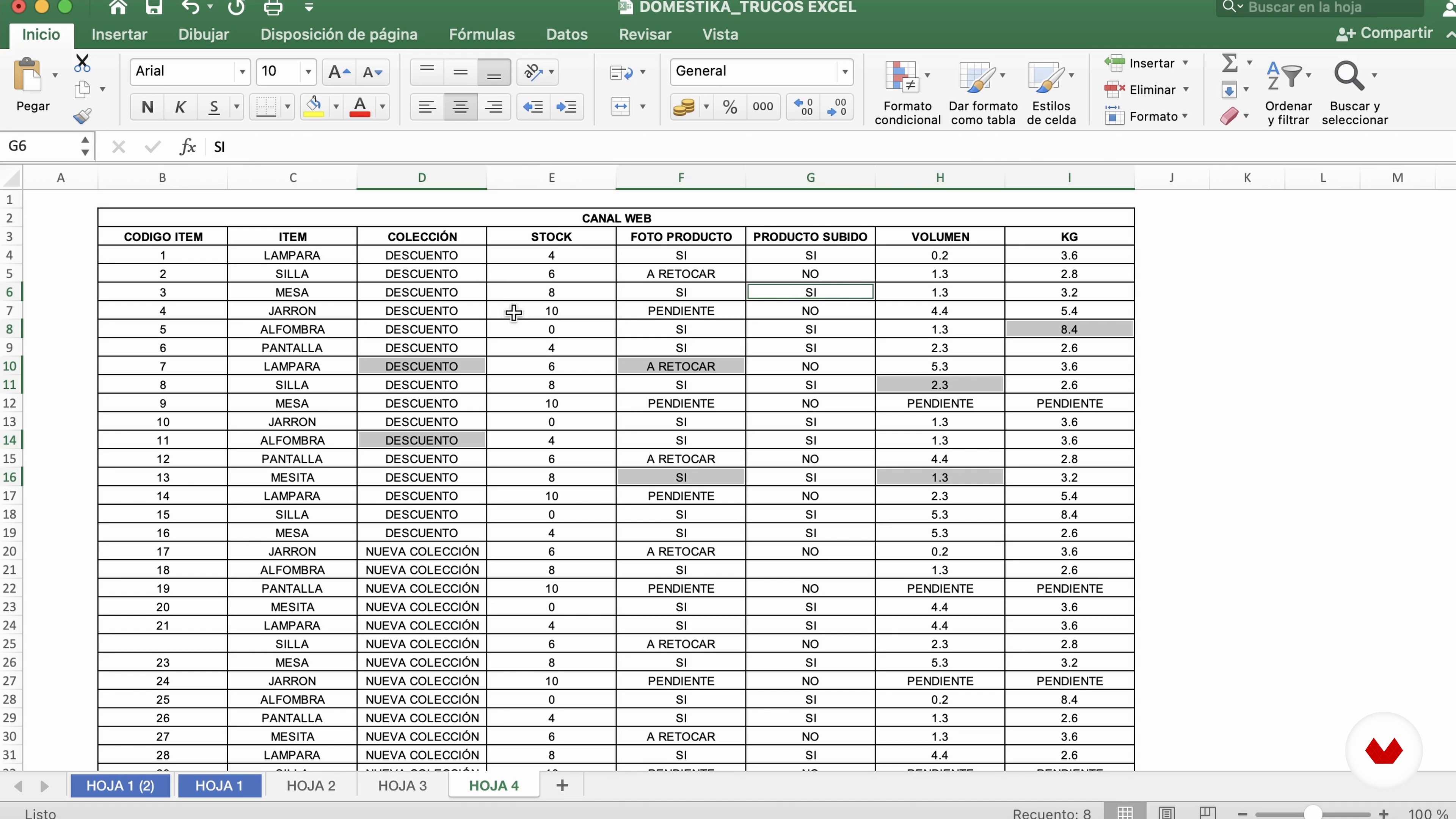
Excel tricks
Finally, I am going to share some Excel tips with you. They are useful for those who have basic knowledge. If you don't know them, they will surprise you!
17m
image
12
Organization and well-being
In this lesson I'm going to give you tips so that you can enjoy your planning time. This is a win-win, you organize yourself to be better and take advantage of your planning time to do it being well.
6m
image
13
Communication
Now I am going to tell you how much communication influences our well-being and I am going to give you tips to create new communication habits.
4m
image
3
What Is Project Management?
We should start with the basics. First of all, I'll explain what a Project Manager actually does, as well as detail the benefits of having one in your team.
9m
image
4
Communication Is Key
I won't say it enough, establishing good communication is primordial. So, here, I will tell you some of the best ways to communicate with your client.
8m
image
5
Starting Point: The Brief
The brief is another important element of all project management. In this lesson, I will walk you through the basics of a brief and show you how to build a brief that will prove useful.
8m
image
6
The Client and the Team
Here I will talk you through a project and break down how I worked with the client and the team in different situations.
9m
image
7
The SOW: What Are We Doing?
In this lesson, I will explain what a Statement Of Work (SOW) is and tell you the benefits of using one with your client.
14m
image
8
Creating the SOW
Now that we know what a SOW is, I will help you write one and show you how to present this to your client.
15m
image
9
Client Management
Dealing with clients isn't always easy. In this lesson, we will have a deeper dive into how to manage your clients in different situations.
6m
image
10
Delivering Your Project
You are reaching the final steps of your project. It's time we discuss how to wrap it up. This is also an appropriate moment to reflect on your work (as a team and as a Project Manager) and see how to stay motivated.
8m
image
11
Keep the Spark Alive
As we have discussed before, communication is essential, and so is keeping long-lasting relationships with your clients. That can bring in more work! I will give you some practical tips on this matter and on working with different types of clients.
9m
image
12
How to Handle Stress (Or How to Disguise It!)
We all experience stress, no matter how many years we've been at the job. In this lesson, I will give you some tips on how to stay calm or pretend like you are!
9m
image
3
Change the traditional project
We will begin as all projects and ideas begin: defining what we want to do. I'll review common problems in the traditional way of developing solutions and show you how design thinking and agile will help us.
15m
image
4
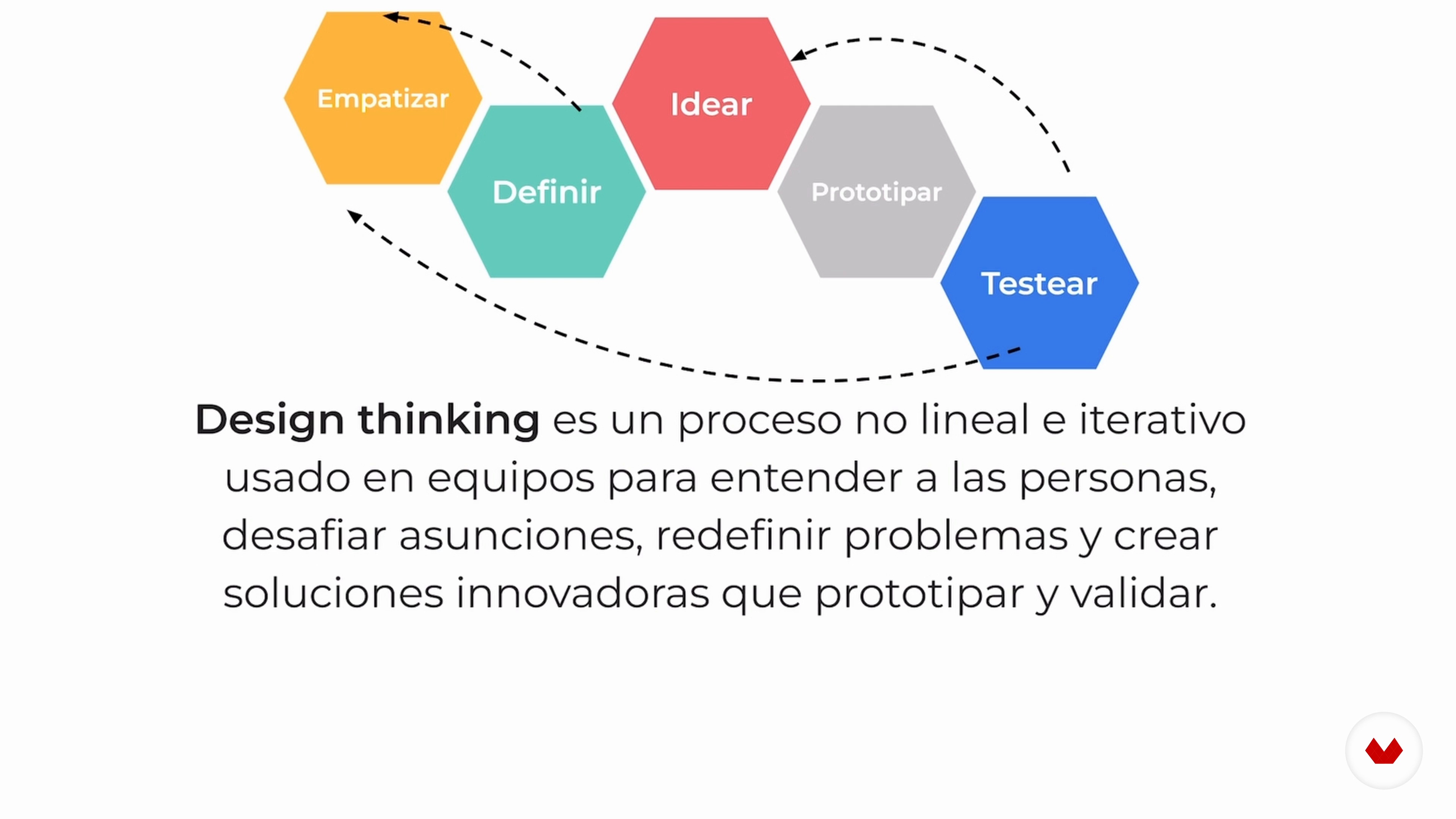
Why design thinking?
In this lesson you will learn what design thinking is, its principles and why it works. At the end we will prepare to start the visual work mural.
14m
image
5
The methodology
Next, you will discover the steps of the design thinking methodology and you will learn how to define the problem or challenge globally, considering the people who are the recipients of the solution.
14m
image
6
Agile thinking and tools
In this lesson you will get introduced to the agile world and discover its principles and some basic tools.
11m
image
7
Discover
We are at the beginning of the first diamond: the first step is to diverge. So, for starters, you're going to find out more about the people to design the solution for. I will show you various tools that exist for this.
12m
image
8
Define
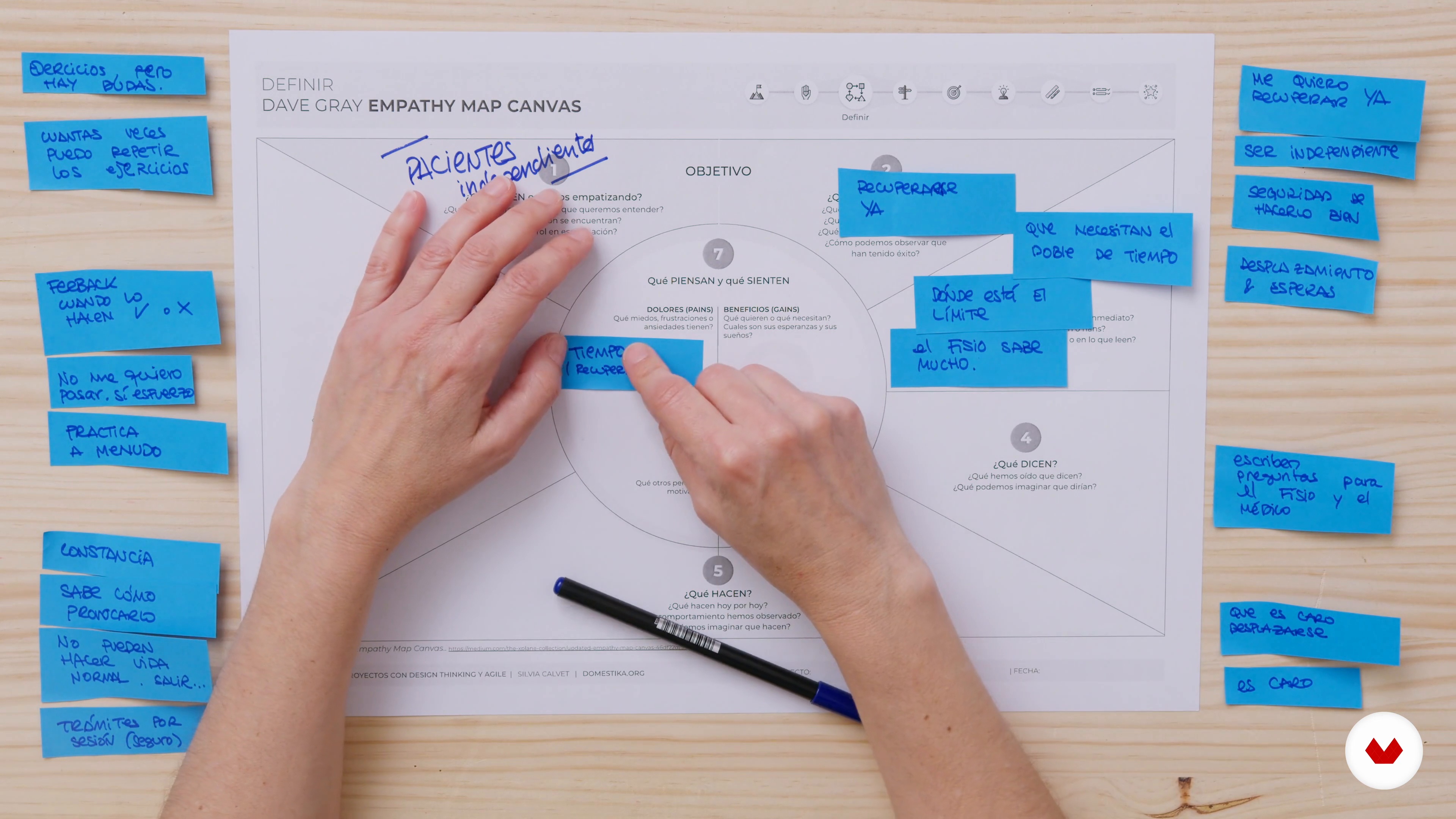
Now is the time to converge. You are going to review everything you have learned from your audience and your users. Then, you will interpret it and translate it into visual tools to crystallize what you know for yourself and for others. With my case study as a guide you will discover how to do it easily.
13m
image
9
Identify opportunities
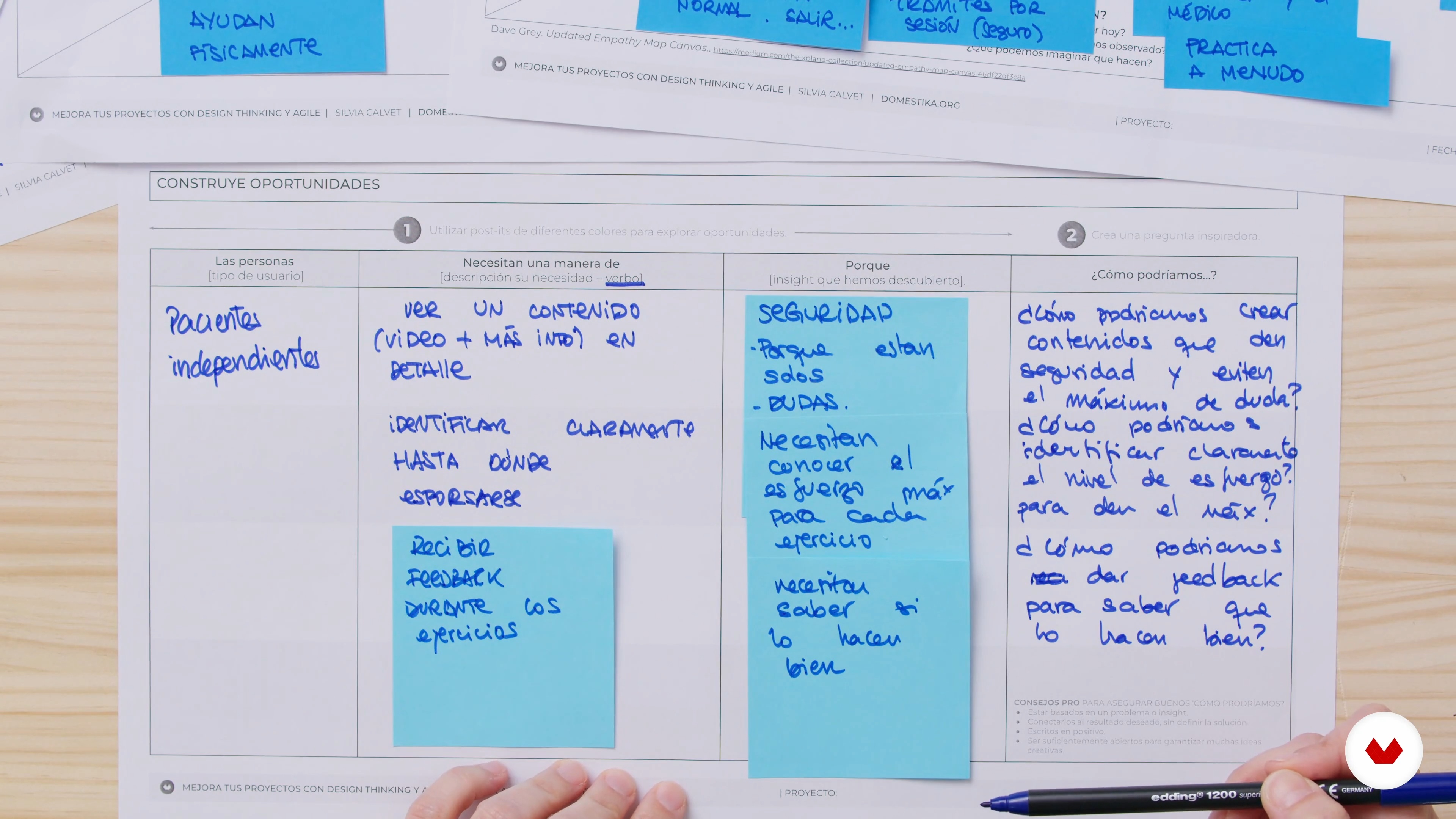
In the last step of the empathize phase, you are going to deepen what you know, that is, who your users are and what is important to them, and you are going to identify possible opportunities. Here I will teach you how to do it!
17m
image
10
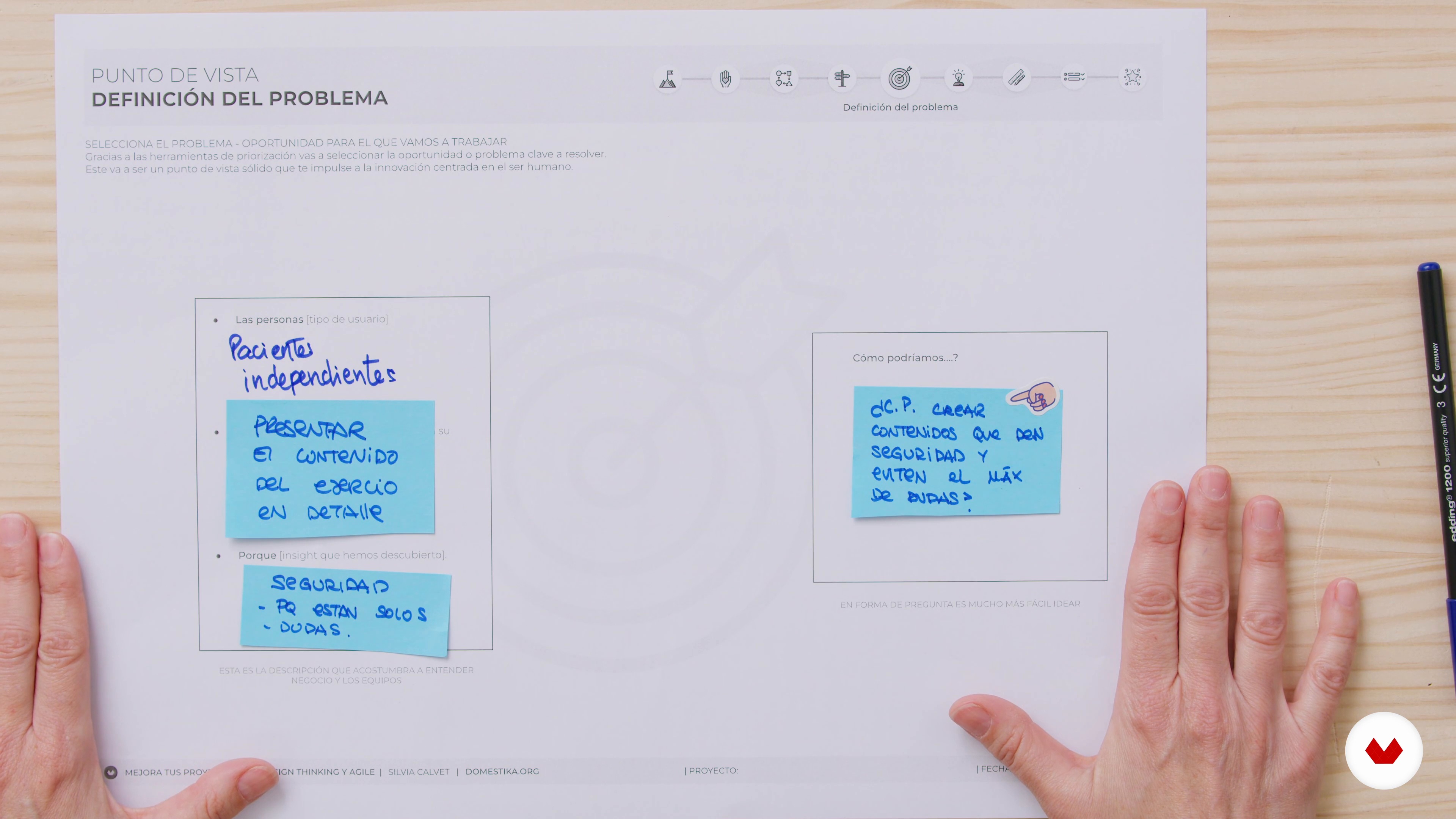
Select point of view
Now I will show you how to explore all the opportunities and choose the most relevant one. You are going to define this opportunity in such a way that you establish a clear point of view that will connect and land your project objective and challenge.
8m
image
11
Devise
In this lesson we are going to have a great time! It is time to devise. But before the brainstorming I will teach you some warm up exercises.
12m
image
12
Select and prioritize ideas
To find relevant solutions we do a second round of ideation. We then select the best idea or ideas and visualize them in the form of a story to share. Here I will explain all the steps.
12m
image
13
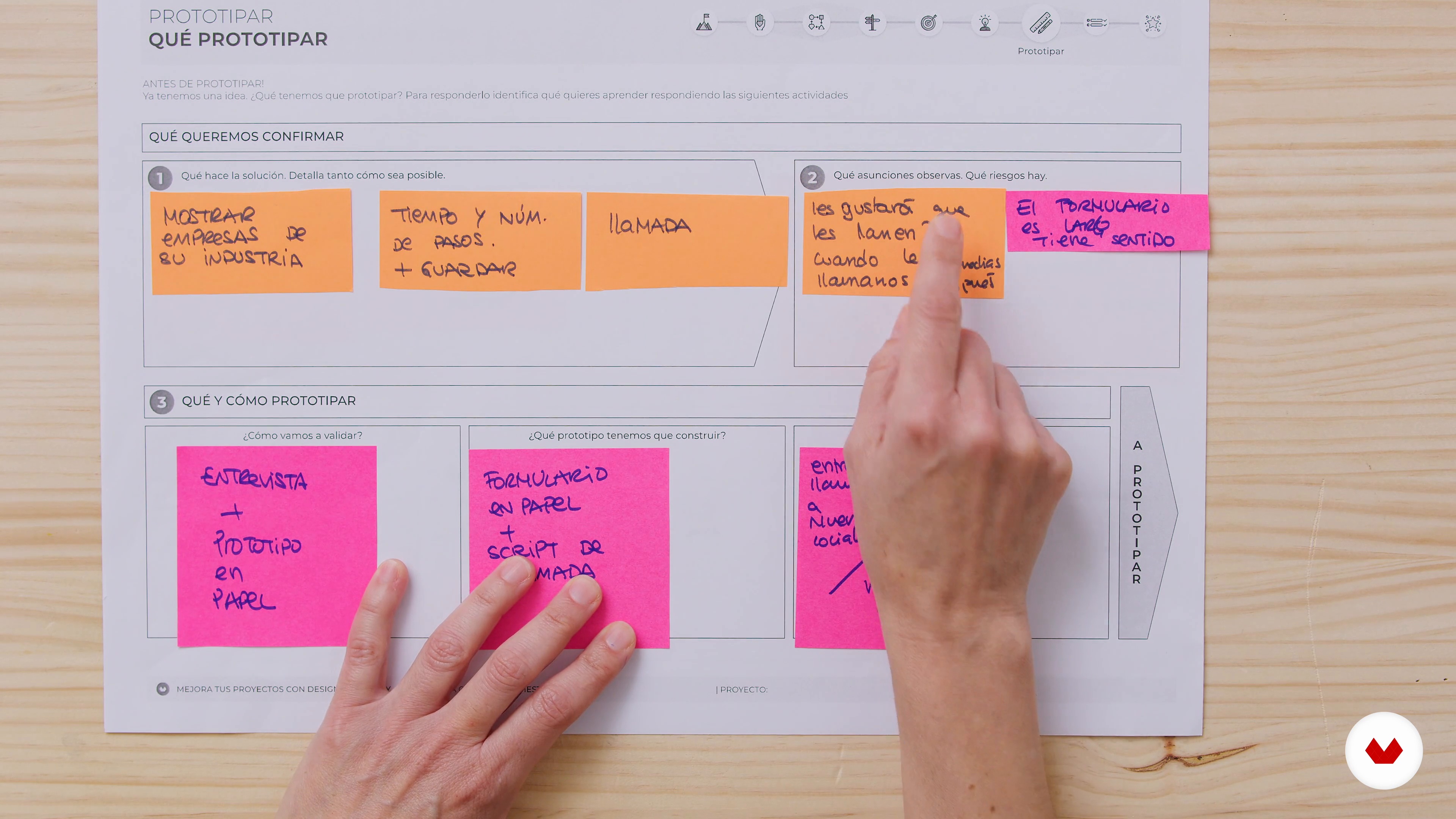
Create the prototype
In this lesson you will learn how to prototype. First, you have to identify what is the most important part of the solution that you need to confirm with the users, and then you can build the prototype.
8m
image
14
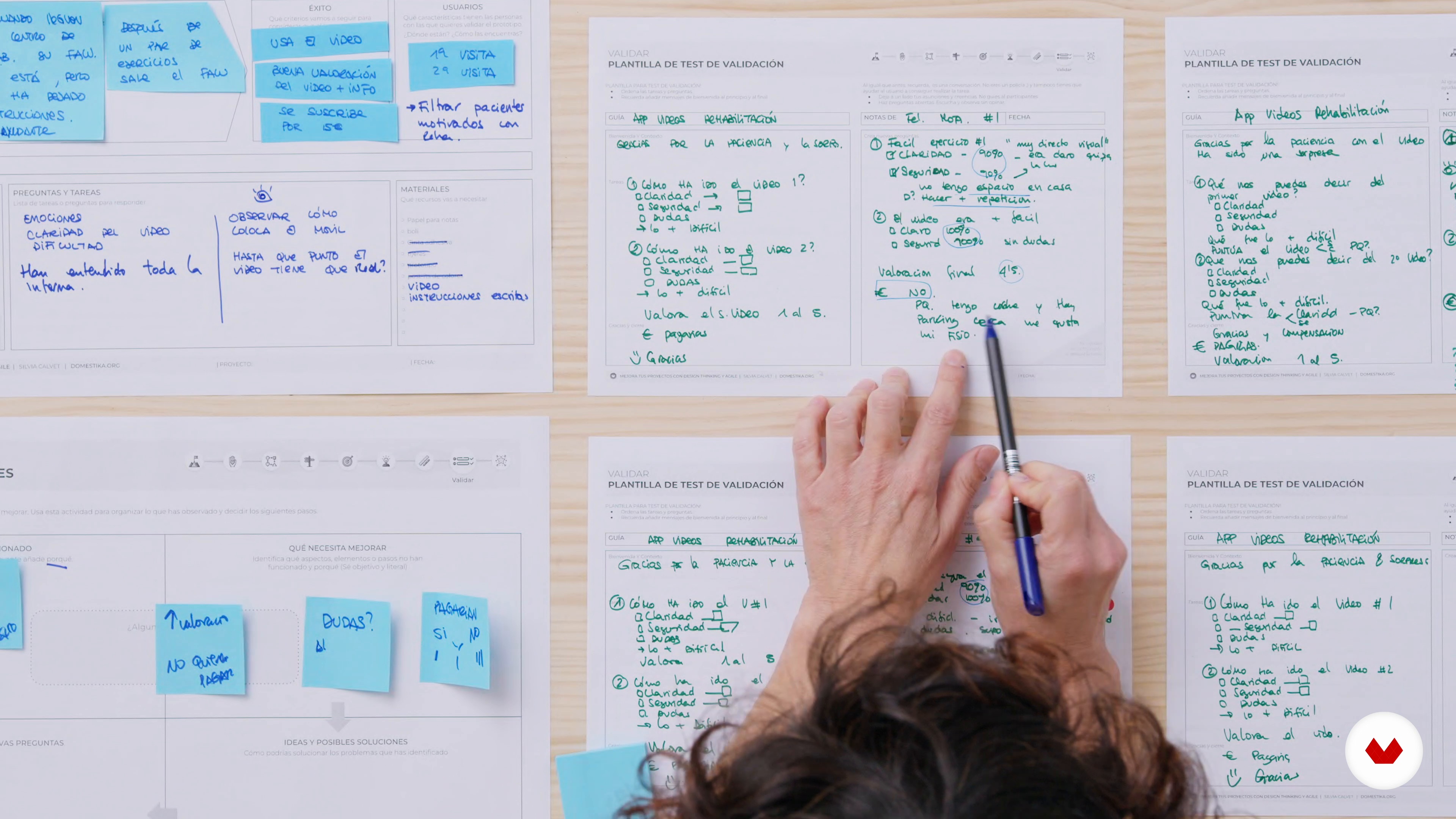
Validate
To collect feedback on your idea, it is essential to create a validation test and show your prototype to real people. Here I will show you some examples.
13m
image
15
Learnings
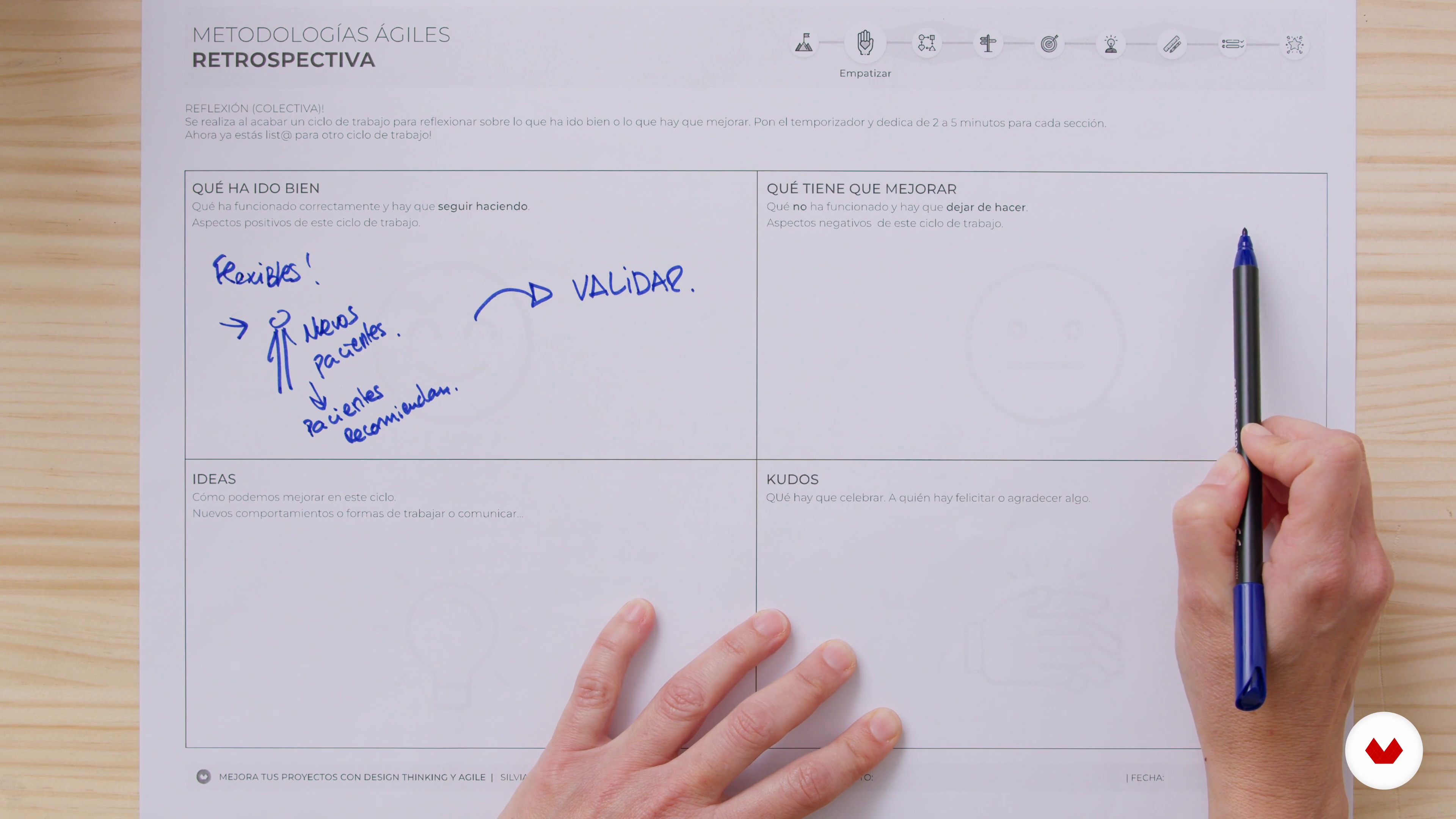
After talking with people in your target audience, you'll review what you've learned to identify what worked and didn't work with your prototype. In this lesson I will show you what the procedure is and you will see that before having built the final solution you will have already validated your idea.
10m
image
16
Integrate and iterate
The second diamond is already closed! At this time you will have to review what what you have learned means. I will explain possible results of the process and how to define the next steps.
7m
image
3
Digital Products
You will know what a digital product is, you will see some examples of products, in addition, we will talk about the life cycle of a product.
15m
image
4
Overall product development process
You will see the global process of product development and we will clarify the union of agile with Lean and Design Thinking.
6m
image
5
The role of the Product Manager
We will talk about the role of the Product Manager. We will tell you what a product team is like and what a stakeholder is. Then we will talk about the different types of Product Manager and their functions.
7m
image
6
Mission, vision and strategy
You will see the mission, vision and strategy. The basis for the creation of digital products, since they will help you understand at all times why you do what you do and if you are on the right track. You will know the characteristics to create a good vision, what is the product strategy and how it is related to the vision, you will also see the strategies of the best-known companies. In addition, for the practical part you will learn a template that will make it easier for you to create your vision, and the Product Canvas tool for you to create your own strategy.
14m
image
7
Discovery
You need to know the problems well before creating solutions, and for that we will teach you how to use Product Discovery or Research. You will see different quantitative and qualitative Discovery techniques to collect all possible information and to be able to know first of all the market, business and trends as the benchmark of the competition, and workshops with stakeholders. We will talk about the trend matrix. In addition, to get to know the users, you will learn different Research techniques in which you will work together with the UX team. Finally, we will explain how to organize and map all the information in a War Room to later analyze the information with the Customer Journey Map and Opportunity Decision Tree, so you can get the relevant insights and market opportunity that you will focus on with your product.
17m
image
8
Objectives, roadmap and prioritization 1
You will know what the well-known OKRs are in digital companies such as Google or Spotify. I will explain how to know and create your own roadmap to organize the objectives and work for the next six months.
10m
image
9
Objectives, roadmap and prioritization 2
During this second part of the lesson, we will talk about prioritization and show you how to do it with two techniques. This will help you ground and make the product strategy tangible to give way to day-to-day work with your Product Team.
11m
image
10
Experimentation and validation
In this lesson, you will see the importance of experimentation and why Discovery is not enough when making execution decisions. Then you will learn about different experimentation methods, what is an MVP (Minimum Viable Product) and how to run an experiment.
11m
image
11
Agile methodologies
We will give you an overview of the most used terms when working in agile. We will also tell you about the most famous agile frameworks in the creation of digital products: Scrum and Kanban. In addition, we will show you how we like to work. To finish, we will talk to you and delve into the creation of user stories and you will see an example of a backlog.
15m
image
12
Throwing and Measuring
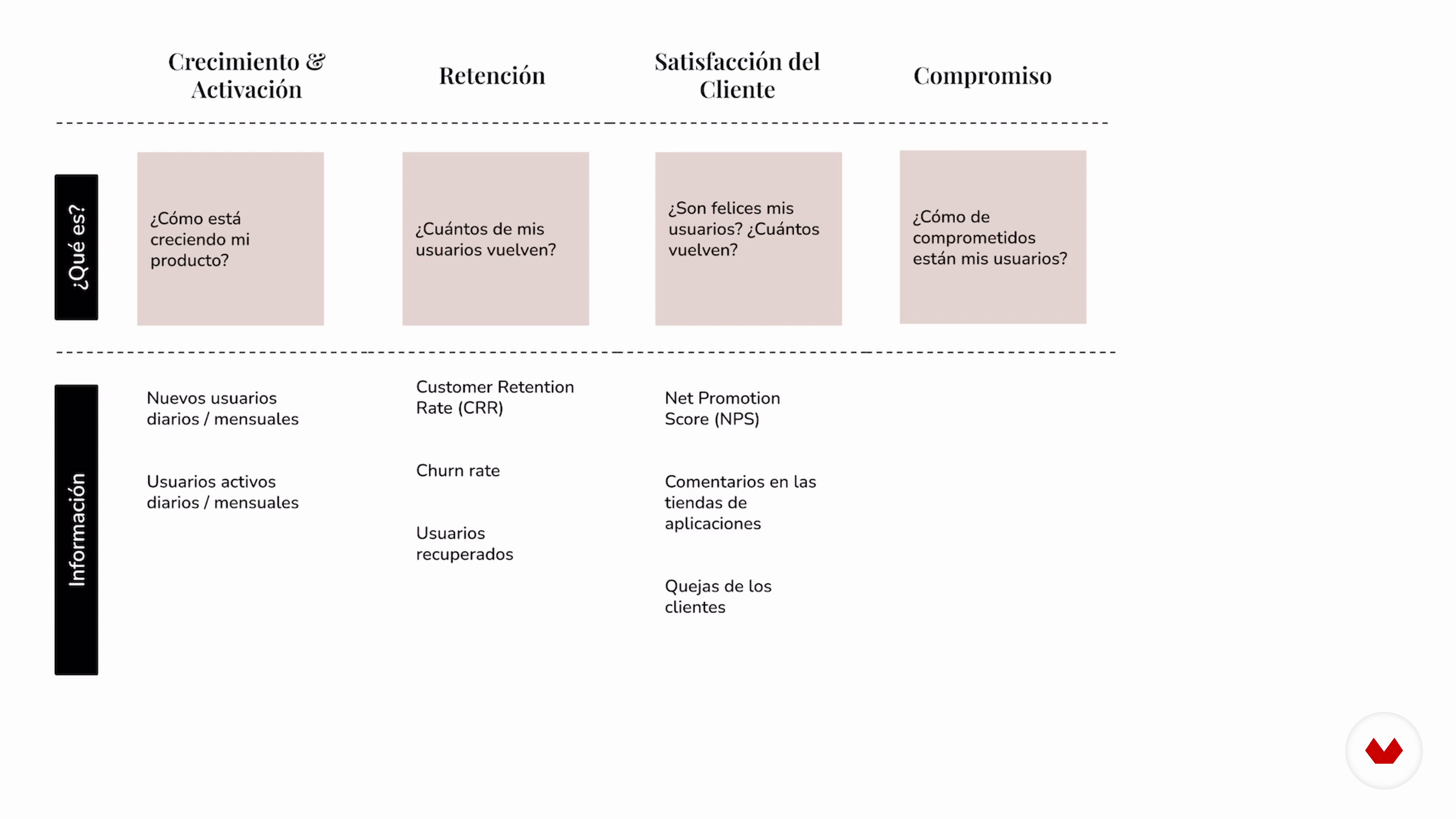
You will understand the importance of measuring for a Product Manager. You will know the data-driven and data-informed approaches, in addition, we will give you a review of different types of metrics. You will see how to use the framework that is used in Google, to start measuring from scratch. Finally, we will explain how we launch a digital product and You will see how to make a checklist of tasks to perform when you launch your product.
9m
image
13
Skills needed to be a Product Manager
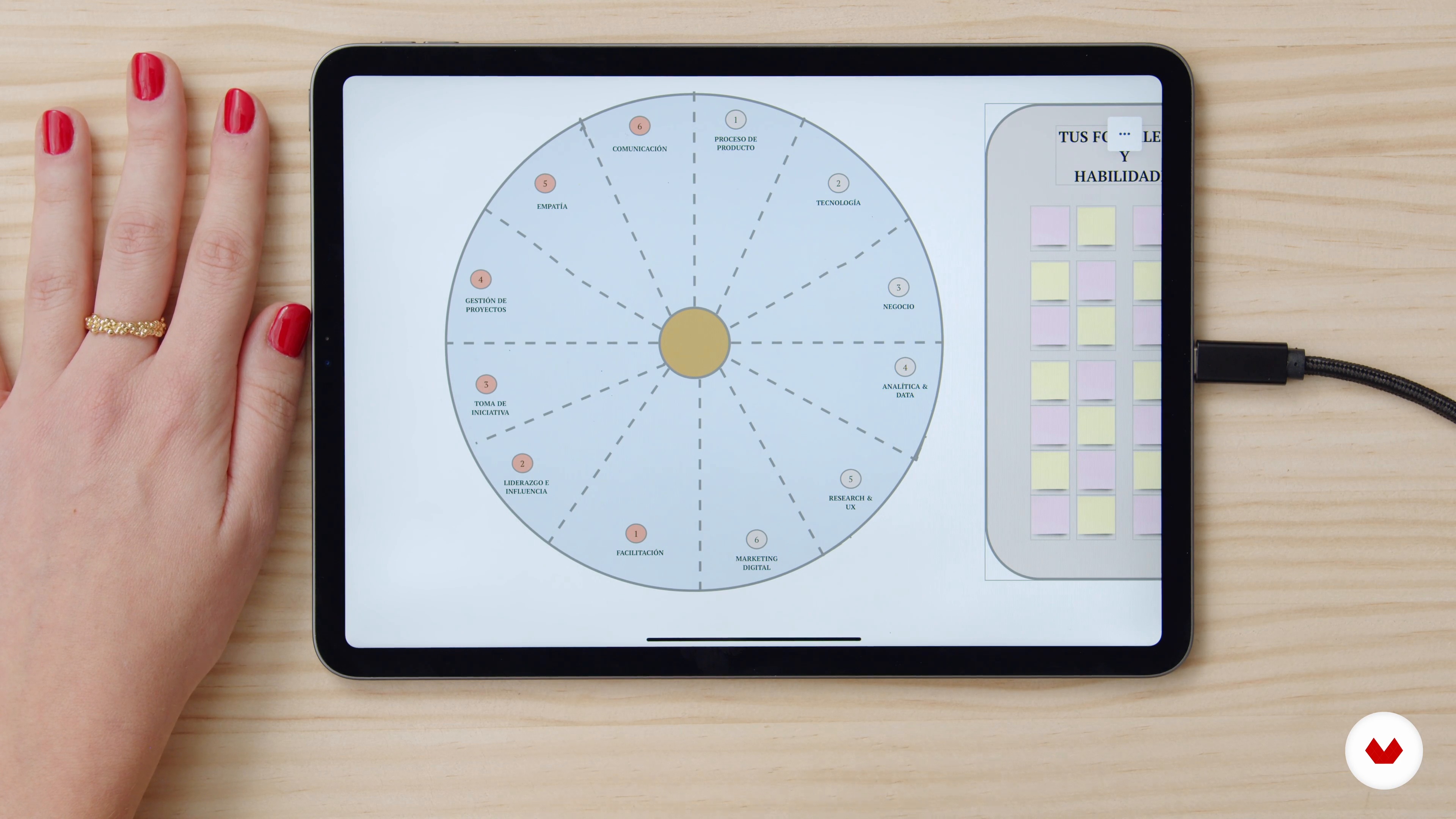
We will tell you what are the main skills that are sought in Product Manager profiles. From hard skills to soft skills, we will also tell you everything you need to reinforce to become a Product Manager. To conclude, we will share some tips so that you can put them into practice and improve them.
6m
image
14
Communication and stakeholder management
As Product Managers we are constantly talking to other teams and people with very different profiles, in addition, we continuously make presentations and facilitate workshops. One of the most important parts of your day to day life will be stakeholder management. Therefore, it is essential to have good communication and expectations management skills. The best way to align teams for a product is by doing a Kick-Off session. This session has many steps to take into account, so you will see them in this lesson and you will be able to practice it in your Miro template.
12m
image
3
What Is Product Management?
So, what is Product Management really? And why should you even bother to learn about it? Let me give you a definition that is easy to understand but not too general, so you grasp the core of this task.
4m
image
4
Product vs. Program vs. Project
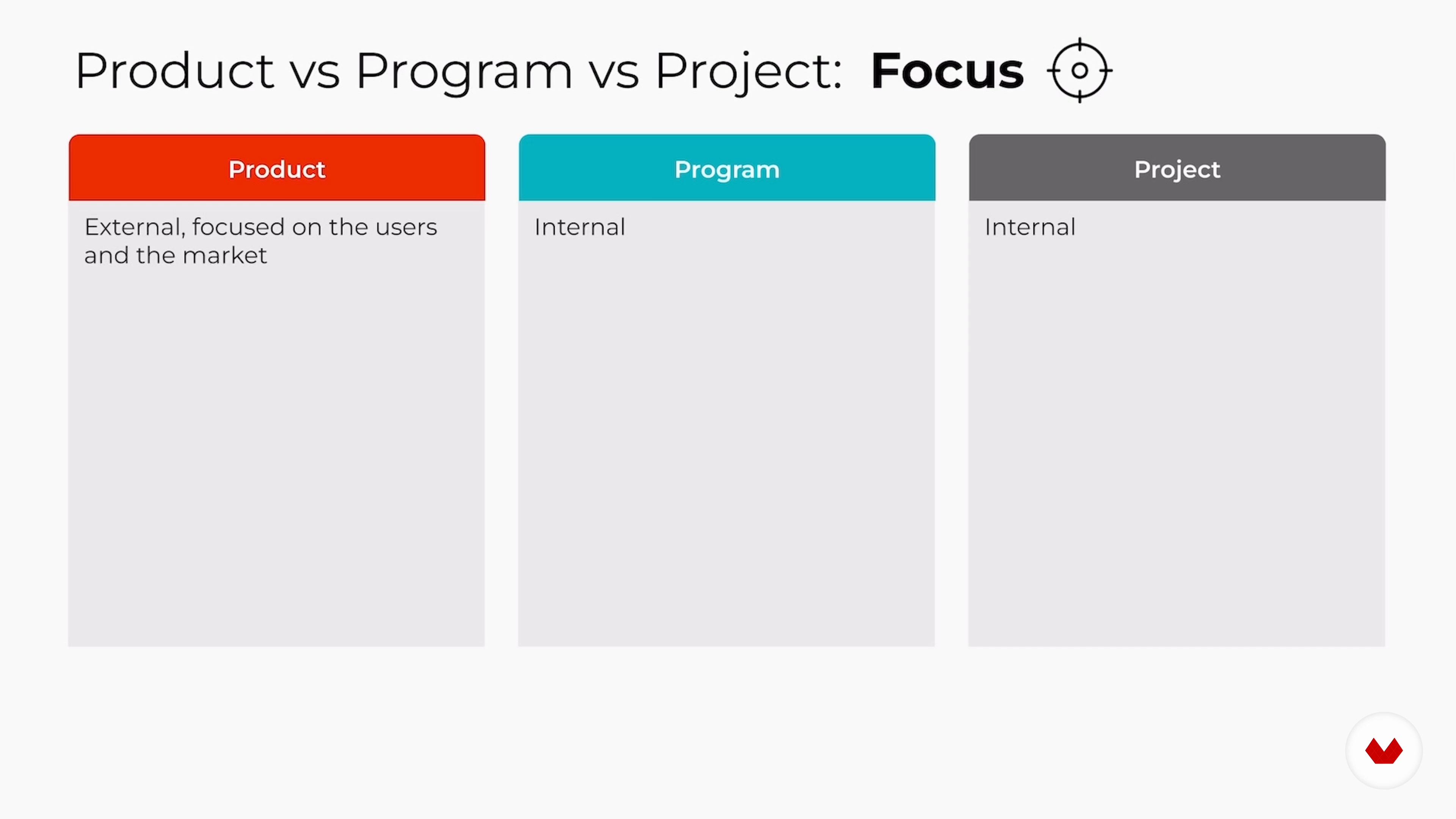
How are Product Managers different and similar to other roles in modern organizations, such as Program Managers and Project Managers? In this lesson, I will describe these different positions and explain the responsibilities behind each of them.
5m
image
5
The Frameworks 1
Product Management frameworks help Product Managers follow a methodology, providing both a comprehensive and objective process for things such as opportunity, evaluation, prioritization, and requirements definition. Here I will introduce some of the most successful frameworks used in the industry.
12m
image
6
The Frameworks 2
After explaining the last framework, GSD, I will introduce you to the main techniques that are commonly used within Product Management regardless of the framework the company is following.
9m
image
7
The Idea: The What and Why
To give some context to these lessons, I will be using the example of a company, Twice but Nice, that needs to increase monetization. You are the Product Manager. What will you do? How do you come up with an idea? Why should you do it now? It all starts with your customers.
14m
image
8
Stakeholder Management
A Product Manager is like a conductor. You need to manage different teams and disciplines effectively. The way you manage your stakeholders will define your success. Let's see how to do this.
8m
image
9
Breaking Down the Process
You cannot build great products if you don't prioritize. Sometimes the product vision may be too bold, and you cannot achieve it on the first try. In this lesson, we will cover different techniques that can help you slice a problem into smaller pieces and ensure you progress with your project.
11m
image
10
The Launch
The launch of a product starts well before the product is ready. Here I will cover the most common steps you need to take before releasing a product into the market.
6m
image
11
Measuring the Product’s Success
One of the most important questions Product Managers should ask themselves is whether customers love their product. Yet they too often fall into the trap of not focusing on this. Here I will introduce you to five key metrics you can use.
2m
image
12
Evolving vs. Transitioning vs. Sunsetting
A product's evolution is a cycle where the product evolves in terms of features, functionalities, quality, offerings, technology, etc. This happens over time to better serve the product's purpose and the customer's needs. However, sometimes you can leave the product as it is. Is it time to transition the product? Or do you need to sunset them if they are not working as expected?
5m
  • 14 students
  • 63 lessons (10h 35m)
  • 130 additional resources (35 files)
  • Online and at your own pace
  • Audio: English, German, Spanish, Italian, Portuguese
  • Spanish · English · French · Portuguese · Italian · German · Polish · Turkish · Dutch
  • Level: Beginner
  • Unlimited access forever

What is this course's project?

Students will develop a comprehensive project plan, mastering key project management principles such as planning methodologies, resource allocation, timeline management, and risk assessment. They will create a real-world scenario plan, including timeline, budget, resources, and risk strategies.

Who is this specialization for?

Perfect for professionals transitioning into project management, leading cross-functional teams, or developing digital products, this course empowers learners with essential methodologies, communication strategies, and practical tools to consistently deliver impactful projects from concept to launch.

Requirements and materials

No extensive prior knowledge is needed. You'll need a computer with internet access and basic project management tools like spreadsheets or dedicated software. Familiarity with digital communication platforms is beneficial. A willingness to learn and engage is key.

Select to get to know your teachers in this specialization course
Read more ↓

What to expect from this specialization course

  • Learn at your own pace

    Enjoy learning from home without a set schedule and with an easy-to-follow method. You set your own pace.

  • Learn from the best professionals

    Learn valuable methods and techniques explained by top experts in the creative sector.

  • Meet expert teachers

    Each expert teaches what they do best, with clear guidelines, true passion, and professional insight in every lesson.

  • Certificates
    Plus

    If you're a Plus member, get a custom certificate for every specialization course. Share it on your portfolio, social media, or wherever you like.

  • Get front-row seats

    Videos of the highest quality, so you don't miss a single detail. With unlimited access, you can watch them as many times as you need to perfect your technique.

  • Share knowledge and ideas

    Ask questions, request feedback, or offer solutions. Share your learning experience with other students in the community who are as passionate about creativity as you are.

  • Connect with a global creative community

    The community is home to millions of people from around the world who are curious and passionate about exploring and expressing their creativity.

  • Watch professionally produced courses

    Domestika curates its teacher roster and produces every course in-house to ensure a high-quality online learning experience.


FAQs

Domestika courses are online classes that allow you to learn new skills and create incredible projects. All our courses include the opportunity to share your work with other students and/or teachers, creating an active learning community. We offer different formats:
Original Courses: Complete classes that combine videos, texts, and educational materials to complete a specific project from start to finish.
Basics Courses: Specialized training where you master specific software tools step by step.
Specialization Courses: Learning paths with various expert teachers on the same topic, perfect for becoming a specialist by learning from different approaches.
Guided Courses: Practical experiences ideal for directly acquiring specific skills.
Intensive Courses (Deep Dives): New creative processes based on artificial intelligence tools in an accessible format for in-depth and dynamic understanding.

All specialization courses are 100% online, so once they're published, specialization courses start and finish whenever you want. You set the pace of the class. You can go back to review what interests you most and skip what you already know, ask questions, answer questions, share your projects, and more.

The specialization courses are divided into different modules. Each one includes lessons, informational text, tasks, and practice exercises to help you carry out your project step by step, with additional complementary resources and downloads. You'll also have access to an exclusive forum where you can interact with other students, as well as share your work and your final project, creating a community around the specialization courses.

You can redeem the specialization courses you received by accessing the redeeming page and entering your gift code.

If you're a Plus member, when you complete a course you've purchased, you'll instantly get your personalized certificate. You can see all your certificates in the Certificates section of your profile. You can download your certificates as PDFs and share the link online. Learn more about certificates.
Project Management Specialization. Marketing, and Business course by Domestika

Project Management Specialization

A specialization by multiple teachers
Berkeley, United States.
Joined April 2002
  • 14 students