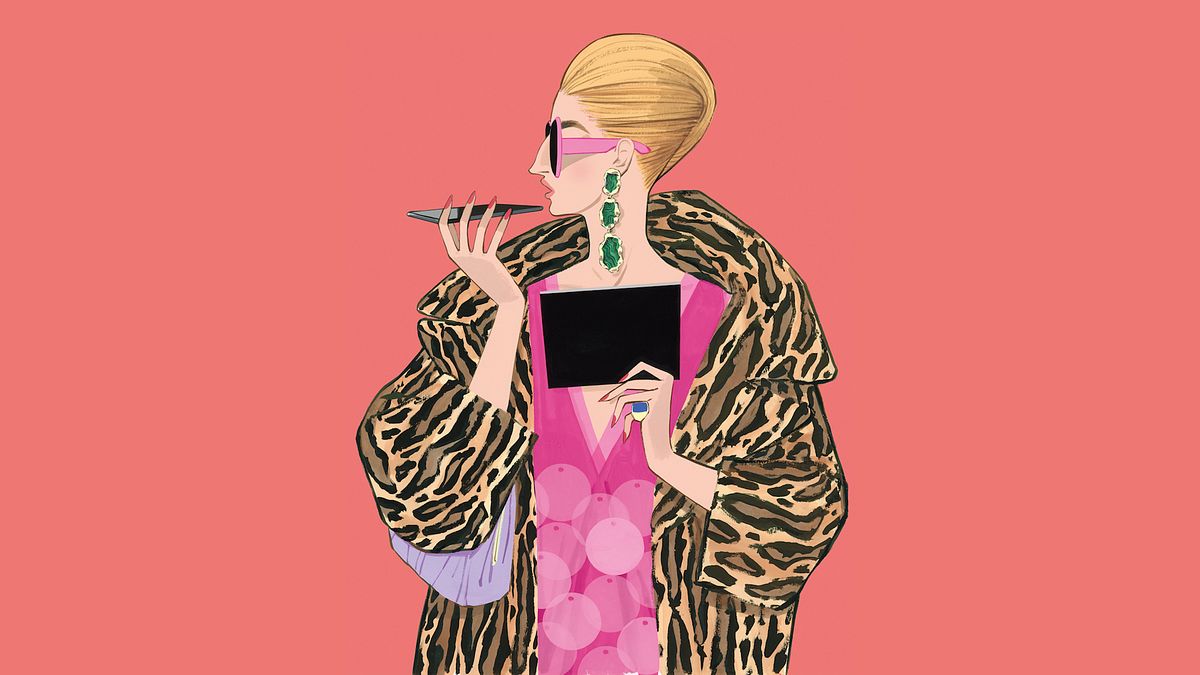

Learn fashion design from the initial concept to the creation of a unique and functional collection
Discover the fascinating world of fashion entrepreneurship with Lupe Gajardo, Moisés Nieto, Tomás Salazar, Genaro Rivas, and Jordi Labanda. Learn how to transform creative ideas into tangible designs, exploring everything from fashion design to the creation of your own brand. Immerse yourself in the design process, from conceptualization to final presentation, and develop a collection that reflects your unique style.
Learn the secrets of branding and visual identity to stand out in the fashion industry. Build a brand with purpose and social responsibility, integrating sustainable practices and collaborating with local artisans. Plus, discover the art of lifestyle illustration, creating vibrant characters that tell captivating visual stories. This program offers a comprehensive view of the world of fashion, combining creativity, business, and sustainability.
What will you learn in this specialization?
 1
1Introduction
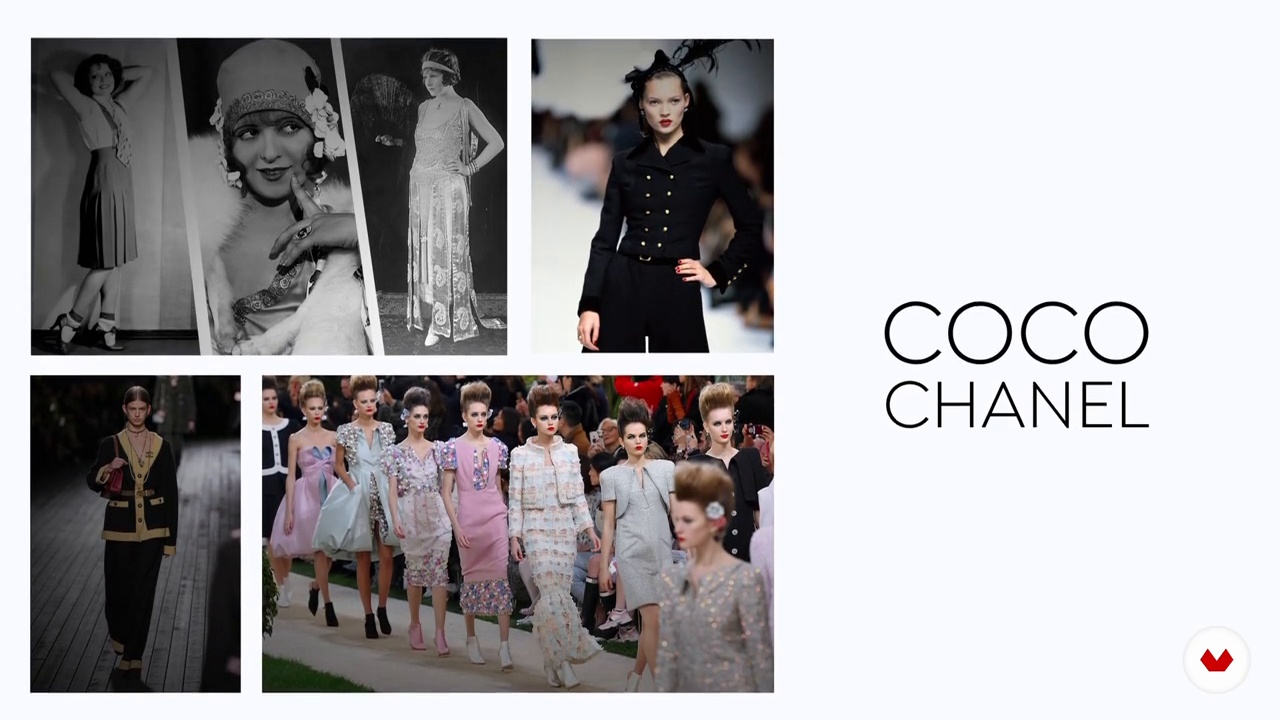
Fashion is more than clothing; it's history, culture, and expression. From haute couture to ready-to-wear, every design communicates and connects. Figures like Chanel and McQueen have revolutionized the industry, inspiring design with purpose. Fashion impacts lives, transmitting values and creating positive change. Design with passion and leave your mark.
1m
 2
2Inspiration / Lupe Gajardo
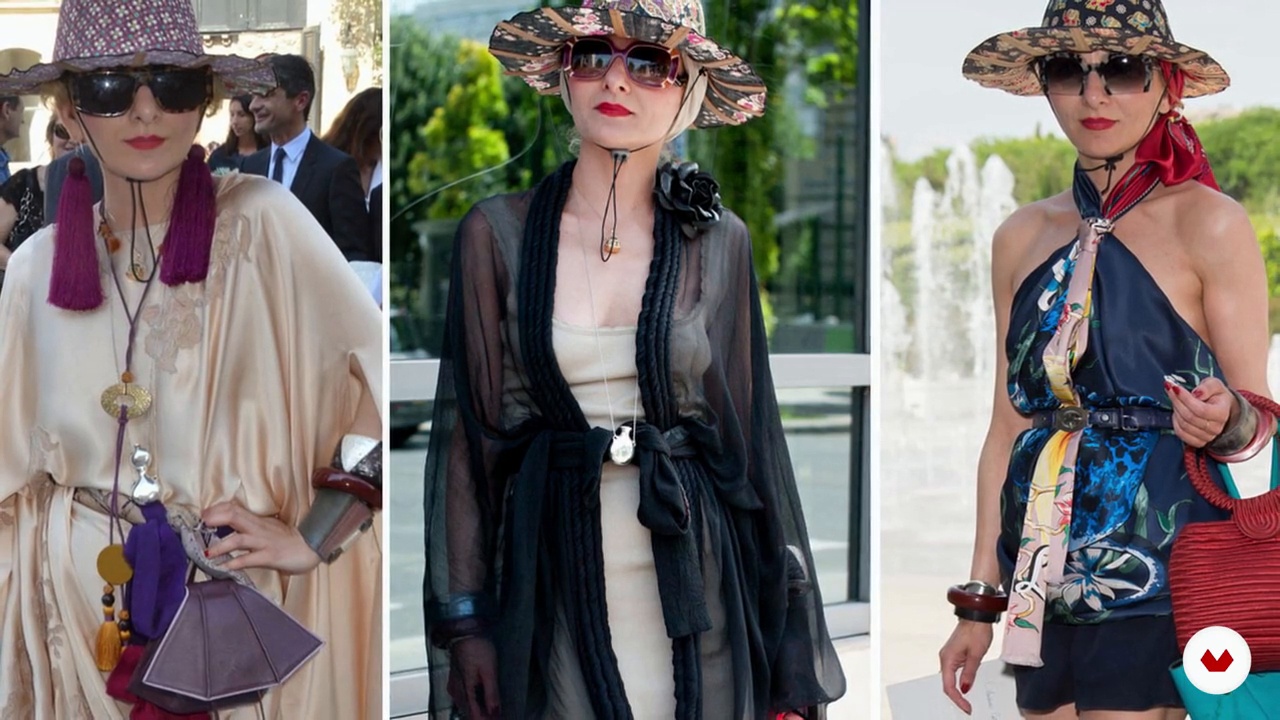
To begin, you'll learn about my key influences: punk and its rebelliousness, the fantasy of John Galliano, the lateral thinking of Edward de Bono, the spontaneity of Dadaism, and the visual storytelling of Kathle von Baba. Each has shaped my creative vision and the way I conceive of clothing as art and communication.
4m
 3
3Inspiration / Moisés Nieto
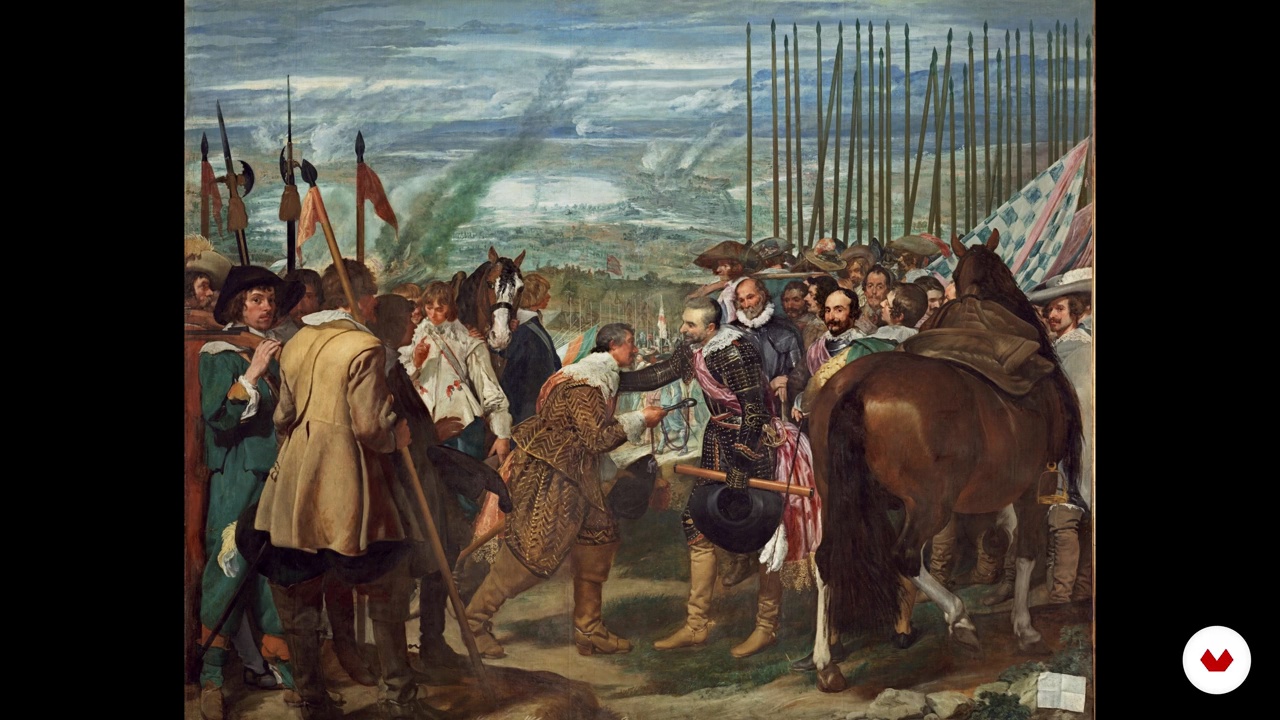
Discover Moises Nieto's influences. From the MTV music videos of the 1990s, which sparked his interest in fashion, to his roots in southern Spain, where craftsmanship and Renaissance architecture have shaped his style. You'll see the work of García Lorca, the timeless elegance of Loewe, and the mastery of Balenciaga, whose use of black and impeccable technique have defined his creative vision.
3m
 4
4Inspiration / Tomás Salazar
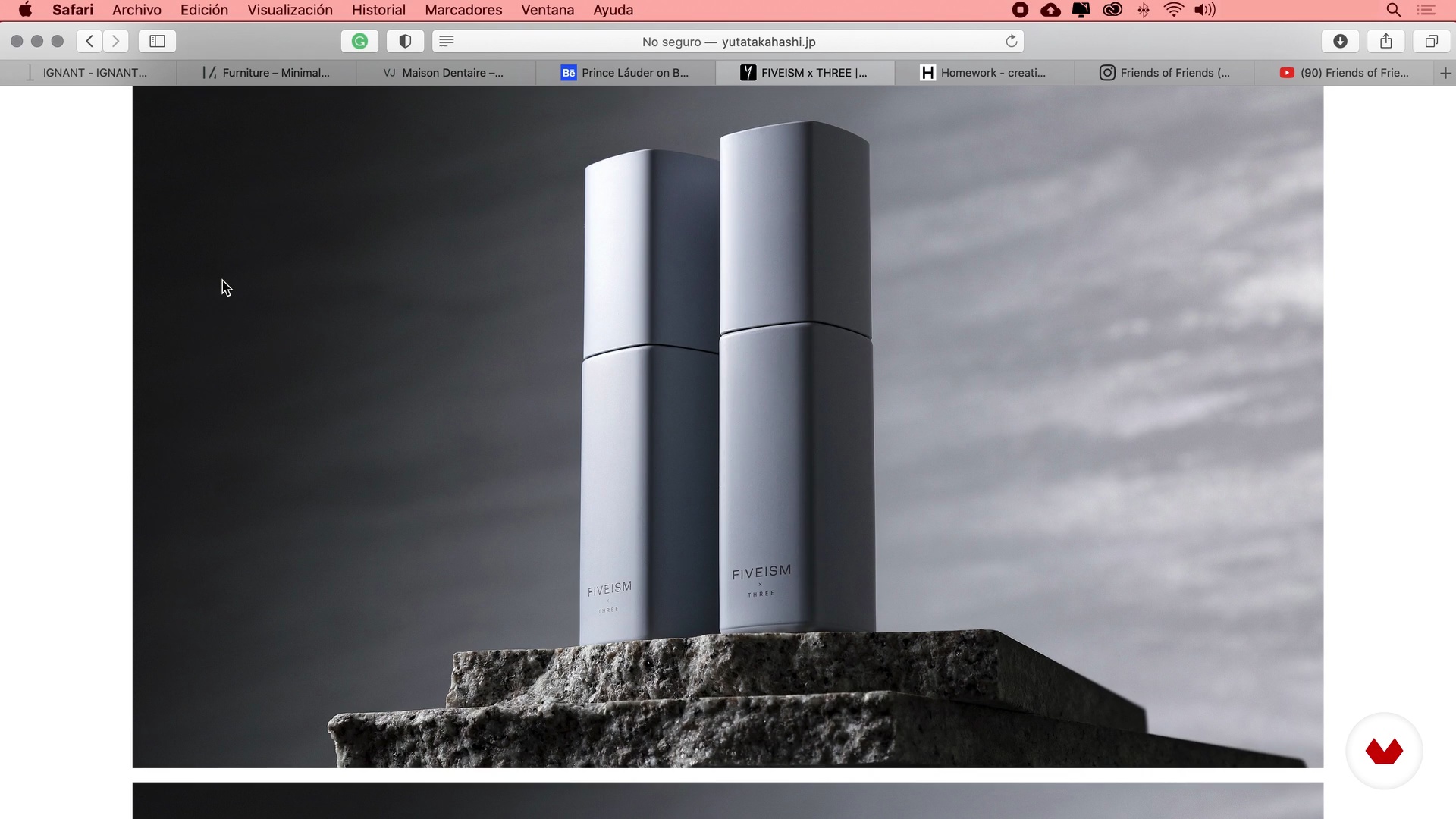
You'll explore references like Ignan and Minimalism, which combine art, photography, and architecture, and designers like Prince Lauder and Utah, with innovative approaches. I'll also share key books and studies that inspire my work. Let's discover them together!
12m
 5
5Inspiration / Genaro Rivas
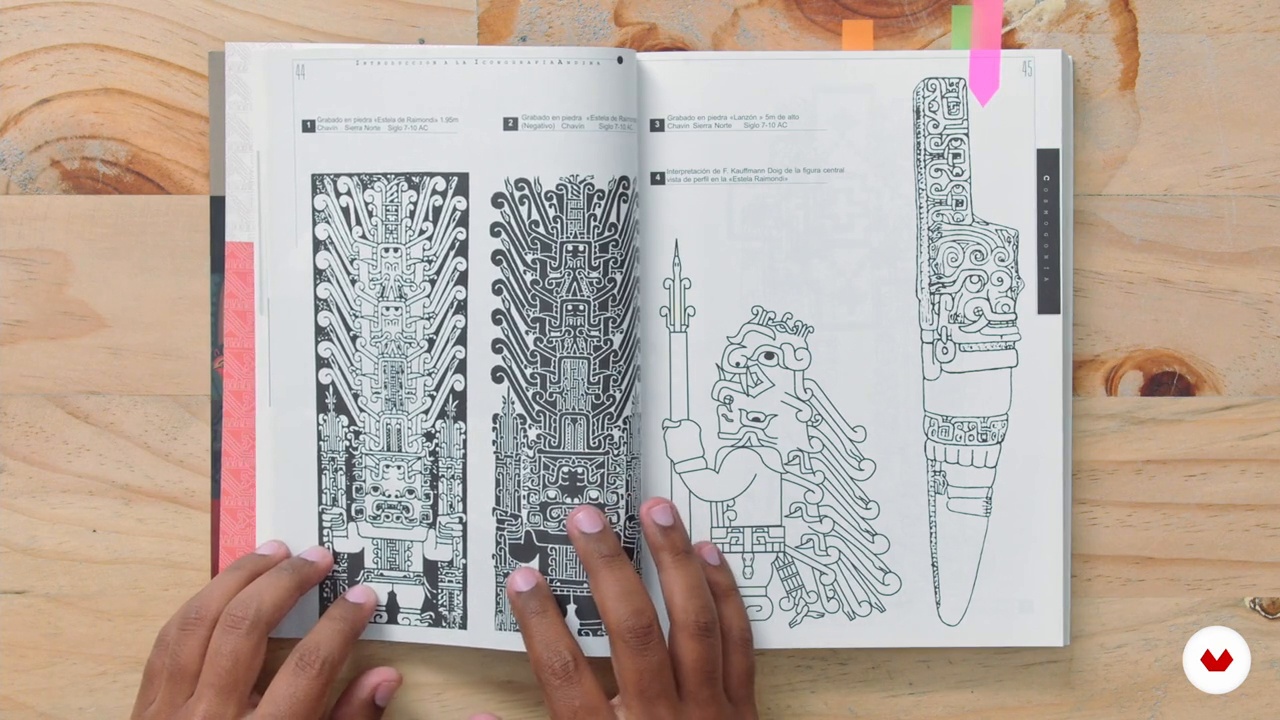
This lesson explores the influence of pre-Columbian art on design, highlighting its impact on modern art. Andean iconography, semiotics, and modular composition inspire new interpretations through technology, merging tradition and innovation in fashion.
4m
 6
6Inspiration / Jordi Labanda
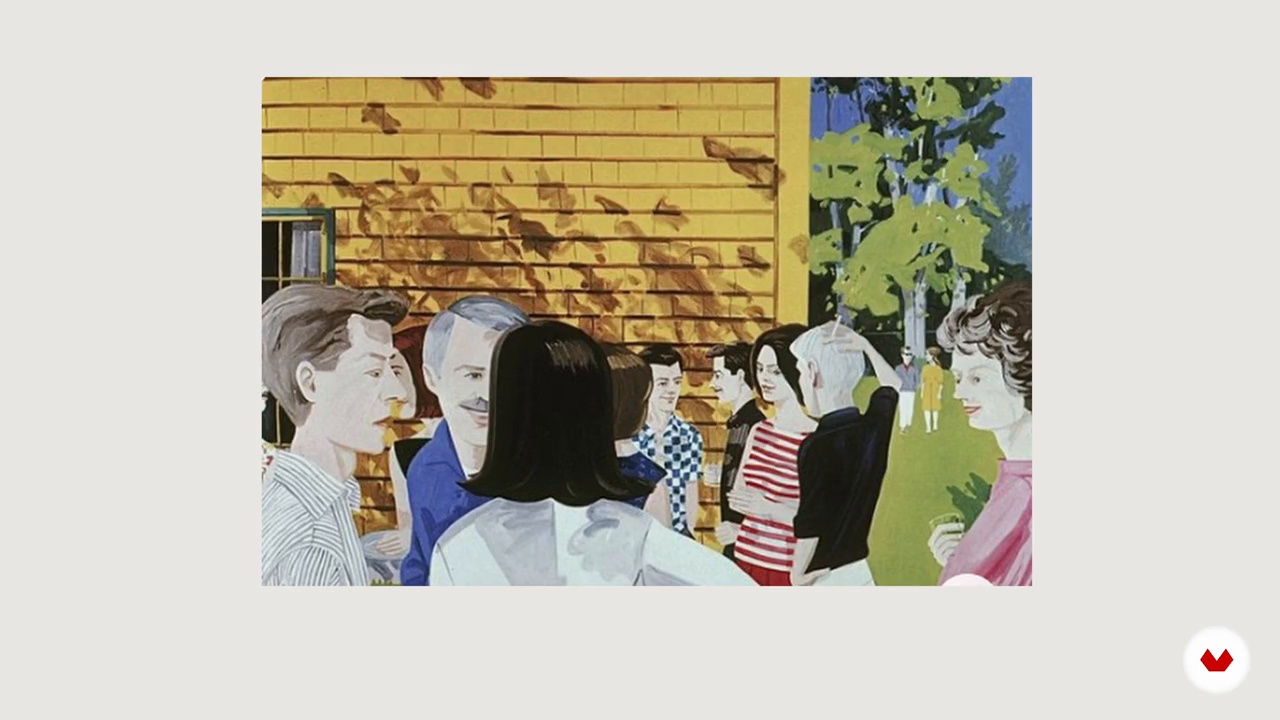
Finally, explore key artists who shaped a unique illustrative style. Richard Avedon inspires with his minimalist composition, Renegro with his use of vibrant color, and Alex Katz with his subtle elegance. Antonio López modernized fashion illustration, while Disney, with its use of light and visual storytelling, remains a source of inspiration.
8m
 1
1What will we do in the course?
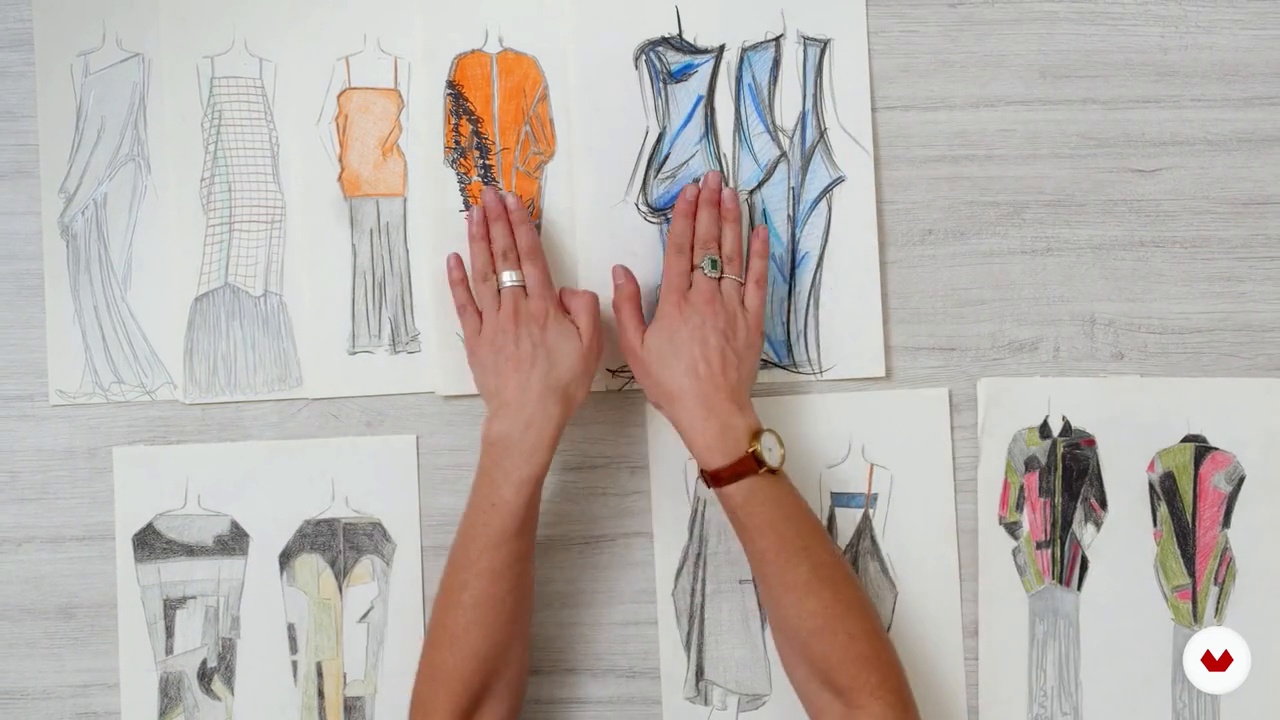
To begin, I'll show you the project I'll be working on in this module: a capsule wardrobe collection. We'll go over the creative and formal design stages we'll be developing.
2m
 2
2Milestones in the history of fashion
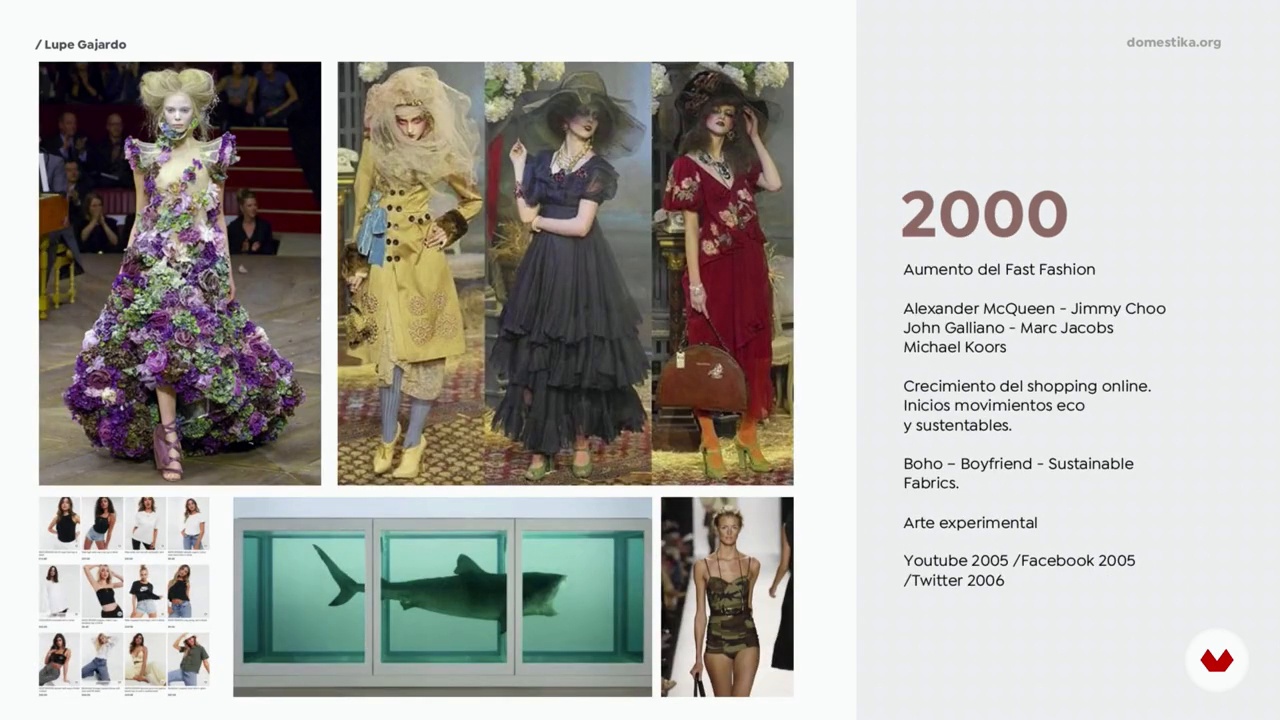
In this lesson, we'll reflect on clothing as a tool of communication and review the major milestones in the history of contemporary clothing since the 20th century, especially the social changes that have been reflected in and shaped the world of Western fashion.
15m
 3
3Basic elements of design
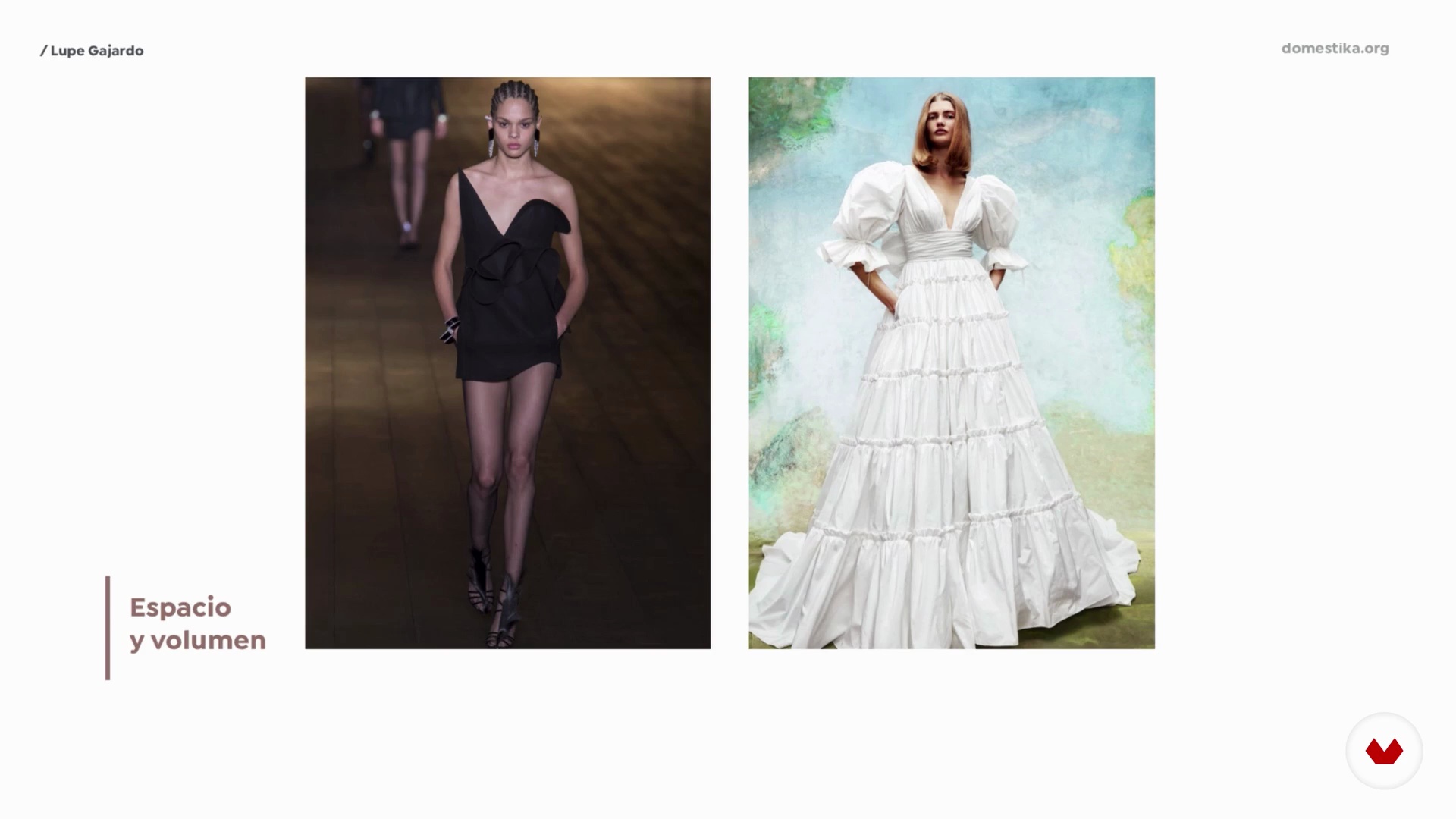
In this lesson, I'll teach you the basic elements of design—key to understanding how lines, shapes, and colors work when projected onto a moving object.
9m
 4
4Design principles
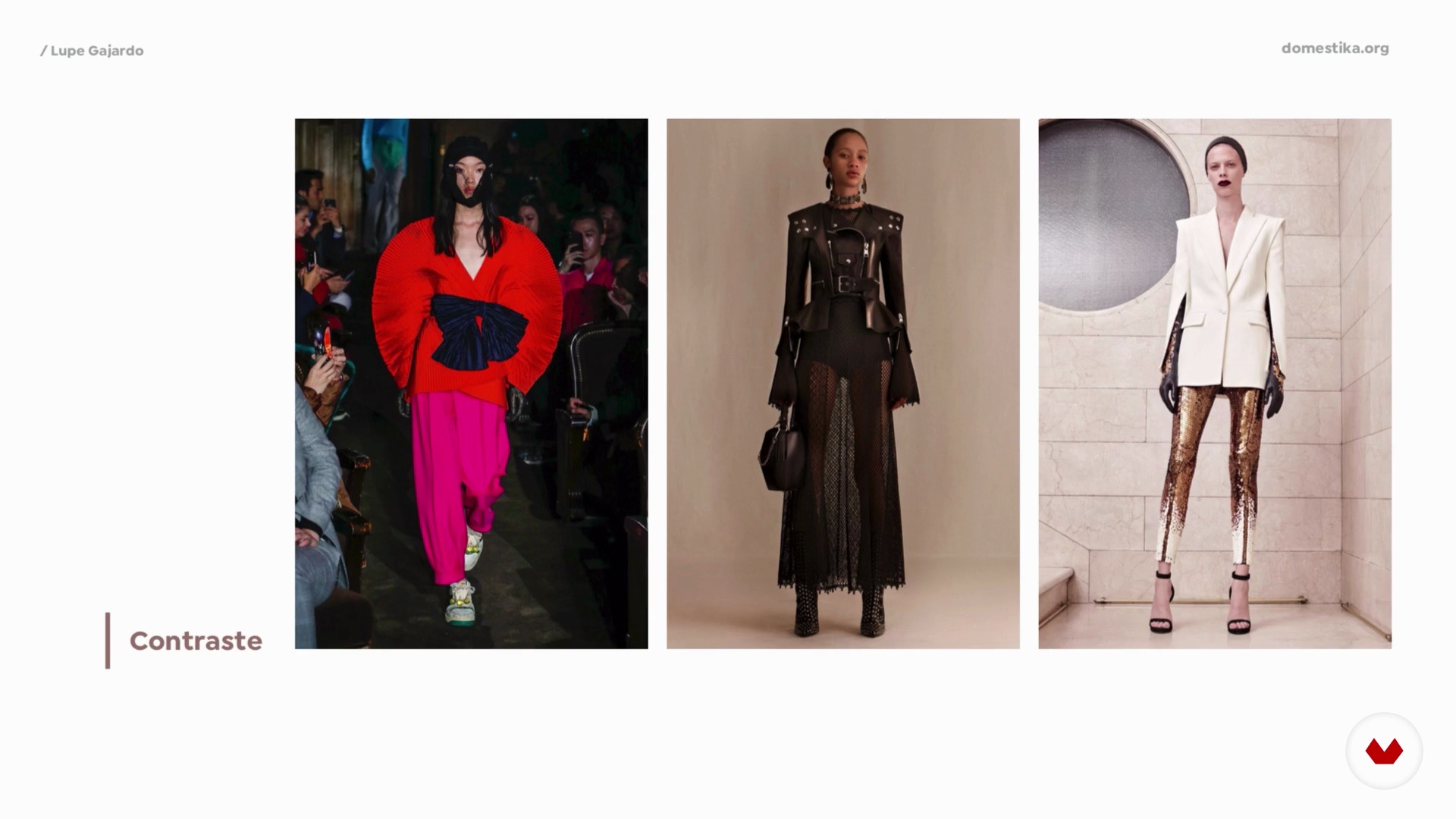
Now I'll begin by teaching you about the basic principles of design, which are essential for ensuring that the author's proposal is understandable and effective in conveying the concept and inspiration to the user.
12m
 5
5What is a capsule collection?
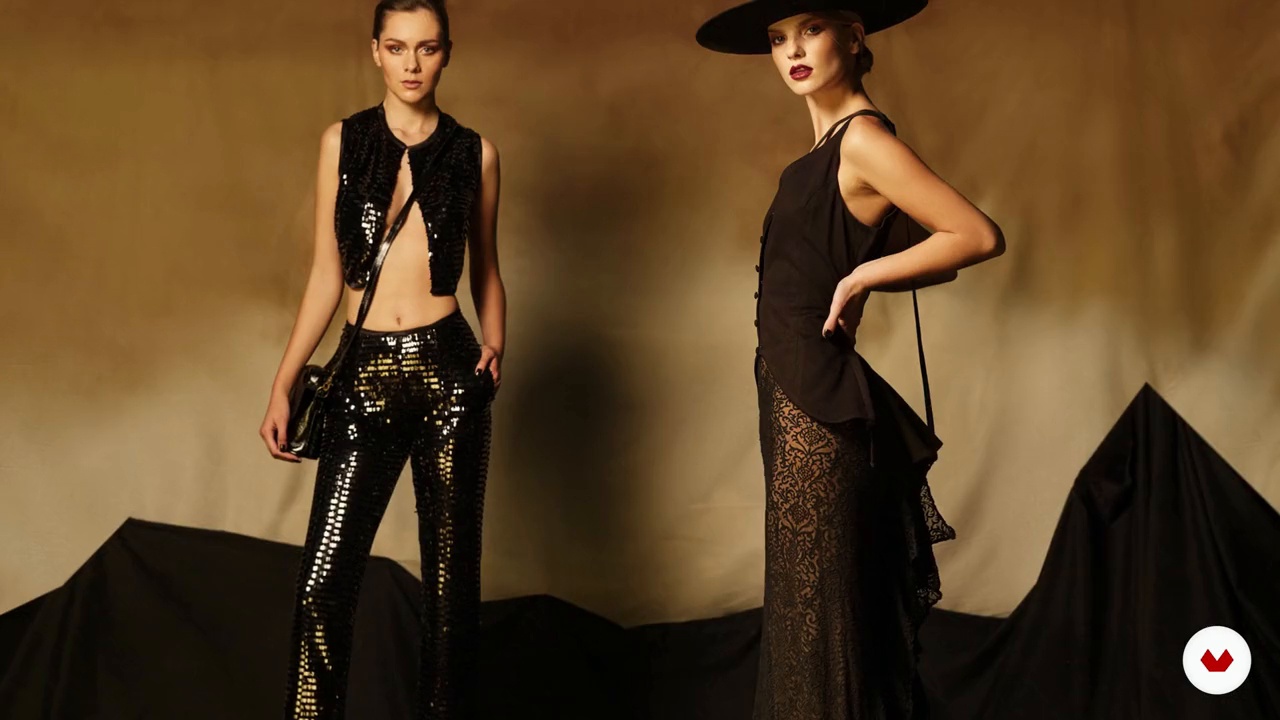
I'll teach you what a capsule collection is, what its main characteristics are, and how it differs from other types of collections.
2m
 6
6The research
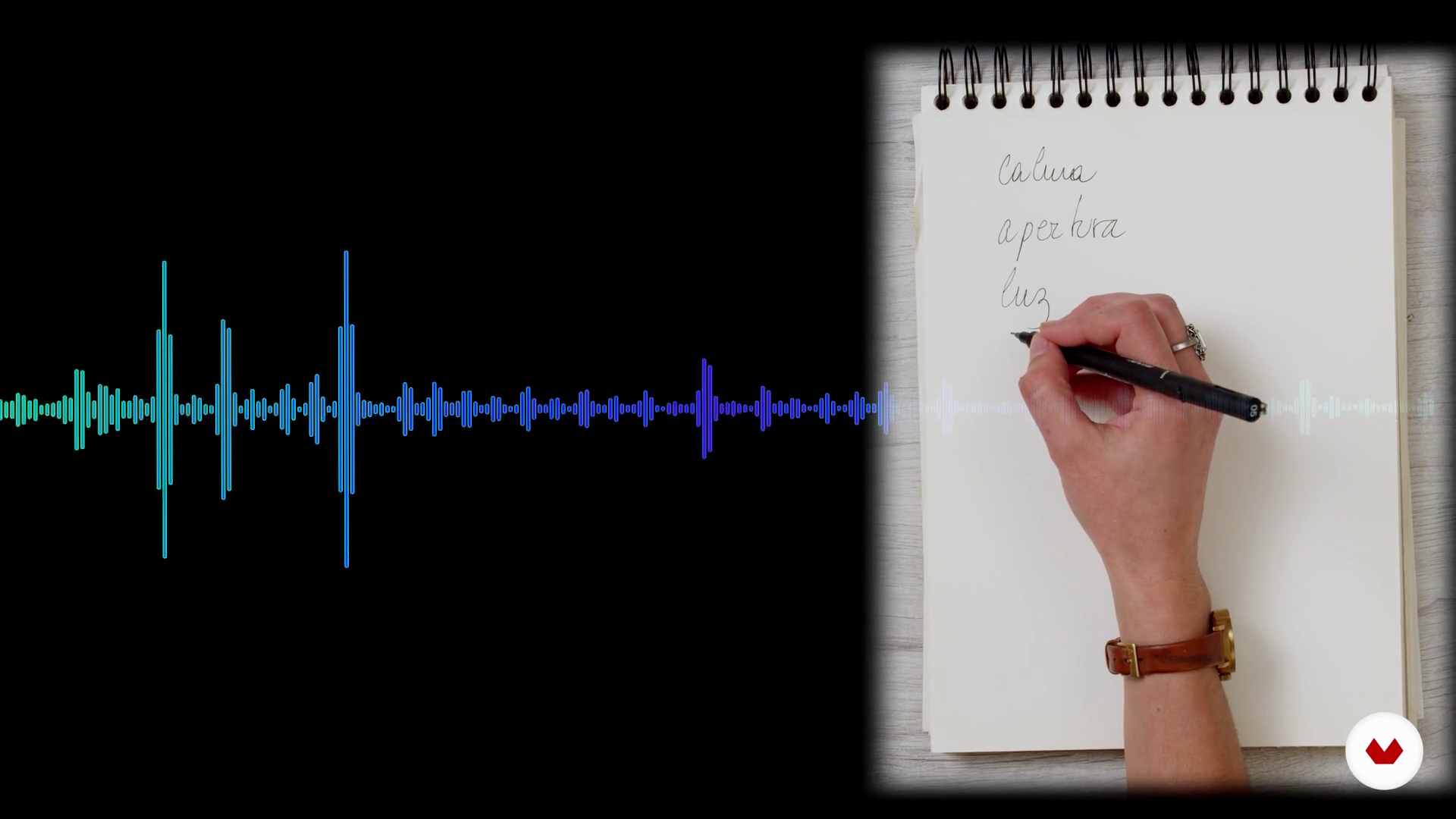
Fashion design requires a deep understanding of sensations and emotions, both personal and social, which will then materialize into a specific concept. In this lesson, I'll talk about observation and intuition as initial tools in research.
11m
 7
7The conceptualization
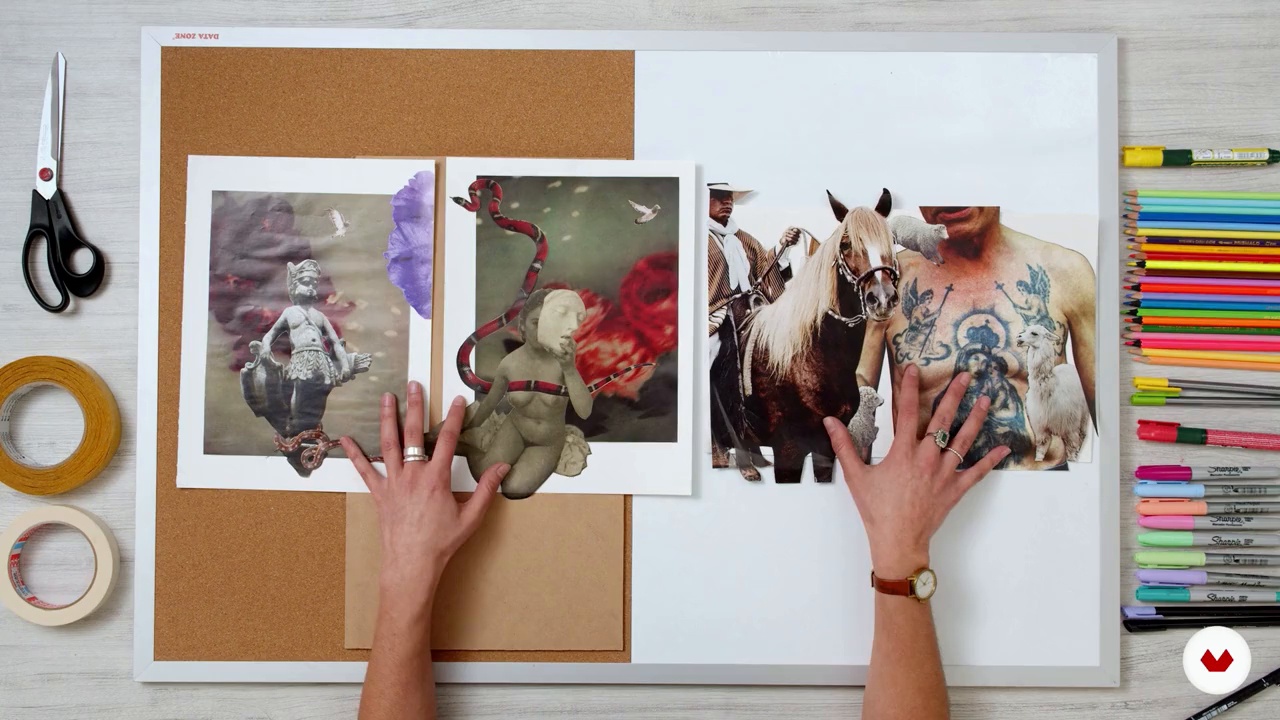
Now I'll show you my process for synthesizing and organizing the ideas and emotions from the research and bringing them to the first concepts and definitions of our collection.
15m
 8
8The manifesto
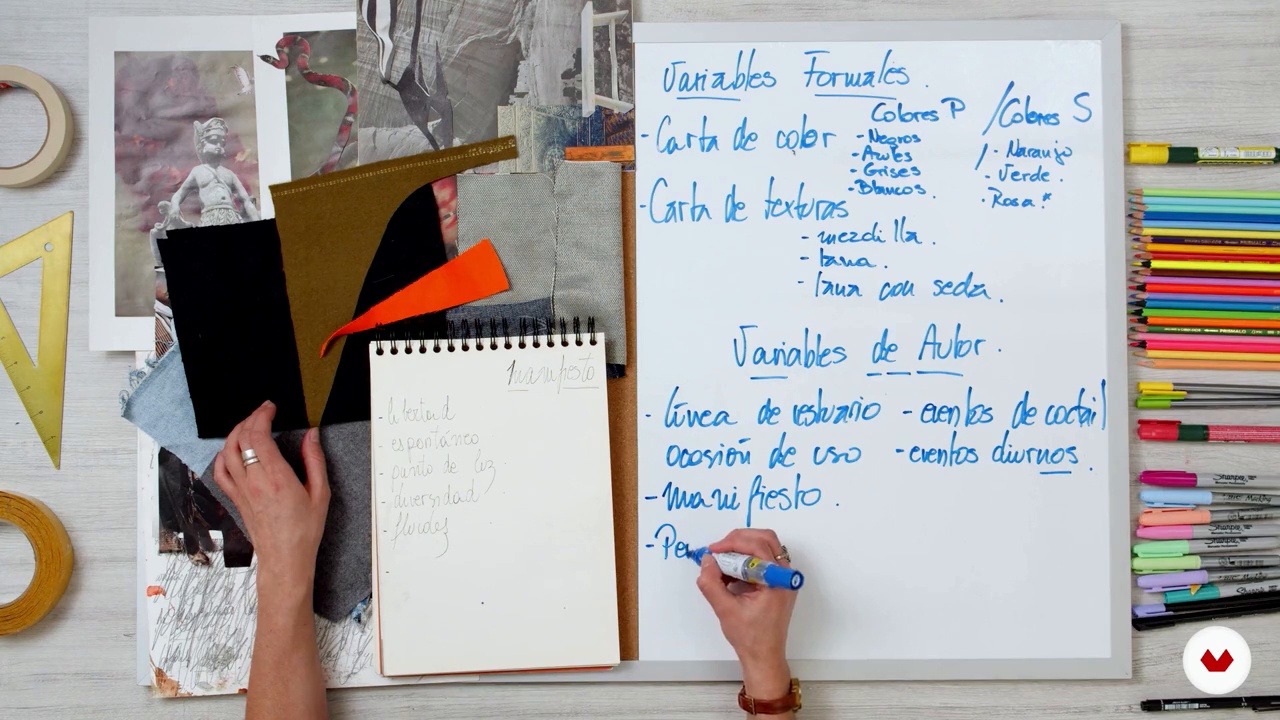
Throughout this lesson, I'll show you how to create the proposal manifesto by defining keywords, which will serve as a guide for defining the design variables we'll be working on.
14m
 9
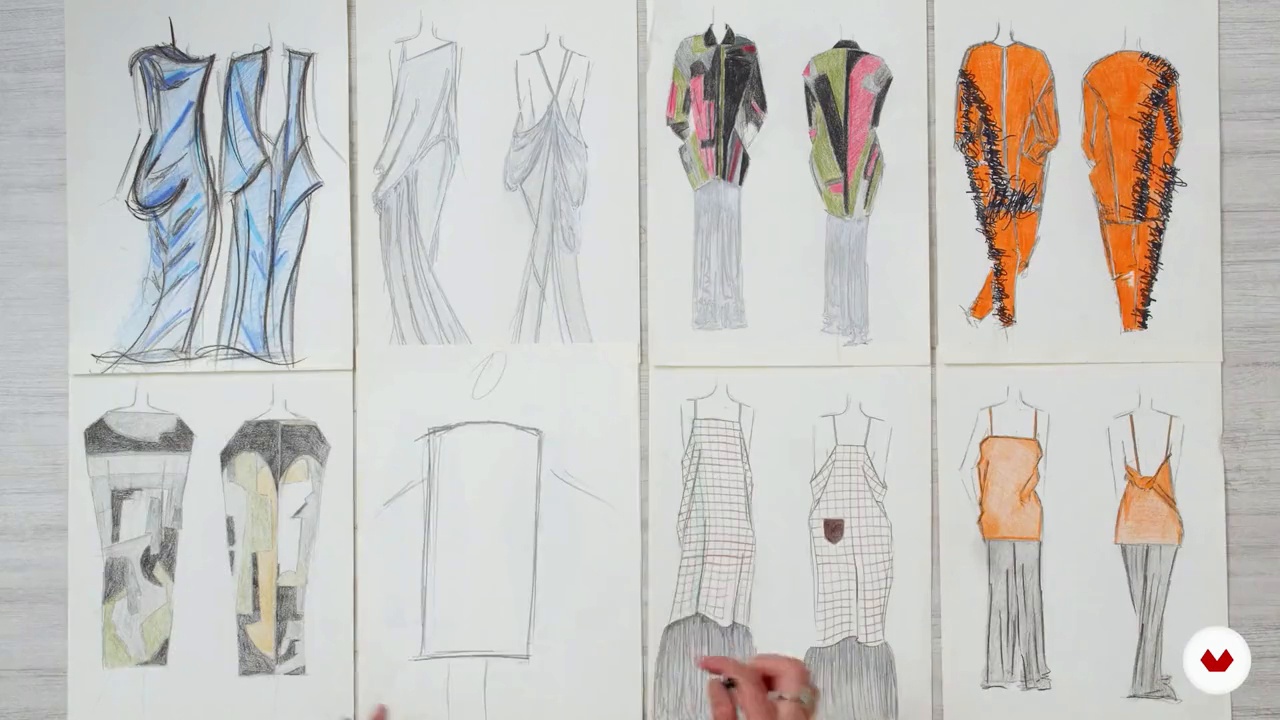
9The sketches 1
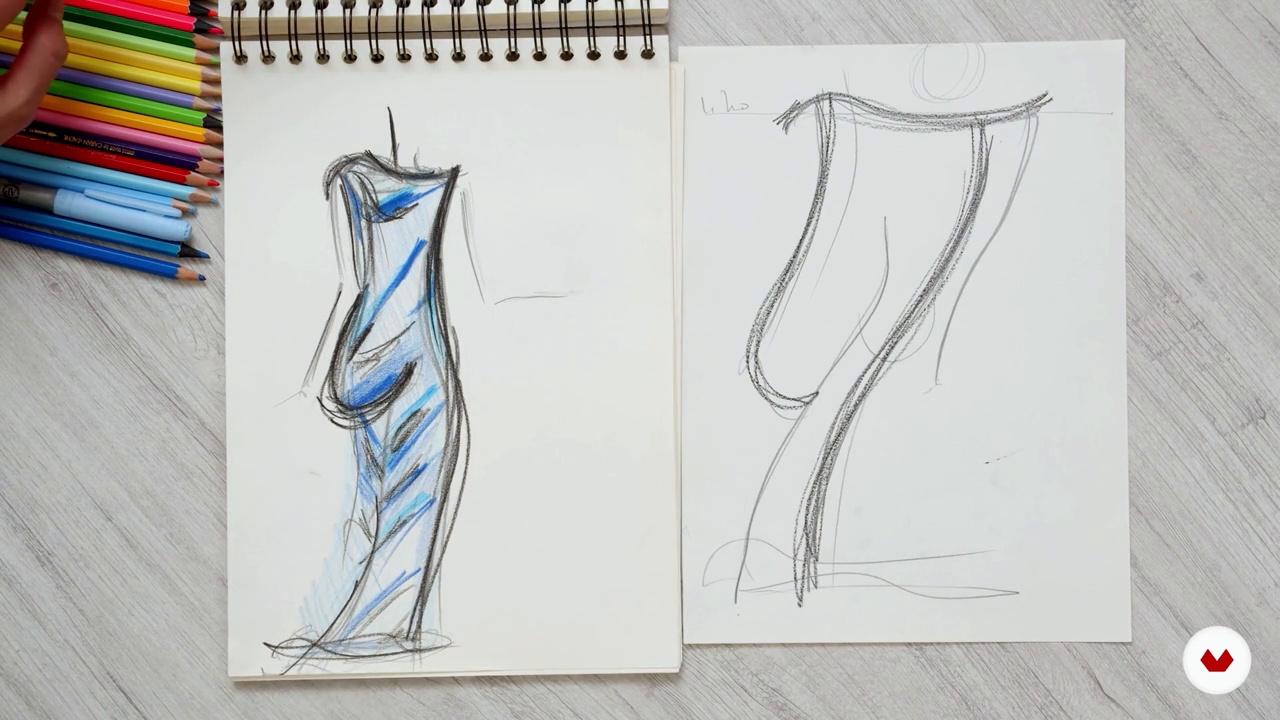
In this lesson, I'll show you how to approach creating the first sketches and the final or definitive sketches. If you're not a great drawer, don't worry, because while the latter should fully represent the essence of the collection, they aren't necessarily an exact drawing, but rather a representation of the spirit we want to embrace. Let's loosen up!
16m
 10
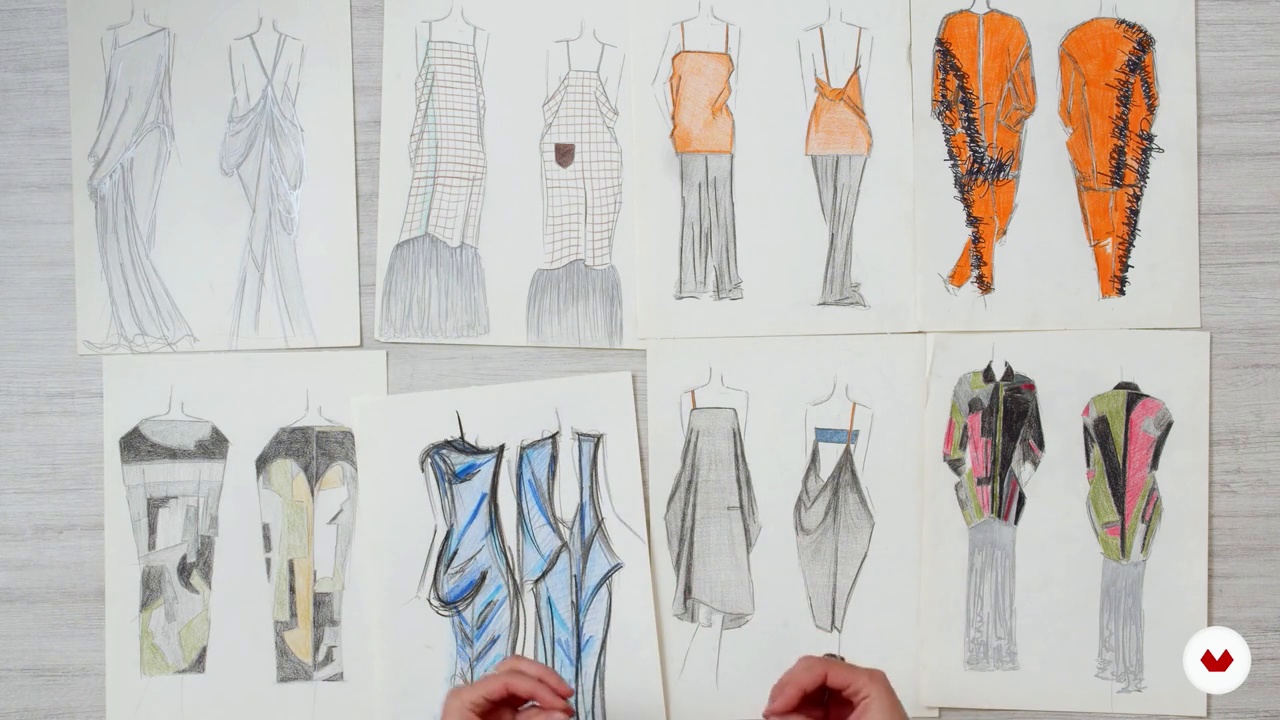
10The sketches 2
Remember that taking into account the front and back views will be very important; this will help you get a better overview of your design. I'll show you the key lines you'll need to pay attention to in order to achieve balance in your garment.
10m
 11
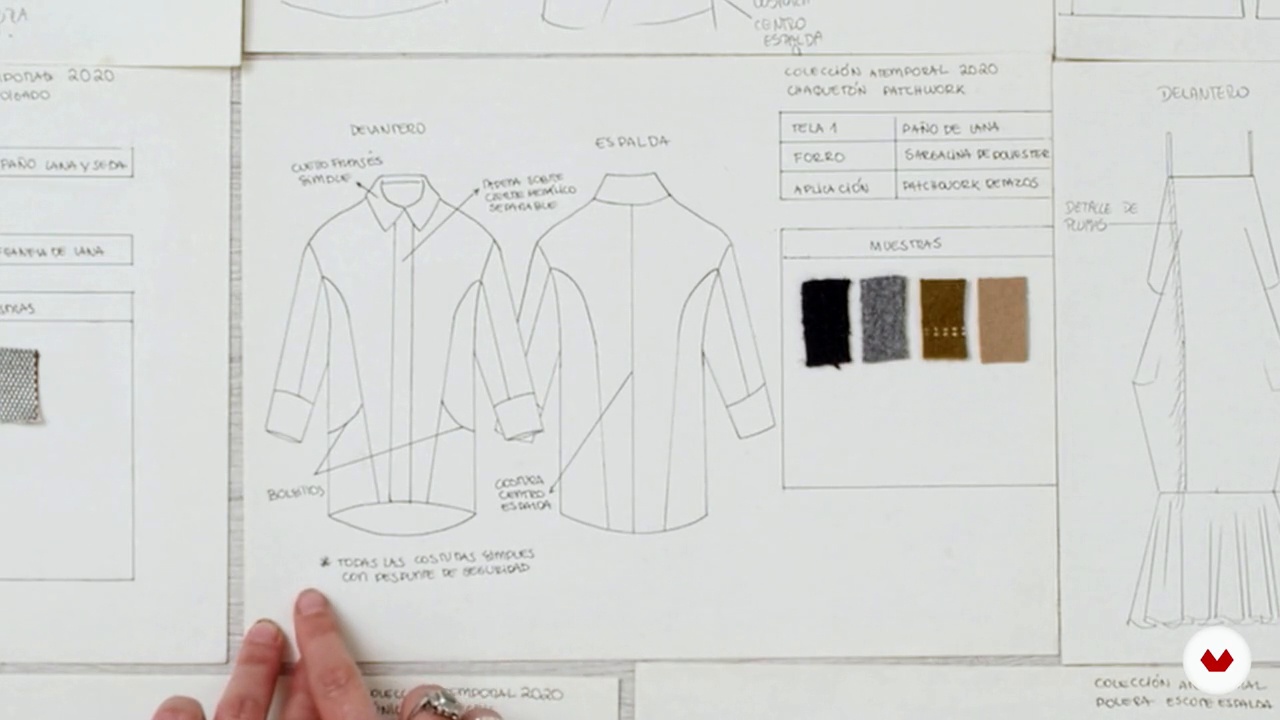
11Assembly and structure of the collection
One of the questions you'll likely have is how to structure your collection. In this lesson, I'll give you tips on how to organize your final designs and create a common thread that underlines the collection's narrative.
4m
 12
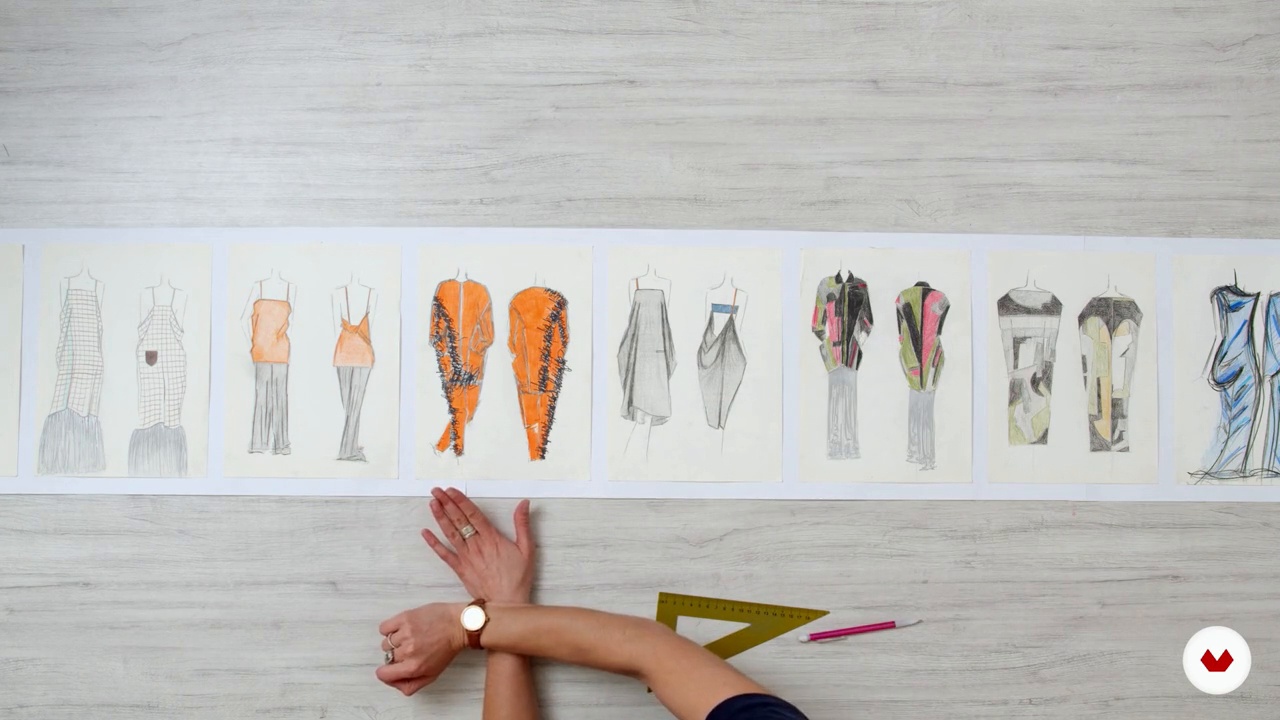
12Technical specifications and design details
I'll show you how to create basic technical sheets for each piece. These sheets are important for detailing all the technical aspects and will be very useful for communicating with the person in charge of creating your collection.
17m
 13
13Presentation of the collection
Now I'll show you how to create a lookbook containing your collection sketches so you can present your collection in a simple, yet creative and engaging way.
9m
 1
1What will we do in the course?
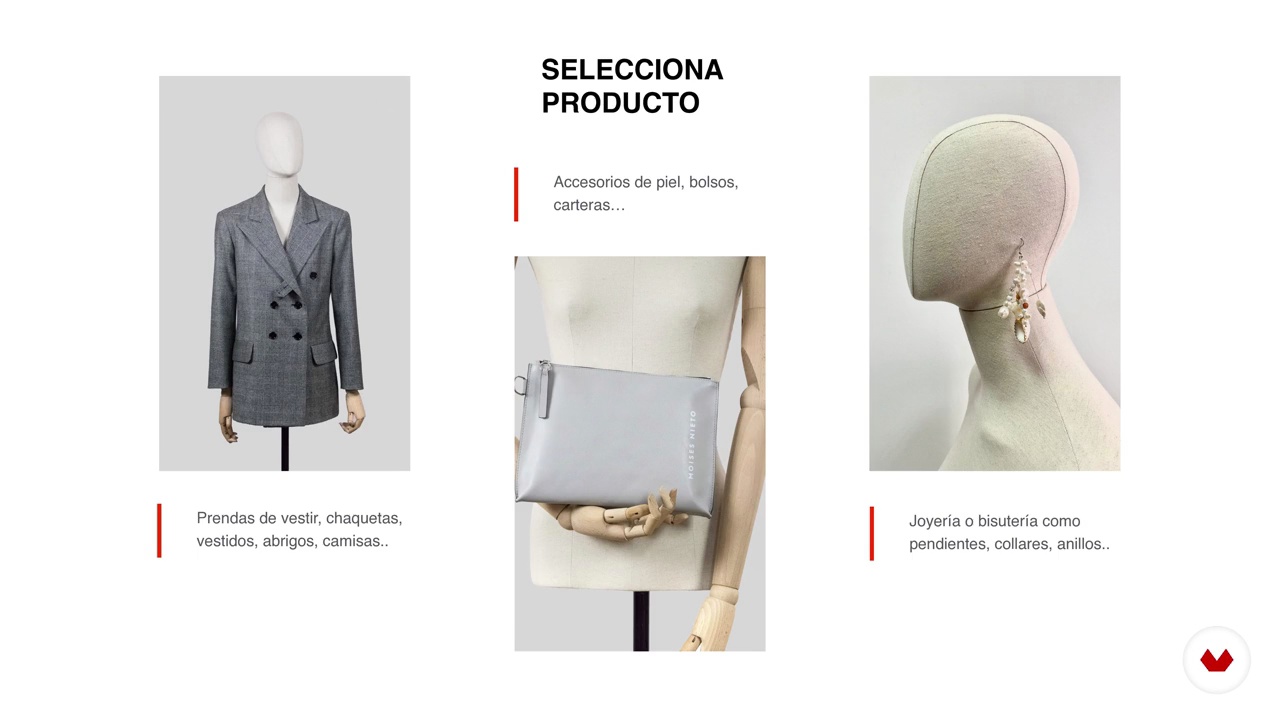
First, I'll explain how you'll learn to define your product, sales channels, and ideal customer. I'll show you how you'll design a clear and realistic business plan while applying practical advice based on my experience. By the end of this module, you'll have a complete step-by-step guide to launching your brand.
 2
2Why start our own clothing brand?
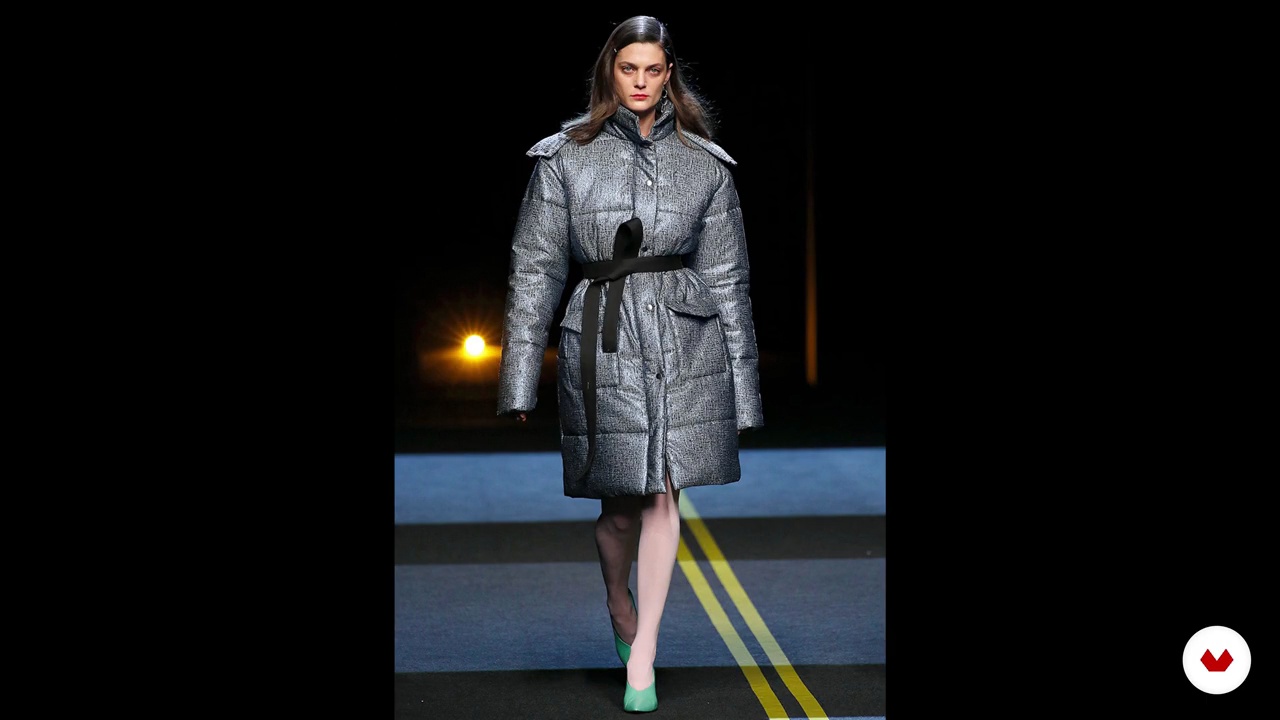
We'll review the motivations and requirements for creating a fashion brand. I'll share my personal experience and give you several tips on what to do and what not to do when creating your brand.
3m
 3
3Analyzing our product
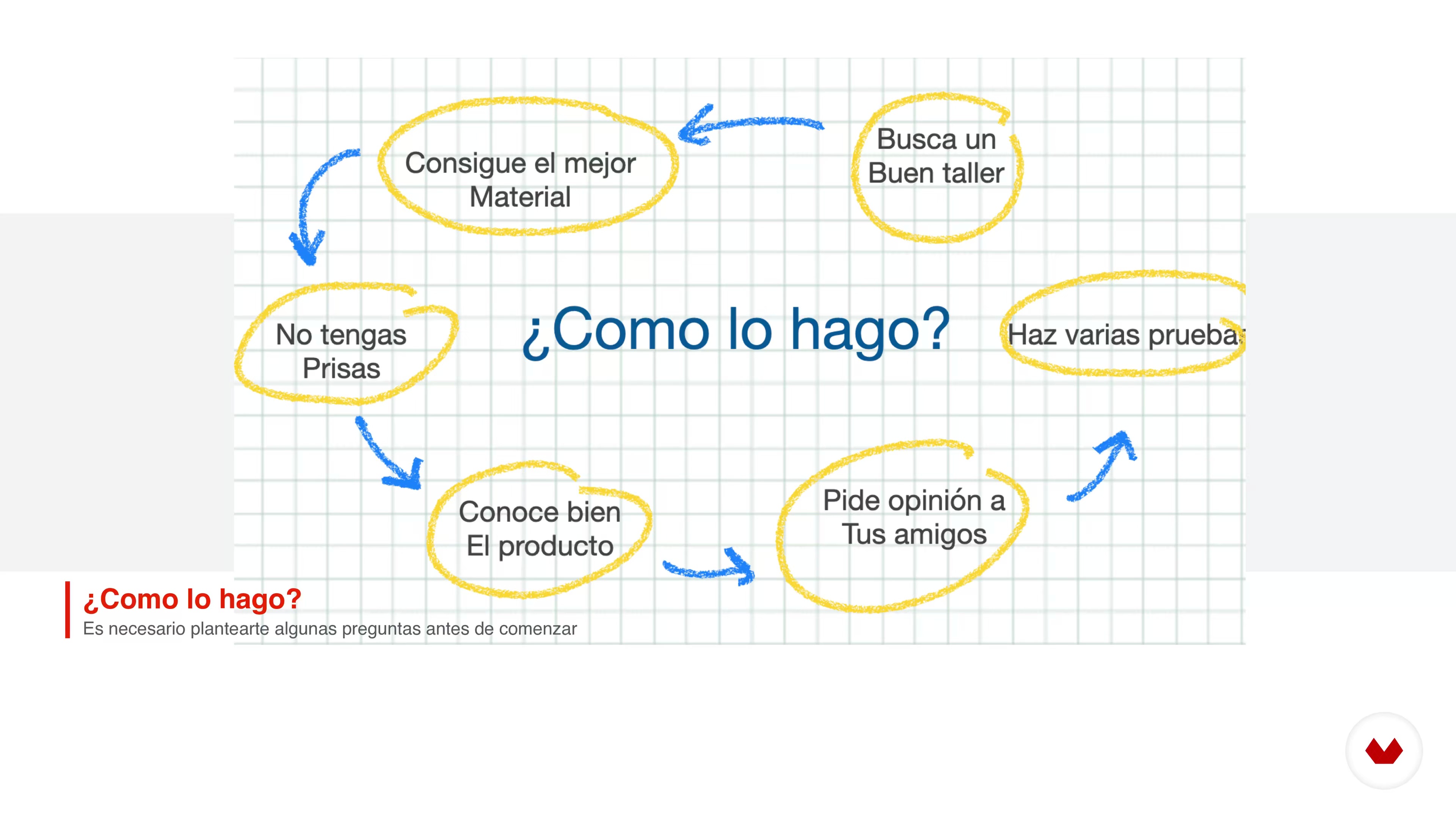
Now let's look at how to analyze our product. It's very important to ask ourselves a series of questions to understand ourselves, identify where we come from, and clearly establish our brand values.
3m
 4
4Analyzing the market
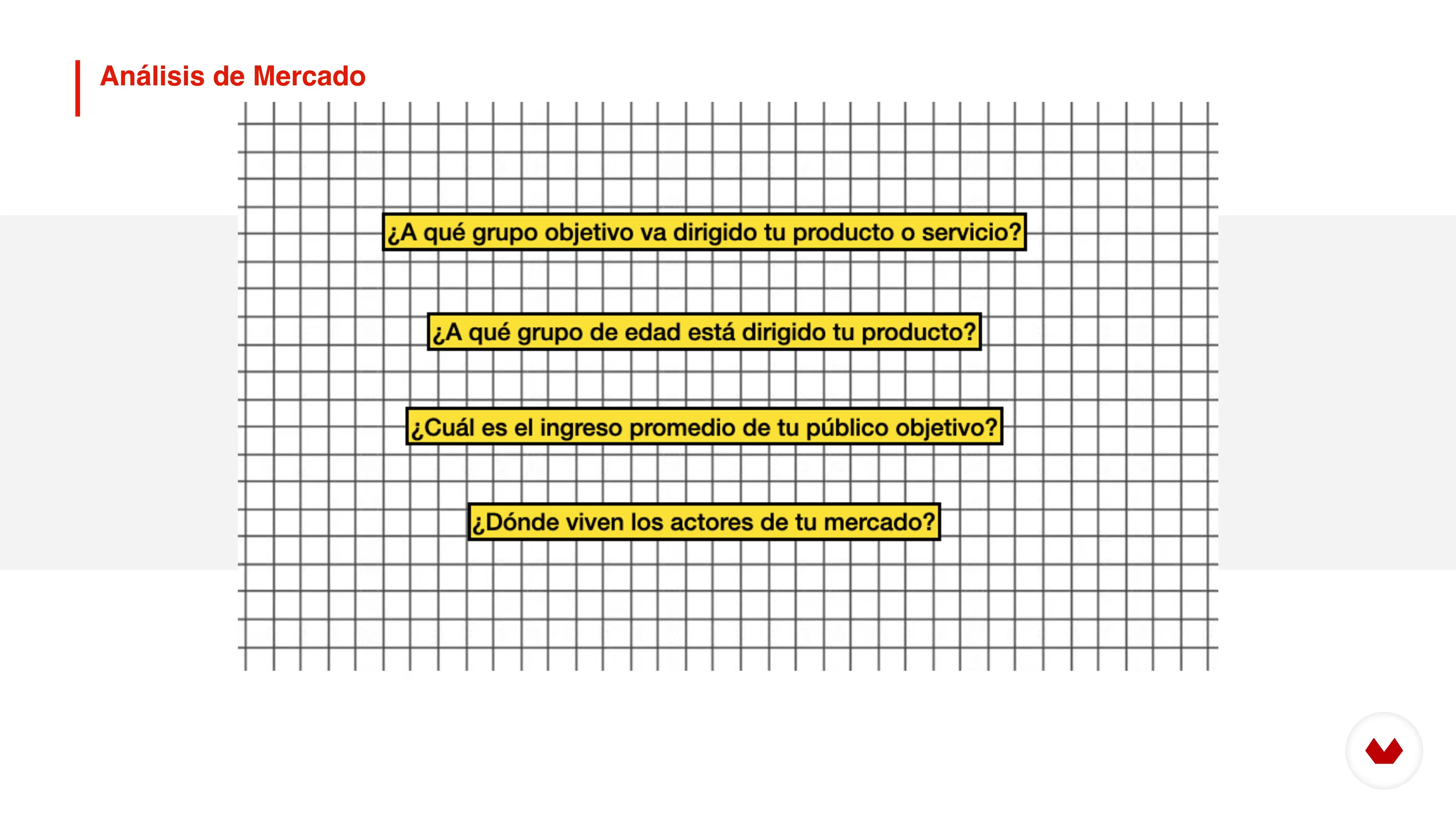
In this lesson, we'll look at how to analyze and identify the market that best suits our product. A market analysis is an assessment that allows you to determine the size of a particular market in your industry. It will also allow you to identify factors such as market value, customer segmentation, purchasing habits, competition, the economic environment, current trends, legal and cultural regulations, and many other factors.
3m
 5
5Analyzing our audience
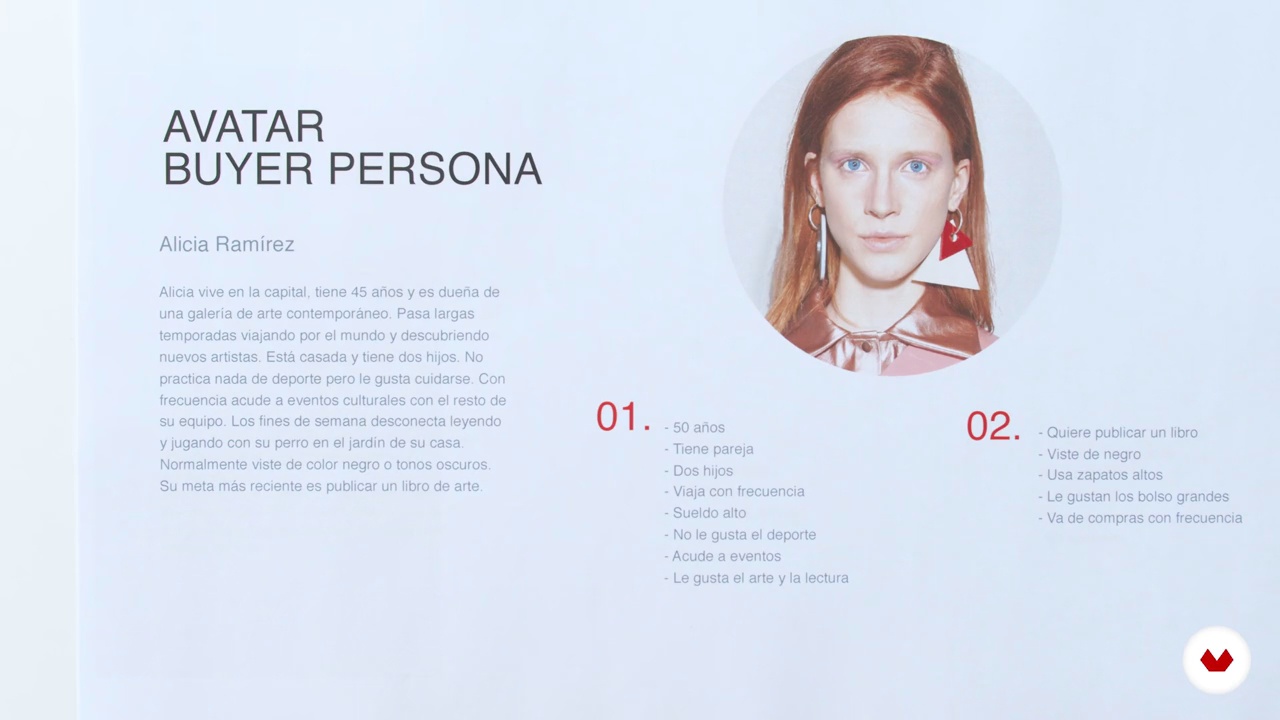
Now, I'm going to show you how to analyze your target audience through a few simple exercises. This will help you target a specific group of people and make the right choice with the product you've created.
4m
 6
6Define your goals
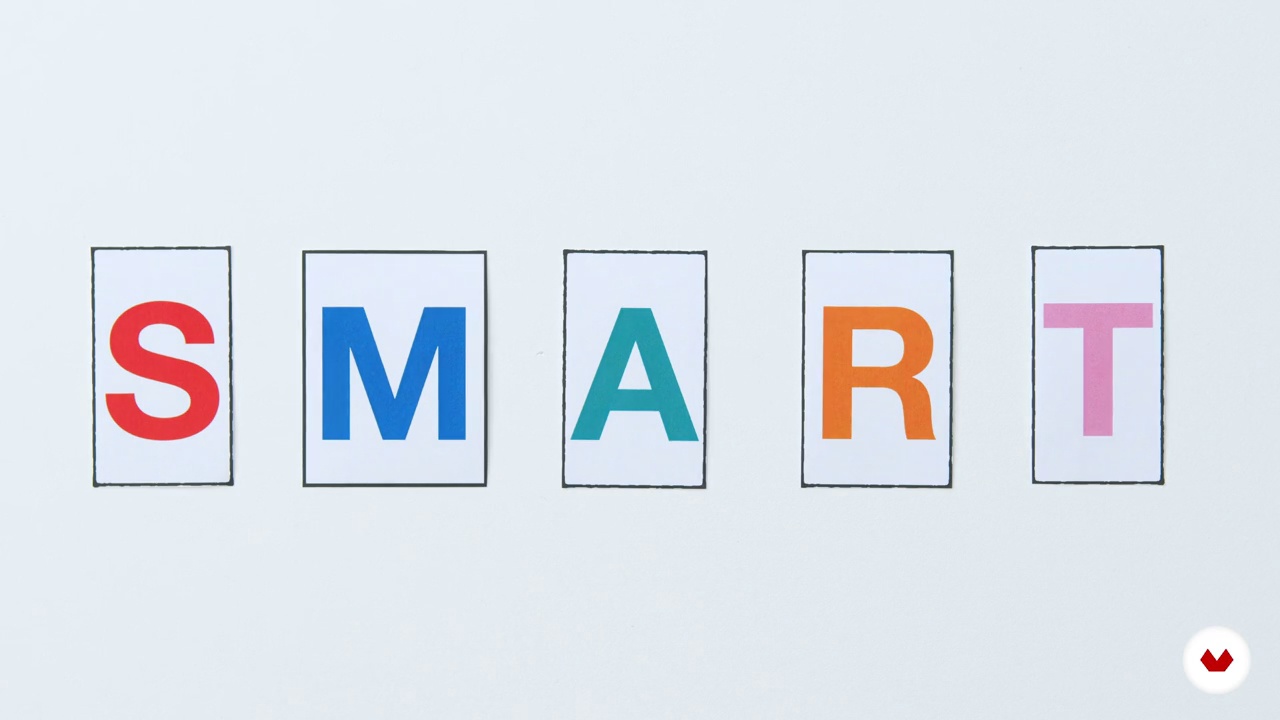
It's time to recognize our limitations and define an achievable goal through an exercise known as "smart goal."
4m
 7
7The business model
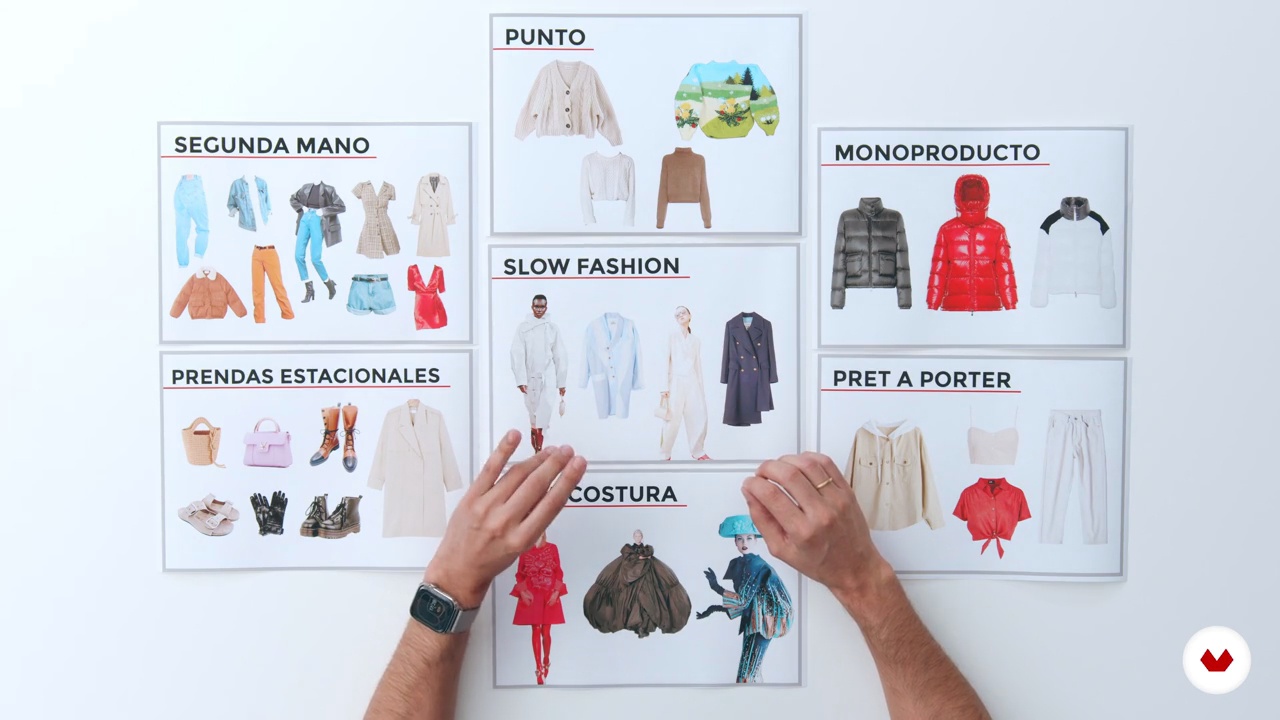
In this lesson, I'll explain the different business models that exist in the fashion world. Each business model is different, so each brand or designer chooses the model that best suits their product, objectives, and audience.
3m
 8
8The survey
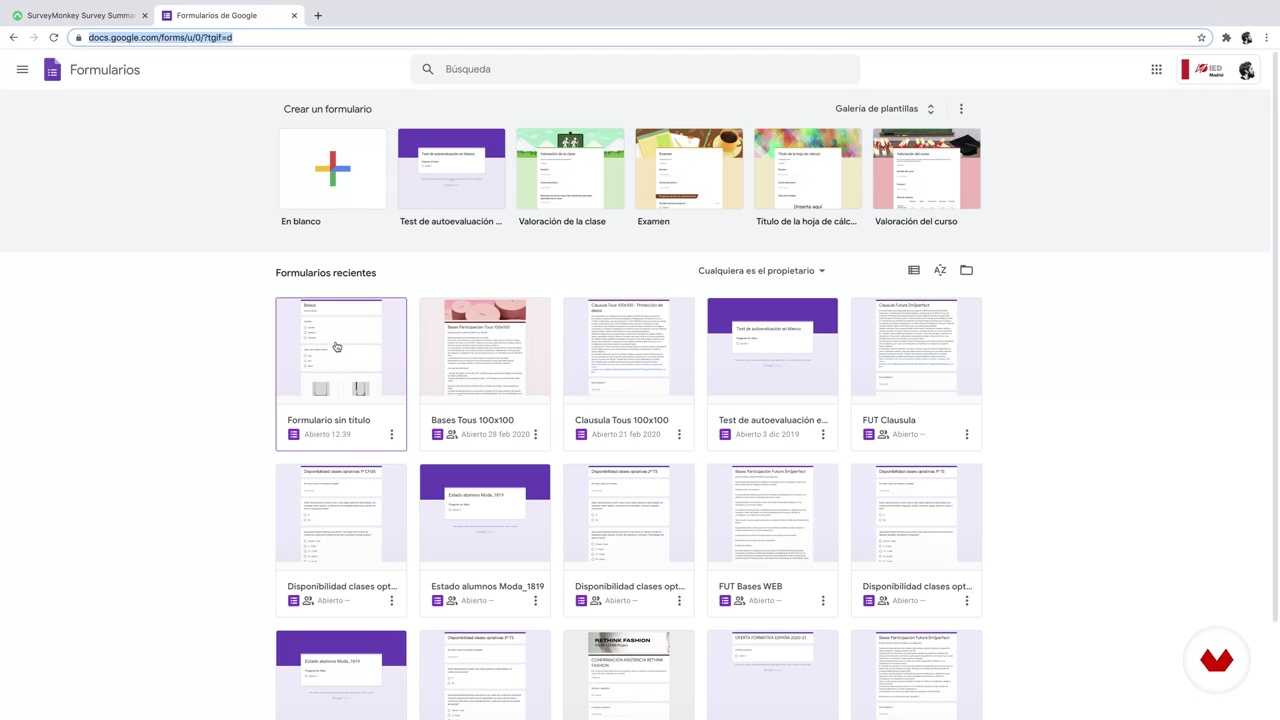
Let's discover the importance of asking the people around us for their opinions. In this lesson, I'll show you the options available for conducting a survey among friends or for a more professional survey using an app or newsletter.
2m
 9
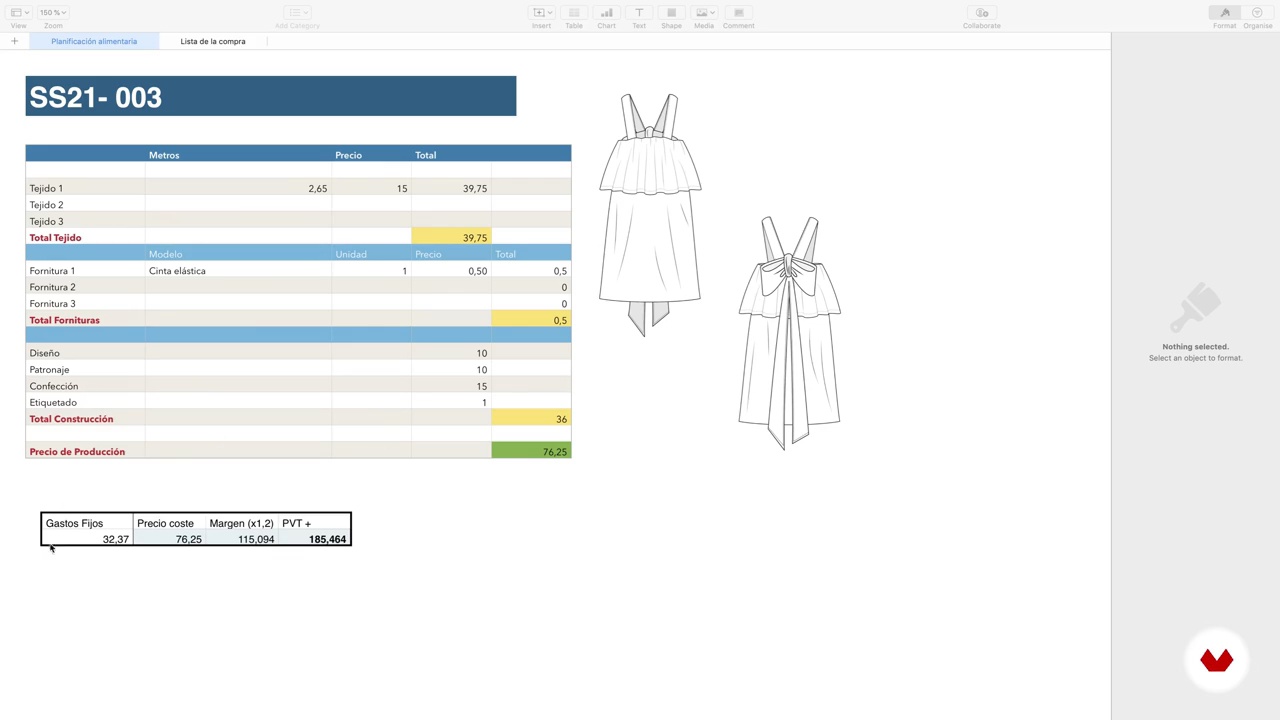
9The market price and that of your clothes
I'm going to tell you how to price a product. To do this, first, we need to calculate the company's fixed costs and the variable costs it will face throughout the year.
4m
 10
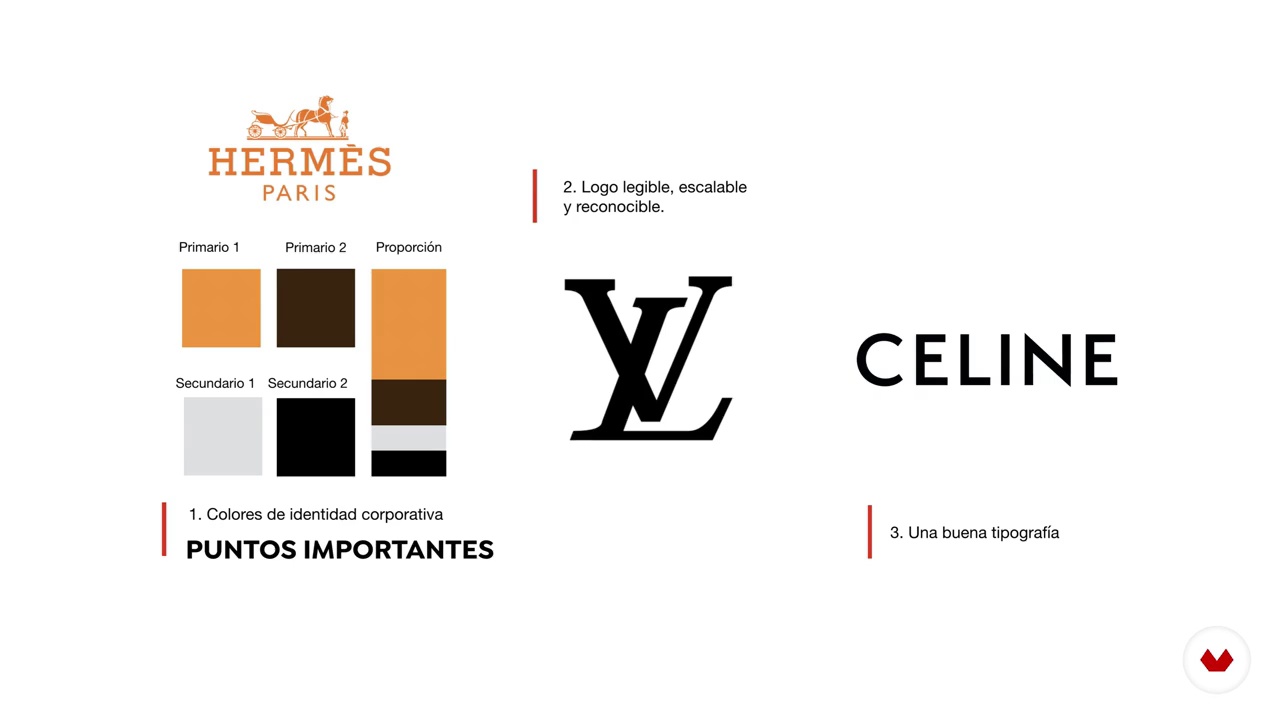
10The importance of a good brand
I'll discuss the key to having an attractive image. I'll briefly explain how to find a brand name and how to create a logo that identifies you and is visually appealing.
1m
 11
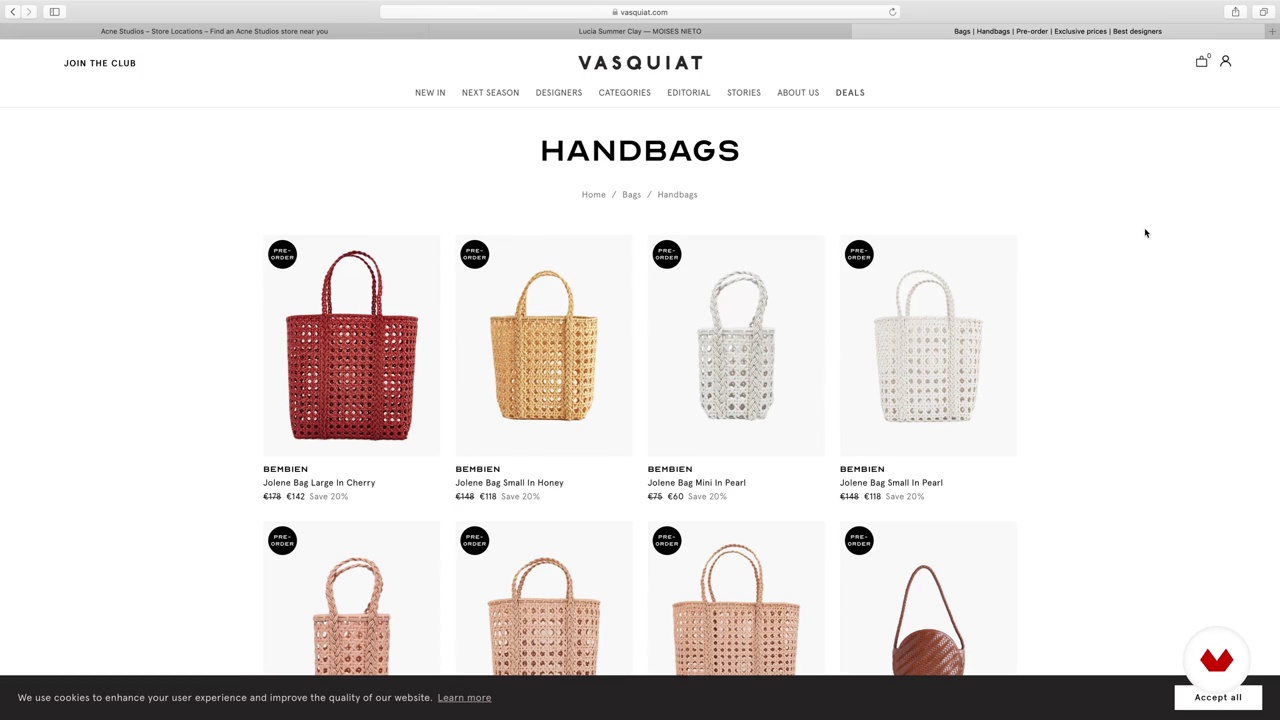
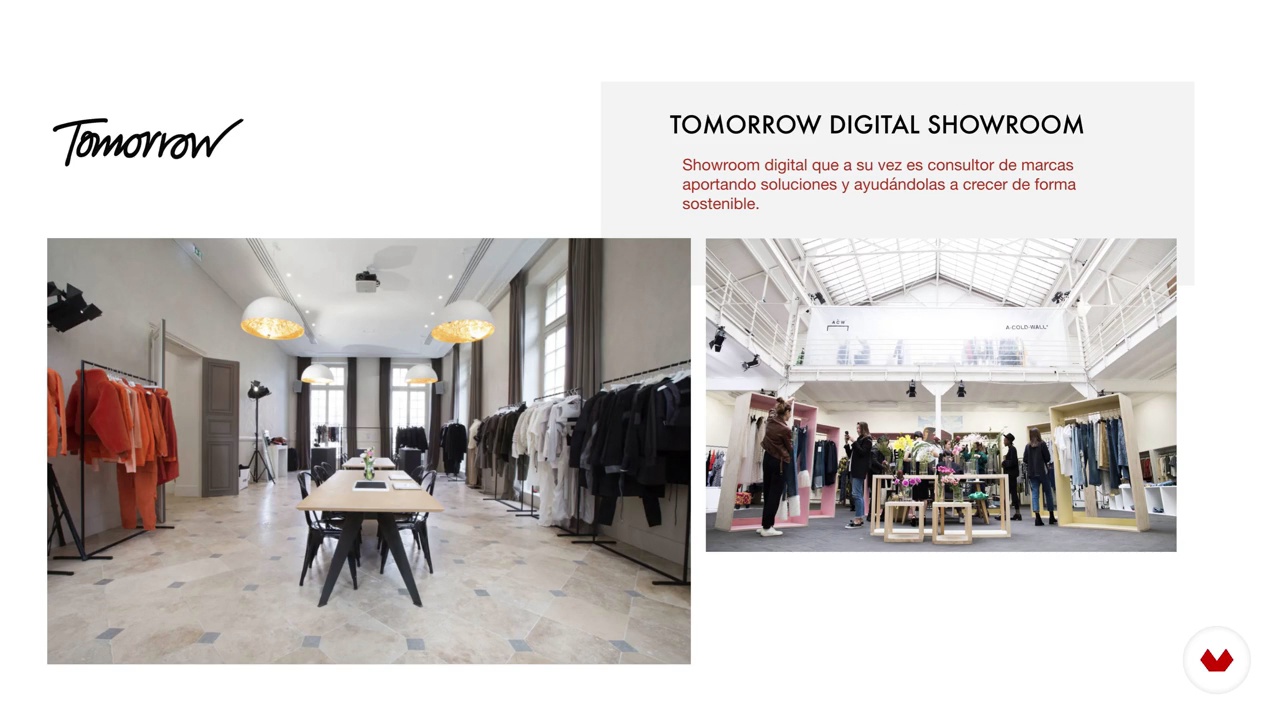
11Sales channels
Within the fashion market, there are different sales channels. Let's review the different types and I'll help you identify which one best suits your needs.
2m
 12
12Fashion systems
Now let's look at how the fashion system works and review international collection presentation calendars.
3m
 13
13Viability
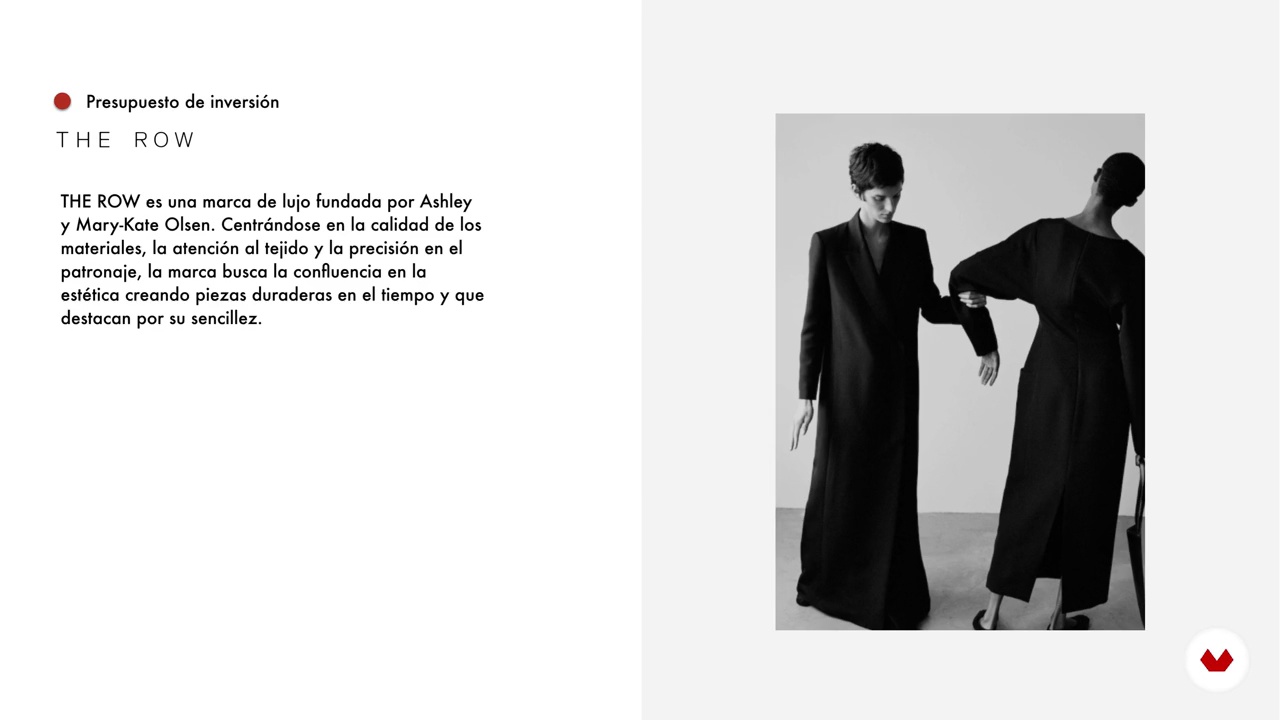
When creating a brand, we must analyze whether it can be sustainable over time. From there, once we achieve this, we can set a long-term goal.
2m
 14
14Association with other brands
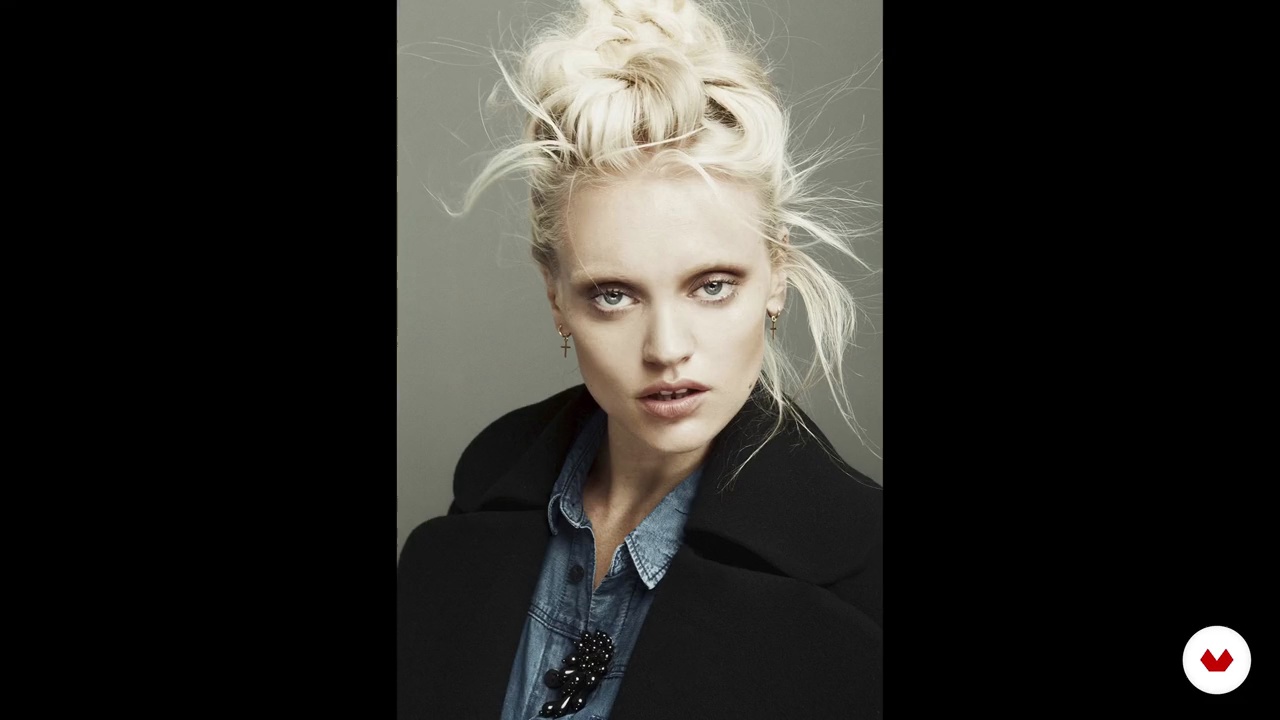
We conclude this module by reviewing the benefits of partnering with other brands. By creating synergies with other brands, you'll gain access to a broader network of contacts, learn a lot from your team, and gain greater exposure in the fashion world.
3m
 1
1What will we do in the module?
In this module, you'll learn some techniques for more agile conceptualization. By understanding the brand's environment and where it will move, you'll have a clear picture of where the project should go. You'll also understand specific needs and, during this process, find the triggers that will later help you develop... the identity!
2m
 2
2Importance of graphic design in fashion
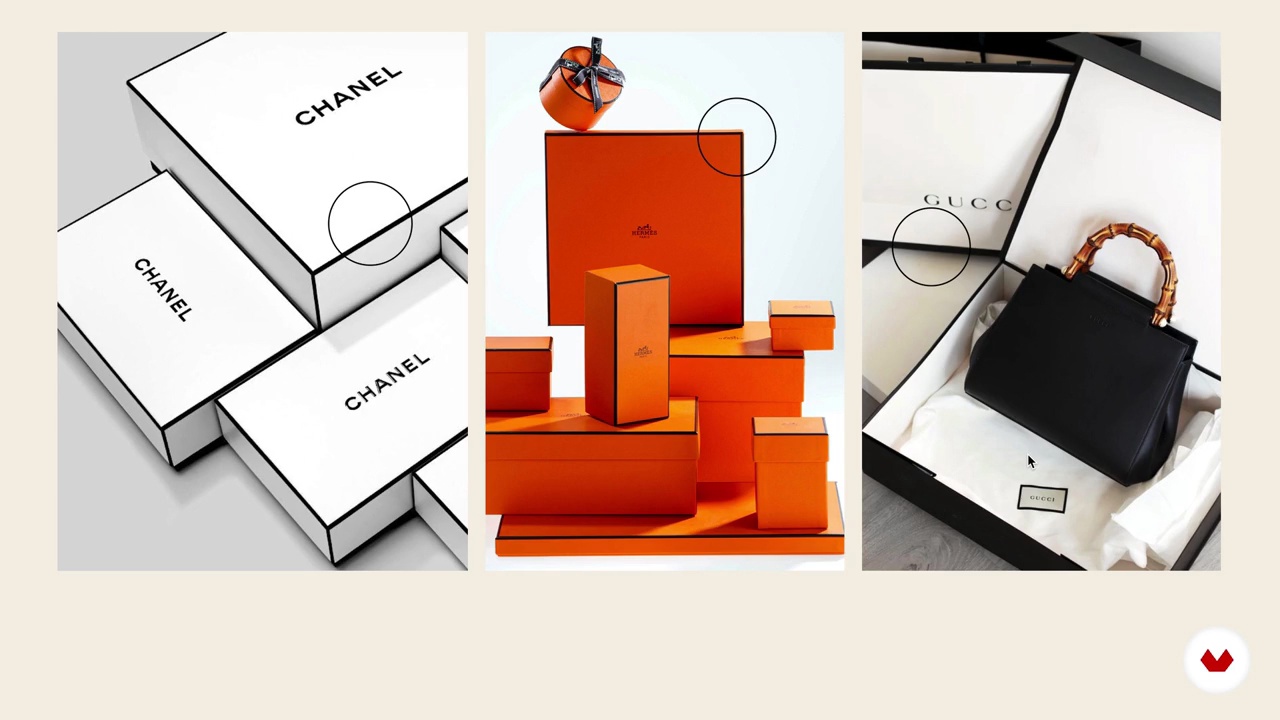
In this lesson, we'll review some success stories to understand the true impact that design gives a brand and how a well-executed identity allows us to add value, enhance its reach, and even encourage the purchase of a product.
15m
 3
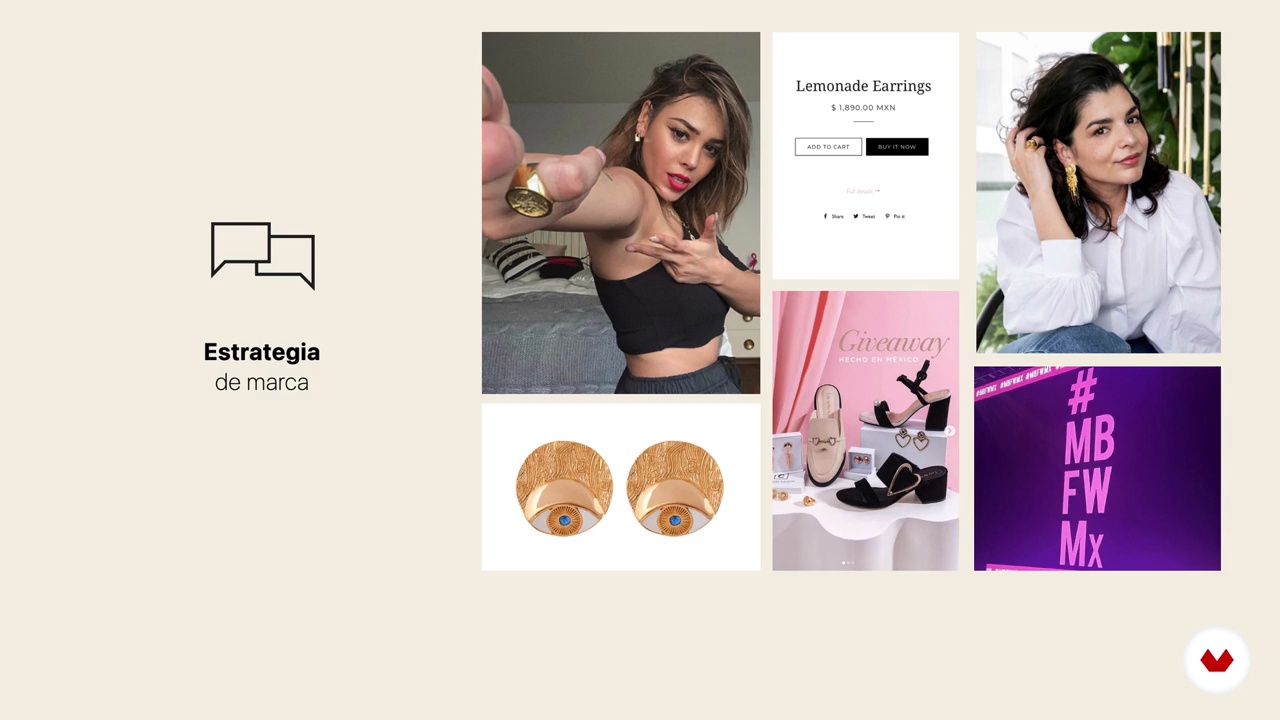
3Differences between brand, branding and identity
I'll explain the differences between branding, branding, and identity, so you can distinguish the various efforts a brand can make and how these efforts contribute to creating brand value.
11m
 4
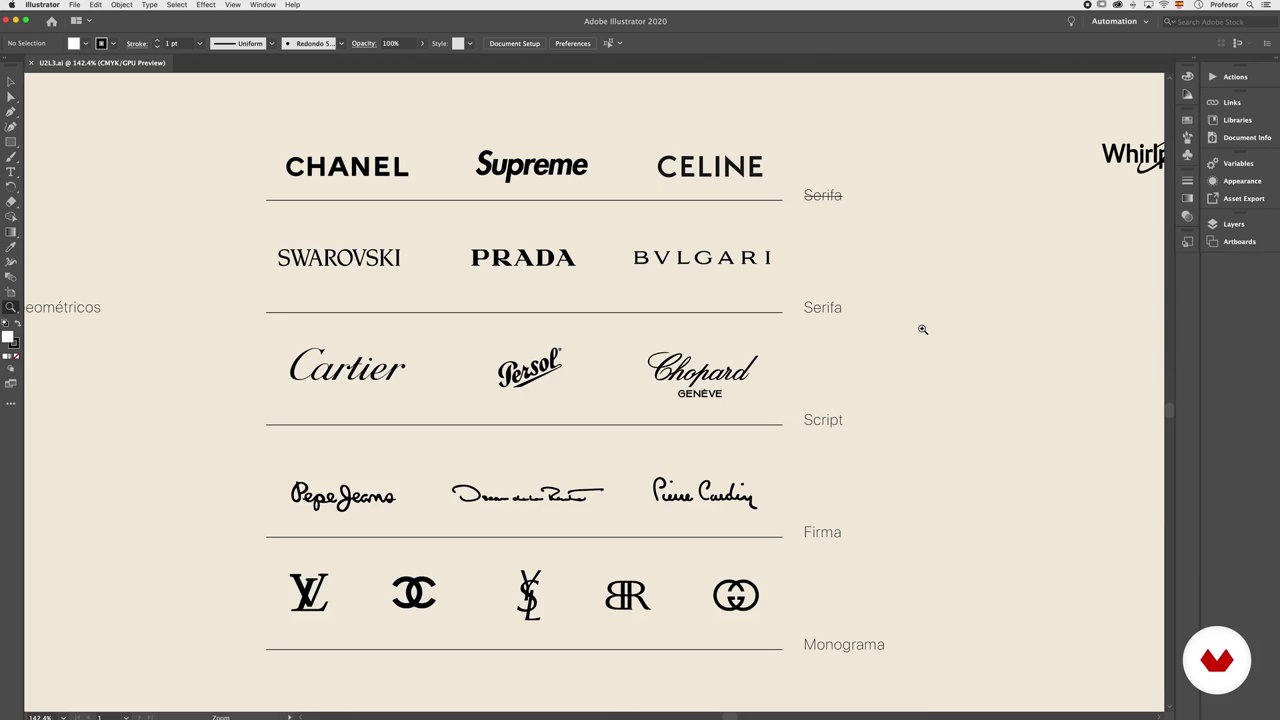
4Differences between nominal and symbolic identifiers
I'll tell you a little about the most common typologies used in fashion brand development. Later, we'll focus on the difference between a wordmark and monograms. Understanding this will help us later in our decision-making process for developing our brand logo.
8m
 5
5Key guidelines when building a logo
I'll share some tips, and you'll also learn best practices for developing your logo proposals with higher quality, achieving optimal readability and reproduction across any channel.
6m
 6
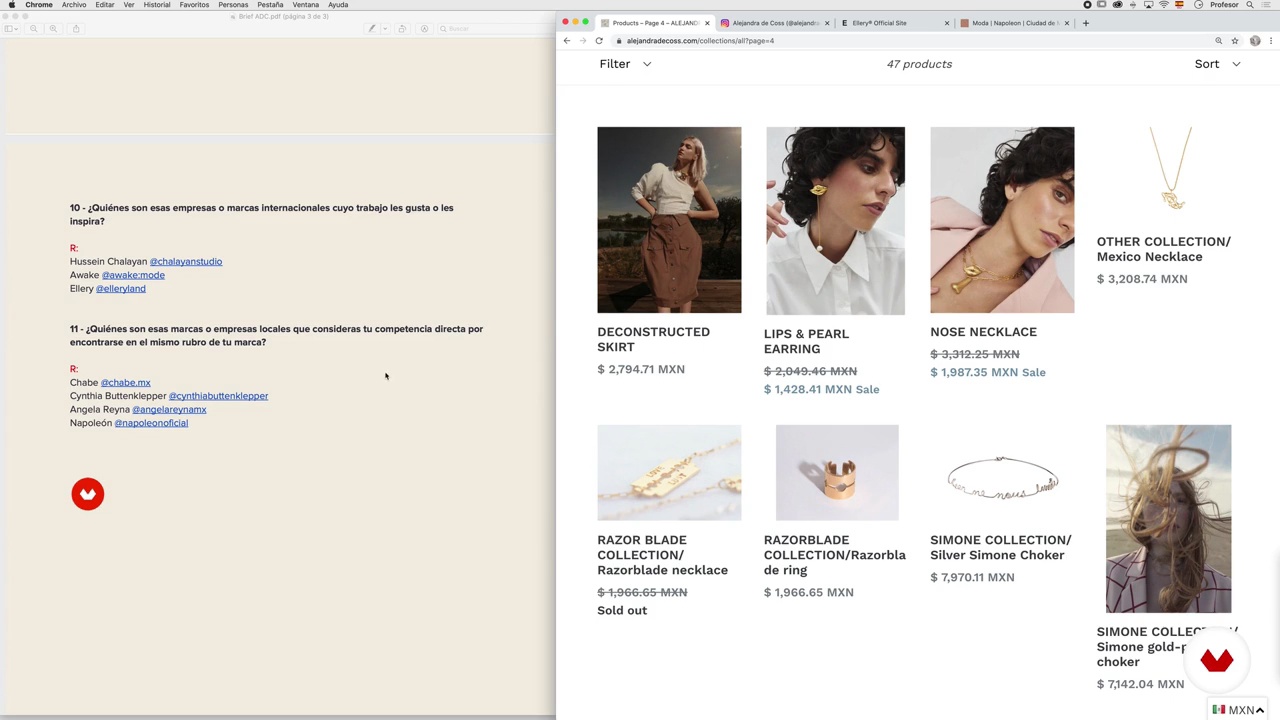
6Project brief and context
During the lesson, we'll review some important aspects of creating a brief and how it can help us understand the brand's context. You'll learn how to identify triggers that will later help us represent our logo.
7m
 7
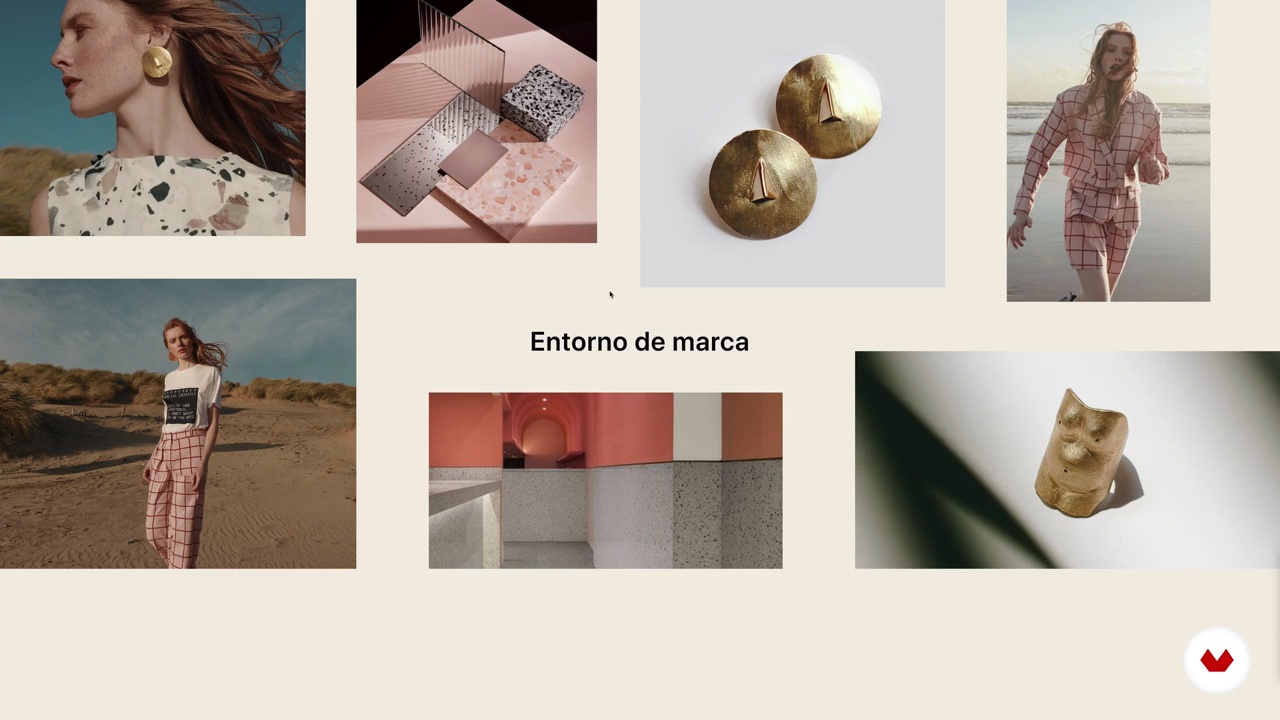
7Global concept
We'll develop a brand map and the overall concept we'll later use to design the logo. We'll capture all the information gathered during the brief's implementation in a short presentation.
6m
 8
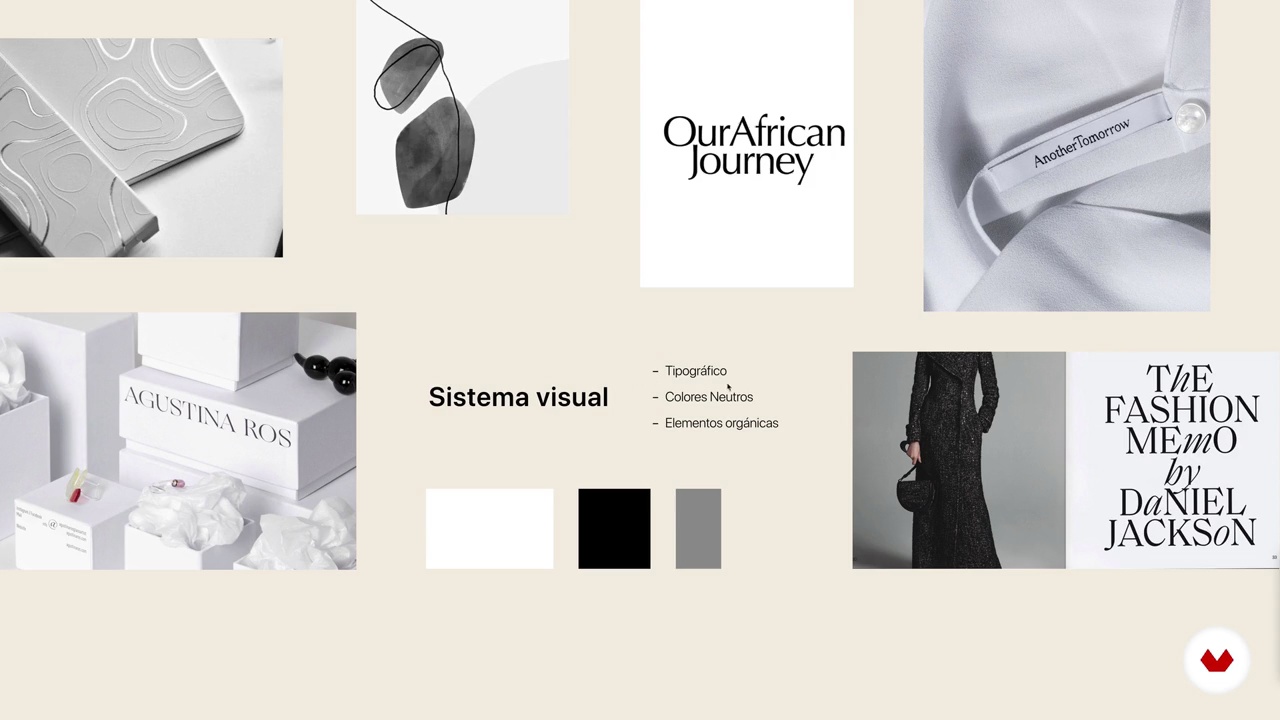
8Mood board and graphic path definition
In this lesson, I'll teach you how to build a visual path definition, which we can present to the client for approval, so we can move on to the execution and design of the brand.
7m
 9
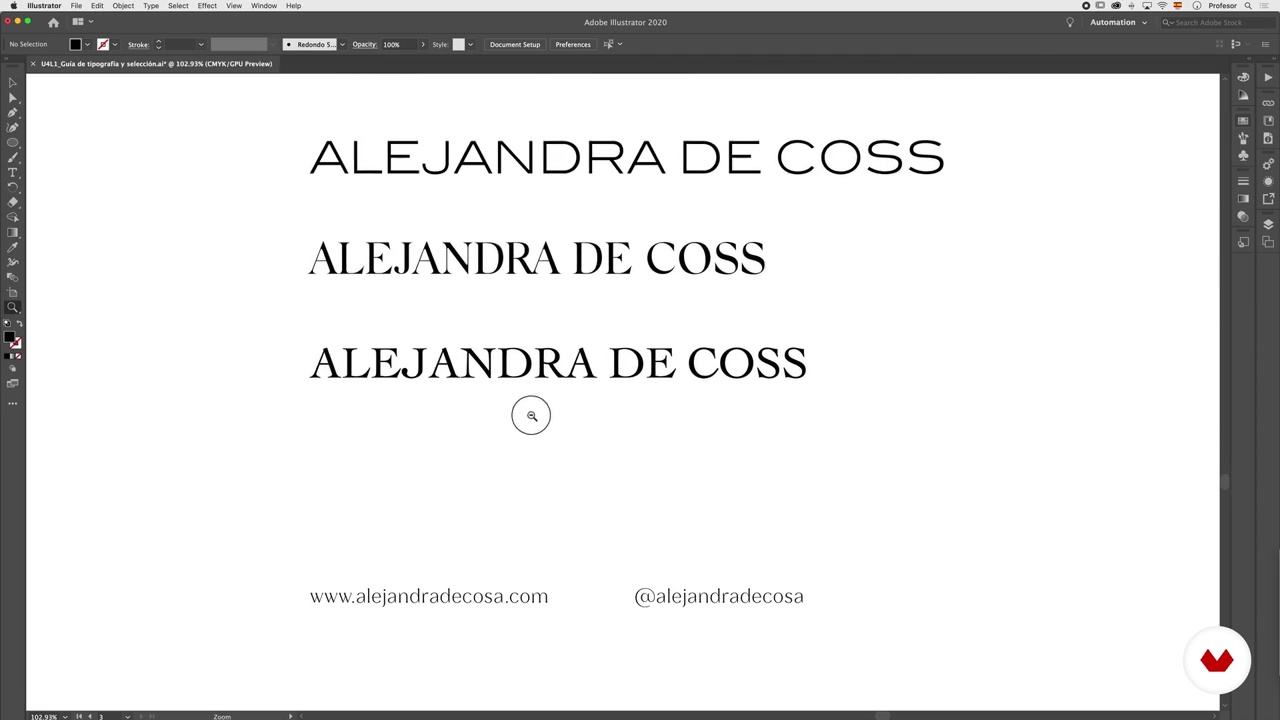
9Typography and Selection Guide
We've finally reached the execution stage. We now have all the information to begin designing the logo that will represent the brand.
19m
 10
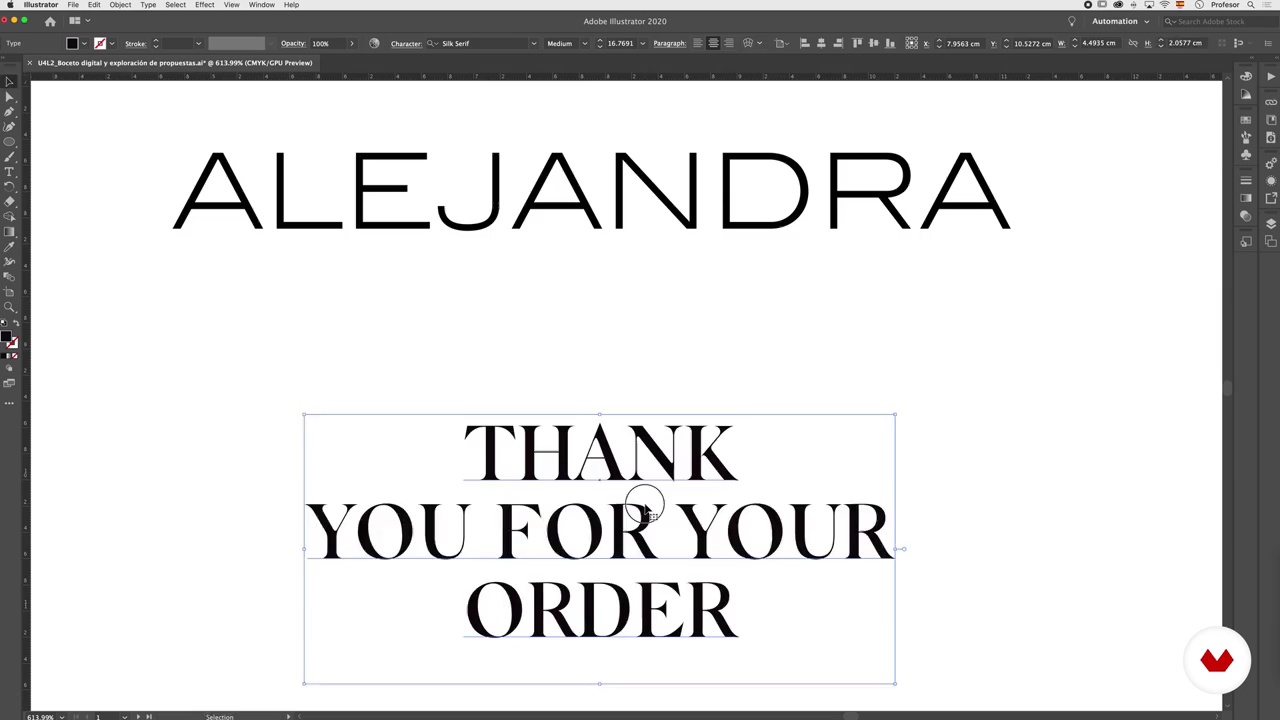
10Digital sketch and exploration of proposals
In this lesson, I'll help you think about the level of representation and how far we can use the initial typeface. You'll also learn how to modify it and give it your own personality to create a final logo.
12m
 11
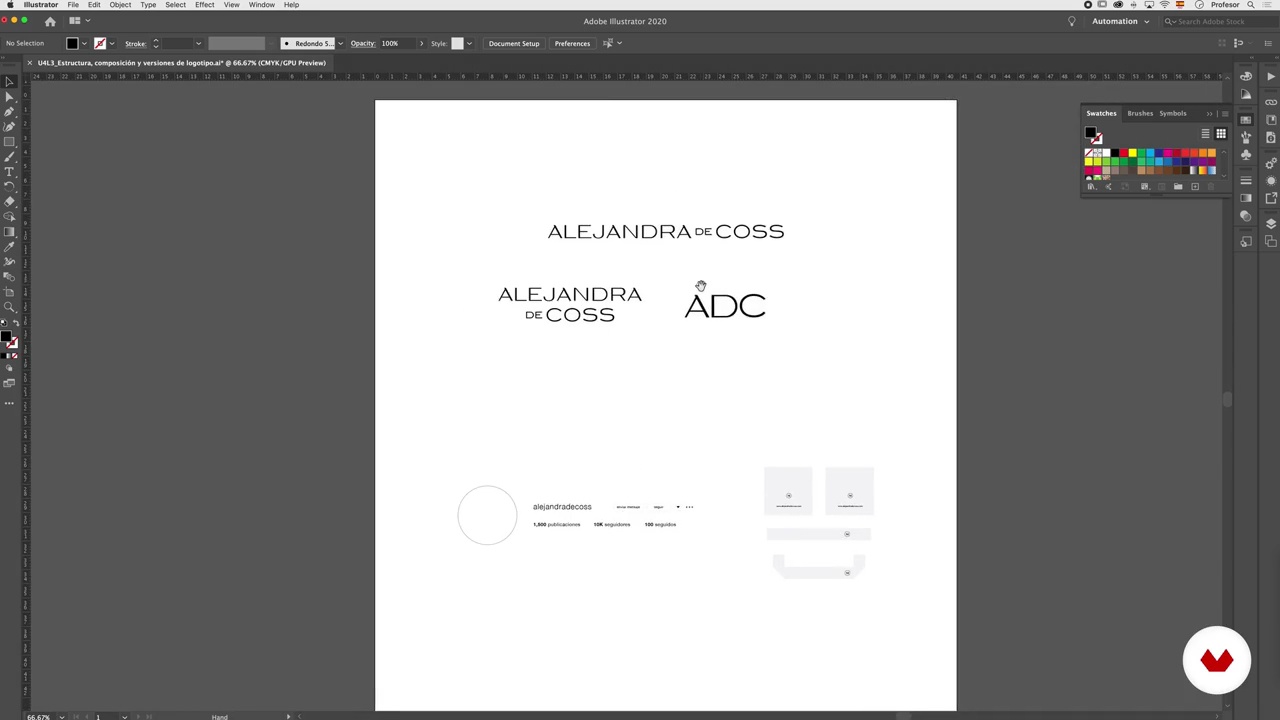
11Logo structure, composition and versions
We will explore the possibility of having several versions of the composition and a monogram that will help us implement it on different materials.
6m
 12
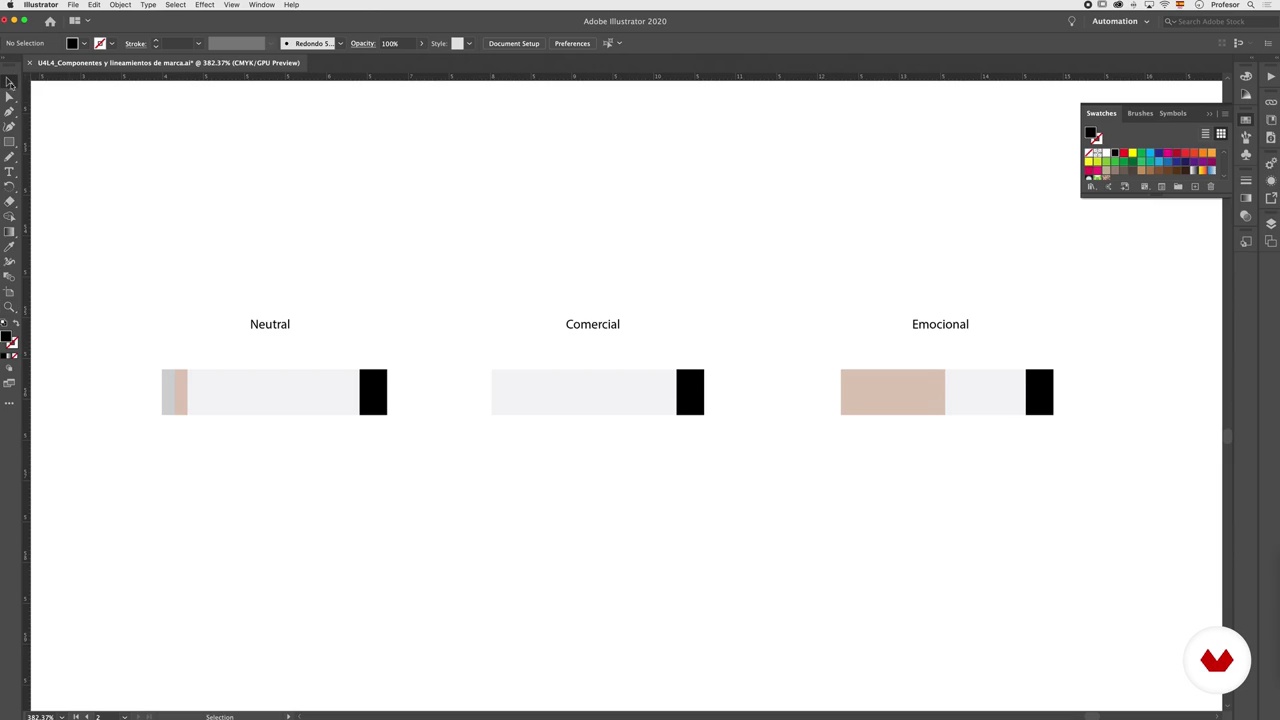
12Components and child elements
Now, I'll teach you how to define the brand's secondary graphic elements, whether through shapes, lines, or illustrations, depending on your project.
11m
 13
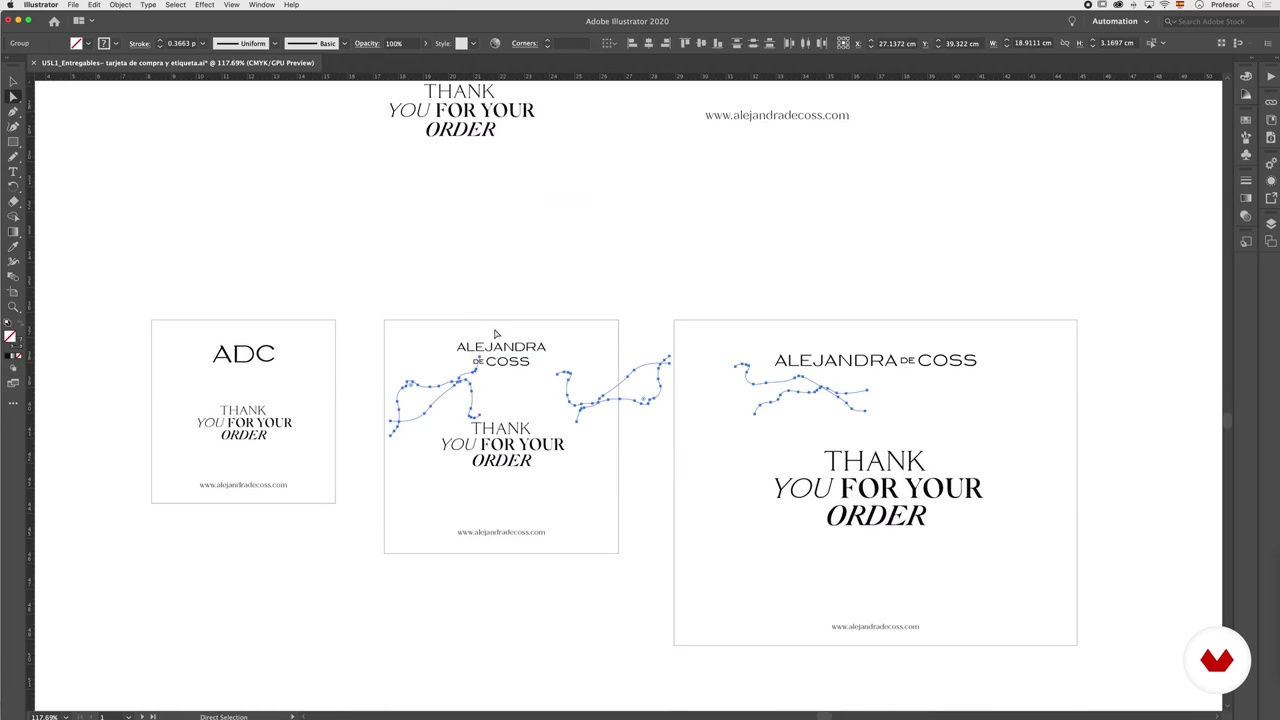
13Deliverables: Purchase card and label
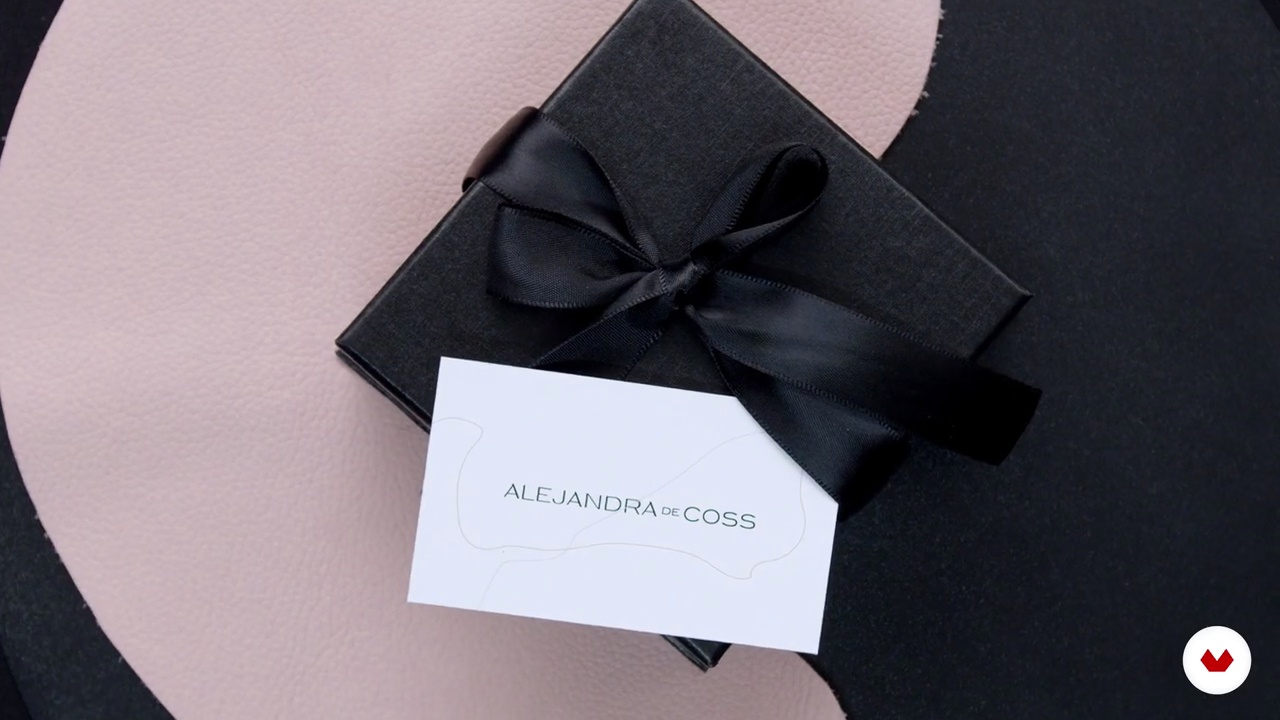
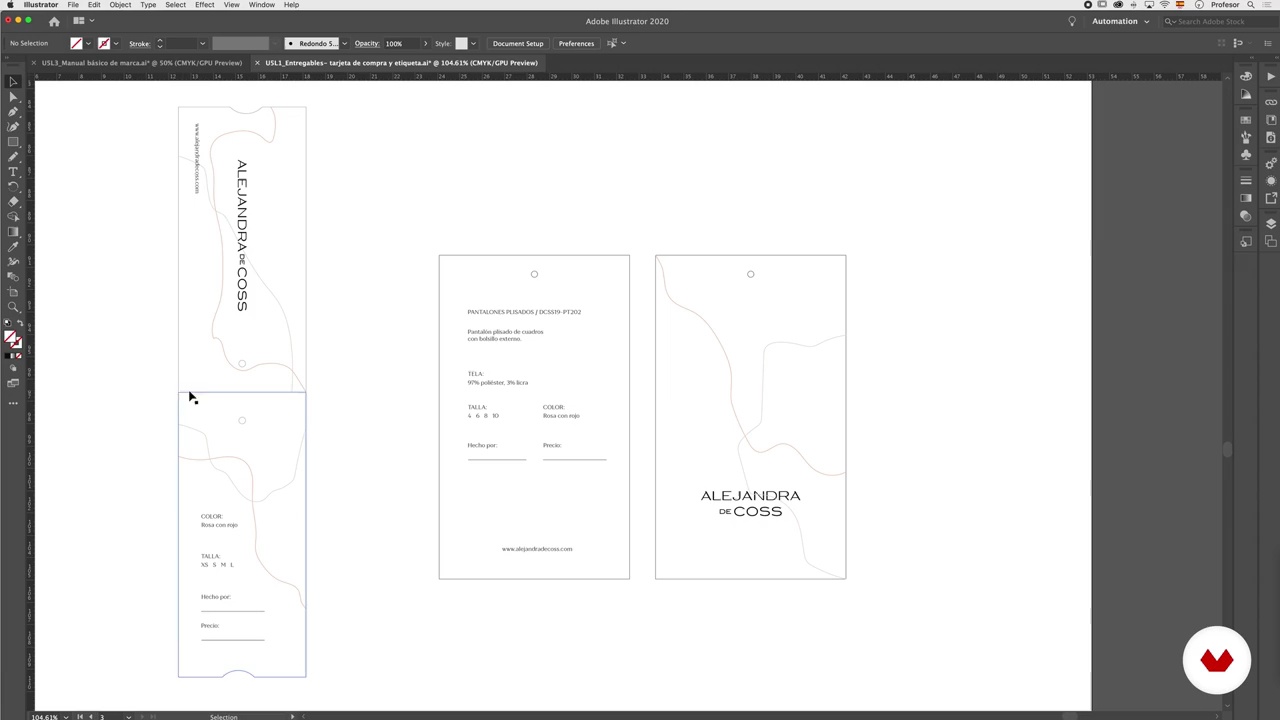
I'll tell you a little about the importance of communication materials and define some that will serve as a guide to show how the identity we develop behaves.
15m
 14
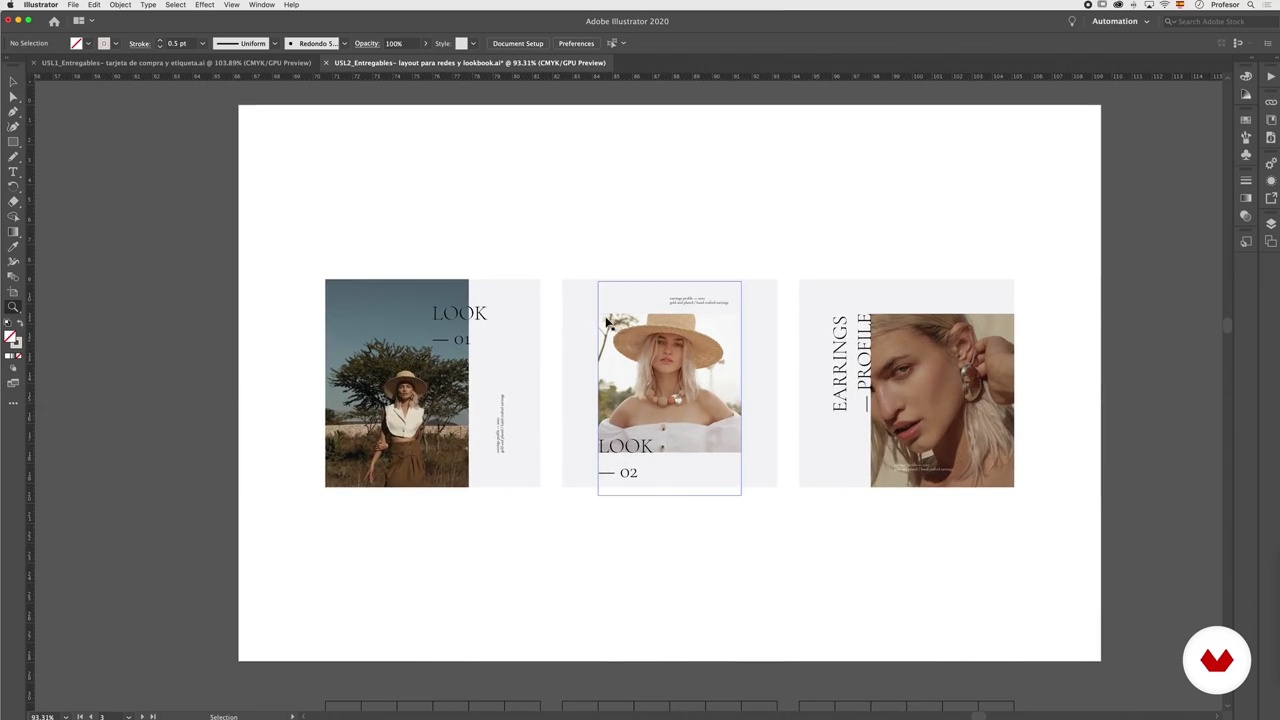
14Deliverables: Layout for networks and lookbook
I'll talk about the importance of communication materials and define some that will serve as a guide to show how the identity we develop behaves.
10m
 15
15Brand components and guidelines
You'll learn how to develop a basic brand manual to ensure the correct implementation of your logo and graphic identity. This document will serve as a repository for all the elements of your brand identity.
7m
 1
1How to start a business with a social component?
In this lesson I will explain what entrepreneurship entails and what the requirements are.
3m
 2
2What is sustainable? What is sustainable?
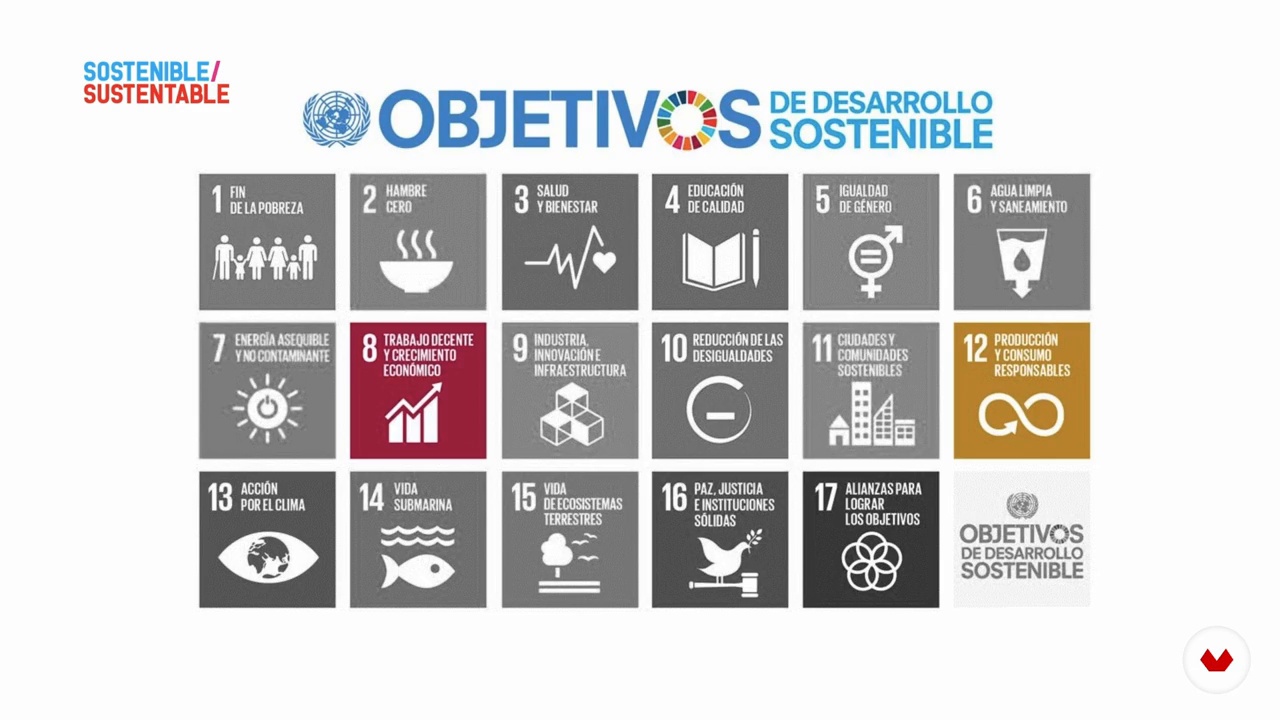
Before continuing, it is important that you know the differences between sustainable and sustainable.
3m
 3
3What does social entrepreneurship look like in the fashion industry?
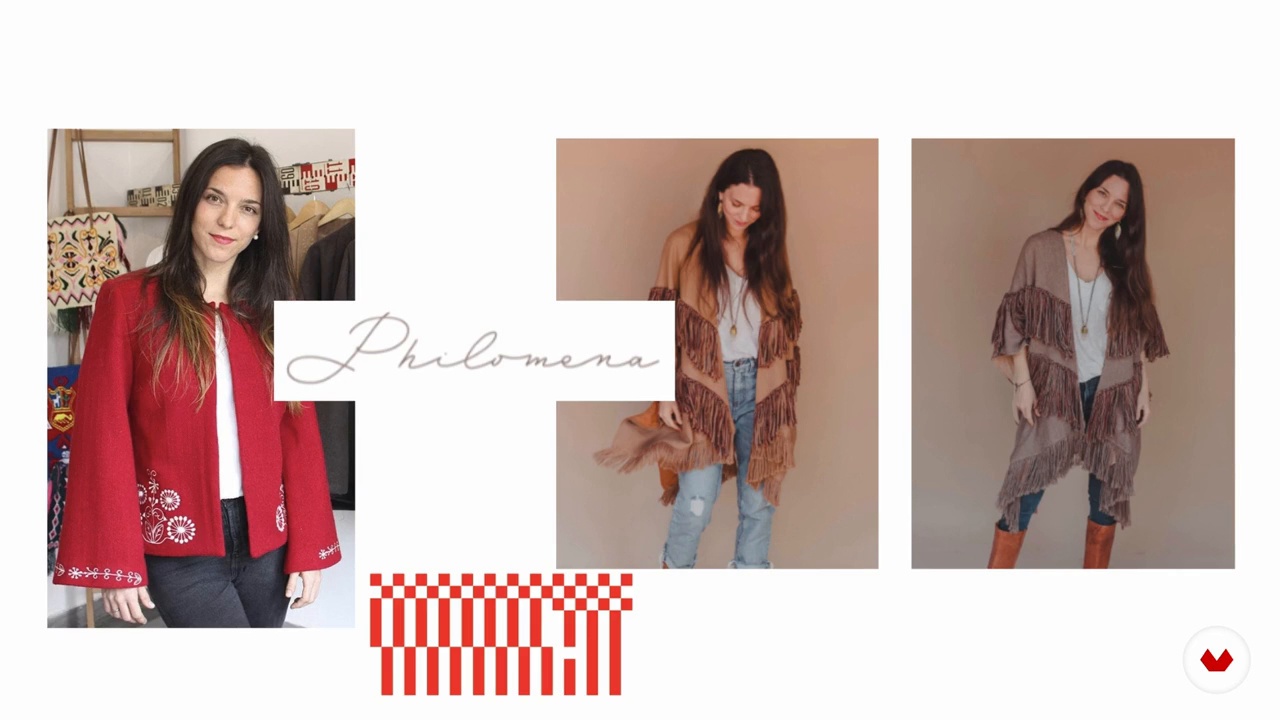
I'll share with you a method I developed to observe all the agents involved in a social enterprise.
3m
 4
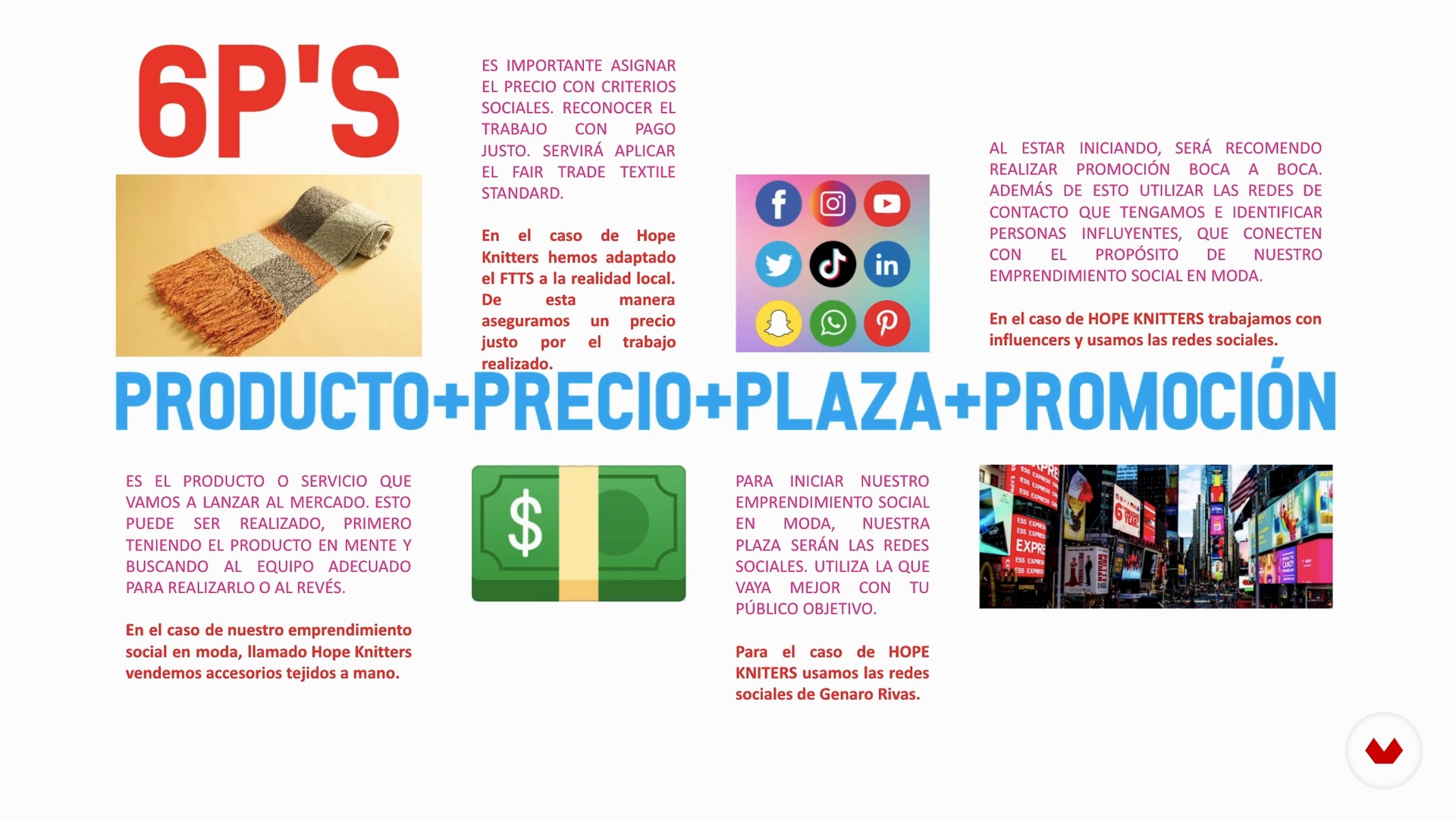
46Ps of Marketing for an ESM
In this lesson, I'll show you the 6 P's of marketing you should know and apply to your fashion business.
3m
 5
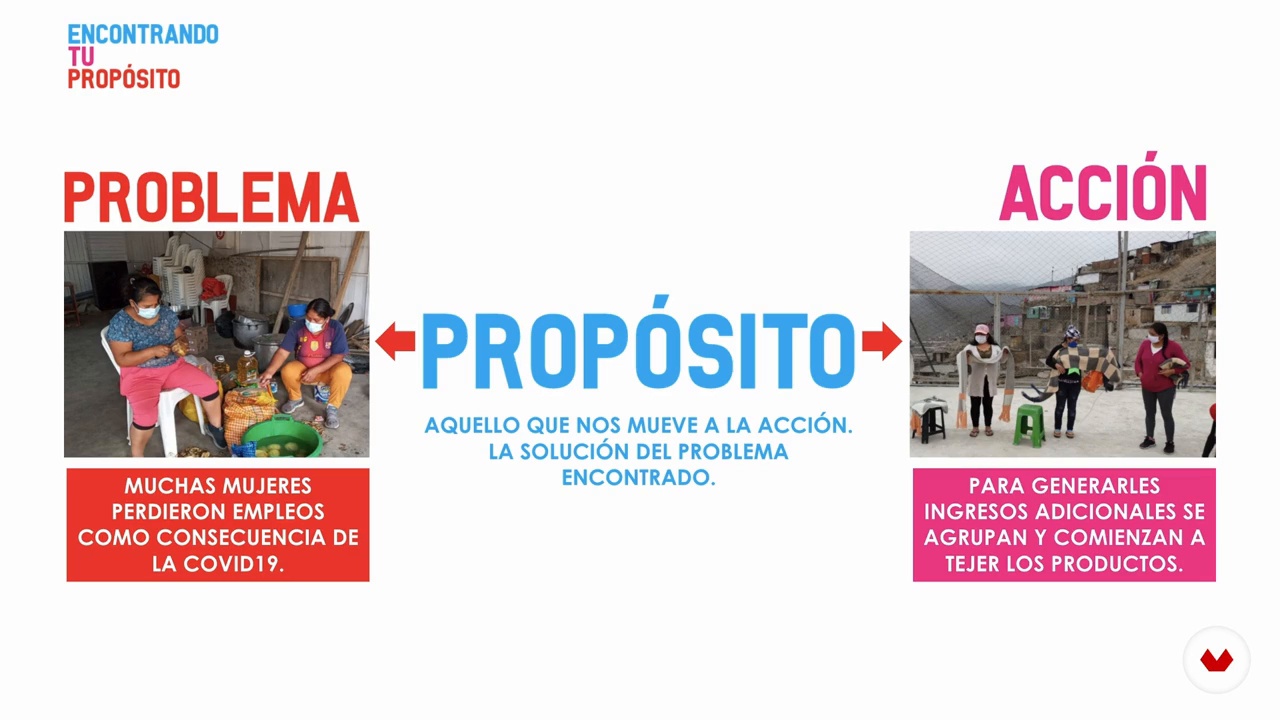
5What will be the purpose of your ESM?
Who would you like to support in your social entrepreneurship program? First, it's important to define your purpose and identify who you'll impact with the development of your social entrepreneurship in fashion.
4m
 6
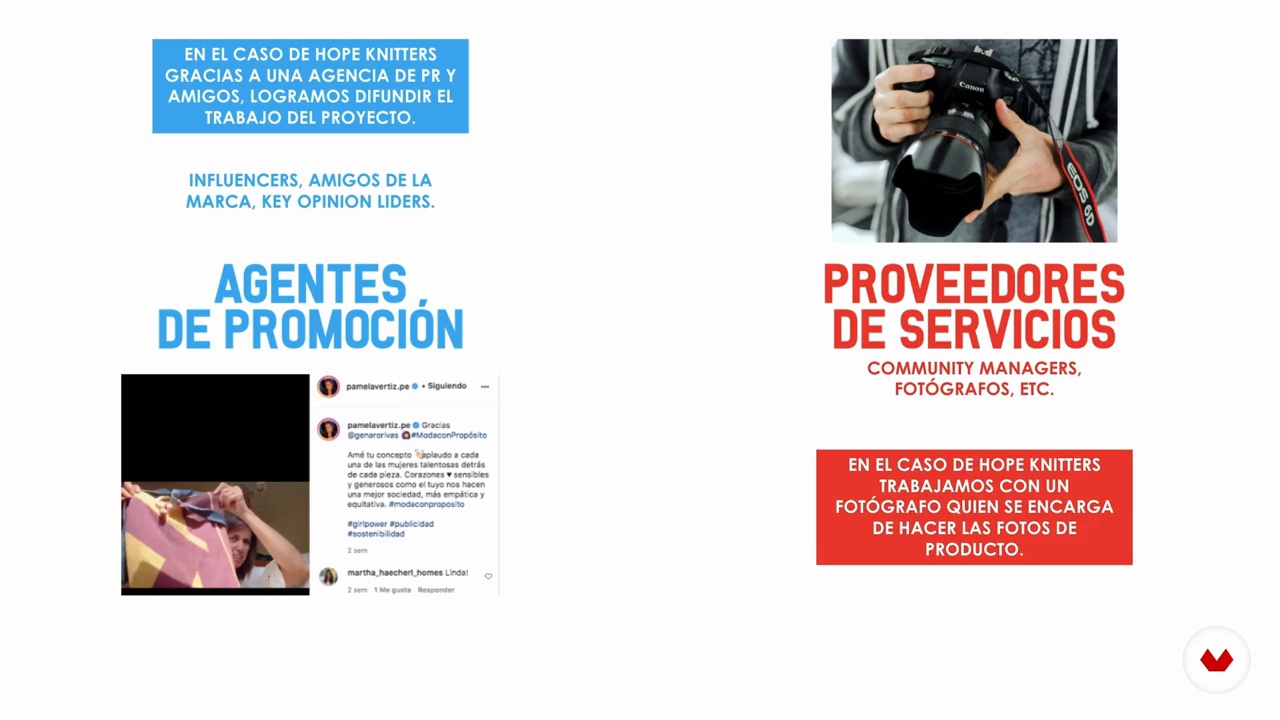
6CEP Model: Definition of Agents
Now you'll see how to analyze the agents involved in developing a social enterprise in fashion.
2m
 7
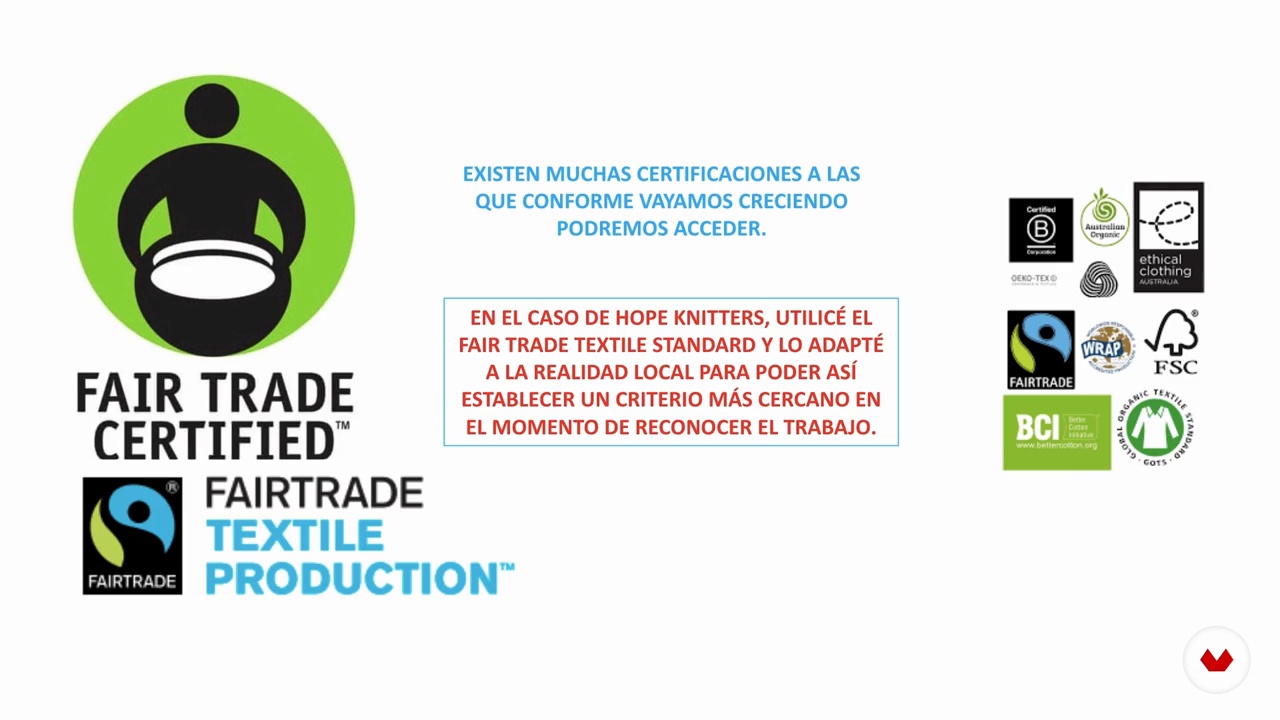
7Talent: Identifying local producers
Here, I'll talk about the importance of finding talent to develop your ESM. I'll also discuss how to pay them fairly for their work.
5m
 8
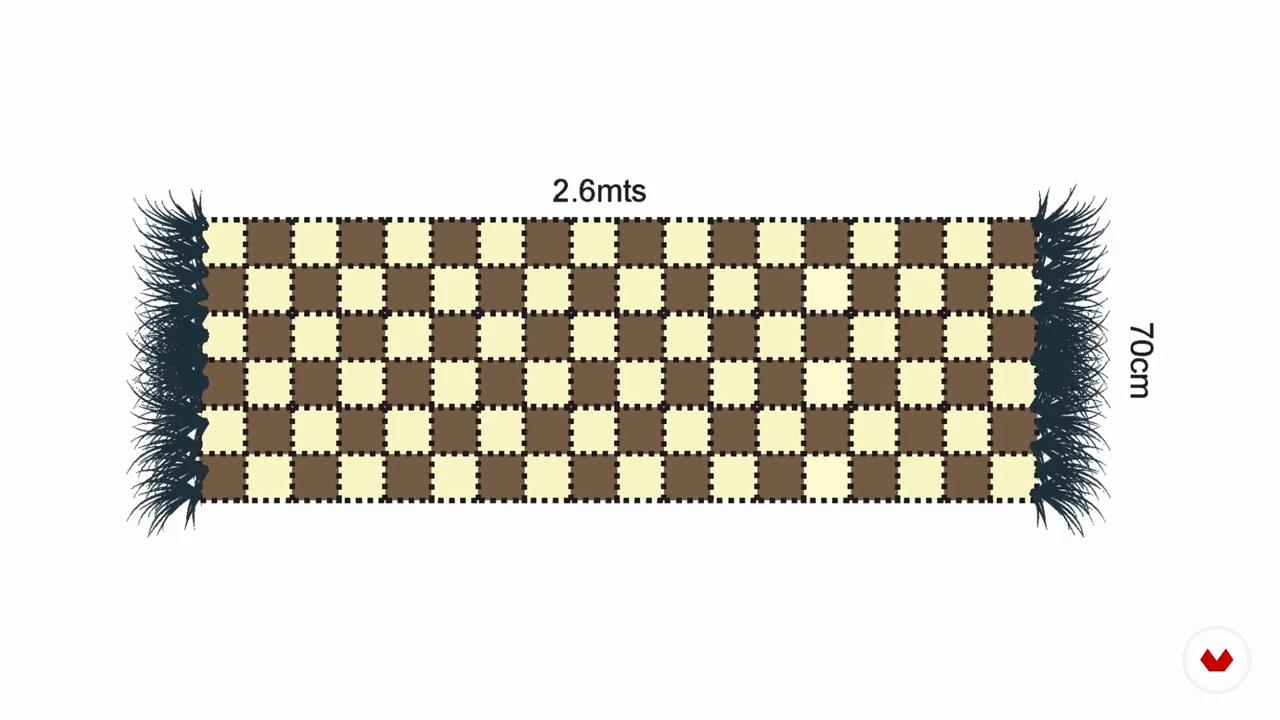
8Designing a collection for an ESM
How do you find inspiration for your collection? This is the starting point for developing your ESM.
7m
 9
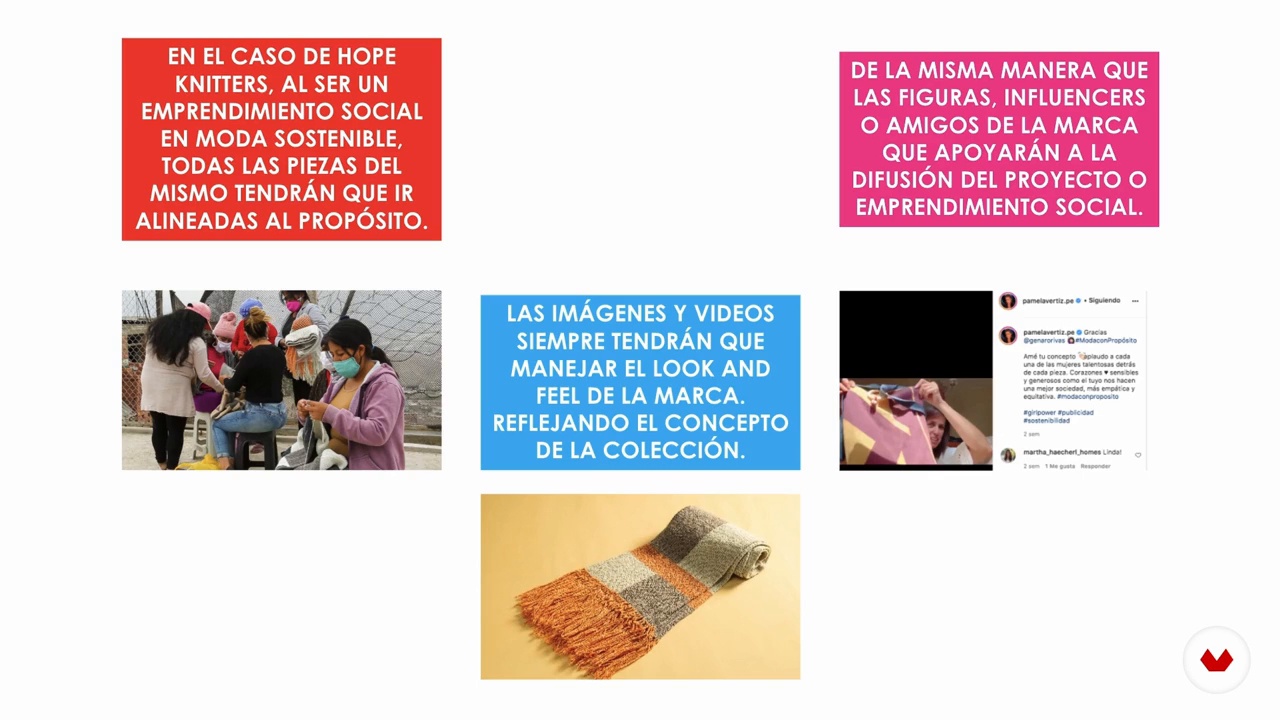
9Purpose and promotion
Here you'll see how to align your ESM promotion with your purpose. I'll also tell you how Hope Knitters came to be.
2m
 10
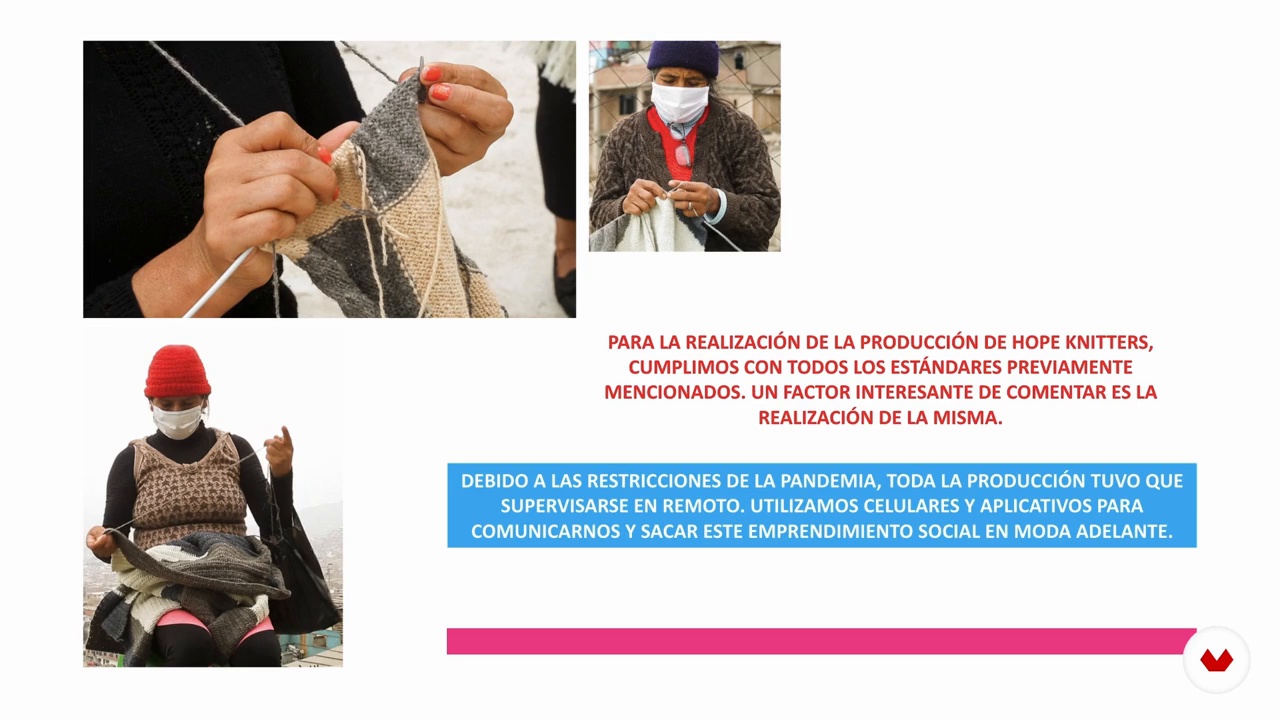
10Production
How was Hope Knitters produced? In this lesson, I'll talk about accessory production.
1m
 11
11Definition of the square
In this lesson, you'll learn how to sell your ESM products.
2m
 12
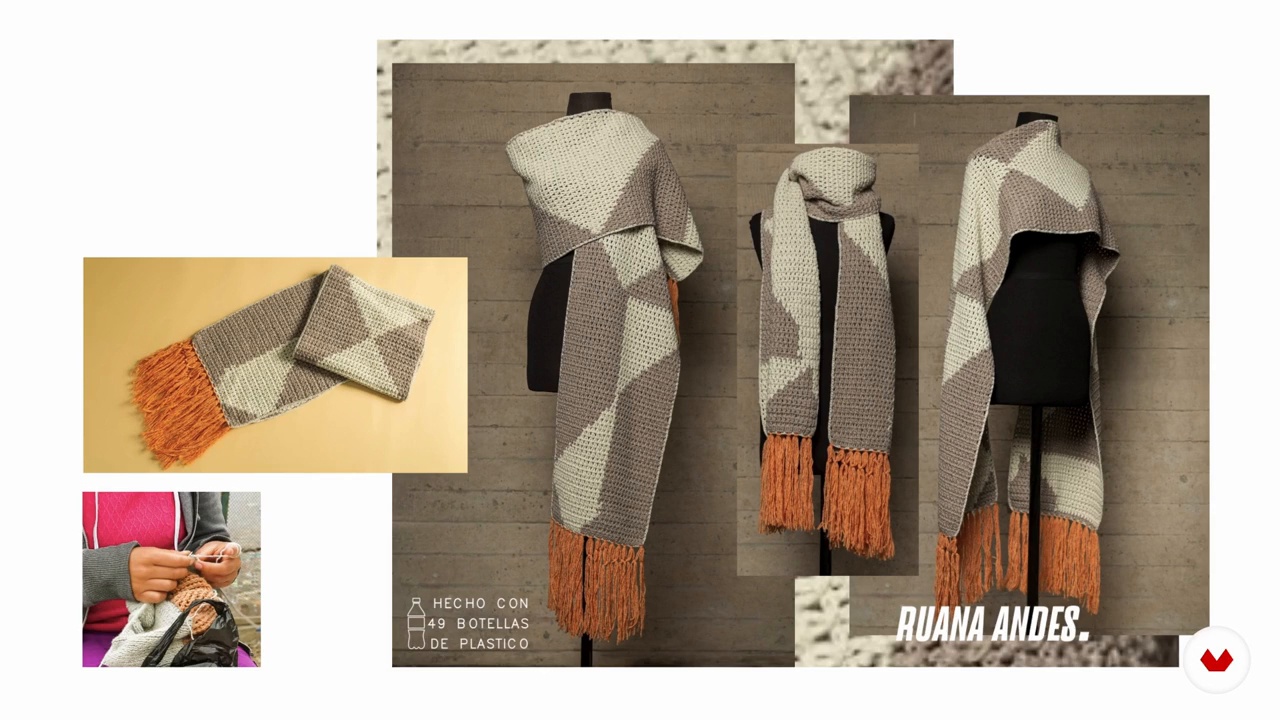
12My collection
Here I'll share the final result of the collection I presented as a case study. Take a look and gather inspiration for your own ESM.
3m
 13
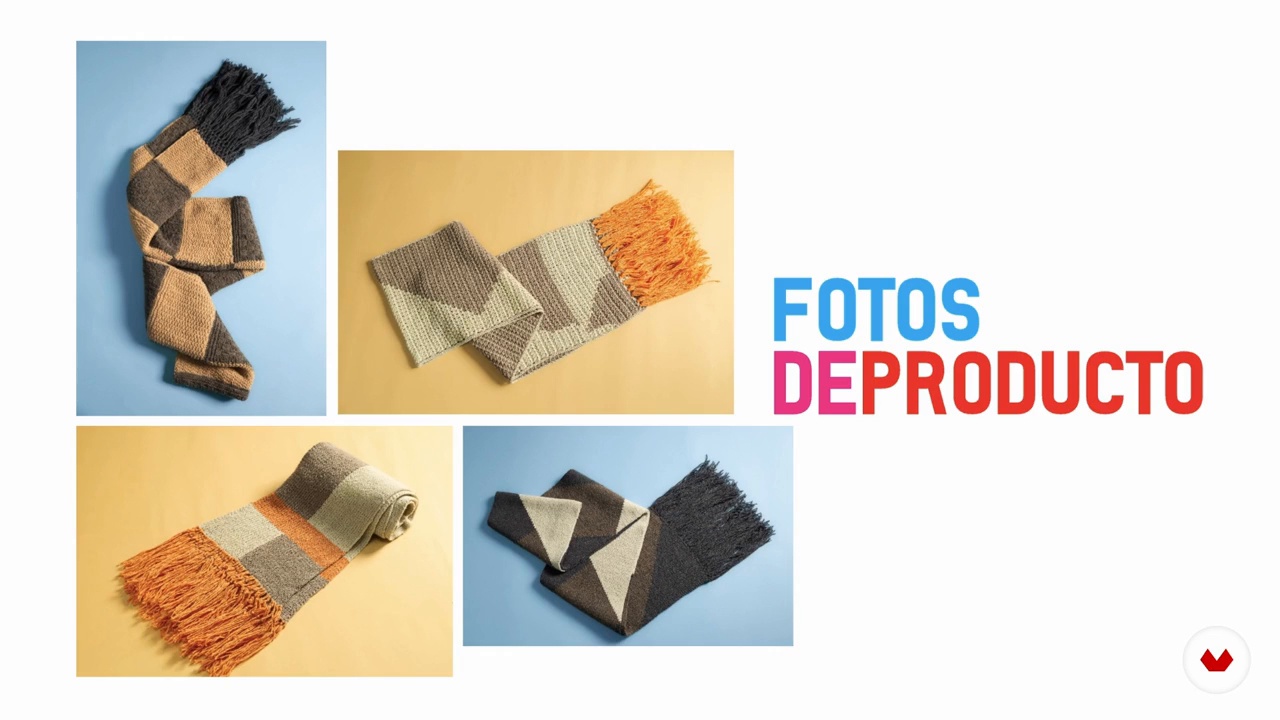
13Basic photography tips
Do you want to use a model, a mannequin, or simply take product photos? Here I'll show you when each type of photography is recommended.
3m
 1
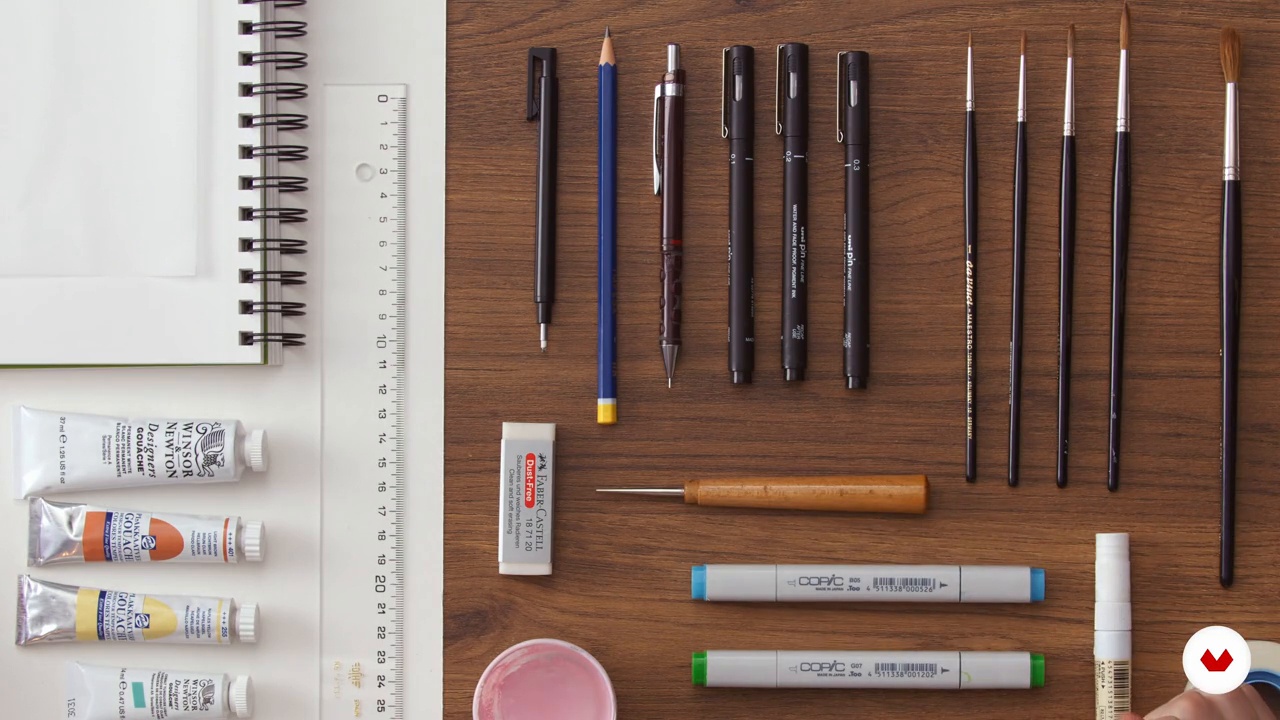
1The materials
To begin, I'll detail the list of materials I use to create my gouache illustrations. This list will also be useful for your course project.
6m
 2
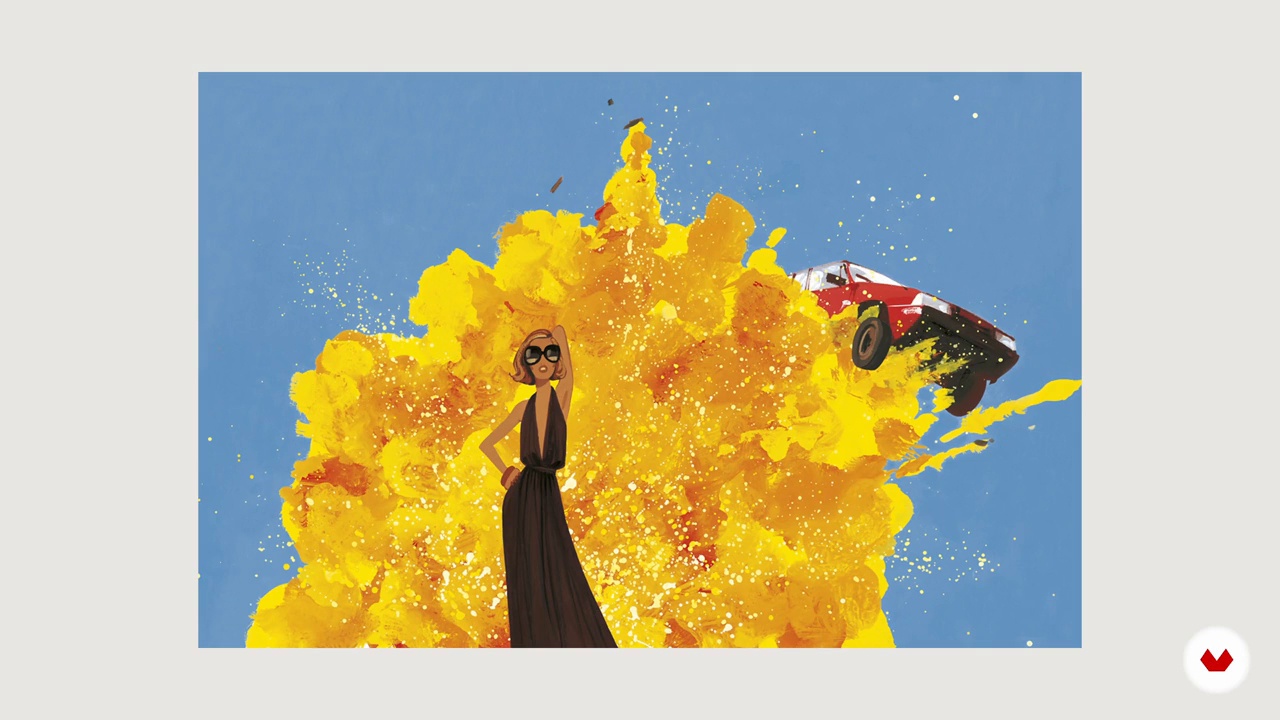
2Drawing, fashion and color to tell stories
In my illustrations, I always like to tell stories through characters with soul. That's why I'll teach you how to develop your own narrative and bring your characters to life through drawing, fashion, and color.
12m
 3
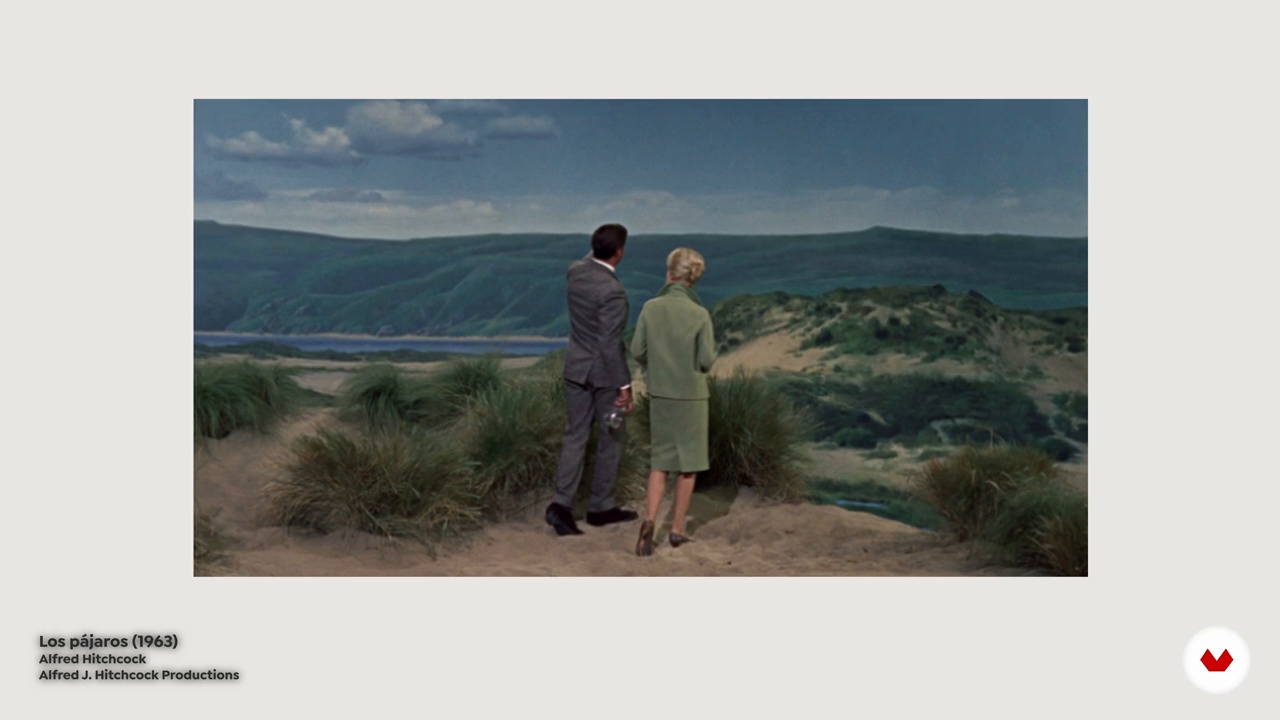
3Intention and composition: planes and visual weight
A good scene always has good composition. Here, I'll explain how to use composition and why it's so important for achieving a good illustration.
13m
 4
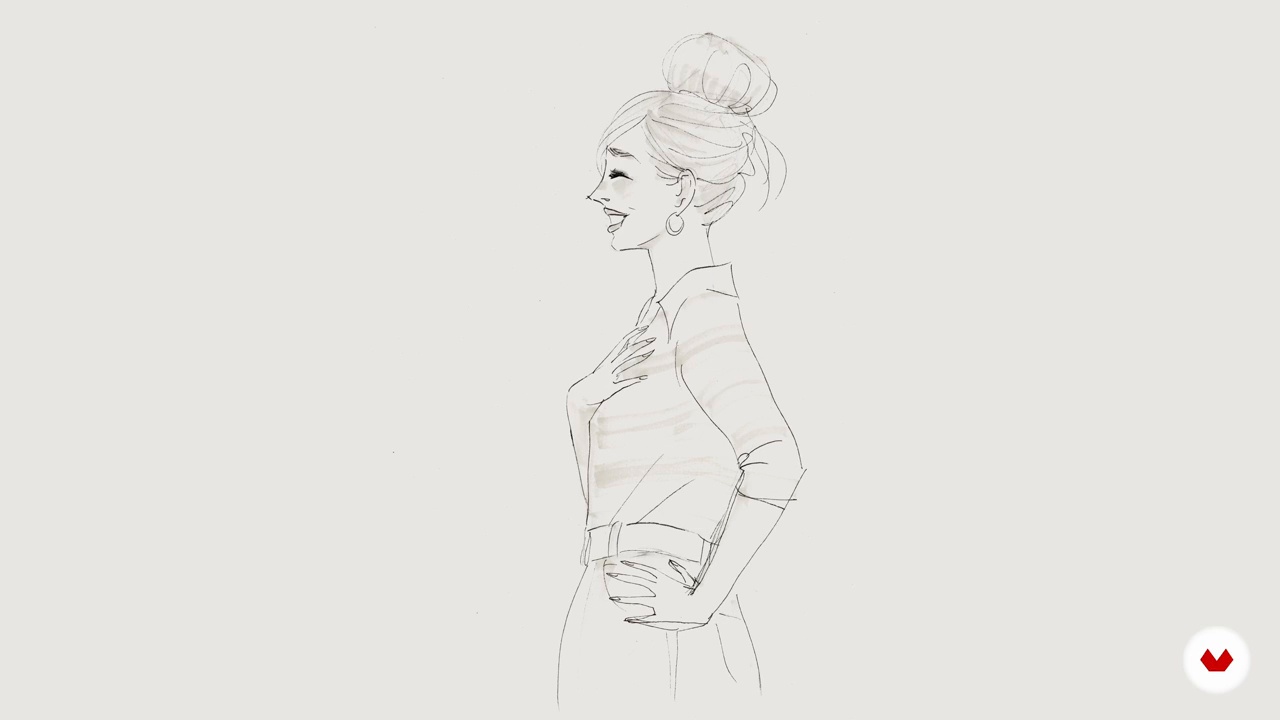
4Character drawing and expressiveness: in search of a voice
The more vivid your character is, the more they'll connect with your audience. Let me show you how you can enhance the expressiveness of your characters so they come alive through drawing.
12m
 5
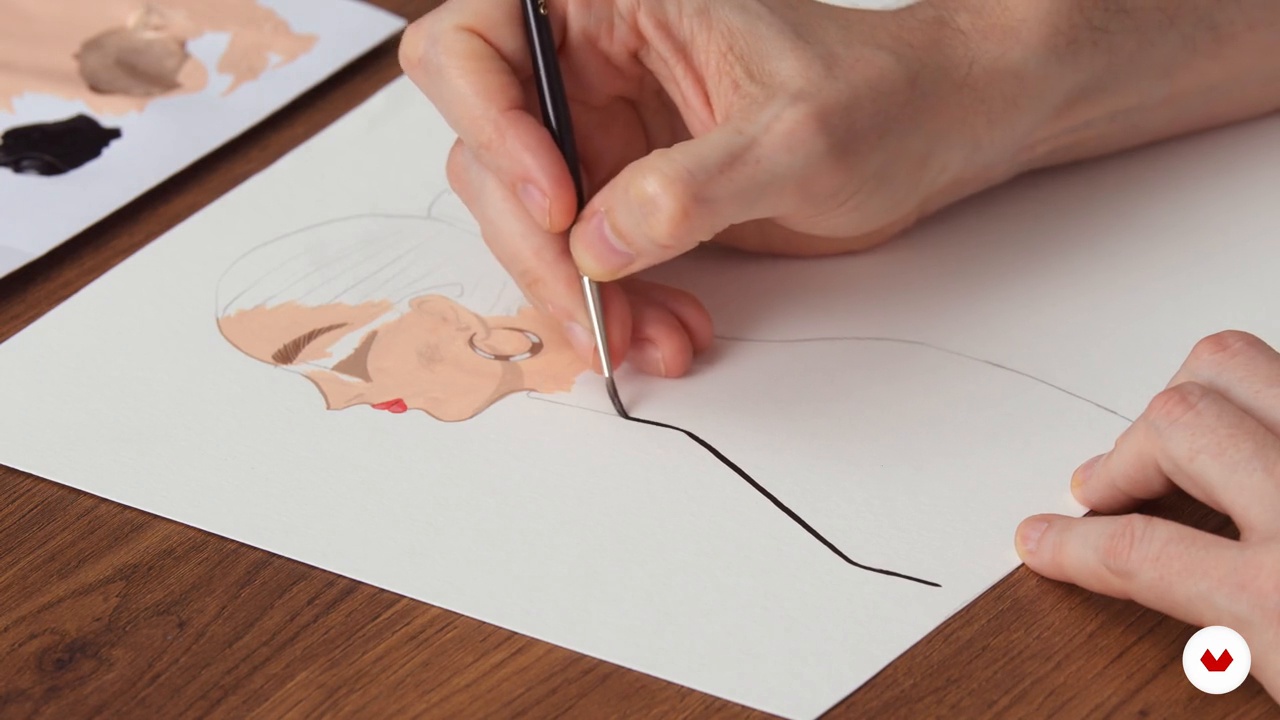
5Basic gouache: outline and hair 1
Now let's get into painting and color. I'll explain the basics of gouache and give you tips to help you use the technique to your advantage.
16m
 6
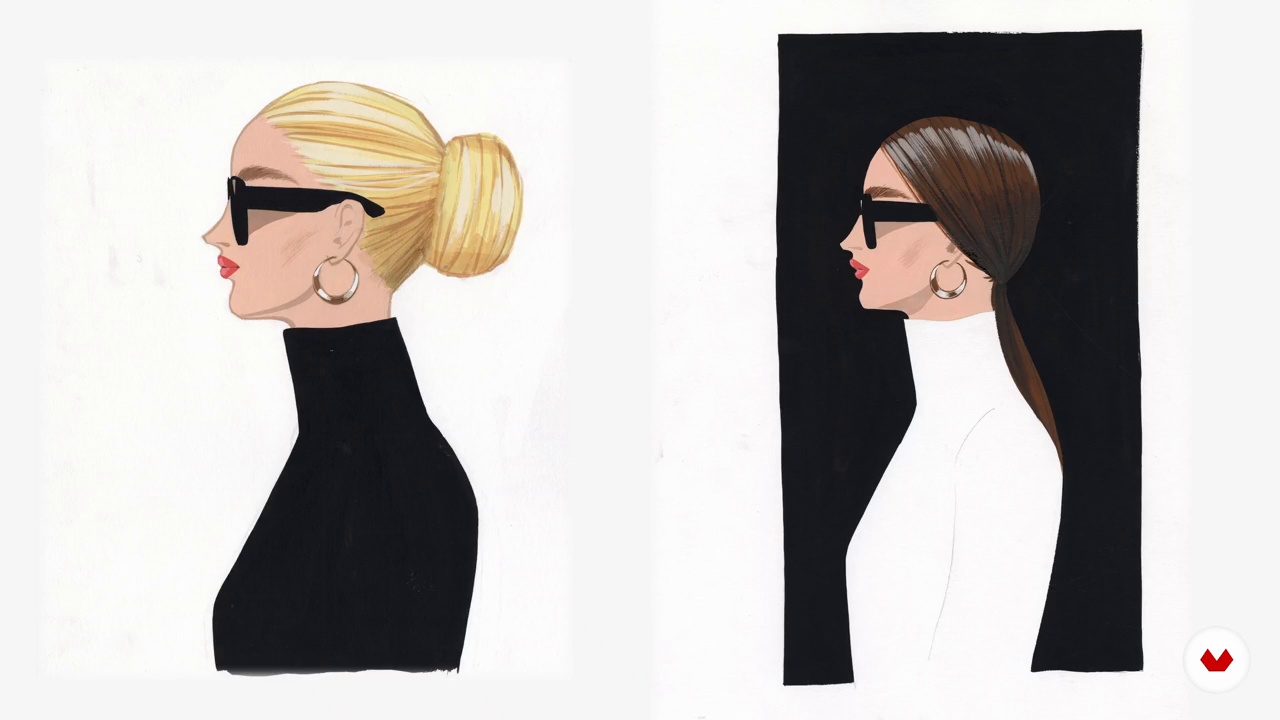
6Basic gouache: outline and hair 2
After painting the character's face and sweater, I'm now going to paint his hair to continue showing you the characteristics of gouache.
13m
 7
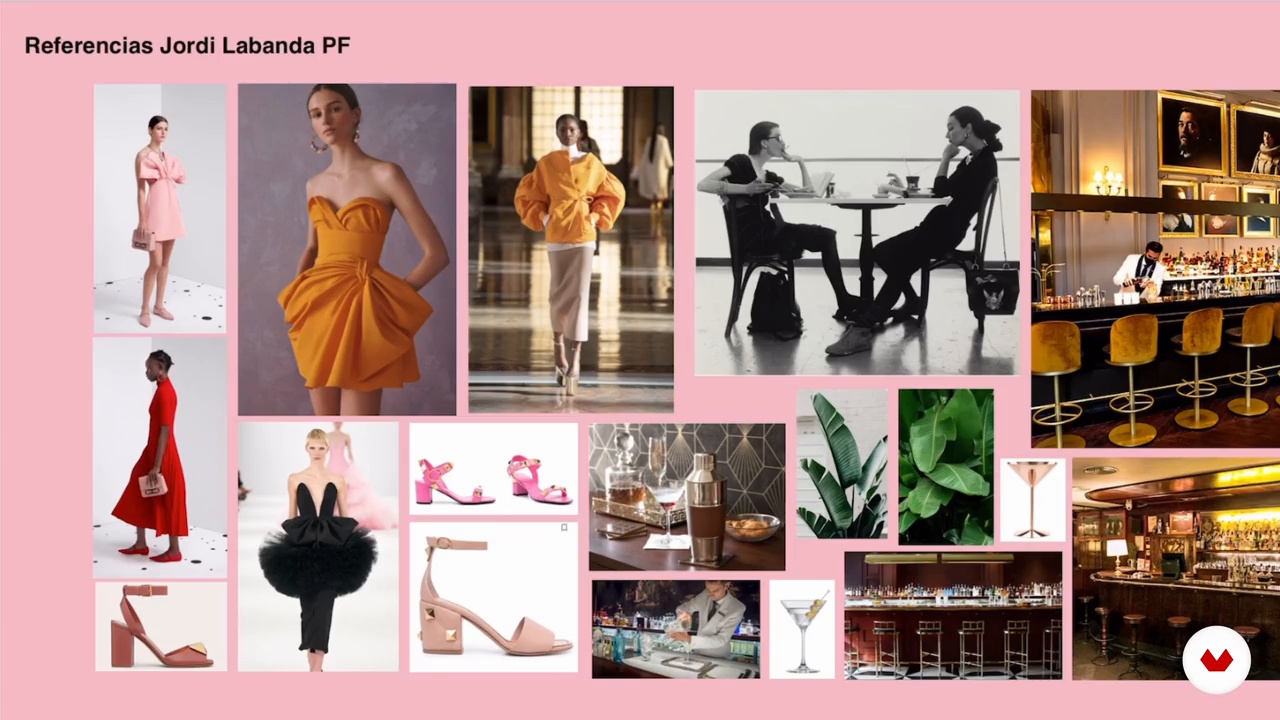
7The brief and search for influences
In this lesson, I'll explain the details of the brief I'll be working on in the course project. The more complete the brief for a commercial assignment, the easier it will be for the person illustrating it.
7m
 8
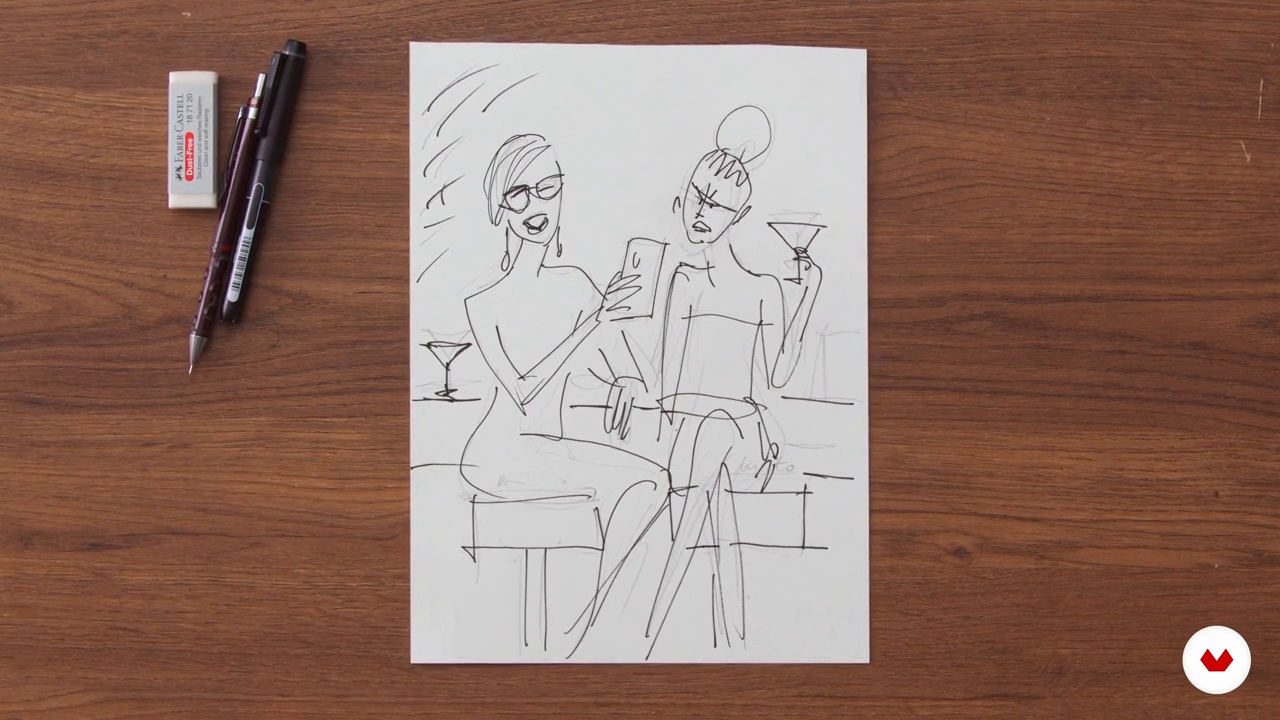
8The sketches
The sketch will help us define the illustration's shape and capture all our ideas before making selections. In this lesson, I'll explain how to do the first phase of the sketch.
7m
 9
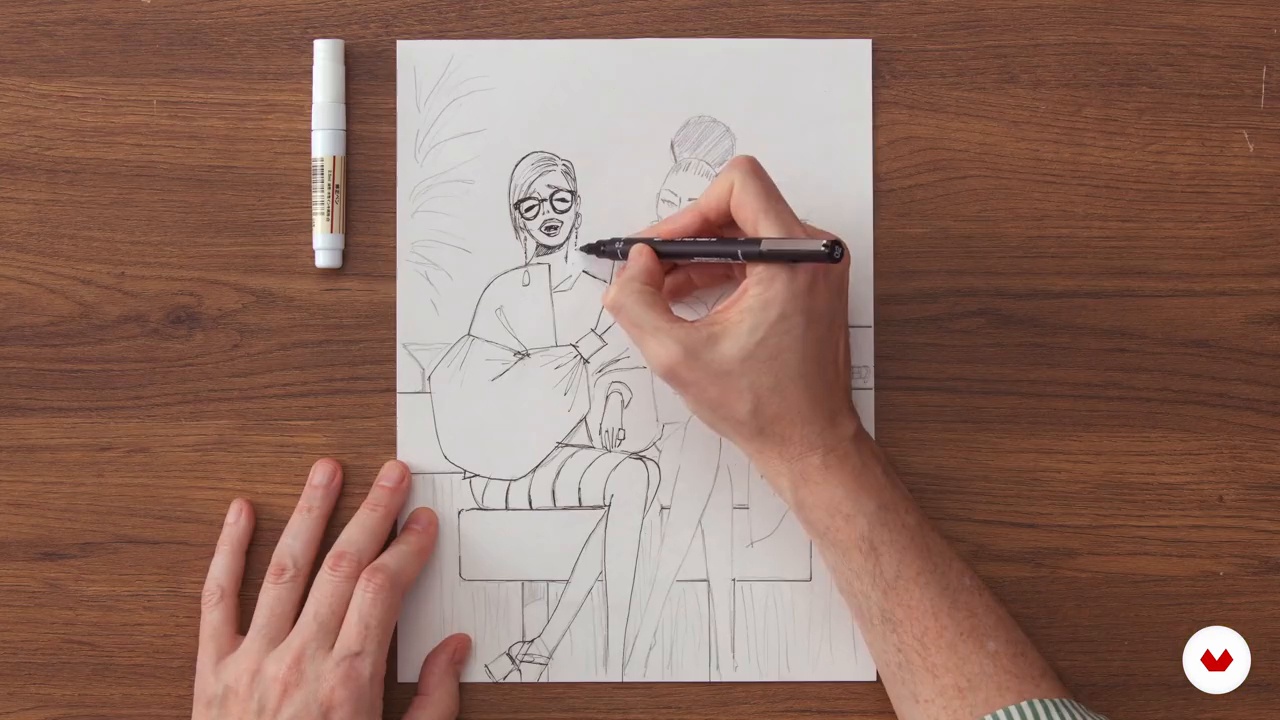
9Second phase of sketch and tracing 1
Since I've already chosen the final sketch in the previous lesson, I'm now going to draw it in pencil and trace it with a fine marker as best I can.
11m
 10
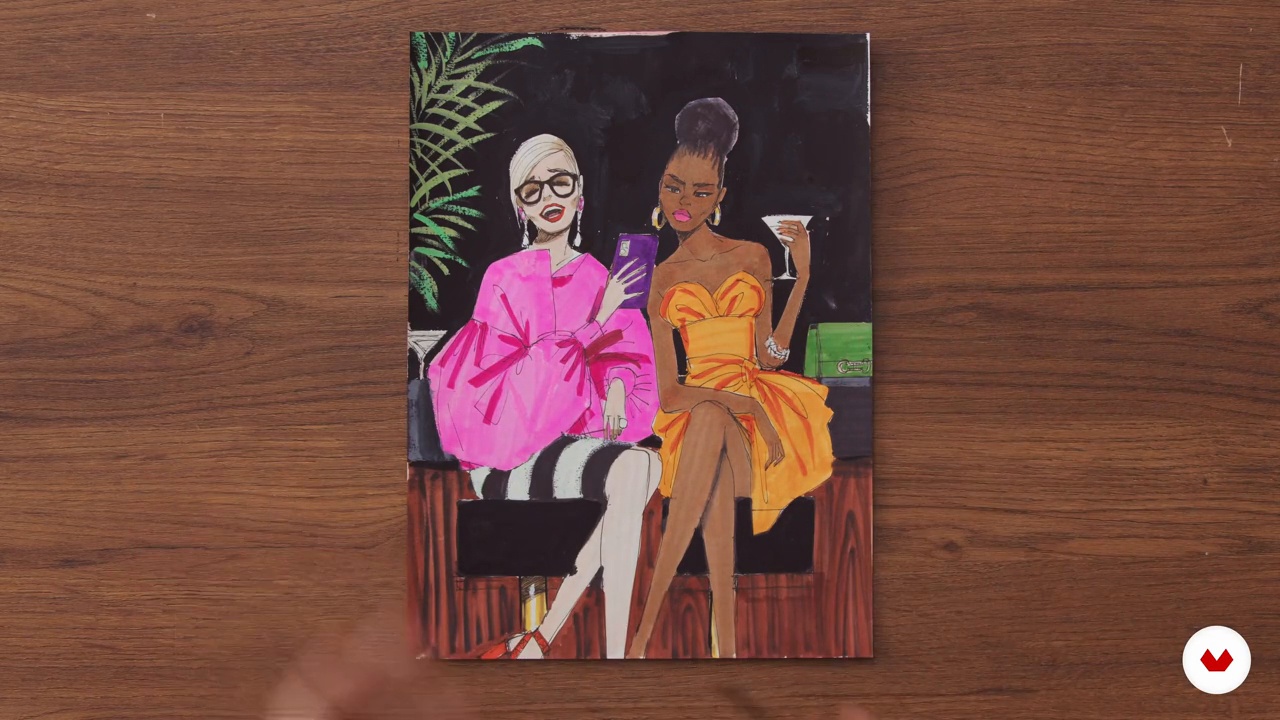
10Second phase of sketching and tracing 2
Now it's time to color the sketch with Copic markers, one of my favorite stages of the project. After finishing the final sketch, I'll trace it onto cardboard using a light table.
11m
 11
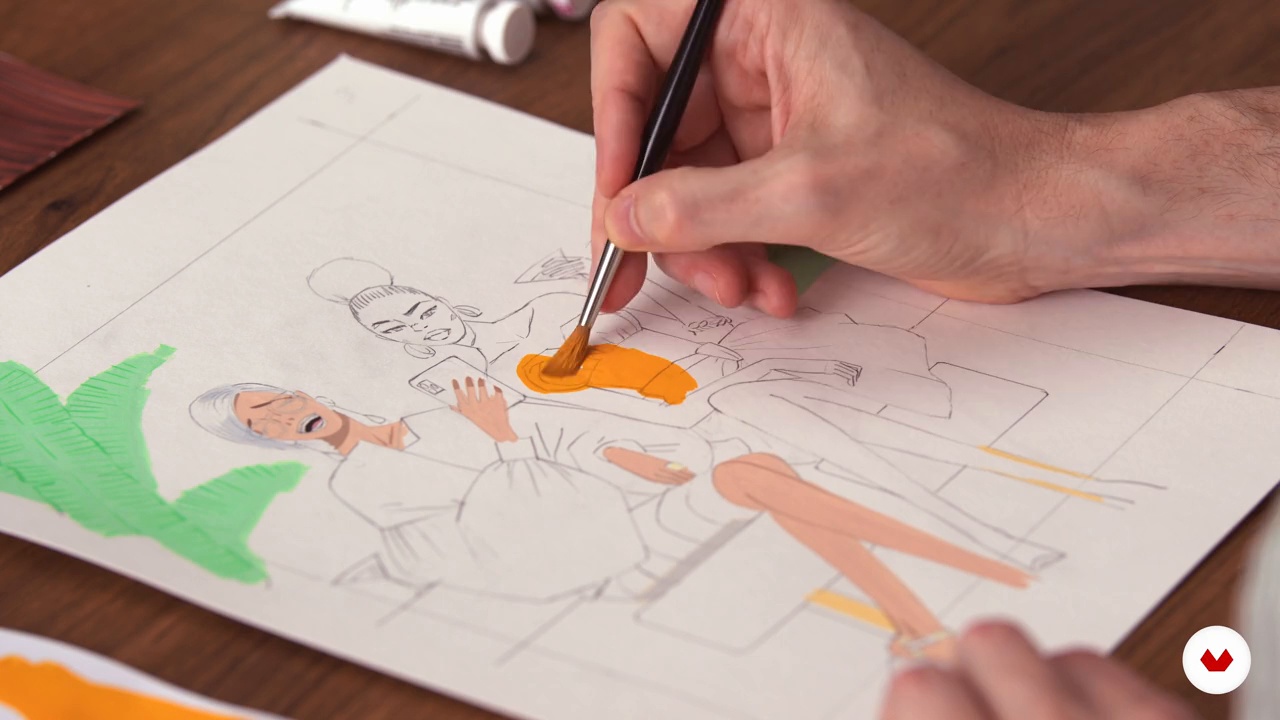
11Painting process 1
Now I'm going to explain how to paint the drawing with gouache. You'll see that I'll go from lighter colors to darker ones.
20m
 12
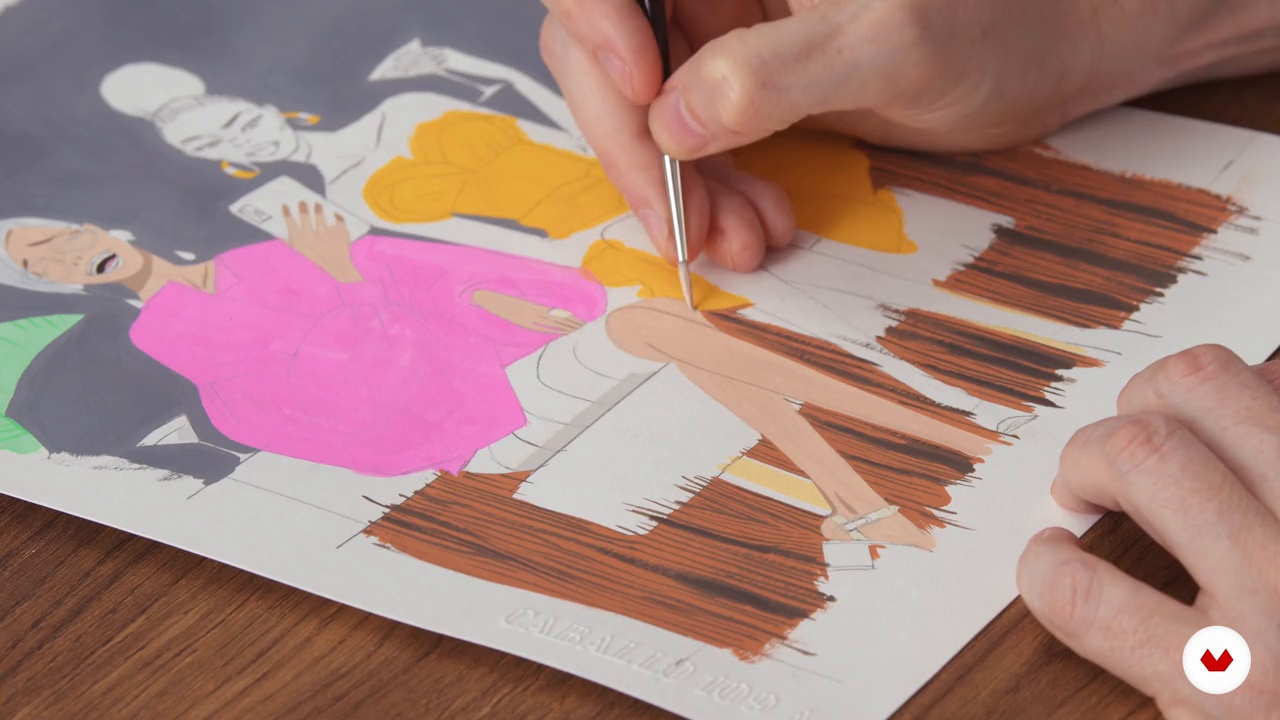
12Painting process 2
The illustration is coming to life. I continue painting the different elements of my illustration, playing with color and lines.
17m
 13
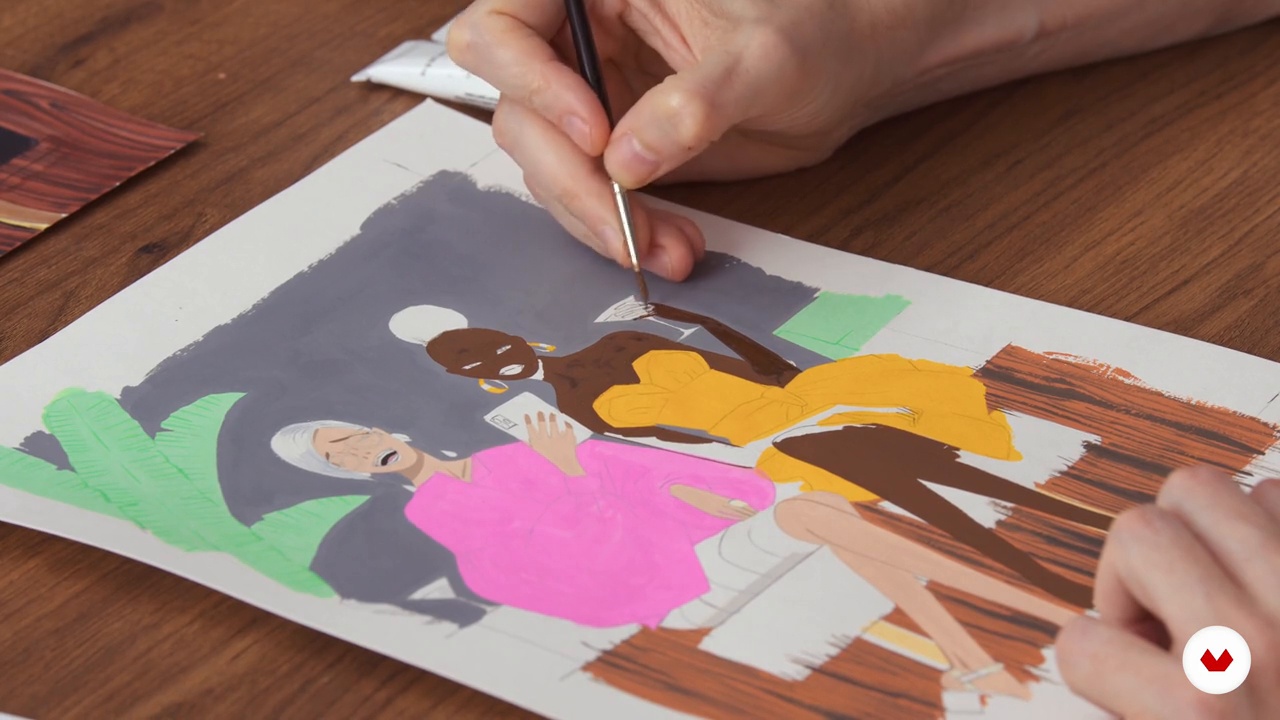
13Painting process 3
We've reached the final steps of painting. I'm going to finish painting all the large blocks of color in the illustration.
11m
 14
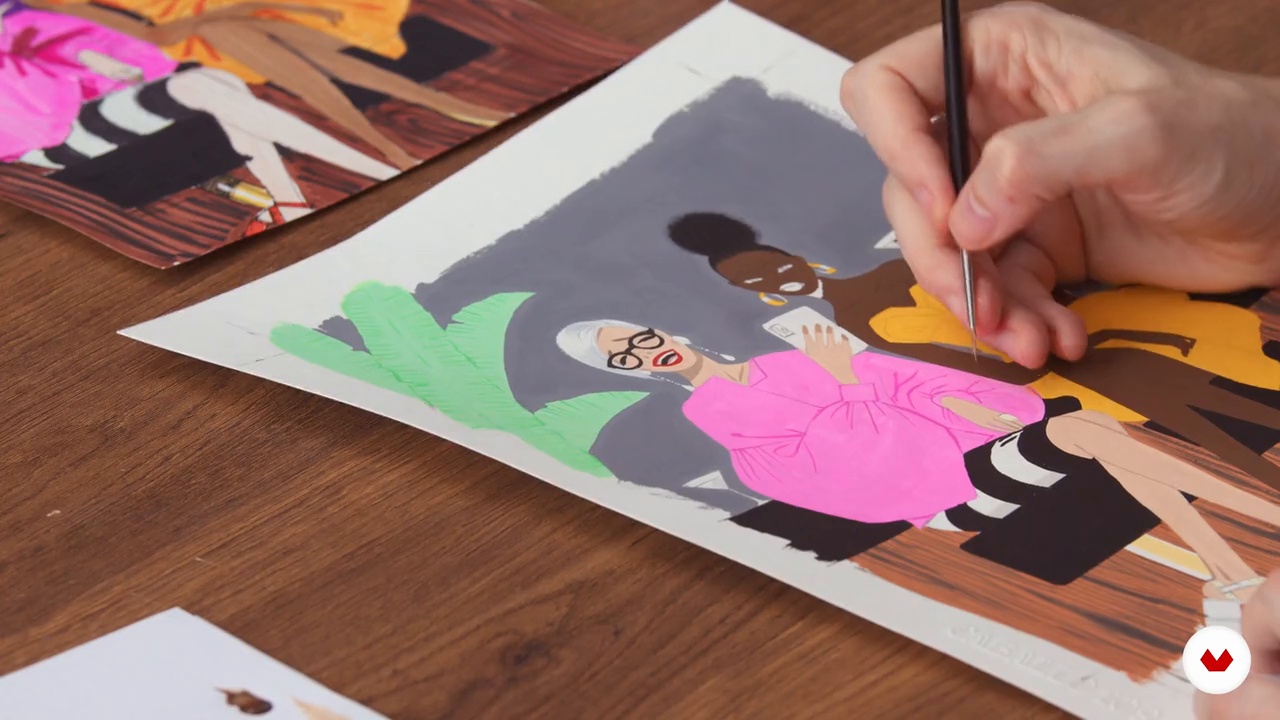
14Profiling of clothing and faces 1
Outlining is the finishing touch that makes the final effect of a gouache illustration good or average. Here, I'll explain how to outline whatever's necessary and detail facial expressions.
11m
 15
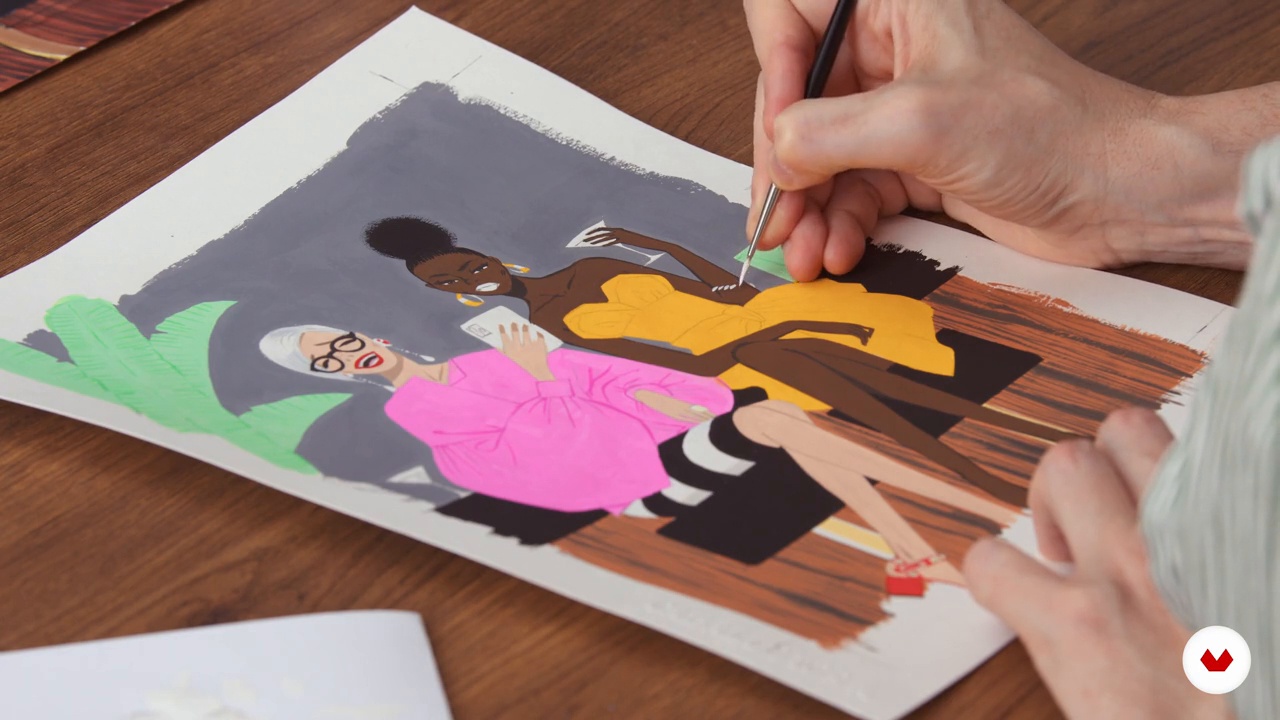
15Profiling clothing and faces 2
I'll continue outlining until the illustration is almost finished. I'll work on the figure on the right side of the composition in detail.
16m
 16
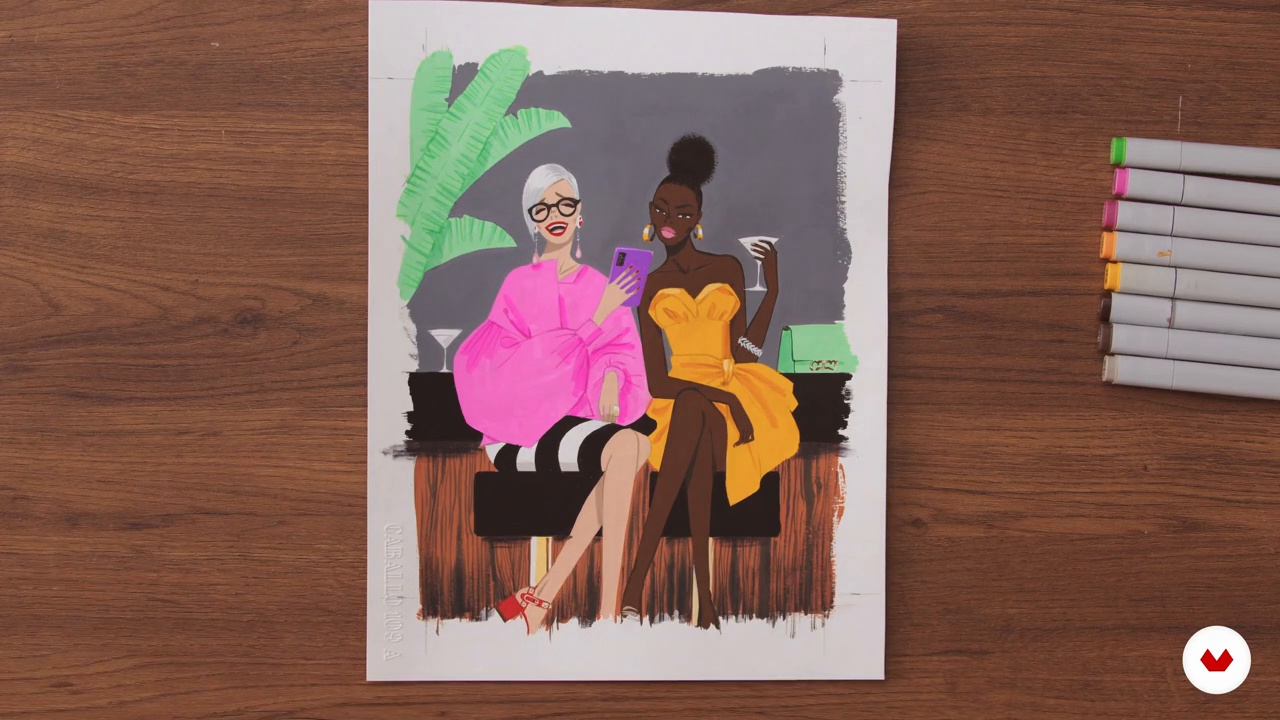
16Final touches with marker and digitization
After outlining, we can add some shading or volume to the illustration by applying a touch of Copic markers. I'll also show you how to digitize it to share it with the world.
11m
What is this course's project?
You will develop a mini fashion collection that includes concepts, mood boards, fabric selection, and sketches. You will reflect your unique design perspective and demonstrate an understanding of the process from initial idea to final presentation.
Who is this specialization for?
Fashion enthusiasts who want to start their own brand and learn about design, branding, and social entrepreneurship. Ideal for those looking to transform creative ideas into sustainable collections, develop a unique visual identity, and understand the entire fashion design process.
Requirements and materials
No extensive prior knowledge is required. You'll need a sketchbook, drawing pencils, basic art supplies, and access to a computer with internet access. An interest in fashion and illustration will help you benefit from the content.
Reviews
- 10 months ago
corso molto commpleto e davvero piacevole, soprattutto dettagliato
- 1 year ago
Great course ,i leaned a lot of things !
- 1 year ago
Well curated and passed my expectations, I like how they included everything from the fashion design pipeline <3
- fifthelementPLUS1 year ago
thank you so much for this course. i found all information very useful even i not in my language. amszing teachers and examples
- 1 year ago
Estoy encantada! Súper bien explicado y detallado
Select to get to know your teachers in this specialization course


What to expect from this specialization course
Learn at your own pace
Enjoy learning from home without a set schedule and with an easy-to-follow method. You set your own pace.
Learn from the best professionals
Learn valuable methods and techniques explained by top experts in the creative sector.
Meet expert teachers
Each expert teaches what they do best, with clear guidelines, true passion, and professional insight in every lesson.
Certificates
PLUSIf you're a Plus member, get a custom certificate for every specialization course. Share it on your portfolio, social media, or wherever you like.
Get front-row seats
Videos of the highest quality, so you don't miss a single detail. With unlimited access, you can watch them as many times as you need to perfect your technique.
Share knowledge and ideas
Ask questions, request feedback, or offer solutions. Share your learning experience with other students in the community who are as passionate about creativity as you are.
Connect with a global creative community
The community is home to millions of people from around the world who are curious and passionate about exploring and expressing their creativity.
Watch professionally produced courses
Domestika curates its teacher roster and produces every course in-house to ensure a high-quality online learning experience.
FAQs
You’ll learn how to create fashion collections, build brand identity, apply sustainability principles, analyze trends, communicate visually, and successfully launch your fashion business.
This course is designed for those with intermediate knowledge of fashion or design. You don’t need to be an expert, but basic design experience or an interest in fashion entrepreneurship is recommended.
All you need is internet access, basic drawing materials, and a strong desire to learn about fashion, brand identity, and entrepreneurship. No advanced technical tools are required.
The course guides you step-by-step through brand development, market analysis, collection creation, and strategies to successfully launch and position your own fashion brand.
Yes, the course covers sustainable fashion, eco-friendly materials, responsible processes, and strategies to incorporate slow fashion into your projects.
You’ll learn how to craft visual and conceptual stories for your collections, expressing ideas and emotions through clothing and brand identity.
Yes, the course includes creating creative lookbooks and detailed technical sheets to professionally showcase and communicate your designs.