
Color Applied to Graphic Design
A course by Leire y EduardoProfessors of Graphic Design
A course by Leire y Eduardo, Professors of Graphic Design

Learn the communicative value of color and apply it to your design projects
Look around you, color is everywhere! As an integral part of daily life, it can play a fundamental role in graphic design and visual communication. In this online course, Leire Fernández and Eduardo Herrera, university professors, researchers, and experts in graphic design, teach you about the attributes and versatility of color applied to this discipline.
Following your teachers' analytical and practical approach, learn to appreciate and understand the communicative value of color to make designs with strong visual impact.
What will you learn in this online course?
24 lessons & 39 downloads
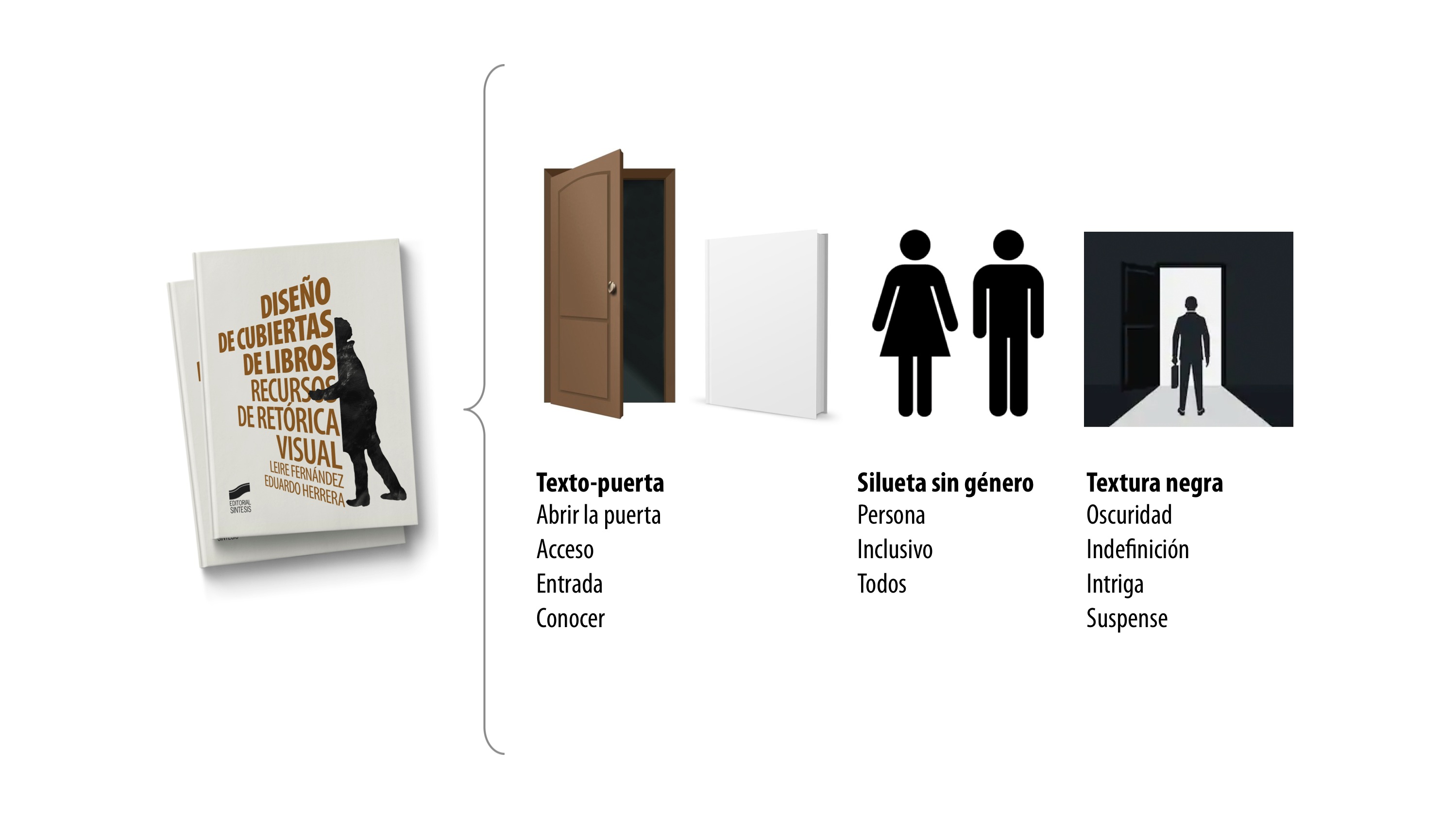
What will we do in the course
1 minute, 35 seconds
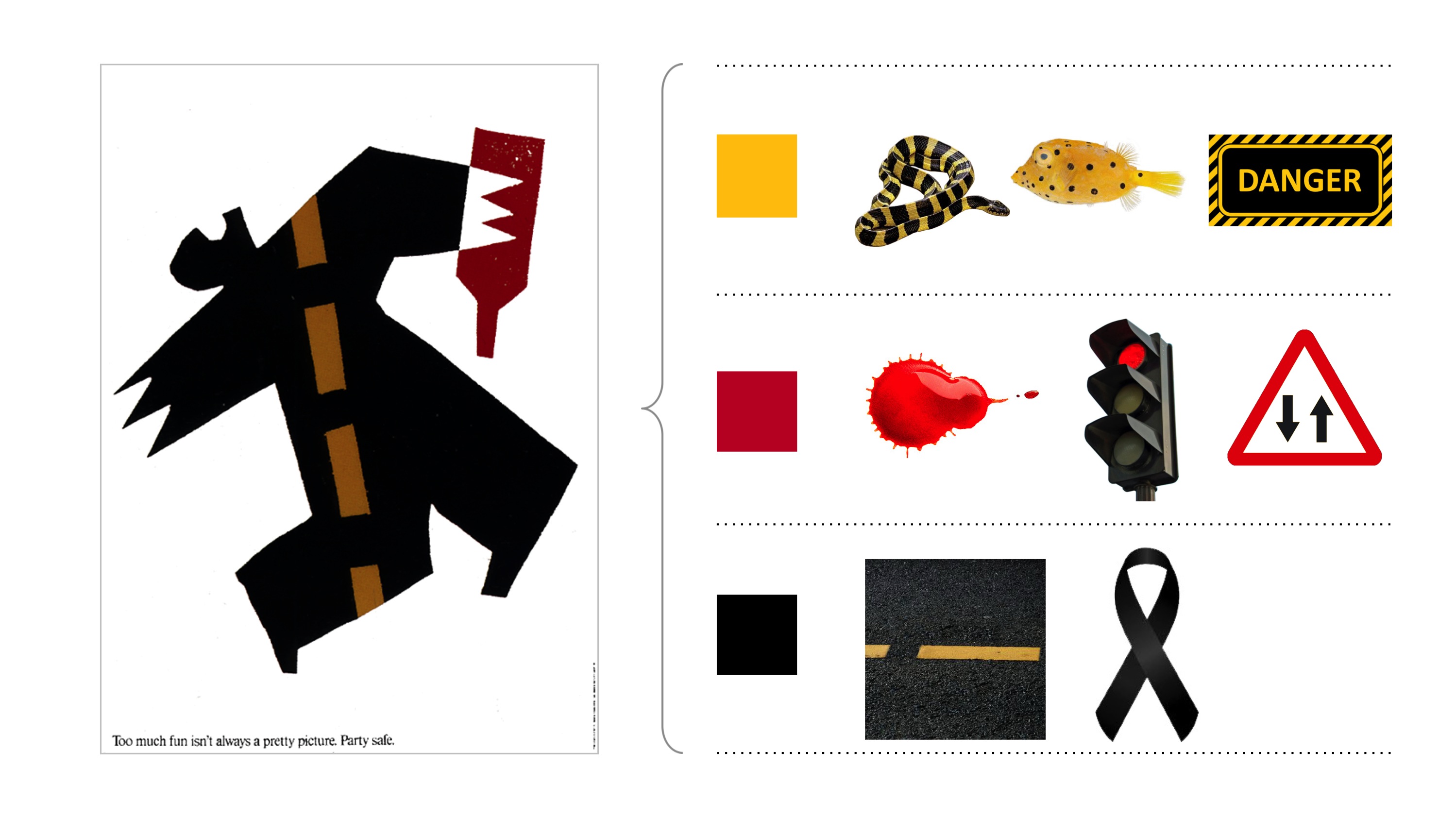
Color and communication
10 minutes, 52 seconds
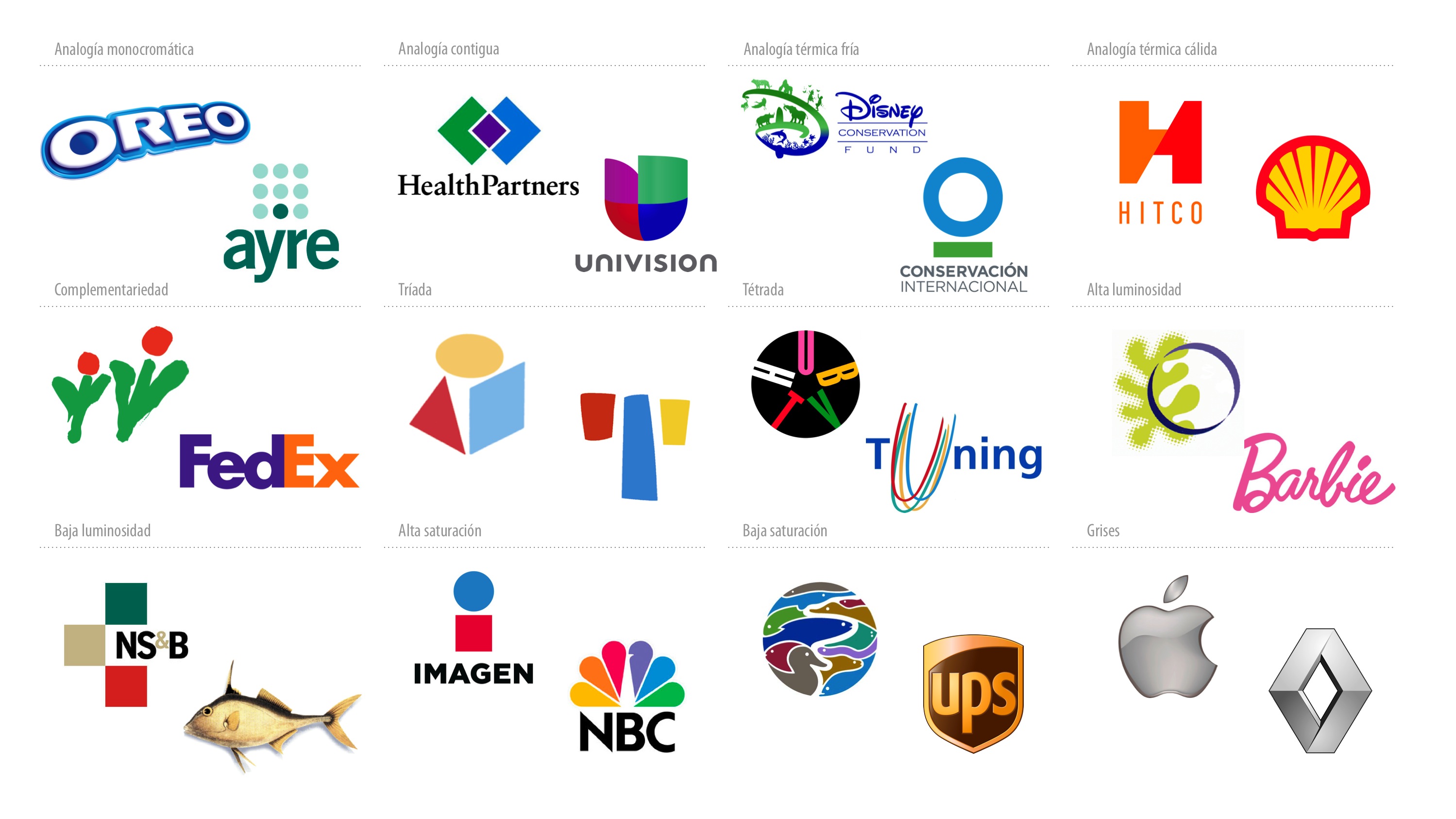
Harmony
15 minutes, 37 seconds
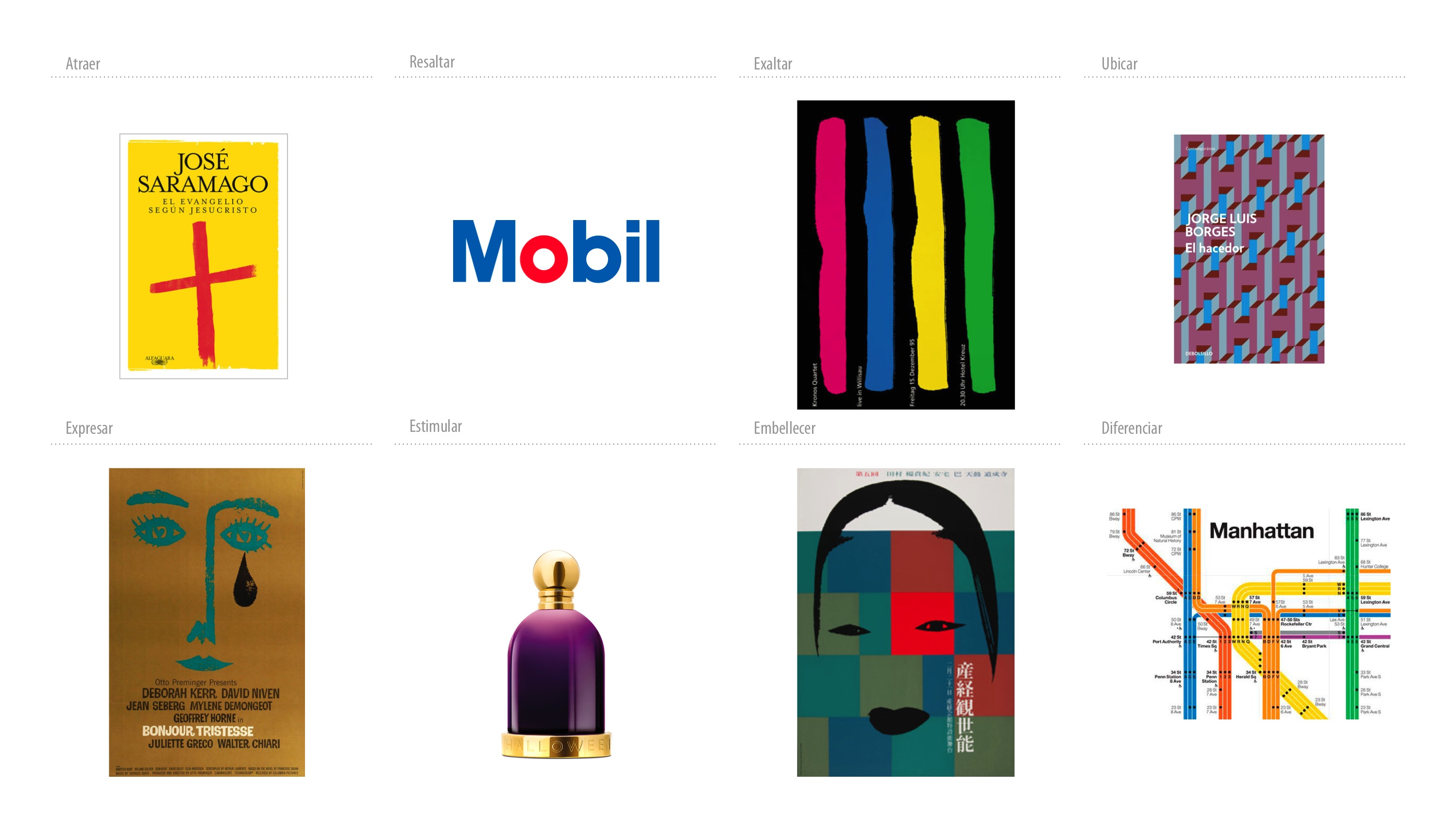
Contrast
16 minutes, 15 seconds
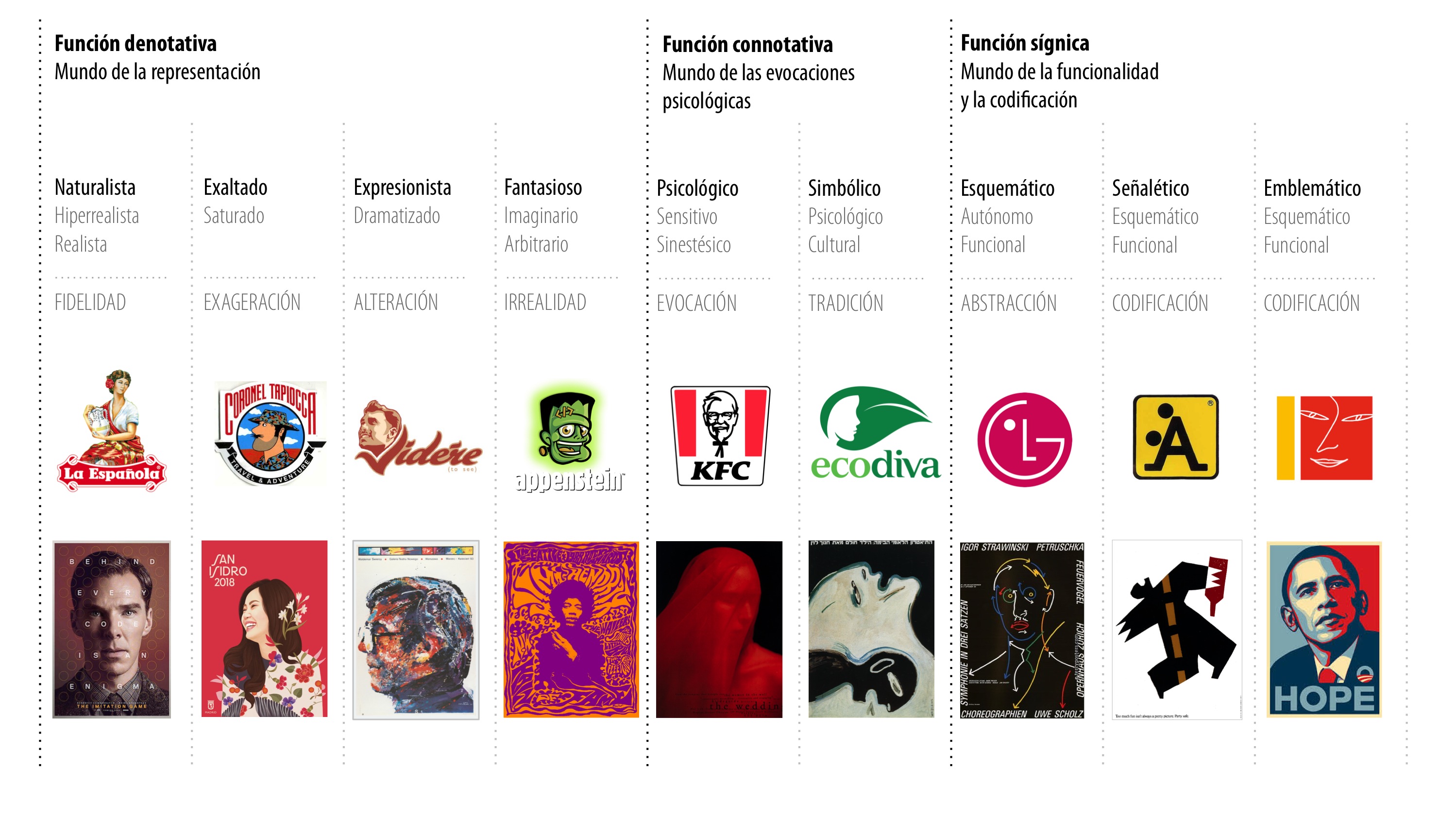
A functional color classification
12 minutes, 21 seconds
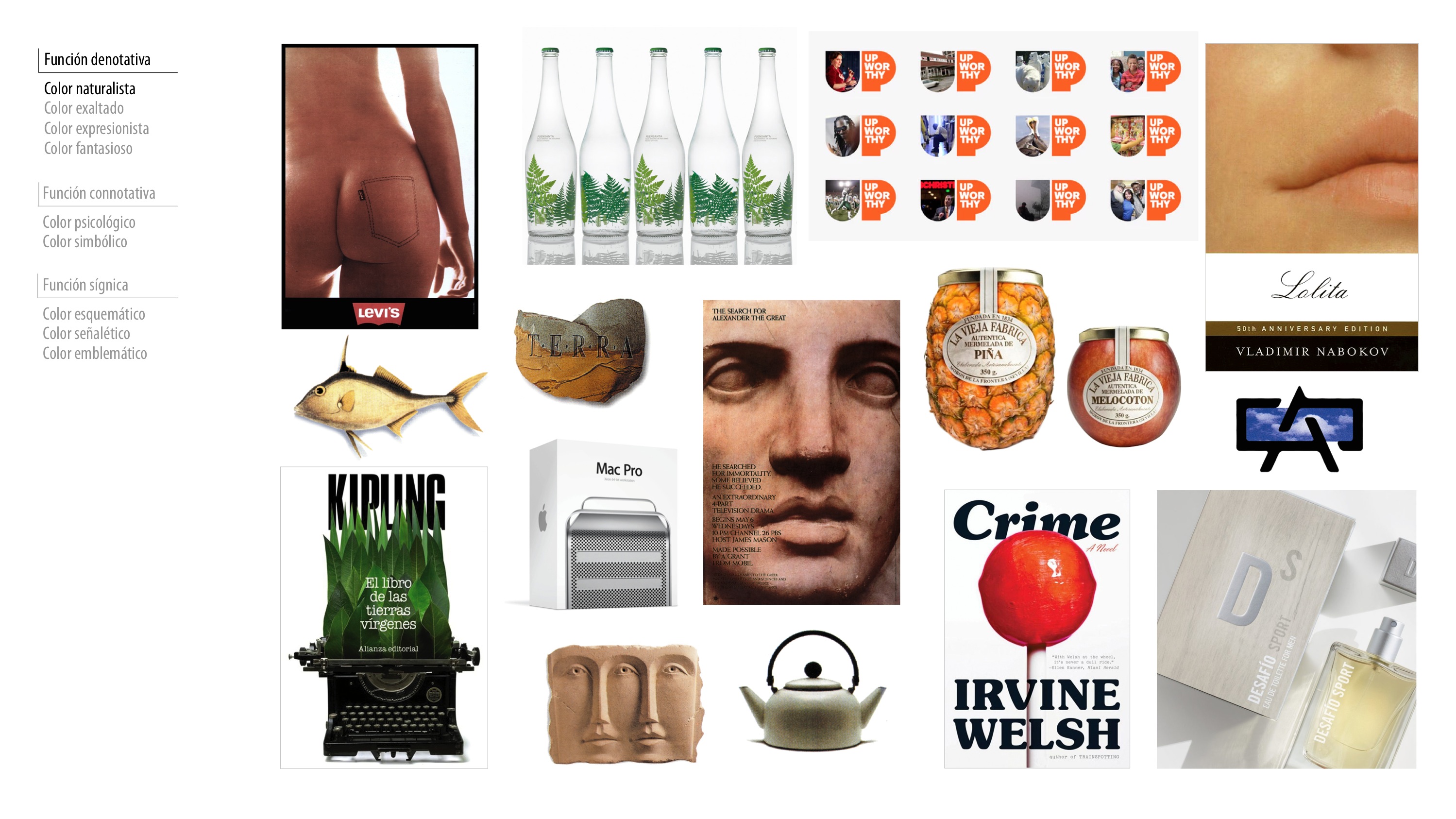
Naturalistic color
13 minutes, 15 seconds
What's included in this course?
Begin by getting to know Leire and Eduardo as they talk about the influences and experiences that have shaped their ideas about the use of color, whether in their professional work or class curriculum.
Next, study the relationship between color and design and its communicative functions, exploring three fundamental ways in which it influences people's perception.
Learn about the association of colors with certain concepts and their ability to create meaning, along with how these vary depending on context and purpose.
To solidify these ideas, Leire and Eduardo take you through an exhaustive case study of color and its application in a wide variety of graphic designs and specific projects, from brand identities and packaging to signs, posters, diagrams, and book covers.
Round out the course with some tips on how to assess a color proposal and develop your own.
What is this course's project?
Complete a series of color-analysis exercises on different graphic designs to develop a color proposal for a personal project or that of another person.
Projects by course students


Who is this online course for?
Designers, illustrators, photographers, visual artists, art and design teachers, and anyone who is looking for the most effective way to communicate ideas through color.
Requirements and materials
Basic knowledge of Adobe Photoshop and Adobe Illustrator is recommended, but not essential.
As for materials, you need a computer with these or similar design programs to create your final project.
Reviews
- 7 months ago
Nunca esta de más repasar la importancia del color en el diseño. Un surco indispensable para diseñadores.
- 7 months ago
Este curso es imprescindible para los que comienzan, y también sirve de refresh para los que ya estamos en la jerga hace años y abandonamos un poco los libros. A veces no hay que automatizar y hay que volver a las raíces del aprendizaje básico.
- 9 months ago
Información básica y muy importante para proyectos de diseño :)
- 11 months ago
Excelente curso, casi ningún curso te da un explicación tan buena y detallada del color, casi siempre son muy básicos. Lo recomiendo mucho!
- 1 year ago
Explican como si todo el mundo fuera diseñador grafico.

Eduardo Herrera has a doctorate in fine arts and is a professor of graphic design at the University of the Basque Country (UPV/EHU). Among his subjects, he specializes in editorial design, typography, and visual identity.
Together they co-direct the graphic design and typography research group Letraz at the UPV/EHU. Both have published multiple books, most notably Diseño de cubiertas de libros: Recursos de retórica visual (Editorial Síntesis), Un proceso creativo en el diseño gráfico de carteles (Servicio Editorial - UPV/EHU), and Historias que marcan: Origen y significado de 50 marcas gráficas (Editorial GG).
Throughout their careers, they've collaborated on graphic design projects in a variety of fields, mainly in publishing, typography, poster design, and corporate visual identity, which have earned them awards such as the Klap Platinum award for the best font design, the Anuaria de Oro for the best design of an editorial publication, the Juan de Yciar Award for editorial quality, and the Letra de Plata in visual and graphic communication for the best coverage of an event.
They also organize and teach numerous courses, workshops, and conferences, including the Taller de Diseño Gráfico de los Cursos de Verano at the UPV/EHU in San Sebastián, as well as the Congreso de Diseño Gráfico and the Jornadas de Caligrafía in Arantzazu.
Content
- U1
Introduction
- Presentation
- Influences
- What will we do in the course
- U2
Previous considerations about color and graphic design
- Color and communication
- Harmony
- Contrast
- A functional color classification
- U3
Denotative function of color: the world of representation
- Naturalistic color
- Exalted color
- Expressionist color
- Fancy color
- U4
Connotative function of color: the world of psychological and symbolic evocations
- Psychological color
- Symbolic color
- Red, orange and yellow colors
- Green and blue colors
- Violet color
- Brown, white, black and gray colors
- Pastel and metallic colors
- U5
Signal function of color: the world of coding and functionality
- Schematic color
- Signal color
- Flagship color
- U6
Study of cases
- Analysis of personal projects
- Analysis of personal projects 2
- How to Assess a Color Proposal
- FP
Final project
- The color applied to graphic design
What to expect from a Domestika course
Learn at your own pace
Enjoy learning from home without a set schedule and with an easy-to-follow method. You set your own pace.
Learn from the best professionals
Learn valuable methods and techniques explained by top experts in the creative sector.
Meet expert teachers
Each expert teaches what they do best, with clear guidelines, true passion, and professional insight in every lesson.
Certificates
PLUSIf you're a Plus member, get a custom certificate signed by your teacher for every course. Share it on your portfolio, social media, or wherever you like.
Get front-row seats
Videos of the highest quality, so you don't miss a single detail. With unlimited access, you can watch them as many times as you need to perfect your technique.
Share knowledge and ideas
Ask questions, request feedback, or offer solutions. Share your learning experience with other students in the community who are as passionate about creativity as you are.
Connect with a global creative community
The community is home to millions of people from around the world who are curious and passionate about exploring and expressing their creativity.
Watch professionally produced courses
Domestika curates its teacher roster and produces every course in-house to ensure a high-quality online learning experience.
FAQs
The course explores color as a sign—its symbolic, psychological, and functional meanings—and how to strategically apply it in graphic design and visual communication projects.
This is an intermediate-level course, perfect for those with basic graphic design knowledge who want to deepen their understanding of color use and meaning.
You’ll learn to analyze, select, and apply color in graphic projects, interpret cultural and psychological meanings, and use harmony, contrast, and color symbolism to communicate powerful visual messages.
Prior knowledge of graphic design and basic skills with digital or traditional design tools are recommended to get the most out of the practical content.
The course covers color theory, harmony and contrast, color symbolism, color in visual identity, posters, signage, scientific illustration, and real-world case studies in art and design.
Different types of color contrast—tonal, temperature, quantity, qualitative—are analyzed for their effect on readability and expressiveness, with practical exercises and real examples.
You’ll learn how cultural and social context shapes color perception, meaning, and associations, and how to apply this strategically in visual projects.