Upcycling with Sashiko-Inspired Embroidery

Learn the traditional Japanese technique of sashiko embroidery and create sustainable garments with Kate Ward
Dive into the art of sashiko with Kate Ward, an interdisciplinary artist passionate about textile arts and sustainability.
You will learn the traditional Japanese technique of sashiko stitching, which uses a simple running stitch to reinforce tejidos, decorate fabrics, and mend clothing.
Through detailed lessons, you'll be able to create three different sashiko patches: Jujizashi, Kakinohanazashi, and Komenohanazash, each with its unique meaning and beauty.
You'll also be guided through the philosophy behind this technique, highlighting the lifecycle of materials and the importance of sustainability in textile art.
What will you learn in this online course?
20 lessons & 28 downloads
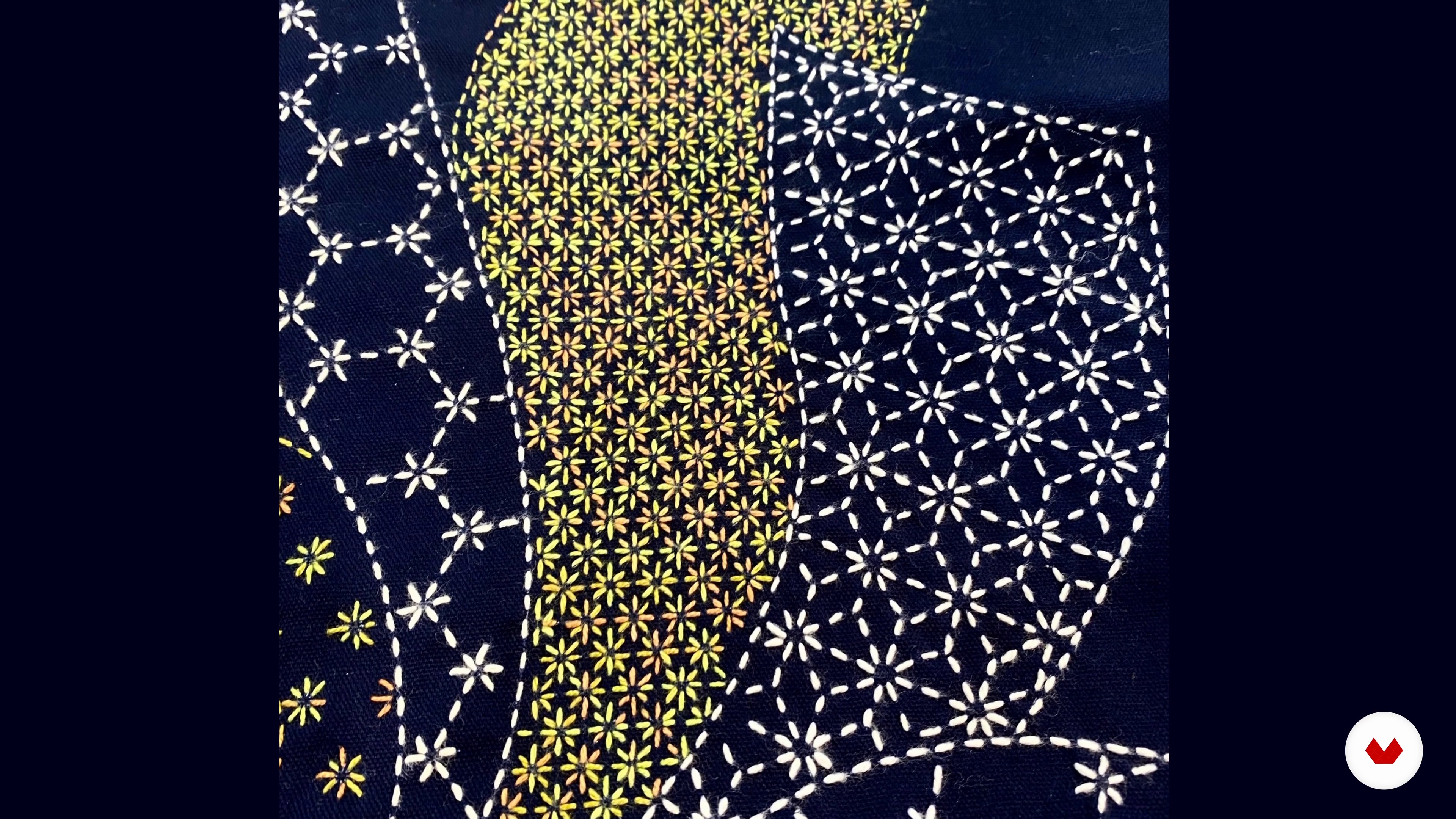
Introduction to Sashiko
4 minutes, 24 seconds

Sashiko and Meditation
4 minutes, 38 seconds

Exploring Sashiko Techniques
7 minutes, 35 seconds
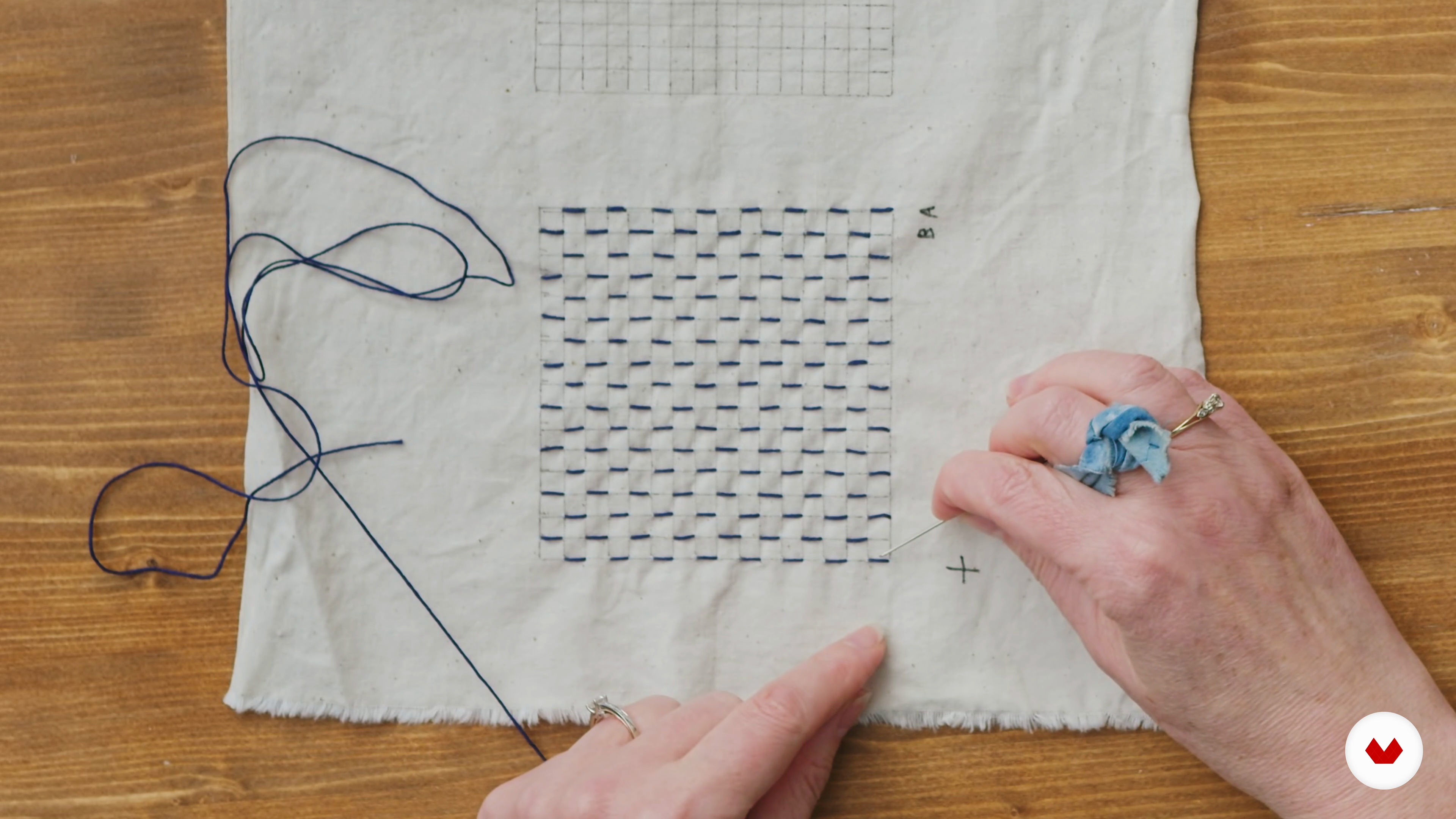
The Stitching Process 2
14 minutes, 36 seconds

Mending Techniques
11 minutes, 4 seconds

Finalizing Your Project
11 minutes, 11 seconds
What's included in this course?
To start, you'll learn about the history and evolution of sashiko, understanding its origins and how it has become a technique valued for both its aesthetics and functionality. You'll explore various traditional patterns and designs, gaining a solid foundation for your future projects.
Next, Kate will introduce you to the philosophy of sashiko, emphasizing the importance of sustainability and the lifecycle of materials. This approach will help you appreciate each stitch not only for its beauty but also for its contribution to a more conscious and respectful lifestyle towards the environment.
Then, you'll become familiar with the tools and materials needed for practicing sashiko. From selecting the right needles and threads to choosing the best fabrics to work with, Kate will provide all the practical knowledge you need to start stitching with confidence. You'll learn the basics of embroidery and essential techniques, practicing stitches that will prepare you for more complex projects.
Lastly, you'll delve into the material preparation for your final project. You'll learn how to prepare the fabric and thread, as well as practice the stitching process and mending techniques. Once you've mastered these skills, you'll be ready to create three sashiko patches: Jujizashi, Kakinohanazashi, and Komenohanazash, each with its distinct style and cultural significance.
What is this course's project?
The final project involves mending any garment or piece of clothing of your choice, transforming it into a sustainable and visually appealing item using the sashiko techniques learned. You will create three different sashiko patches: Jujizashi, Kakinohanazashi, and Komenohanazash.
Projects by course students


Who is this online course for?
This course is for anyone interested in textile art, sustainability, and embroidery. It's ideal for those who want to learn a traditional Japanese technique and apply it to create unique and lasting pieces.
It is also perfect for those seeking a meditative activity to help disconnect from daily stress and connect with their creativity.
Requirements and materials
All you need is a needle and thread, fabric, marker, ruler, and scissors. If you like the process, you can later purchase Sashiko-specific tools and materials that will help you get better results.
Reviews
- 1 month ago
Ótimo curso! Thanks.
- 3 months ago
Kate is a wonderful teacher and I enjoyed every moment of this course. Well explained in details and easy to follow. Cheers my journey into the Sashiko world!!
- 3 months ago
Sashiko me fascina, es una técnica hermosa, ancestral.
- 4 months ago
Thank you for this wonderful journey into the world of Sashiko.
I deeply appreciated Kate Ward’s gentle guidance, her calming voice, and the invitation to slow down and approach the practice with mindfulness.
Although I felt unsettled beforehand, stitching and focusing on my pattern helped me become calmer and more centered. Completing my first small project filled me with satisfaction and joy.
This is the beginning of my journey into the beautiful tradition of Sashiko.
- 4 months ago
Hermoso curso!! Muy bien explicado y con muchas ideas para aplicar en las prendas.

Kate studied at Kyoto Seika University in Japan, where she discovered sashiko and was captivated by its elegance and simplicity. Her work combines art, culture, and sustainability, promoting a more conscious lifestyle through stitching.
Content
- U1
Introduction
- About Me
- Influences
- U2
Foundations of Sashiko
- Introduction to Sashiko
- Philosophical Approach and Environmental Impact
- Sashiko and Meditation
- U3
Techniques and Practice
- Materials and Tools
- Needlework Fundamentals
- Exploring Sashiko Techniques
- U4
The Art of Mending
- Preparing the Fabric (and the thread)
- The Stitching Process 1
- The Stitching Process 2
- The Stitching Process 3
- The Stitching Process 4
- Mending Techniques
- U5
Applying Sashiko
- First Patch Project with jujizashi (ten cross stitch)
- Second Patch Project 1
- Second Patch Project 2
- Third Patch Project 1
- Third Patch Project 2
- Finalizing Your Project
- FP
Final project
- Upcycling with Sashiko Stitching
What to expect from a Domestika course
Learn at your own pace
Enjoy learning from home without a set schedule and with an easy-to-follow method. You set your own pace.
Learn from the best professionals
Learn valuable methods and techniques explained by top experts in the creative sector.
Meet expert teachers
Each expert teaches what they do best, with clear guidelines, true passion, and professional insight in every lesson.
Certificates
PLUSIf you're a Plus member, get a custom certificate signed by your teacher for every course. Share it on your portfolio, social media, or wherever you like.
Get front-row seats
Videos of the highest quality, so you don't miss a single detail. With unlimited access, you can watch them as many times as you need to perfect your technique.
Share knowledge and ideas
Ask questions, request feedback, or offer solutions. Share your learning experience with other students in the community who are as passionate about creativity as you are.
Connect with a global creative community
The community is home to millions of people from around the world who are curious and passionate about exploring and expressing their creativity.
Watch professionally produced courses
Domestika curates its teacher roster and produces every course in-house to ensure a high-quality online learning experience.
FAQs
Sashiko stitching is a traditional Japanese hand-sewing technique used to reinforce, repair, and decorate textiles. It involves simple running stitches, often in geometric patterns, to mend and upcycle garments, making them stronger and more beautiful.
Yes, this sashiko course is designed for beginners and requires no prior sewing experience. All foundational techniques and tools are explained step by step, making it easy for anyone to start stitching.
To start sashiko stitching, you need fabric (like denim or cotton), sashiko thread, needles, a palm thimble, water-soluble markers, pins, fabric scissors or snips, and a ruler for marking patterns.
In this course, you'll learn traditional sashiko techniques, pattern transfer, mindful stitching practices, visible mending, and how to upcycle garments. You'll also explore cultural, environmental, and meditative aspects of sashiko.
Sashiko helps sustainability by allowing you to repair and upcycle worn textiles, reducing waste and the need for new clothing purchases. The technique extends garment life and promotes mindful consumption.
Yes, sashiko is ideal for repairing denim jeans. The stitches reinforce weak areas and add decorative patterns, making mended jeans both durable and unique.
The course covers patterns like Jujizashi (cross stitch), Kakino Hanazashi (persimmon flower), and Komino Hanazashi (rice flower), along with geometric and grid-based designs for both functional and decorative purposes.