
Introduction to Urban Photography
A course by Pablo Casals AguirrePhotographer
A course by Pablo Casals Aguirre, Photographer

Learn to develop your photographic eye to capture the architecture of your city
The camera does not make the photographer: the key to taking good photos is to develop a vision and a process, and to stay constant through trial and error until the magic happens. Pablo Casals Aguirre is a trained architect and self-taught photographer who has dedicated more than a decade to capturing the beauty of architecture through his lens. He currently has more than 100 registered projects from all over the world and his work has appeared in publications such as Dwell, C3, Domus, and ArchDaily.
In this online course, learn to develop your unique photographic eye and use an urban setting as your playground, applying Pablo's techniques to shoot a photo series of a specific building or the streets in your city.
What will you learn in this online course?
12 lessons & 20 downloads
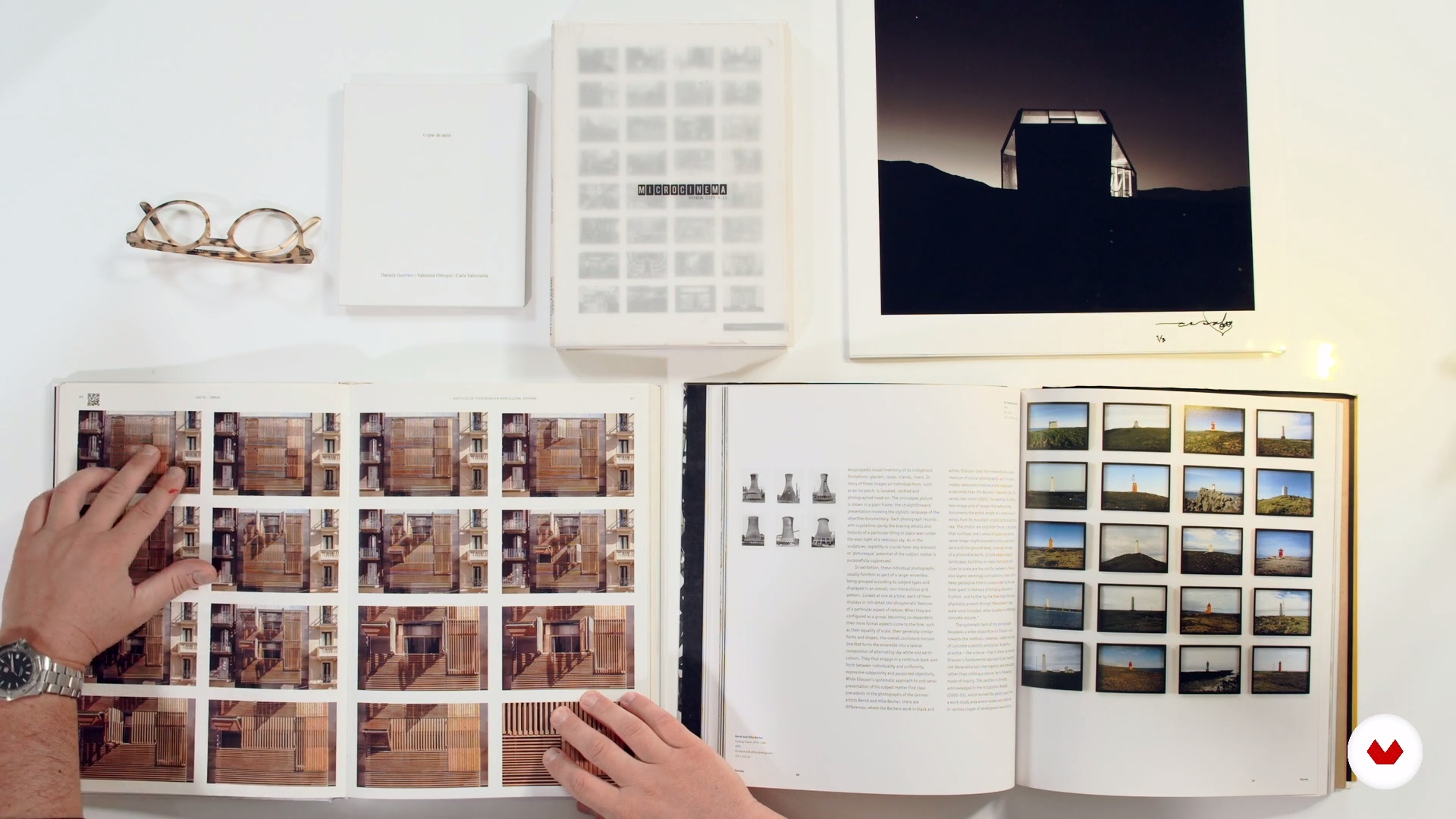
I present the final project of the course
2 minutes, 51 seconds
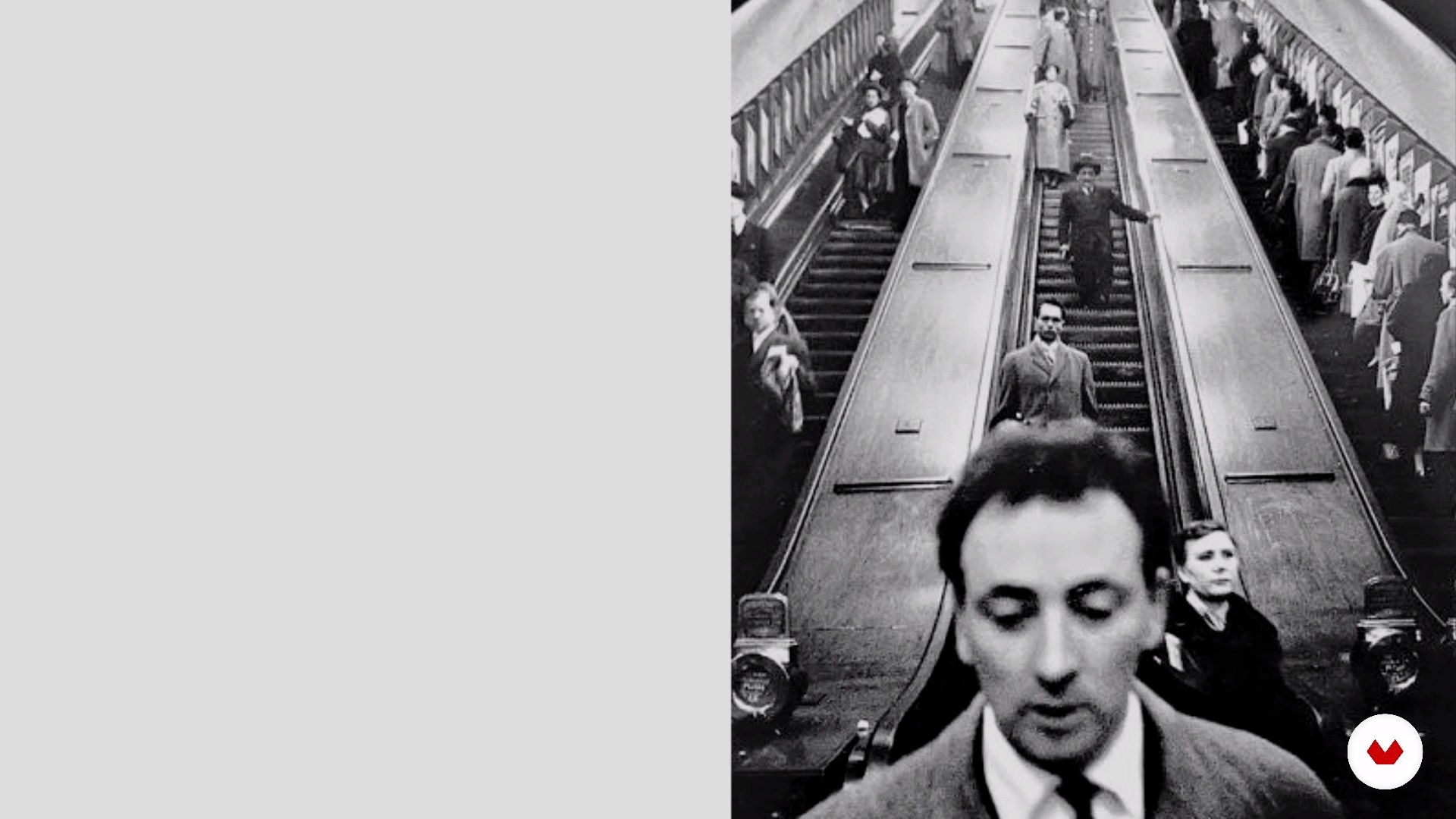
Obsession and photography
19 minutes, 0 seconds
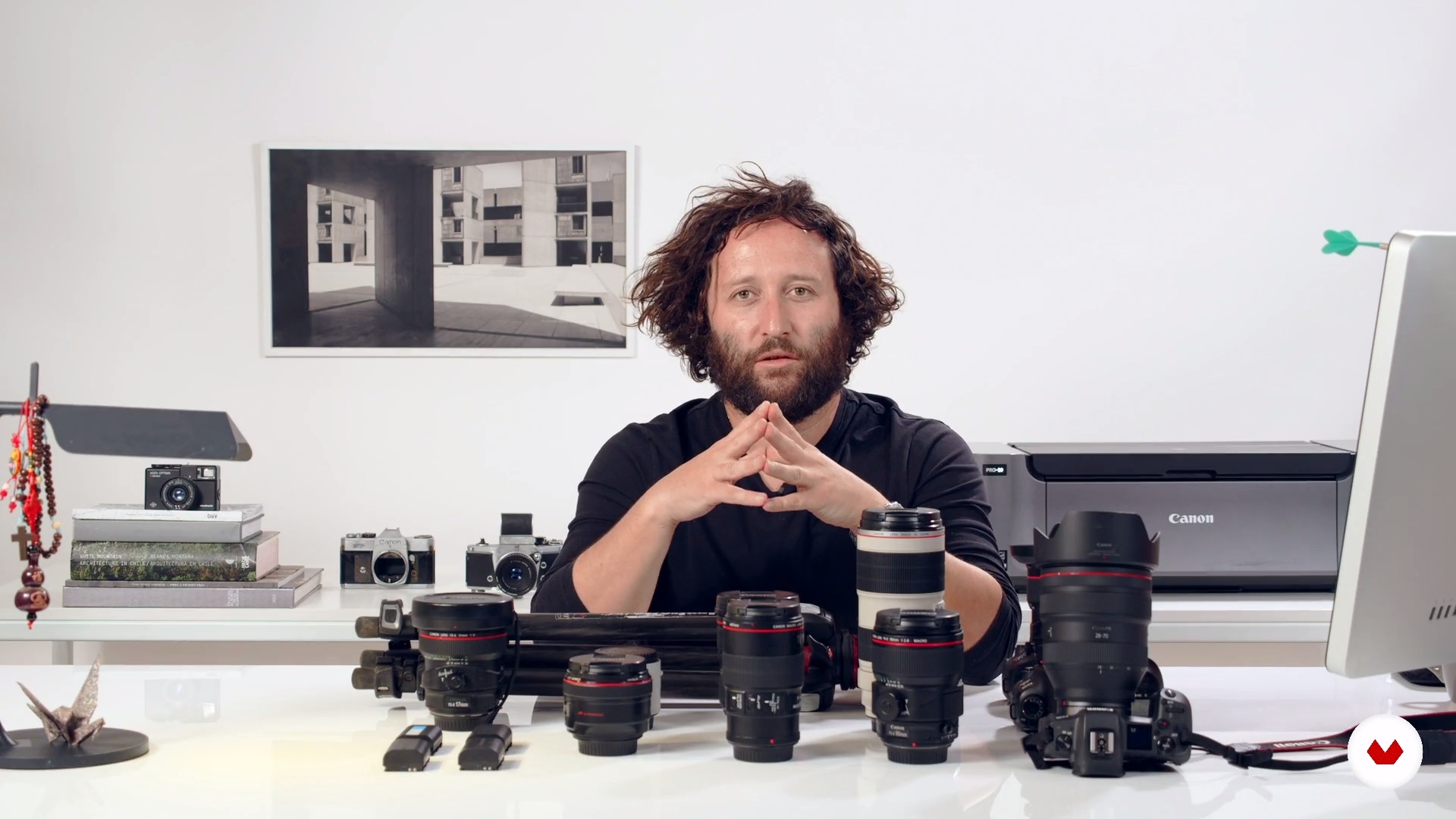
With what equipment do I work?
7 minutes, 16 seconds
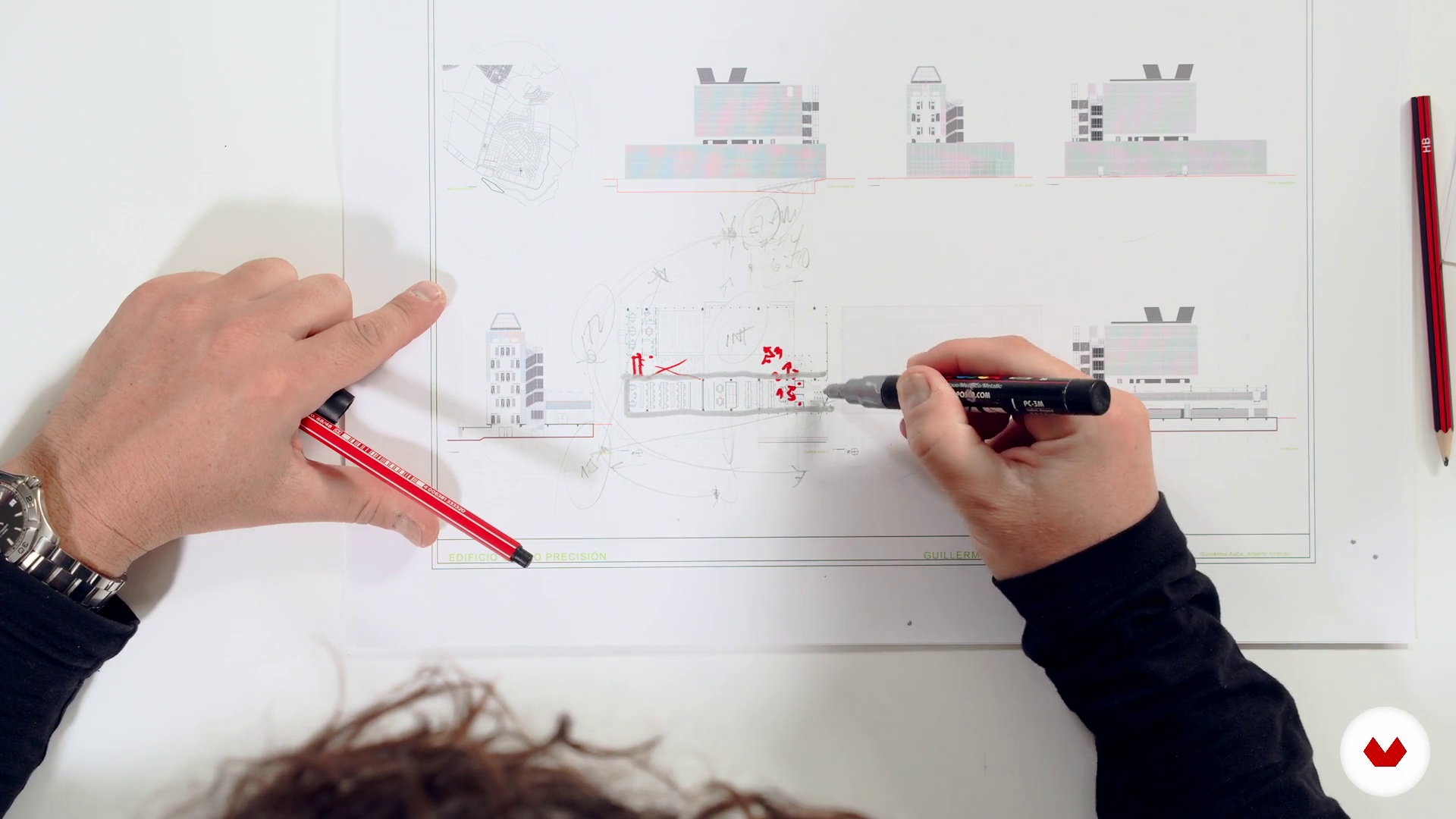
Planning
16 minutes, 42 seconds
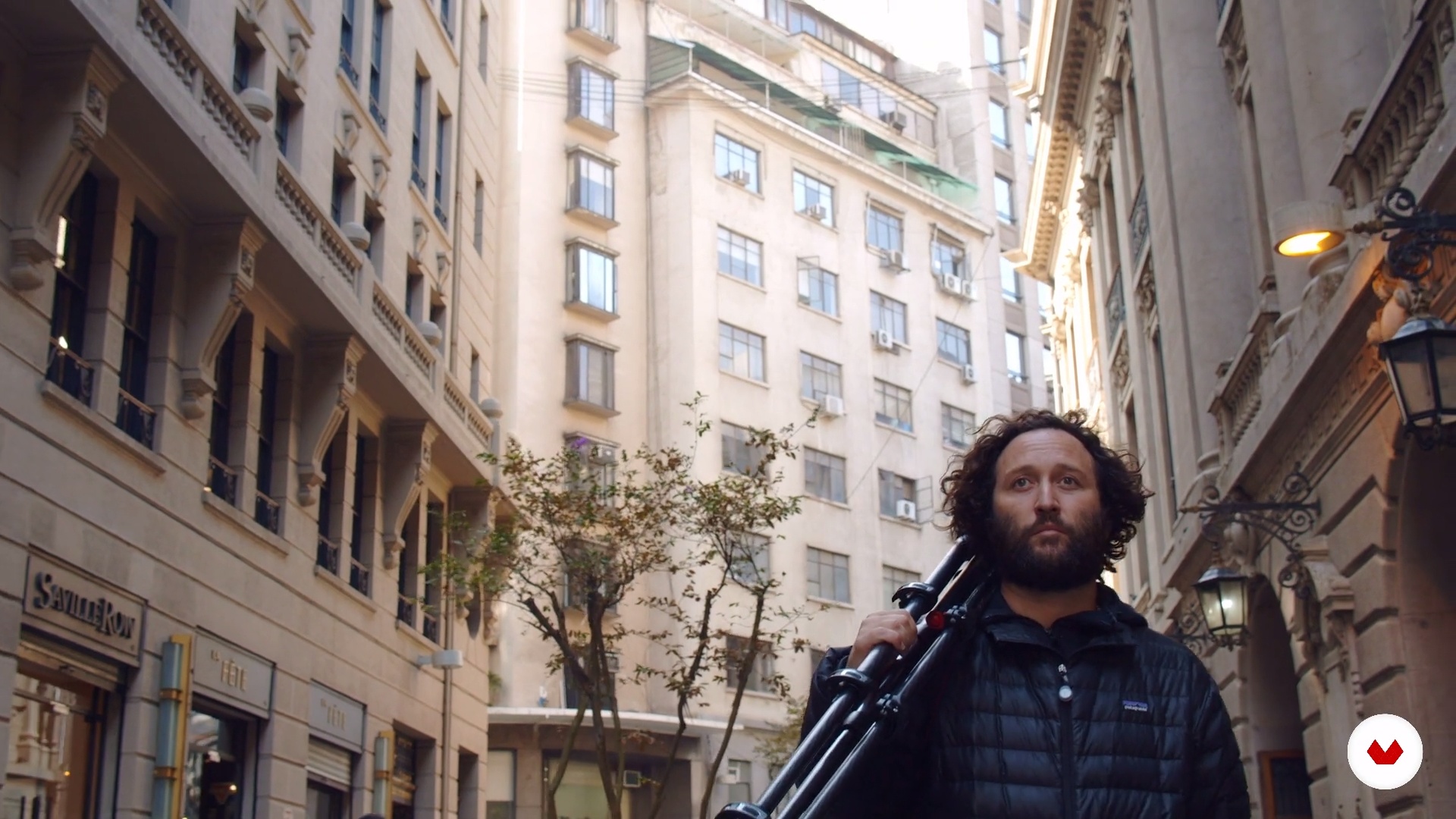
Departure to location: guerrilla work on the street!
16 minutes, 26 seconds
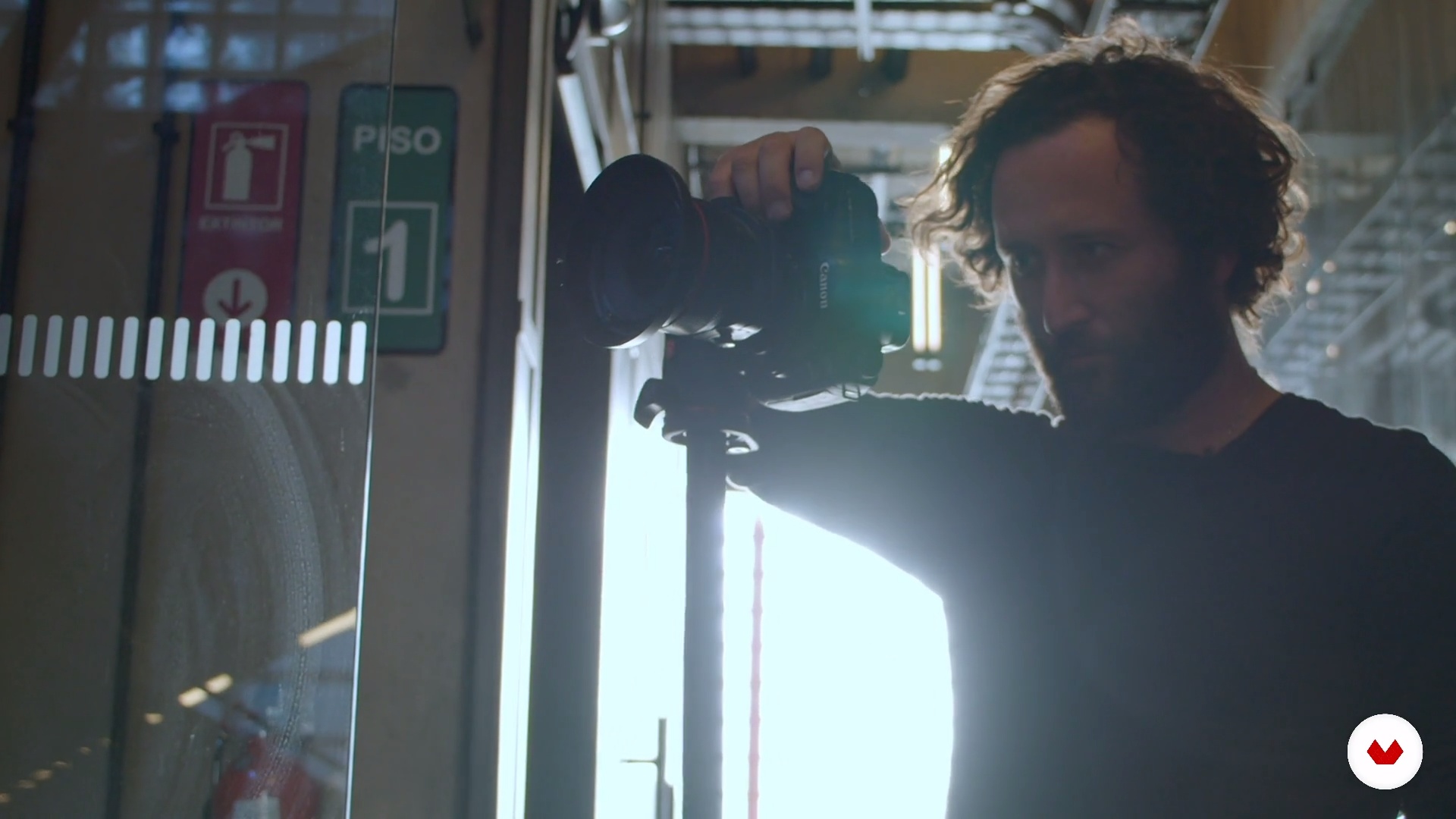
Departure to location: visiting the case study
12 minutes, 48 seconds
What's included in this course?
Get to Pablo Casals as he tells you about how he turned his lifelong love of photography into a career and fused it with his architecture studies. He also shares some of his favorite projects and his biggest influences.
Next, Pablo explains how obsession can fuel your photographic aspirations before introducing you to his work methodology and how he approaches a project. Look at the equipment he usually works with and how to plan your project before heading outside.
Urban photography is best learned in the streets, so Pablo takes you on a trip to his previously scouted location in Santiago de Chile to teach through a case study of a building.
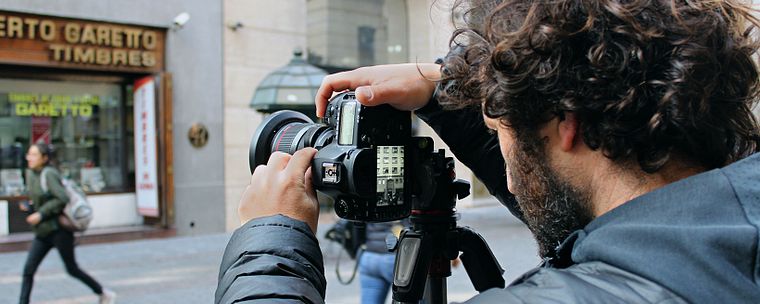
Experiment with framing, camera angles, and light following Pablo's practical example and looking for that magic between technique and intuition.
Then, move on to post-production. Start by classifying and organizing your material, and then choose 18 photographs that match your vision to edit.
Finally, learn how to print your photo series and step back to analyze them as a whole.
Recommended software & tools for this course
What is this course's project?
Shoot a series of urban photographs with a central theme and print your favorites in a larger format.
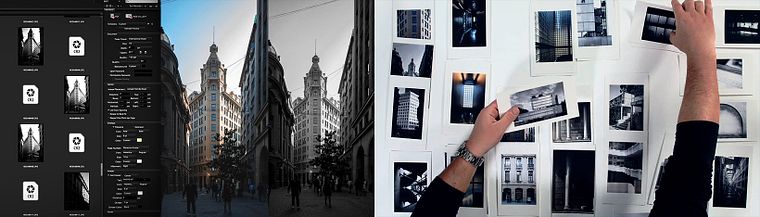
Projects by course students


Who is this online course for?
Anyone who wants to learn about urban photography and develop their photographic eye.
Requirements and materials
No previous knowledge is required.
In terms of materials, you need a camera, a computer with Adobe Lightroom and Photoshop, and access to a printer.
Reviews
- 1 year ago
It is an interesting course. I recommend it a lot.
- 2 years ago
Es un gran curso, me ayudo enormemente
- 2 years ago
Excelente curso, muy completo y con mucho material para poner en practica
- 3 years ago
Buen curso,muy fácil de seguir
- 3 years ago
Muy buen curso. Muy bien estructurado, tiempo preciso, todo muy concreto y posible de aplicar.

He has over a decade of experience and more than 100 documented projects to his name, both in video and photo format, having toured a large part of Chile and the world.
Content
- U1
Presentation
- Presentation
- Influences
- I present the final project of the course
- U2
The preparation
- Obsession and photography
- With what equipment do I work?
- Planning
- U3
Facing the street and postproduction
- Departure to location: guerrilla work on the street!
- Departure to location: visiting the case study
- Postproduction: review of cases and selection
- Postproduction: photo editing
- U4
Printing and final revision
- Series printing
- Final revision
- FP
Final project
- Final project
What to expect from a Domestika course
Learn at your own pace
Enjoy learning from home without a set schedule and with an easy-to-follow method. You set your own pace.
Learn from the best professionals
Learn valuable methods and techniques explained by top experts in the creative sector.
Meet expert teachers
Each expert teaches what they do best, with clear guidelines, true passion, and professional insight in every lesson.
Certificates
PLUSIf you're a Plus member, get a custom certificate signed by your teacher for every course. Share it on your portfolio, social media, or wherever you like.
Get front-row seats
Videos of the highest quality, so you don't miss a single detail. With unlimited access, you can watch them as many times as you need to perfect your technique.
Share knowledge and ideas
Ask questions, request feedback, or offer solutions. Share your learning experience with other students in the community who are as passionate about creativity as you are.
Connect with a global creative community
The community is home to millions of people from around the world who are curious and passionate about exploring and expressing their creativity.
Watch professionally produced courses
Domestika curates its teacher roster and produces every course in-house to ensure a high-quality online learning experience.
FAQs
You’ll learn photography and video techniques for architecture, including composition, visual storytelling, drone use, editing and assembling photo series, plus strategies for publishing and sharing your work on digital platforms.
This is an intermediate-level course, perfect for those with basic photography knowledge who want to dive deeper into specific architectural and audiovisual recording techniques.
It’s recommended to have a digital camera (Canon or similar), tripod, various lenses (wide-angle, telephoto), access to editing software like MovieMaker, and ideally a drone, though you can adapt based on what you have.
You’ll be able to create cohesive photo series, edit short films, plan urban and architectural shoots, manage lighting and composition, and publish your work on platforms like Vimeo.
The course teaches you how to build stories using models, image sequences, and integrating the human figure, focusing on visual storytelling as the core of architectural documentation.
Yes, you’ll learn digital editing, perspective correction, exposure and color adjustments, short film editing in MovieMaker, and preparing files for print or digital publication.
Topics include the rule of thirds, handling natural and artificial light, abstraction, using textures, layers, reflections, black-and-white composition, plus incorporating contextual and human elements.