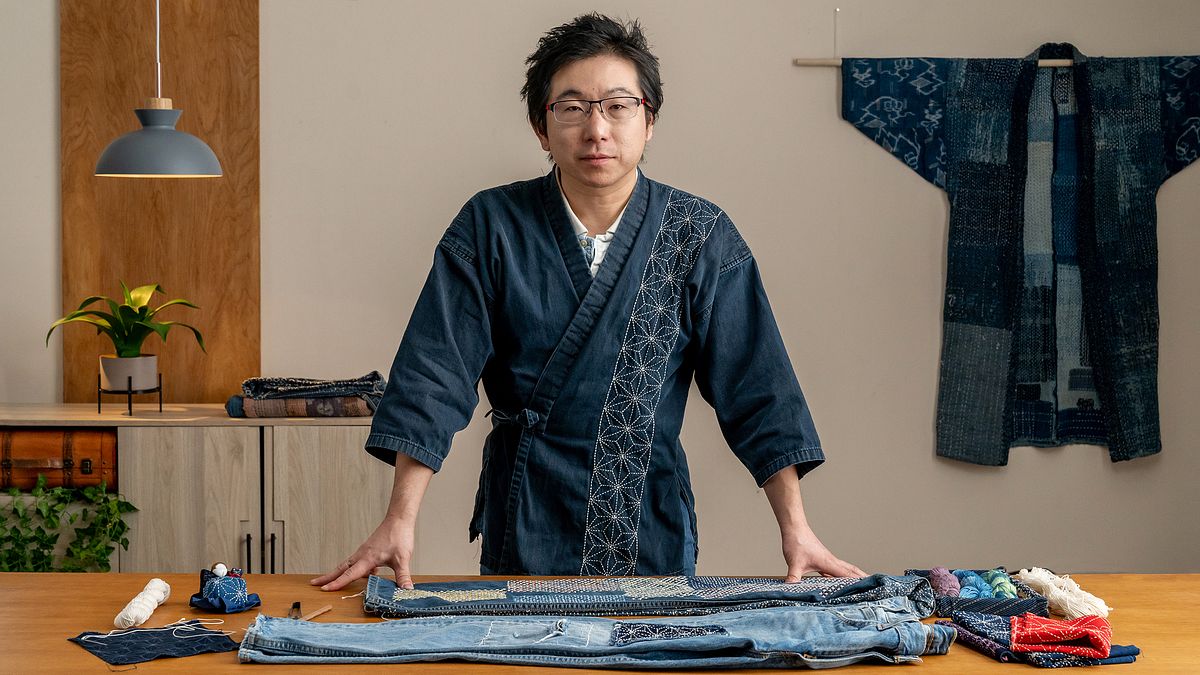
Introduction to Japanese Sashiko Stitching
A course by Atsushi FutatsuyaSashiko Garment Maker
A course by Atsushi Futatsuya, Sashiko Garment Maker

Discover the traditional Japanese embroidery technique to stitch, patch, and mend existing garments, and embrace sustainable practices.
Sashiko Stitchery had its roots in 17th-century Japan, when working-class people lived under harsh conditions with limited resources. Cotton was difficult to come by, so they stitched on it first to make the fabric more durable. When it tore, they would embroider over it with recycled material to give it new life. Born centuries ago out of necessity, Sashiko is now a popular fashion trend. But for the sashiko garment maker Atsushi Fatatsuya, it is much more than that. It’s an expression of his rich Japanese cultural history. From a family of Sashiko practitioners, he considers this practice as part of his fate.
After having commissioned garments for clothing stores and private clients, Atsushi teaches you Sashiko beyond the fashion trend. In this online course, take a deep dive into the history of those stitches, discover their deep cultural significance, and learn how to apply them to your favorite pieces.
What will you learn in this online course?
16 lessons & 21 downloads
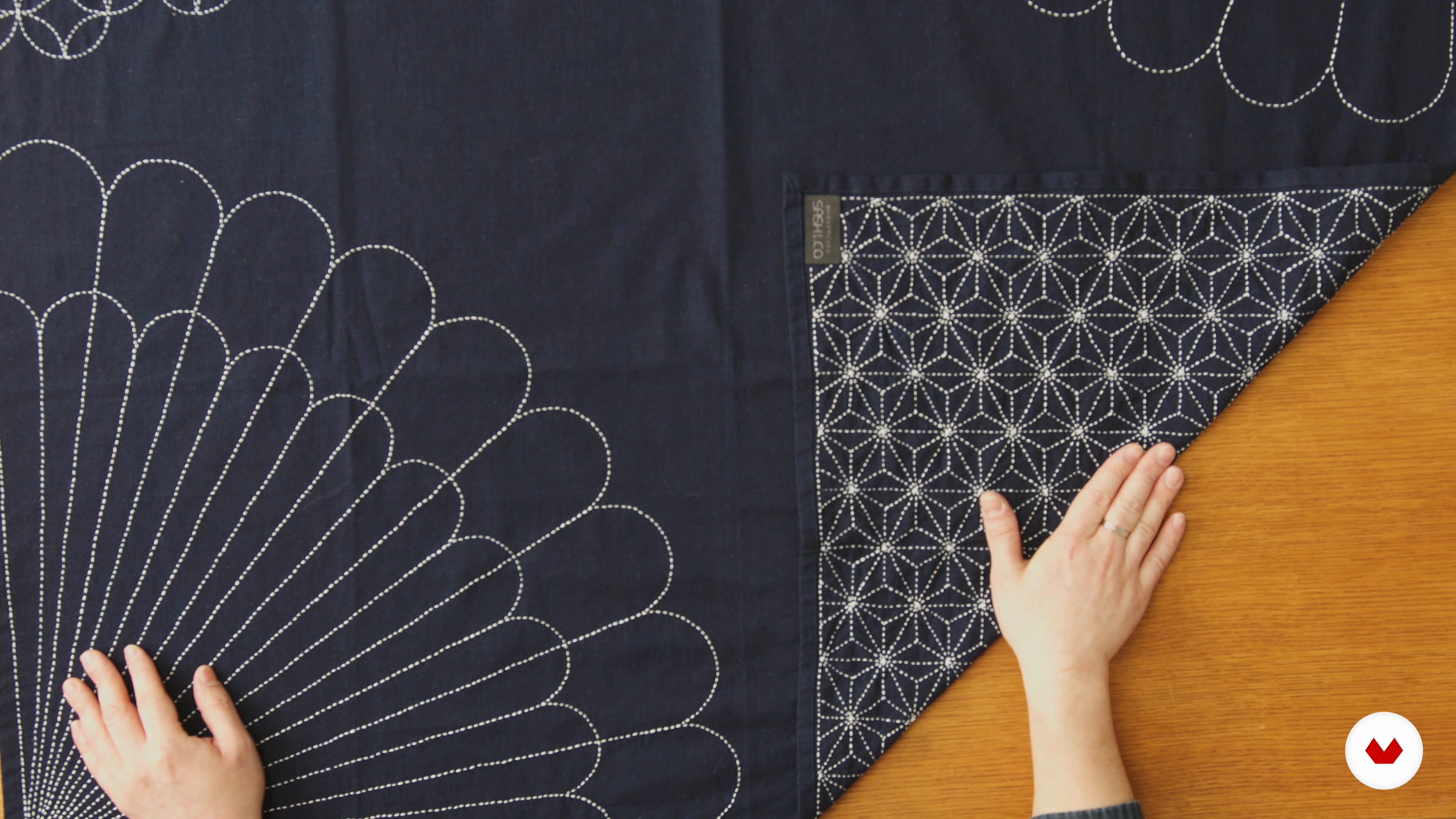
What Is Sashiko after All?
5 minutes, 46 seconds
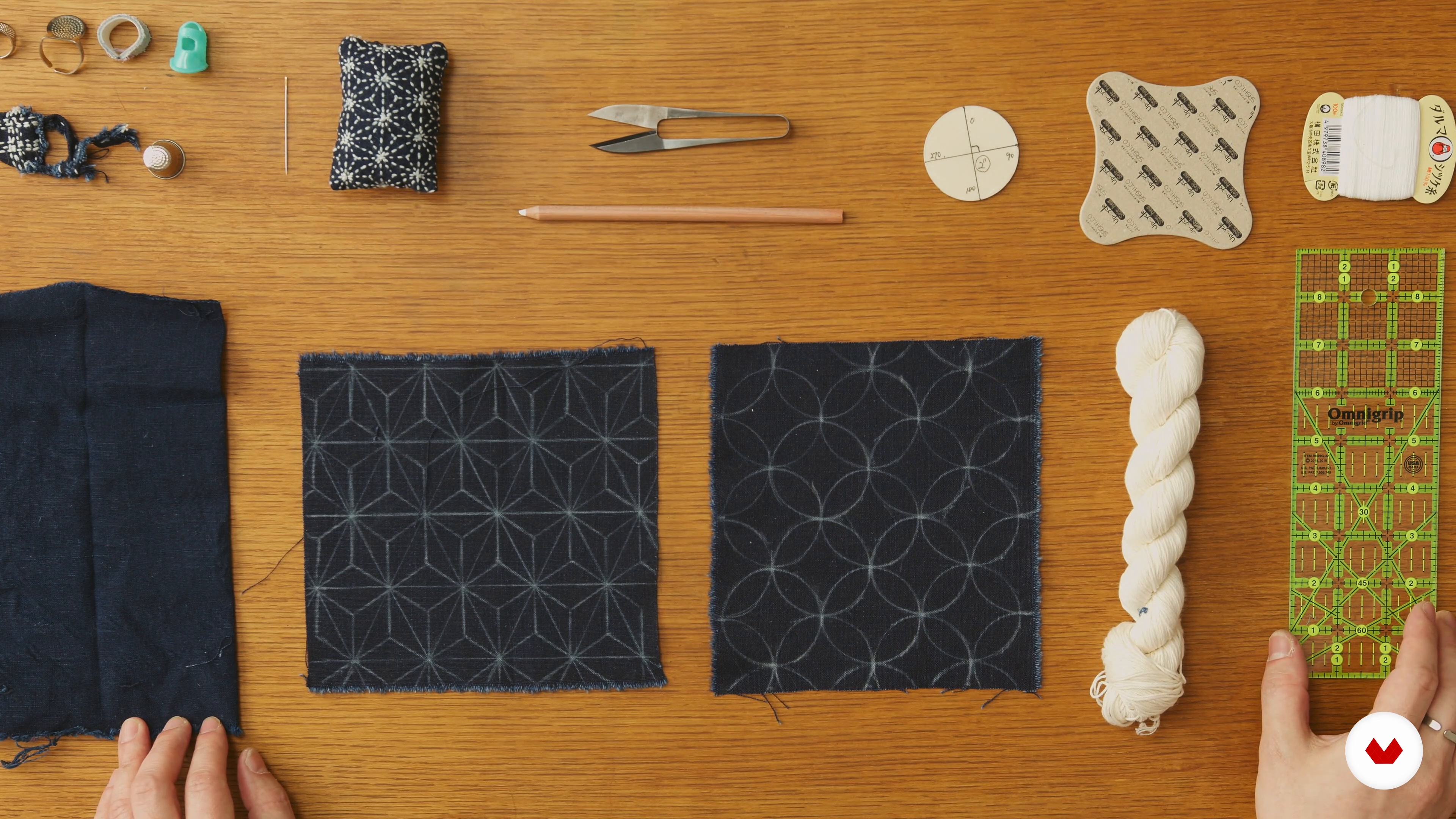
Materials and Tools
8 minutes, 15 seconds
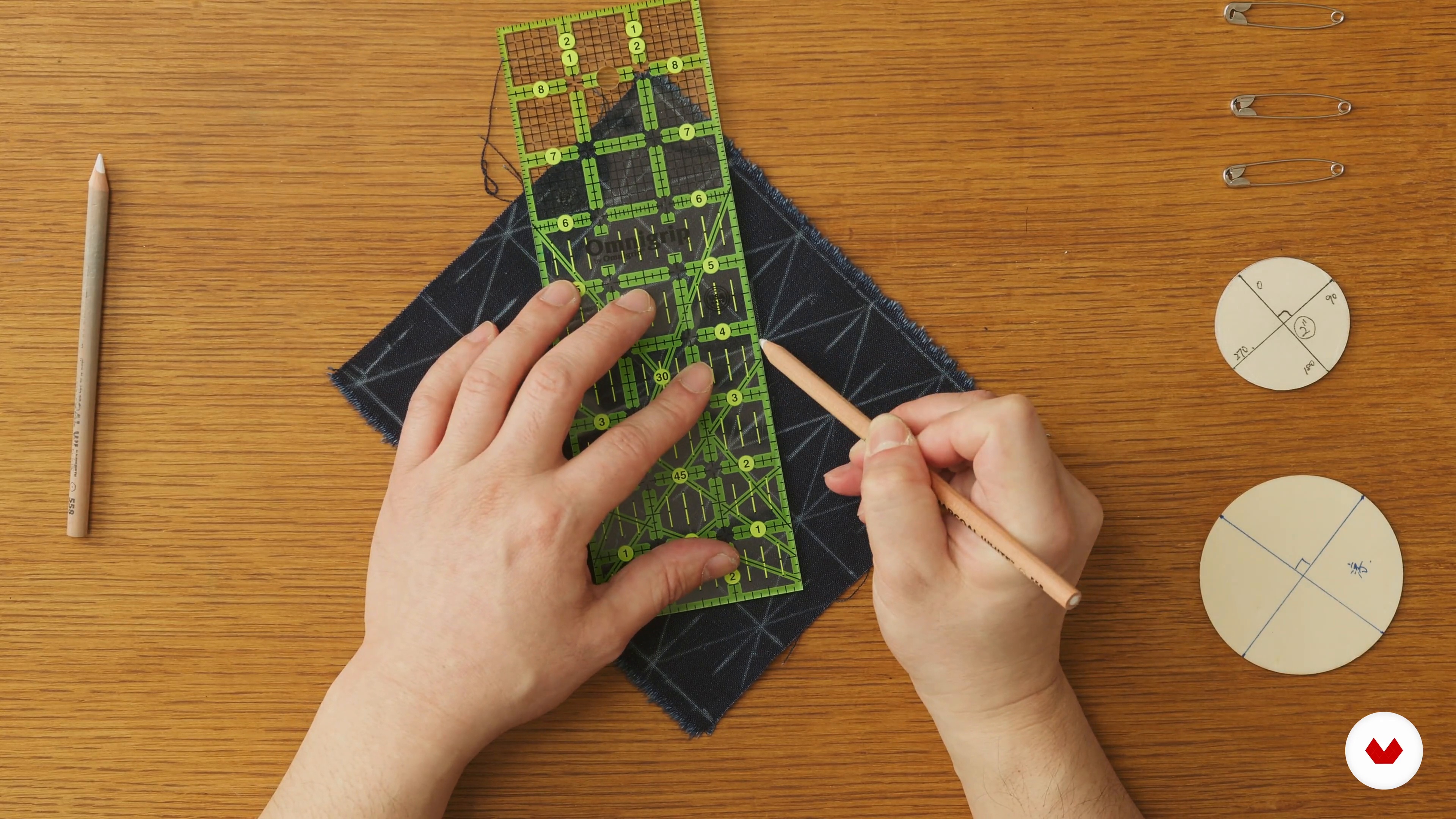
Preparing Fabric with Geometric Patterns 1
8 minutes, 47 seconds
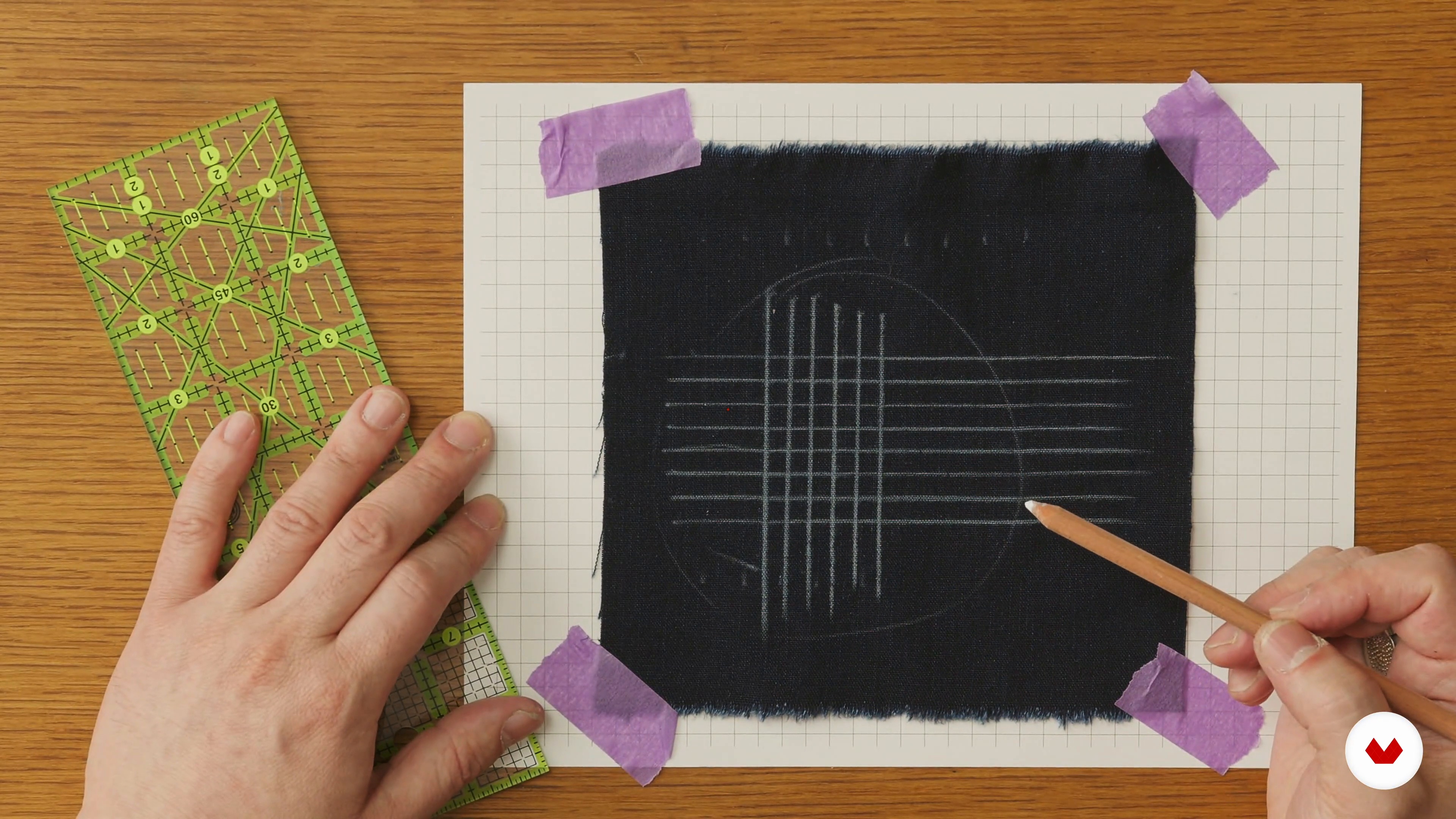
Preparing Fabric with Geometric Patterns 2
13 minutes, 43 seconds
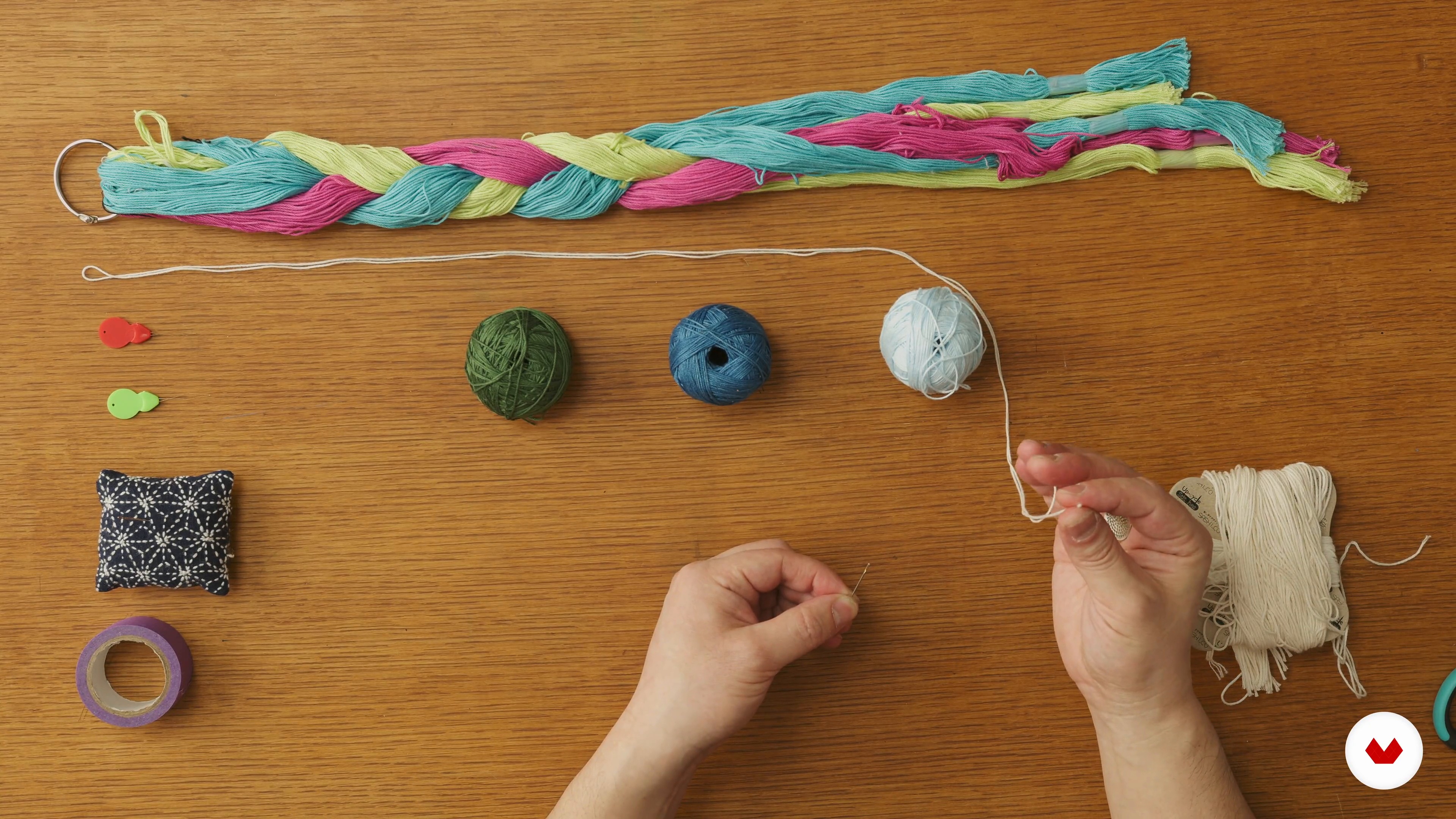
Preparing the Needle and Thread for Stitching
7 minutes, 2 seconds
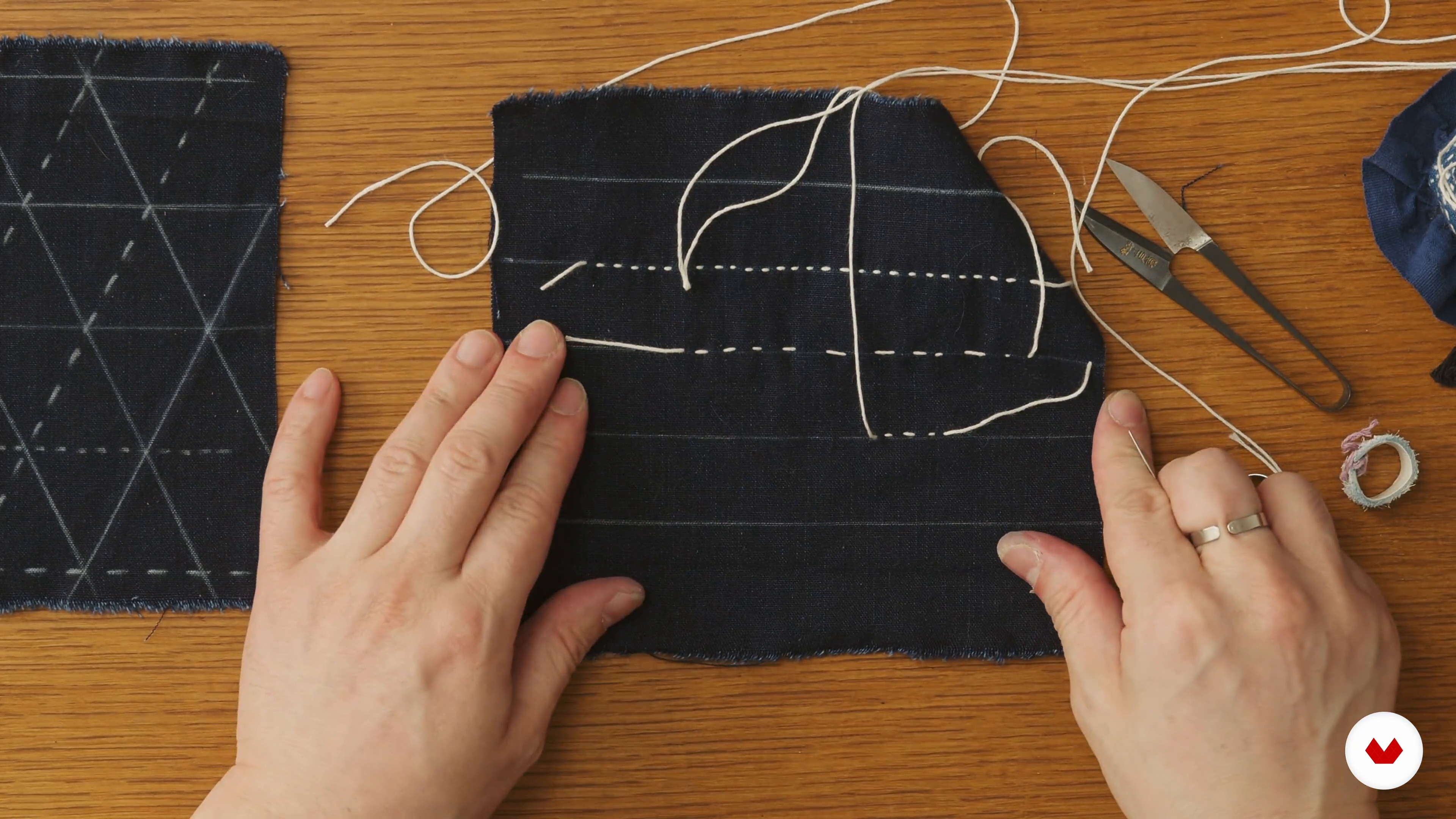
Let’s Start Stitching
5 minutes, 14 seconds
What's included in this course?
Born into a family who made a living practicing Sashiko – Atsushi Fatatsuya’s relationship with those stitches is lifelong. He takes you through the history and philosophy of Sashiko stitchery and his relationship with it while teaching you how to tackle this technique yourself.
Explore Boro, commonly known as colorful patchwork, and get started on the pattern. Atsushi also explains how to prepare your fabric and methods of keeping the thread in good shape while working.
It’s time to stitch your final project! Atsushi shows you different styles and how to find the right size for your piece. Learn how to make knots and how you can stay true to the essence of Sashiko by focusing on the process rather than the result.
Next, incorporate Sashiko when mending garments, and look at the practice as a mindset, not just a technique. Atsushi guides you through preparing larger projects and how to keep exploring this method as a form of cultural sustainability.
By the end of this course, you will have a deeper understanding of Sashiko and the ability to stitch, patch, and mend with it.
What is this course's project?
Enrich one of your own garments by applying Sashiko stitching.
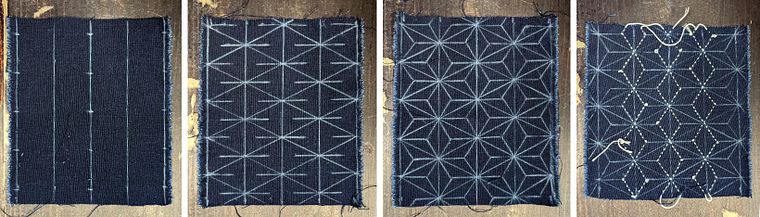
Projects by course students


Who is this online course for?
Anyone interested in Sashiko stitching, at any level.
Requirements and materials
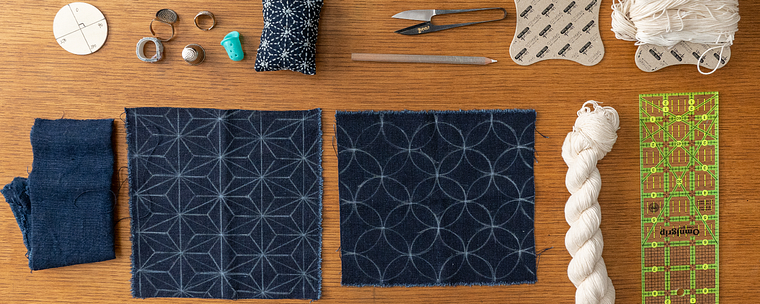
Atsushi recommends purchasing the Special Supply Package, but it’s not required. You will need thread, a Sashiko needle and thimble, and existing fabric.
Reviews
- benoithrvb92PLUS29 days ago
Magnifique introduction à la broderie Sashiko et au Boro. Mr Atsushi Futatsuya a une approche traditionnel que j’aime beaucoups. Pour moi c’est une référence dans le millieu. Je recommande à tous de suivre cette formation très intéressant et qualitative.
- anastasia_sheduPLUS1 month ago
Amazing course!
- 1 month ago
Des bases solides sur une pratique qui apporte la détente tout en créant et sauvant des vêtements. Merci de nous partager cette passion.
- 1 month ago
Me ha gustado mucho este curso por su facilidad para seguirlo y porque aúna la técnica con la cultura detrás de esa técnica. Muy bien estructurado y Atsushi Futatsuya un gran profesor, sin caer en la ortodoxia excluyente pero recordando con amor y respeto la tradición. Muy recomendable
- maria_valPLUS2 months ago
A penas estoy comenzando el curso, pero la presentación Atsushi Futatsuya y el contexto histórico del sashiko en su vida me ha parecido de las historias más emotivas y sinceras que he visto en todos los cursos que he realizado en doméstica. Cómo la situación espacio temporal marca el devenir de una cultura y como lucha por sobrevivir a lo largo de los años. Recomiendo el curso y recomiendo la pàgina de su madre.

Content
- U1
Introduction
- About Me
- Influences
- U2
Before Stitching, Preparing Is Important
- What Is Sashiko after All?
- Materials and Tools
- Preparing Fabric with Geometric Patterns 1
- Preparing Fabric with Geometric Patterns 2
- Preparing the Needle and Thread for Stitching
- U3
Sashiko Stitch to "Add" Story
- Let’s Start Stitching
- What is the "Right Size" for Stitches in Sashiko?
- Making a Knot, or No Knot
- Unshin, the Core Essence of Sashiko as a Practice
- Stitching: Completing the Pattern
- Sashiko Samples
- U4
Applying Sashiko to Your Ordinary
- Mending with Sashiko
- How to Apply Sashiko Using Technique and Mindset
- "Cultural Sustainability"
- FP
Final project
- Introduction to Japanese Sashiko Stitching
What to expect from a Domestika course
Learn at your own pace
Enjoy learning from home without a set schedule and with an easy-to-follow method. You set your own pace.
Learn from the best professionals
Learn valuable methods and techniques explained by top experts in the creative sector.
Meet expert teachers
Each expert teaches what they do best, with clear guidelines, true passion, and professional insight in every lesson.
Certificates
PLUSIf you're a Plus member, get a custom certificate signed by your teacher for every course. Share it on your portfolio, social media, or wherever you like.
Get front-row seats
Videos of the highest quality, so you don't miss a single detail. With unlimited access, you can watch them as many times as you need to perfect your technique.
Share knowledge and ideas
Ask questions, request feedback, or offer solutions. Share your learning experience with other students in the community who are as passionate about creativity as you are.
Connect with a global creative community
The community is home to millions of people from around the world who are curious and passionate about exploring and expressing their creativity.
Watch professionally produced courses
Domestika curates its teacher roster and produces every course in-house to ensure a high-quality online learning experience.
FAQs
Sashiko stitching is a traditional Japanese hand sewing technique used to repair, reinforce, and embellish fabric with decorative geometric patterns. It extends the life of garments and textiles, emphasizing sustainability and craftsmanship.
Yes, this Sashiko course is designed for beginners. It starts with the basics of materials, tools, and stitch techniques, making it accessible even if you have no prior experience with hand sewing or Japanese crafts.
You’ll need sashiko thread, a sashiko needle, a thimble, indigo or cotton fabric, and basic tools like fabric markers or chalk, a ruler, and thread clippers. The course covers how to choose and prepare each item.
You’ll learn traditional and modern Sashiko stitching techniques, pattern preparation, mending and reinforcing garments, the cultural history of Sashiko, and how to create your own personalized textile projects.
The course teaches you to prepare fabric by washing and ironing, then draw or transfer geometric patterns using rulers, templates, washable markers, or chalk for accurate stitching guides.
Yes, Sashiko is ideal for visible mending of denim and patchwork jackets. The course demonstrates how to reinforce and embellish these garments using traditional stitches and creative patch placement.
Sashiko refers to the stitching method, while Boro describes textiles with layers of patches repaired repeatedly using Sashiko stitches. The course covers both techniques and their historical context.