Cookbook Writing: Tell Stories Through Recipes
A course by Sumayya UsmaniCreative Writer and Food Educator
A course by Sumayya Usmani, Creative Writer and Food Educator

Take readers on a journey of culture and flavor by creating a cookbook that combines recipes with storytelling
“Food is the greatest medium of storytelling because it teaches you about people, and it transcends language and cultural differences”, says creative writer and food educator Sumayya Usmani. Her work weaves recipe writing and heritage together to create food narratives with soul that evoke feelings and memories. She has published award-winning books, and written and appeared in numerous publications including The New York Times and The Guardian. Sumayya regularly appears on the radio, podcasts, and at multiple book festivals, where she shares her knowledge and expertise.
In this course, she teaches you how to create content for a cookbook that tells a story as you explore narrative storytelling and recipe writing. Learn about the elements needed to write a clear, easy-to-follow cooking process, how to give your food context inspired by personal experiences, and how you can take your book from page to publication. Share recipes full of heart and flavor.
What will you learn in this online course?
13 lessons & 14 downloads
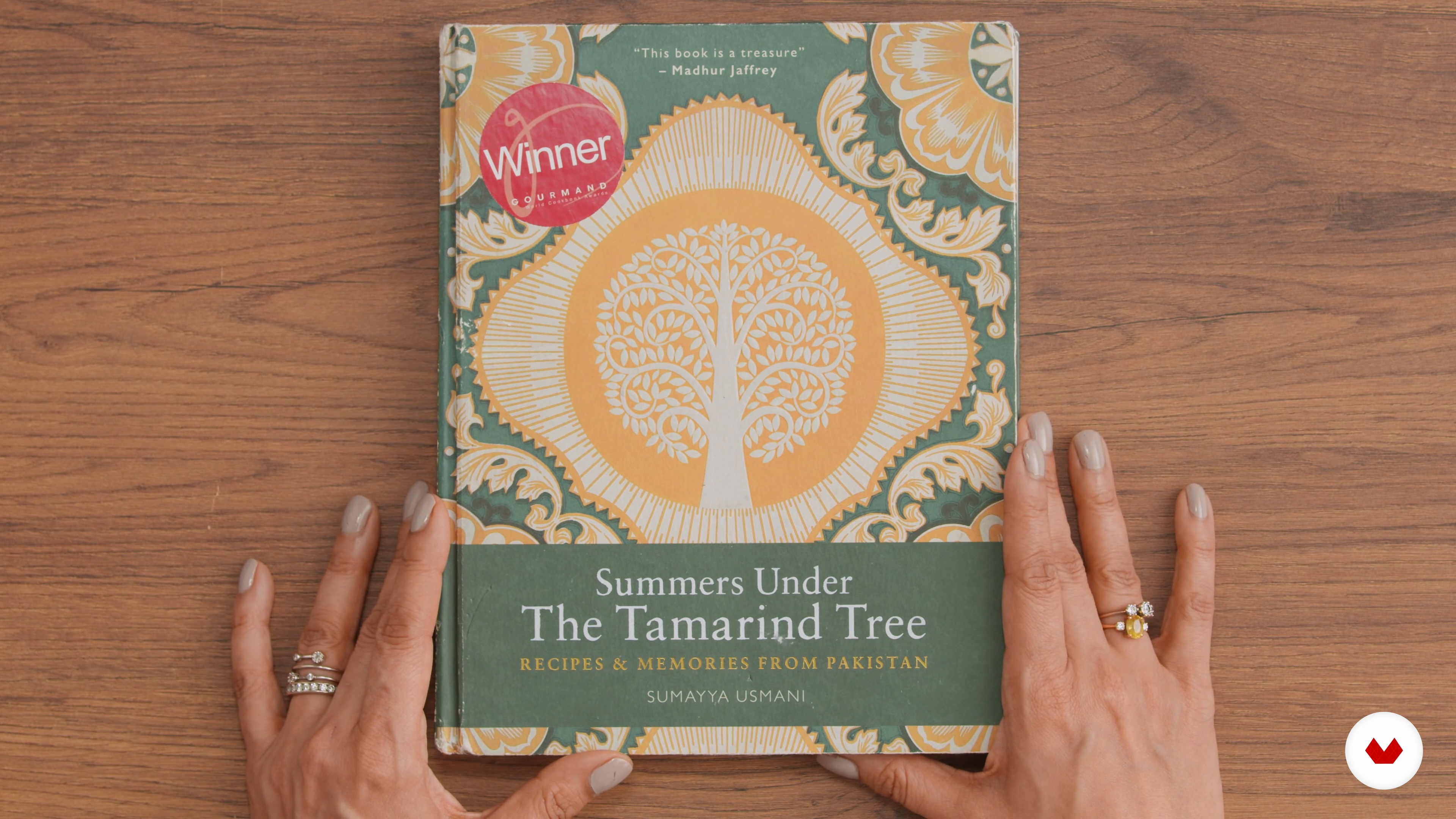
Why and How to Start a Cookbook
8 minutes, 55 seconds
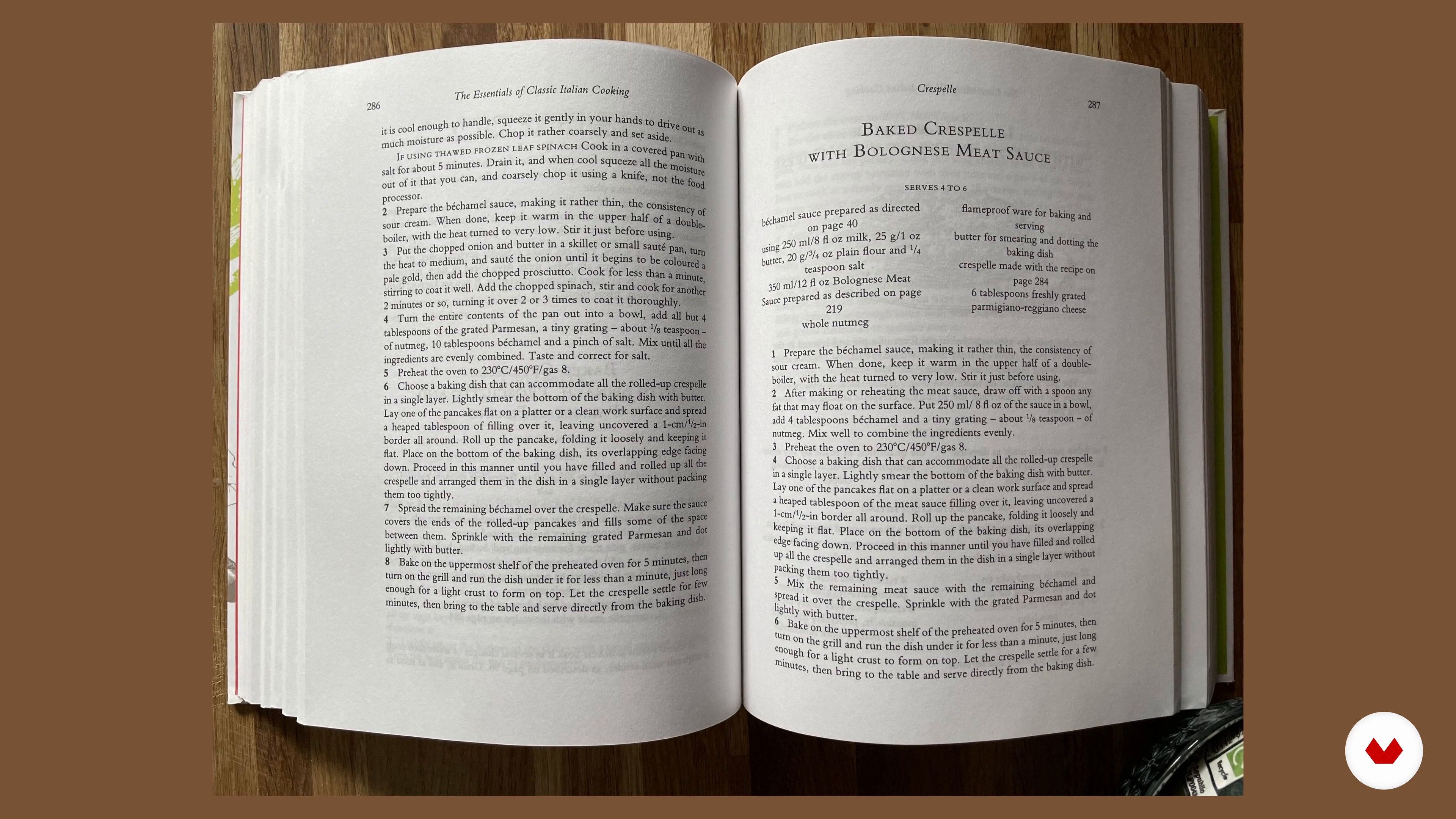
Methodology
7 minutes, 33 seconds
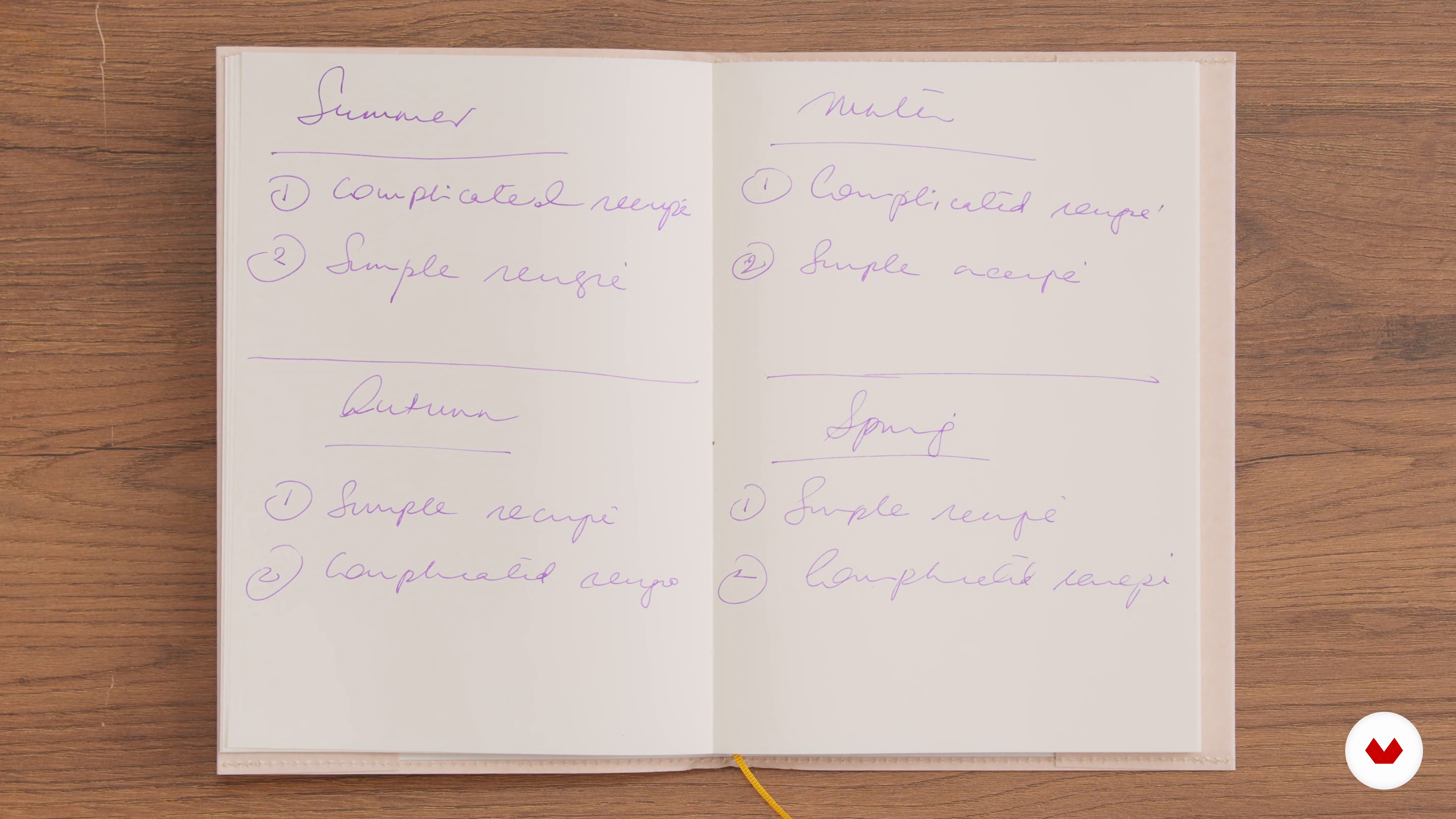
Breaking Down the Chapters
3 minutes, 51 seconds
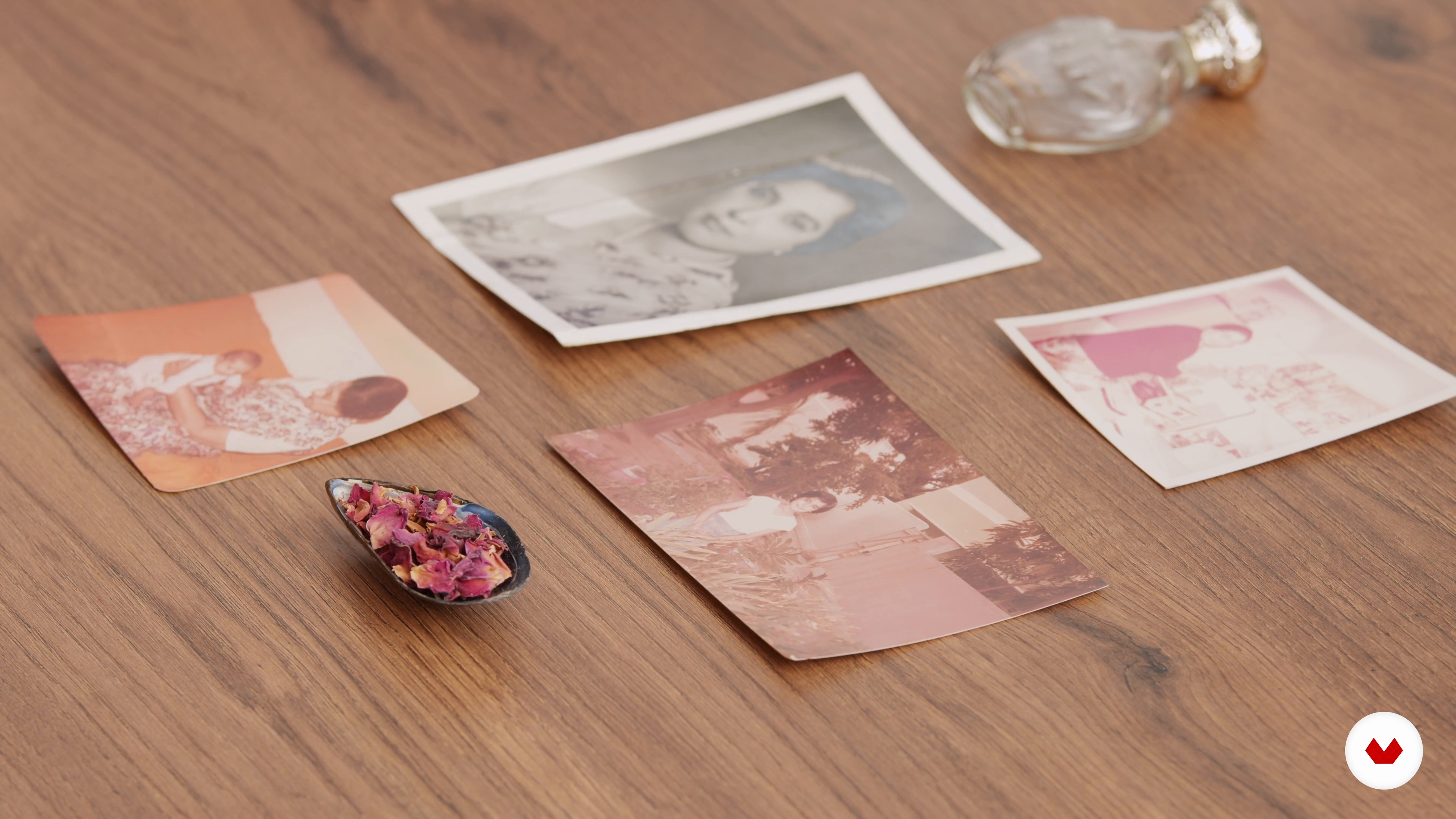
The Beginning of a Chapter
7 minutes, 35 seconds
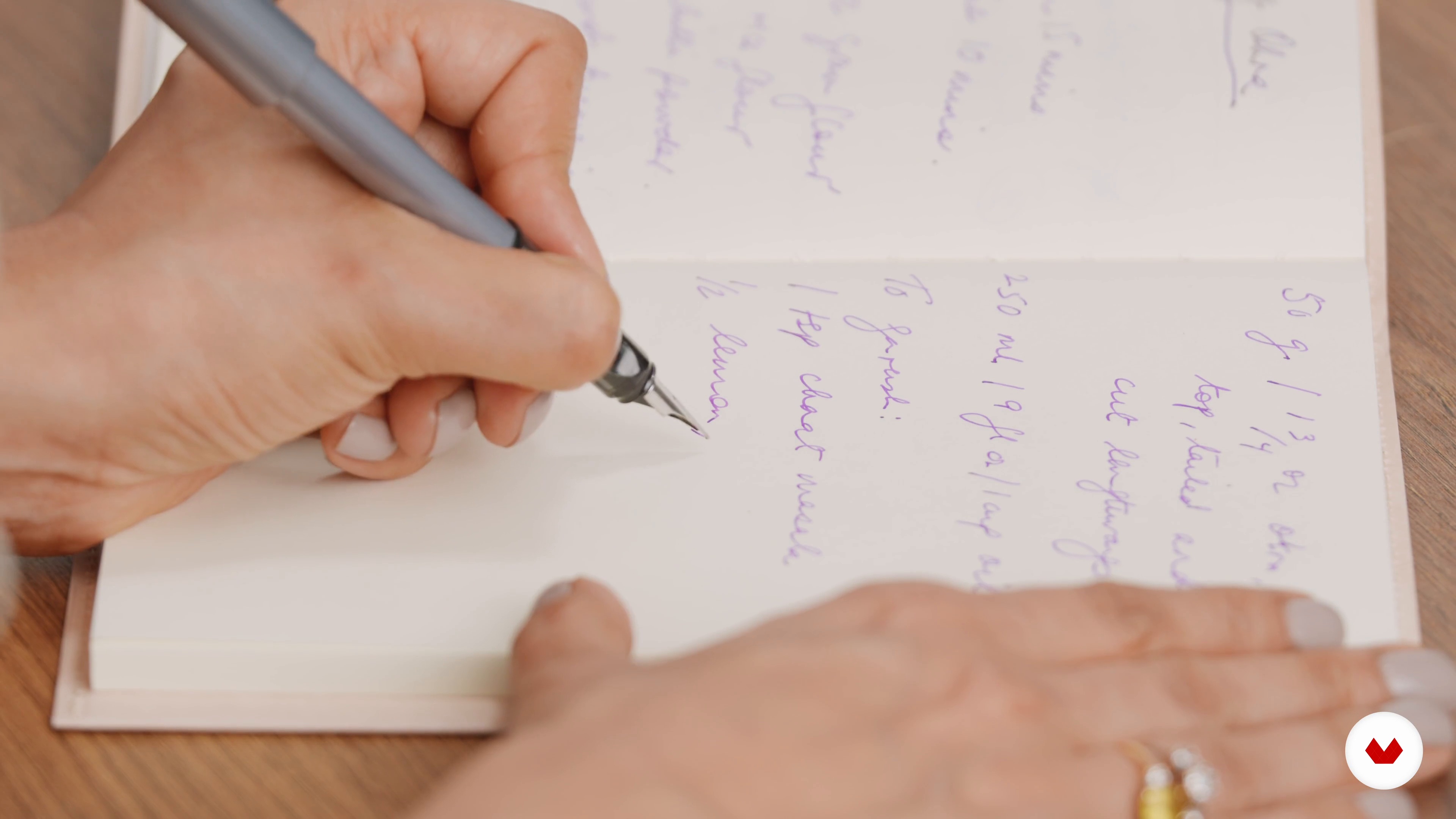
Writing a Simple Recipe
14 minutes, 20 seconds
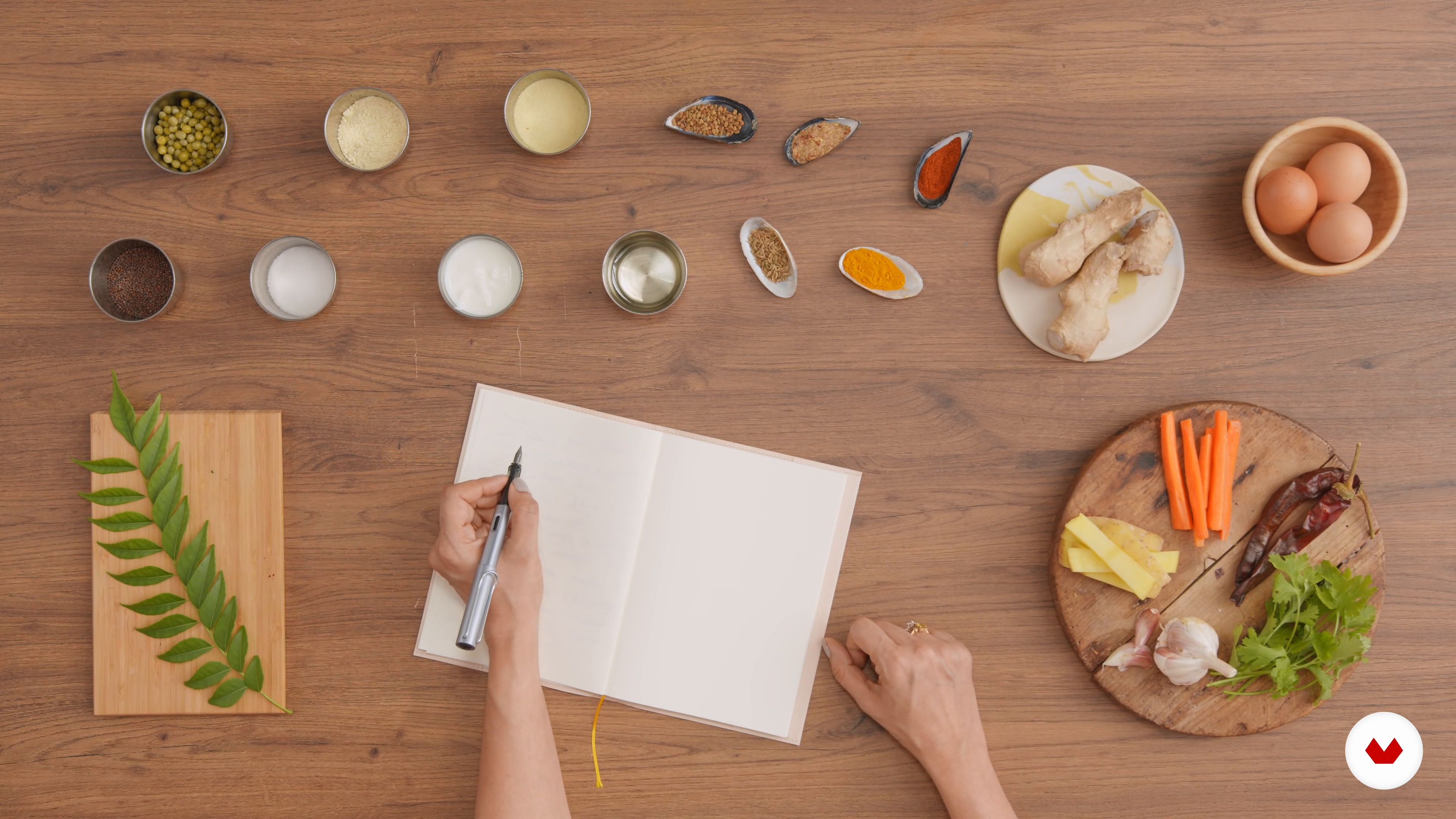
Writing a Two-Step Recipe
16 minutes, 33 seconds
What's included in this course?
Begin the course by meeting award-winning creative writer and food educator, Sumayya Usmani. She explains the childhood experiences that became the foundations for her love of food, along with the writers who have influenced her career.
Sumayya discusses why cookbooks should be written, the different types that exist, and considerations when writing one, including market research, photography, and recipe testing. Then, dig deeper into the main elements of a cookbook as Sumayya takes you through the different steps of producing one. Learn how to create a theme for your book, and break down and establish the chapters. Look at creating enough material to pitch your cookbook to a publisher, and how to put a proposal together.
Delve into storytelling and recipe writing. Discover how to incorporate narrative into the introduction of a chapter, using Sumayya’s real-life memories as a guide. Learn to write a story surrounding a recipe, exploring ways to weave in personal experience, and how to inspire readers to cook. Then Sumayya explains how to write a simple recipe, before moving on to how to write your two-step recipe. Next, she shows you how to conclude your cookbook, including acknowledgements and credits if they’re relevant to your work.
End the course with Sumayya’s advice and insight on how to get published, including how to pitch your book to potential publishers as well as tips on how to self-publish.
What is this course's project?
Create two recipes: the first; a simple, easy-to-follow recipe including ingredients, measurements, sequence and method. The second; a two-part, more complex, recipe.
Write two stories: the first; a narrative surrounding your simple recipe, which can be either based on your heritage or your personal life. The second; a 600-word story which can serve as the beginning of a chapter, or the narrative surrounding your cookbook.

Projects by course students


Who is this online course for?
This course is for anyone who is interested in sharing recipes and the stories that surround them, in the form of a cookbook. It’s also ideal for those looking to learn how to create a cookbook proposal to pitch to publishing agents.
Requirements and materials
To take this course all you need is a basic knowledge of cooking and writing, and an eagerness to develop storytelling skills.

Reviews
- 8 months ago
¡Excelente! Un curso bien explicado, ameno e inspirador.
- 8 months ago
The best course I had among others.
- 9 months ago
Concise and yet very complete, very happy I am doing this course
- 11 months ago
Practical and inspirational advise on creating a professional and unique cookery book.
- 1 year ago
Muy útil, didáctico, entretenido y la forma en que se muestra el curso es super llevadera

Sumayya went on to practice law for 12 years in London and Pakistan. However, in 2012 she quit law in pursuit of her passion; food writing and teaching. Now based in Glasgow, her life-long love for writing, along with her natural flair, has led her to publish award-winning cookbooks. Her latest book is a food memoir, and ventures further into creative writing, which has won the Scottish Book Trust’s Next Chapter Award in 2021. Sumayya regularly appears at multiple book festivals such as the Edinburgh Book Festival, she has written for and appeared in numerous publications including in The New York Times, The Guardian, and on BBC Food, amongst others. She’s a guest speaker on many podcasts and a regular on BBC Radio. Sumayya also hosts cooking classes, and is a committee member of the Guild of Food Writers.
Content
- U1
Introduction
- About Me
- Influences
- U2
Ingredients of a Cookbook
- Why and How to Start a Cookbook
- Methodology
- Breaking Down the Chapters
- Structure Needed for a Pitch
- U3
Creating the Narrative for Your Cookbook
- The Beginning of a Chapter
- The Story Surrounding the Recipe
- Writing a Simple Recipe
- Writing a Two-Step Recipe
- The Conclusion
- U4
Taking Your Cookbook to the Next Stage
- Pitching Your Book to a Publisher
- Tips for Self-Publishing
- FP
Final project
- Cookbook Writing: Tell Stories Through Recipes
What to expect from a Domestika course
Learn at your own pace
Enjoy learning from home without a set schedule and with an easy-to-follow method. You set your own pace.
Learn from the best professionals
Learn valuable methods and techniques explained by top experts in the creative sector.
Meet expert teachers
Each expert teaches what they do best, with clear guidelines, true passion, and professional insight in every lesson.
Certificates
PLUSIf you're a Plus member, get a custom certificate signed by your teacher for every course. Share it on your portfolio, social media, or wherever you like.
Get front-row seats
Videos of the highest quality, so you don't miss a single detail. With unlimited access, you can watch them as many times as you need to perfect your technique.
Share knowledge and ideas
Ask questions, request feedback, or offer solutions. Share your learning experience with other students in the community who are as passionate about creativity as you are.
Connect with a global creative community
The community is home to millions of people from around the world who are curious and passionate about exploring and expressing their creativity.
Watch professionally produced courses
Domestika curates its teacher roster and produces every course in-house to ensure a high-quality online learning experience.
FAQs
Yes, this course is designed for beginners and guides you step-by-step through documenting family recipes, food storytelling, and cookbook creation, even if you have no prior writing or publishing experience.
You only need a notepad or digital device for writing, an interest in food heritage or family recipes, and basic internet access. No prior culinary or writing experience is required.
You’ll learn how to document and test recipes, use storytelling techniques, organize cookbook chapters, conduct market research, create engaging food photography, and pitch your cookbook to publishers or self-publish successfully.
The course teaches you to gather, test, and write family recipes with accurate measurements and engaging narratives, ensuring your culinary heritage is preserved and accessible for future generations.
'Andazah' is a sensory, intuitive approach to cooking without strict measurements. The course shows how to translate this tradition into written recipes while maintaining authenticity and clarity for readers.
You’ll learn narrative techniques to connect recipes to personal stories, family traditions, and cultural heritage, making your cookbook emotionally resonant and unique.
Yes, the course covers structuring chapters, organizing recipes by theme or season, and creating cohesive chapter introductions and recipe lists.