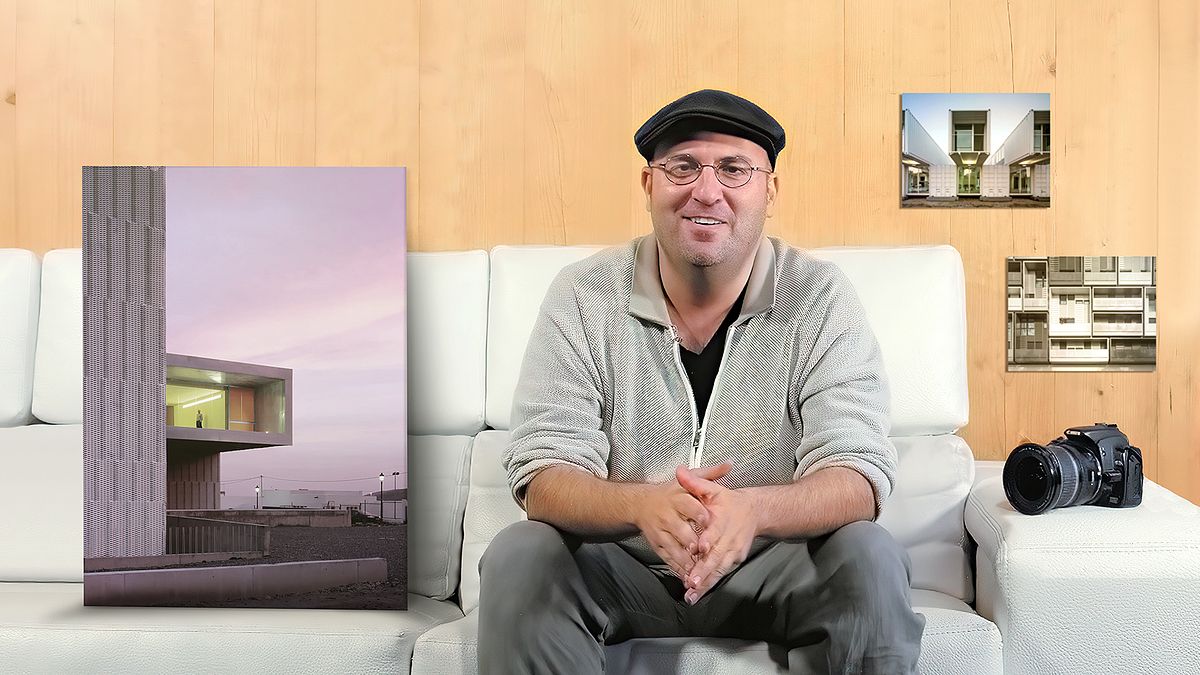
Immersion in Architectural Photography
A course by Jesús GranadaArchitectural Photographer
A course by Jesús Granada, Architectural Photographer

Learn to create an architectural photo essay capturing the essence of a space
Every architectural space tells an original story. In each corner, there are countless narratives waiting to be discovered—storylines that reveal the true nature of a place and immerse us in a unique atmosphere.
In this online course, delve into the process of developing a professional architectural photo essay, weaving together a visual narrative that showcases the distinctive character of a space, and build a solid theoretical and technical foundation that will equip you to photograph any space confidently and enjoy the endless possibilities in this branch of photography. Follow Jesús Granada as he walks you through a real-life commissioned project of a picturesque wooden house. Learn to analyze and plan the narrative structure, discovering the tools and methods involved and exploring ways to present your work to the client.
What will you learn in this online course?
23 lessons & 37 downloads
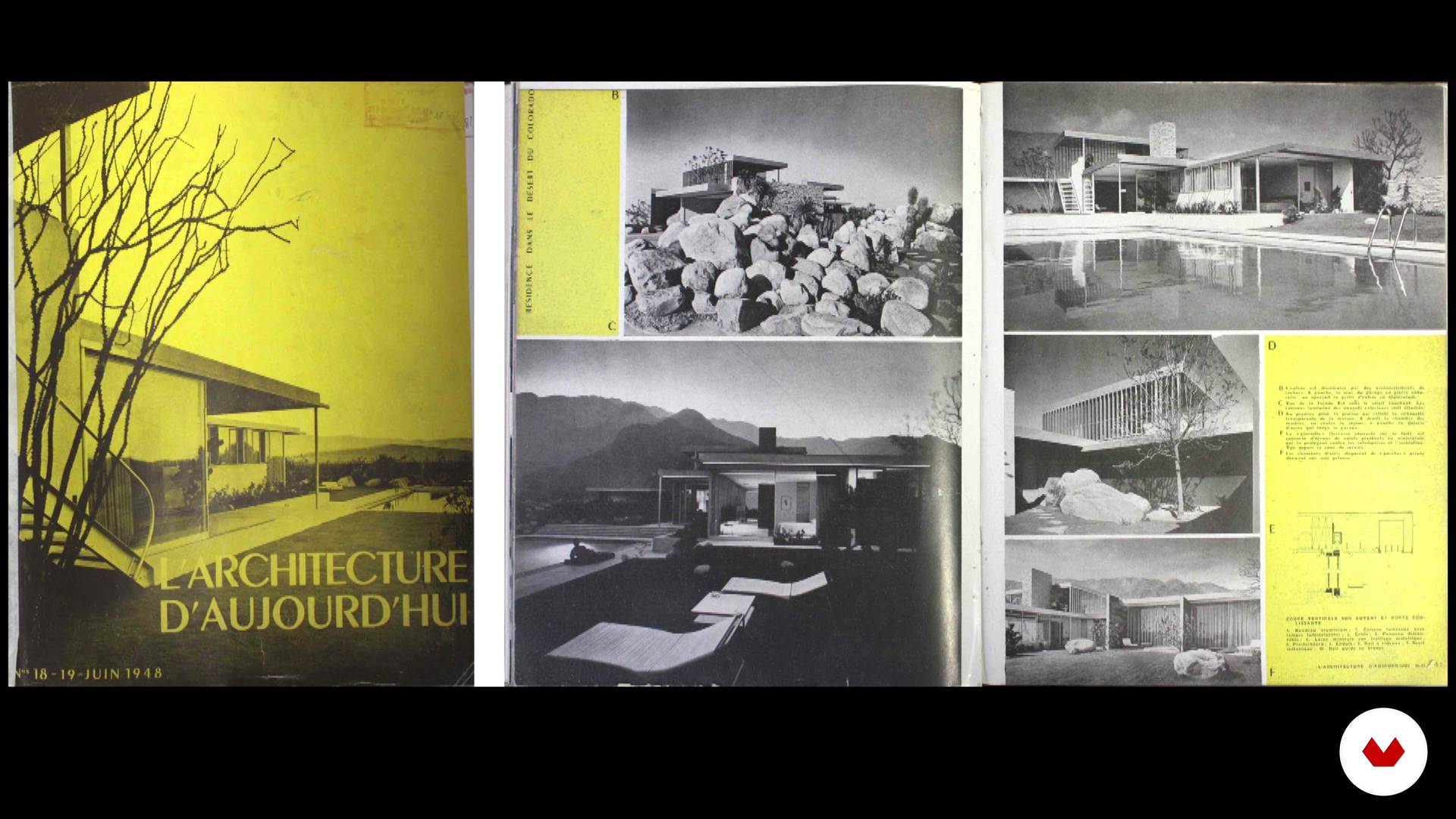
Brief historical introduction
13 minutes, 8 seconds
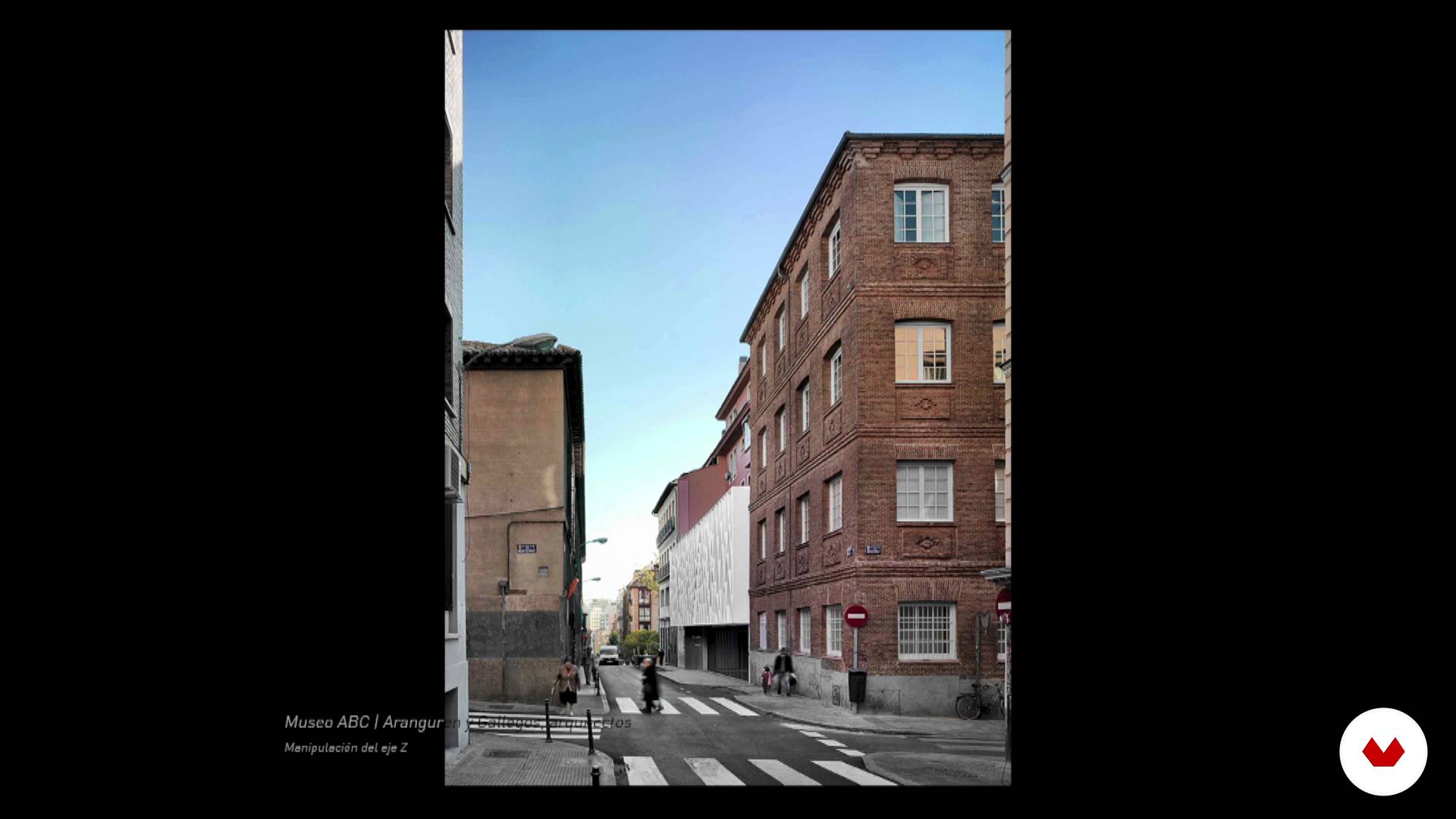
Narrative foundations
19 minutes, 58 seconds
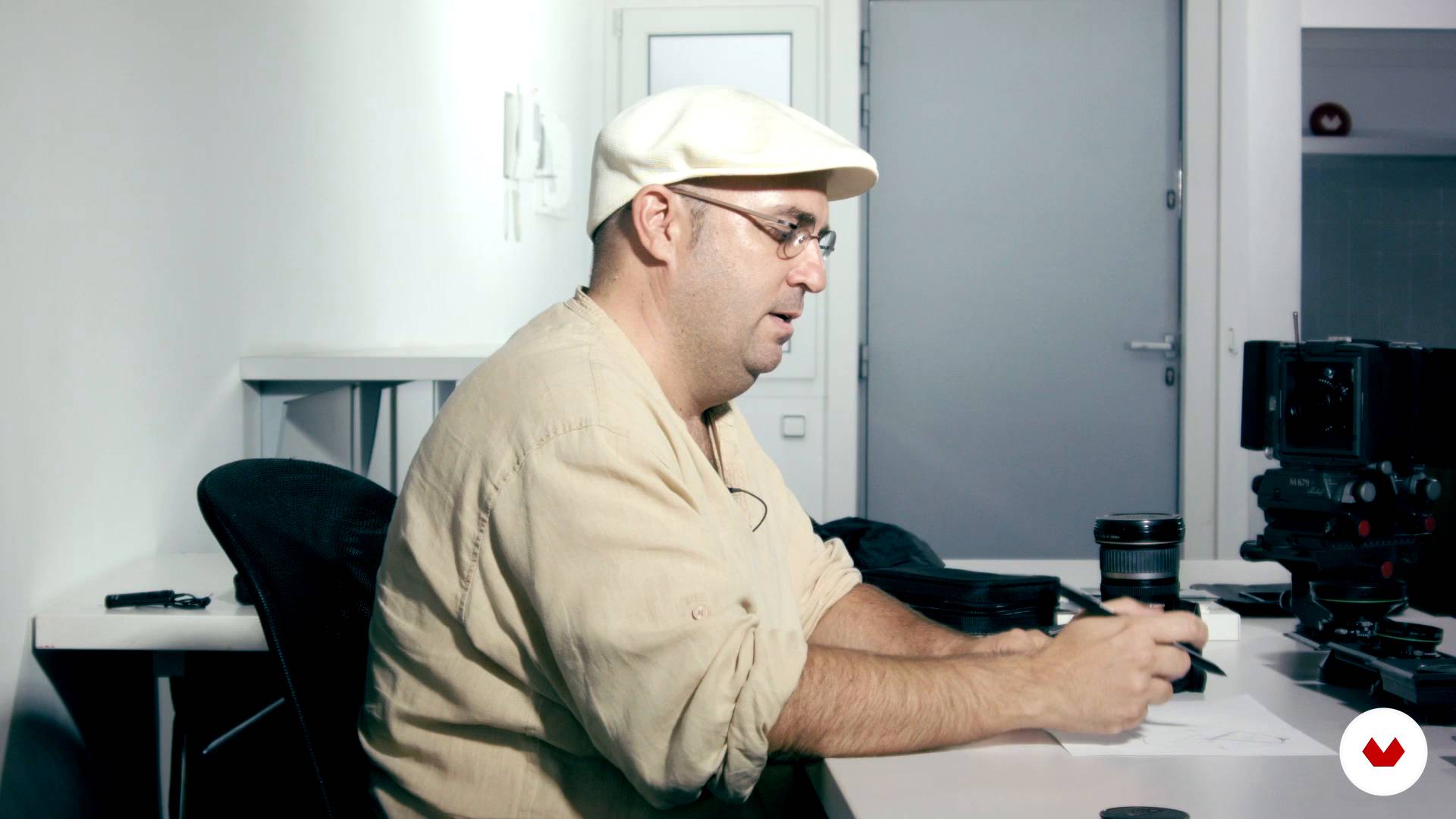
Types of camera to work in architecture
16 minutes, 27 seconds
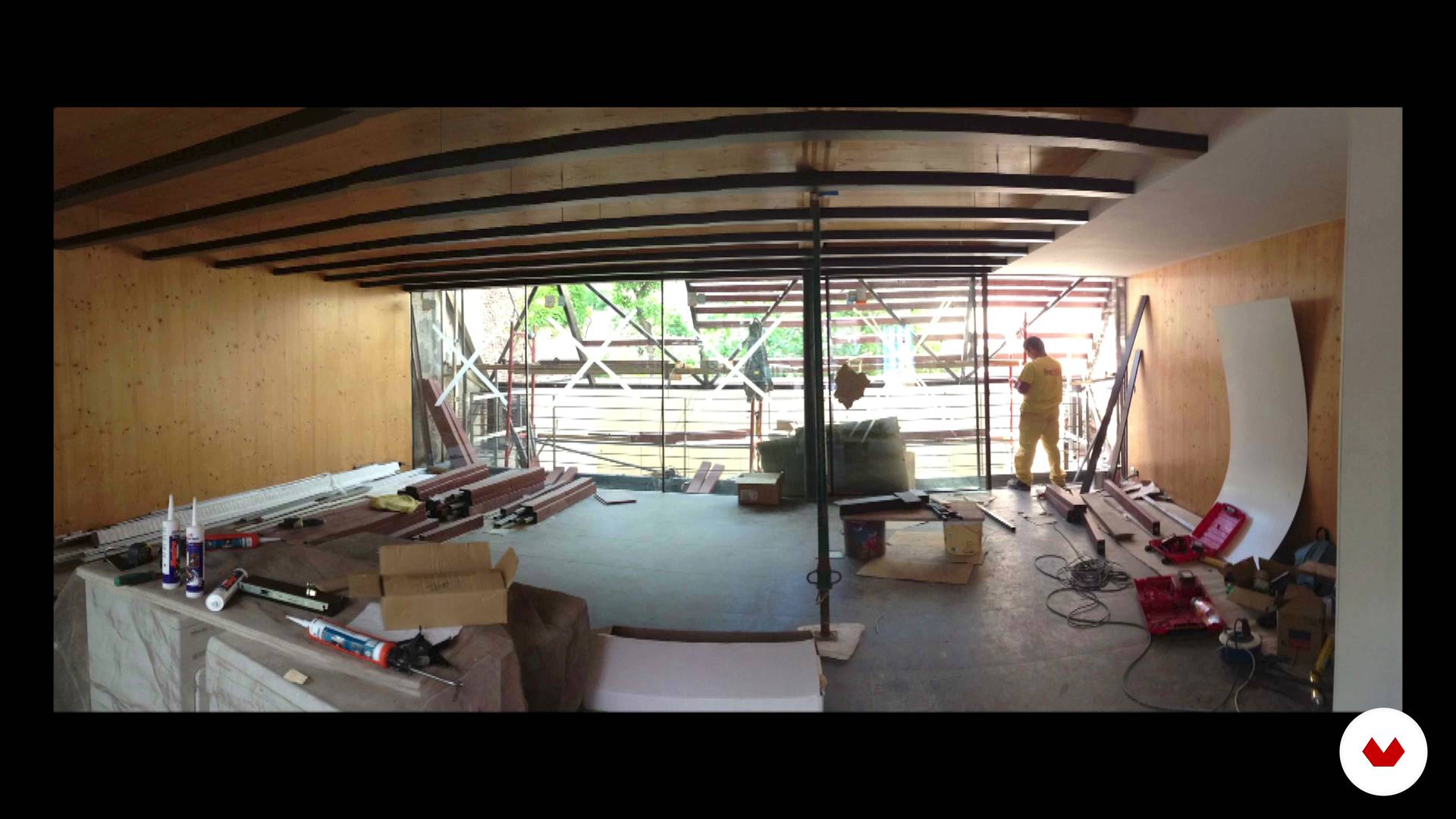
How is the space to be photographed?
2 minutes, 7 seconds
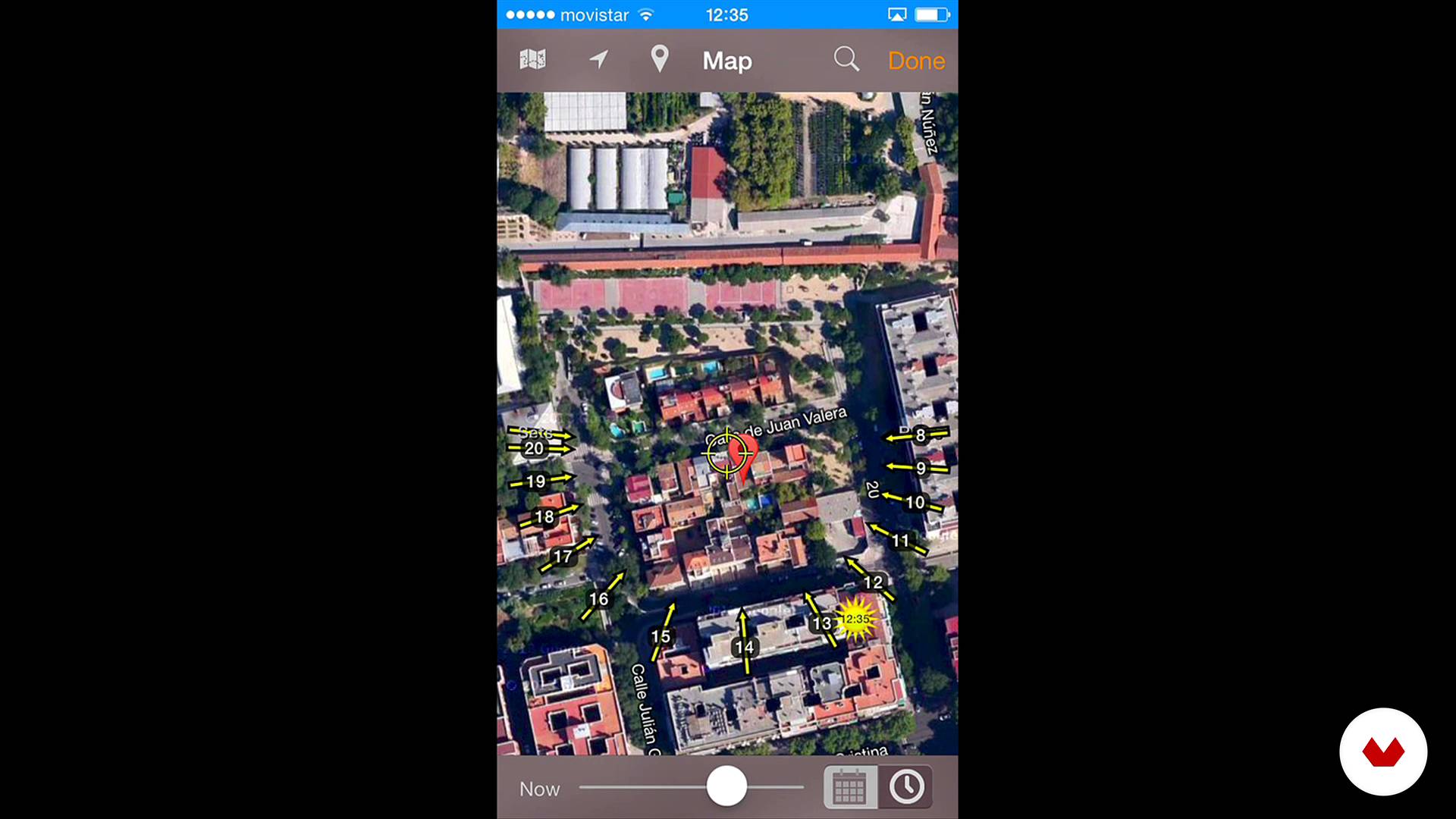
What are the circumstances in which we are going to work?
9 minutes, 21 seconds
Narrative structure of my report (Recorrido)
5 minutes, 3 seconds
What's included in this course?
Start by getting to know Jesús and his work as he gives you an overview of his influences, the books that have inspired him, and the historical evolution of architectural photography.
Next, learn some fundamental narrative concepts drawn from a variety of different art forms such as painting and film.
Get to work by exploring the set, familiarizing yourself with the tools you need, and analyzing the natural lighting conditions in the space.
Using your observations as a guide, piece together the narrative structure of your photo essay to capture the true essence of the location.
To finish up, discover several go-to mobile apps that can help you carry out your project and learn to organize your post-production workflow at the studio by applying Jesús' tricks to edit and compile your photos seamlessly.
Recommended software & tools for this course
What is this course's project?
Plan out and put together a photo essay consisting of 20 images that showcase any space you choose with a clear narrative.

Projects by course students


Who is this online course for?
Anyone who works with architectural spaces in any capacity, including students in the fields of architecture, engineering, or fine arts, as well as professional architects, interior designers, set designers, 3D visualization specialists, and anyone who wants to develop their narrative abilities by representing a space visually. This course is also perfect for both amateur and professional photographers interested in architecture, as well as tireless travelers who want to enhance the photos they take during their adventures.
Requirements and materials
To take this course, you need basic knowledge of photography, a reflex camera, and experience processing RAW photos digitally. You also need paper and a pencil, a computer with Lightroom installed, and a desire to capture the unique stories hidden within every space.

Reviews
- 5 months ago
hoping to learn the basics I need.
- 5 months ago
1000000%
- 8 months ago
El curso me resultó muy bueno! Es un recorrido completo de todos los aspectos específicos de la fotografía de arquitectura. El profesor explica muy bien y se preocupa por compartir información útil y conceptos interesantes. Es un curso para quienes ya tienen algo de conocimiento de fotografía general.
- 11 months ago
Increpible, gran contenido y el aprendizaje pleno.,
- 11 months ago
A very good course on architectural photography. The content is comprehensive and also practical. The English subtitles need improvement

His work has been published in collaboration with magazines and publishers such as El Croquis, Casabella, ICON, The Plan, A+U Japan, AMC Le Moniteur, I+D New York, Bauwelt, AIT, Gustavo Gili, and A. Mondadori, as well as newspapers like El País, The New York Times, El Mundo, La Vanguardia, ABC, and Il Corriere. He has also worked with top companies like adidas, iGuzzini, Flos, Porcelanosa, Akaba, Malpesa, Cosentino, Schüco, Klein, and countless others.
His love for architecture and travel photography is as alive today as it was at the very beginning, and he strives to make this passion tangible in his work.
Content
- U1
Basic concepts
- Who am I, what do I do and what can I teach you?
- My influences and references
- Brief historical introduction
- Narrative foundations
- U2
Planning our work
- Types of camera to work in architecture
- How is the space to be photographed?
- What are the circumstances in which we are going to work?
- Narrative structure of my report (Recorrido)
- Narrative structure of my report (Approach)
- U3
Types of photographs
- Context photographs
- Composite photographs
- Interior photographs
- Photographs with action
- Detail photographs
- Night photographs
- U4
Production. Shooting our photographs
- In action following the schedule
- U5
Postproduction, development and labeling
- The return trip
- Organization in the study (theory)
- Organization in the study (practice)
- Development and processing of our photos 1
- Development and processing of our photos 2
- Cataloging, labeling and delivery 1
- Cataloging, labeling and delivery 2
- FP
Final project
- Immersion in architectural photography
What to expect from a Domestika course
Learn at your own pace
Enjoy learning from home without a set schedule and with an easy-to-follow method. You set your own pace.
Learn from the best professionals
Learn valuable methods and techniques explained by top experts in the creative sector.
Meet expert teachers
Each expert teaches what they do best, with clear guidelines, true passion, and professional insight in every lesson.
Certificates
PLUSIf you're a Plus member, get a custom certificate signed by your teacher for every course. Share it on your portfolio, social media, or wherever you like.
Get front-row seats
Videos of the highest quality, so you don't miss a single detail. With unlimited access, you can watch them as many times as you need to perfect your technique.
Share knowledge and ideas
Ask questions, request feedback, or offer solutions. Share your learning experience with other students in the community who are as passionate about creativity as you are.
Connect with a global creative community
The community is home to millions of people from around the world who are curious and passionate about exploring and expressing their creativity.
Watch professionally produced courses
Domestika curates its teacher roster and produces every course in-house to ensure a high-quality online learning experience.
FAQs
You’ll learn how to document and visually tell the story of architectural spaces, master composition techniques, analyze blueprints, plan photo essays, and use specialized tools and cameras for both contemporary and traditional architectural photography.
This is an intermediate-level course, perfect for those with basic photography skills who want to deepen their understanding of techniques and storytelling applied to architecture.
You’ll need a DSLR or mirrorless camera, preferably with tilt-shift lenses. Access to editing software like Photoshop and Lightroom is recommended, along with basic gear like a tripod and apps for analyzing sunlight.
The course covers techniques such as using a view camera, tilt-shift lens photography, panorama stitching, vertical line correction, and composing complex scenes to narrate architectural spaces.
Yes, you’ll learn to use both digital and manual tools like a compass, solar forecast apps, and sunlight analysis methods to plan your shoots and enhance image quality.
The course explores both traditional and contemporary approaches, highlighting technical and conceptual differences—from documenting traditional Japanese architecture to representing modern works using digital technologies.
You’ll learn how to build a coherent photo sequence by selecting viewpoints, details, and key scenes that tell the story of a space and highlight the architect’s intent.