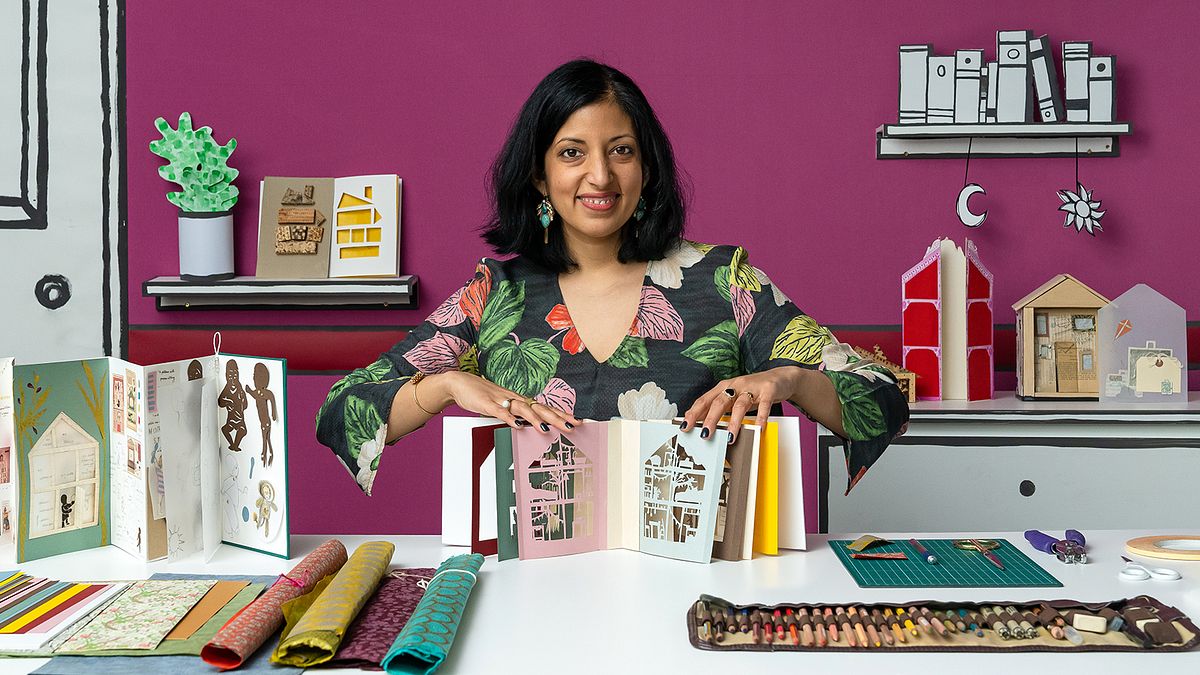
Paper Playground: Create a Papercut Picturebook
A course by Karishma ChuganiArtist, Illustrator, and Educator
A course by Karishma Chugani, Artist, Illustrator, and Educator

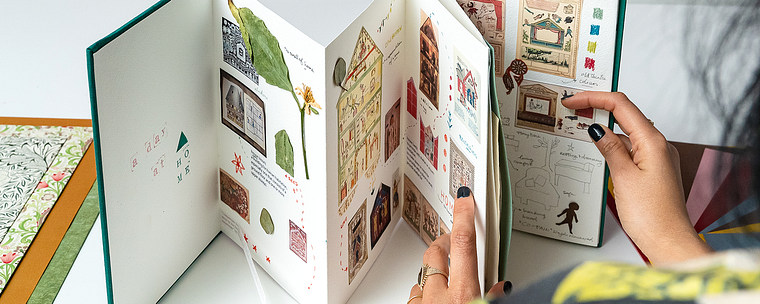
Create a paper universe full of possibilities using visual ideas from your sketchbook and paper cutting techniques to bring them to life
For artist Karishma Chugani, the art of paper cutting is a way of connecting with a more intuitive sense of creativity. She believes that playing with paper cutting techniques–both inside and outside the sketchbook–helps reduce the fear of the blank page and discover a place filled with inspiring possibilities.
Learn Karishma’s entire creative process when developing an illustrated book for children. See how to use your sketchbook to explore ideas and play with a series of cutting and folding techniques to then create a dummy of your first papercut picturebook, ready to share with publishers.
This is Karishma’s third course on Domestika. If you would like to further explore the world of paper cutting, go to Paper Cutting Techniques for Storytelling. If you’d like to explore illustration techniques to develop your creative process, go to: Inside a Creative Notebook: Explore Your Illustration Process.
What will you learn in this online course?
18 lessons & 43 downloads
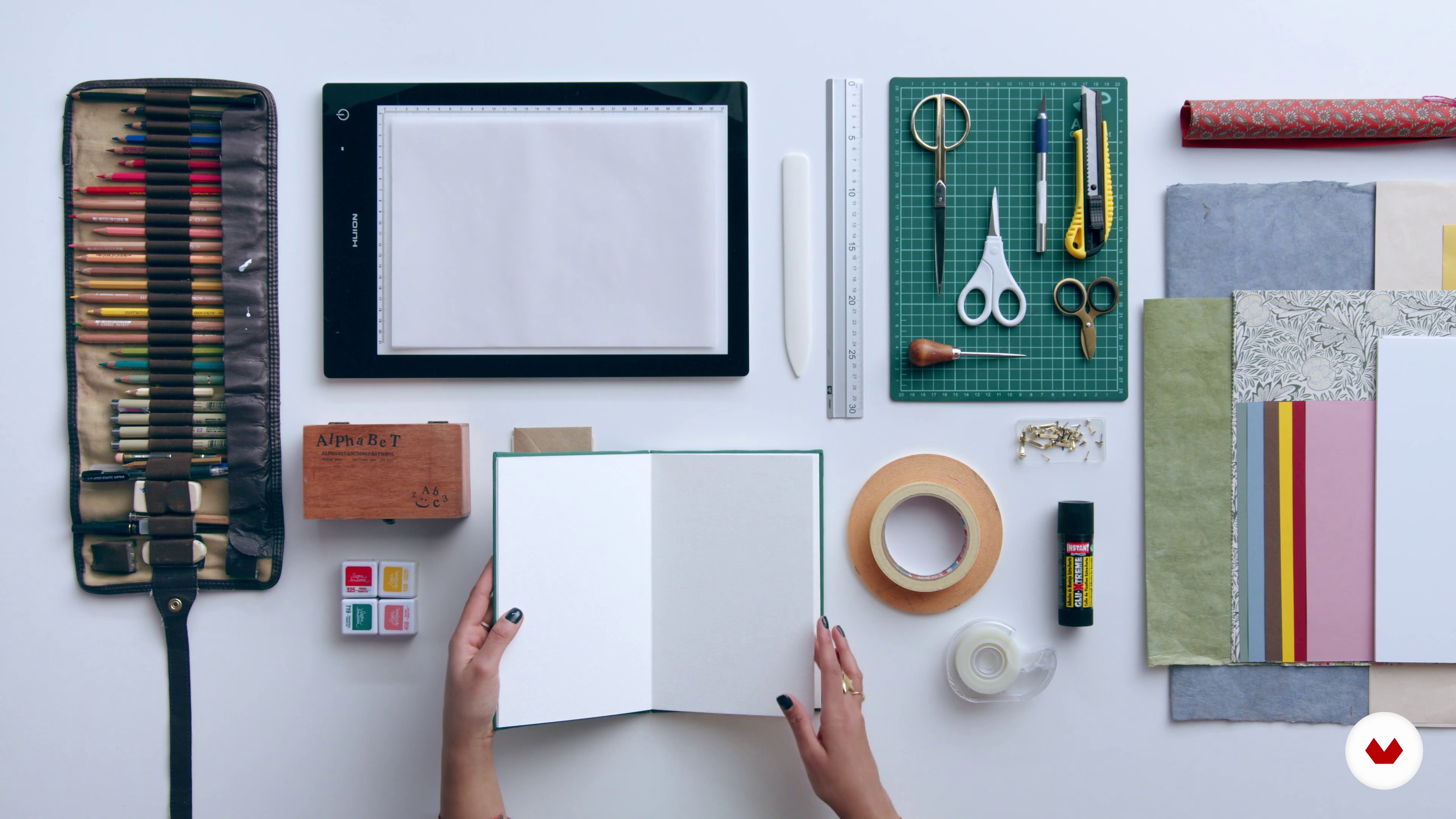
What’s in Your Toolbox?
9 minutes, 8 seconds
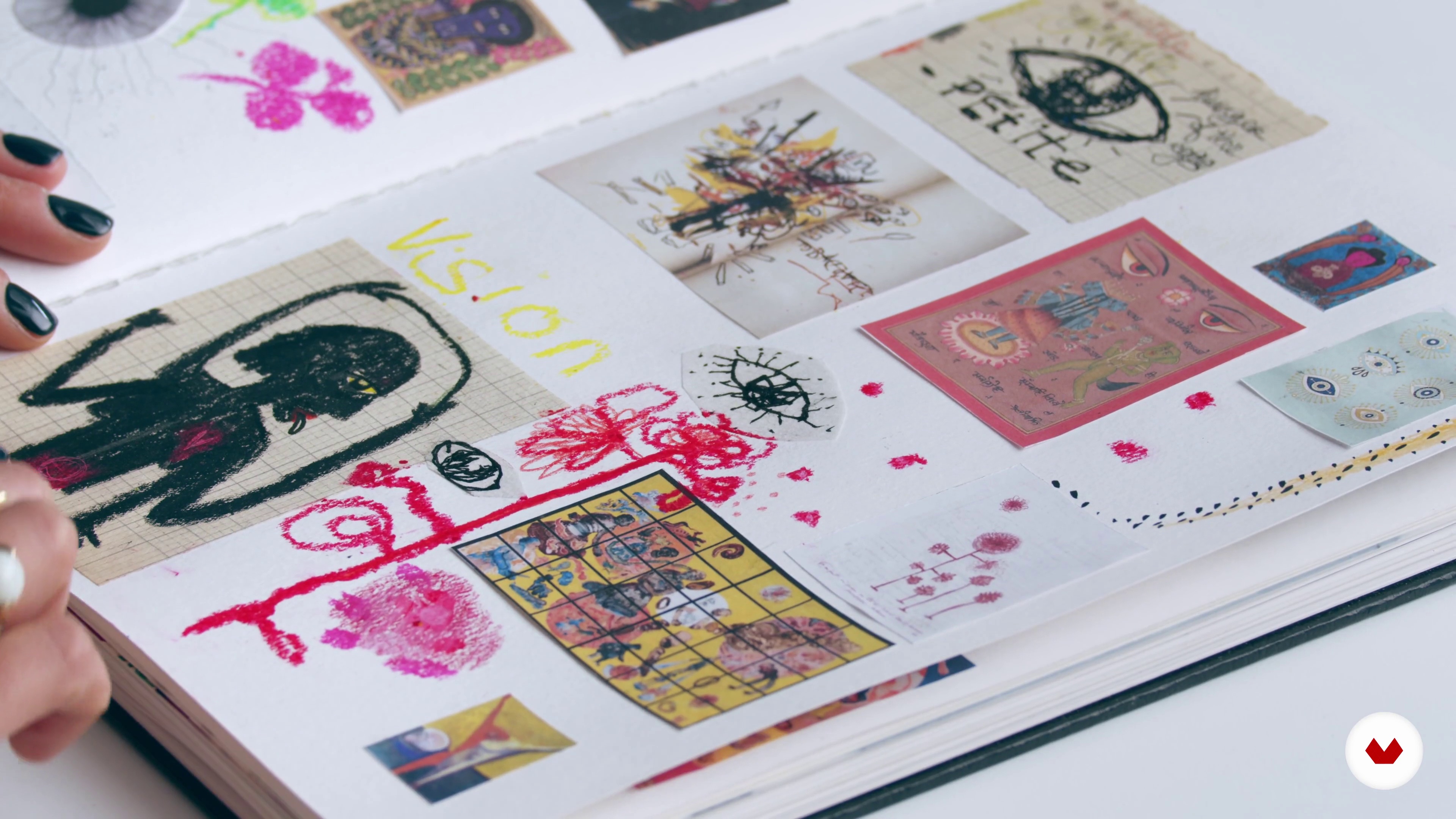
Creating a World Inside Your Sketchbook 1
14 minutes, 59 seconds
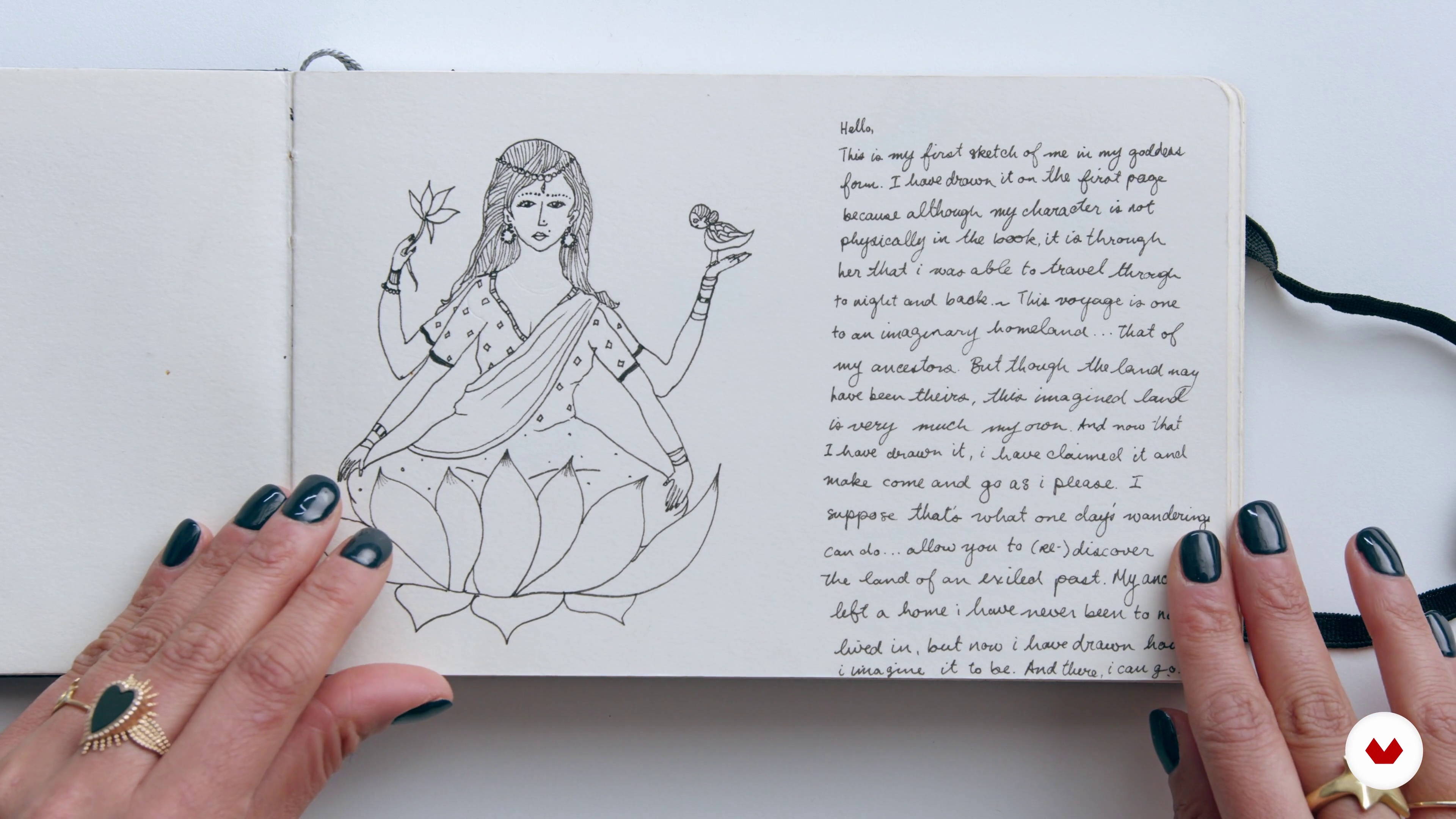
Creating a World Inside Your Sketchbook 2
18 minutes, 55 seconds
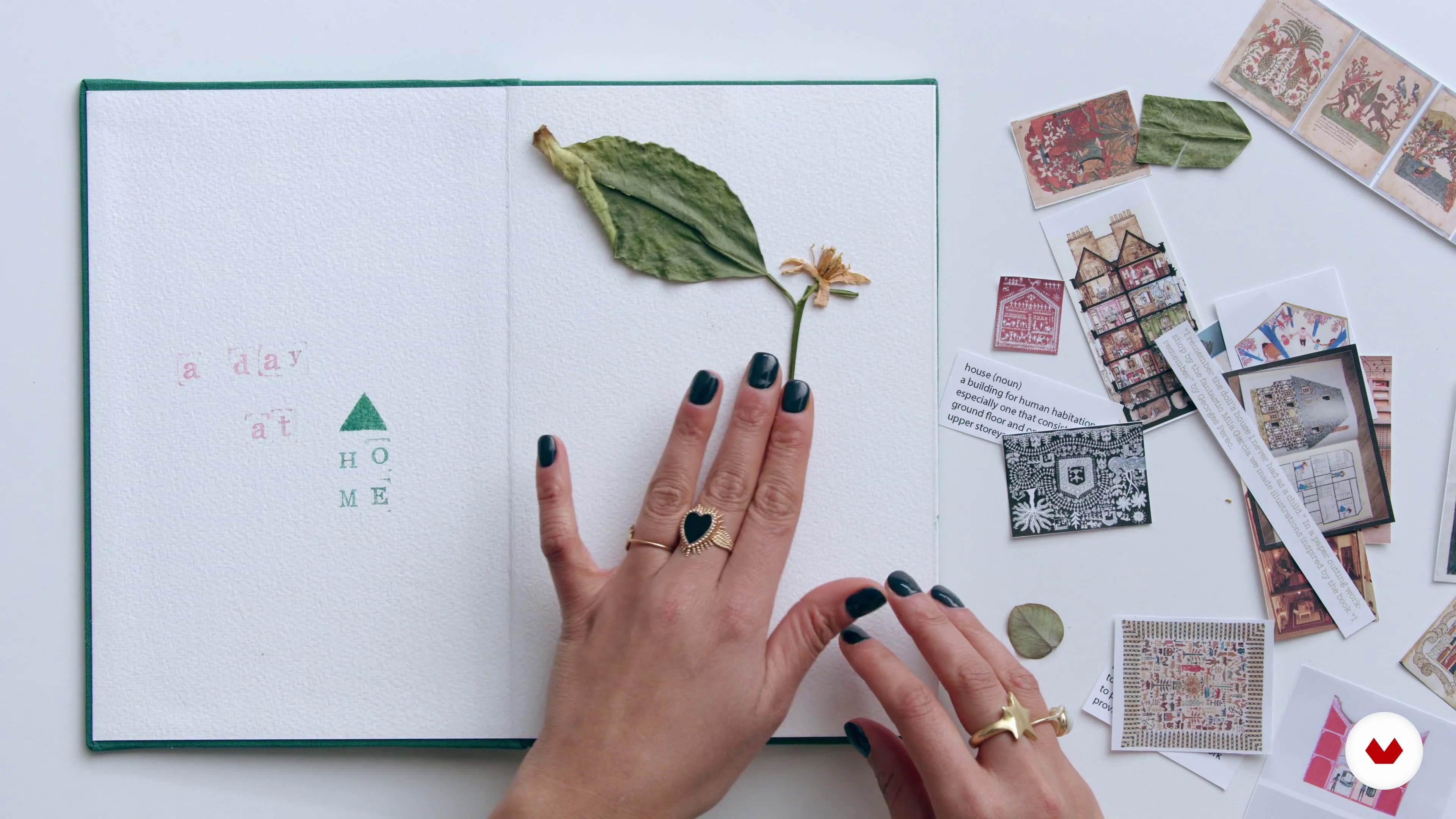
Planting a Story Seed 1
13 minutes, 10 seconds
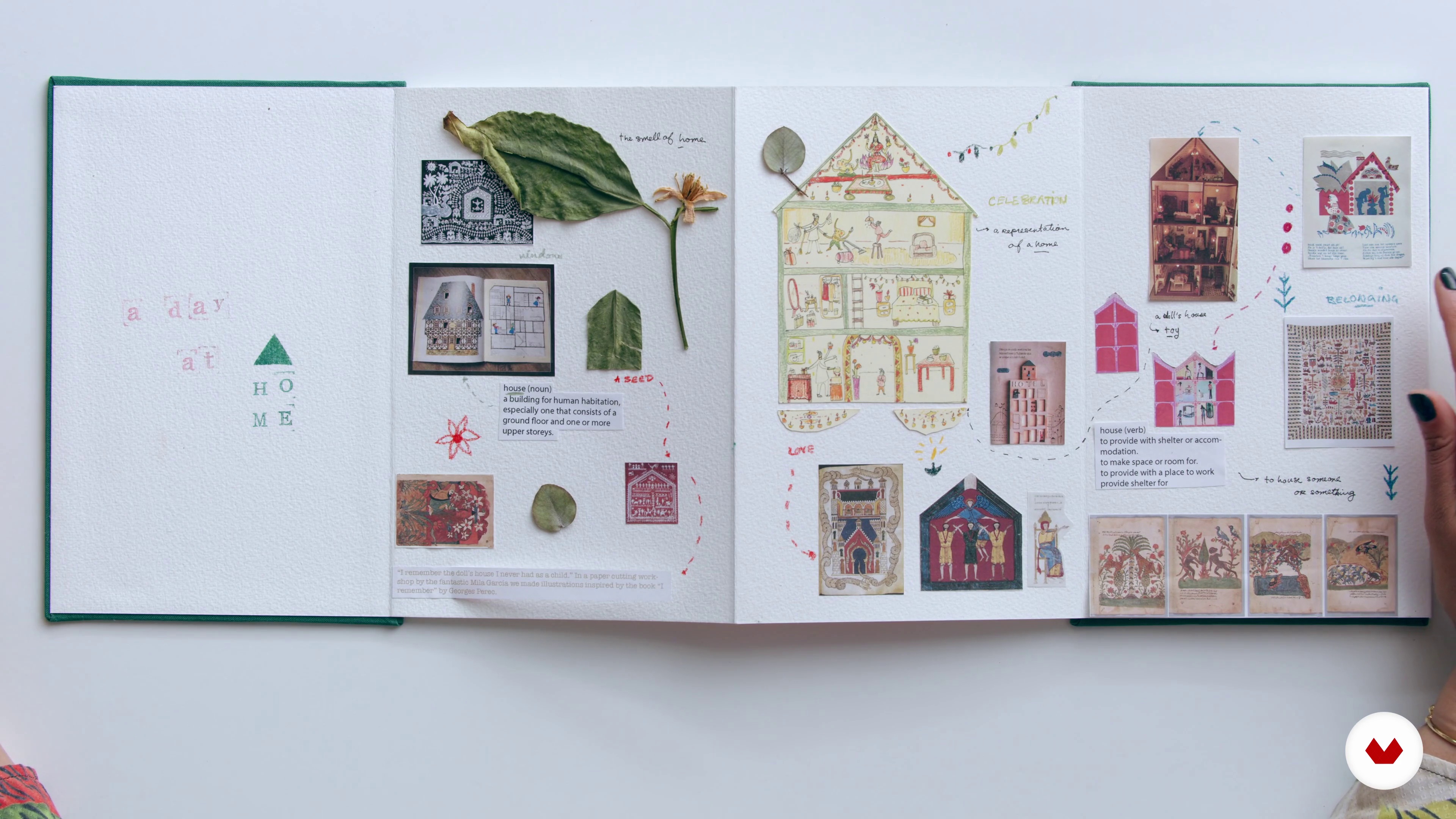
Planting a Story Seed 2
14 minutes, 46 seconds
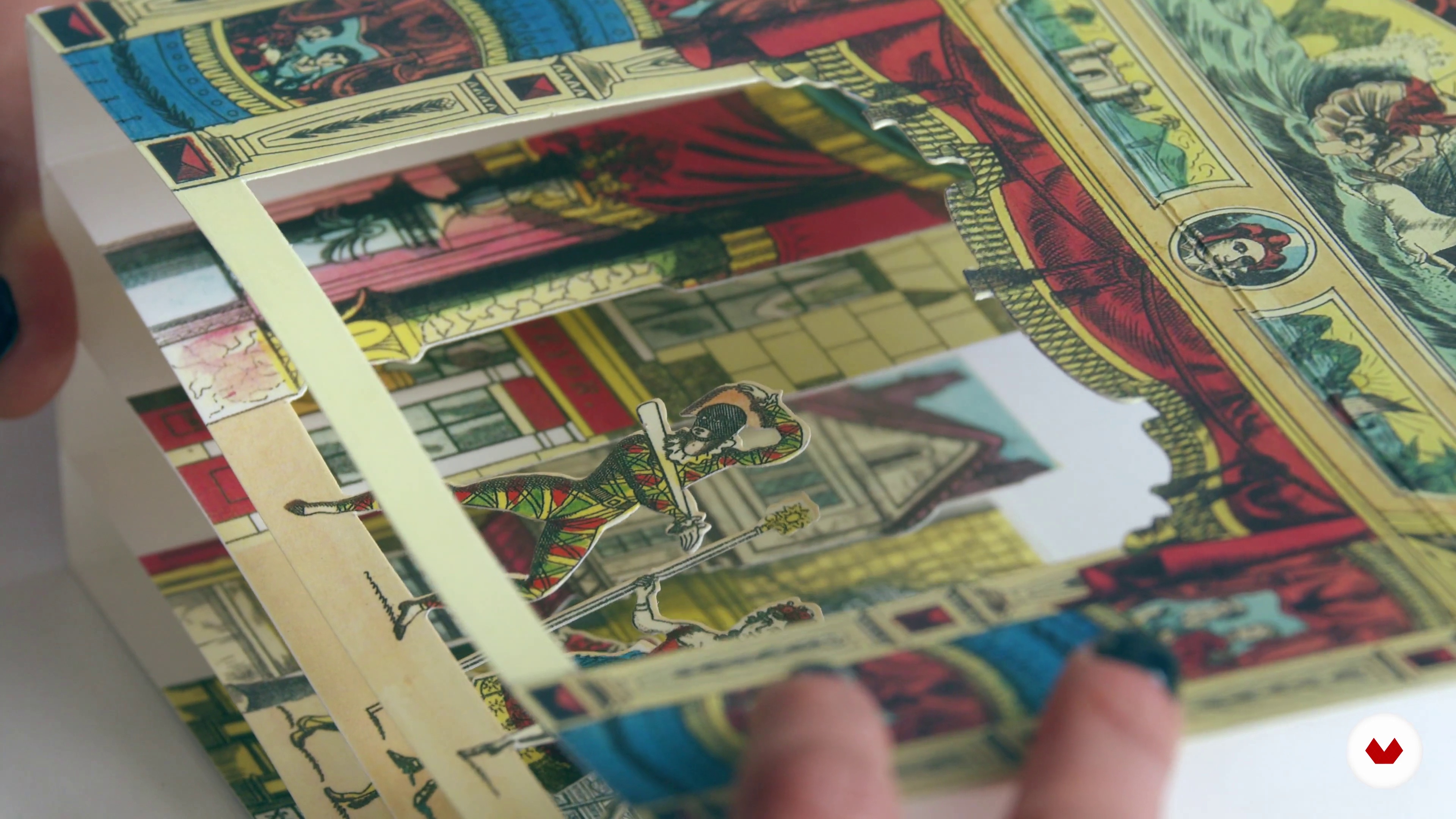
Entering a Paper Playground 1
16 minutes, 50 seconds
What's included in this course?
Meet Karishma and discover the most important moments in her artistic career. Delve into her inspiring artistic influences and see interesting paper formats for books and toys.
Learn about the importance of creating a toolbox that grows along with your skills. Explore Karishma’s sketchbooks to visualize her entire creative process and take a look at her sketchbook manual to understand her method. Begin playing with an idea for a story by using just three elements, creating a quick paper cut format for each. Then, start your own paper playground. Have fun with simple cutting formats and explore a naif method of expression.
Discover different book formats and see how each one offers its own distinct narrative. Develop your narrative from nighttime to daytime with basic cuts and folds for your first dummy. Then, create your pop-up accordion book and your tunnel book sample.
Hear Karshima’s advice on how to publish your book by looking at a series of options. Finish the course by seeing more references to awaken your curiosity to keep looking, learning, and making.
What is this course's project?
Create a dummy of a picturebook using simple paper cutting, collage, and bookbinding techniques; and complete an illustration for the book using the visual language developed inside your sketchbook.
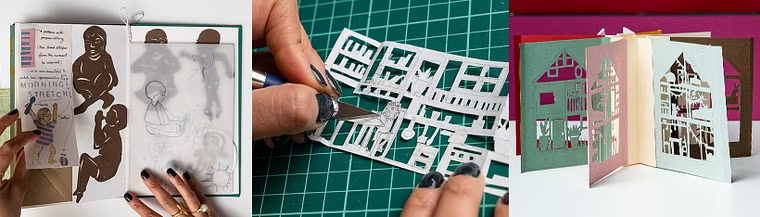
Projects by course students


Who is this online course for?
This course is for illustrators and designers who would like to expand their knowledge on paper cut book formats.
Requirements and materials
Basic drawing skills and some experience with paper cutting are recommended, but not necessary.
As for materials, you will need a good quality sketchbook to experiment with mixed techniques and water-based mediums (between A5 and A4), a pair of scissors, a scalpel, piercer, a cutter, a cutting board, pencils or ink pens, an eraser, a pencil sharpener, coloring materials of your choice (watercolors, coloring pencils, or inks), paper for your dummy (not too thick), material for binding (stick glue, a needle and thread, bone folder, magic tape, a metal ruler), and some inspirational printed images, photos, and texts.
Reviews
- 2 months ago
Me encanta!!! Vuelvo a él continuamente, quiero tener todos los de esta docente. 100% recomendable
- 5 months ago
Polecam kurs i prowadzącą dla osób ceniących kreatywność.
- 8 months ago
A great course, wonderfully paced, Karishma had a beautiful voice and a heartfelt story to share. Her knowledge and advice really inspires the learner to explore this wonderful craft. Thankyou 🌱
- 8 months ago
A very interesting course which explores how different paper formats and paper cutting can contribute to telling a story. The instructor is very knowledgeable and provides a lot of resources from different cultural contexts in addition to the main content. I highly recommend this course to anyone who is interested in book illustration.
- 8 months ago
Todo muy bien explicado. un curso muy bonito. gracias

Karishma has worked as a fashion designer, published several books, and participated in collective and solo exhibitions internationally. She also teaches creative workshops to children, teachers, and illustrators at her mobile school L’École de Papier, as well as institutions like Institut Français Madrid & Casablanca, Casablanca American School, Colegio Santa Isabel Madrid, and Libreria Gil in Santander. Her clients include Jerraflore, Le Chocolat des Francais, Marketing Magazine France, Jamini Paris, and the toy shop Wonderland.
Content
- U1
Introduction
- About Me
- Influences
- U2
Inside Your Sketchbook
- What’s in Your Toolbox?
- Creating a World Inside Your Sketchbook 1
- Creating a World Inside Your Sketchbook 2
- Planting a Story Seed 1
- Planting a Story Seed 2
- Entering a Paper Playground 1
- Entering a Paper Playground 2
- U3
Outside Your Sketchbook
- What Is My Book Going to Look Like? 1
- What Is My Book Going to Look Like? 2
- Creating a Dummy: Collection of Folded Cards
- Creating a Dummy: Pop-up Accordion 1
- Creating a Dummy: Pop-up Accordion 2
- Creating a Dummy: Tunnel Book 1
- Creating a Dummy: Tunnel Book 2
- U4
Inviting People Into Your Paper Playground
- Publishing Tips
- Developing Your Paper Playground
- FP
Final project
- Paper Playground: Create a Papercut Picturebook
What to expect from a Domestika course
Learn at your own pace
Enjoy learning from home without a set schedule and with an easy-to-follow method. You set your own pace.
Learn from the best professionals
Learn valuable methods and techniques explained by top experts in the creative sector.
Meet expert teachers
Each expert teaches what they do best, with clear guidelines, true passion, and professional insight in every lesson.
Certificates
PLUSIf you're a Plus member, get a custom certificate signed by your teacher for every course. Share it on your portfolio, social media, or wherever you like.
Get front-row seats
Videos of the highest quality, so you don't miss a single detail. With unlimited access, you can watch them as many times as you need to perfect your technique.
Share knowledge and ideas
Ask questions, request feedback, or offer solutions. Share your learning experience with other students in the community who are as passionate about creativity as you are.
Connect with a global creative community
The community is home to millions of people from around the world who are curious and passionate about exploring and expressing their creativity.
Watch professionally produced courses
Domestika curates its teacher roster and produces every course in-house to ensure a high-quality online learning experience.
FAQs
You'll learn how to use sketchbooks, paper cutting, collage, and paper engineering techniques to create interactive, narrative-driven books and toys for children, including pop-up, accordion, and tunnel books, as well as storyboarding, watercolor illustration, and tactile book formats.
This course is designed for intermediate learners with some prior experience in illustration, design, or basic papercraft techniques. Beginners may find it challenging but can still benefit with dedication.
You’ll need a sketchbook, various papers, cutting tools like a scalpel and bone folder, adhesives, drawing materials, watercolor supplies, tracing paper, and basic collage tools. A lightbox and stamping materials are optional but helpful.
The course guides you through concept development, storyboarding, visual research, and hands-on techniques to design and build unique, interactive children's books and narrative paper art pieces from start to finish.
You'll explore pop-up books, accordion books, tunnel books, die-cut books, story boxes, paper theaters, mini books, articulated paper dolls, and movable paper toys, focusing on both traditional and innovative structures.
Drawing skills are helpful but not required. You can focus on collage, paper cutting, layering, and tactile techniques to create compelling visual stories, with guidance on integrating illustration as needed.
Yes, the course covers comprehensive sketchbook methodologies, including idea development, visual research, annotation, and composition planning for illustrated storytelling projects.