Illustration of Natural Elements in Watercolor
A course by Franncine de Miranda (Estúdio Luares)Illustration Studio
A course by Franncine de Miranda (Estúdio Luares), Illustration Studio

Create a library of illustrations of nature and represent your vision of the world through watercolor
Nature's colors, textures, and symbols are a fantastic source of inspiration when getting started with watercolor. Fearless creation—this is illustrator Franncine de Miranda's aim at her artistic experimentation lab, Estúdio Luares. The studio's goal is to translate feelings into images and brings objects capable of transforming a space to life.
In this course, learn to create a library of illustrations inspired by nature through unique painting techniques. Whatever your style, develop your own creative language and create original illustrations alongside Franncine.
What will you learn in this online course?
16 lessons & 21 downloads

What will we do on the course?
2 minutes, 34 seconds
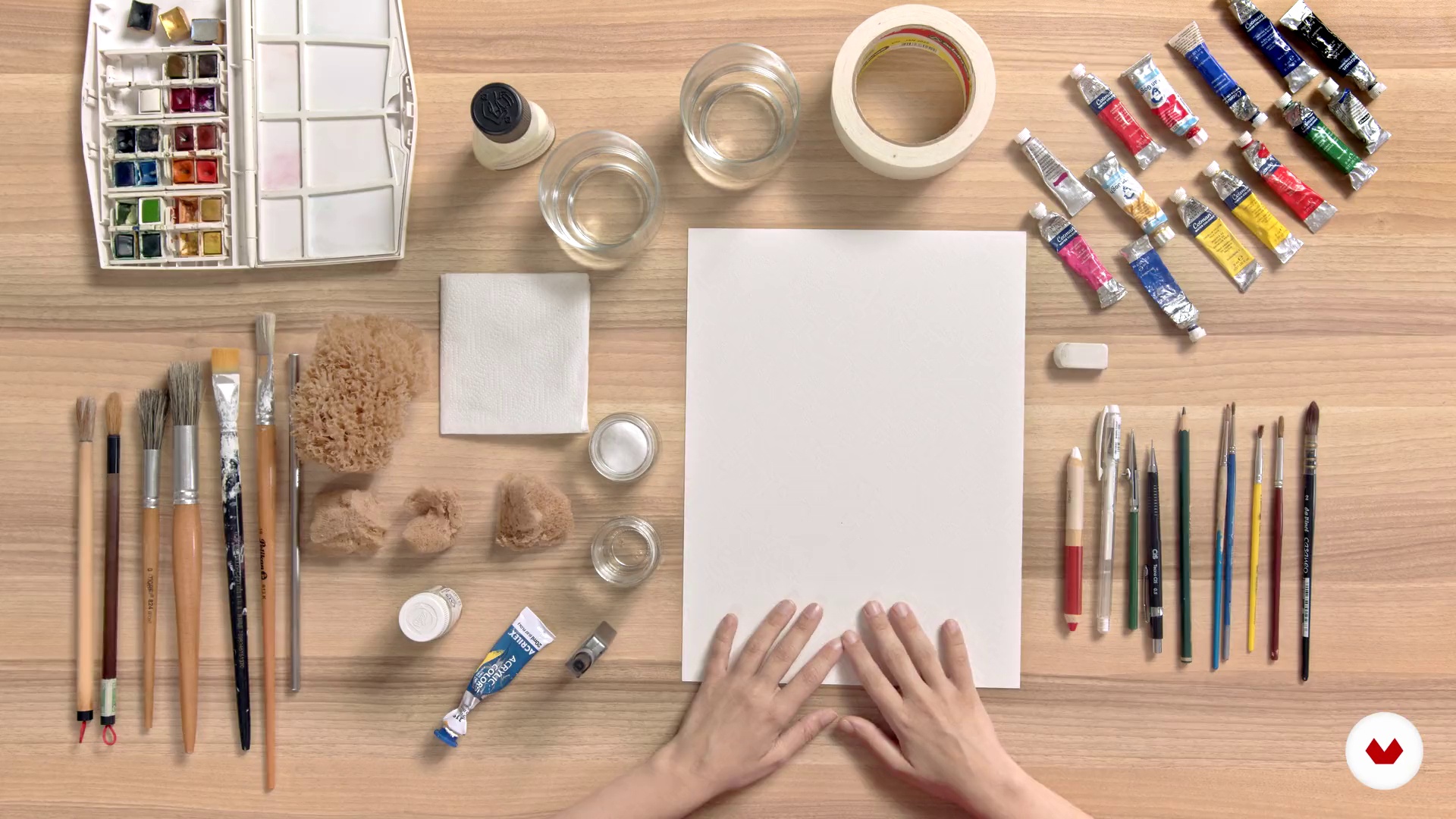
Materials
5 minutes, 16 seconds
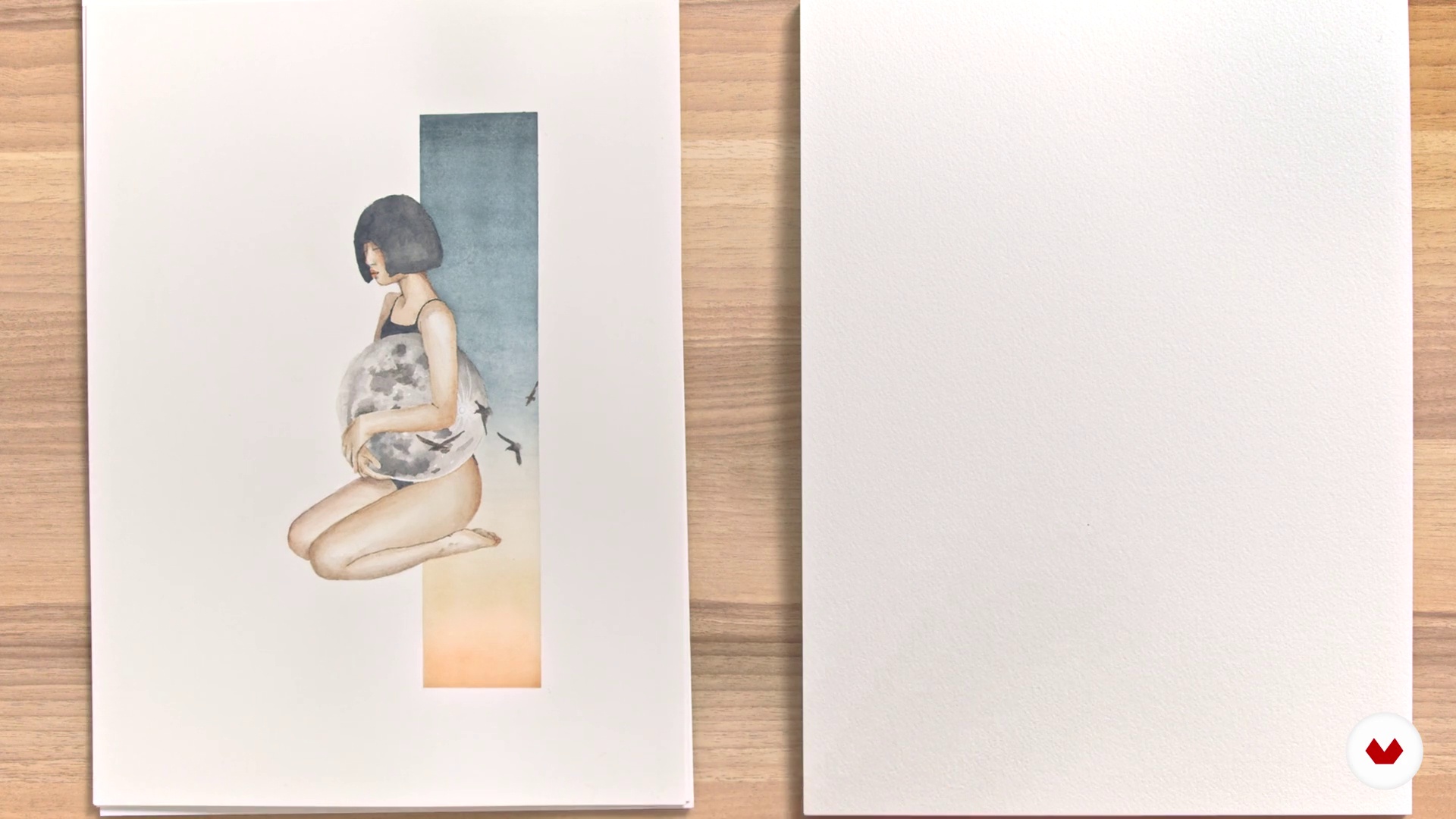
Paper and sketchbook
4 minutes, 34 seconds
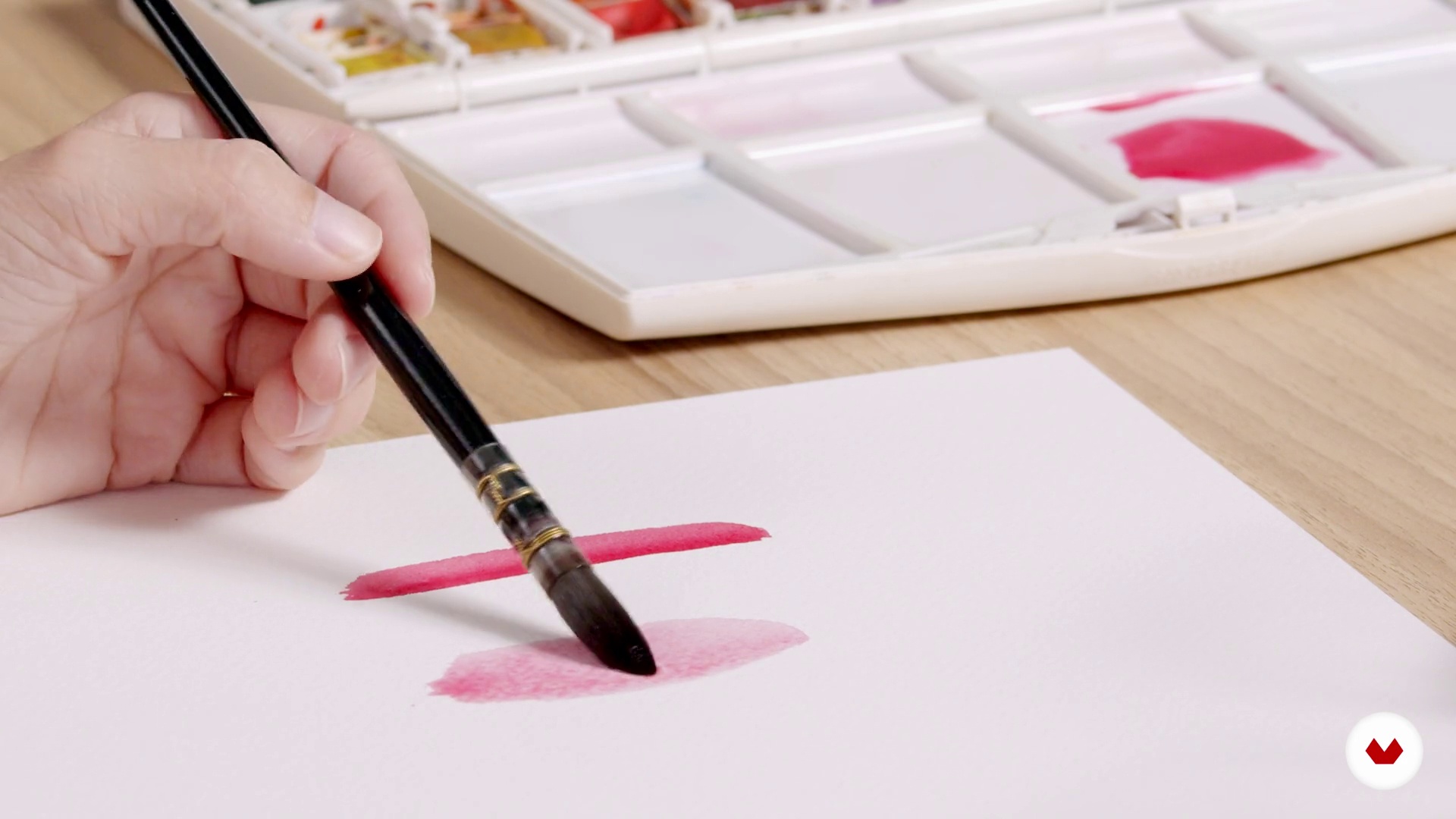
Basic fundamentals
7 minutes, 14 seconds
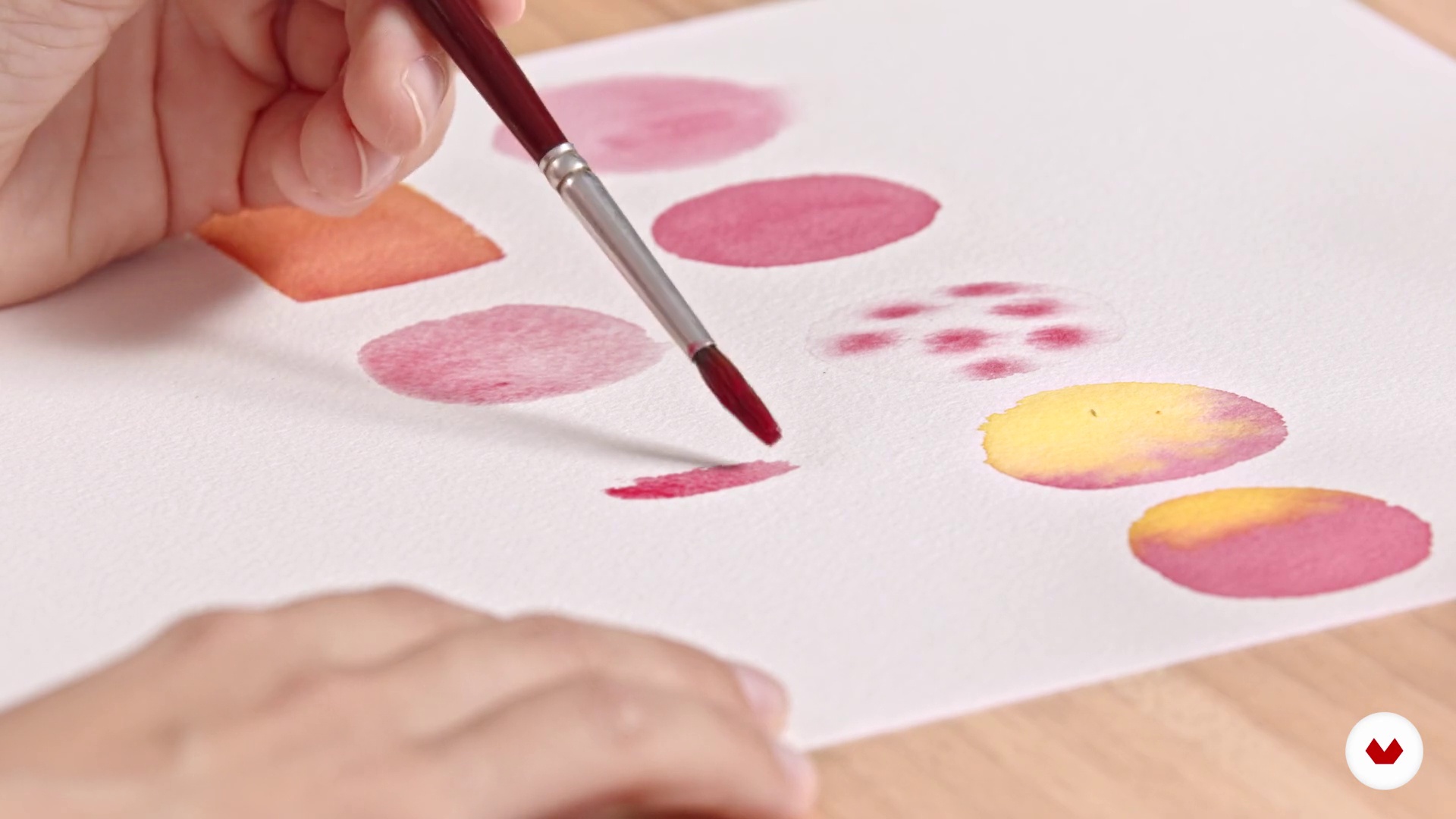
Layers
13 minutes, 28 seconds

Colors and construction of light and shadow
11 minutes, 18 seconds
What's included in this course?
Start the course by getting to know your teacher Franncine. Hear about her professional journey as a watercolor artist and the founder of Estúdio Luares. She also shares her biggest artistic influences and gives an overview of the final project.
Explore all the materials needed for illustrating like paintbrushes, paints, and types of paper. Learn the basic principles of watercolor such as transparency, fluidity, and wet-on-dry and wet-on-wet techniques. Discover the secrets behind freehand design and getting an image down on paper.
Now it's time to compose your own library of nature illustrations. Franncine guides you through applying layers, using different techniques, and combining common materials with watercolor to achieve various effects and textures.
She also shows you how to digitalize your work and edit them using Adobe Photoshop. She also offers some tips for publishing and sharing your creations on social media.
Recommended software & tools for this course
What is this course's project?
Create a library of watercolor pieces inspired by nature.
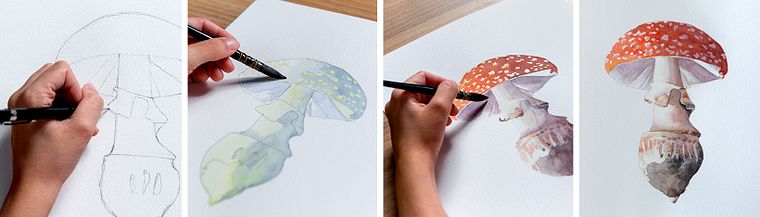
Projects by course students


Who is this online course for?
Illustrators, designers, plastic artists, and anyone who wishes to experiment with this fluid and versatile technique and unearth their creativity.
Requirements and materials
No previous painting, watercolor, or drawing experience is necessary for this course.
In terms of materials, you need watercolors, paper, paintbrushes, a mixing palette, two containers for water, a cloth for drying, a traditional or mechanical pencil, an eraser, table salt, bleach, India ink, and white gouache.
Reviews
- 6 months ago
O curso é maravilhoso
- 6 months ago
Gostei muito da forma como foram ensinadas as etapas e primcípios para aquarelar. São ensinados passos importantes para quem quer iniciar seus estudosem aquarela, uma didática cuidadosa e exercícios que trazem bons resultados! Gostei muito.
- clarasalaalvarezPLUS1 year ago
He encontrado este curso apasionante, los ejercicios propuestos han servido para revisar y ampliar mis conocimientos sobre las diferentes técnicas en acuarela. Las explicaciones muy claras y los consejos finales a tener en cuenta para no olvidar cosas muy prácticas.
- 2 years ago
I would like additional instruction from this instructor. Great course.
- 2 years ago
un curso muy interesante para aprender pintura botánica

She's given classes in venues such as Sesc Paulista and Belenzinho in São Paulo. Her work also appears on products and decorative textiles, as well as in publications like Trip magazine.
Content
- U1
Introduction
- Presentation
- Influences
- What will we do on the course?
- U2
Preparations
- Materials
- Paper and sketchbook
- Basic fundamentals
- Layers
- Colors and construction of light and shadow
- drawing on paper
- U3
A library of natural elements
- practicing the concepts
- wet on dry
- wet on wet
- Working with other materials
- U4
Post production
- Scanning and Adjustments
- Posting on social networks
- Final tips
- FP
Final project
- Illustration of Natural Elements in Watercolor
What to expect from a Domestika course
Learn at your own pace
Enjoy learning from home without a set schedule and with an easy-to-follow method. You set your own pace.
Learn from the best professionals
Learn valuable methods and techniques explained by top experts in the creative sector.
Meet expert teachers
Each expert teaches what they do best, with clear guidelines, true passion, and professional insight in every lesson.
Certificates
PLUSIf you're a Plus member, get a custom certificate signed by your teacher for every course. Share it on your portfolio, social media, or wherever you like.
Get front-row seats
Videos of the highest quality, so you don't miss a single detail. With unlimited access, you can watch them as many times as you need to perfect your technique.
Share knowledge and ideas
Ask questions, request feedback, or offer solutions. Share your learning experience with other students in the community who are as passionate about creativity as you are.
Connect with a global creative community
The community is home to millions of people from around the world who are curious and passionate about exploring and expressing their creativity.
Watch professionally produced courses
Domestika curates its teacher roster and produces every course in-house to ensure a high-quality online learning experience.
FAQs
The course is designed for those with basic drawing or painting skills who want to deepen their techniques in watercolor, ink, and original illustration. Absolute beginners can benefit, but the content is intermediate level.
You’ll need watercolors (either pans or tubes), a variety of brushes, watercolor paper, a palette, pencil, eraser, ink, masking fluid, and some extras like salt or a sponge.
You’ll learn watercolor techniques, stippling, hatching, color blending, realistic plant rendering, harmonious composition, use of natural elements, finishing touches, and how to digitize your illustrations for portfolios and social media.
Yes, the course covers strategies for promoting and selling art on Instagram, plus guidance on building both physical and digital portfolios with your work.
The course teaches how to combine watercolor and ink to create contrast, texture, and detail, with step-by-step instructions on blending these techniques in original compositions.
Wet-on-wet means applying watercolor paint onto already damp paper, producing smooth transitions, gradients, and soft effects perfect for backgrounds and natural atmospheres.
It explains the differences between cotton and cellulose papers, weights, textures, and how each type affects the final watercolor painting.