Artistic Watercolor Techniques for Illustrating Birds
A course by Sarah StokesArtist
A course by Sarah Stokes, Artist

Bring vivid wildlife compositions to life by exploring modern methods of watercolor painting
Artistic watercolor painting is synonymous with freedom and spontaneity. Some of the most interesting results are achieved by simply going with the flow of the paint and seeing where it takes you. Whether you are a complete beginner or a master of watercolor, there is always something new to discover with every illustration.
Sarah Stokes is a self-taught wildlife artist who translates her passions for creating art and being close to nature into expressive watercolor compositions. Her work can be found in UK galleries like Whitewall Galleries and Clarendon Fine Art, as well as others around the world.
In this course, Sarah guides you through her step-by-step watercolor process for creating an expressive wildlife composition using modern watercolor painting techniques. Start from the basics, explore artistic brushstrokes as you learn how to paint birds, and bring expressive wildlife compositions to life.
What will you learn in this online course?
18 lessons & 19 downloads
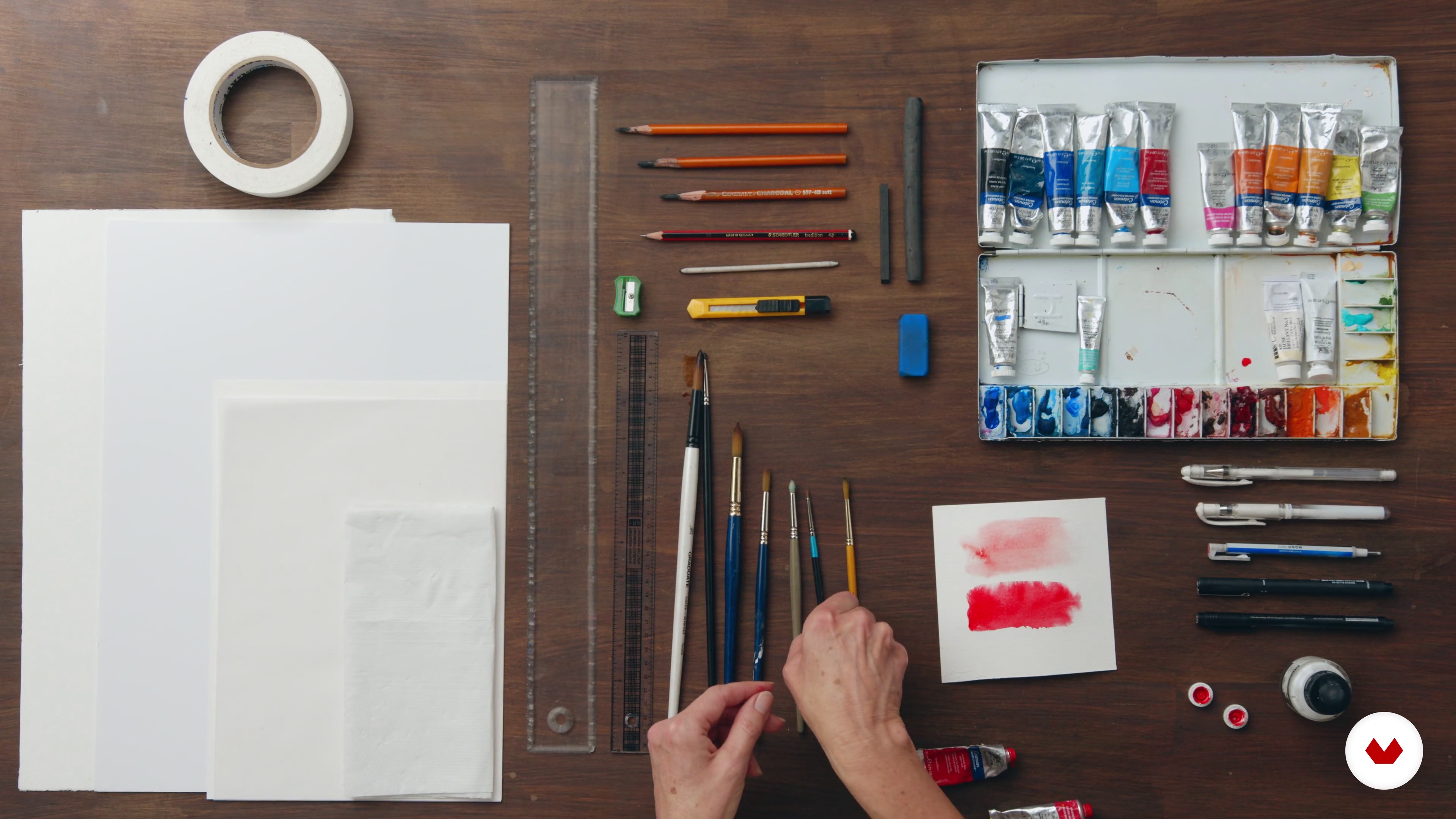
Materials
11 minutes, 27 seconds
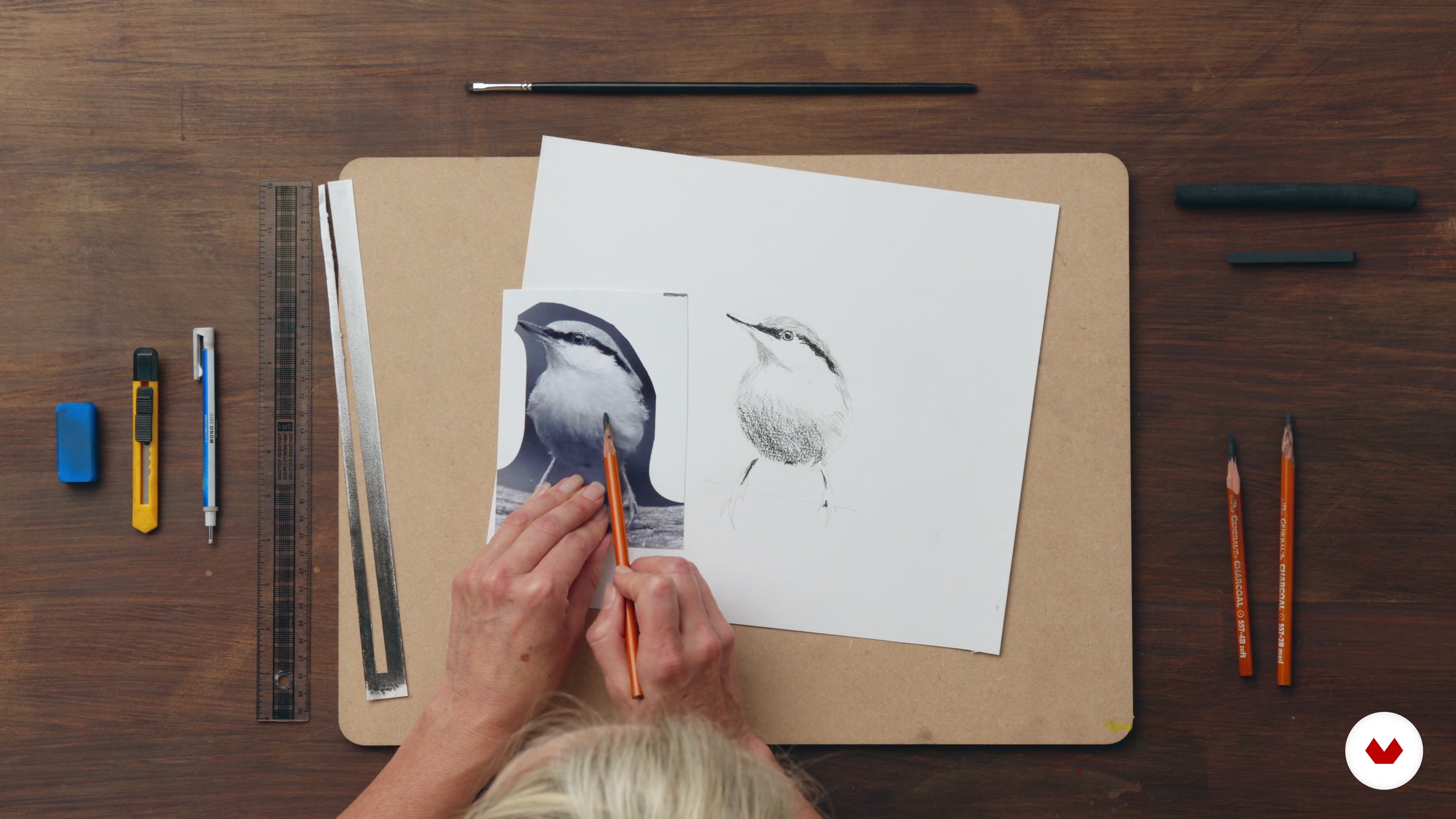
Tonal Values
19 minutes, 52 seconds
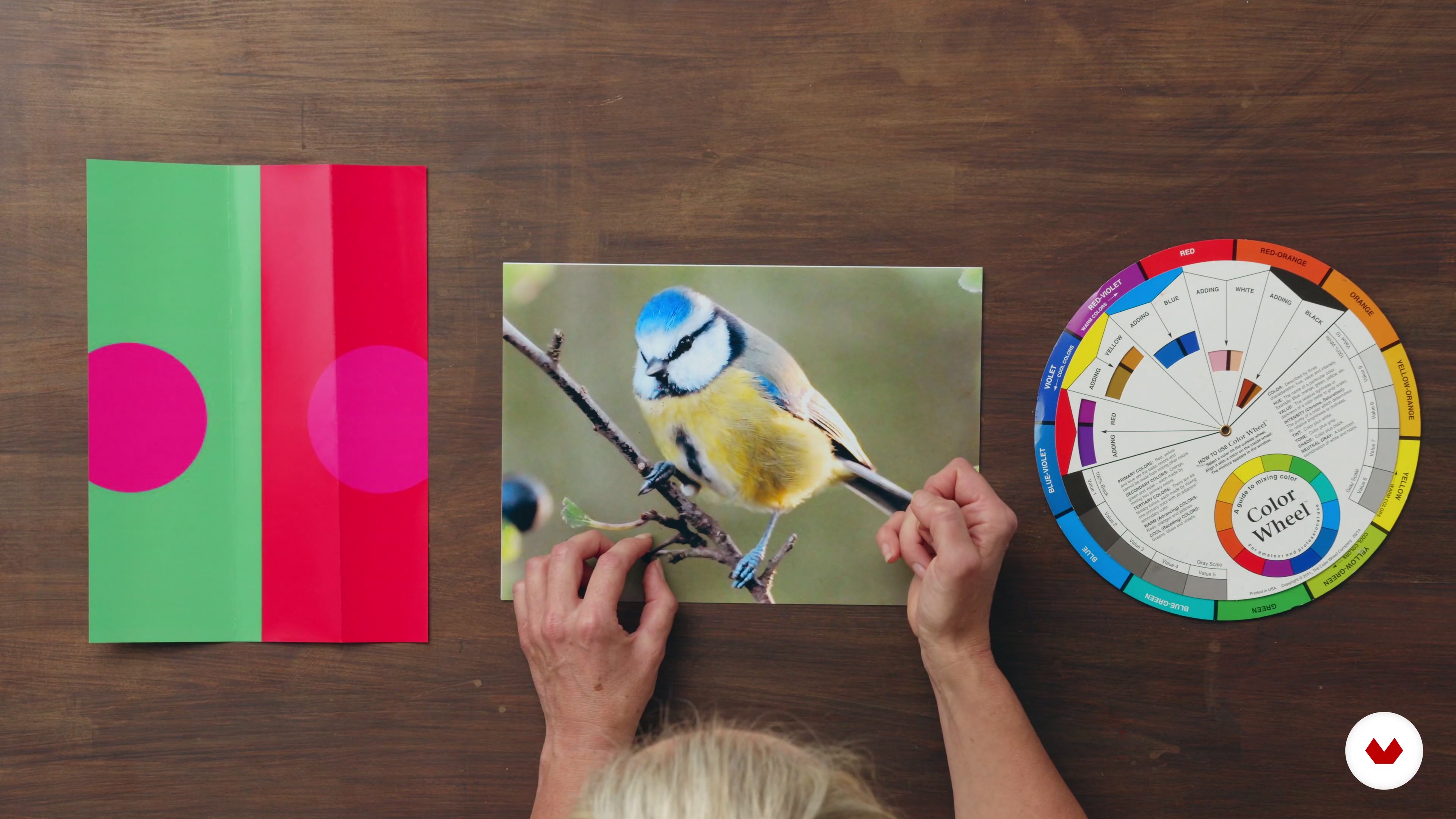
Colour Theory 1
17 minutes, 53 seconds
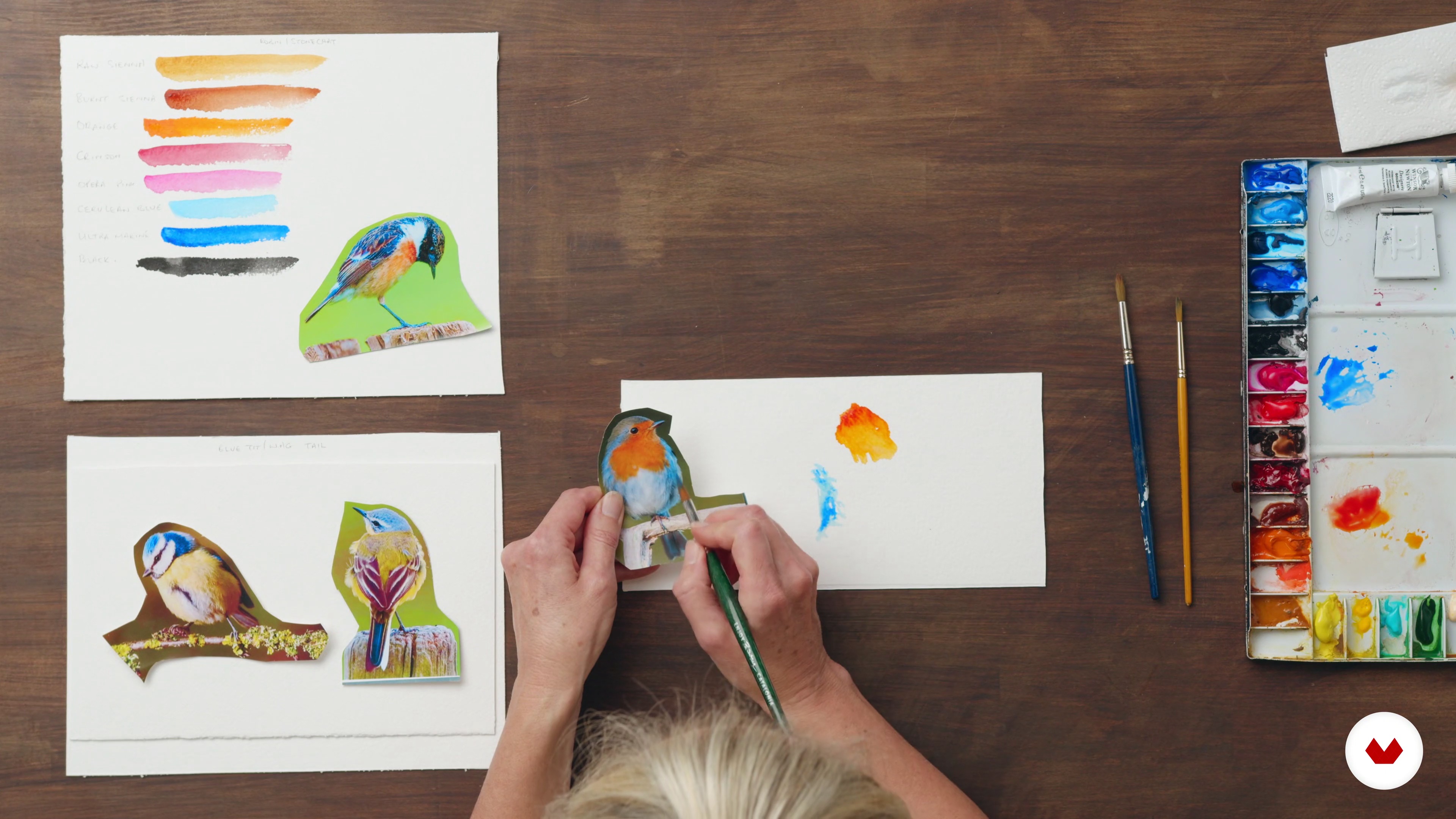
Colour Palettes
16 minutes, 54 seconds
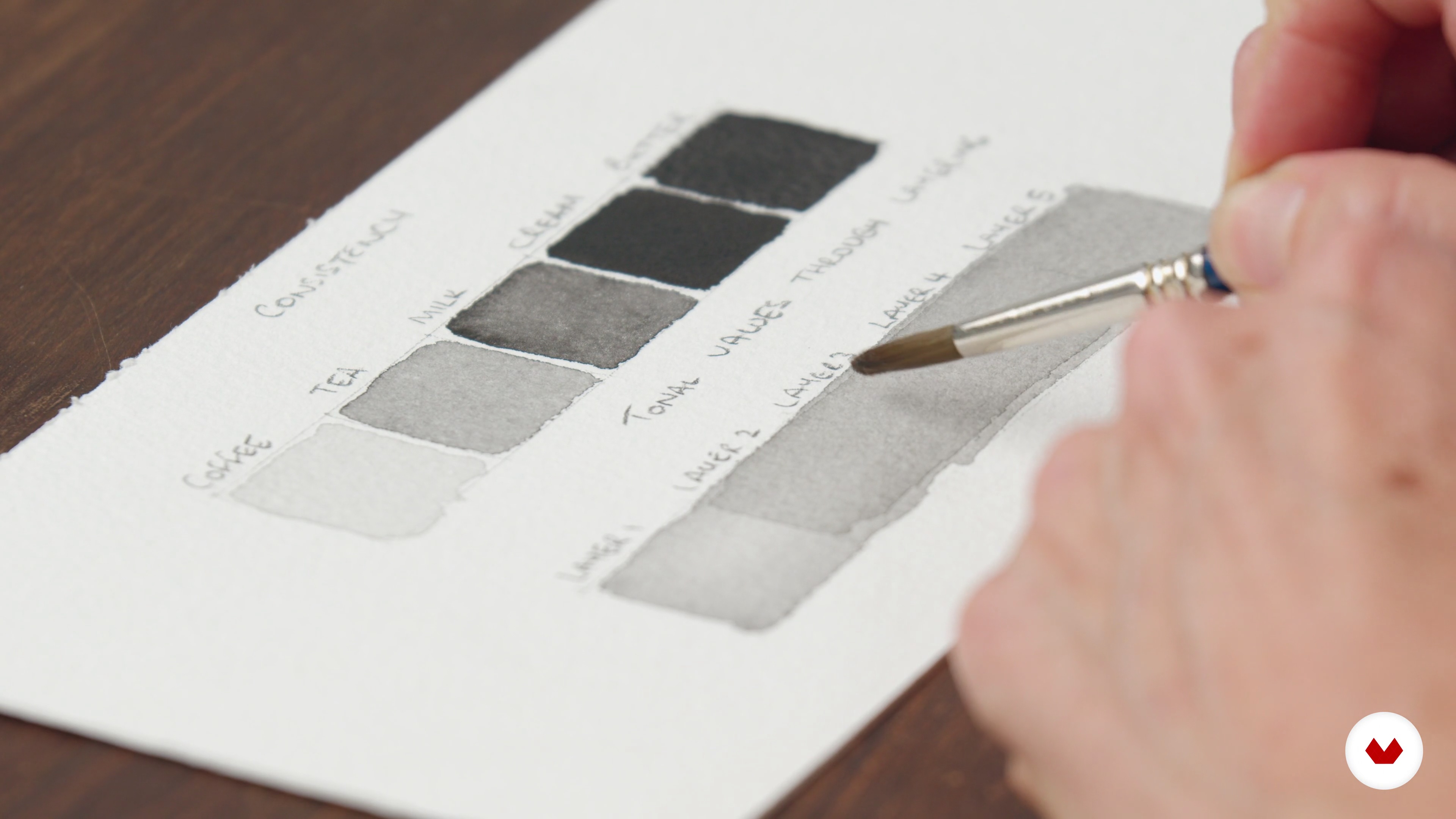
Pigment Control and Basic Layering Techniques on Dry Paper
7 minutes, 35 seconds
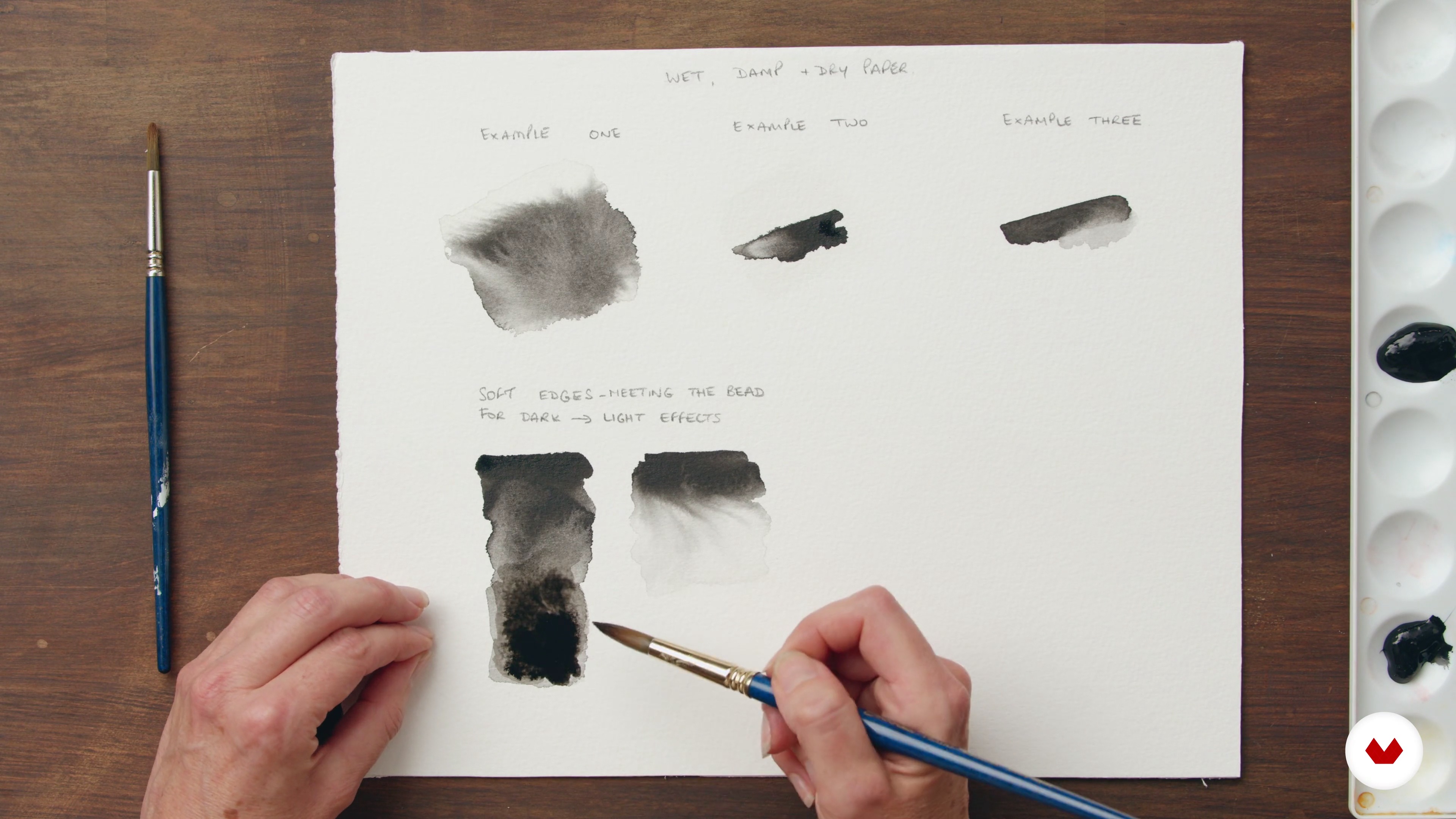
Wet Paper
9 minutes, 19 seconds
What's included in this course?
Get to know your teacher Sarah Stokes, who tells you how she became a full-time gallery artist and introduces you to the work of some artists and photographers that inspire her work. She also introduces the materials and covers the best paint for watercolor compositions.
Begin with some theory on tonal values and see why it’s so important to get them right. Do your first bird drawing in graphite, ensuring the dark, light, and mid-tones are correctly applied. Then, Sarah goes through some color theory, starting with how to mix and use watercolors effectively. Learn how warm and cold colors play their part in a composition, and create color palettes using both saturated and desaturated hues.
In the next unit, learn to master watercolor properties such as pigment control, timing, wetness, and more, to obtain the results you want. Practice a variety of expressive brushstrokes and mark-making techniques before painting your first watercolor bird using just one color.
Now it’s time to embark on a colorful journey of painting birds in watercolor. See where to get the ideal photo references and work on them digitally to get them “paint-ready”. Use practical aspects like branch shapes, negative space, and color to tell a story through your composition.
Finally, use gel pens to finish your composition and add paint splashes and drips to complete your piece. Sarah finishes the course by sharing some ideas for taking your concept further and developing a series.
What is this course's project?
Create a watercolor illustration of birds perched on a branch using modern techniques.
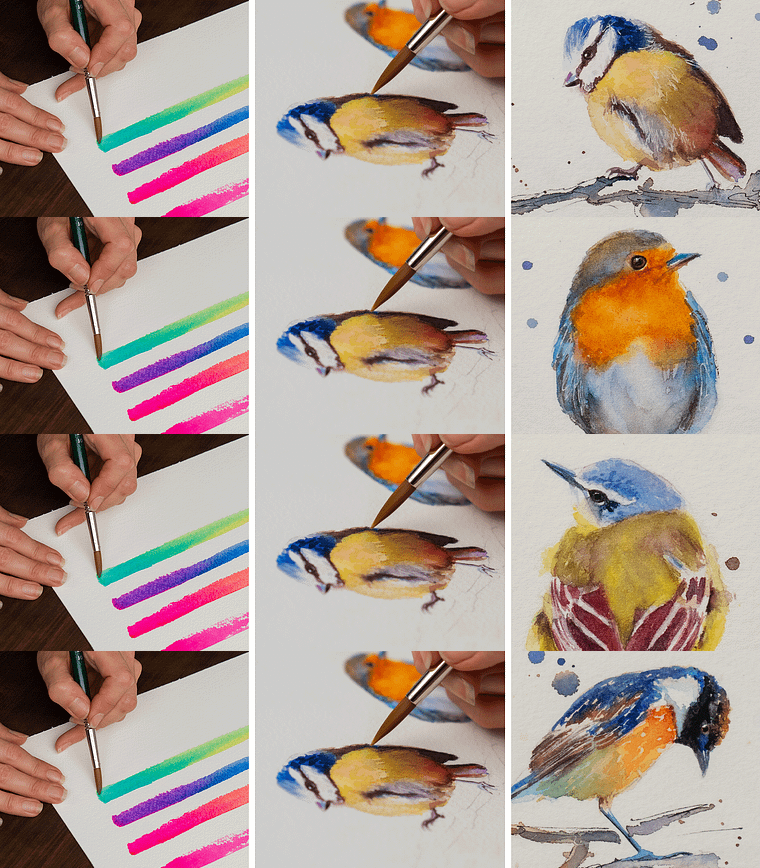
Projects by course students


Who is this online course for?
This course is for anyone interested in learning how to paint birds in watercolor or would like to expand their knowledge in watercolor techniques.
Requirements and materials
This course is great for anyone who is a beginner in watercolor painting since Sarah begins with the basics. However, this course is also suitable for experienced painters who want to expand their illustration abilities with watercolor techniques.
As for materials, you need good quality watercolor paper (preferably 635 gsm), watercolor paints, a range of brushes, graphic black pens, and a white gel pen, white gouache or acrylic, tracing paper, kitchen roll, water pots, scrap watercolor paper for testing, a hole punch for tonal value guide, photo paper and a printer, a ruler, a pencil, and an eraser.
Reviews
- 11 days ago
Sarah é uma excelente professora e ensina muito bem! Adorei o curso!
- 2 months ago
Great detail and explanations!
- 2 months ago
"I thoroughly enjoyed this course. It provided valuable insights into color selection and blending techniques, and the she was very generous in sharing her expert methods and tips."
- 2 months ago
La profesora es muy precisa y detallada con los pasos a seguir. Es una gran artista y tiene muy bellas ilustraciones.
- 3 months ago
Hermoso curso

She has created artwork for bands, restaurants, breweries, and schools, as well as giftware for clients like Enesco. Her work is exhibited in Whitewall Galleries, Clarendon Fine Art, and several independent galleries. Sarah’s prints can also be found worldwide in places like Next, Wayfair, and on Amazon.
Content
- U1
Introduction
- About Me
- Influences
- What We Will Do On the Course?
- U2
Materials, Seeing Tone and Understanding Color
- Materials
- Tonal Values
- Colour Theory 1
- Colour Theory 2
- U3
How Watercolor Works
- Pigment Control and Basic Layering Techniques on Dry Paper
- Wet Paper
- Brush Strokes
- U4
Preparing for Our Bird Painting
- Obtain and Enhance Photo References
- Compositions and Transferring
- Colour Palettes
- U5
Painting Our Birds
- Painting Birds 1
- Painting Birds 2
- Painting a Loose Branch: Adding of Pen Work to Define Shape
- Finishing Touches
- More Ideas / Different Choices
- FP
Final project
- Artistic Watercolor Techniques for Illustrating Birds
What to expect from a Domestika course
Learn at your own pace
Enjoy learning from home without a set schedule and with an easy-to-follow method. You set your own pace.
Learn from the best professionals
Learn valuable methods and techniques explained by top experts in the creative sector.
Meet expert teachers
Each expert teaches what they do best, with clear guidelines, true passion, and professional insight in every lesson.
Certificates
PLUSIf you're a Plus member, get a custom certificate signed by your teacher for every course. Share it on your portfolio, social media, or wherever you like.
Get front-row seats
Videos of the highest quality, so you don't miss a single detail. With unlimited access, you can watch them as many times as you need to perfect your technique.
Share knowledge and ideas
Ask questions, request feedback, or offer solutions. Share your learning experience with other students in the community who are as passionate about creativity as you are.
Connect with a global creative community
The community is home to millions of people from around the world who are curious and passionate about exploring and expressing their creativity.
Watch professionally produced courses
Domestika curates its teacher roster and produces every course in-house to ensure a high-quality online learning experience.
FAQs
Yes, this course is designed for beginners and covers foundational watercolor and mixed media techniques, making it accessible for those new to painting.
You’ll need watercolor paints, paper, brushes (synthetic and natural), a tin palette, gel pens, gouache, and basic drawing supplies. The course provides detailed material recommendations for each lesson.
You’ll learn core watercolor techniques, mixed media methods, expressive animal portraits, color mixing, and practical skills like branding, marketing on Facebook, and submitting art to galleries.
Yes, the course includes lessons on creating brochures, designing studio signage, promoting classes with leaflets, and using Facebook for art marketing.
The course explains different watercolor paper types and brush options, helping you select the best materials for techniques like washes, layering, and blending.
Yes, you’ll learn to draw bird shapes, paint feathers, mix pigments, and use layering techniques to create expressive animal and bird portraits.
Yes, you’ll learn how to select, edit, and use reference images for accurate and creative painting, including ethical sourcing and composition planning.