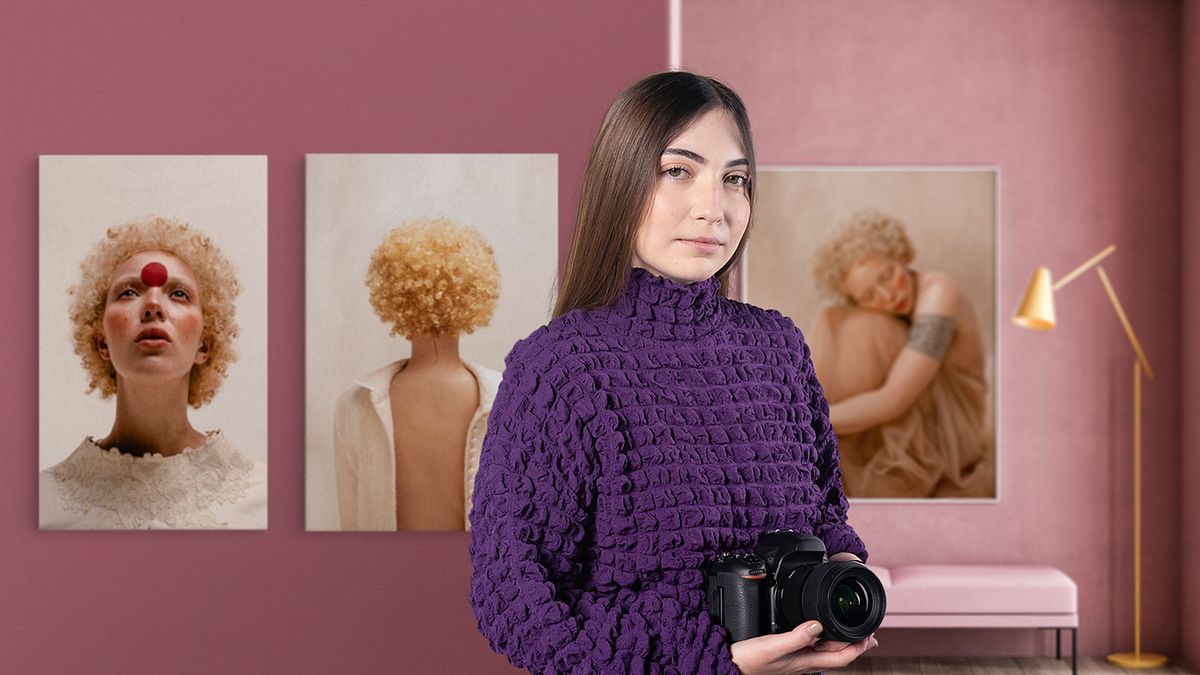
Editorial Portraiture: Light and Creativity
A course by Natalia GwFashion and Portrait Photographer
A course by Natalia Gw, Fashion and Portrait Photographer

Learn how to create photographic portraits; from idea, to shoot, to Photoshop
Conceptualization and art direction are two fundamental steps in fashion and portrait photographer Natalia Gw's creative process. However, her work really comes to life when she starts playing with light to achieve unexpected results. She refers to it as "painting with light". Would you like to learn how she does it?
In this course, Natalia teaches you how to produce editorial portraits from the idea phase to the final shoot using both a professional studio and your home. Discover how far you can take your photography without the need for big resources—just natural light, some flashes, and a whole lot of imagination.
What will you learn in this online course?
14 lessons & 20 downloads

Image Bank
4 minutes, 54 seconds

The photographic equipment
6 minutes, 17 seconds
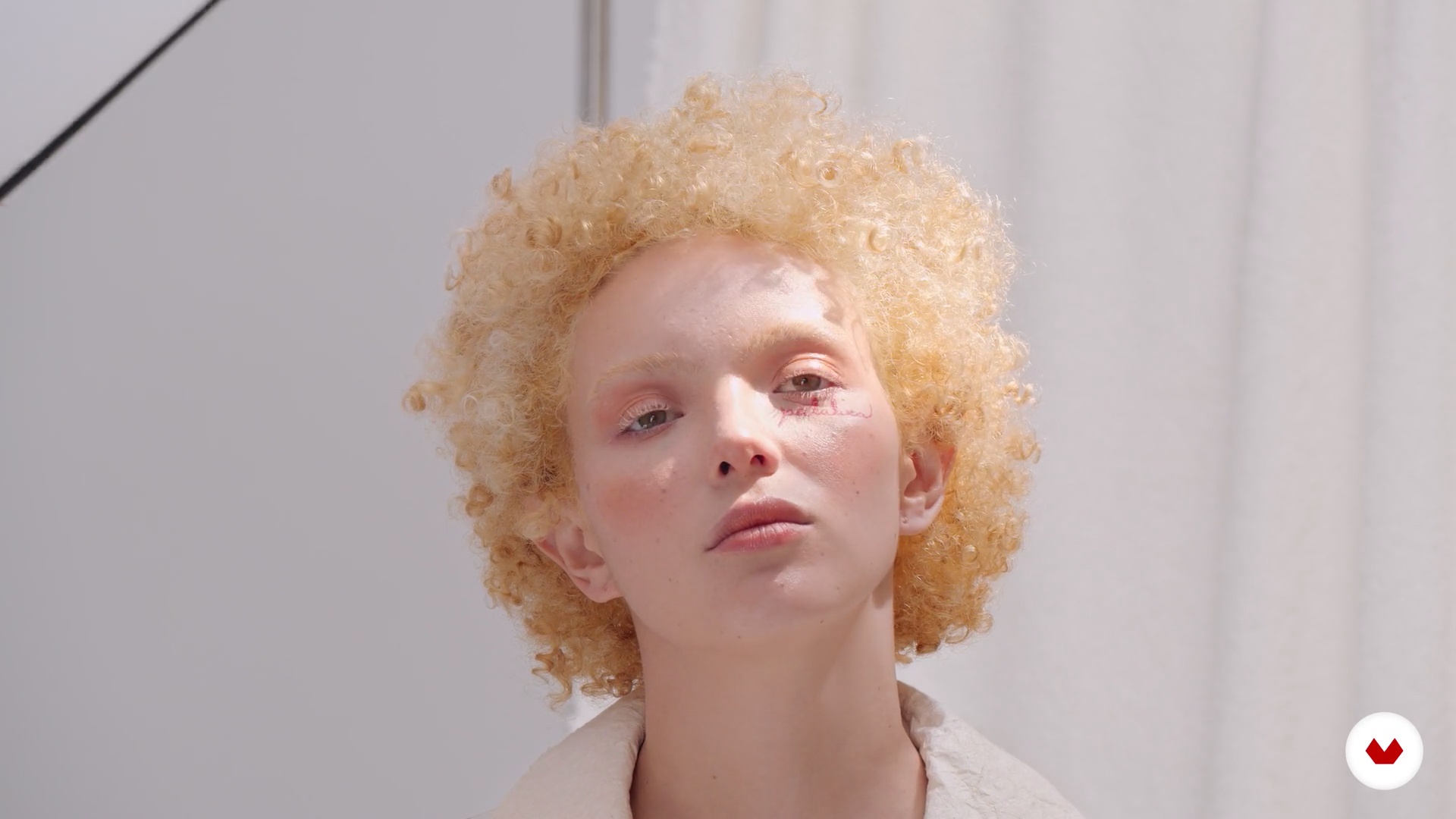
Professional portrait in natural light
9 minutes, 0 seconds

Professional portrait with studio light
10 minutes, 46 seconds
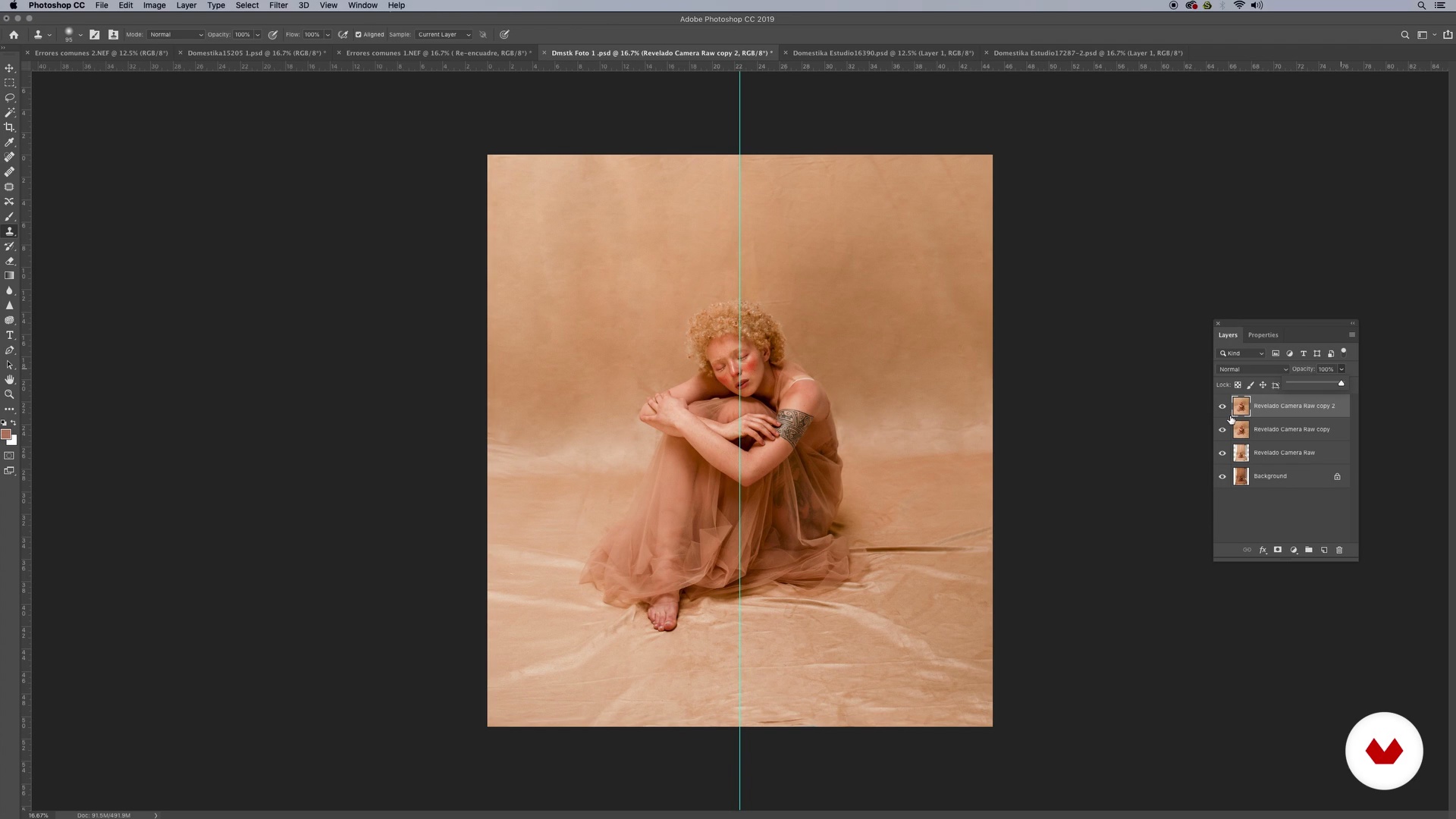
Common bug fixes
12 minutes, 27 seconds
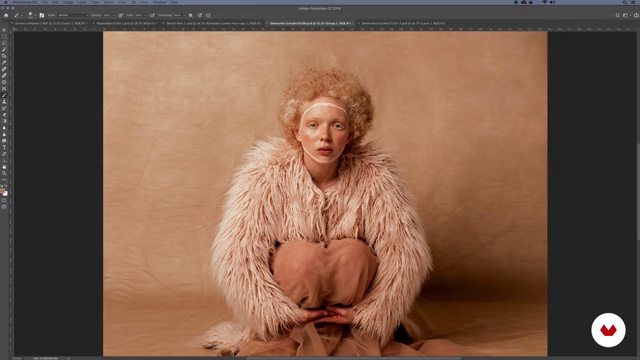
Fine retouching, color and finishing
20 minutes, 1 second
What's included in this course?
Start by getting to know Natalia, her beginnings, the path that led her to specialize in portrait and fashion photography, her influences, and her way of understanding the profession. In addition, she talks to you about how important each creative process is and how they influence her work.
Create an image database, to develop your own style and use for future personal or commercial projects. Then, organize your ideas by creating a mood board by choosing your color palette and reviewing each aspect of your equipment.
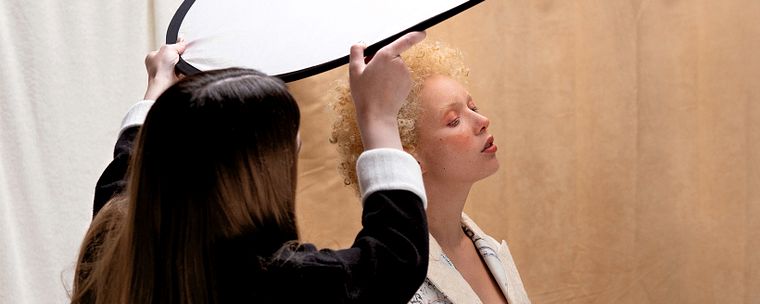
Discover how to create professional-looking home studio sets by playing with fabrics, veils, and paper. From there, Natalia teaches you how to take professional portraits with both natural light and studio lighting. See how to experiment with color filters to add textures and effects to your images.
Finally, learn everything about the post-production of your photographs with Photoshop, including the selection of images, how to fix and correct photos, how to edit them, retouch them, and create a narrative series that can be published in your portfolio.
What is this course's project?
Make a series of editorial portraits with different lighting and art direction using natural light, flashes, and other experimental elements.
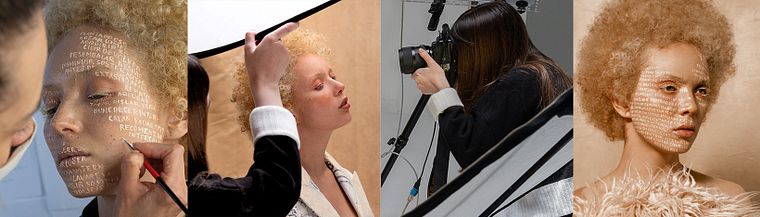
Projects by course students


Who is this online course for?
Photographers who would like to learn new lighting techniques and other tricks for playing with art direction and color.
Requirements and materials
To take this course, previous photography knowledge is required.
As for the materials, you will need a digital camera and a computer with Adobe Photoshop. You will also need a space with natural light and, if you would like to work with artificial light, a basic flash kit. Some basic home materials like fabric, paper, and filters are also needed for experimenting.
Reviews
- 1 year ago
ottimo corso
- 1 year ago
me gusto mucho el curso 100% recomendado
- 1 year ago
This course is super helpful for beginners, but also offers creative ideas and deeper insights for those who already have some experience, especially in the final lessons on editing refinement. I’ve gone back to those last two lessons more than once to apply the techniques to my own projects. Definitely recommend it.
- 1 year ago
I especially liked the last section of this course - very useful and informative
- 1 year ago
It is an interesting course. I recommend it a lot.

Passionate about digital editing, Natalia has dedicated herself to sharing her knowledge with those interested in perfecting their skills in Photoshop and other editing tools. Through her work, she seeks to inspire others to explore the potential of photography as a means of artistic expression. Natalia values the importance of attention to detail, promoting a meticulous editing process that respects the proportions and authentic features of each portrait. Her commitment to continuous improvement and her love for art have made her a reference in the field of photo editing.
Content
- U1
Introduction
- Presentation
- Influences
- What will we do in the course?
- U2
Eyes to work
- Image Bank
- Mood board
- Color palette
- The photographic equipment
- U3
Lights, camera and direction
- Art direction
- Professional portrait in natural light
- Professional portrait with studio light
- U4
Development and completion
- Selection and development
- Common bug fixes
- Fine retouching, color and finishing
- Fine retouching, color and finishing 2
- FP
Final project
- Editorial Portraiture: Light and Creativity
What to expect from a Domestika course
Learn at your own pace
Enjoy learning from home without a set schedule and with an easy-to-follow method. You set your own pace.
Learn from the best professionals
Learn valuable methods and techniques explained by top experts in the creative sector.
Meet expert teachers
Each expert teaches what they do best, with clear guidelines, true passion, and professional insight in every lesson.
Certificates
PLUSIf you're a Plus member, get a custom certificate signed by your teacher for every course. Share it on your portfolio, social media, or wherever you like.
Get front-row seats
Videos of the highest quality, so you don't miss a single detail. With unlimited access, you can watch them as many times as you need to perfect your technique.
Share knowledge and ideas
Ask questions, request feedback, or offer solutions. Share your learning experience with other students in the community who are as passionate about creativity as you are.
Connect with a global creative community
The community is home to millions of people from around the world who are curious and passionate about exploring and expressing their creativity.
Watch professionally produced courses
Domestika curates its teacher roster and produces every course in-house to ensure a high-quality online learning experience.
FAQs
You’ll learn editorial portrait techniques, black-and-white composition, double exposure, art direction, how to use natural and studio lighting, image curation, professional editing, and how to conceptualize photographic projects.
This course is aimed at people with basic photography knowledge, ideal for intermediate learners looking to refine creative and editorial techniques in portraiture and art direction.
Owning a professional camera isn’t required. You can use a DSLR, mirrorless camera, or even a high-end smartphone. Some accessories like reflectors are recommended, but affordable alternatives are provided.
You’ll develop skills in project conceptualization, art direction, lighting setups, advanced editing, visual curation, image selection and organization, and creating creative portfolios for editorial photography.
Yes, you’ll learn how to edit portraits in Photoshop and Lightroom, including color correction, lighting adjustments, skin retouching, creating presets, and advanced post-production techniques.
You’ll be able to create editorial portrait series, conceptual projects, creative still lifes, and visual collections for Instagram, portfolios, and professional publications.
Yes, the course covers lighting setups using natural and studio light, reflectors, octaboxes, flash, and techniques to shape and direct light depending on the portrait style.