


Watercolor Tutorial: basic painting exercises to control the brush

Learn to master different watercolor techniques with these simple exercises to work with the brush and color mixtures
watercolor painting is a technique that allows you to achieve various finishes with which play depending on the illustration you are creating. To achieve professional results, it is essential to precisely control elements such as the brush or the proportions of water and pigment.
How to master all these elements? Kata Zapata (@katazapata) has all the answers. The graphic designer and botanical illustrator is one of the co-founders of Save the Date Projects, a store specializing in watercolors, wallpapers and wedding invitations. A project that has allowed her to transform her passion for brushes into her business.
In this tutorial, Kata teaches you different basic watercolor exercises so that you learn to control the brush and thus achieve various finishes with which to obtain more professional results in your illustrations. Don't miss the next video!
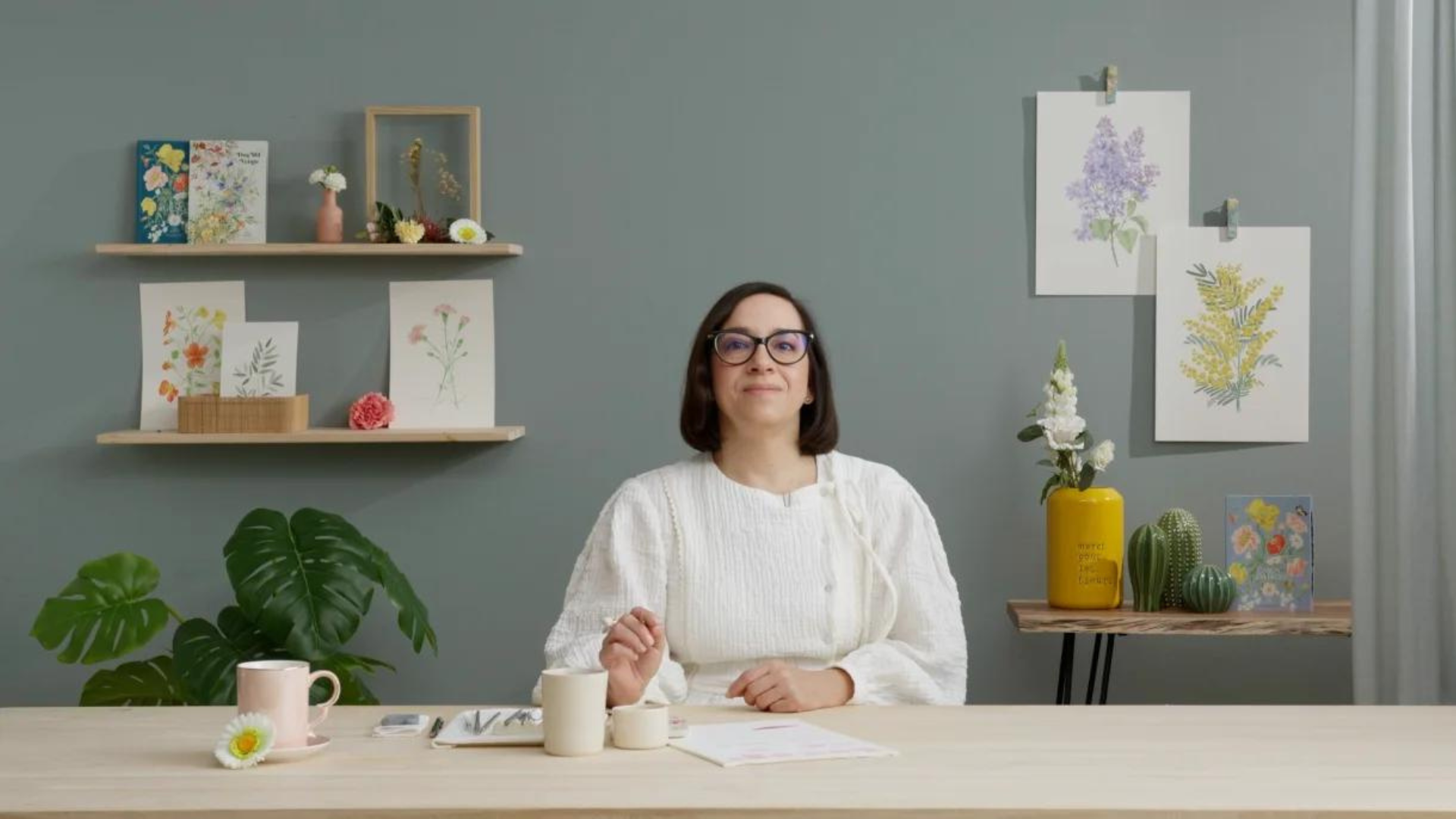
Materials needed for each exercise
In order to carry out these exercises, the illustrator has used the following materials:
- Special watercolor paper.
- Brushes and mixing palette.
- Watercolor of one or more colors.
- Water and containers.
- Paper or fabric.
- Syringe.
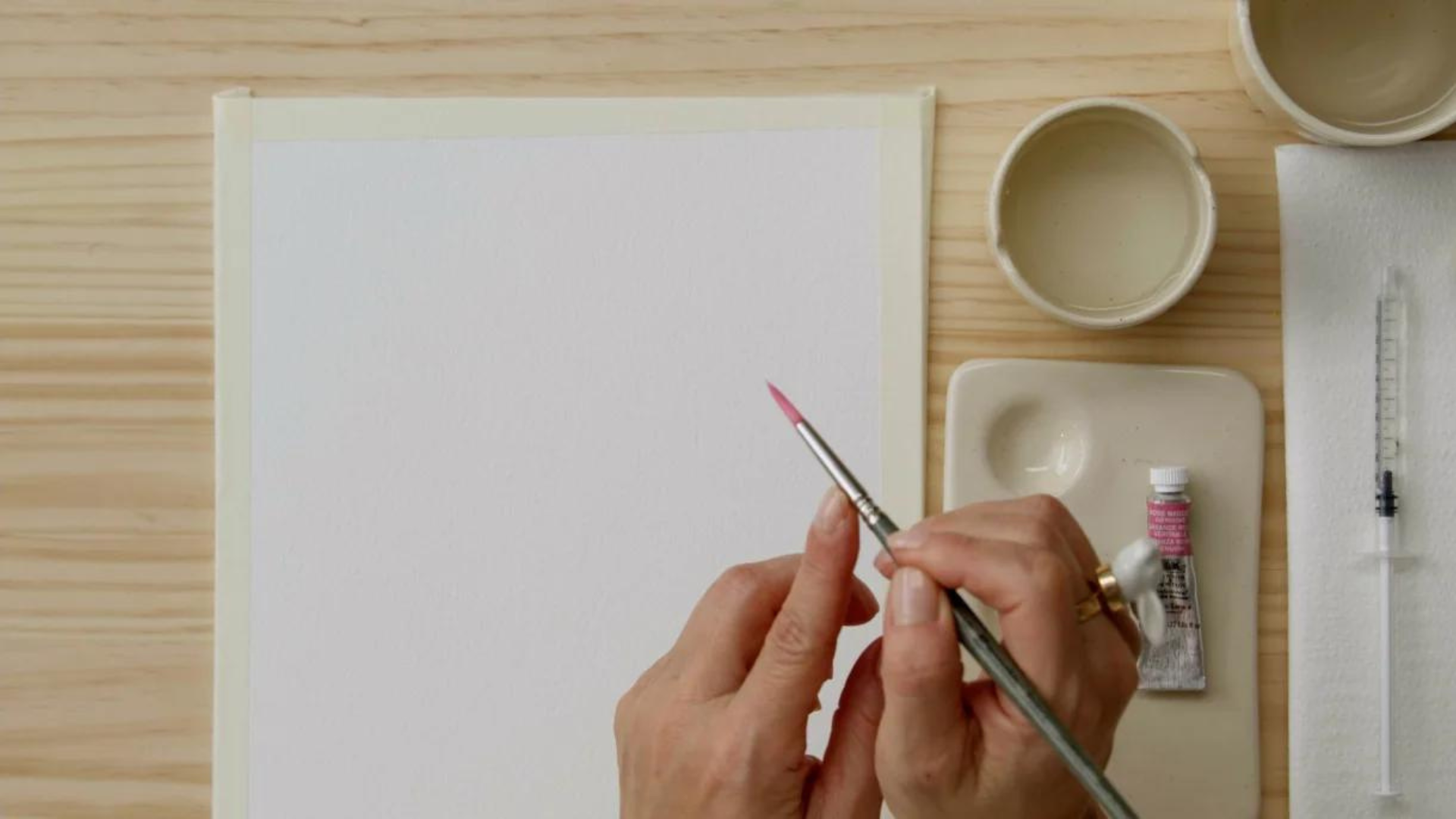
1. Prepare the materials
Before starting to paint, you must have all your materials prepared on the work table. Divide the water into two containers, one of which will be used to clean your brushes and the second to add water to each pigment. Kata recommends using a syringe to make the mixtures, as it allows you to have greater precision in the quantities. With a brush, mix the color you like the most with water until you obtain a medium consistency.
To clean the brushes, dip them in the first container and shake them gently. Don't forget to dry the brush by dragging the bristles parallel to the fabric or paper to avoid damaging the hair.
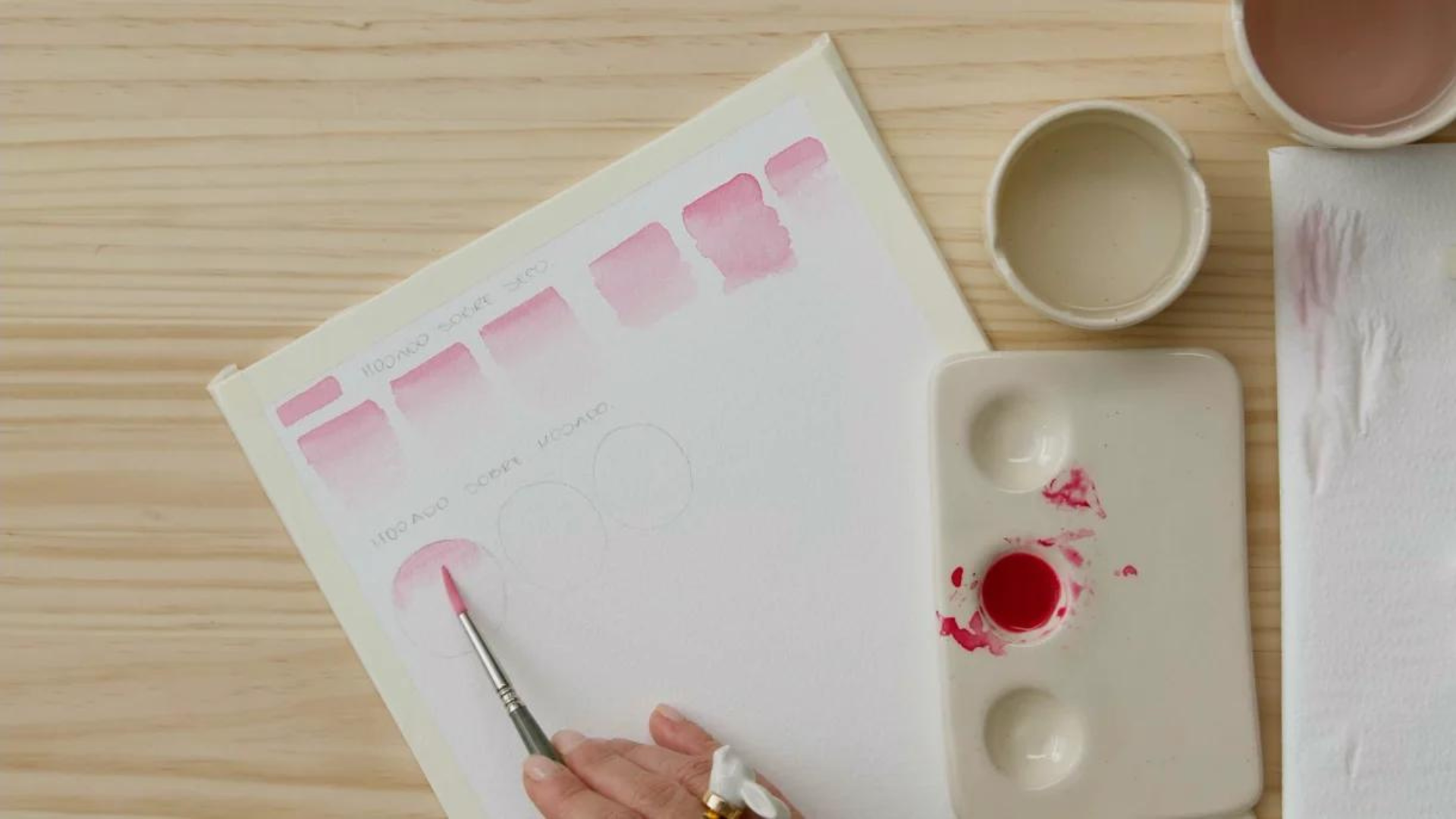
2. First exercise: wet on dry
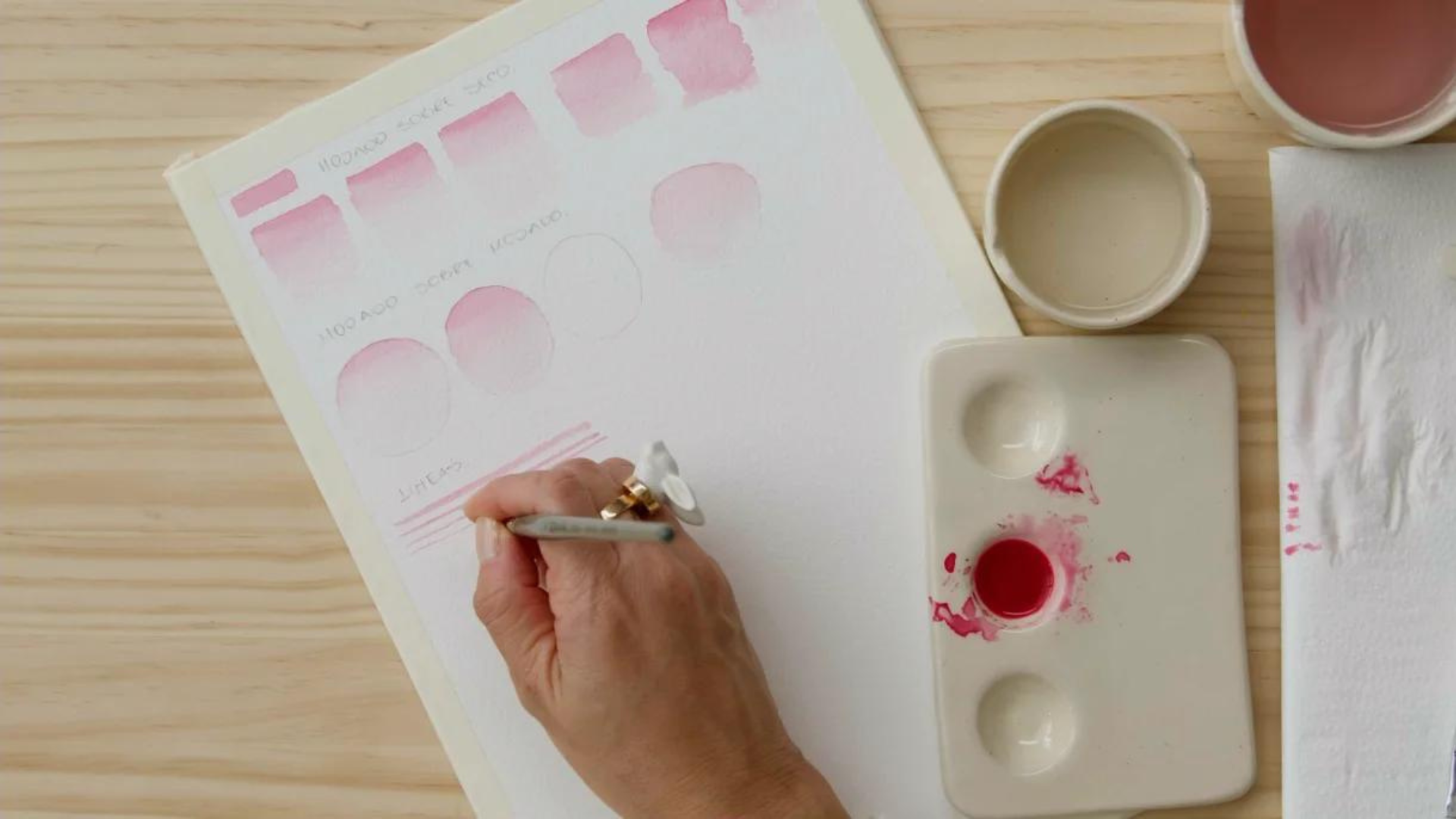
The gradient effect consists of a progressive loss of pigmentation and is a basic watercolor finish that can be achieved with different techniques. In this exercise, you are going to work on the technique known as wet on dry.
The first thing you should do is dip the brush in the mixture and remove the excess paint. Next, draw a rectangle with your brush and once finished, clean the bristles of it. Quickly, dip the brush in clean water and starting in the middle of your rectangle, start drawing brush strokes from right to left while you move down and don't stop tracing until there is nothing left. of pigment.
Repeat this exercise all over the paper until you achieve a perfect gradient and master the movement of the brush with ease.

3. Second Exercise: Wet on wet
This second exercise allows you to achieve the gradient effect starting from a wet base. With the clean, wet brush, draw a circle of water on the paper. Without letting it dry, take a little pigment and paint the top part of the circle, you will see that the color expands on the watery surface. Clean the brush and repeat the stroke explained in the previous exercise until you obtain the desired effect.
4. Third exercise: How to make details
Typically, the details of any illustration are more intense than the rest of the drawing and therefore contain more pigment.
In this exercise, you are going to work the details with lines, for them start by adding more paint to the mix. With the stained brush, blot the excess and begin drawing thin horizontal lines. The key is to raise the brush from the sheet little by little as you draw lines, this way you will get lines of various thicknesses.
5. Fourth exercise: Gradient and blurred lines
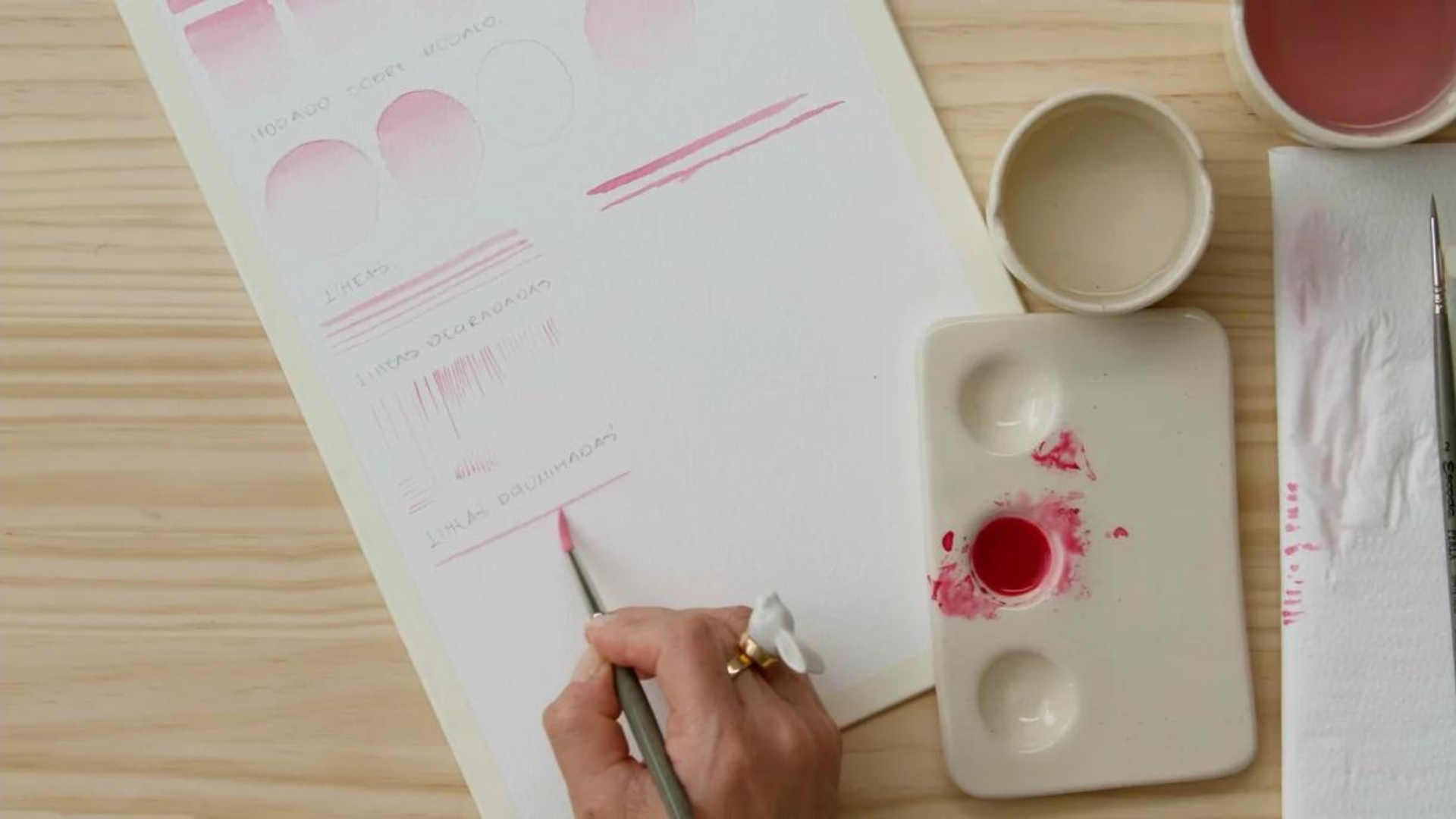
This exercise will help you draw gradient lines. You are going to make vertical strokes that will lose intensity as you move the brush downwards. Pick up the pigment with the brush and blot the excess before starting to paint. The key to this exercise is to start the stroke by pressing the brush against the paper and, as you go down, separate the brush so that the intensity of the color decreases.
Other lines you can draw are blurred ones. It's very simple, with the stained brush draw a horizontal line. Clean the bristles and with clean water try to erase the line to blur its contours.
6. Fifth exercise: Fill the background
Working the background of the elements with watercolor can be complicated, since it tends to create a patchy effect that reduces the consistency of the colors. But with the right technique it is quite easy to do.
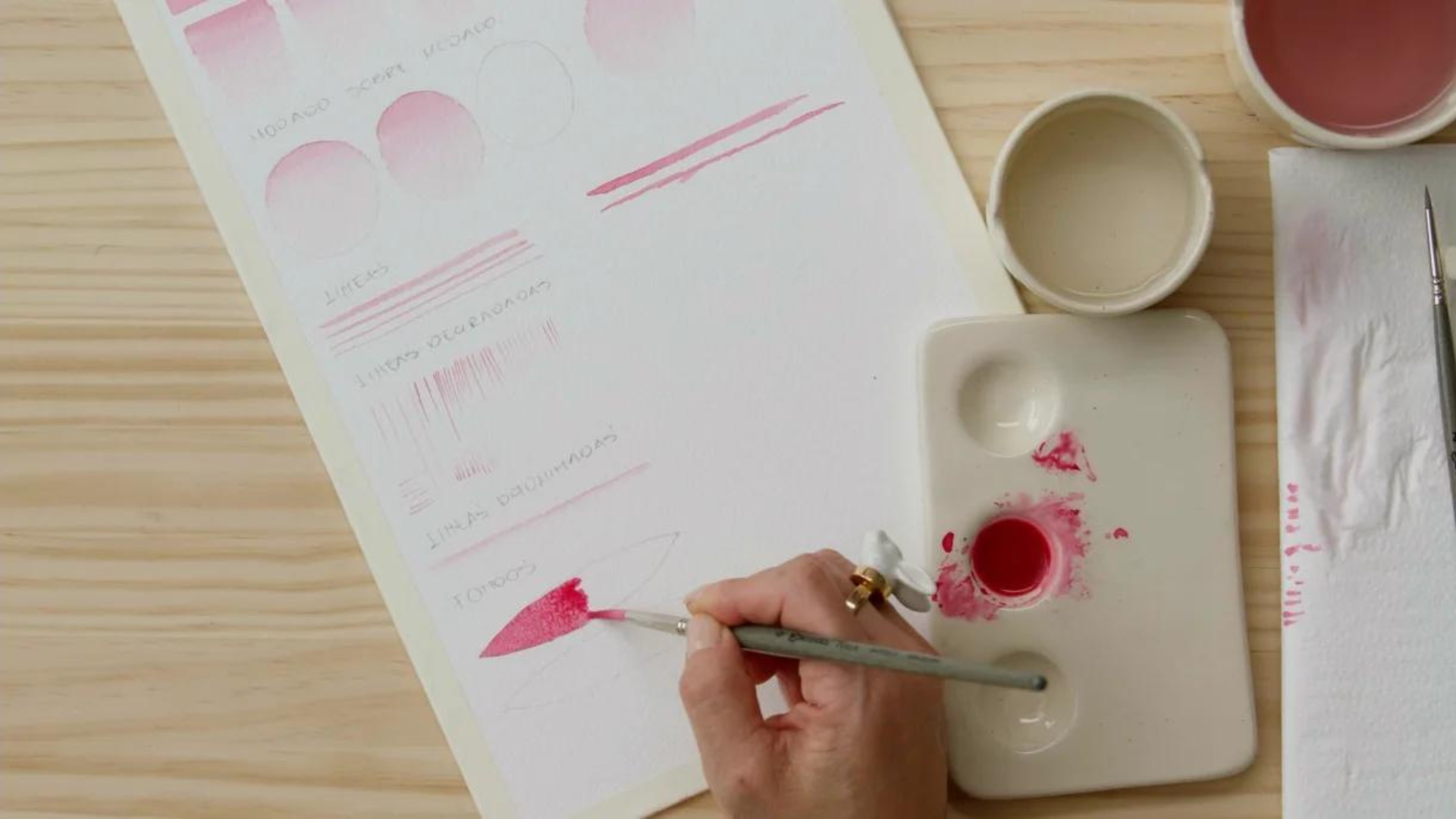
Draw a simple shape, whatever you want, take a drop of pigment and take it to the end of the figure with the brush. Next, spread said drop with smooth, linear strokes across the paper.
When you see that the drop disappears, repeat the same process starting at the level of the paint until the entire surface is covered evenly.
Do you want to discover all the secrets of botanical watercolor? Join Kata Zapata and create a super realistic botanical illustration with her online course Realistic watercolor for botanical compositions.
And if you have been left wanting more and want to explore other disciplines, don't miss this pack of 4 courses to enhance your artistic skills.
To continue learning watercolor
1. Bring out your most avant-garde side with Modern watercolor techniques, a course by Ana Victoria Calderon .
2. Do you need inspiration? Let other artists unlock your creativity with 10 examples of notebooks trip illustrated in watercolor.
3. Solve all your doubts about watercolor with Sarah Strokes in How to paint with watercolor: 15 FAQs answered.
4. Master the human figure with Portrait illustrated in watercolor, a course by Ana Santos.


0 comments