


What is a Metaphor? Types and Examples

Unlock the magic of language! Dive deep into 'What is a Metaphor?' and explore its types & vivid examples.
What is a metaphor?
A metaphor is a figure of speech that is used to draw a comparison between two things that are not literally related. It is a way of expressing an idea or concept by equating it with something different, often in a poetic or creative manner.
Metaphors are a fundamental aspect of the English language and are commonly used in everyday speech, literature, and creative writing. They help to convey complex or abstract concepts in a more vivid and memorable way by creating a visual image or association in the reader's mind.
Metaphor vs. simile
Metaphors and similes are both figures of speech used to make comparisons, but they differ in how they express these comparisons. A simile uses the words 'like' or 'as' to compare two objects or ideas with literal meaning. For example, 'She is as beautiful as a rose' or 'His voice is like honey.'
In contrast, a metaphor makes a direct comparison between unrelated concepts without the use of prepositions. It states that one thing is another. For example, 'She is a night owl' or 'Life is a roller coaster.'
Both metaphors and similes enrich language by evoking vivid imagery and creating memorable associations. The choice between metaphor and simile depends on the desired effect and the writer's intention.
Types of Metaphors
Metaphors come in different forms and can be classified into various types, each with its own unique characteristics. Some common types of metaphors include extended metaphors, implied metaphors, and visual metaphors. Let's get to know them better!
1. Implied Metaphor
Implied metaphor is a type of metaphor that compares two things without explicitly stating one of them. Instead, it suggests a comparison indirectly, allowing the reader to draw their own conclusions and create vivid imagery in their mind.
To better understand how implied metaphors work, let's consider an example:
'The city streets were a river of people, flowing and merging, their footsteps creating a symphony of movement.'
In this sentence, the comparison between city streets and a river is implied. The writer doesn't explicitly state that the streets are like a river; instead, they use descriptive language to evoke the image of a river. By describing the people on the streets as flowing and merging, and their footsteps as a symphony of movement, the writer indirectly suggests that the streets resemble a river in terms of the constant motion and bustling activity.
2. Visual Metaphor
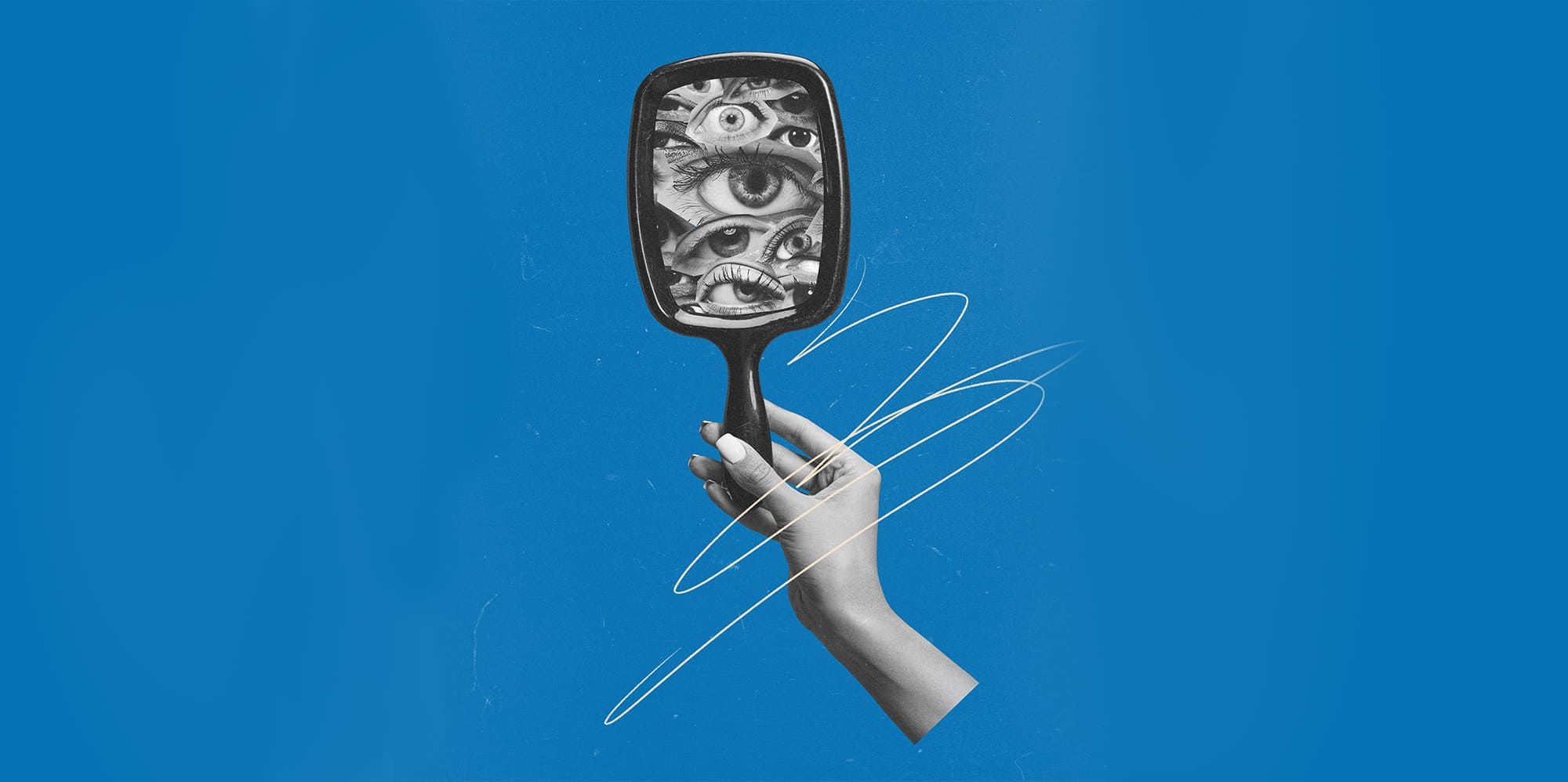
Visual metaphors make use of graphic elements to suggest connections between objects or ideas. They are commonly found in various forms of visual media, such as art, advertising, and film. Instead of directly stating a comparison, visual metaphors rely on visual imagery to convey meaning.
One classic example of a visual metaphor can be seen in Salvador Dali's painting, 'The Persistence of Memory.' The melting clocks in the painting serve as a metaphor for the fluidity of time and the transience of human existence. Through the use of these graphic elements, Dali creates a powerful visual image that symbolically represents a deeper meaning.
These metaphors engage the viewer's imagination and emotions, leaving a lasting impact. They provide a way to convey meaning that goes beyond literal representation.
3. Extended Metaphor
An extended metaphor occurs when a comparison is developed or sustained over multiple lines or paragraphs, allowing writers to create complex connections. This literary device is often found in poetry and prose, enabling writers to delve deeper into abstract concepts.
One notable example of an extended metaphor in literature can be found in Emily Dickinson's poem 'Hope is the Thing with Feathers.' In this poem, hope is compared to a bird that sings even in the face of adversity. Through the sustained metaphor, Dickinson explores the resilience and uplifting nature of hope.
It is important to note that extended metaphors are not commonly used in everyday speech.

Examples of metaphors
Let'ts see some examples of metaphors in literature, films and some metaphors for kids.
Examples of metaphors in Literature
Examples of metaphors in literature abound, and authors often use them to develop characters and themes, creating vivid and impactful imagery. In John Steinbeck's novel 'Of Mice and Men.'
Steinbeck employs the metaphor of a dream to symbolize hope and longing for a better life. The characters George and Lennie yearn for their own piece of land, describing it as a place where they can "live off the fatta the lan'." This metaphor encapsulates their desire for independence and security.
These examples show how metaphors in literature can add depth and meaning to characters and themes, allowing readers to engage with the text on a symbolic level.
Examples of metaphors in Films
Examples of metaphors in films serve as powerful storytelling tools that create relatable connections for the audience.
In the movie 'Eternal Sunshine of the Spotless Mind,' director Michel Gondry brilliantly employs the metaphor of erasing memories to explore the pain and longing associated with lost love. The memory-erasing procedure represents the desire to rid oneself of painful memories, but ultimately highlights the importance of cherishing the good and bad experiences that shape us.
Another example is the film 'Inception,' where Christopher Nolan uses the metaphor of dreams as a metaphorical landscape to delve into the subconscious mind. The different dream levels in the film represent various layers of reality, reflecting the complexity of the human psyche and the power of dreams to shape our perceptions of the world.
These metaphors allow audiences to follow thematic ideas and connect with the characters on a deeper level. They provide a visual and relatable entry point for the audience, enabling them to understand and empathize with the characters' experiences.
Examples of metaphors for kids
Here are some examples of metaphors that kids can easily relate to:
1. 'Her smile is a ray of sunshine.' This metaphor compares someone's smile to the warm and bright feeling we get from the sun, showing how it can light up our day.
2. 'He's a bookworm.' It compares someone who loves reading to a worm that spends a lot of time in books, emphasizing their passion for reading.
3. 'The classroom is a zoo.' This metaphor compares the busy and lively atmosphere of a classroom to a zoo, highlighting the different personalities and activities happening.
Metaphors give us a new way to look at things and help us explore different types of texts, like stories, poems, and songs. So, let your imagination soar and have fun with our writing courses.
You may also like:
- Types of poetry and its definition
- Different forms of writing
- Online creative writing classes


0 comments