


Kahlo to Caravaggio: Iconic Queer Creatives Who Shaped History

Discover the legacies of seven great LGBTQ+ artists and inventors, whose work and breakthroughs we still celebrate today
A month that's dedicated to celebrating and remembering the achievements of incredible LGBTQ+ individuals, this LGBT History Month, we look back at the legacies of seven LGBTQ+ artists and creatives whose art and technological breakthroughs shaped history.
From artistic, social, and cultural movements to great revolutionary inventions, discover the works of iconic creatives who continue to inspire us today...
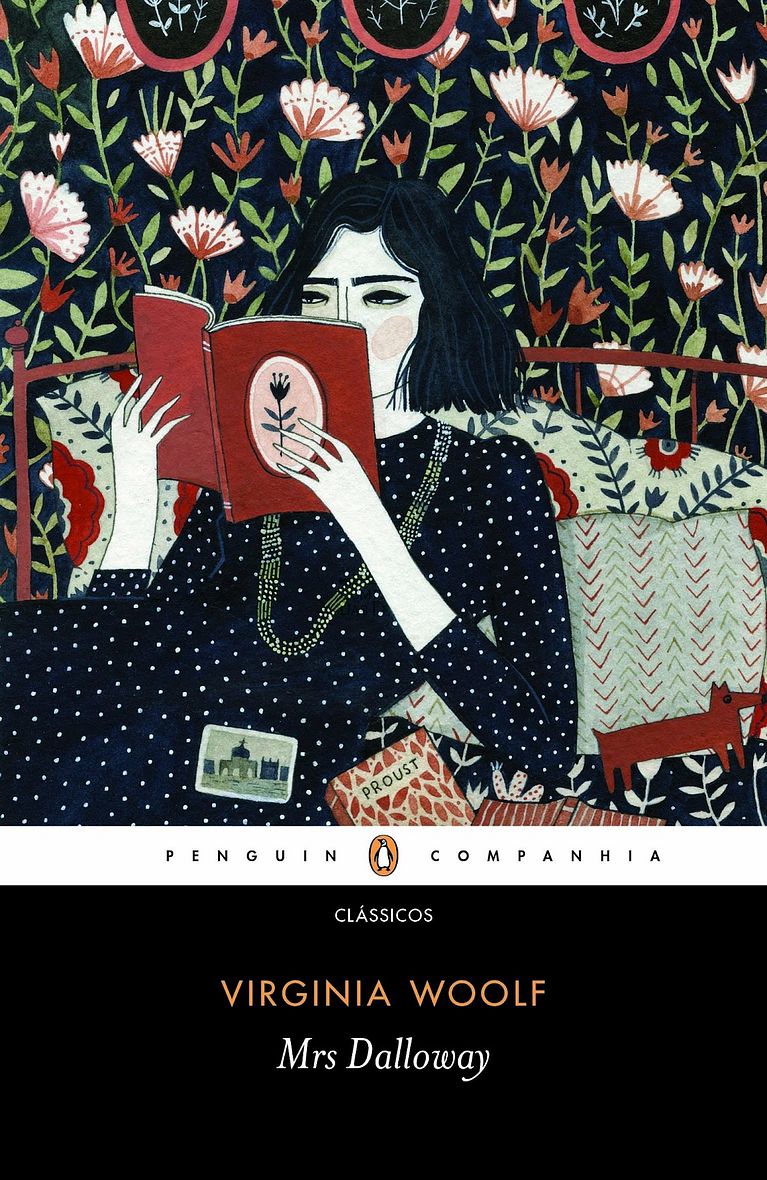
1. Virginia Woolf: interior monologue and feminist narrative
British author Virginia Woolf is considered one of the most influential writers in world literature. She wrote groundbreaking poetic novels that revolutionized fiction writing in the 20th century.

Woolf's main legacy is her characters, who take center stage through fluid, dynamic internal conversations—similar to human thought. A champion for women's education, she's also well remembered for texts based on lectures she gave at major universities. In these lectures, Woolf examines sexism in general society, and in the literary world in particular.
Woolf's iconic works include: Mrs. Dalloway and A Room of One's Own.
2. Caravaggio: the Tenebrism technique and dramatic realism
One of the first great masters of Baroque art, Italian painter Caravaggio is remembered for his dramatic representation of religious and mythological scenes.
In addition to using the famous chiaroscuro technique that defined the artistic movement he was part of, Caravaggio introduced "tenebrism"—a method of using color and light on a dark background to emphasize and create a unique atmosphere.
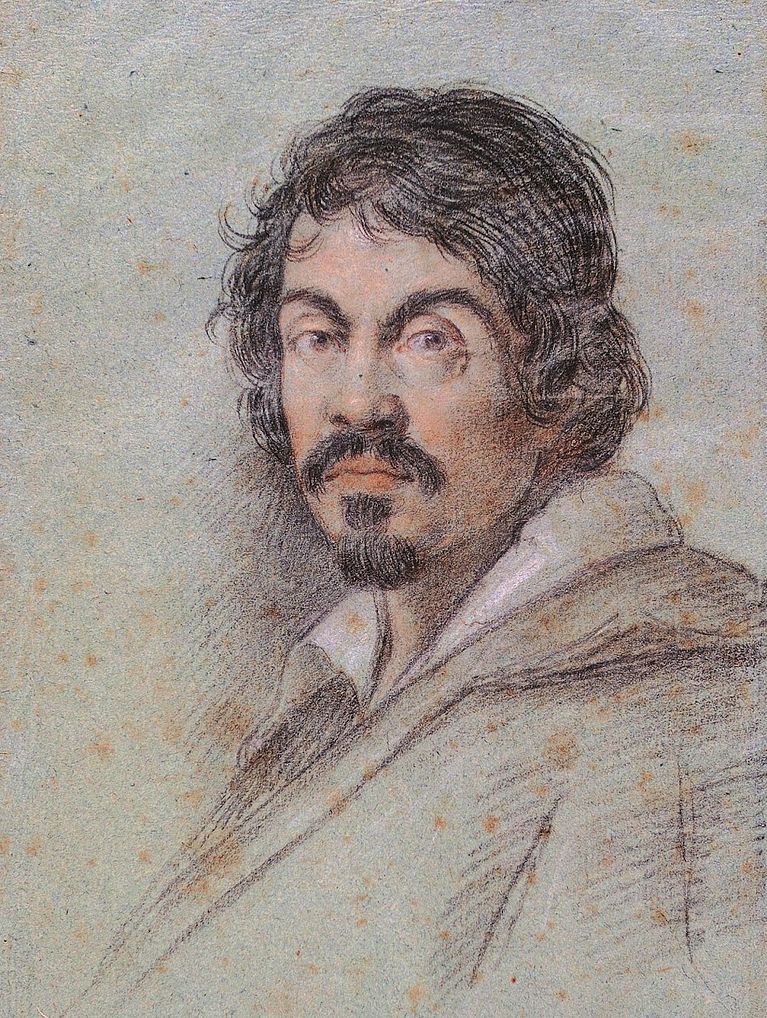
Caravaggio was not interested in portraying human beings in an angelic fashion. Instead, he painted Catholic and mythological characters with great expressiveness and a sexual charge, not worrying about appealing to the nobility of the time.
Caravaggio's iconic works include: The Calling of St. Matthew and Judith and Holofernes.

3. Andy Warhol: revolutionizing the Pop Art movement
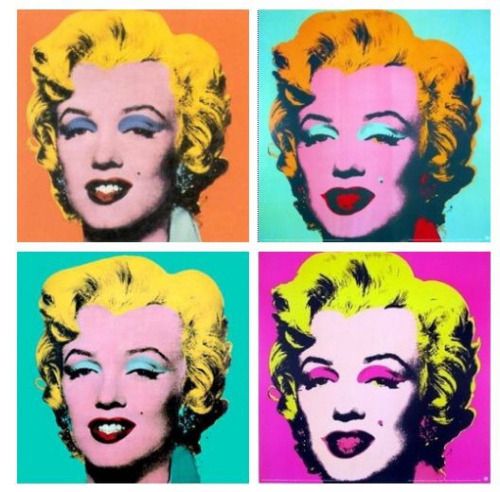
American visual artist Andy Warhol was one of the leading figures in Pop Art, a movement that emerged as a criticism of the consumerism and serial materialism of the 1950s.
Warhol's innovative way of mixing different techniques and materials in his work broadened the possibilities of art, which had previously been much more focused on classical painting. He also championed collaborative art, bringing together multiple artists to create a single work.

Another interesting fact about the artist is that he coined the famous expression "15 minutes of fame", based on his quote: "In the future, everyone will be famous for 15 minutes." Learn more about the life and works of Andy Warhol.
Warhol's iconic works include: Campbell's Soup Cans and Marilyn Diptych.
4. Frida Kahlo: art, political activism, and feminism
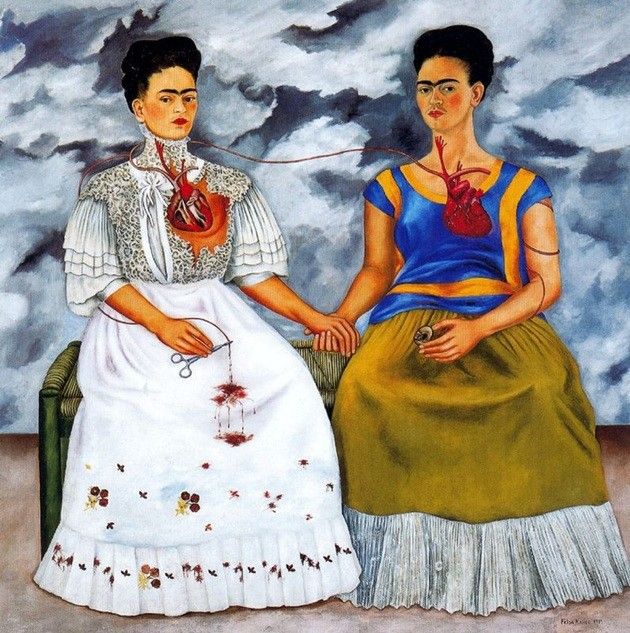
A Latina who had multiple disabilities, Frida Kahlo consistently defied the expectations of those around her and, with her unique style, achieved more than any other Mexican artist to date.
Best known for her self-portraits, Kahlo painted from her own experiences. She also explored themes still considered taboo today such as abortion and femicide. Kahlo's works denounced the suffering inflicted on women and, at the same time, depicted the strength of those who—like her—were survivors.

In addition to Kahlo's contributions to feminist and revolutionary themes, she also carved out a space for herself in the international art world. In 1939, her self-portrait The Frame was bought by the Louvre Museum, making her the first 20th-century Mexican artist to have their work exhibited at the iconic institution.
Kahlo's other iconic works include: The Two Fridas and The Broken Column.
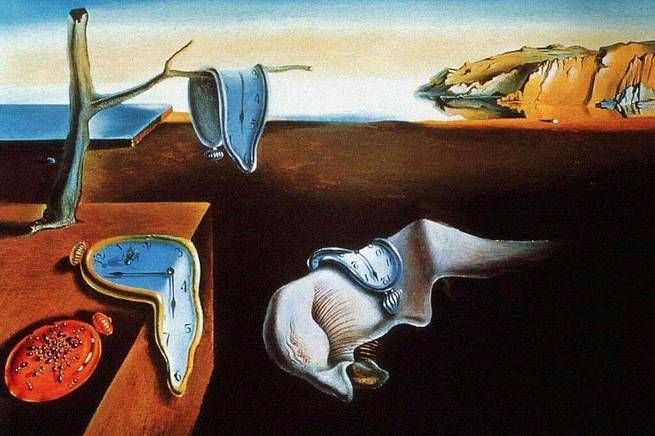
5. Salvador Dalí: Surrealism and "The Persistence of Memory"
Known for his eccentricity, Catalan painter Salvador Dalí was the most famous and prominent figure of the Surrealist movement. Surrealism sought to promote the importance of dreams and the subconscious both for creative purposes and as a vision for humankind.

One of Dalí's most famous works is undoubtedly The Persistence of Memory, a painting depicting a desert landscape and several melted clocks. The work is a perfect example of Surrealism thanks to its various interpretations, and it's also one that has inspired artists from all walks. Several reinterpretations of the painting have sprung up in pop culture—even The Simpsons creator Matt Groening created a version using his iconic characters.
Dalí's other iconic works include: The Persistence of Memory and Dream Caused by the Flight of a Bee around a Pomegranate a Second before Waking.
6. Leonardo da Vinci: the Sfumato technique, parachute, and "The Last Supper"
One of the most important figures of the Renaissance, Leonardo da Vinci was more than an Italian painter—he was also a scientist, mathematician, engineer, inventor, anatomist, sculptor, architect, botanist, poet, and musician. His studies, inventions, and creations spread across many fields, shaping disciplines from painting to physics as we know them today.

In the field of painting, Da Vinci was the creator of the sfumato technique, which consists of superimposing layers of paint in such a way that the colors create soft and indistinct outlines, producing a sensation of depth. As for science and technology, he carried out remarkable studies that turned out to be essential for future inventions such as the parachute, scuba diving devices, and even war tanks, among many others.
Da Vinci's iconic works include: The Mona Lisa and The Last Supper.

7. Alan Turing: Computers and artificial intelligence
English mathematician and inventor Alan Turing was a important player in helping end the Second World War. He and his team created the Bombe machine that cracked the German military's Enigma code, enabling the Allies to decipher messages sent by German naval forces.
Yet, Turing's legacy runs even deeper than this. His mathematical theories laid the foundations for the modern computer and artificial intelligence, shaping all kinds of creative industries (and beyond!) as we know them today.

Despite his revolutionary achievements, Turing's name wasn't very widely known until the release of the 2014 movie The Imitation Game that told his life story.

Which other creatives do you think should be featured on this list? Let us know your LGBTQ+ icons who have made an incredible impact on the world in the comments below!
English version by @acesarato.
Get inspired to make your own art with these resources
- Discover the works of world-renowned artists exploring LGBTQ+ identity
- Learn the story of Tamara de Lempicka, an Art Deco icon and infamous socialite.
- Inspired by the works of Dalí? Explore techniques to create your own Surrealist artworks in Redmer Hoekstra's course, Surrealistic Fineliner Illustration.


0 comments