

DIY Tutorial: How to Choose the Right Bookbinding Thread
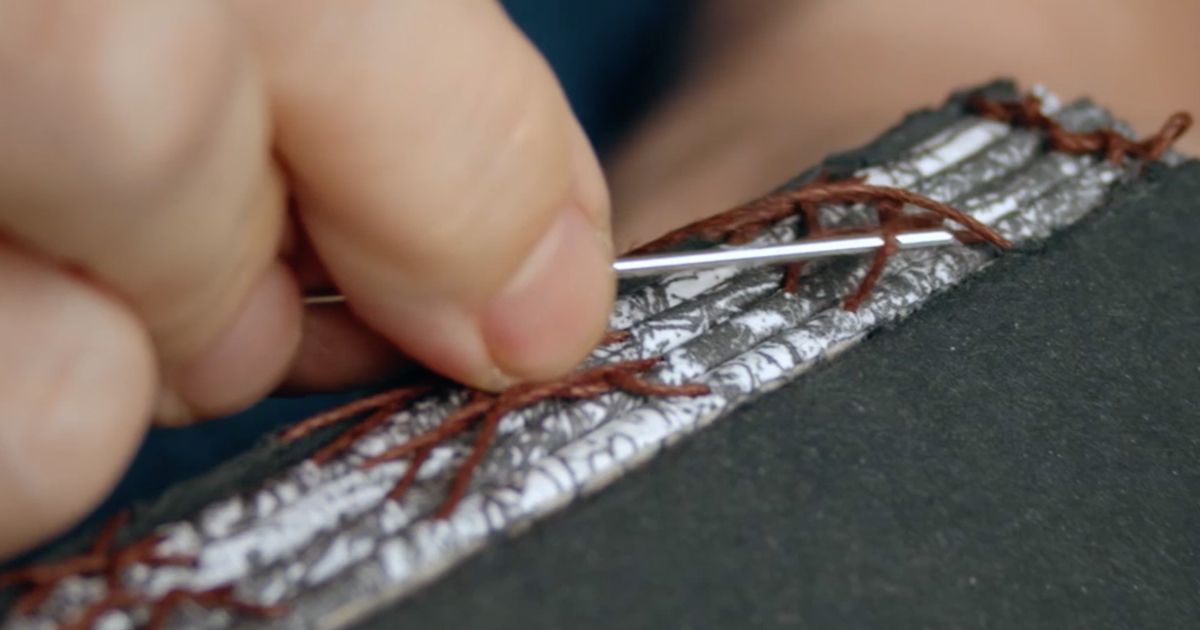
Learn the secrets to selecting the right threads for bookbinding by hand, with Susana Dominguez
One of the key bookbinding moments is when you stitch the pages together. This stage also tends to produce a lot of uncertainty. How do you choose the right thread for each section? Which threads are best for the result you wish to obtain? What are the advantages and disadvantages of each type?
Susana Domínguez (@susanadominguez) is a professional bookbinder and winner of Spain’s National Artistic Bookbinding Award (2017). In this tutorial, she explains how to select the right threads for your hand bookbinding project. Discover her tips in the video.

Bookbinding threads
The most important aspect to consider when it comes to bookbinding thread is to make sure your materials are not acidic and don’t use dyes that will ruin the paper. Respecting these basic rules gives you various options depending on the result you wish to obtain or the section of the book you’re going to work on.
1. Nylon thread
Nylon thread is commonly used in bookbinding. It’s very durable, and also elastic. This means that if you pull hard on the thread you’re using to stitch the book together, it may move or contract. Nylon isn’t thick enough for round backed binding.
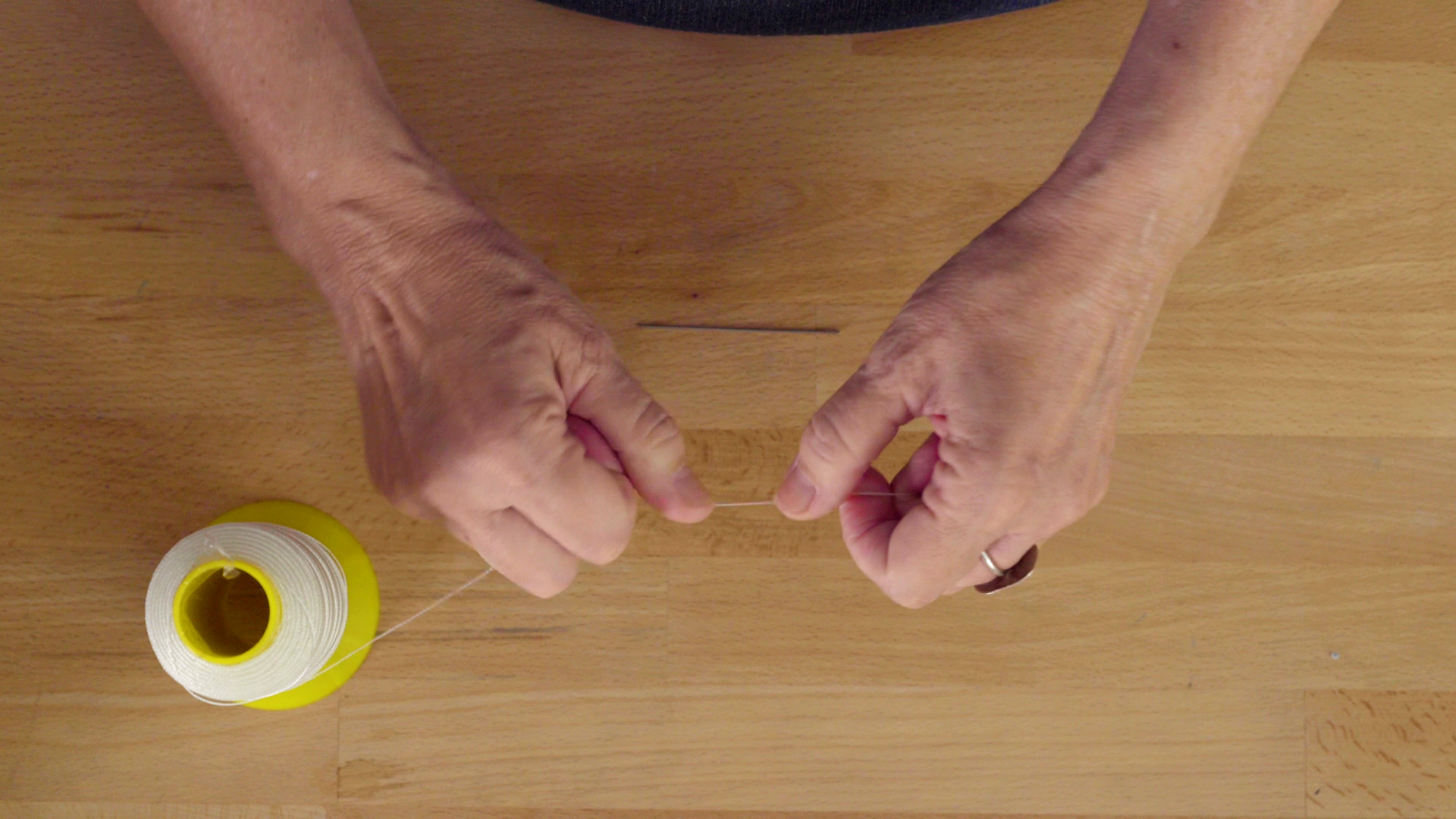
2. Fine and thick linen thread
Fine linen thread is very useful for obtaining a straight, non-rounded back. But when you want a rounded back, it’s best to use linen thread measuring about 1 mm thick.
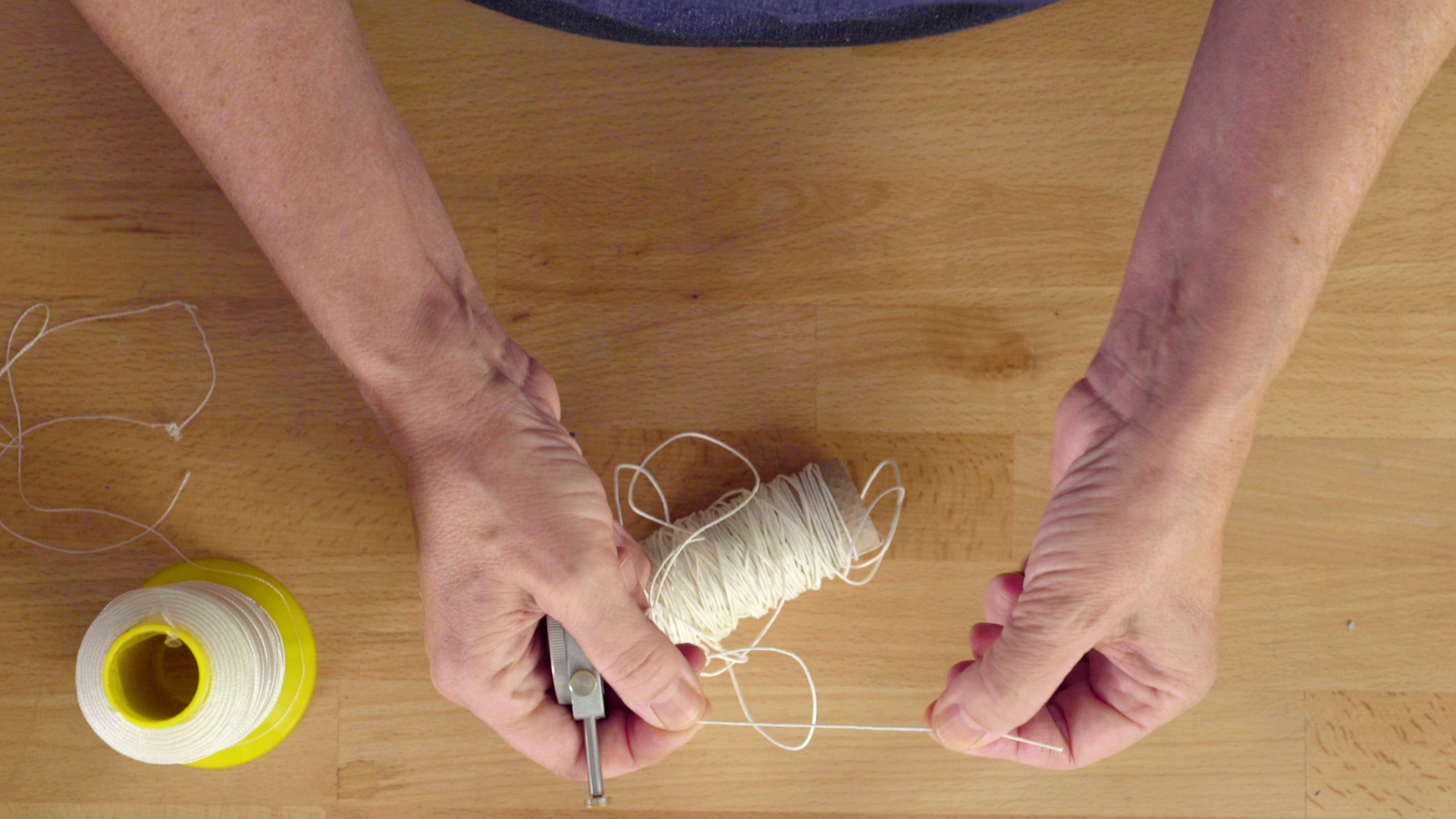
3. Dyed linen thread
Dyed threads tend to be thicker and will produce bulky stitching if you’re making a thin book. However, they are beautiful and can be used for visible binding.
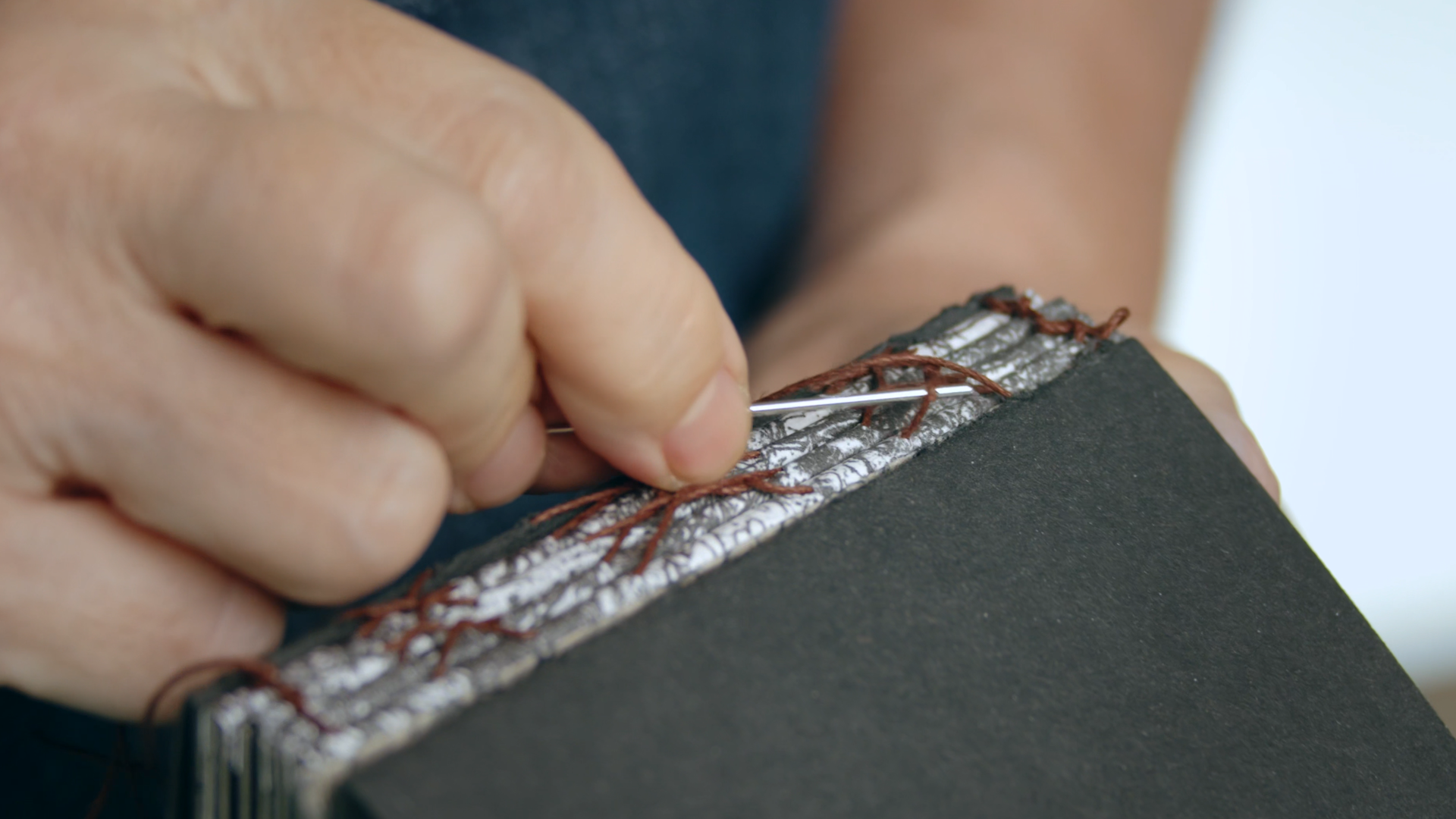
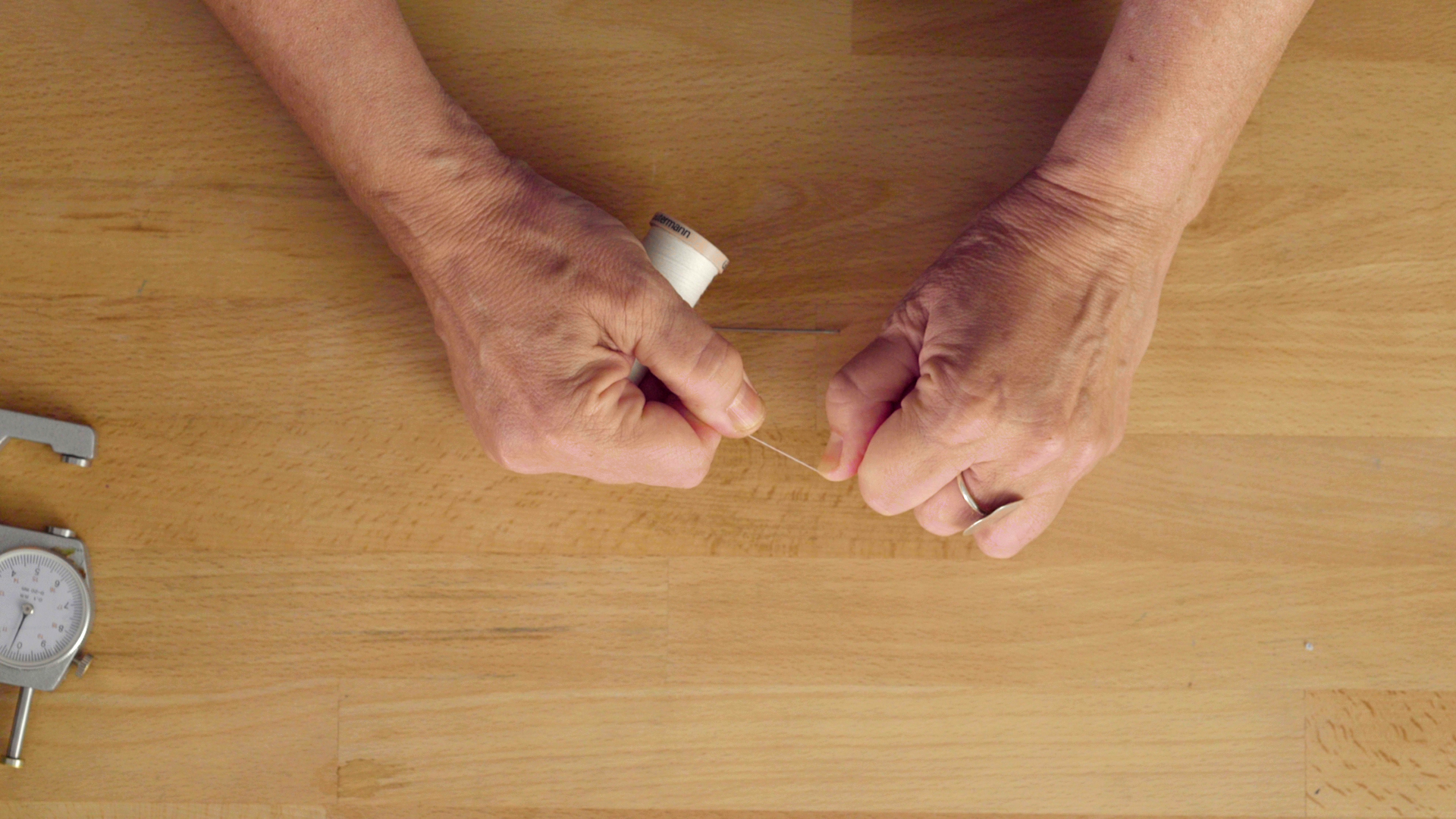
4. Fine cotton thread
This fine thread is made of 100% cotton. It’s not as strong as the other options we’ve mentioned so you need to be careful and choose the right projects to use it on. Nevertheless, it has good technical qualities.
Love this tutorial?
If you’d like to learn how to bind your artwork without compromising the images, don’t miss her online course: Bookbinding Your Artwork without Folds.
You may like:
- Basic Materials for Your Next Binding Project
- What is an Artist’s Book?
- Editorial Design Tutorial: How to Create a Digital Dummy


0 comentários