


Narrative Tutorial: how to create a character profile
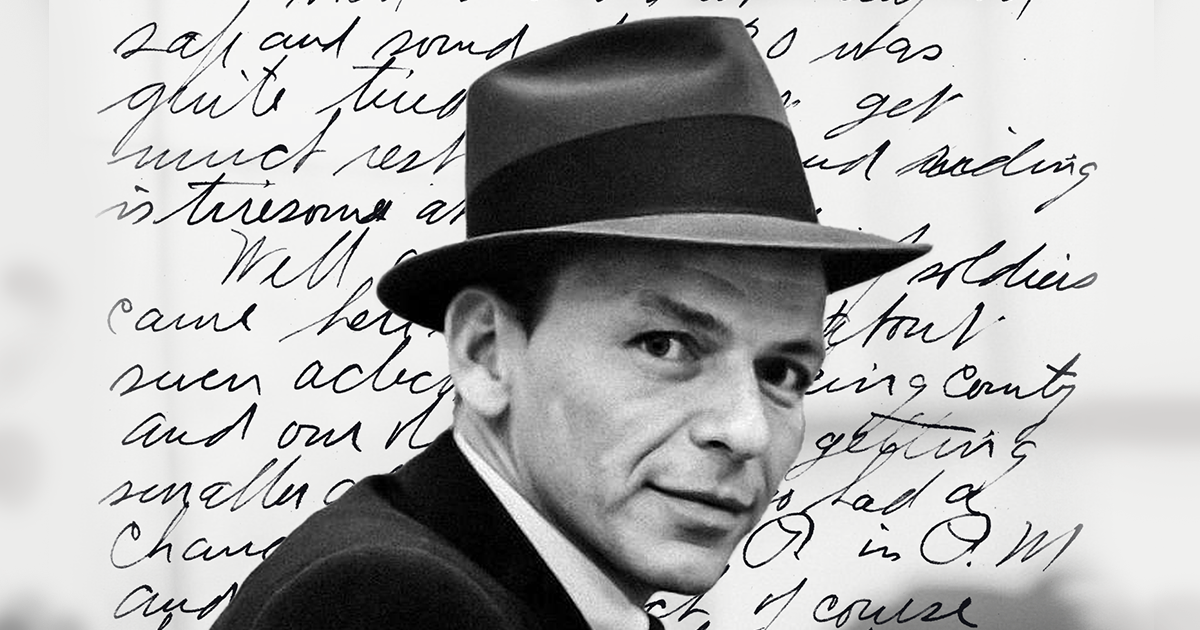
Discover the techniques used by experts to create engaging nonfiction characters with Eileen Truax
Capturing the essence of a real person through writing is no easy task, regardless of whether it is someone famous or not. Think about a friend or family member who you have known all your life: have you ever been surprised by their behavior? Without a doubt, the answer is “yes”. So how can you use narrative as a tool to give a character the multiple dimensions they deserve?
Award-winning Mexican journalist and author Eileen Traux (@eileentruax) is an expert at approaching facts with narrative techniques to write captivating nonfiction stories. Her articles have been published in some of the world's largest media outlets, including The New York Times, Vice and The Washington Post.
For Eileen, it's very important to study other strong character profiles before you start writing your own. Join her in this post, in which she will take us to see some of the profiles of the most famous people ever written. She will also tell us what narrative devices were used to create a convincing portrait of Frank Sinatra.
How to write a profile of a non-fiction character
1. Choose the individual you want to write about
Whether your subject is a Hollywood star or a hermit, each person has a unique story behind them. Thus, it is worth keeping in mind that writing a profile of someone famous may be more difficult than writing a profile for someone unknown, since the volume of information available is greater.
2. Study the profile of a strong character
The report Frank Sinatra Has a Cold, written in 1965 by Gay Talese, is one of the most famous profiles in history. Although its author never managed an interview with the famous actor and singer, he did resort to very innovative approaches and methods that have since become indispensable for biographers and journalists. It doesn't matter that you're not writing a profile on Sinatra: as you analyze Talese's text, you'll find clues about how you can approach your subject with the same expertise employed by the journalist.
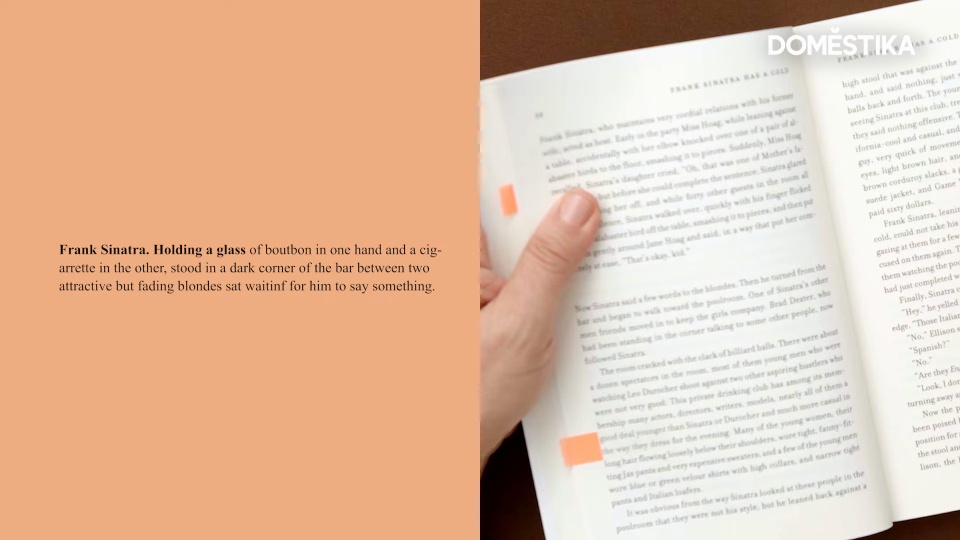

3. Set the scene in the first lines
Don't take too long to introduce the subject of your profile: use the introductory lines as an opportunity to set the scene and draw your reader's attention to the character you're profiling.
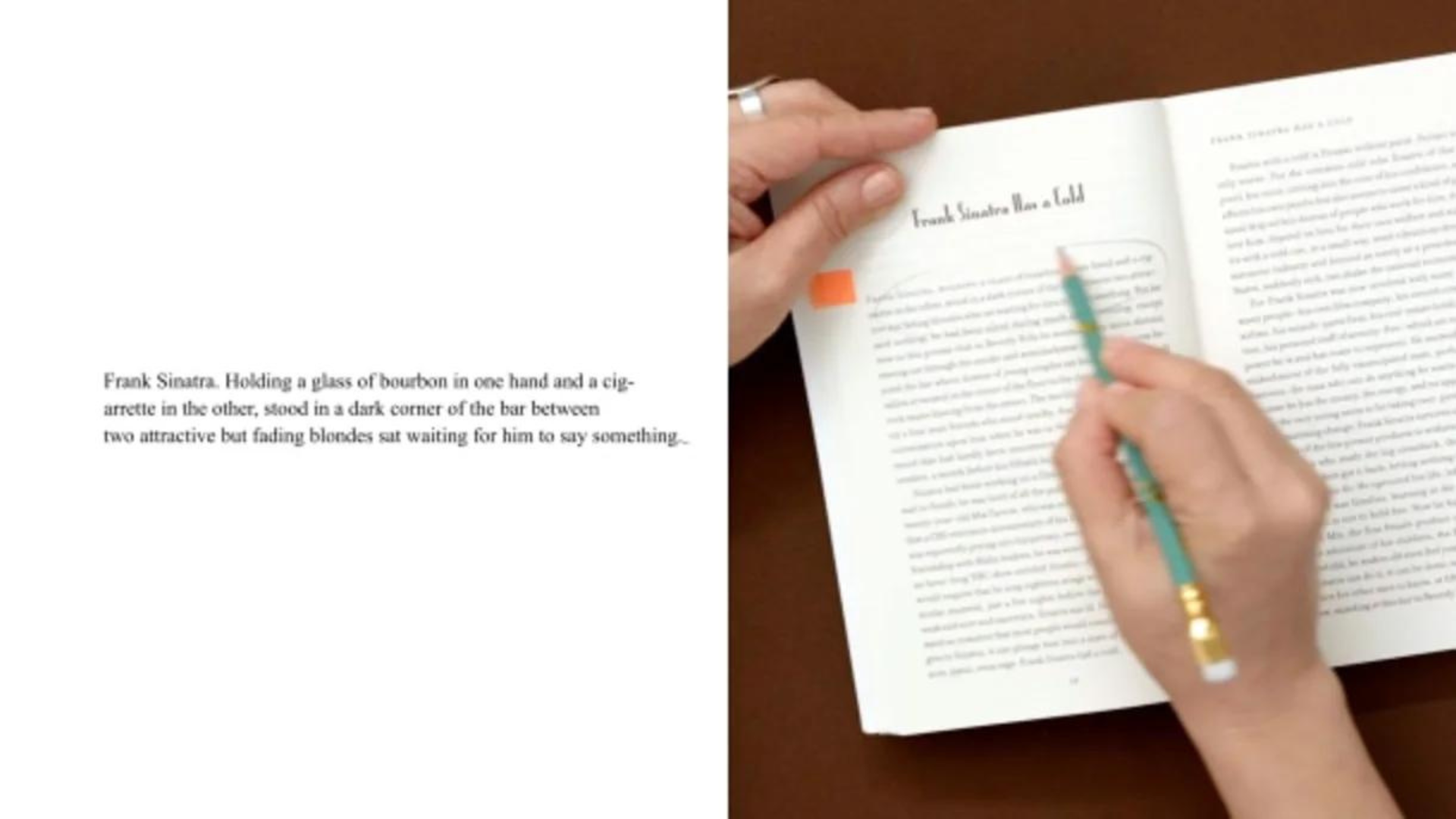
4. Return to specific scenes
Return to certain scenes to provide continuity to your character and the narrative as a whole. Doing it at intervals, and throughout your text, will help you structure your profile.
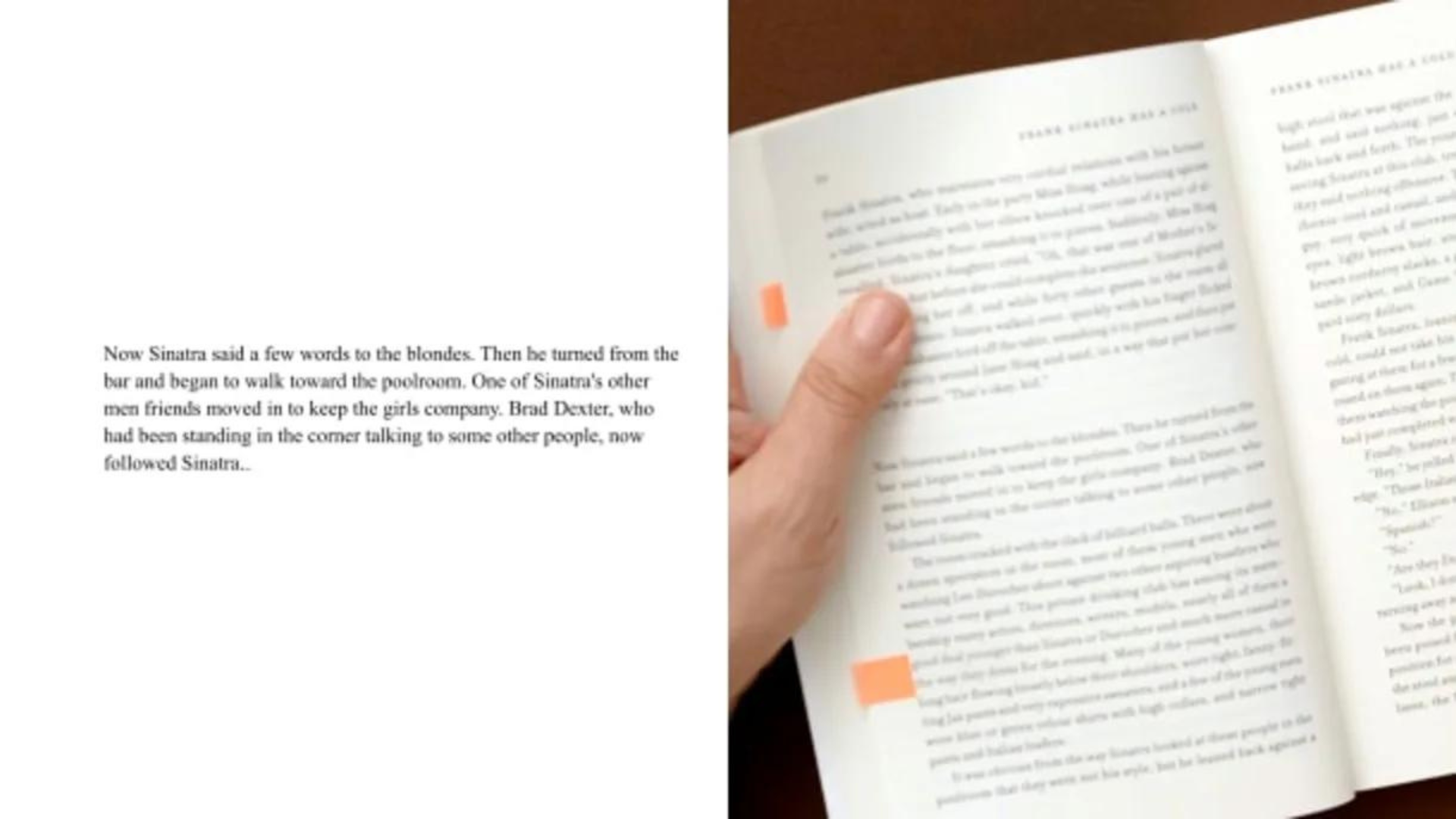
5. Use small fragments of dialogue
To give rhythm to your profile, use a phrase, a few sentences or a short paragraph interspersed between your story. What would you like your reader to know about your character? Be very selective with the revelations you will offer to your audience.
6. Teach, don't tell
What Talese's article shows us is that what your subject does is more revealing than what he says. How does your subject interact with children? How does he behave with animals? How does he behave within his social groups? Answering these questions will breathe life into your character profile.

7. Offer your unique point of view
Profiling a character is not just about creating a written portrait of an individual, but about providing your own interpretation of that individual. In it, your mission is to capture the elements that perhaps only you are able to see, something that will make your profile unique and engaging.
Did you like this tutorial? If you want to learn more about writing compelling nonfiction stories, sign up for Eileen Truax's online course, Nonfiction writing: tell your own story.
Spanish version by @arturo_torres_landa
You may also be interested in:
- 10 essential online creative writing courses in 2021
- Narrative Tutorial: exercise to create a good story
- Writing Tutorial: 3 ways to overcome the sheet in white
- Creative writing for beginners: bring your story to life, a course by Shaun Levin
- Dialogue writing: give voice to your characters, a course by Jimena Eme Vázquez


0 comentarios