
Course project
La Jugada
La Jugada
by Carlos Ferron @carlosferron2017
- 189
- 0
- 1
Introducción
Introducción
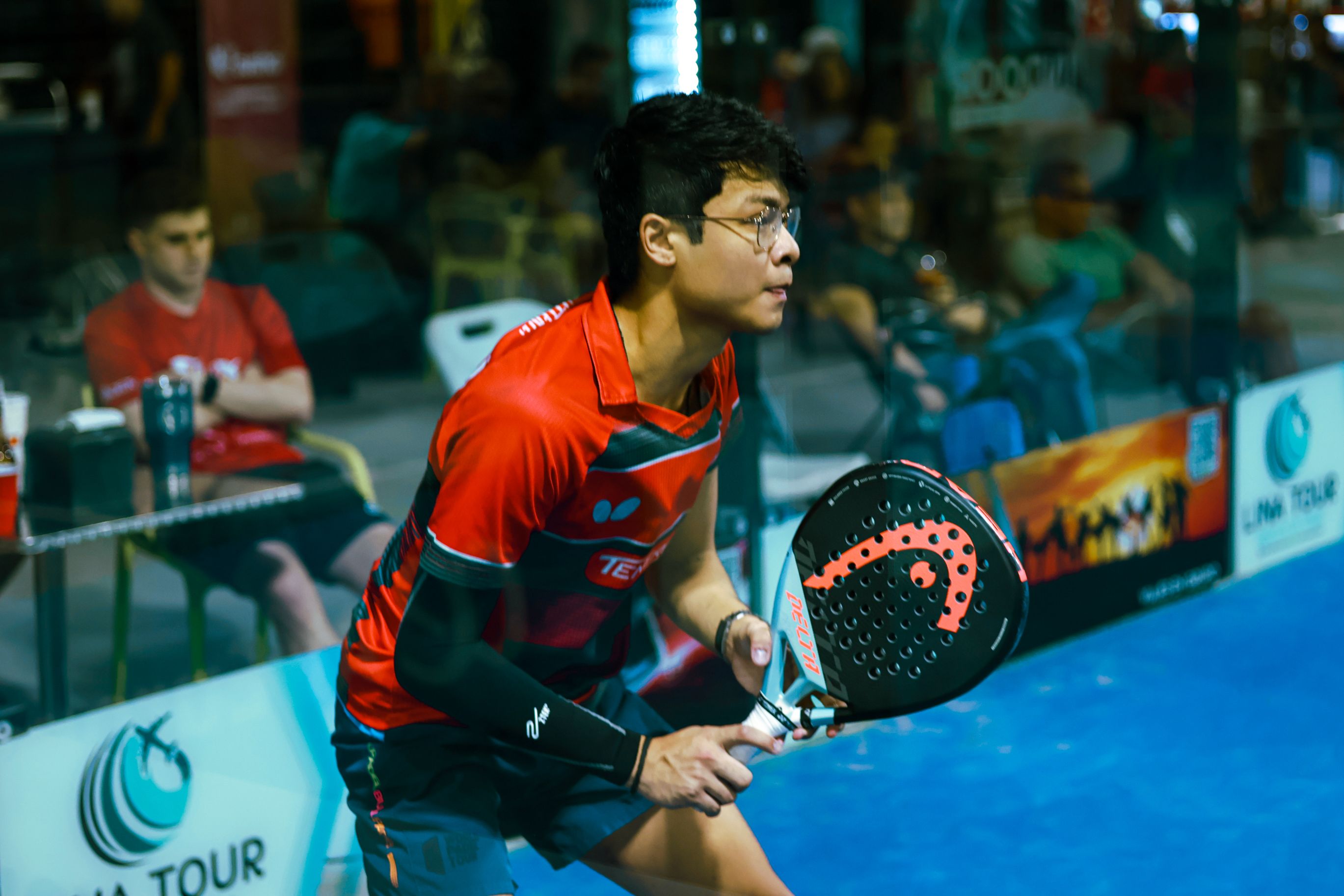
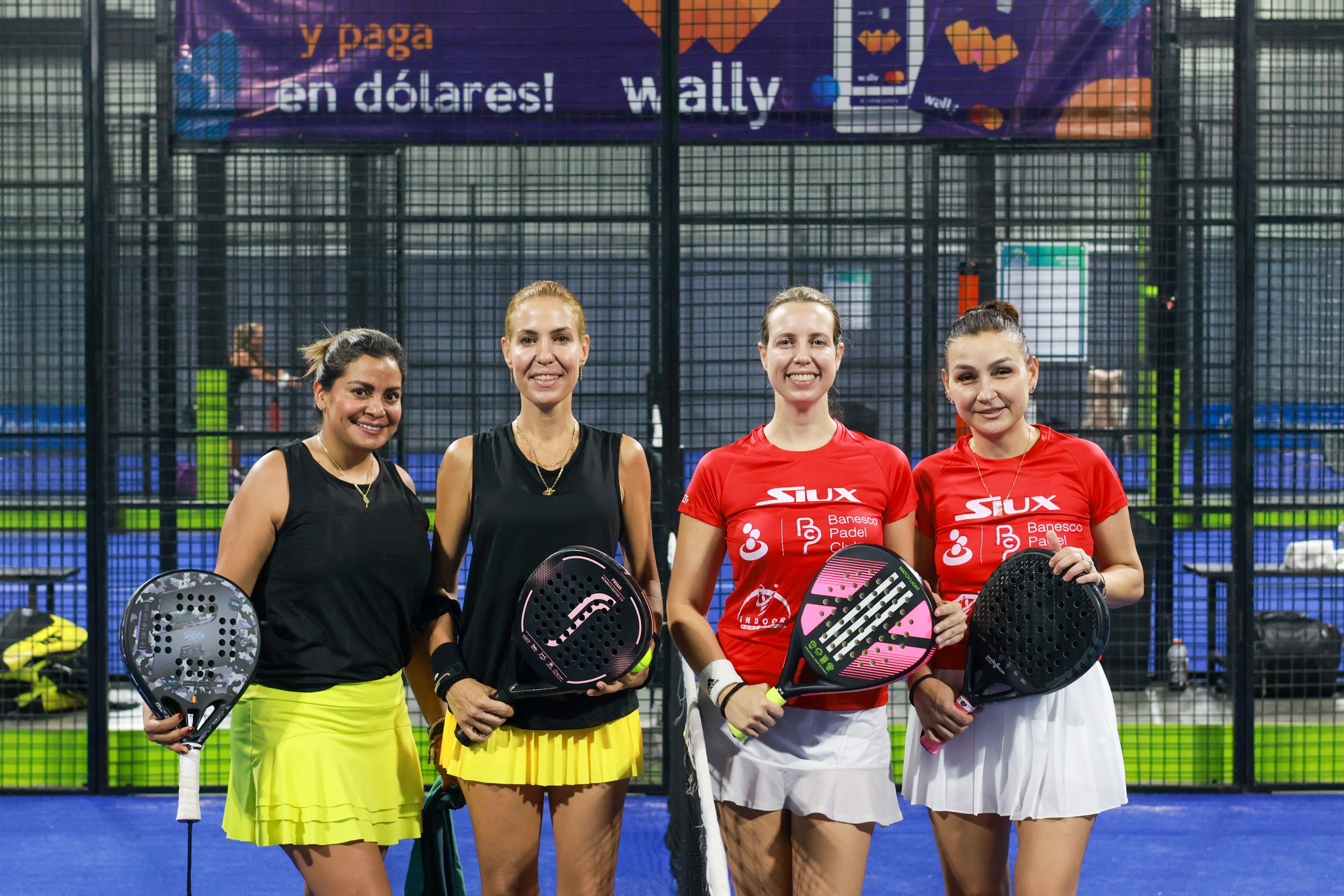
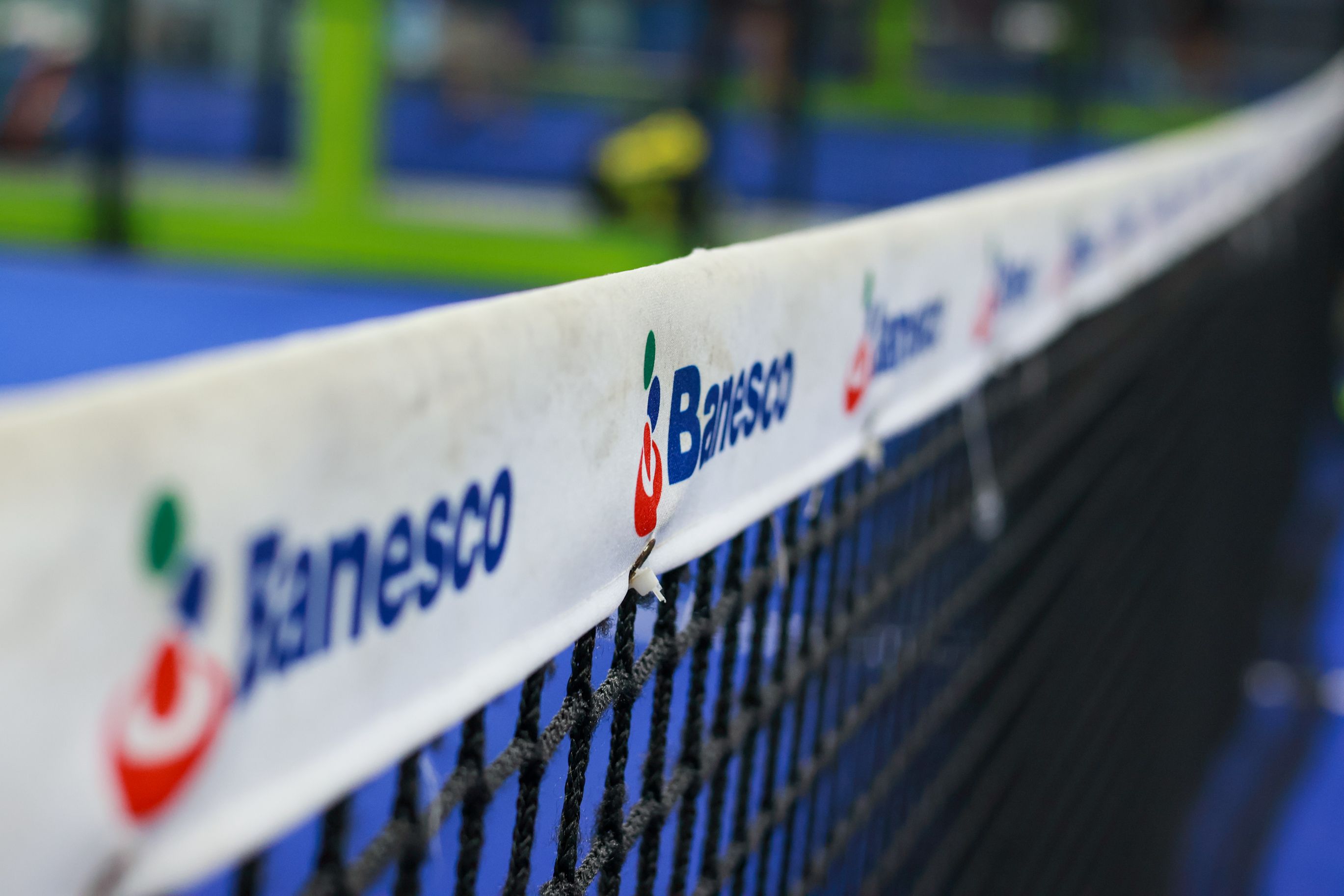
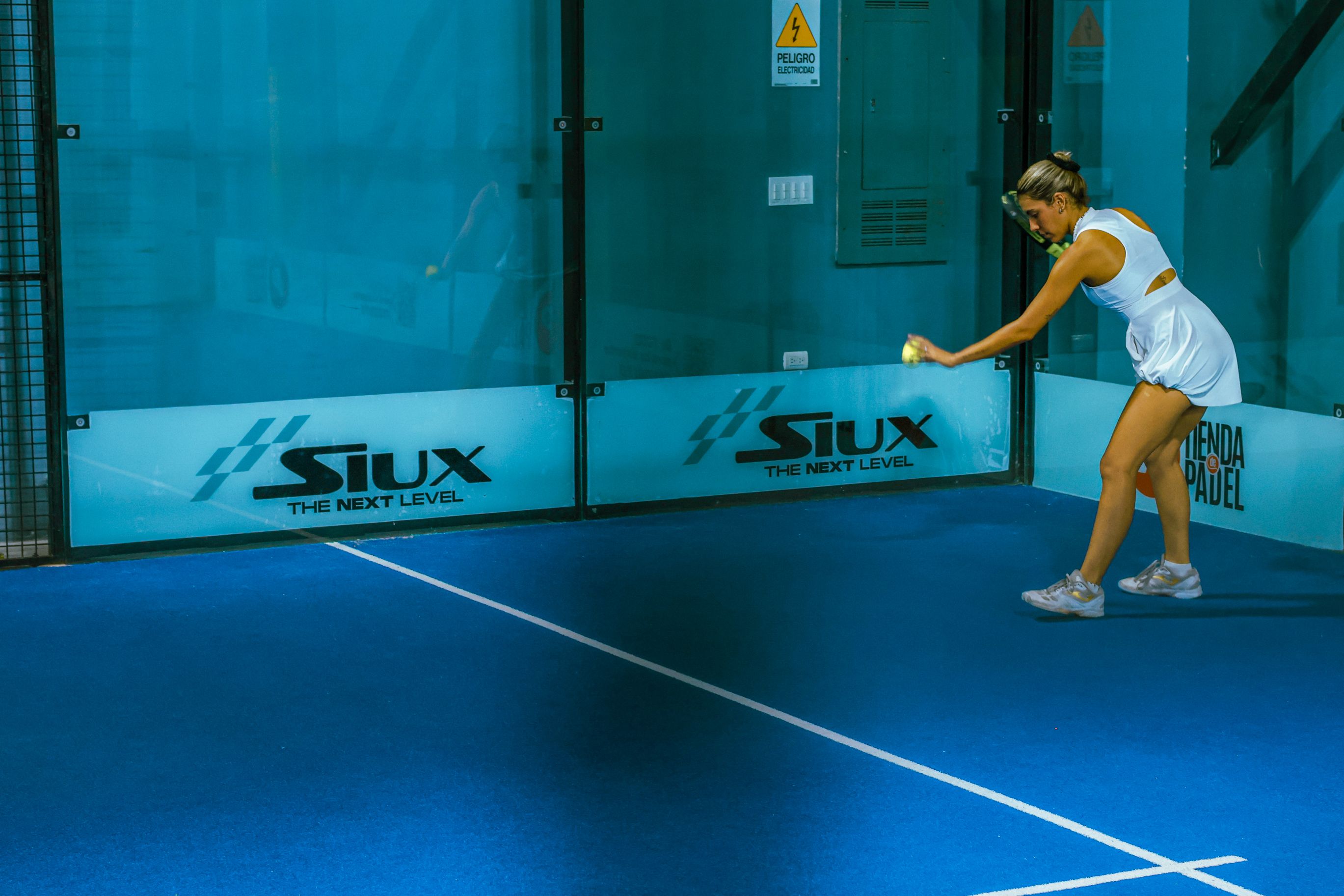
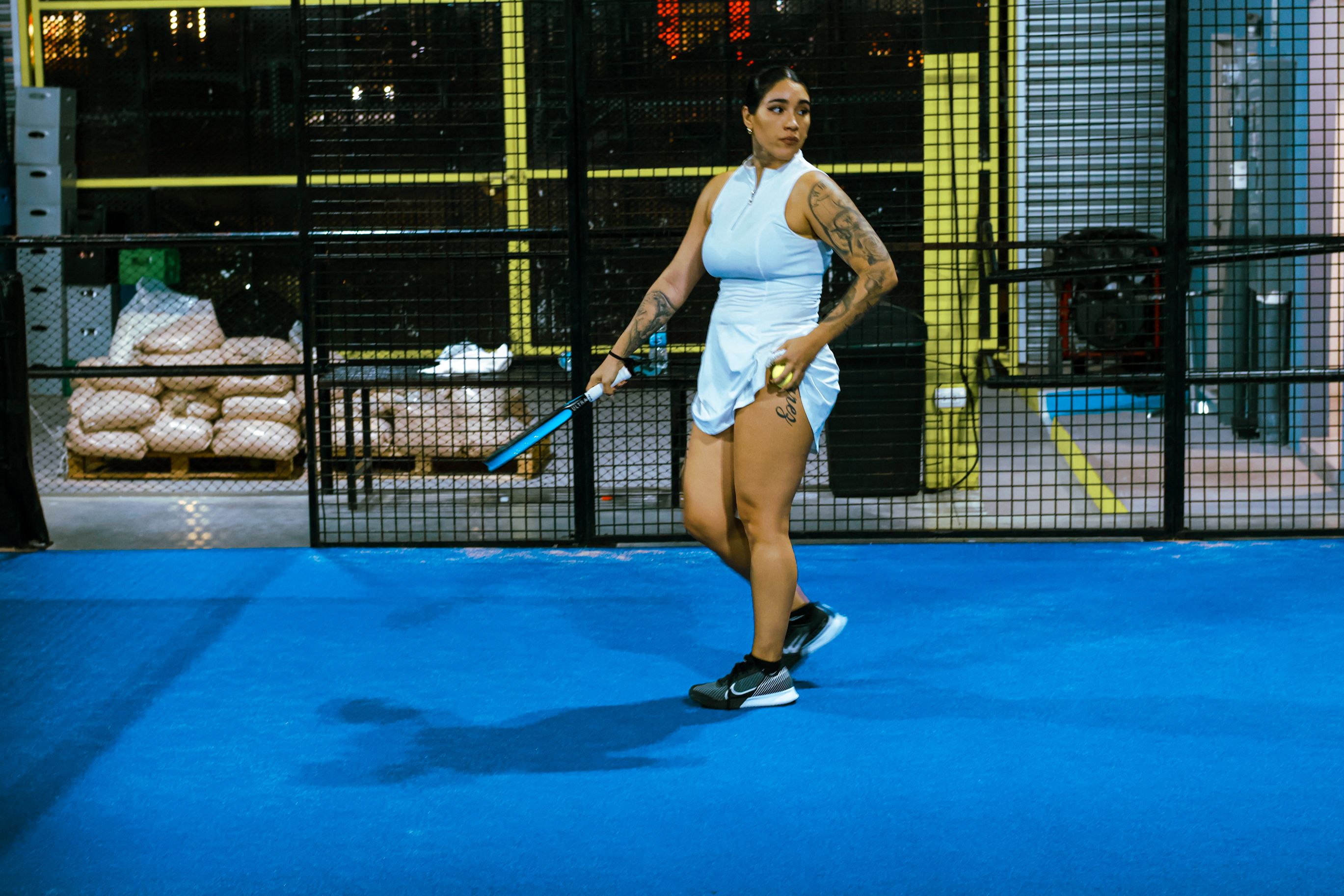
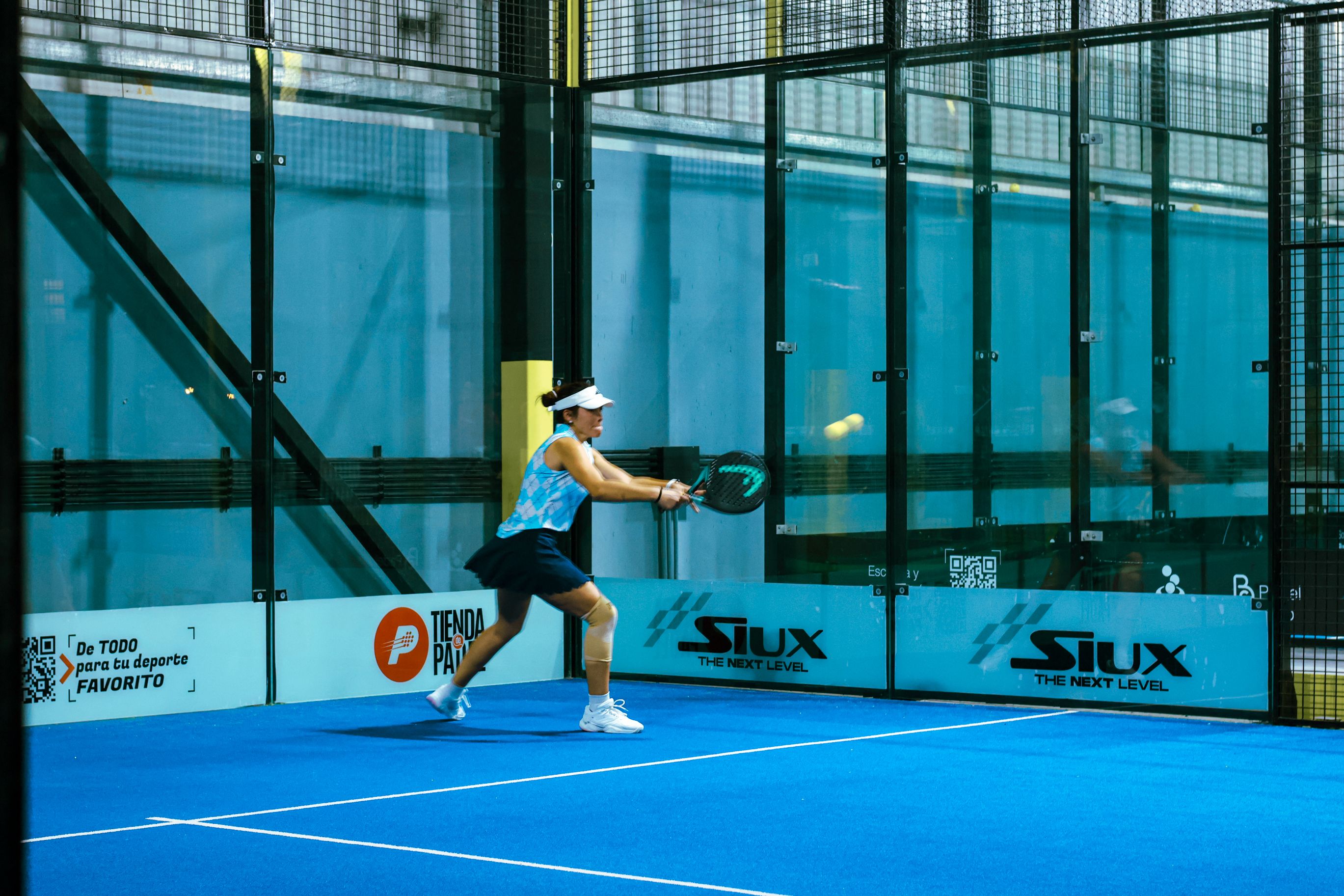
Torneo de Padel captando momentos del dia
Materiales
Materiales
use lightroom para editar
Nunca quites el Ojo
Nunca quites el Ojo
practicar jamas quitar el ojo del objetivo y en momento preciso tomar un rafaga
1 comment
Hello Carlos,
Congratulations on completing the course and thanks for sharing your final project with the community.
Sport photography, particularly indoors, presents unique challenges due to factors such as low and inconsistent lighting, fast-moving subjects, and the need to capture moments in a split second. Your photos demonstrate excellent sharpness and exposure, which is a great accomplishment in such a demanding environment. To elevate your work further, I would recommend experimenting with a wider aperture to create more depth of field. This would allow the subject to stand out from the background, which is especially important in sports where action is often surrounded by distractions. By using a larger aperture (a lower f-stop number), you'll be able to blur the background, isolating the subject and making them the clear focus of the image. Additionally, to combat the indoor lighting challenges, consider increasing your ISO slightly to allow for a faster shutter speed. This will help you freeze motion while still achieving proper exposure, though be mindful of potential noise at higher ISO levels. Another key factor is anticipating the action; this can be tricky but developing a sense of timing will help you capture those decisive moments when the subject is at the peak of action, creating more dynamic and compelling images. Finally, don't forget to play with different angles and compositions—experimenting with both wide shots and tighter, more intimate frames can add variety to your portfolio and tell the story of the game more effectively.
Thanks again for sharing your project.
Best of luck,
Giulia
Log in or join for Free to comment