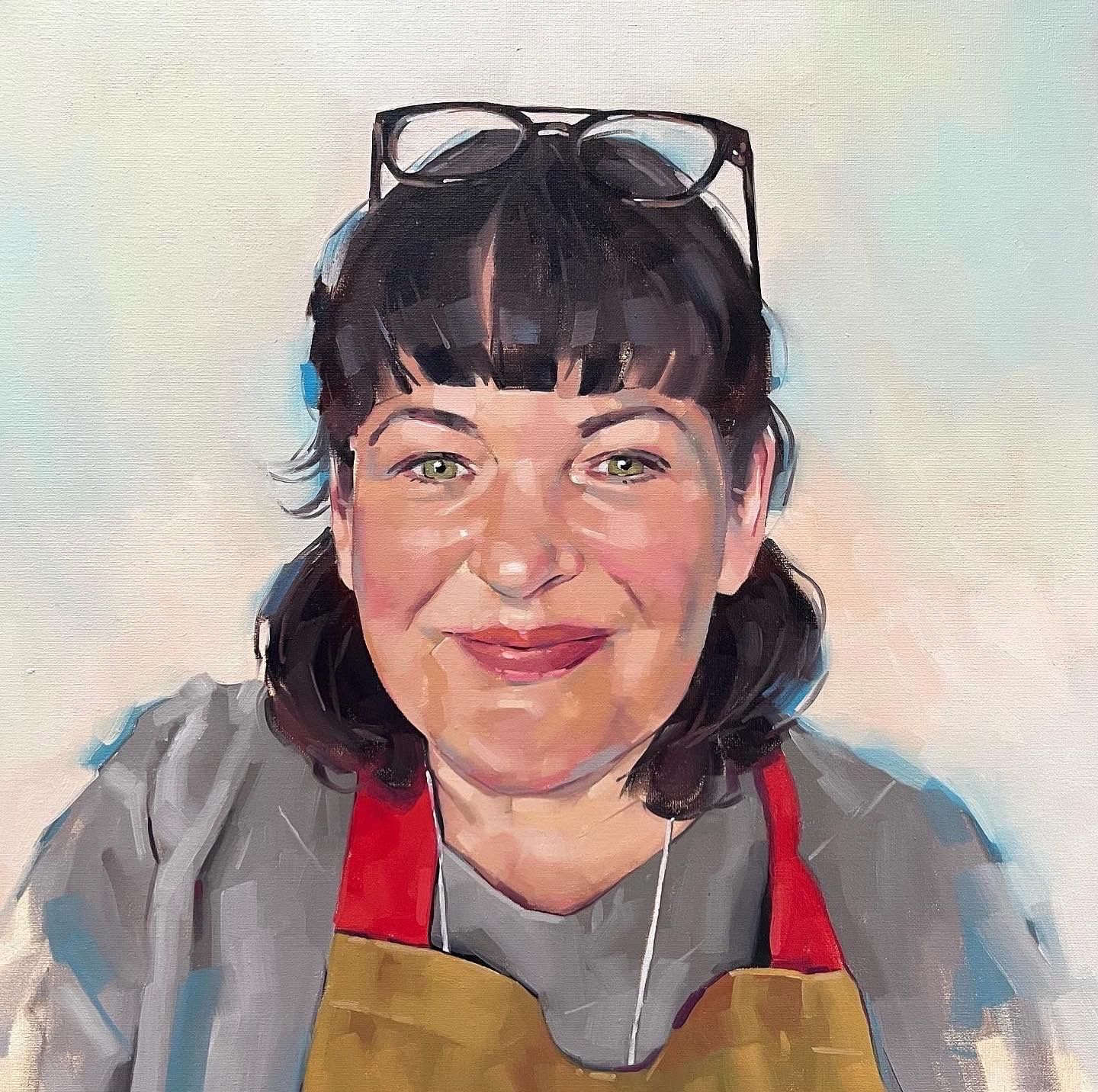
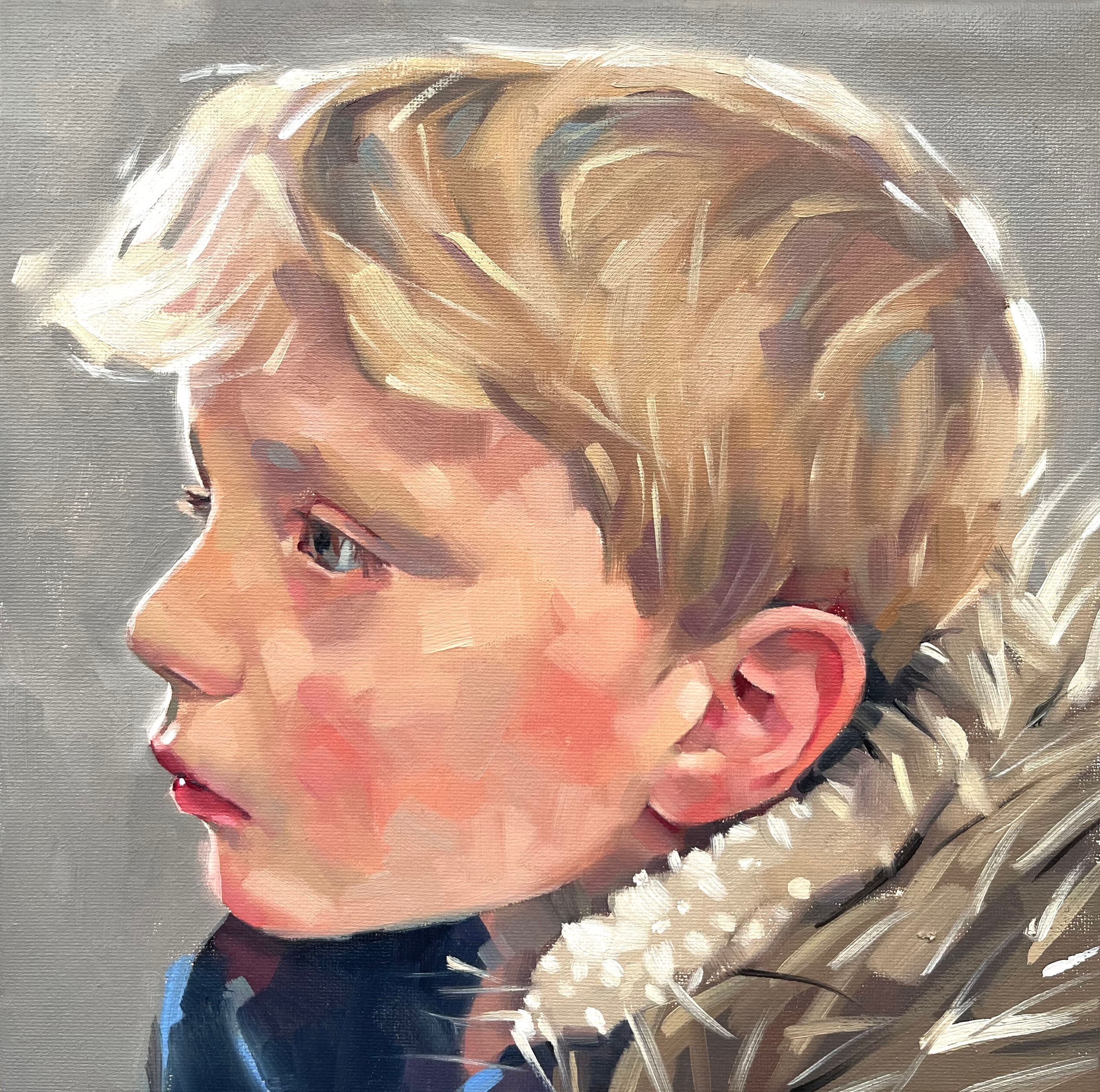
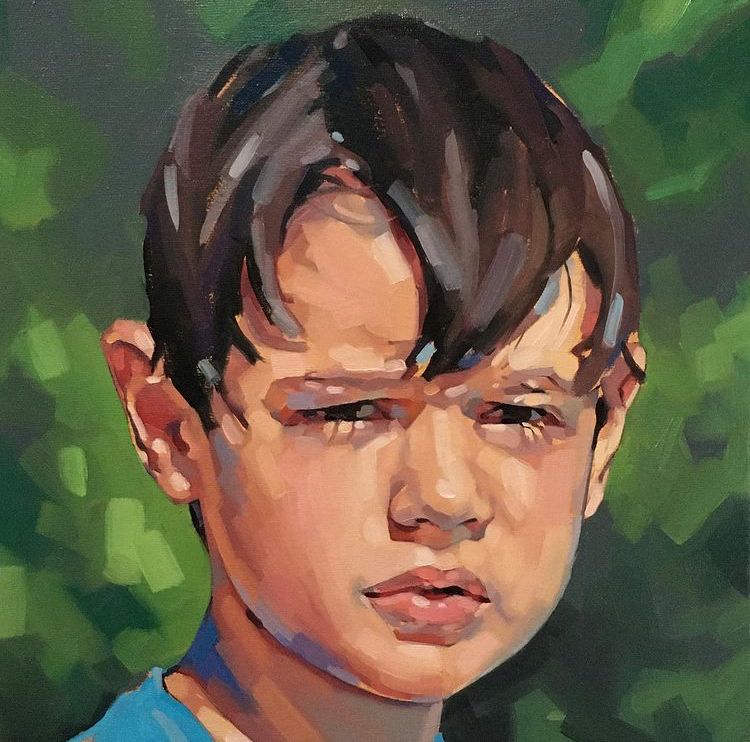
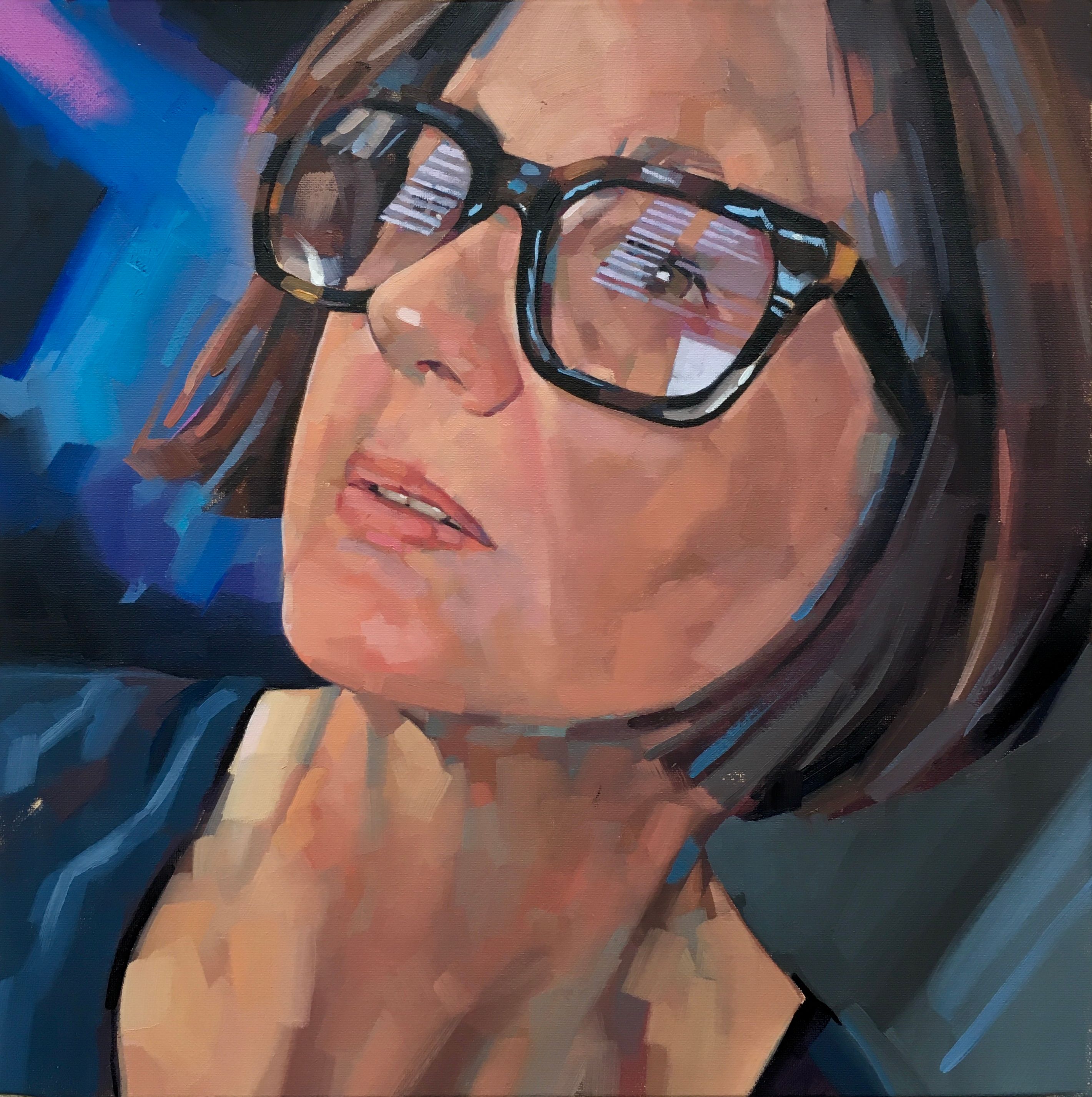
Digital illustration is evolving. By 2026, certain techniques will be consolidated as essential. Incorporate these 5 trends to your portfolio. Digital illustration continues to transform at an accelerated pace. Every year new tools, styles and approaches emerge that expand the creative possibilities for artists of all levels. In 2026, visual trends point to a balanced combination of digital, analog and narrative experimentation. Mastering new techniques not only broadens your skills, but also allows you to stand out in an increasingly competitive industry. Exploring trends is a way to stay current, nurture your style and discover unexpected ways to tell visual stories. Here are 5 key techniques that will shape digital illustration in 2026, ideal to start integrating into your creative workflow today. 1. Analog textures applied digitally. The fusion between manual and digital will continue to grow. Illustrators are increasingly incorporating brushes that simulate graphite, charcoal, ink, oil or watercolor, achieving a handmade finish without giving up digital flexibility. It is also becoming common to digitize real textures rough paper, watercolor stains, handmade strokes to integrate them in layers and enrich the composition. This technique adds depth, imperfection and humanity, highly valued in editorial illustration, children, posters and personal art.
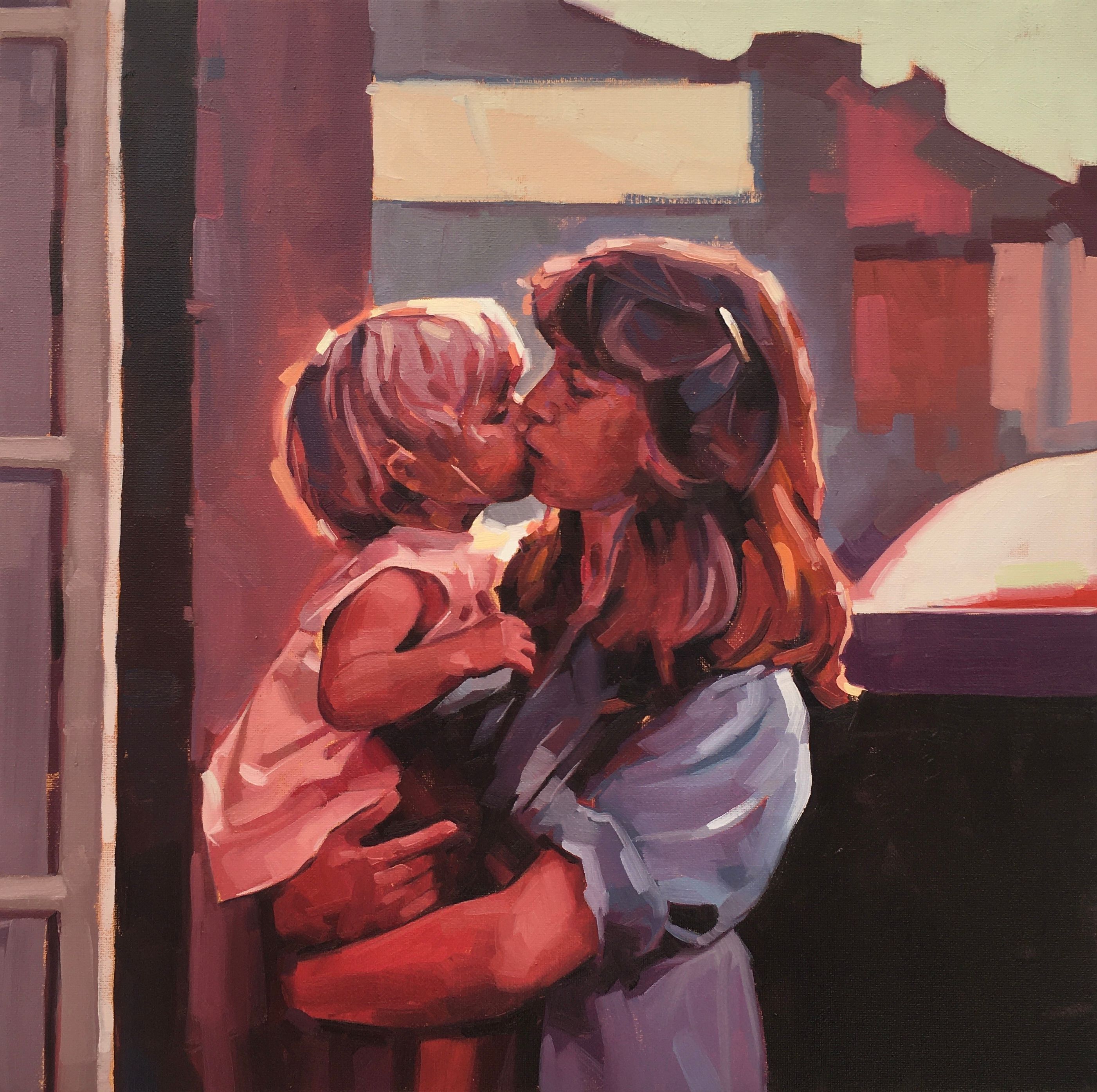
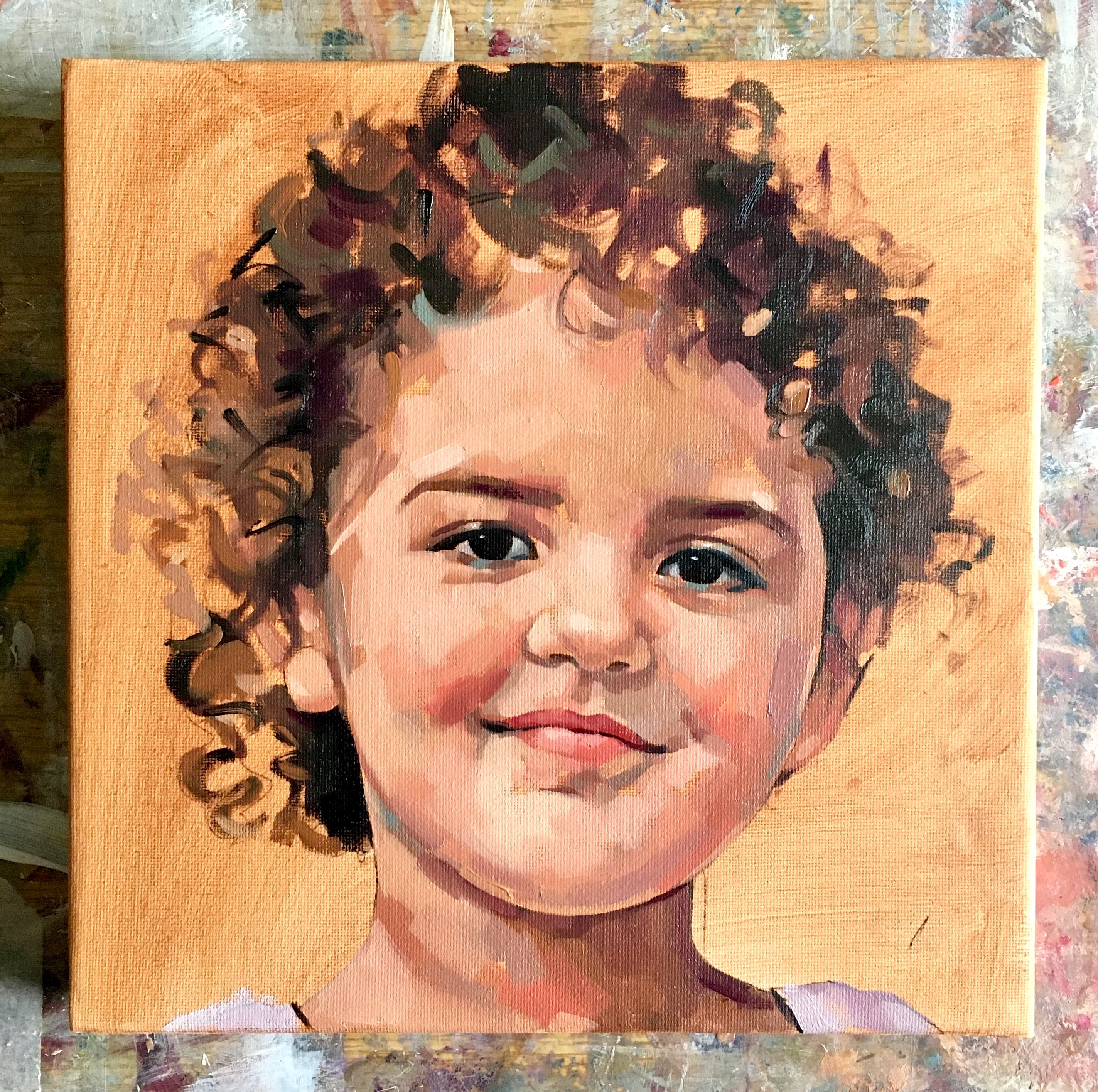
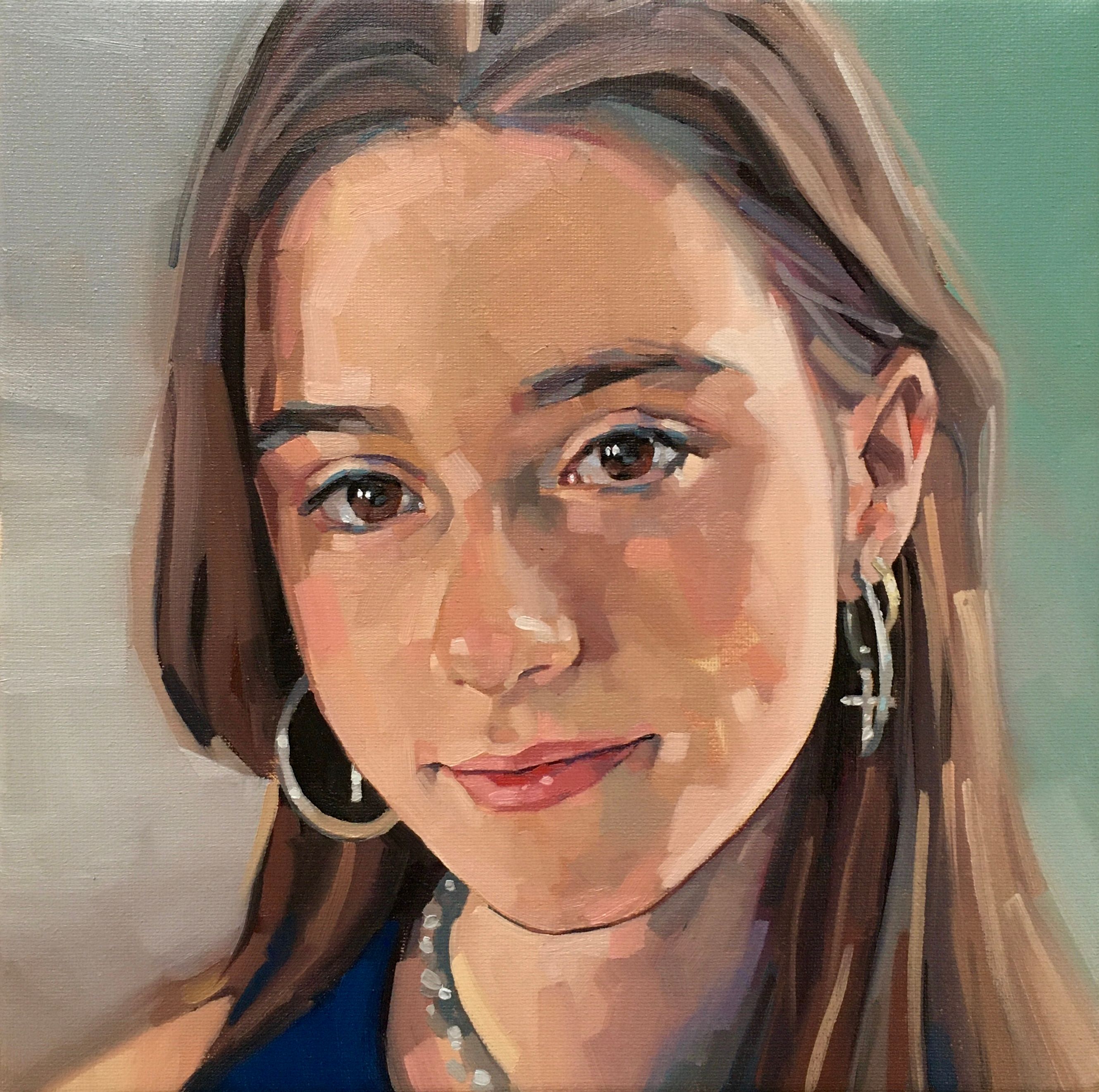
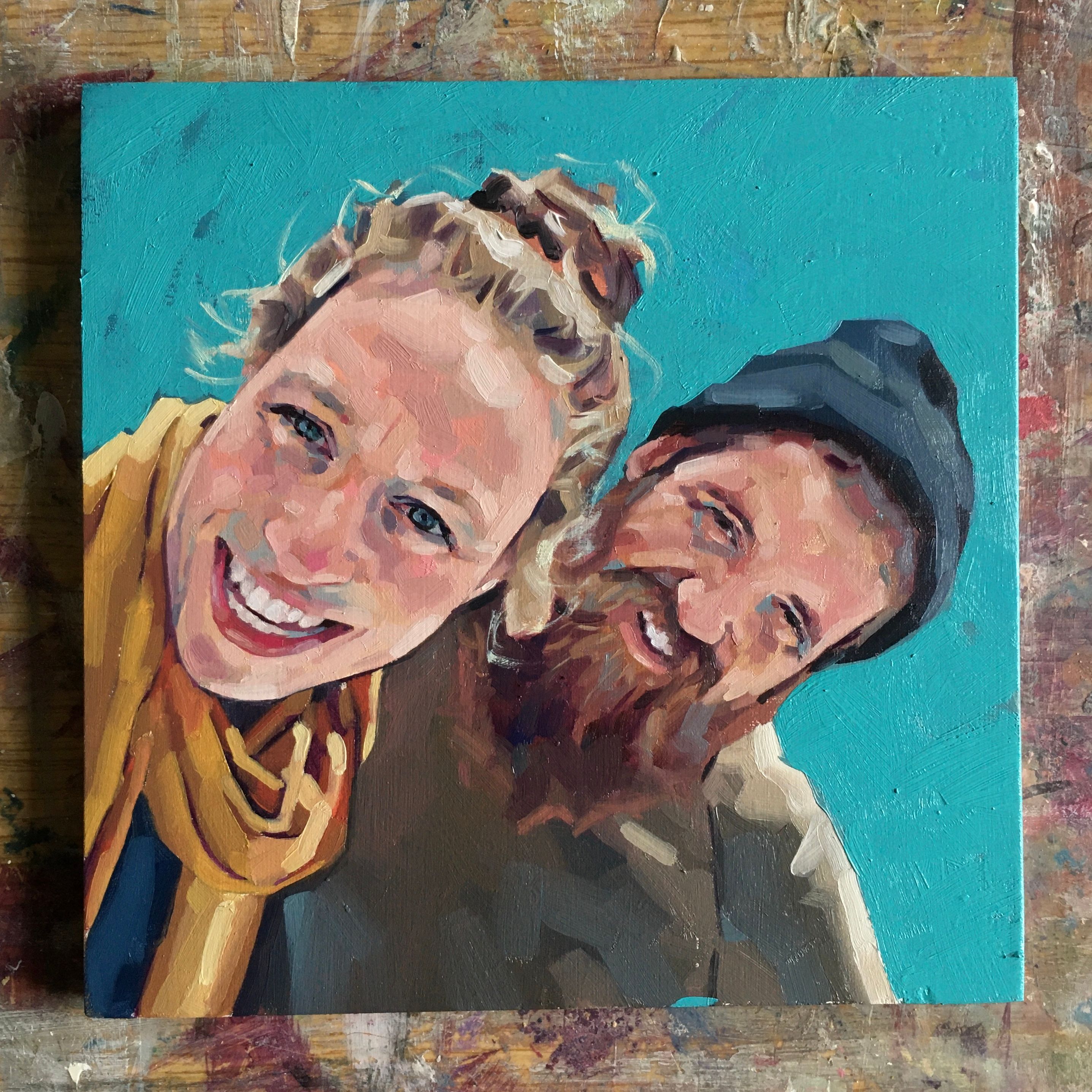
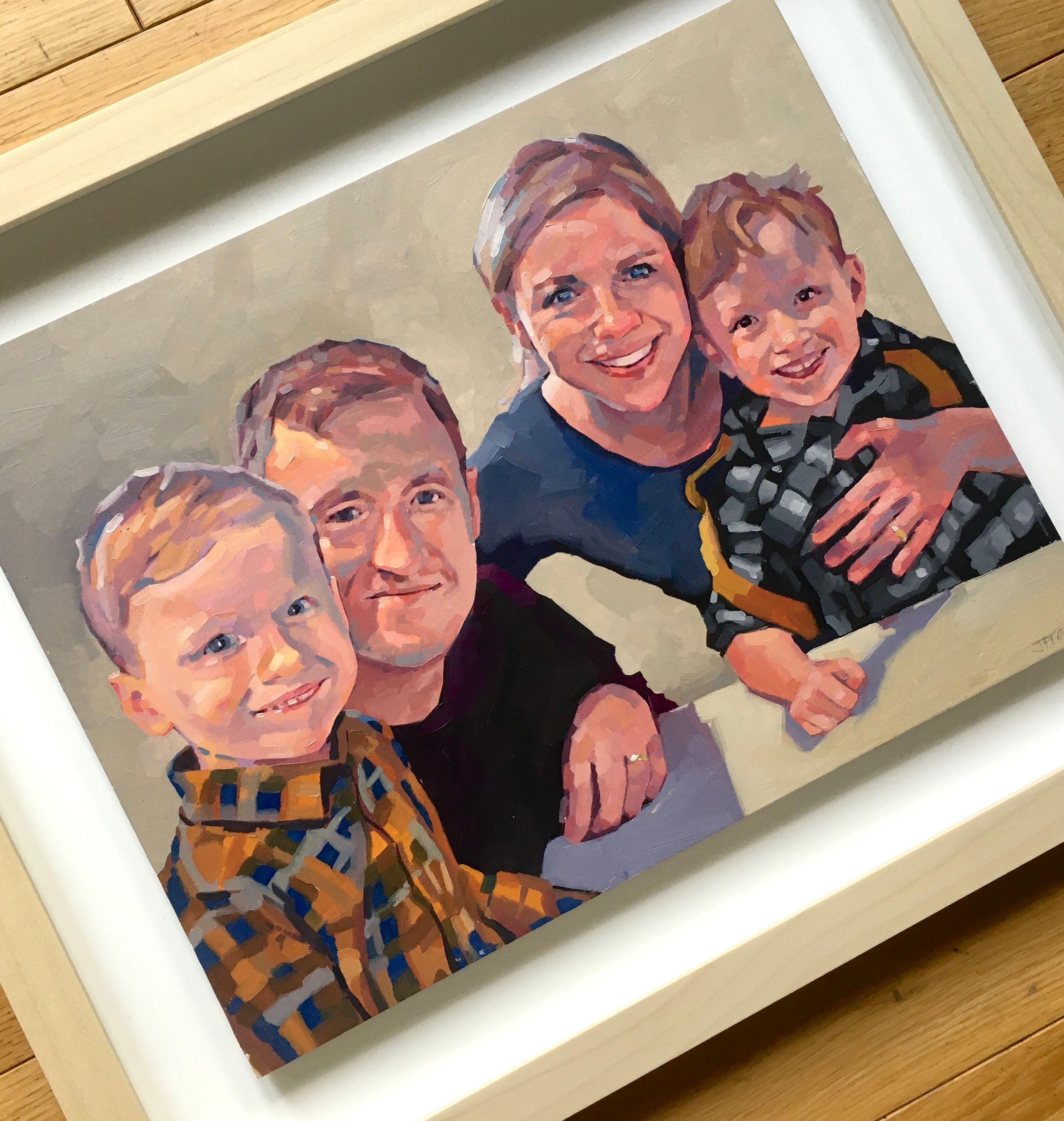
I am regularly commissioned to paint portraits from photographic references or from live sittings. Here are selection of some recent ones. Sizes range from 20cm x 20cm to approximately 70cm x 90cm. I paint children, adults and groups.
I don't know how to see the 2 courses I bought Could you tell me how to do it, please. Thanks.
See original
Hide original
@nessy66 , have you been able to view the courses yet?
2 comments
I don't know how to see the 2 courses I bought Could you tell me how to do it, please. Thanks.
@nessy66 , have you been able to view the courses yet?
Log in or join for Free to comment