
Introduction to Marbled Fabric
A course by Carla QuaTextile Designer
A course by Carla Qua, Textile Designer

Learn artisanal dyeing techniques and draw on water to create unique patterns
Championing an ancient technique to create unique textile pieces as a sustainable form of production. If this phrase speaks to you or it piques your curiosity, then you'll enjoy Carla Qua's work. She is a textile designer who specializes in marbling, an artisanal dyeing technique that can be done on fabric and paper with inks that float on water, generating patterns that are original and unrepeatable.
In this course, learn to make five traditional patterns on different textile surfaces, discover the basic materials and tools to use, and pick up some useful recommendations to obtain the best results.
What will you learn in this online course?
15 lessons & 11 downloads
What will we do in the course?
1 minute, 35 seconds
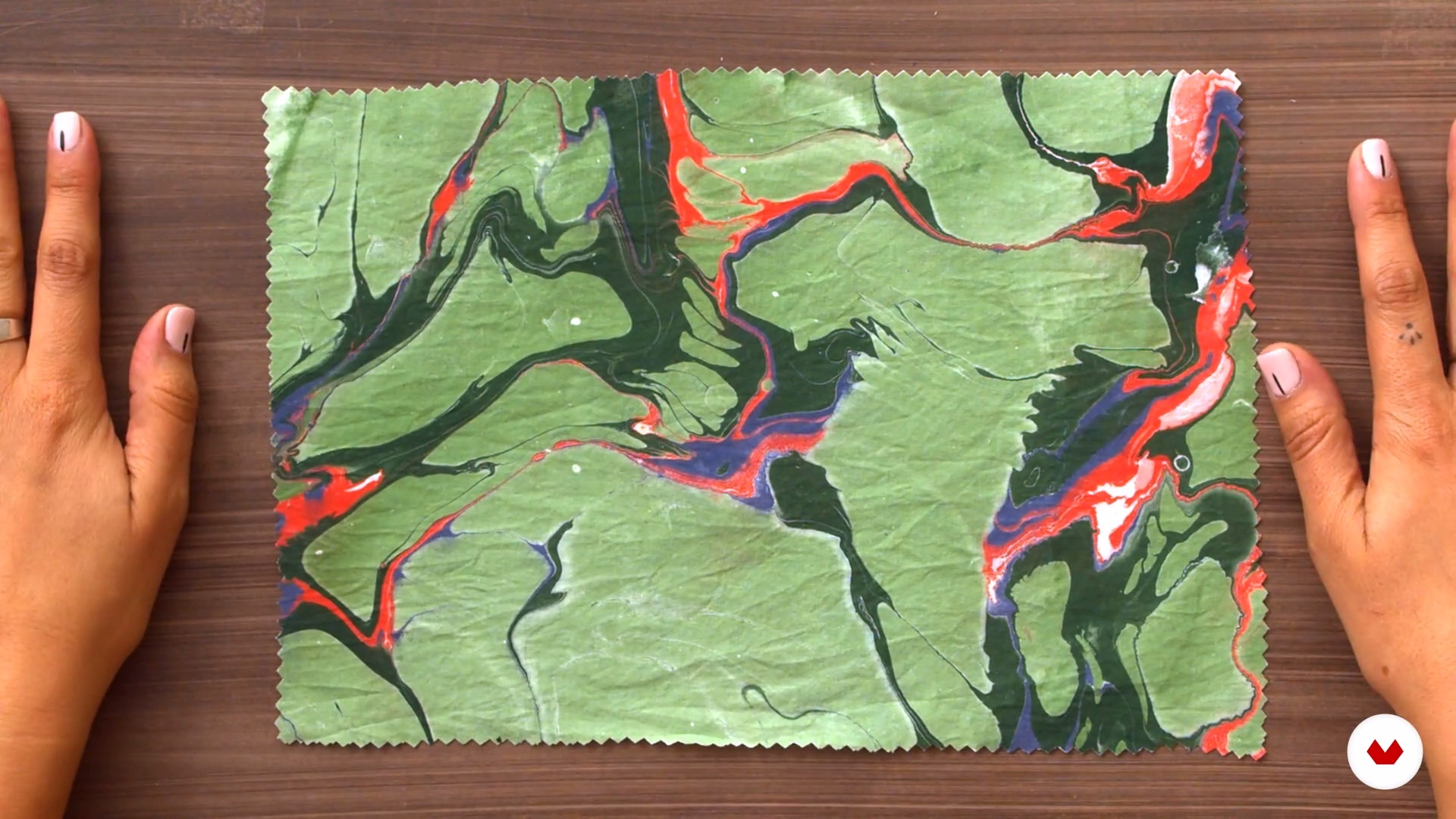
What is marbling?
3 minutes, 43 seconds
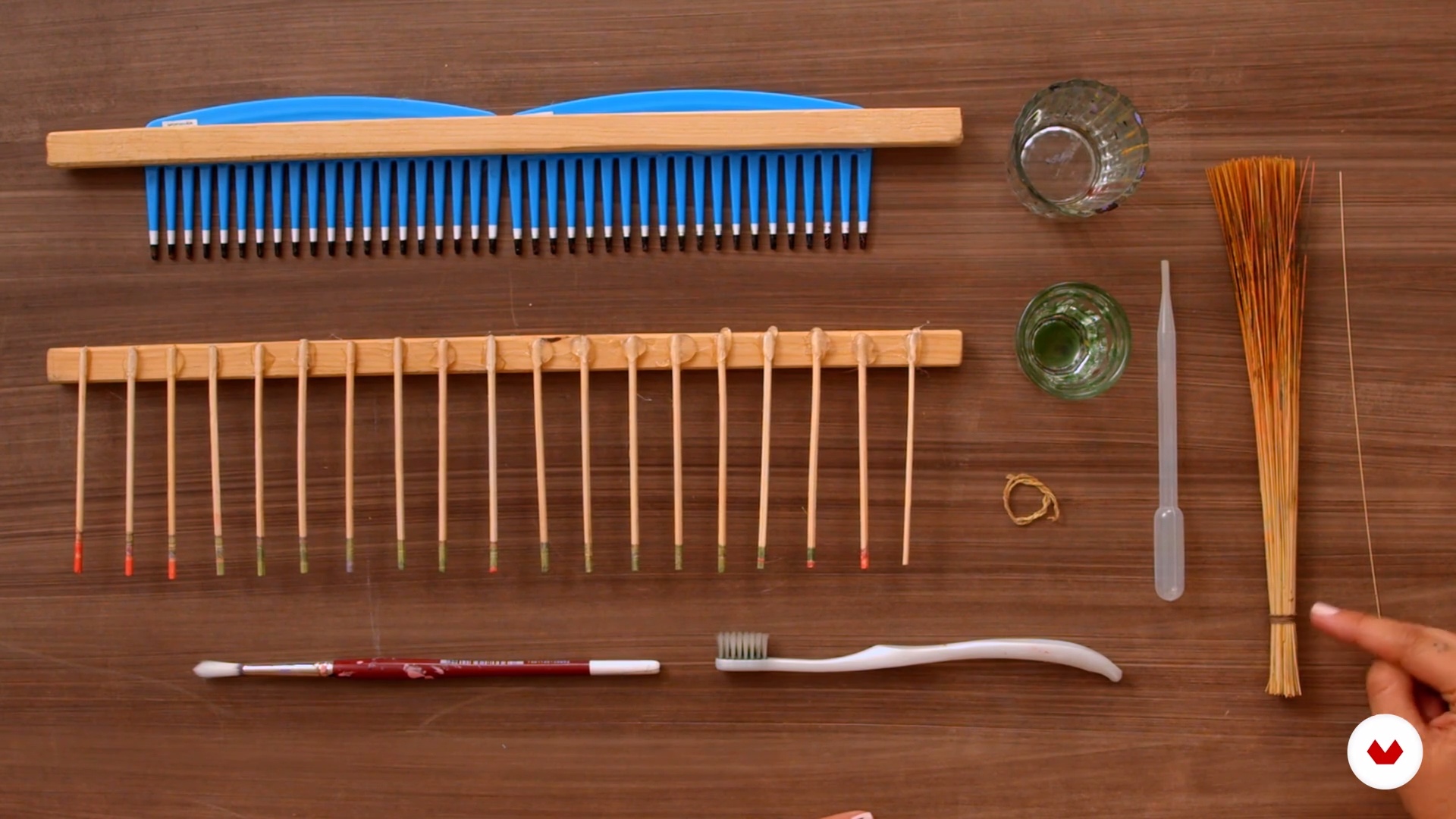
Materials and tools
3 minutes, 34 seconds
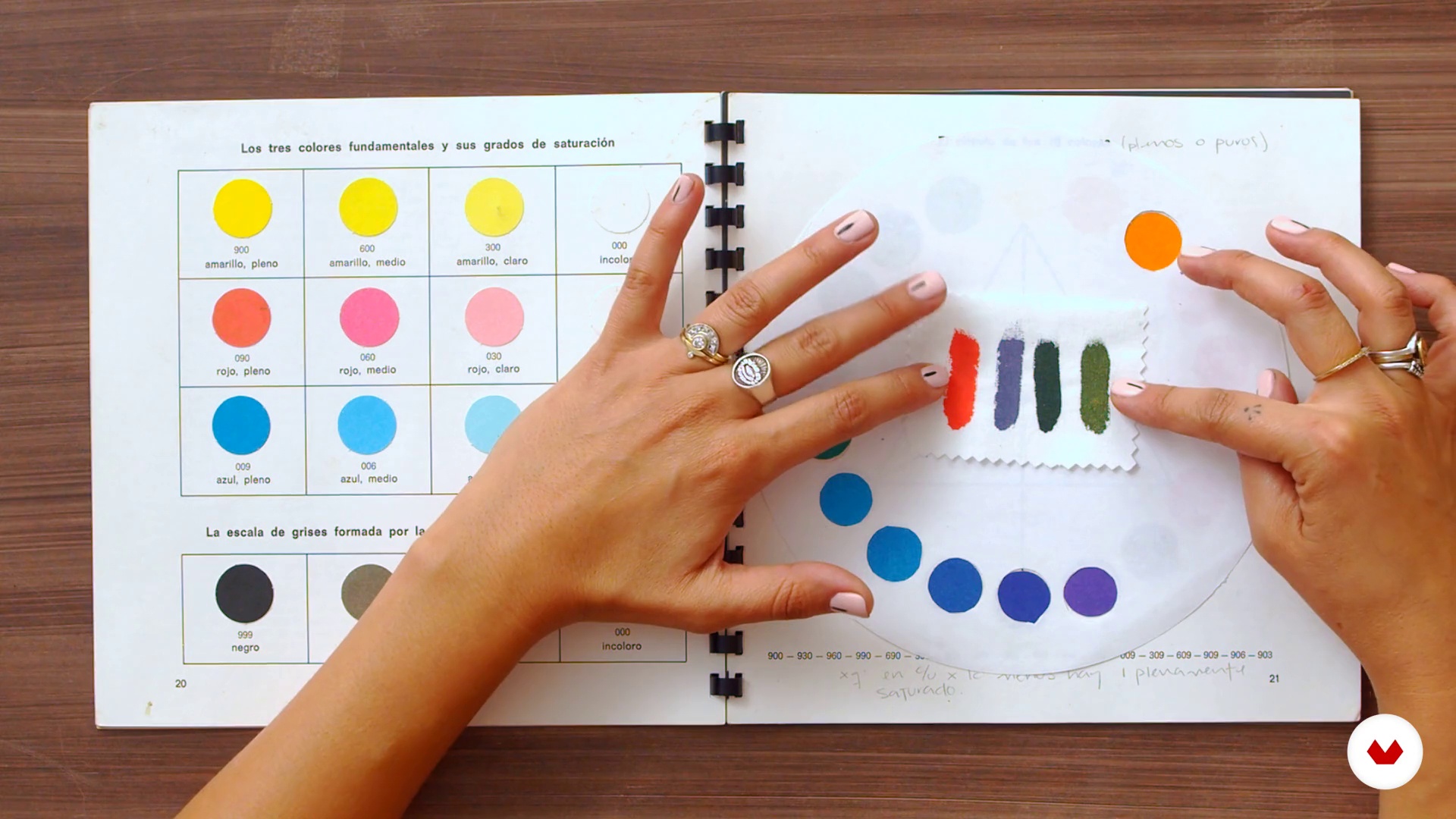
Color selection
4 minutes, 15 seconds
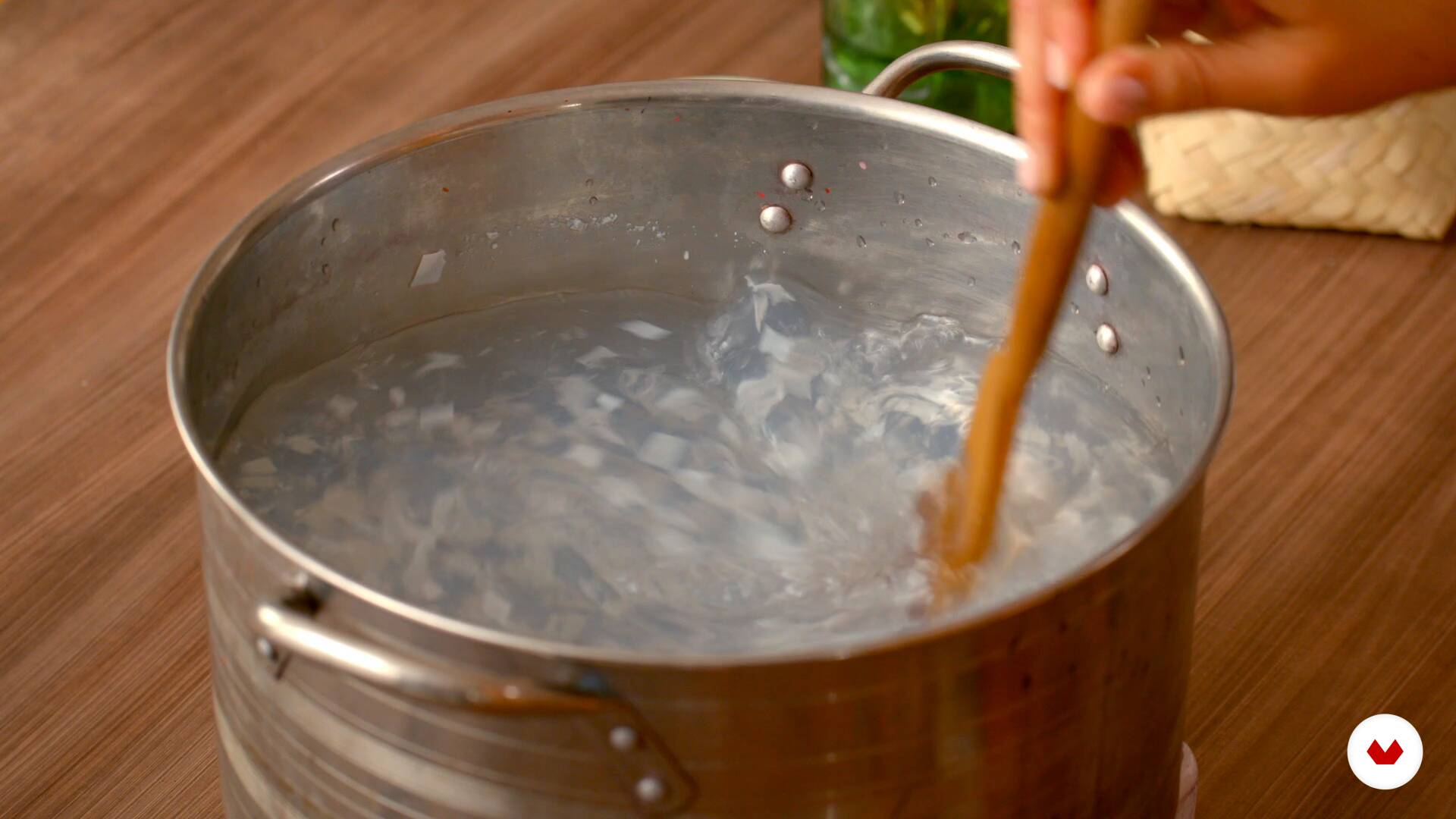
Fiber preparation
5 minutes, 15 seconds
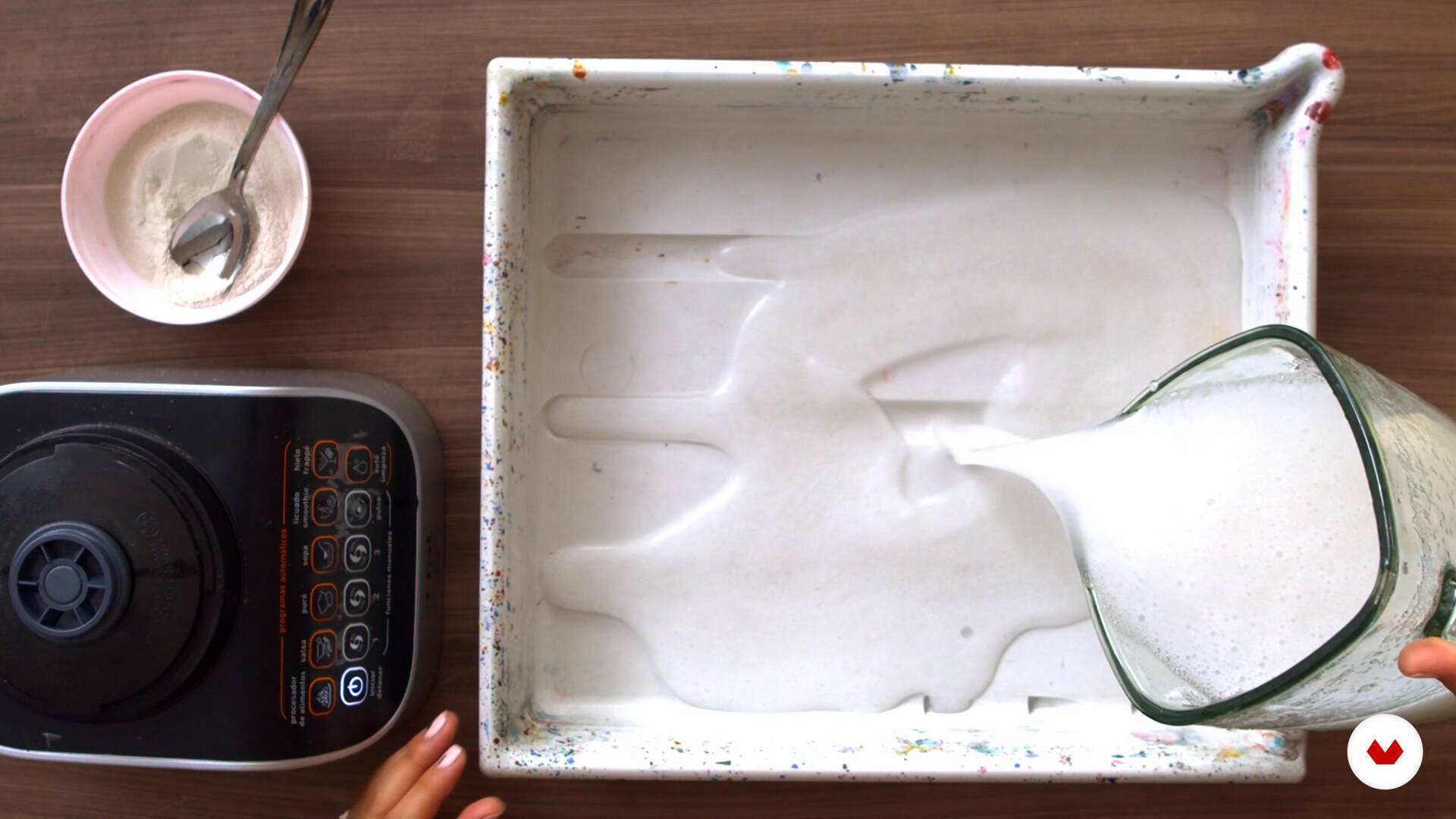
Dye Tub Preparation
2 minutes, 34 seconds
What's included in this course?
Get to know Carla Qua and both her educational and professional background, which encompasses integrated design, creative direction, and textile design. Learn how she discovered her passion for textiles and print design by always looking for new ways to add more color and graphic elements to her creations.
Delve into the history of the marbling technique, its evolution, and current applications. See the materials and tools you will need to start creating, the use each one has, and the order in which you will use them.
Then, learn to prepare different fabrics so that they absorb the pigments correctly to create a crisp dye. Use natural fiber fabrics, such as cotton or silk, to see the different results you can obtain depending on the surface and learn how to dilute and mix acrylics to achieve original results.
Define a color palette with Carla's advice and practice the marbling technique with five traditional patterns to create a sample book. Once you are familiar with each one, create the pattern for a utilitarian piece. Next, see examples of how this technique can be used and learn about washing care guidelines.
This course gives you the essential knowledge you need to experiment with the infinite possibilities that this technique offers.
What is this course's project?
Create a sampler of five traditional patterns—a Turkish base pattern, a feather pattern, an unparalleled pattern, a placard pattern, and an Italian pattern—that you can later combine or modify to add your own style to the final project, a 30 cm x 30 cm scarf.
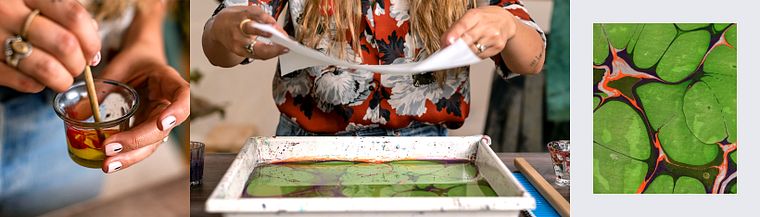
Projects by course students


Who is this online course for?
Design students; graphic, fashion, or textile designers; and people who are curious about this traditional dyeing technique.
Requirements and materials
No prior knowledge is necessary. To take advantage of the full potential of this course, it is ideal to have all the basic materials, which are:
100 g of alum, a bar of neutral soap, a pot for 2 liters of water, a blender, five 25x25 cm pieces of cotton cloth (the fibers must be 100% natural and white or raw), a 30x30 cm silk scarf, a tray with a minimum size of 40x30x5 cm, an iron, 100 g of carrageenan, acrylic paint in primary colors (blue, red, yellow, white, and black) from the brands Jacquard Marbling or Golden Fluid, five eyedroppers, containers to mix the paint, combs, wooden toothpicks, thread, combs and toothbrushes, and a newspaper.
Reviews
- 3 months ago
Thank you for an in-depth course. So much to learn.
- 6 months ago
Cours très clair et bien documenté. j'ai adoré et j'ai hâte de me lancer.
- 7 months ago
Muy buen curso, espero poder ponerlo en práctica proximamente!!!
- 11 months ago
me encanta! hace año que me compre el curso y sigo volviendo para hacerlo otra y otra vez ;)
- 1 year ago
Je recommande ce cours, très intéressant!

From her textile laboratory, she collaborates on different design projects in various fields, such as furniture, fashion, art direction, accessories, textile packaging, and interior design. Working with Rococó, Sandra Weil, Avocet Jewelry, Claudia Pepper, Flaminguettes, Paraiba Beachwear, Amandina, Ayres, Allegra, among others, has greatly enriched her work.
She teaches workshops and courses on experimental textiles, using natural dyes and marbling. She is the creative director and artisan at Agnes Tintorería, a sustainable brand that creates simple garments made from organic fibers and natural dyes using ancient techniques such as dipping and marbling.
Content
- U1
Introduction
- Presentation
- Influences
- What will we do in the course?
- U2
Marbling origin, materials and tools
- What is marbling?
- Materials and tools
- Color selection
- U3
Preparation of fibers, tub and acrylics
- Fiber preparation
- Dye Tub Preparation
- Acrylic Preparation
- U4
Stopped process
- Base Pattern (Turkish Pattern) and how to clean the tub
- Patterns 2 and 3: Antique Straight and Nonpareil
- Patterns 4 and 5: Placard and Italian
- Handkerchief dyeing
- Drying and subsequent washing
- Application in utility garments
- FP
Final project
- Introduction to textile marbling
What to expect from a Domestika course
Learn at your own pace
Enjoy learning from home without a set schedule and with an easy-to-follow method. You set your own pace.
Learn from the best professionals
Learn valuable methods and techniques explained by top experts in the creative sector.
Meet expert teachers
Each expert teaches what they do best, with clear guidelines, true passion, and professional insight in every lesson.
Certificates
PLUSIf you're a Plus member, get a custom certificate signed by your teacher for every course. Share it on your portfolio, social media, or wherever you like.
Get front-row seats
Videos of the highest quality, so you don't miss a single detail. With unlimited access, you can watch them as many times as you need to perfect your technique.
Share knowledge and ideas
Ask questions, request feedback, or offer solutions. Share your learning experience with other students in the community who are as passionate about creativity as you are.
Connect with a global creative community
The community is home to millions of people from around the world who are curious and passionate about exploring and expressing their creativity.
Watch professionally produced courses
Domestika curates its teacher roster and produces every course in-house to ensure a high-quality online learning experience.
FAQs
Textile marbling is a handcrafted technique that mimics the look of marble on fabric. The Turkish pattern is one of the oldest and is used to create unique, colorful designs on textiles—perfect for clothing, accessories, or home decor.
This is an intermediate-level course; basic knowledge of dyeing or textile crafts is recommended, but every technique and tool is explained step-by-step so you can learn from scratch if you’re motivated and dedicated.
You’ll need acrylic paints, carrageenan or guar gum, a pipette, dropper, dye bath, cotton canvases, water, mild soap, newspaper, and some household items like combs. The course details options and alternatives depending on what you have available.
You’ll learn how to prepare materials, create foundational and classic patterns like Turkish and nonpareil, apply color, transfer designs to fabric, fix mistakes, combine techniques, and care for your dyed textiles in a sustainable, creative way.
You dissolve carrageenan in water in the right proportions, mix thoroughly, and let it rest to reach the perfect thickness. This allows pigments to float and spread properly on the surface before transferring the design.
Yes, you can use cotton, linen, silk, and other natural fibers. The course teaches the differences between materials, how to prepare and mordant them, and aftercare tips to achieve optimal, lasting results.
Besides marbling, the course covers techniques like screen printing, block printing, sublimation, and experimental embroidery—all applied to textiles to expand your creative and design options.