Creation of Molds for Ceramic Reproduction

Learn the techniques of mold making with plaster and reproduce unique and inspiring objects
A mold offers a world of possibilities for reproducing ceramics, not only in terms of output, but also artistic experimentation. No one knows this better than ceramist and nature lover Xènia Bas, whose passion for working with her hands led to open her own ceramics studio: Bas. While she loves crafting original pieces from scratch, mold making gives her the ability to masterfully reproduce the simplicity of an object from nature.
In this course, Xènia teaches you how to reproduce a ceramic object, whether it's your own design or merely an object that inspires you. Discover the ins and outs of working with plaster and the secrets to making a reliable mold you can use over and over again. Learn to see the world through the lens of volume to transform any object into a ceramic piece.
What will you learn in this online course?
15 lessons & 30 downloads
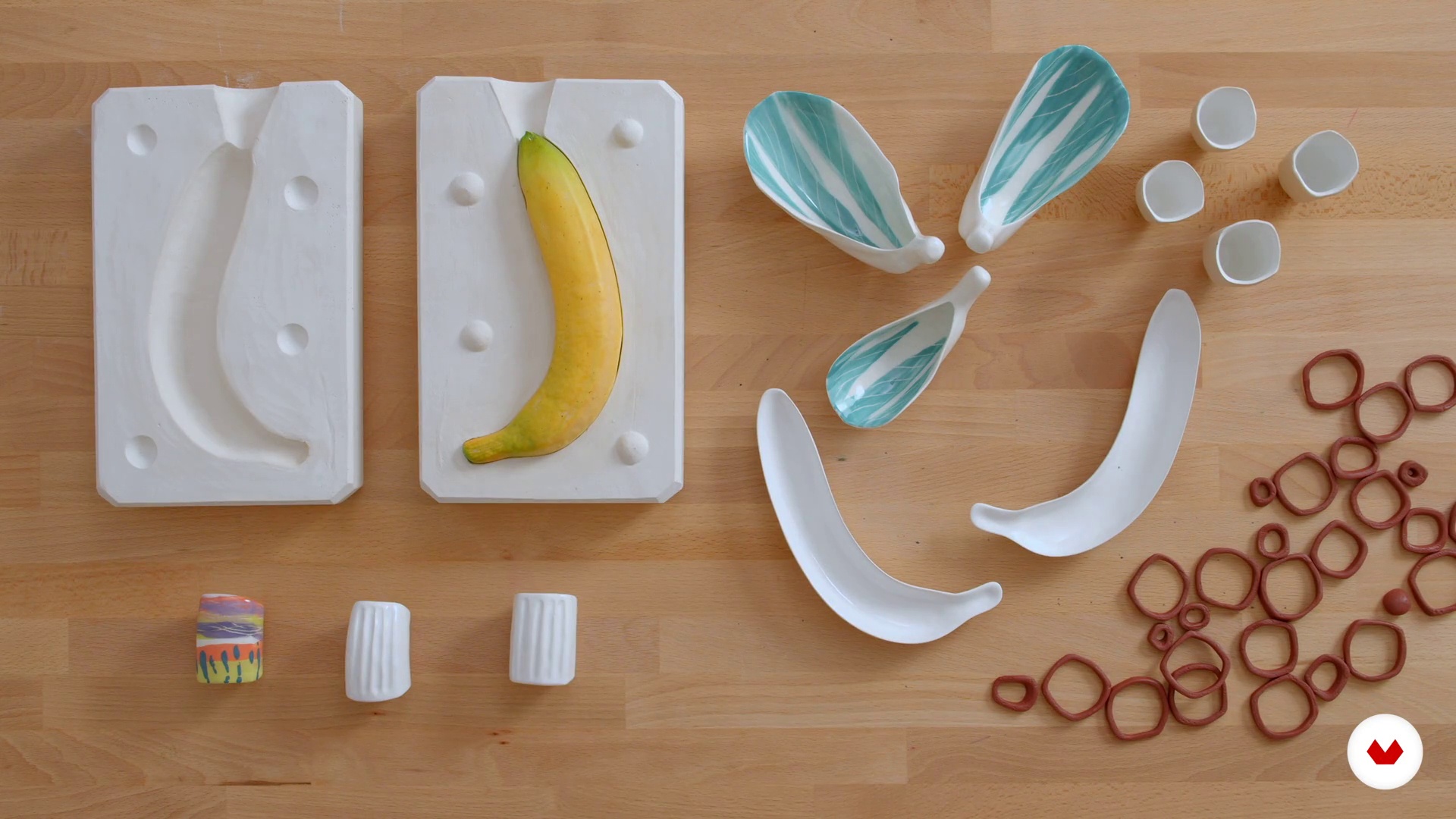
What will we do in the course
3 minutes, 27 seconds
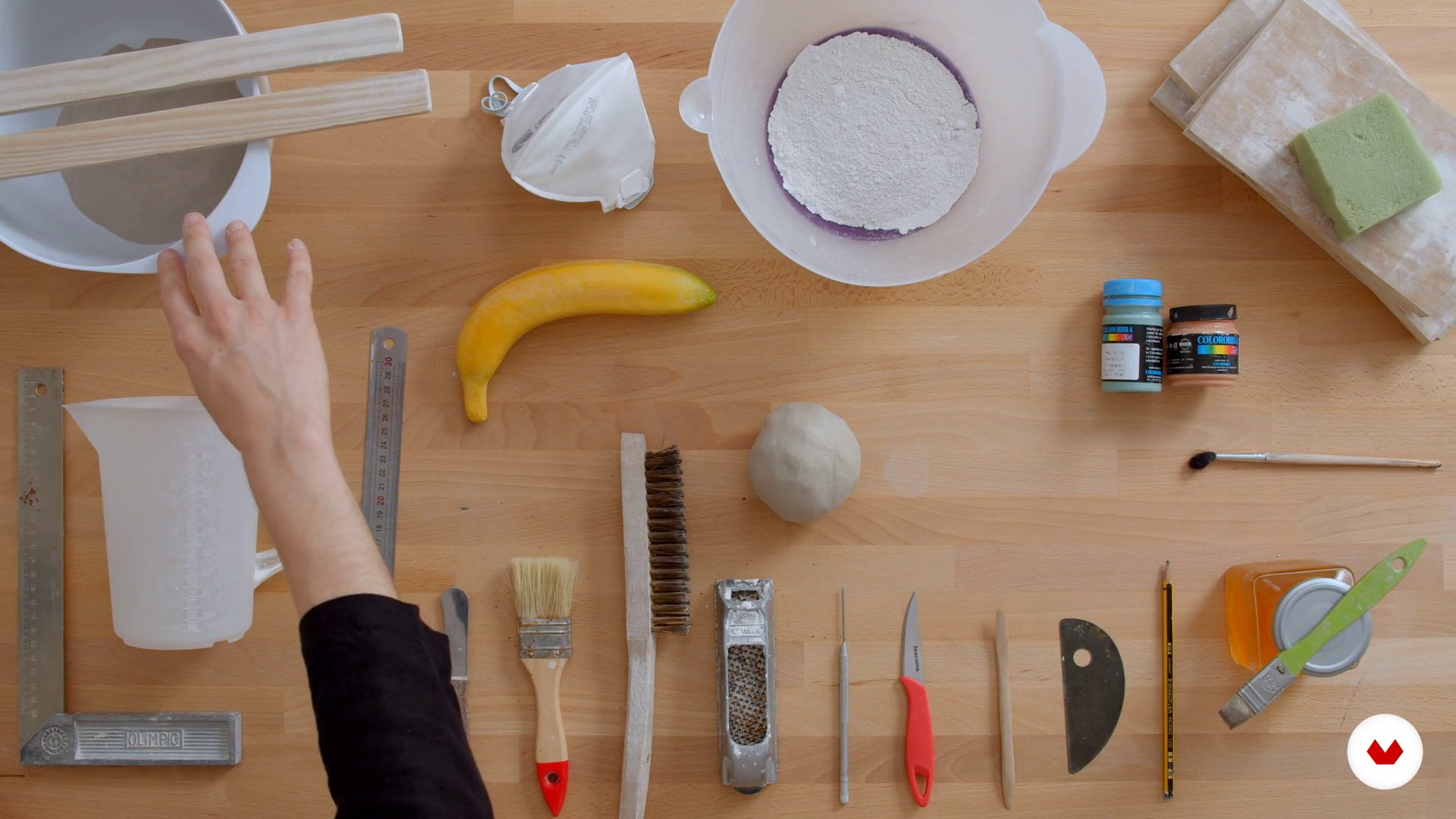
Tools and materials
4 minutes, 51 seconds
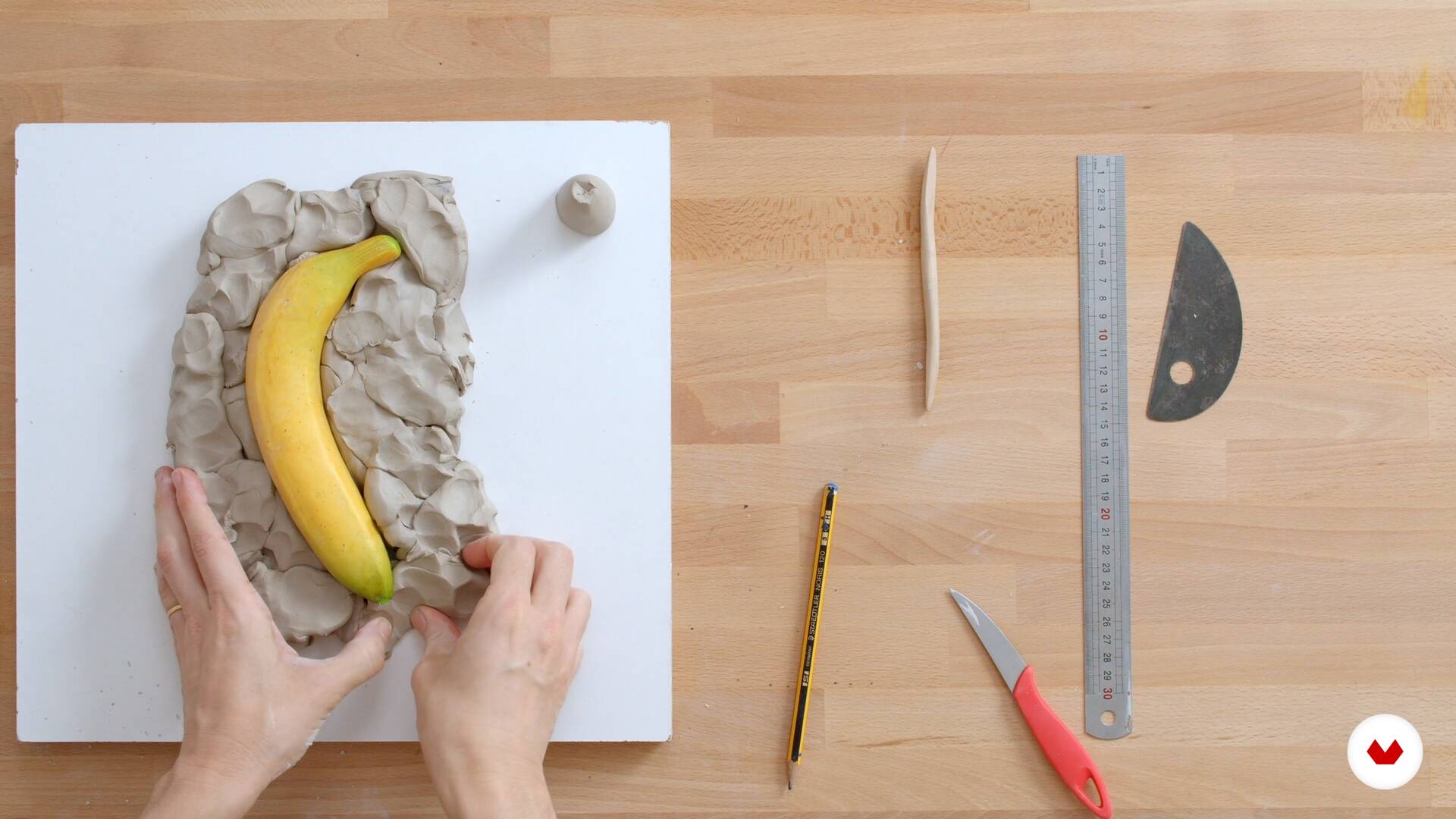
Realization of the bed
7 minutes, 42 seconds
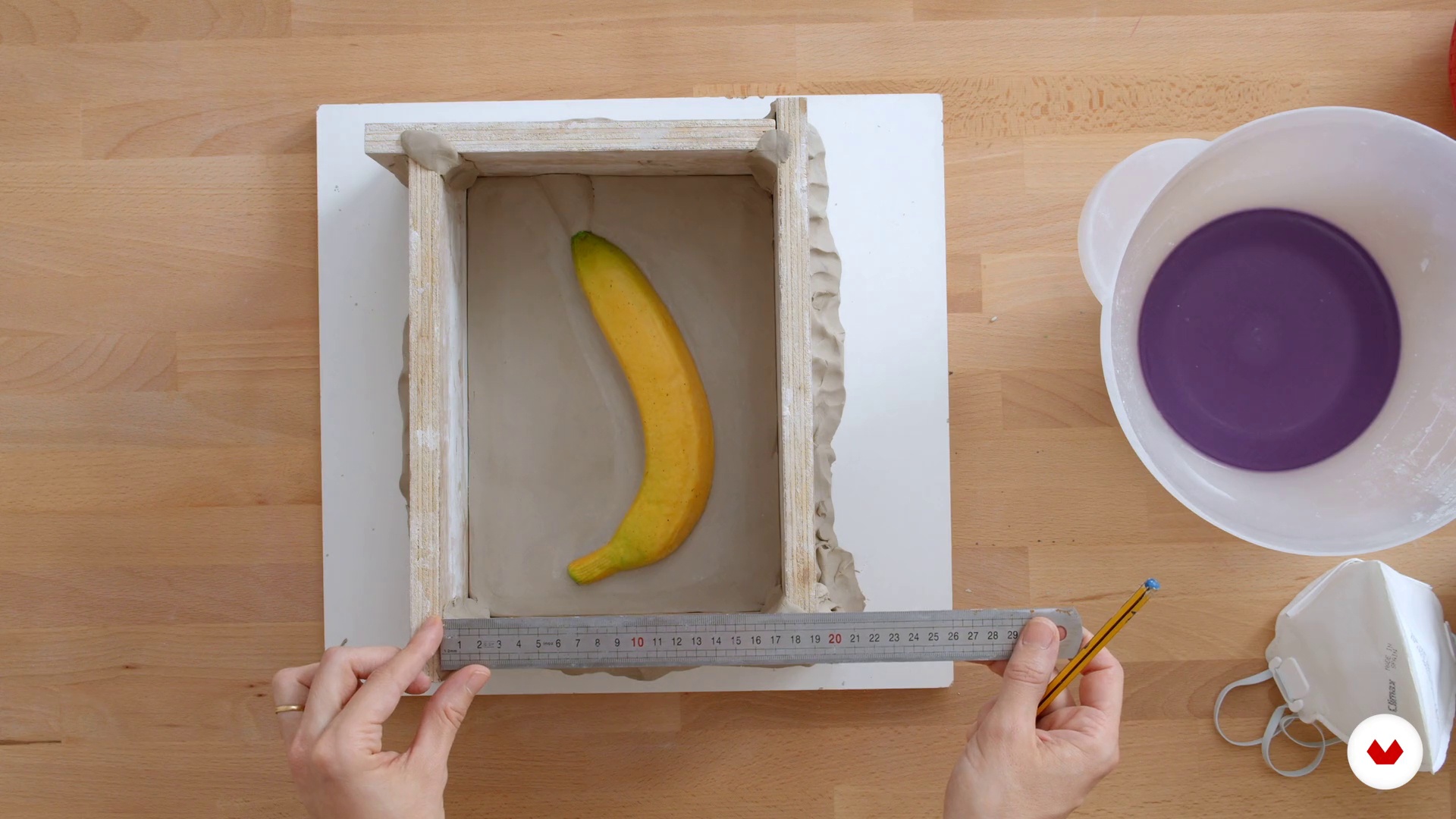
First part of the mold
11 minutes, 32 seconds
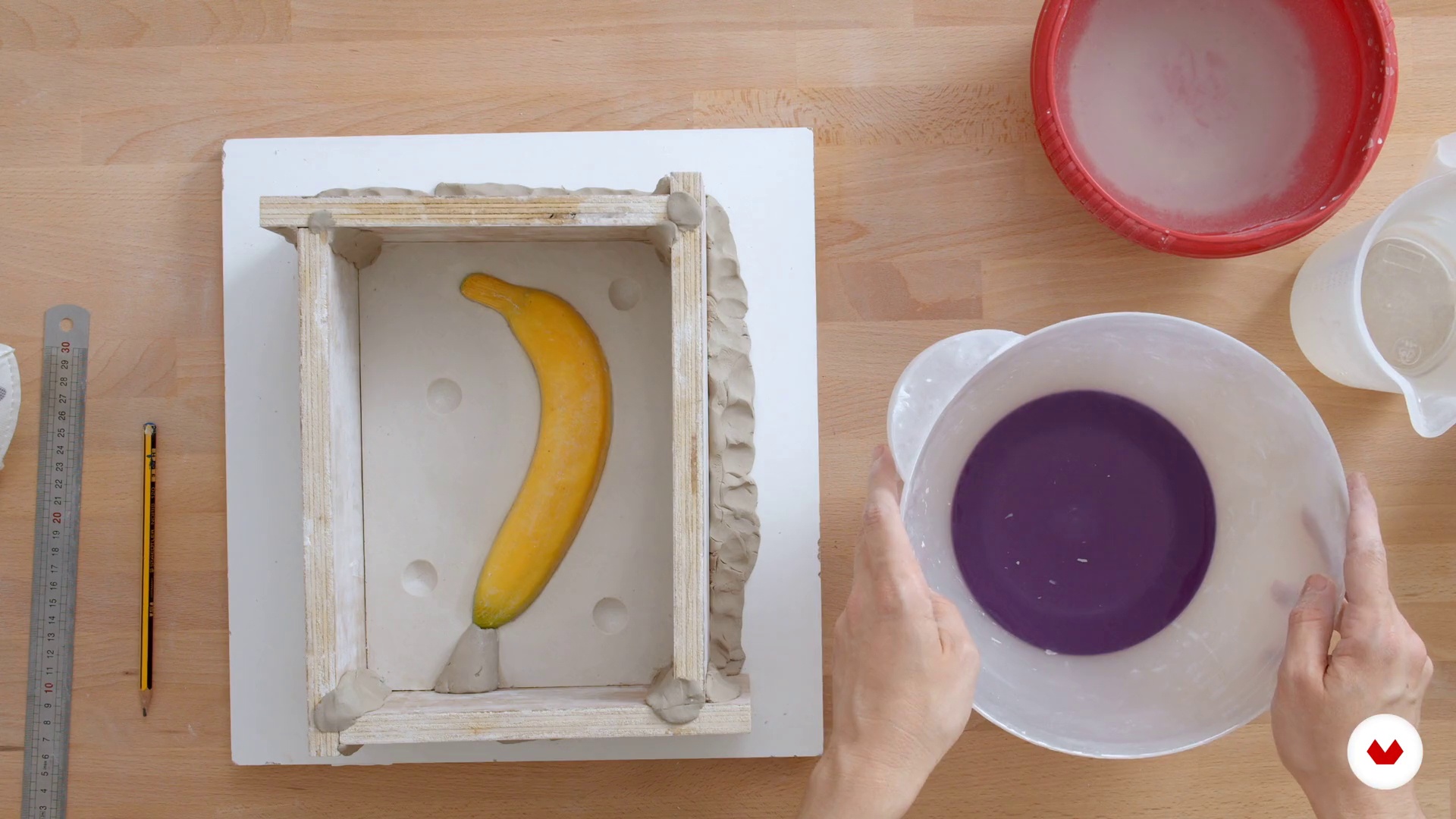
Second part of the mold
12 minutes, 32 seconds
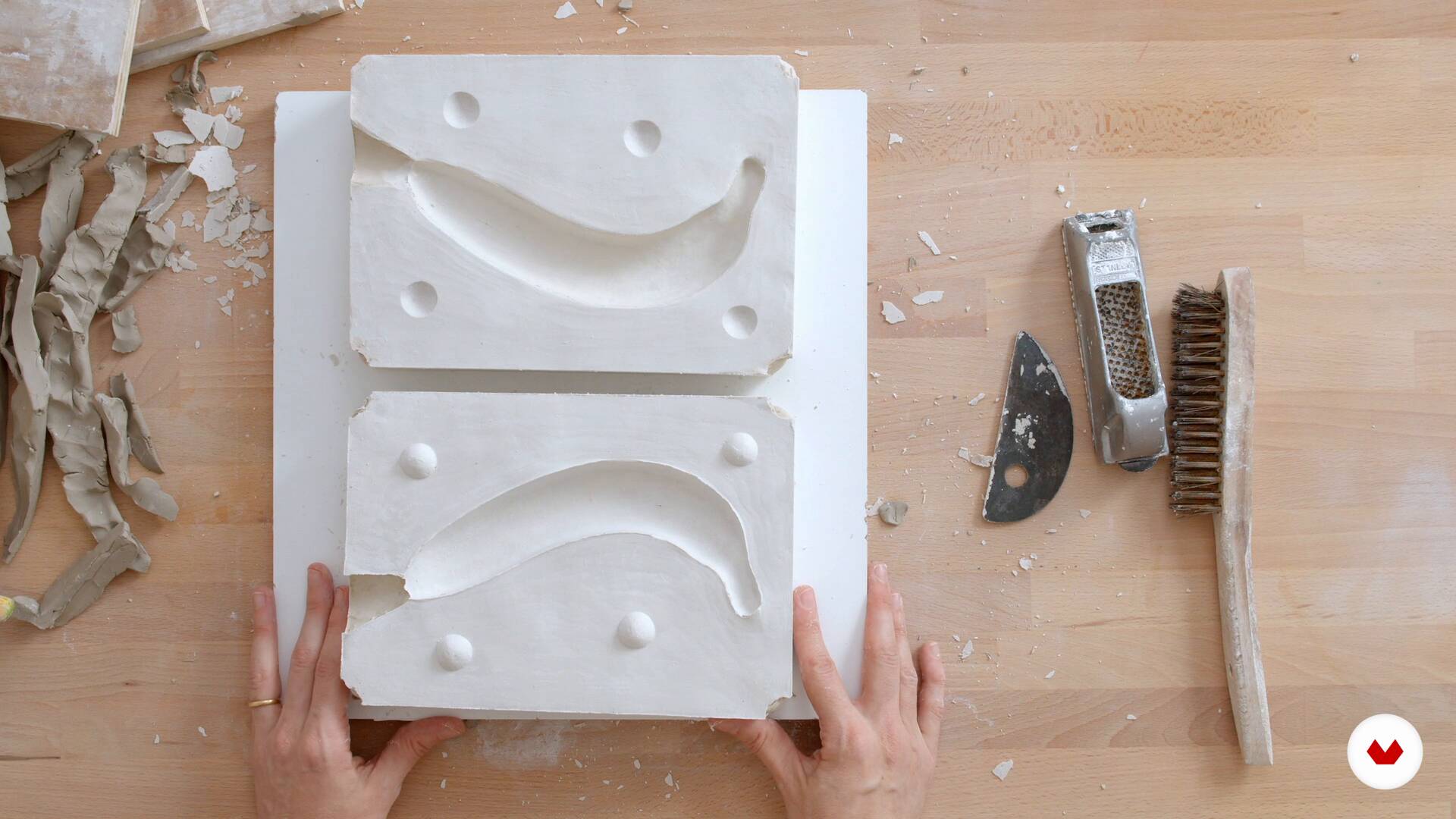
Open and finish the mold
4 minutes, 51 seconds
What's included in this course?
Begin by getting to know Xènia Bas, who tells you about how her brand Bas came to be and what she's currently working on. She also shares the influential people that have shaped the way she understands and approaches her art.
Before you go any further, review the materials you need for the course, paying special attention to plaster—the star ingredient in mold making. Learn the essentials of designing and producing a ceramic object and study the concept of volume-space through a few simple exercises designed to train your eye.
Now it's time to make your mold! Create a clay bed and the casing for the first half of your mold. Then remove the bed, replace the casing for the second half, and get ready to reproduce your pieces.
Prepare the ceramic slip and follow your teacher's instructions for the casting process. Once removed, Xènia shows you how to polish and personalize your piece with a variety of techniques, including cutting, scraping, and texturing.
Round out the course by learning how to use and care for your mold so that it lasts for years to come. Xènia also gives you some extra tips on creative uses for it.
What is this course's project?
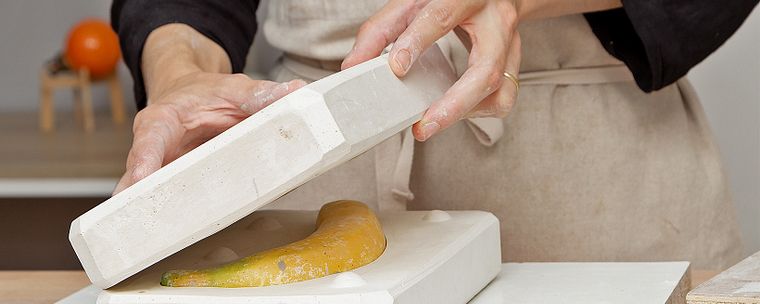
Create a plaster mold to reproduce a ceramic object; you can use it to make as many copies as you'd like and experiment with different finishes and creative techniques.
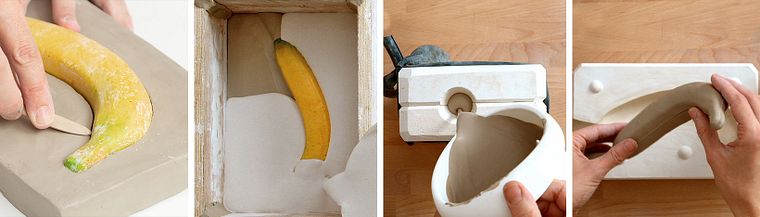
Projects by course students


Who is this online course for?
Designers, artisans, illustrators, and anyone with a creative mind who wants to learn the mold-making technique to easily transform their ideas into ceramics.
Requirements and materials
The material list for this course includes a framing square and a ruler, a pencil, a plaster rasp, sculpting tools, a pitcher for measuring water, a soft bucket (made of silicone or a similar material) for mixing plaster, a normal bucket for washing your hands (two five-liter bottles cut in half works fine), wooden boards for the casing (approximately 35x17x1 cm), a cutting knife, a spreading knife or a teaspoon, a sponge, a towel, a face mask for dust, white clay, plaster, liquid soap or a release agent, and, most importantly, the object you want to reproduce.
Reviews
- 2 months ago
This course was very informative and well structured. It covered all the foundational steps so that I feel comfortable creating my own moulds.
- 2 months ago
buenisimo, completo y bien explicado
- 3 months ago
muy completo ymuy bien explicado, seria bueno poder ver modelos mas complejos. muchas gracias por su trabajo.
- 4 months ago
Me ha parecido muy fácil y sencillo de seguir y se ha explicado perfectamente
- 7 months ago
Me gusto el curso, muy claro y sencillo. Quedo a la espera del siguiente nivel.

In 2013, together with her husband, she founded her own brand, Bas, focused on contemporary designs for ceramic plant pots whose objective was to offer excellent quality craftsmanship. In 2016 they were awarded the prize for the best artisan brand in Catalonia, Spain. Currently, her work focuses on three aspects: pot design, projects for interior designers, restorers, illustrators, and other designers, as well as teaching ceramic workshops, specifically for the construction of ceramic molds.
Content
- U1
Introduction
- Presentation
- Influences
- What will we do in the course
- U2
Previous considerations / What to know
- Tools and materials
- Design for ceramics
- Educate the look
- U3
Making a two-part cast ceramic mold
- Realization of the bed
- First part of the mold
- Second part of the mold
- Open and finish the mold
- U4
Ceramic Reproduction
- Clay Preparation
- Performing a laundry
- Interventions in the piece
- U5
Use and storage
- Mold care
- Creative mold utilities
- FP
Final project
- Creation of Molds for Ceramic Reproduction
What to expect from a Domestika course
Learn at your own pace
Enjoy learning from home without a set schedule and with an easy-to-follow method. You set your own pace.
Learn from the best professionals
Learn valuable methods and techniques explained by top experts in the creative sector.
Meet expert teachers
Each expert teaches what they do best, with clear guidelines, true passion, and professional insight in every lesson.
Certificates
PLUSIf you're a Plus member, get a custom certificate signed by your teacher for every course. Share it on your portfolio, social media, or wherever you like.
Get front-row seats
Videos of the highest quality, so you don't miss a single detail. With unlimited access, you can watch them as many times as you need to perfect your technique.
Share knowledge and ideas
Ask questions, request feedback, or offer solutions. Share your learning experience with other students in the community who are as passionate about creativity as you are.
Connect with a global creative community
The community is home to millions of people from around the world who are curious and passionate about exploring and expressing their creativity.
Watch professionally produced courses
Domestika curates its teacher roster and produces every course in-house to ensure a high-quality online learning experience.
FAQs
You’ll learn how to design and reproduce contemporary ceramic pieces using plaster molds, casting techniques, decoration, finishing, and how to incorporate artisanal branding into your creations.
The course is intermediate level, perfect for those with basic ceramic knowledge who want to deepen their skills in mold making and contemporary design.
You’ll need clay or porcelain, plaster, basic ceramic tools (like a kidney tool, knives, sponge), mold release agent, a mixing container, and safety gear such as gloves and a mask.
You’ll learn how to analyze the object, build the clay bed, precisely divide it, apply mold release, and pour plaster to create functional, durable molds for reproducing symmetrical pieces.
The course covers applying slips, sgraffito techniques, modern decorative finishes, and how to customize reproduced ceramic pieces for unique results.
Yes, you’ll learn to design and produce functional, attractive plant pots that consider each plant’s specific needs for size, drainage, and ventilation.
Yes, the course explores volume exercises, spatial perception, and creating playful or artistic forms, blending contemporary concepts into ceramic practice.