Character Illustration with Needle and Thread
A course by Flora TeIllustrator and embroidery
A course by Flora Te, Illustrator and embroidery

Learn to turn your drawings into fun embroidered pieces
Innovation is sometimes born from experimentation and the fusion of materials and techniques. Under this premise, the embroiderer and illustrator Florencia Toyos works, better known as Flora Te, who mixes with traditional mastery traditional techniques that a priori have nothing to do - such as illustration and embroidery - to get pieces fun and innovative; An example is his Diburdaditos, embroidered pins with illustrated characters.
In this course, Flora will explain the creative processes to inspire you to create an idea, pass your idea to a sketch and then to the final support. Finally, it will show you different embroidery points that will give life to your character to become an embroidered pin.
What will you learn in this online course?
17 lessons & 15 downloads
What are we going to do
41 seconds
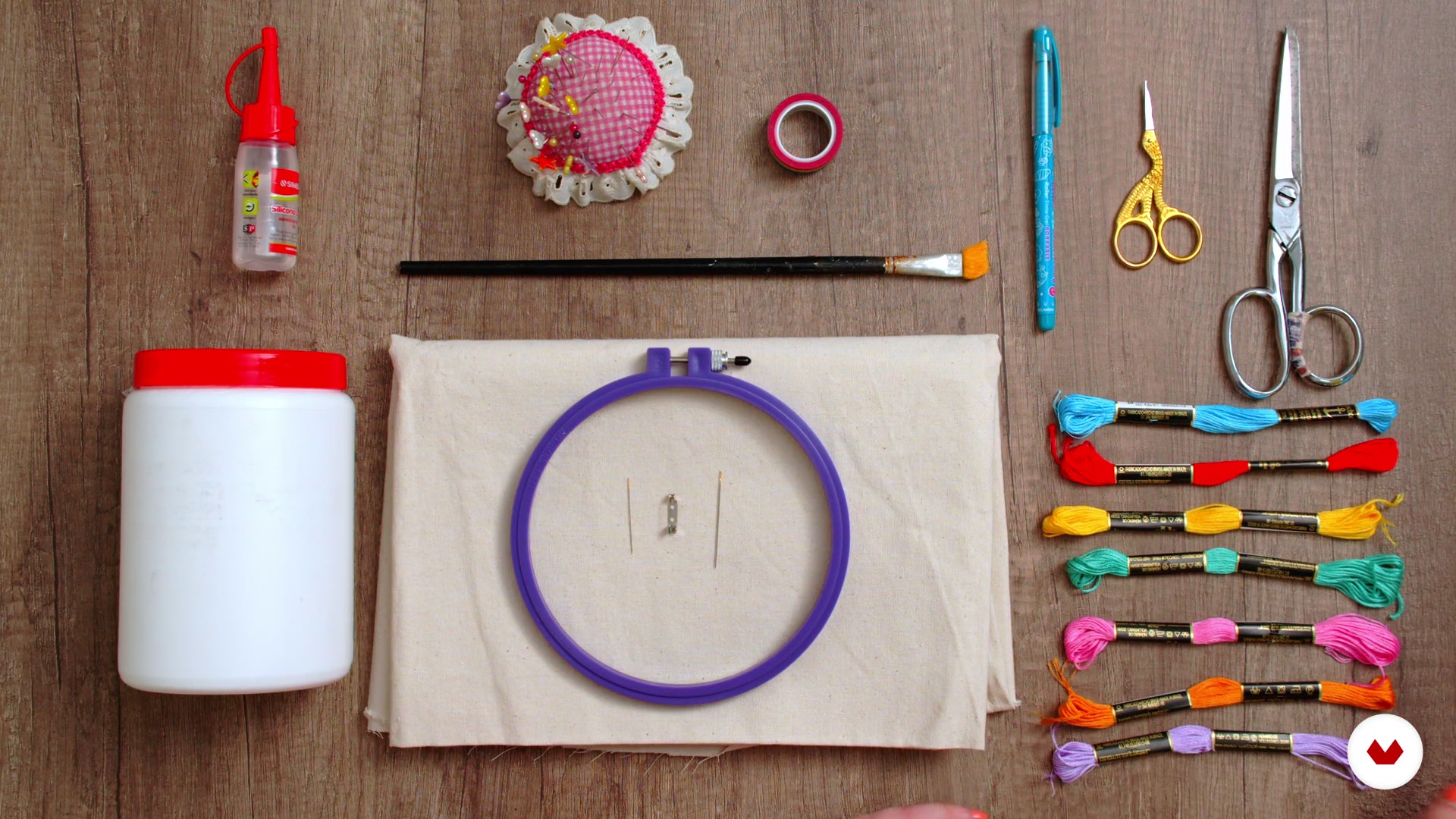
materials
10 minutes, 7 seconds
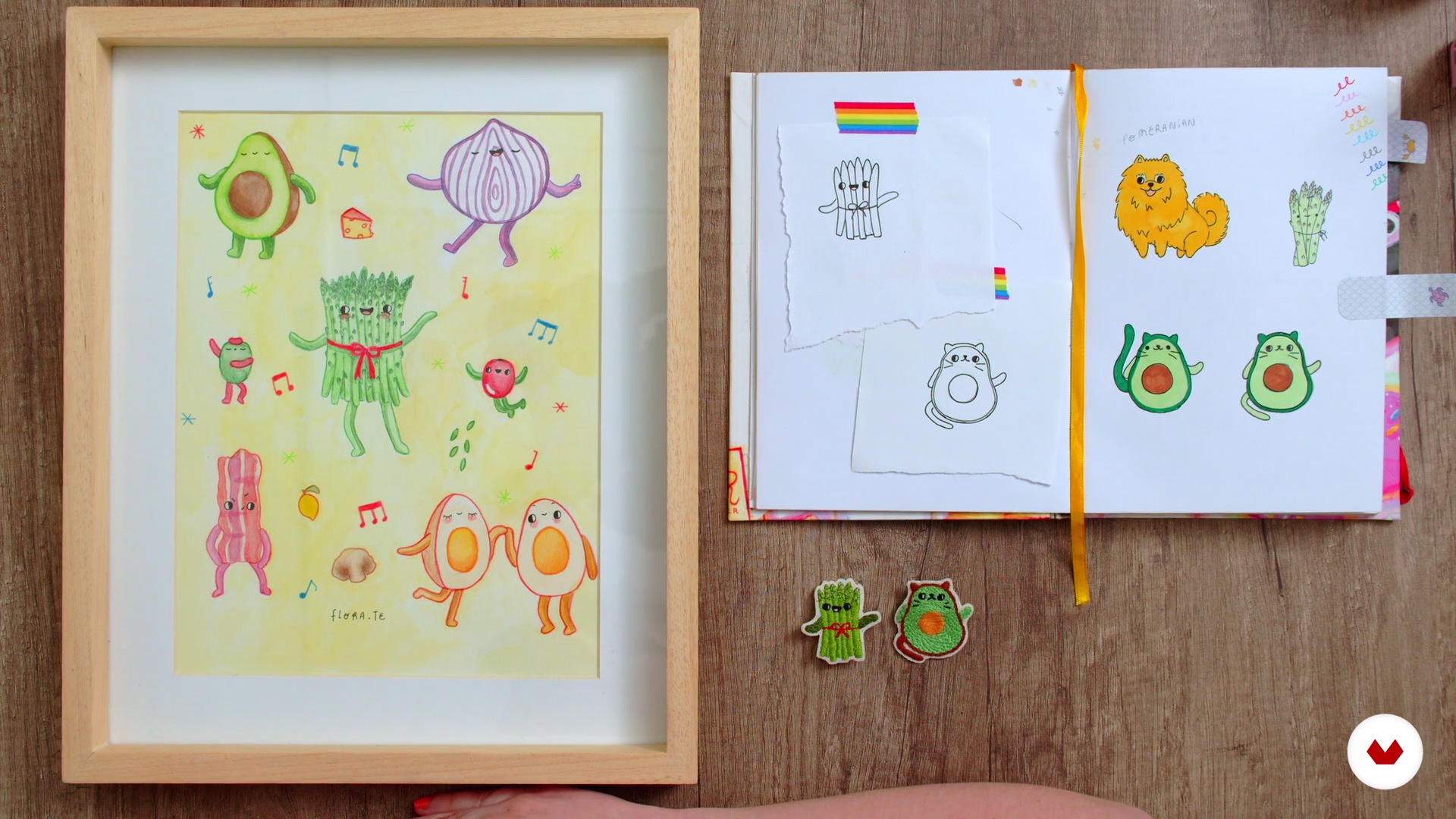
Research and Identikit 1
10 minutes, 13 seconds
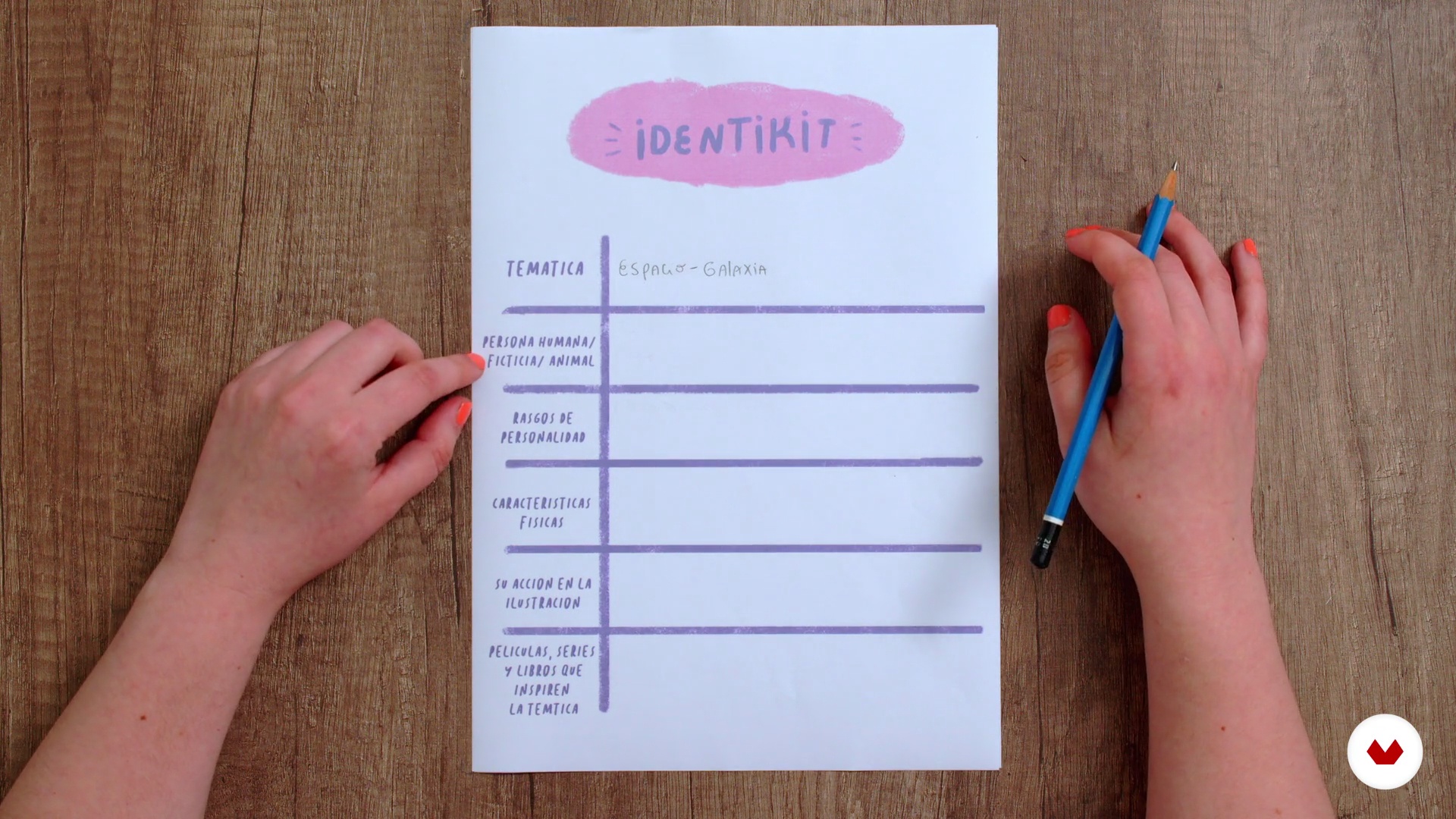
Research and Identikit 2
5 minutes, 17 seconds
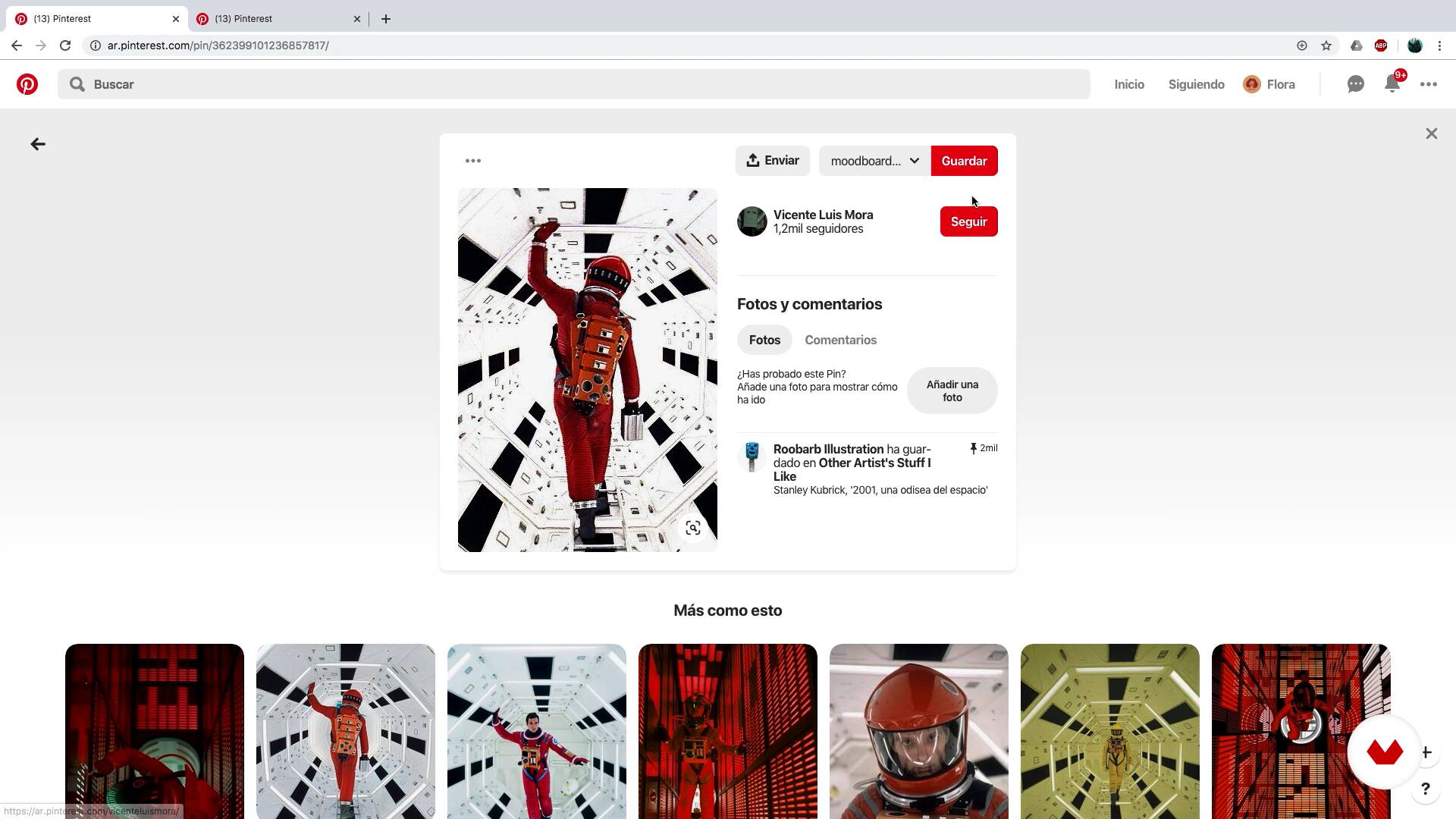
Mood board
6 minutes, 23 seconds
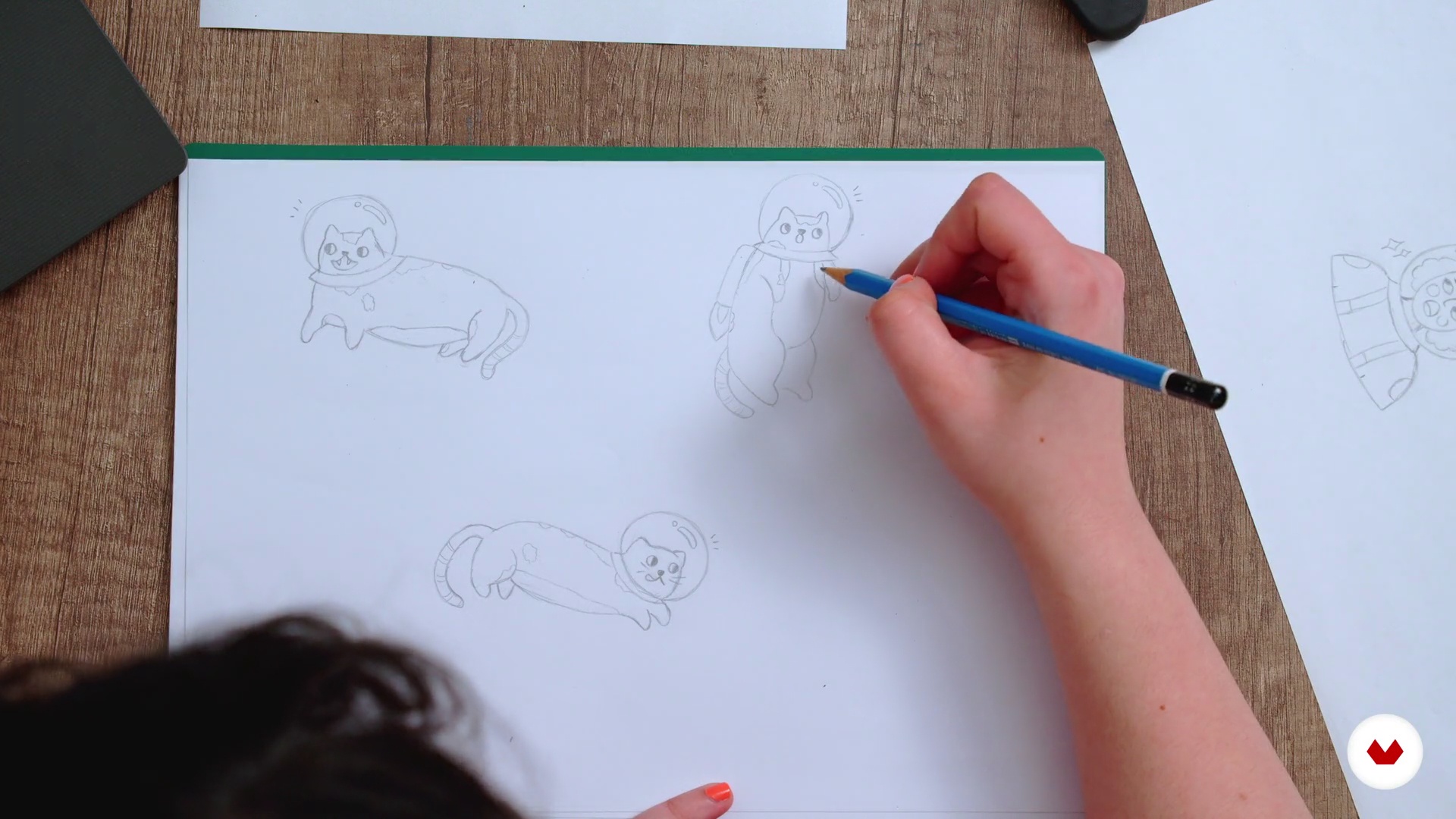
Sketch
5 minutes, 9 seconds
What's included in this course?
You will start the course knowing Florence, or as it is known artistically, Flora Te. He will tell you about his career as a self-taught embroiderer and illustrator, and will show you his influences.
You will review the necessary materials for the course and do a previous research on the subject you will work on. Florencia will explain her creative process to create an illustration, seeing how she uses references from everyday life to give life to a character. Next, you will do an identitikit as a practical exercise.
You will create a mood board choosing the images that represent your theme, and you will learn some tips to create a color palette for your embroidered illustration. Then, you will make your sketch taking as a reference characteristic features of your person, animal or object.
It's time to get your ideas clean! You will trace the final strokes on a sheet and then you will give life to your character with the colors of your palette. You will outline the illustration, define the last details and transfer the contours to a plant paper to make the pattern. You will learn to transfer the design to the web.
You will start embroidering the canvas, learning four basic points: you will contour with the 'back point' and fill in with the point 'paint with threads'; then you will embroider on the pattern with 'french knot' and 'chain'.
Finally, you will transform your embroidery into a pin with the gluing technique, so that your canvas does not fray. Next, you will place the base of the pin to complete your pin, finally getting your little diburdadito.
What is this course's project?
You will create an embroidered pin, from your own illustration of a character.
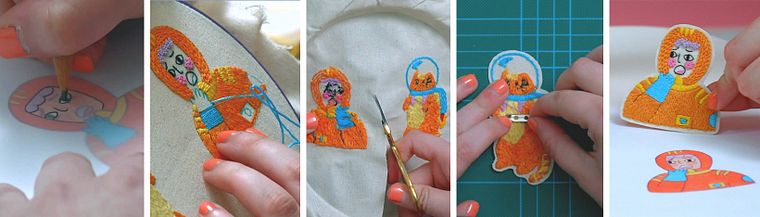
Projects by course students


Who is this online course for?
To all those who wish to start experimenting with their illustrations on a canvas to embroider.
Requirements and materials
No previous knowledge of embroidery and illustration is required, you just want to experiment and create.
As for materials, you will need: a computer with internet connection, materials to paint such as pencils, markers, microfibers, papers, watercolors or eraser; sheets of different weights and printer (optional); a 16 cm diameter wooden or plastic frame, canvas fabric, Mouliné or Perlé threads, a scissors for cutting threads and fabric, needle of different sizes n ° 7 and n ° 9, a pen that is erased with heat, base pin , brush, vinyl glue and paper adhesive tape, or masking tape .
Reviews
- 2 years ago
I don’t really like set camera but everything good
- 2 years ago
J'aime beaucoup ce cours pour son accessibilité, j'aime l'univers de l'artiste.
- 3 years ago
Explicaciones muy claras y simples para transformar nuestros dibujos en bordados. Para disfrutar!
- 3 years ago
Sinceramente esperaba mas de este curso. Me parecio bastante basico y sencillo. No lo recomendaria si estas buscando un curso interesante
- 3 years ago
ame este curso por ti empeze en el mundo del bordado

Their diburdaditos (small embroidered and colorful characters), became part of a collection of clothes of the merchandising of a rock band.
Content
- U1
Introduction
- Who I am?
- My influences
- What are we going to do
- U2
Of materials and creative process
- materials
- Research and Identikit 1
- Research and Identikit 2
- Mood board
- Sketch
- U3
Clearing the Ideas
- Traced sketch
- Outline illustration
- U4
To embroider our character!
- Back Stitch 1
- Back Stitch 2
- Let's embroider! 1
- Let's embroider! 2
- Let's embroider! 3
- Let's embroider! 4
- Creating the diburdadito
- FP
Final project
- Illustration of characters with thread and needle
What to expect from a Domestika course
Learn at your own pace
Enjoy learning from home without a set schedule and with an easy-to-follow method. You set your own pace.
Learn from the best professionals
Learn valuable methods and techniques explained by top experts in the creative sector.
Meet expert teachers
Each expert teaches what they do best, with clear guidelines, true passion, and professional insight in every lesson.
Certificates
PLUSIf you're a Plus member, get a custom certificate signed by your teacher for every course. Share it on your portfolio, social media, or wherever you like.
Get front-row seats
Videos of the highest quality, so you don't miss a single detail. With unlimited access, you can watch them as many times as you need to perfect your technique.
Share knowledge and ideas
Ask questions, request feedback, or offer solutions. Share your learning experience with other students in the community who are as passionate about creativity as you are.
Connect with a global creative community
The community is home to millions of people from around the world who are curious and passionate about exploring and expressing their creativity.
Watch professionally produced courses
Domestika curates its teacher roster and produces every course in-house to ensure a high-quality online learning experience.
FAQs
You’ll learn how to blend embroidery and illustration techniques to create unique characters, use decorative stitches, and turn your designs into accessories like pins—working with the right materials and tools from sketch to finished piece.
This course is designed for people with basic knowledge of embroidery or illustration, but you don’t need advanced experience. If you’ve embroidered or illustrated before, you’ll get even more out of it, though fundamental concepts are clearly explained.
You’ll need fabric, an embroidery hoop, mouliné threads, needles, a 2B pencil, a friction pen, tracing paper, scissors, some watercolor supplies, and tools for turning embroidery into pins. Having visual references and templates is recommended.
Yes, the course includes strategies for photographing and showcasing your embroidery on social media, plus tips for starting a business and selling your creations on platforms like Instagram.
You’ll learn basic stitches like backstitch, satin stitch, chain stitch, and French knot, as well as techniques for thread painting and beaded embroidery to enrich your textile illustrations.
The course shows you how to trace your sketches using tracing paper and accessible tools, transferring your design onto fabric accurately and preparing your hoop for neat embroidery.
Yes, you’ll be taught how to conceptualize, sketch, and define both the physical and psychological traits of characters, blending personal and thematic elements through illustration and embroidery.