Textile Dyeing with Natural Pigments
A course by Anabel TorresFashion Designer and Textile Artist
A course by Anabel Torres, Fashion Designer and Textile Artist

Add color to your fibers and fabrics by using sustainable methods
Nature is an unparalleled color palette spanning the entire visible spectrum, from the greens of the trees to the blues of the sky. It is in nature that Mexican textile artist Anabel Torres finds her inspiration. In her search for sustainability, she discovered natural textile dyeing and it became the primary focus of her work, giving beautiful, natural colors to different products and sharing her technique by running workshops.
In this course, learn to dye fibers and fabrics with natural pigments, and then collect all your formulas and notes in a dyeing logbook—every textile artist's best friend!
What will you learn in this online course?
14 lessons & 14 downloads
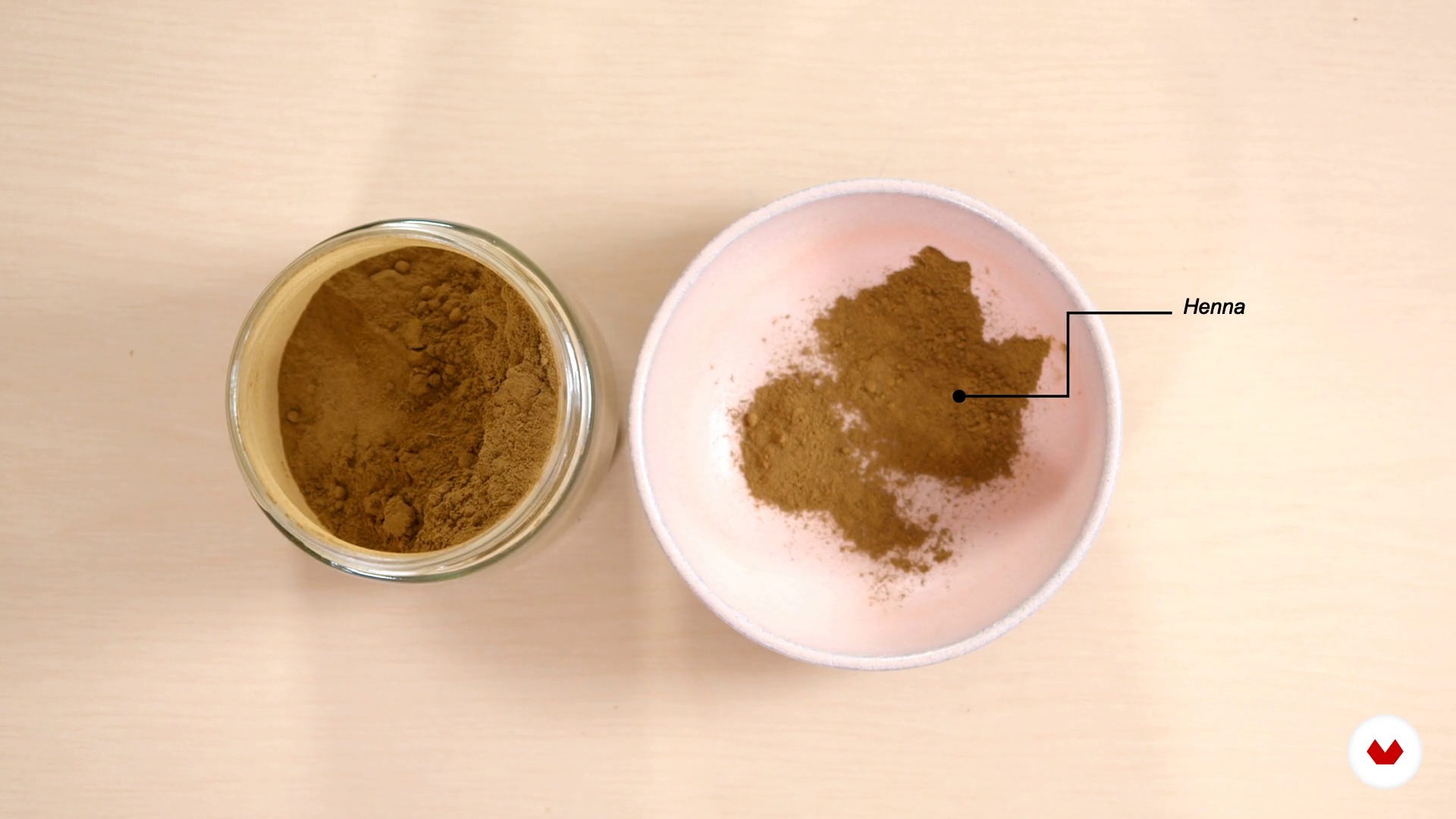
Pigments
6 minutes, 44 seconds
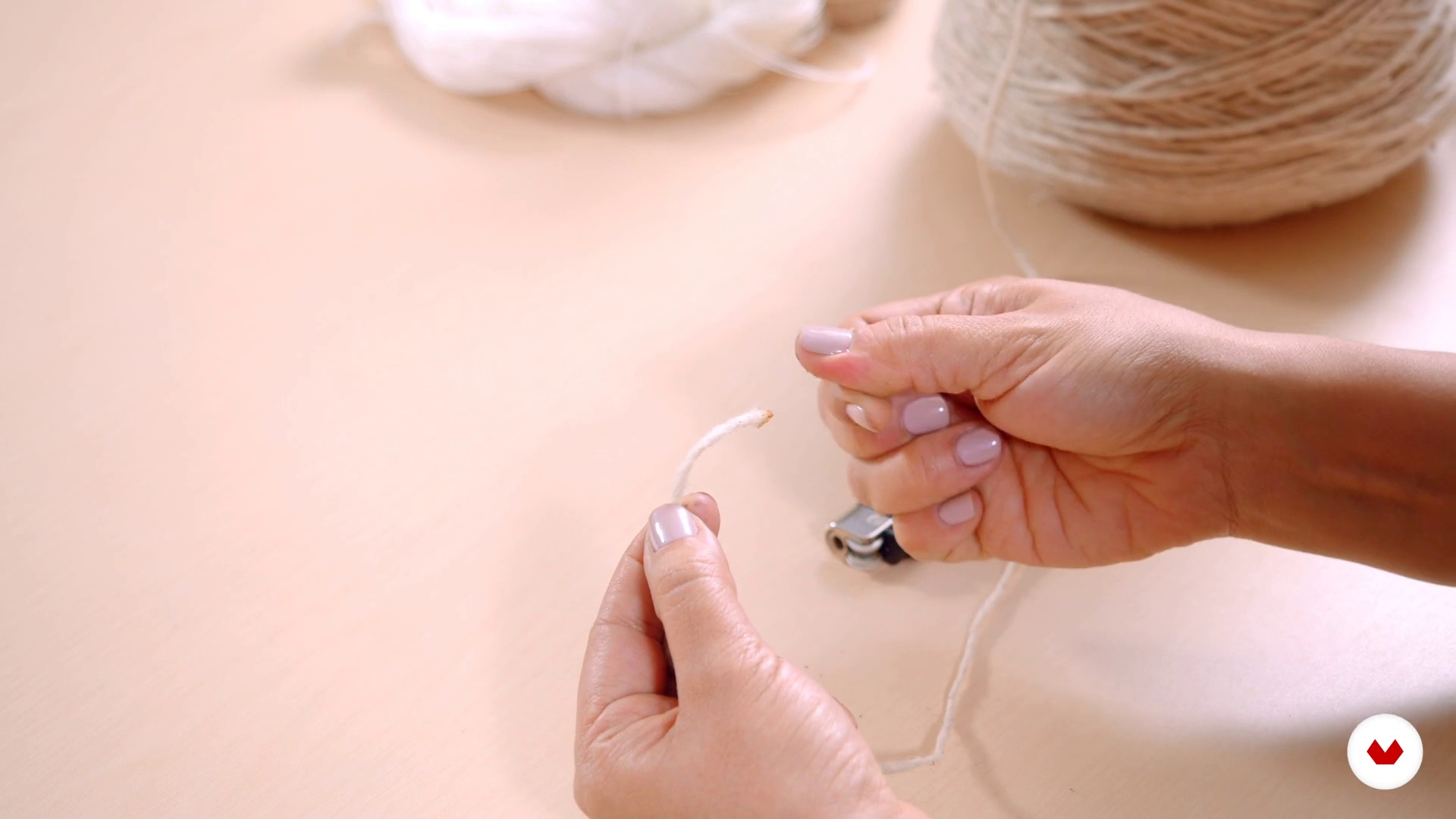
Fibers, textiles and tools
5 minutes, 16 seconds

General method to start dyeing
6 minutes, 31 seconds
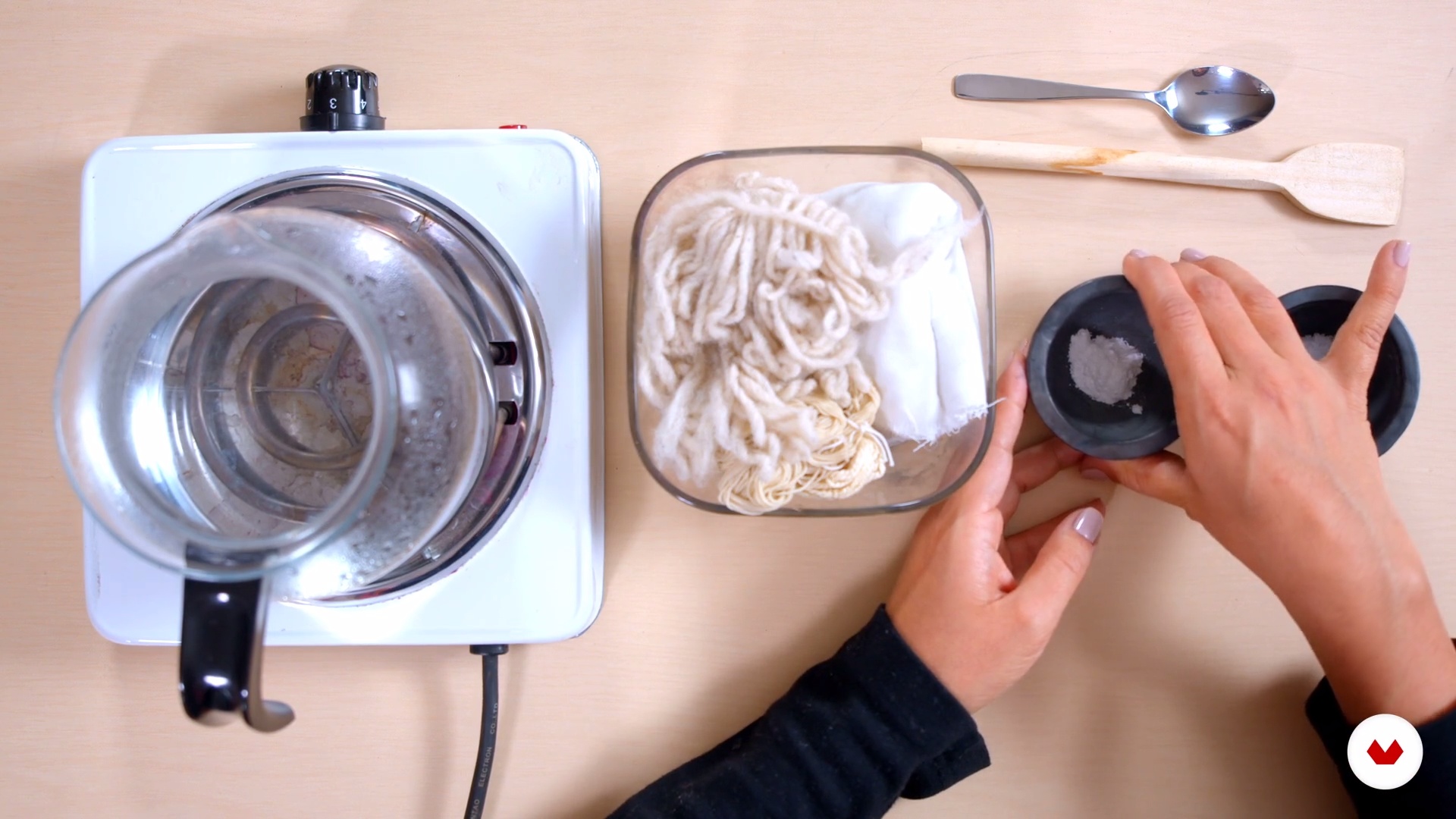
Washing and biting
6 minutes, 42 seconds
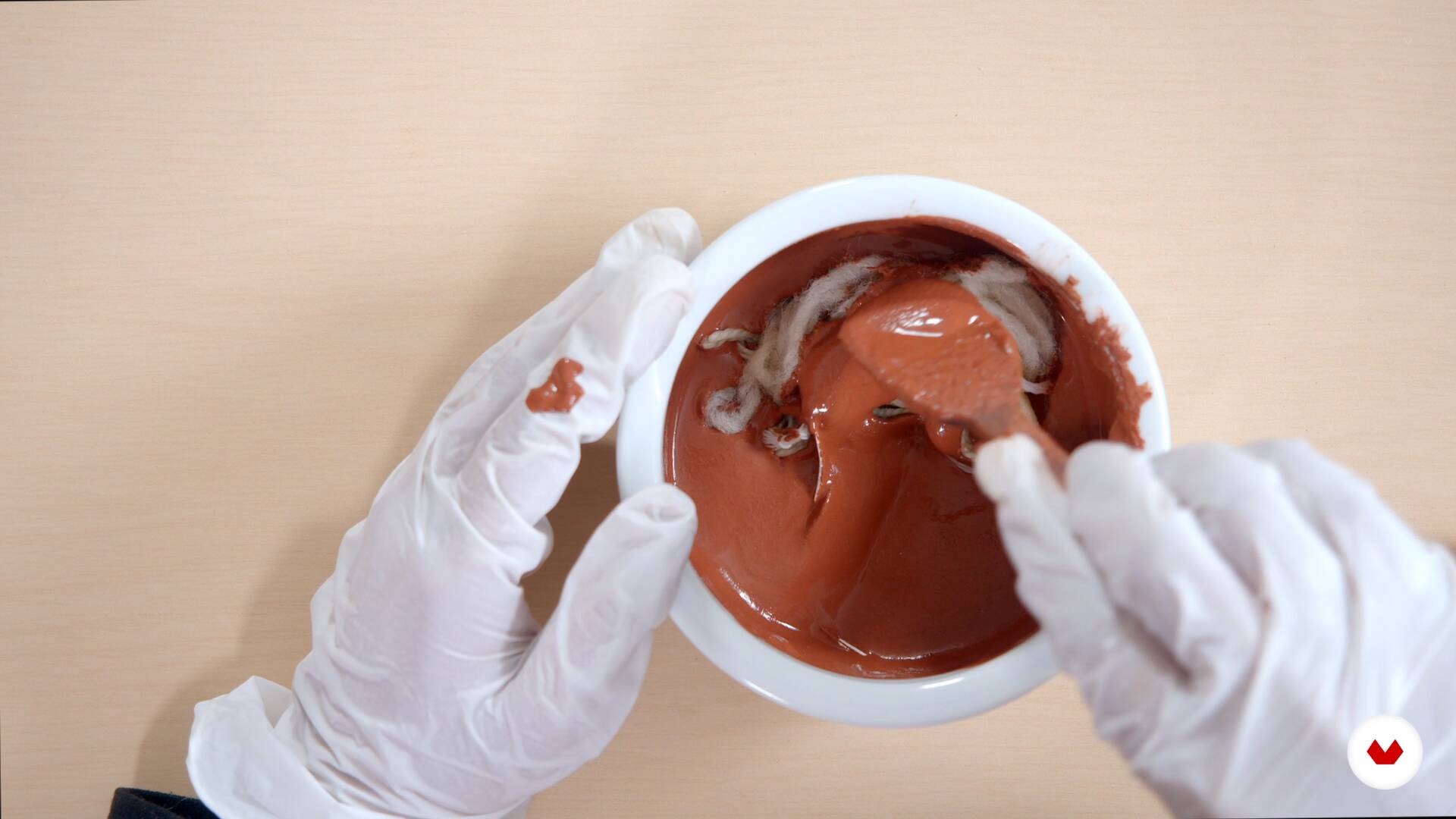
Dye with earth
3 minutes, 55 seconds
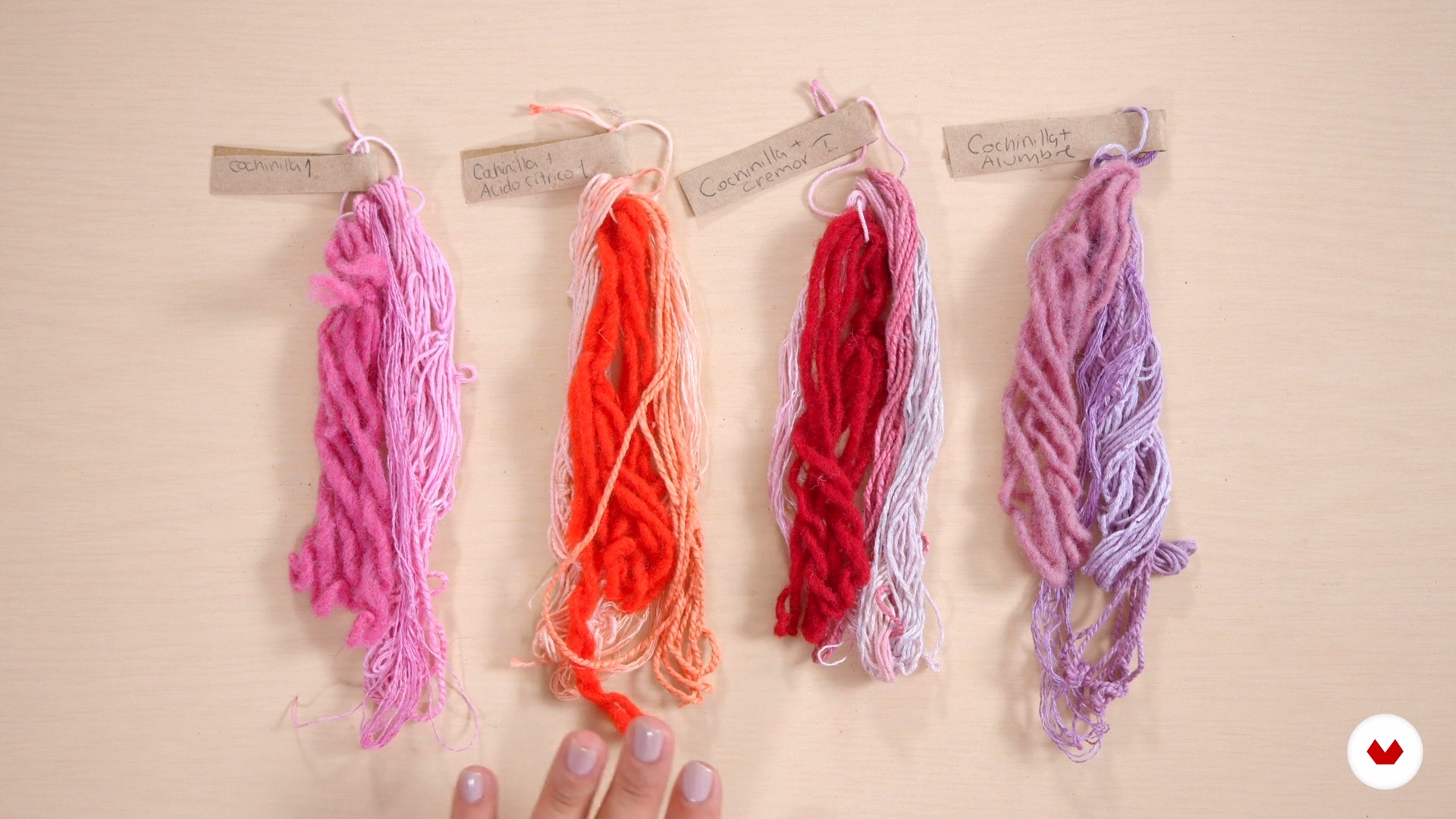
Dye with cochineal grana
10 minutes, 16 seconds
What's included in this course?
Start by getting to know Anabel, who tells you about her career in the world of textile dyeing and about her brand Anteis and the collaborations it has led to. She shares some of her main influences, from the use of color in traditional clothing to current artists experimenting with natural pigments.
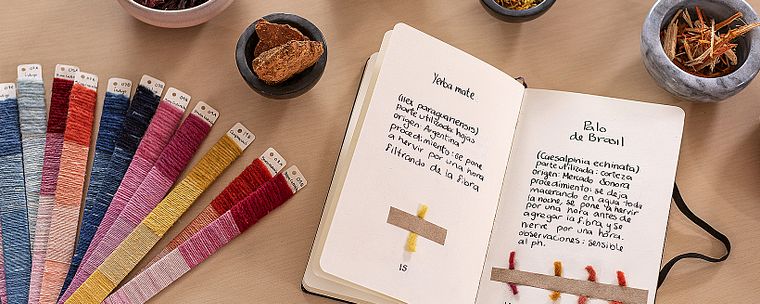
Discover what a dyeing logbook is and how important a role it plays as a guide for any textile artist. Anabel explains how it works and the sections it includes.
Review the characteristics and classification of some pigments that can be found in nature, then study the natural fibers and tools to be used during the course.
To start your logbook, dye your skeins, first using vegetable pigments, then earth and clays, cochineal, and, finally, indigo. Anabel teaches you how to prepare the fibers for dyeing, separate the samples, and record the information of each of them and their pigments in your logbook.
Then learn to create variations of your basic pigments using a range of techniques. Start with re-dyeing, which consists of creating new colors by dyeing one color on top of another to create textures, patterns, and motifs.
Wrap things up by putting all the information obtained in your logbook and organizing your samples, so that you can consult it for all your textile projects.
What is this course's project?
Develop a dyeing logbook with natural pigments, made up of formulas, samples, and variations to add color to your own fabrics, yarns, and threads.
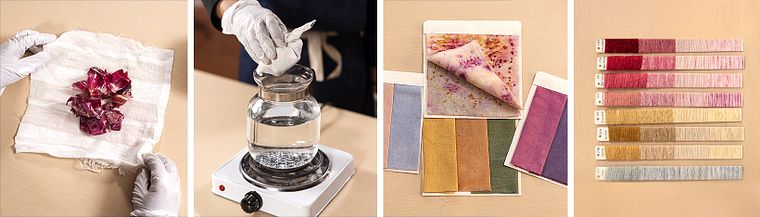
Projects by course students


Who is this online course for?
Artists, designers, and anyone interested in learning to dye textiles with natural and sustainable processes.
Requirements and materials
You do not need any prior knowledge as it is an introductory course.
Regarding the materials, you need: pots, a notebook, construction paper, scissors, laundry soap in powder form, wooden utensils, a scale, rubber gloves, a tape measure, a ruler, natural fixatives, white cardboard, water, a glue stick or double-sided tape, containers of different sizes, cotton gauze, fabric, yarn and/or thread of natural origin.
Reviews
- 2 months ago
Corso molto chiaro e semplice efficace e con spiegazioni complete
- 3 months ago
Muy bueno y muy claro!! gracias!!
- 4 months ago
Muy completo, con explicaciones claras
- 5 months ago
Este curso es excelente destinado a artistas, diseñadores y a cualquier persona interesada en aprender a teñir textiles con procesos naturales y sostenibles
- 6 months ago
Súper interesante

Her focus is on studying and experimenting with colors that can be easily obtained from the world around us—such as indigo, annatto, and cochineal—and she draws inspiration from the textures found in nature.
Content
- U1
Introduction
- Presentation
- The colors that surround us
- U2
Getting ready to dye!
- Dyeing Log
- Pigments
- Fibers, textiles and tools
- General method to start dyeing
- Washing and biting
- U3
Basic dyeing
- Dye with vegetable pigments
- Dye with earth
- Dye with cochineal grana
- Dye with indigo
- U4
Dyeing variations and applications
- Detained
- Tied Tied
- Our blog
- FP
Final project
- Textile Dyeing with Natural Pigments
What to expect from a Domestika course
Learn at your own pace
Enjoy learning from home without a set schedule and with an easy-to-follow method. You set your own pace.
Learn from the best professionals
Learn valuable methods and techniques explained by top experts in the creative sector.
Meet expert teachers
Each expert teaches what they do best, with clear guidelines, true passion, and professional insight in every lesson.
Certificates
PLUSIf you're a Plus member, get a custom certificate signed by your teacher for every course. Share it on your portfolio, social media, or wherever you like.
Get front-row seats
Videos of the highest quality, so you don't miss a single detail. With unlimited access, you can watch them as many times as you need to perfect your technique.
Share knowledge and ideas
Ask questions, request feedback, or offer solutions. Share your learning experience with other students in the community who are as passionate about creativity as you are.
Connect with a global creative community
The community is home to millions of people from around the world who are curious and passionate about exploring and expressing their creativity.
Watch professionally produced courses
Domestika curates its teacher roster and produces every course in-house to ensure a high-quality online learning experience.
FAQs
You’ll learn how to extract inks from plants, dye fabrics with natural pigments like indigo and cochineal, prepare fibers, document your process in a journal, and understand the cultural and historical ties of color in textiles.
This is an intermediate-level course, perfect for those who already have basic textile or craft knowledge and want to dive deeper into natural dyeing techniques and artisanal documentation.
You’ll need natural fibers or fabrics, plants or natural pigments (like indigo, cochineal, plant husks), kitchen tools, mordants, a journal, measuring instruments, and basic protective gear like gloves.
Techniques covered include pigment extraction, mordanting, dyeing with indigo, cochineal, and plant husks, fiber washing and preparation, tie-dyeing, re-dyeing, and documenting everything in a journal.
You’ll learn how to record formulas, ratios, samples, photos, and observations in a journal to keep your dyeing experiments organized and easy to replicate.
The course teaches you to identify natural fibers (like cotton and wool) versus synthetics, explaining why natural fibers absorb pigments better and are more eco-friendly for dyeing.
You’ll discover practical methods to select, extract, and filter pigments from plants, roots, flowers, and husks, adapting recipes to achieve different textile shades.