Sculpt Characters with Epoxy Modeling Clay
A course by Francesca Dalla BenettaPlastic Artist
A course by Francesca Dalla Benetta, Plastic Artist

Learn to model beautiful characters using this strong, versatile material
If you're looking to create your very first sculpture, Italian plastic artist Francesca Dalla Benetta put together this course just for you! After completing her degree in painting at the Accademia di Belle Arti di Brera in Milan, Francesca spent 10 years exploring the world of special effects for film and TV as a make-up artist specialized in prosthetics and fantastical creatures. She later decided to make a living as a full-time sculptor, creating pieces that have been exhibited in Mexico, the United States, and Europe.
In this course, discover the steps to create a sculpture with epoxy modeling clay, from the basic structure to the final painted details.
Epoxy clay is a medium created by mixing two substances. When air-dried, this material hardens on its own, eliminating the need for kilns or molds and making the process both simple and affordable.
What will you learn in this online course?
21 lessons & 8 downloads
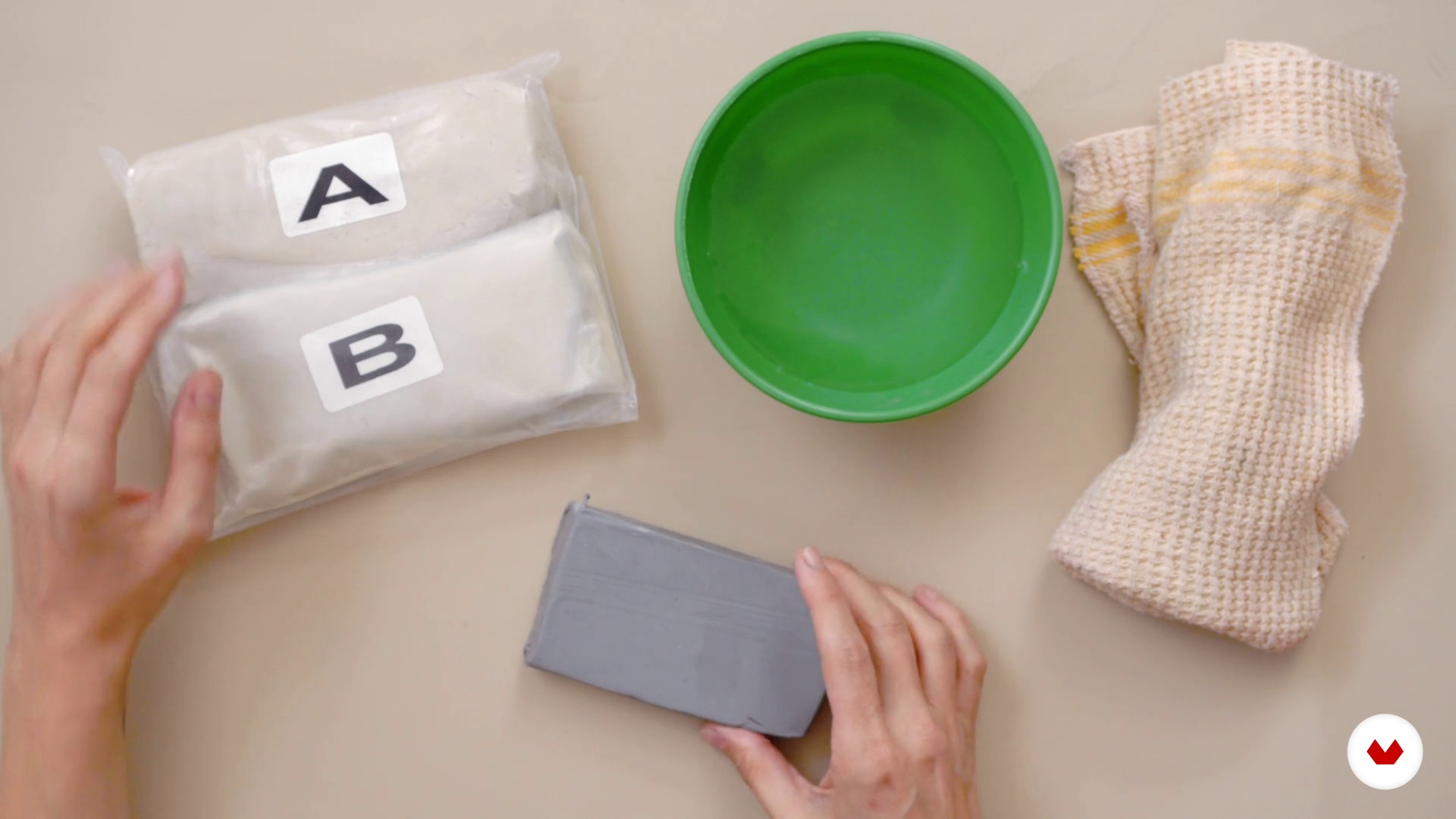
Materials and workspace
8 minutes, 50 seconds
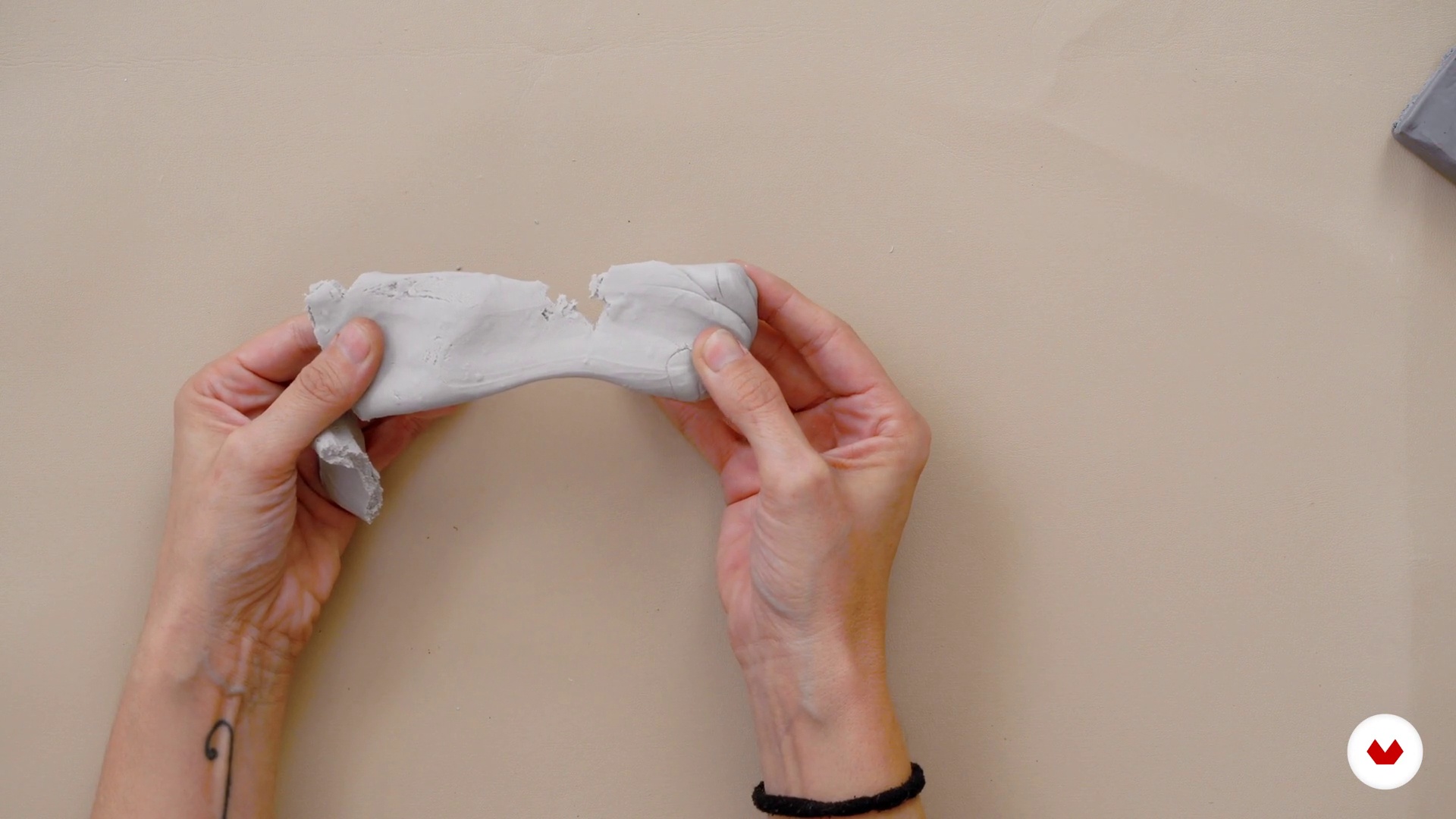
Epoxy Plasticine: Texture and Smoothing (Pt.1)
16 minutes, 3 seconds
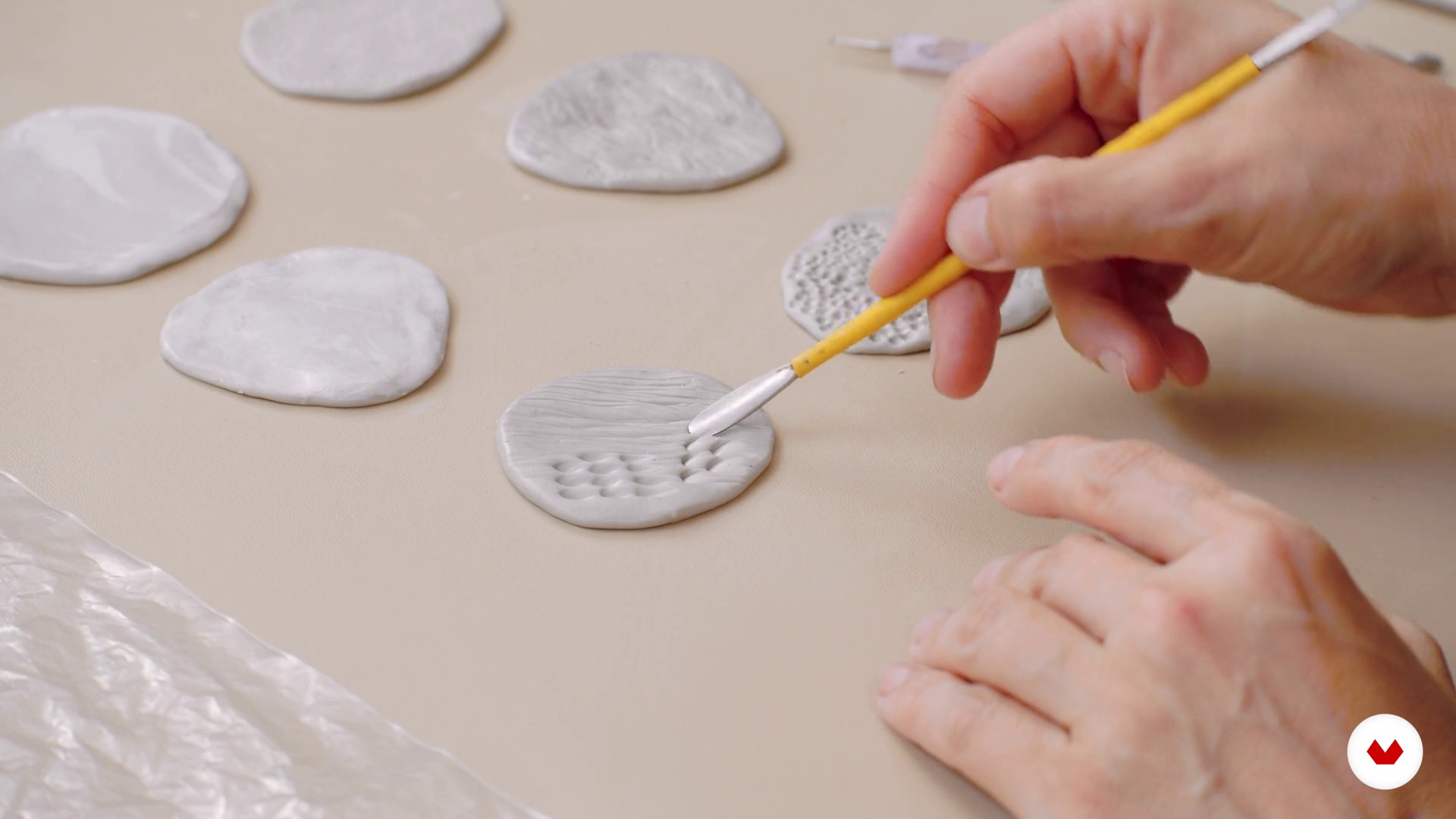
Epoxy Plasticine: Texture and Smoothing (Pt.2)
5 minutes, 44 seconds
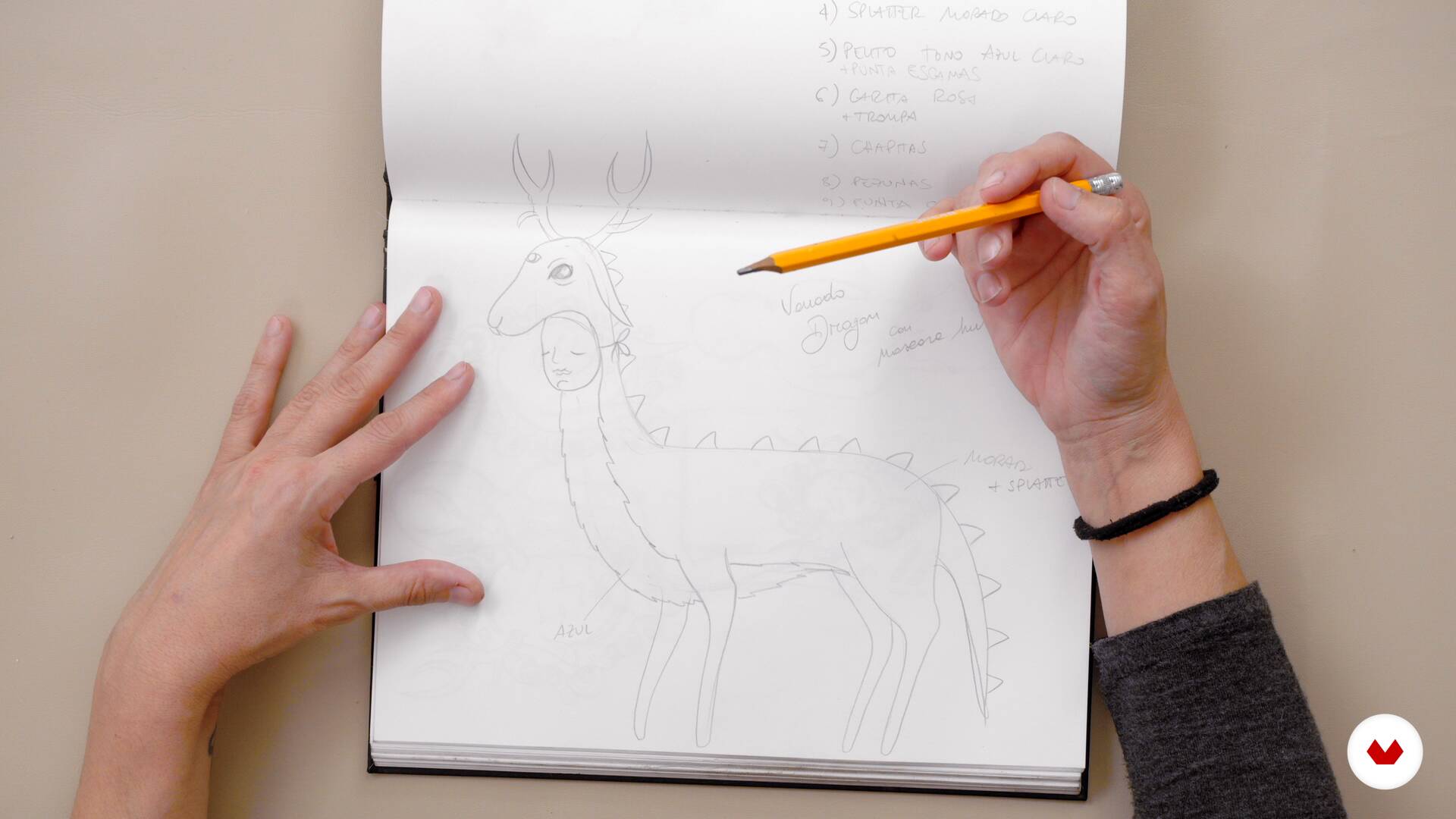
Sketch and ideas
5 minutes, 36 seconds
Structure
20 minutes, 9 seconds

Human mask
20 minutes, 44 seconds
What's included in this course?
Start by getting to know Francesca Dalla Benetta as she discusses her professional career in the world of film and TV, as well as her transition to working full time as a plastic artist in 2010, a shift that led her to exhibit her work in various countries all over the world. Discover her main influences, which range from classical art, film, and literature to genres as varied as fantasy, cyberpunk, horror, and even nature and biology.
Next, familiarize yourself with all the materials and tools you need to create your first sculpture. Learn what epoxy modeling clay is, how to prepare it, and all the secrets to working with this medium like a professional. Watch a demonstration to learn some smoothing and texturing techniques that will help you become comfortable working with this material.
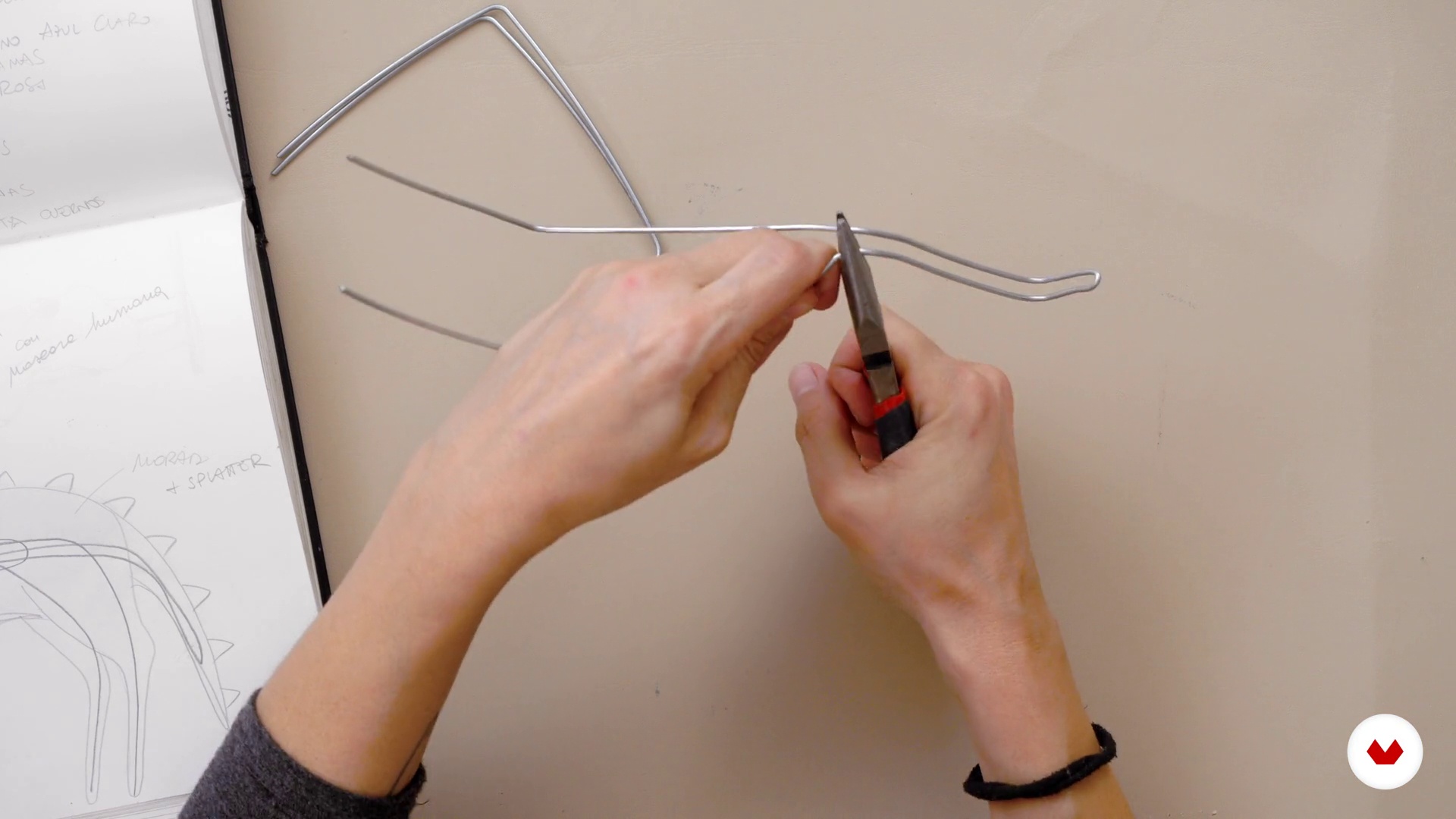
Get to work by creating a pencil sketch of your sculpture with Francesca's guidance and discover the difference between the preliminary sketch and the technical drawing. Build your character's foundational structure using wire, aluminum foil, and pliers.
Continue by adding volume, first molding the basic body shapes and later creating the final textures. Then, focus on modeling the human face and adding the finishing touches to ensure your piece is stable and polished to perfection.
Wrap things up by discovering different ways to paint your piece with oils, enamels, acrylics, or stained-glass pigments. Paint the last few details and apply a protective varnish to complete your piece.
Now you have all the knowledge necessary to create sculptures in a simple and practical way.
What is this course's project?
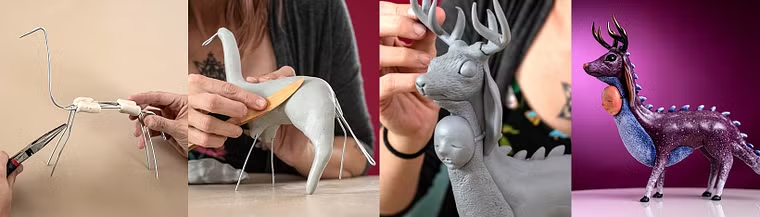
Sculpt a character with epoxy modeling clay.
Projects by course students


Who is this online course for?
Plastic and visual artists, arts-and-crafts enthusiasts, and anyone who wants to explore the world of sculpting.
Requirements and materials
No prior knowledge of drawing or sculpting is required as Francesca teaches you all the techniques you need from scratch.
As for materials, you need a plastic table protector, a notebook, pencil and paper to sketch your ideas, epoxy modeling clay, traditional oil-based clay (for children or sculptors), modeling tools (either the conventional type found at art stores or dental tools), wire of any kind, aluminum foil, water, 150- and 320-grit sandpaper, a rag, a plastic bag, and gloves. To paint your sculpture, you need spray paint, acrylics, water, cups, plates, brushes, sponges, gloves, a mask, lacquer or varnish, and other materials specified throughout the course.
Reviews
- 20 days ago
El curso es MARAVILLOSO!!! Francesca es toda una artistaza y una gran comunicadora, hace muy sencillo seguir todas las indicaciones. Gracias y enhorabuena!! Nota: podrías por favor indicarme donde está el recurso con las indicaciones de la base para figura humana... no consigo encontrarlo. Gracias
- 2 months ago
Expert teaching and easy-to-follow instructions.
- 3 months ago
Deseando empezar a crear. Muy inspirador
- 7 months ago
O curso é muito bom. A didática é fantástica. Explica passo a passo como executar as atividades. Explicações simples e ao mesmo tempo que permitem você aplicar os conhecimentos para além do projeto do curso. Recomendo.
- 7 months ago
Muy hermoso y bien explicado

In 2010, she began creating her own pieces as a full-time sculptor, exhibiting her work internationally in Mexico, the United States, and Europe.
Content
- U1
Introduction
- Presentation
- Influences
- What will we do in the course?
- U2
Familiarization with materials and tools
- Materials and workspace
- Epoxy Plasticine: Texture and Smoothing (Pt.1)
- Epoxy Plasticine: Texture and Smoothing (Pt.2)
- U3
Creation of the piece (Body)
- Sketch and ideas
- Structure
- First volumes and forms (Pt.1)
- First volumes and forms (Pt.2)
- U4
Creation of the piece (Detail)
- Human mask
- Deer Head (Pt. 1)
- Deer Head (Pt. 2)
- Deer Head (Pt.3)
- Final finishes
- U5
Piece Painting
- Painting techniques
- Base colors (Pt.1)
- Base colors (Pt.2)
- Paint Details (Pt.1)
- Paint Details (Pt.2)
- Final finishes
- FP
Final project
- Sculpture of characters in epoxy plasticine
What to expect from a Domestika course
Learn at your own pace
Enjoy learning from home without a set schedule and with an easy-to-follow method. You set your own pace.
Learn from the best professionals
Learn valuable methods and techniques explained by top experts in the creative sector.
Meet expert teachers
Each expert teaches what they do best, with clear guidelines, true passion, and professional insight in every lesson.
Certificates
PLUSIf you're a Plus member, get a custom certificate signed by your teacher for every course. Share it on your portfolio, social media, or wherever you like.
Get front-row seats
Videos of the highest quality, so you don't miss a single detail. With unlimited access, you can watch them as many times as you need to perfect your technique.
Share knowledge and ideas
Ask questions, request feedback, or offer solutions. Share your learning experience with other students in the community who are as passionate about creativity as you are.
Connect with a global creative community
The community is home to millions of people from around the world who are curious and passionate about exploring and expressing their creativity.
Watch professionally produced courses
Domestika curates its teacher roster and produces every course in-house to ensure a high-quality online learning experience.
FAQs
You’ll learn how to sculpt three-dimensional figures from sketch to final finish, including building internal wire armatures, smoothing and texturing techniques, acrylic painting, and varnishing on epoxy clay sculptures.
No, this course is designed for beginners with no prior experience who want to start sculpting with epoxy clay.
You’ll need epoxy clay, traditional clay, wire, spatulas, brushes, acrylic paints, varnish, sandpaper, optional glass eyes, and a suitable workspace.
Mix equal parts of the two epoxy clay components until you get a smooth, pliable blend ready for shaping your sculpture.
Techniques include creating textures using dental tools, household objects, sponges, and plastics to achieve realistic finishes like scales, wrinkles, and fur on epoxy clay.
You’ll learn how to bend, join, and adjust wires to create the internal skeleton that supports and stabilizes your sculpture.
Start by applying primer, then acrylic paint using sponging and splattering techniques. Finally, seal your sculpture with varnish to protect and enhance the colors.