Botanical Watercolor Sketchbook
A course by Paulina Maciel · CanelaDesigner and Illustrator
A course by Paulina Maciel · Canela, Designer and Illustrator

Explore and interpret the natural world by combining watercolor with graphite pencil and fineliners
If you're looking for inspiration for your illustrations, the answer may lie in stepping out and contemplating the nature around you. Its perfection, subtlety, and extensive variety could be the key you've been searching for. Illustrator and watercolor specialist Paulina Maciel is passionate about the natural world, which is evident in the creations of her studio, Canela Estudio, for branding, packaging, book covers, invitations, and more, as well as her other course Botanical Illustration with Watercolors.
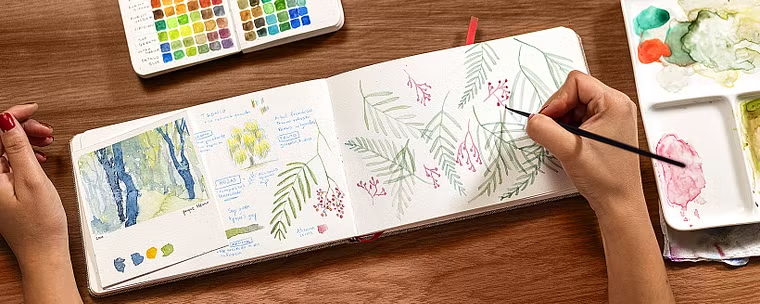
In this course, learn to fill a notebook with botanical watercolors, including illustrations and handwritten notes, by studying nature. This practice exercises your capacity for observation, visual description, and rapid interpretation and helps you understand many of the species that surround us.
What will you learn in this online course?
15 lessons & 26 downloads
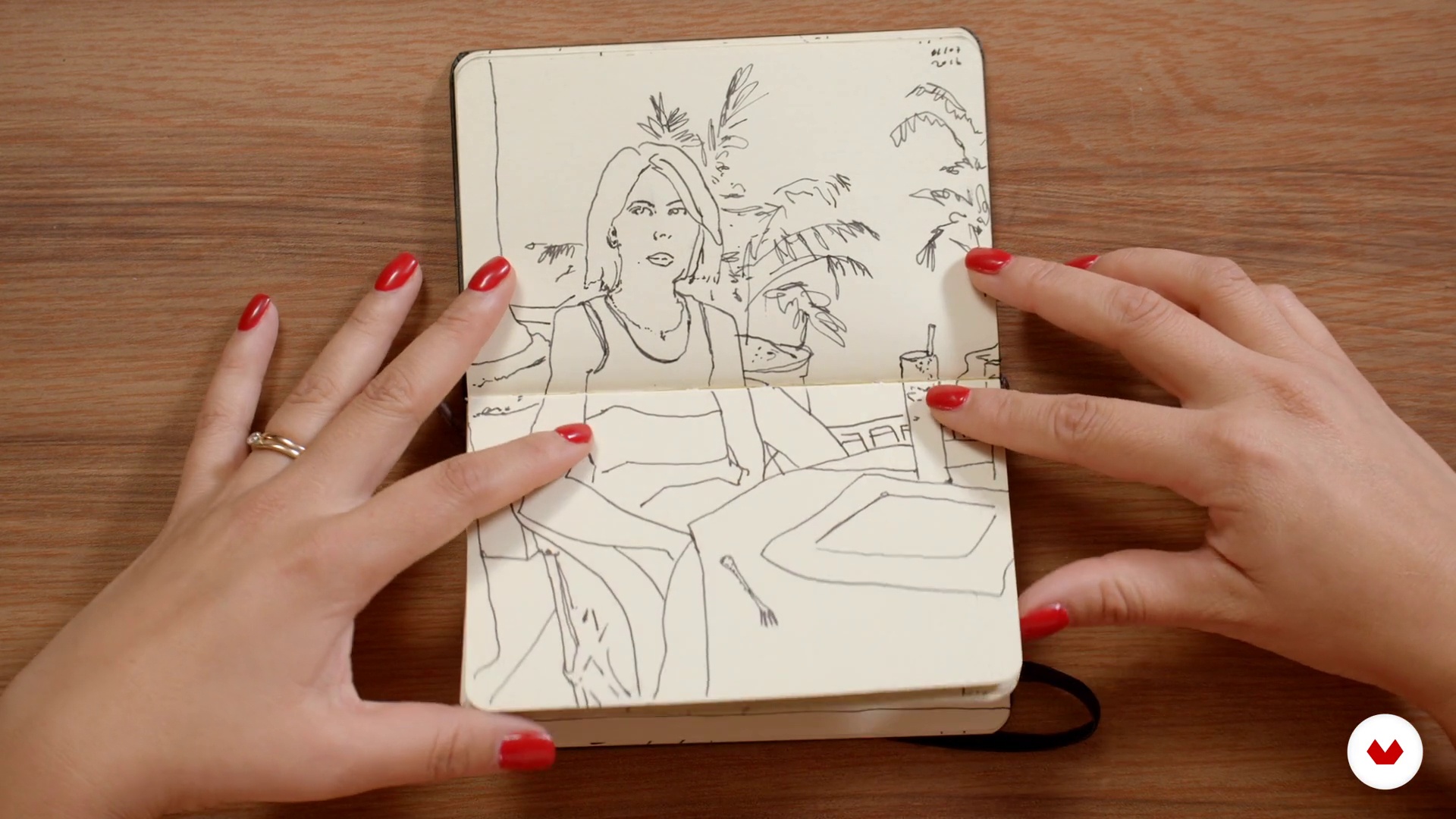
Journals
5 minutes, 33 seconds
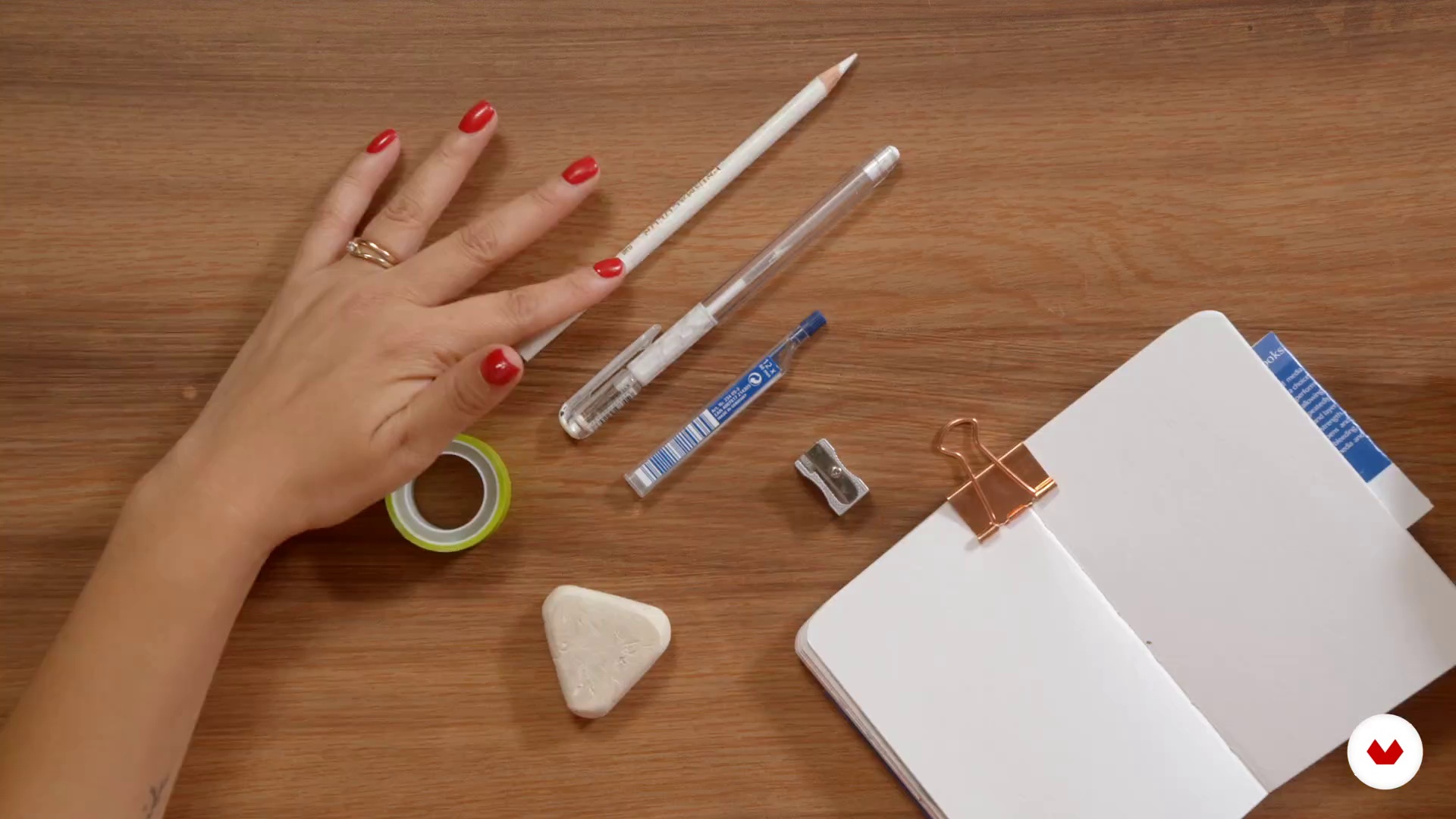
The materials
7 minutes, 30 seconds
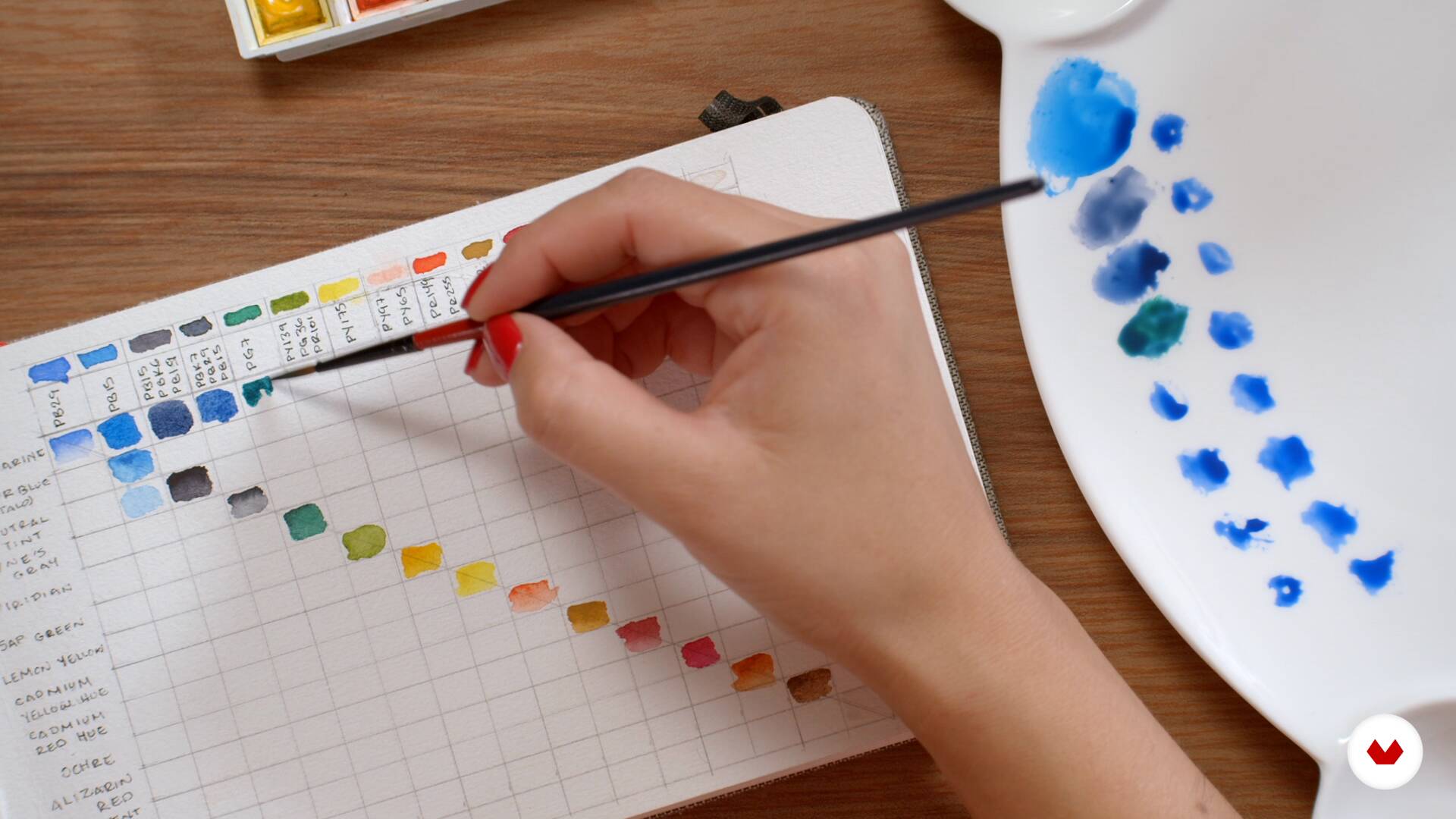
Mixing colors
14 minutes, 3 seconds
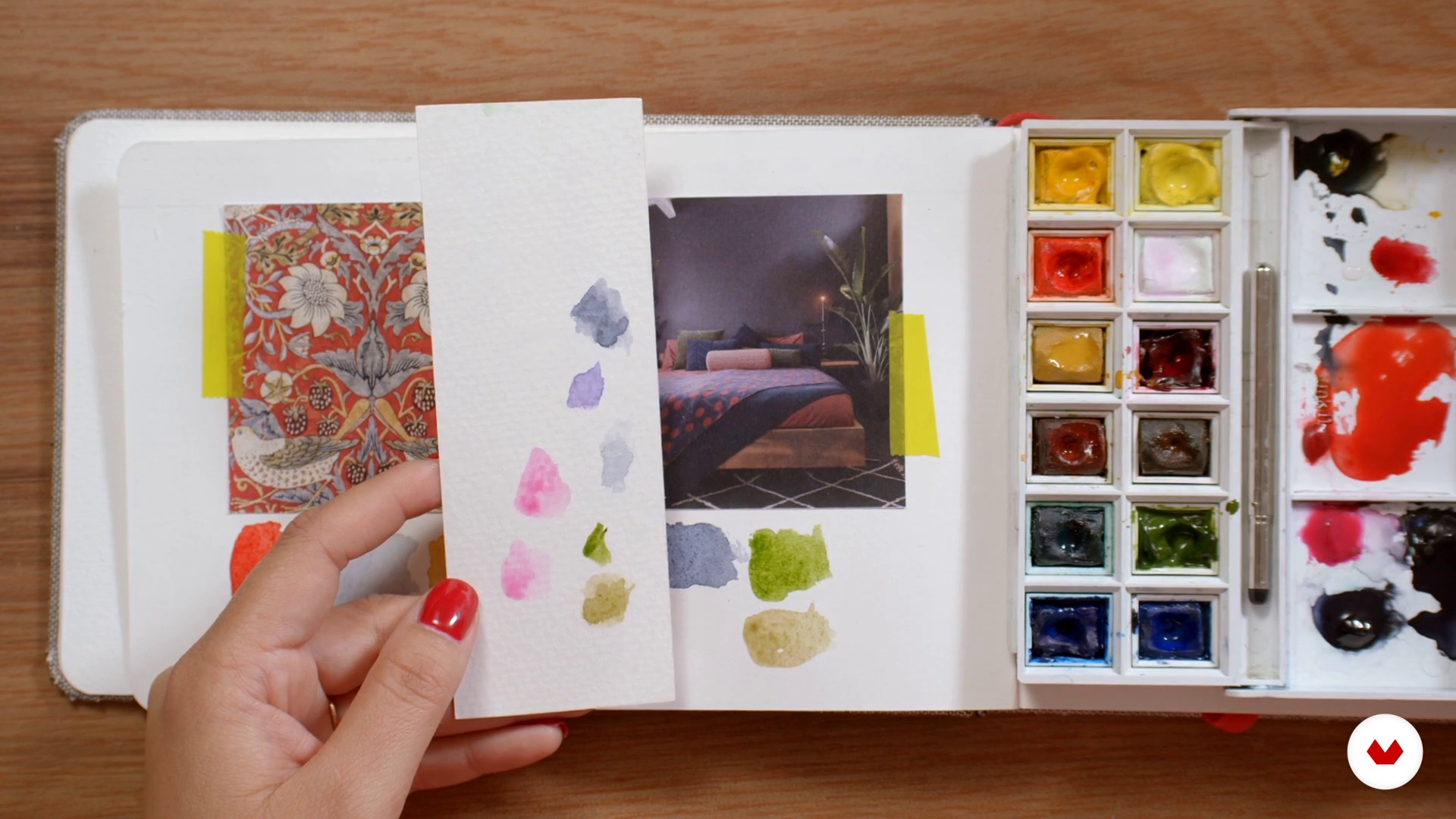
Color palettes
6 minutes, 37 seconds
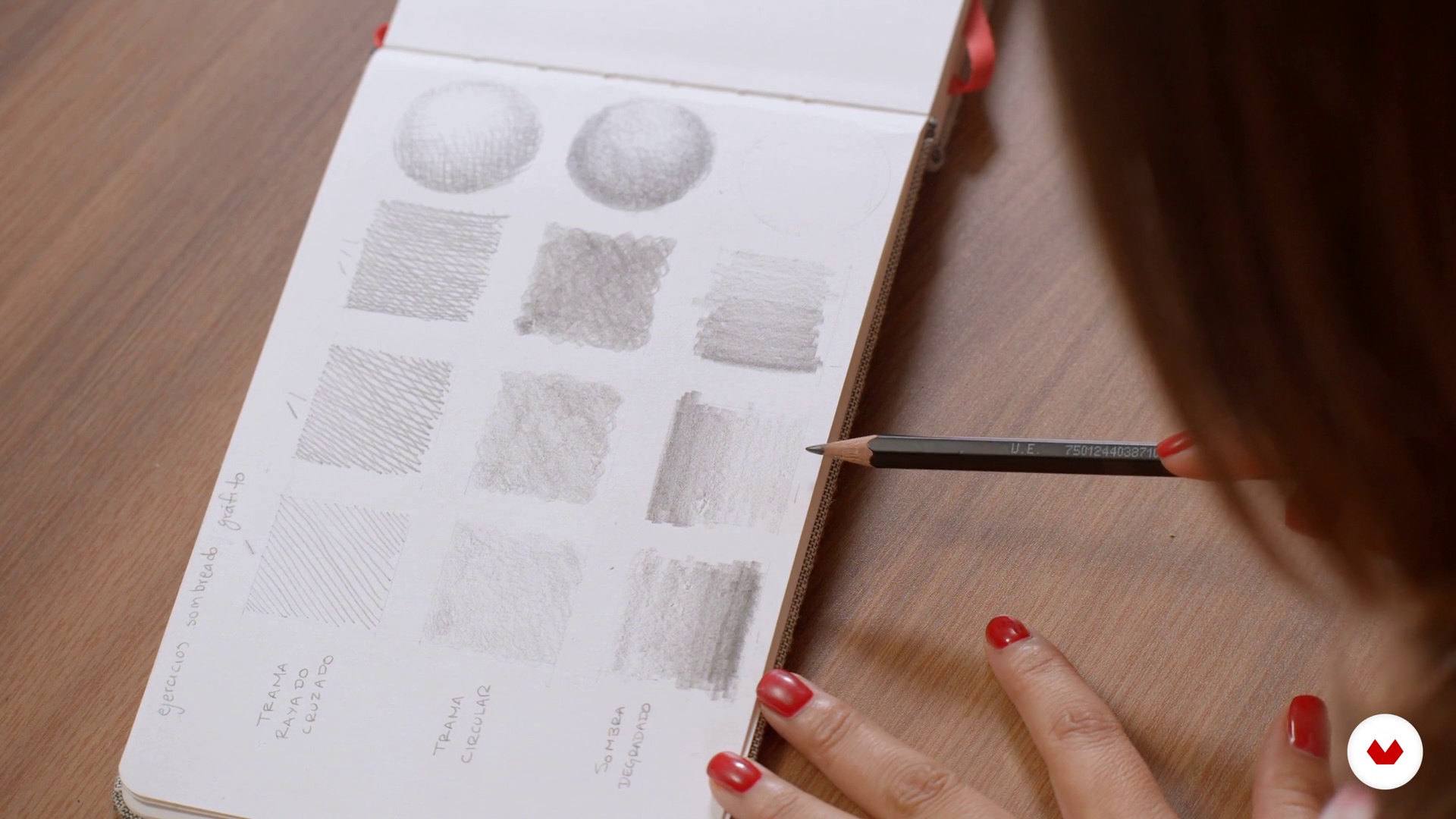
Graphite Exercises
13 minutes, 5 seconds
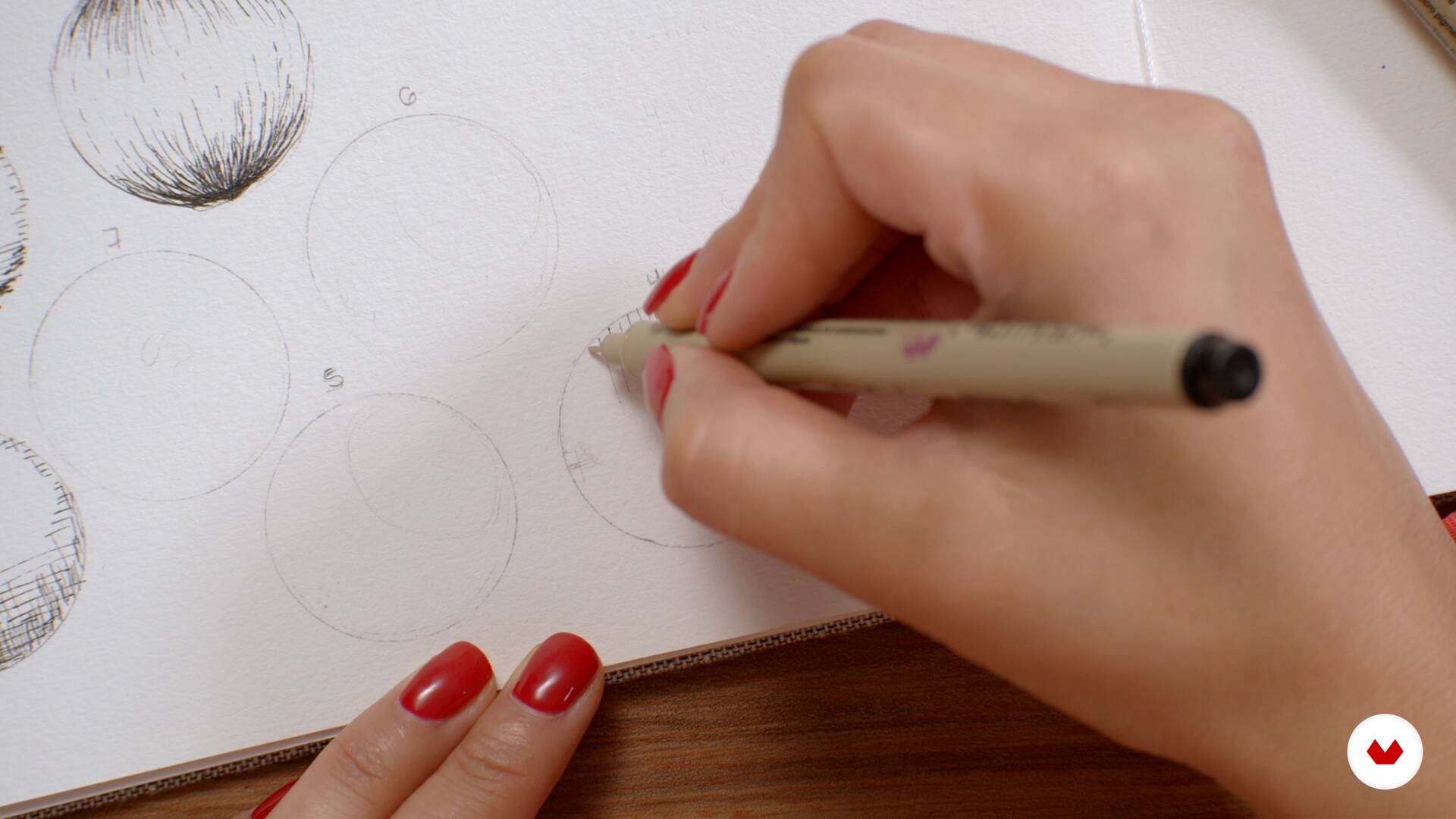
Pen exercises
15 minutes, 15 seconds
What's included in this course?
Start the course by getting to know Paulina Maciel, her work as an artist, what inspires her, and how illustration became her whole world.
Paulina shows you some illustrated journals with various themes from different artists to get your creative juices flowing. Learn how they work and how they can help you improve your drawing skills to create a consistent drawing habit―something you can take anywhere so you can gradually build confidence in your watercolor technique.
Include some handwritten notes to exercise your observation skills, something that will help you understand many of the species that we encounter.
Paulina also goes over the few materials you need to take this course. The goal is to work mainly outside so you only carry the basics with you on your trips.
Move on to some color theory exercises. In watercolor painting you can achieve a wide range of tones and shades with a relatively small palette of pigments.
Practice the basic illustration techniques using graphite, fineliners, and watercolor with some exercises to loosen up and let your creativity take the reins.
Now it's time to do your first naturalist sketchbook illustrations and, with Paulina as your guide, learn to illustrate a page in grisaille. Familiarize yourself with basic steps for interpreting a tree drawing with watercolors. The next step is to use a piece of fruit to analyze and understand the values of light, shadow, and volume in a study of continuous tones with graphite. Once you have grasped this, get ready to illustrate your piece of fruit in watercolor.
Continue the illustration exercises using some mushrooms as your subject, and include them in your journal illustrating them with both fineliners and watercolors. Finally, Paulina teaches you to draw the outline of a flower in pencil, adding volume with watercolors in a botanical print style.
By the end of the course, you have the first pages of your botanical sketchbook, which serves as a progress log in the different fundamental and mixed techniques. You have the rest of the notebook to discover and interpret the natural world through your own eyes!
What is this course's project?
Take the first steps towards creating a botanical sketchbook that you can carry with you to capture your observations of nature. Explore illustrations in pencil, fineliner, and watercolors as well as handwritten notes.
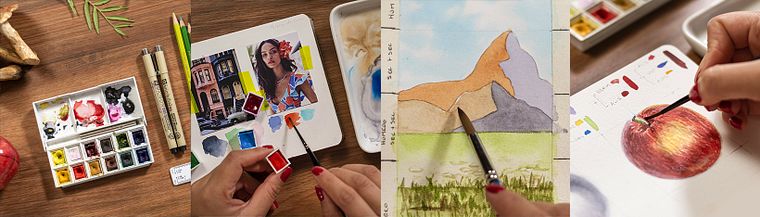
Projects by course students


Who is this online course for?
To all illustration afficionados, art enthusiasts, watercolor lovers, and anyone curious about the nature that surrounds us.
Requirements and materials
No prior knowledge is required for this course, although if you already have experience illustrating you might enjoy it that little bit more! In terms of materials, you need a suitable notebook for watercolor painting including wet techniques, pan watercolors, a fineliner, a graphite pencil, paintbrushes (waterbrushes would be especially useful). Remember to take a good hat to protect you from the sun if you decide to paint outside!
Reviews
- 26 days ago
Excelente
- 3 months ago
Hermoso, se aprende mucho.
- 3 months ago
Muy interesante el curso. Me gusto mucho la forma en la cual se desarrolla cada clase.
- 4 months ago
Me gustó mucho, a pesar de que no soy muy bueno pintando, da buenas bases y regreso de vez en cuando para mejorar alguna ilustración que hago
- 4 months ago
Ejercicios claros, que motivan a adentrarse en este maravilloso mundo. Inspirador!

Content
- U1
Introduction
- Presentation
- My favorite diaries
- Journals
- U2
Here we begin!
- The materials
- Mixing colors
- Color palettes
- U3
First the technique
- Graphite Exercises
- Pen exercises
- Watercolor exercises
- U4
Illustrate in your diary
- Illustration of a leaf
- Illustration of a tree
- Illustration of a fruit
- Illustration of a mushroom / mushroom
- Illustration of a flower P1
- Illustration of a flower P2
- FP
Final project
- Illustration of a naturalist diary
What to expect from a Domestika course
Learn at your own pace
Enjoy learning from home without a set schedule and with an easy-to-follow method. You set your own pace.
Learn from the best professionals
Learn valuable methods and techniques explained by top experts in the creative sector.
Meet expert teachers
Each expert teaches what they do best, with clear guidelines, true passion, and professional insight in every lesson.
Certificates
PLUSIf you're a Plus member, get a custom certificate signed by your teacher for every course. Share it on your portfolio, social media, or wherever you like.
Get front-row seats
Videos of the highest quality, so you don't miss a single detail. With unlimited access, you can watch them as many times as you need to perfect your technique.
Share knowledge and ideas
Ask questions, request feedback, or offer solutions. Share your learning experience with other students in the community who are as passionate about creativity as you are.
Connect with a global creative community
The community is home to millions of people from around the world who are curious and passionate about exploring and expressing their creativity.
Watch professionally produced courses
Domestika curates its teacher roster and produces every course in-house to ensure a high-quality online learning experience.
FAQs
You’ll learn how to observe nature, document it in a visual journal, apply watercolor, graphite, and dip pen techniques, create color palettes, mix pigments, and depict natural elements with accuracy and creativity.
This course is designed for people with basic drawing skills who want to deepen their naturalist illustration techniques, making it ideal for intermediate learners.
You’ll need watercolor paper, graphite pencils, watercolors, synthetic brushes, dip pens, ink, an art journal, and a portable watercolor box. A basic selection of pigments and palettes is recommended.
The course covers wet and dry base techniques, gradients, color mixing, grisaille, transparency, texture creation, and layering to achieve realistic effects in naturalist illustration.
You’ll learn how to structure, date, and document field observations, integrate quick sketches, color palettes, notes, and natural elements like dried leaves into your art journal.
Graphite allows shading and volume, dip pen adds precise lines and textures, and watercolor brings color and transparency. The course teaches how to combine these techniques depending on the desired effect.
Yes, the course includes how to transfer illustrations to commercial projects like packaging, ceramics, or wood, adapting techniques and color palettes to the medium.