
Visual Storytelling for Animation Projects
A course by Luigi Esparza Santa MaríaAudiovisual Communicator
A course by Luigi Esparza Santa María, Audiovisual Communicator

Learn how to tell a story with simple sketches and prepare a pitch for investors
If you are passionate about animation, cartoons and the audiovisual world in general, you may have wondered at some point: how can a small idea become a great production animation project? It is not enough to have the idea, you have to develop and dress it to be able to sell it in a pitch , and get investment to carry it out.
That is precisely what you will learn in this Domestika course by the hand of the audiovisual communicator, director and screenwriter Luigi Esparza. With a long career in the sector and co-founder of the animation studio Polirama, Luigi will teach you the whole work process to create a good story focused on the audiovisual medium, structured and with a defined character; also creating the visual storytelling for your pitch .
What will you learn in this online course?
18 lessons & 10 downloads
What will we do during the course?
54 seconds
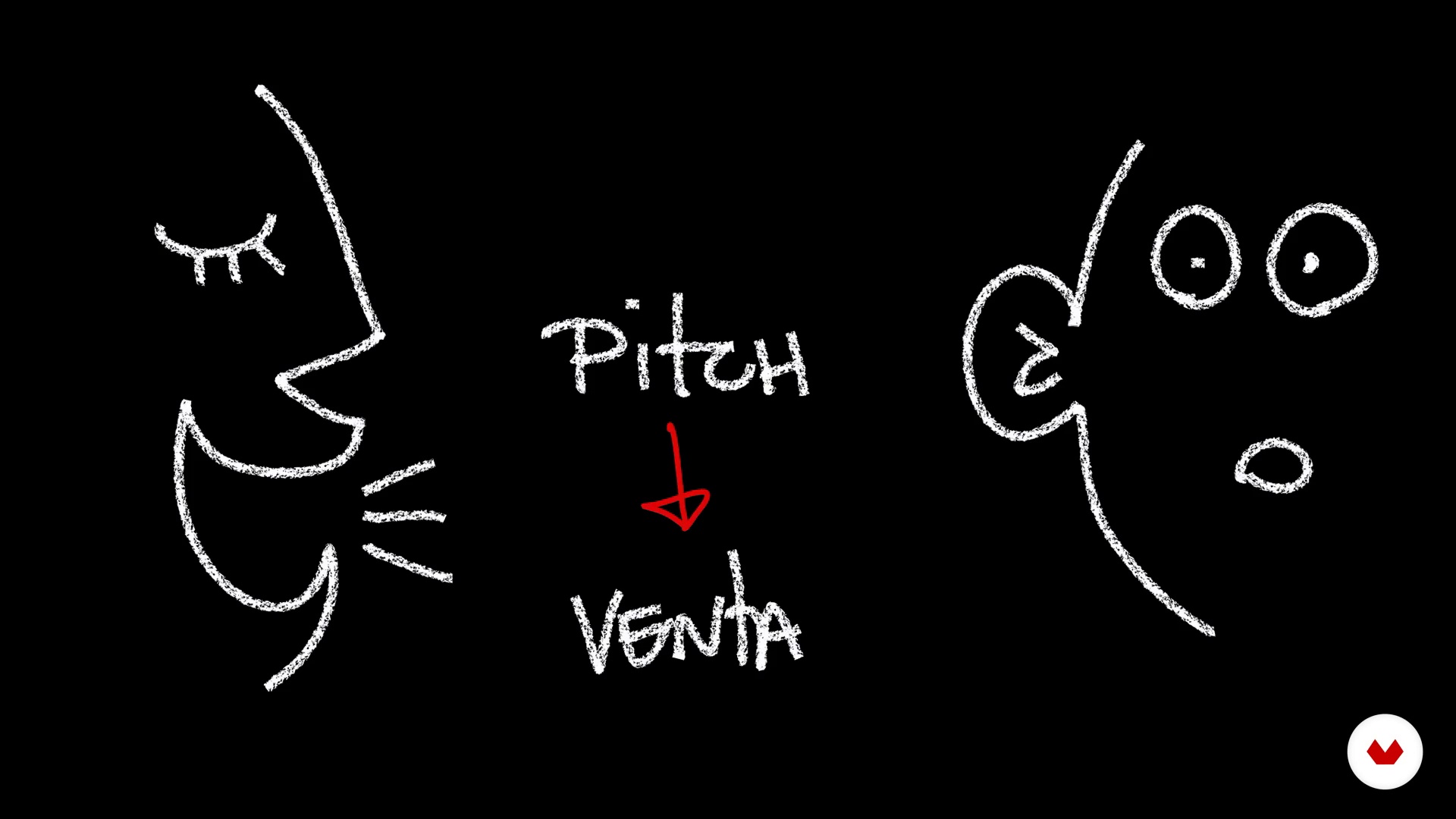
Why the pitch?
5 minutes, 43 seconds

The history pitch
9 minutes, 20 seconds
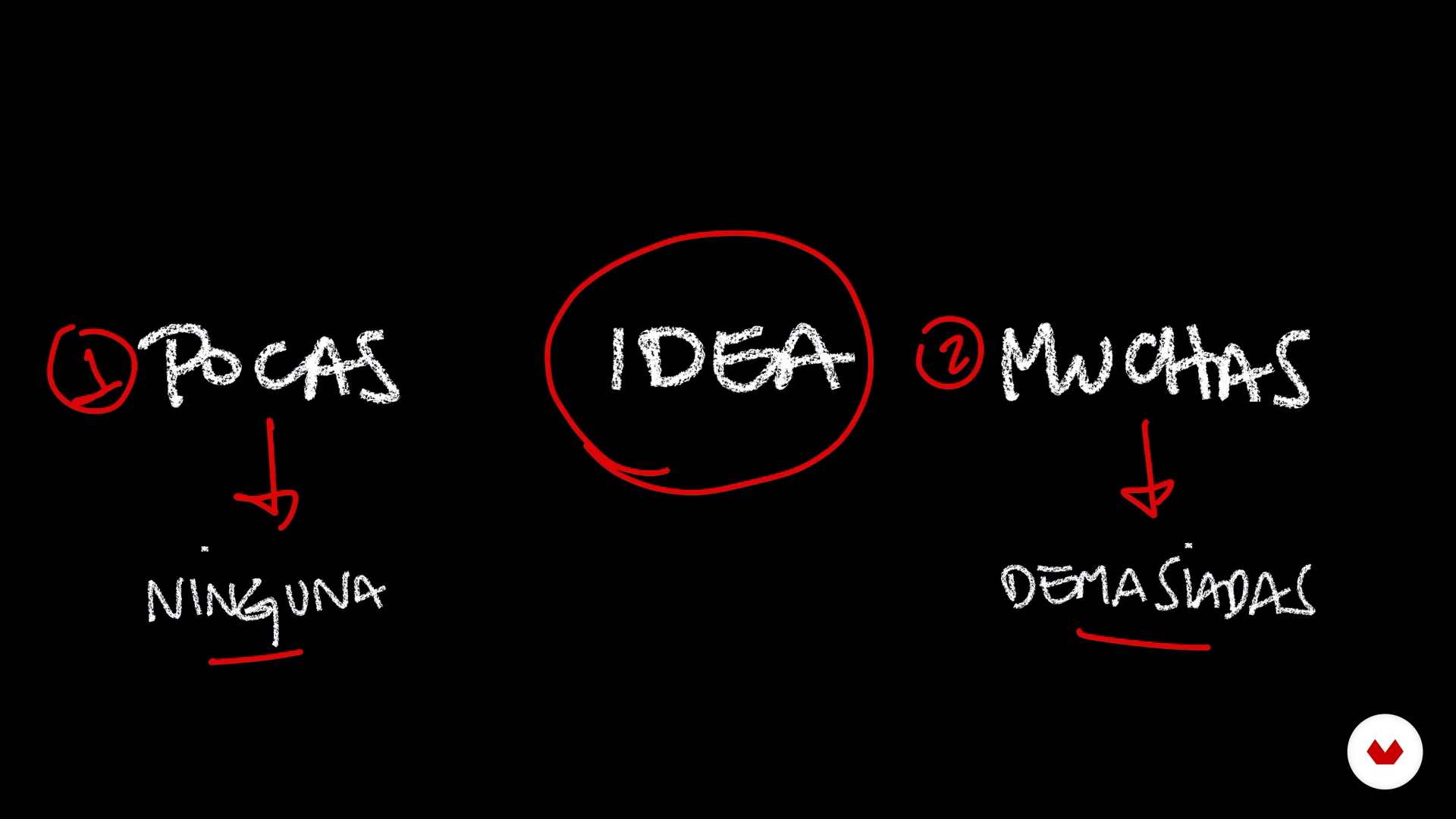
The generation of ideas
9 minutes, 57 seconds

The investigation
7 minutes, 23 seconds
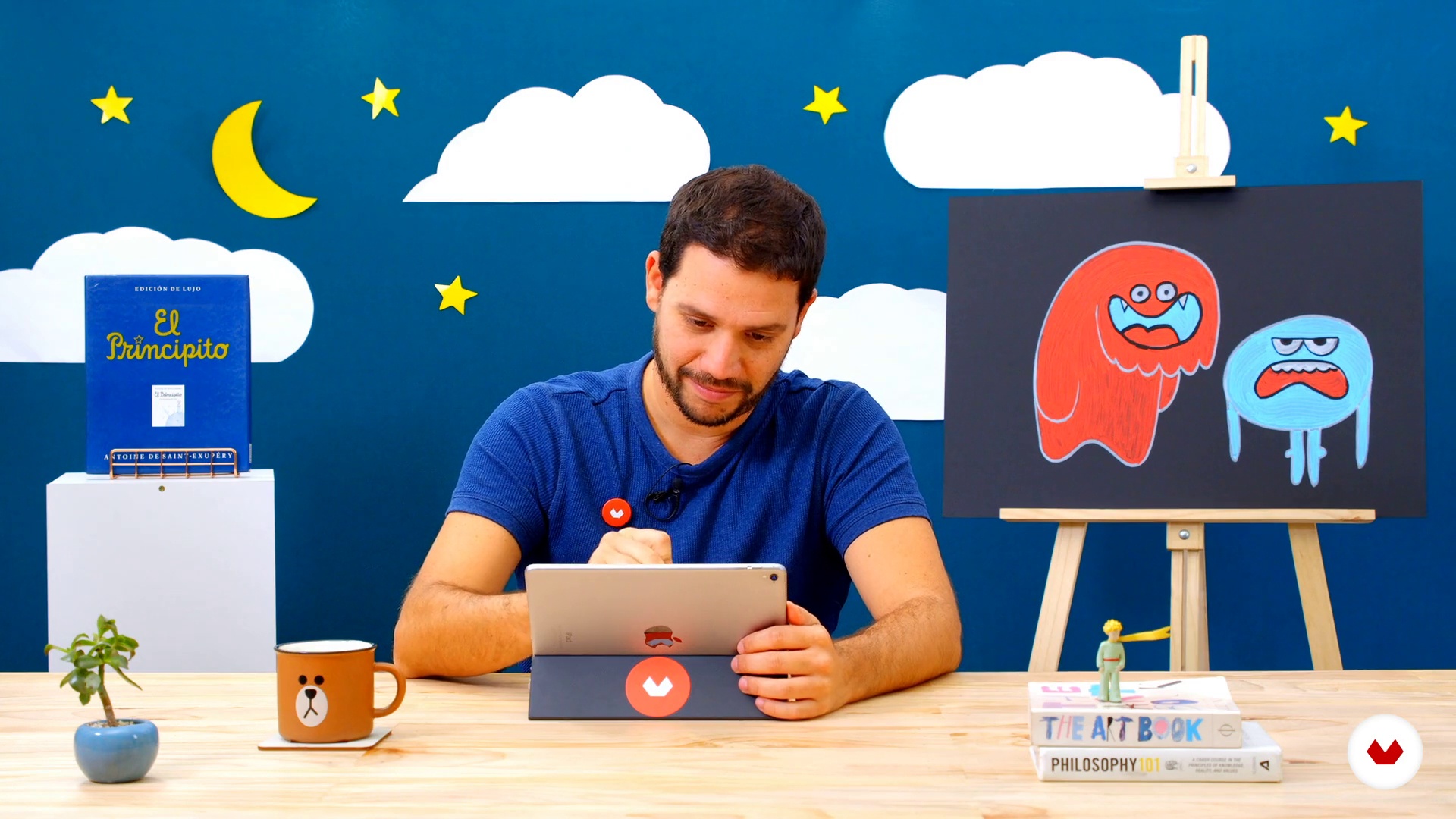
The protagonist's construction
7 minutes, 20 seconds
What's included in this course?
You will start by knowing Luigi, who will tell you more about his career directing, writing and producing cartoons. He will also talk to you about his influences and references in literature, film and animation.
You will learn the process of how an idea can become a great project, with investment and collaborators. For this it is necessary to create pitch with a great visual storytelling where you sell your idea with: history, graphic line and commercial viability.
Luigi will give you the keys to tell a good story and to reach the public; It will also show you how to set it in the pitch . But first, it will explain how to generate ideas and find inspiration.
You will carry out an exhaustive investigation phase where your ideas will turn around; They will charge personality and authenticity.
Hands on the script! You will learn to build your characters based on three axes: the physical, the socio-cultural and the psychological. Next, Luigi will show you how to create the thread of your story, what you are looking for and what your character should fight for. This fight will not be easy for him, so his arc of transformation must be seen.
Then, you will define the structure and acts of your story: presentation, knot and outcome. When you have it, you should ask yourself certain questions to see what you are telling.
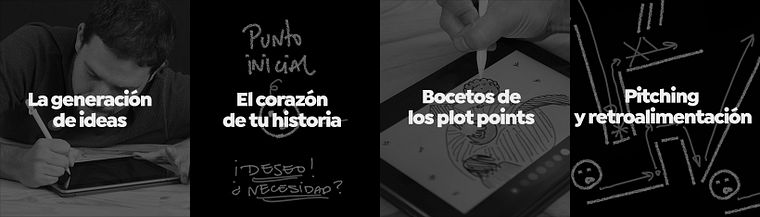
When you have your story written, the visual storytelling . You will make a sketch with each plot point . You must reduce it to ten drawings to pass it to the storyboard . Then you will see the steps to define the medium in which the product plans to be distributed.
Finally, you will see tips and aspects that you should contemplate in the pitch as your oral presentation, the rhythm it should have or how to tell the story.
What is this course's project?
You will develop a pitch of a well-structured story — beginning, middle and end — with a defined character. You will organize this storytelling in a series of simple bullet points and develop it to obtain the necessary feedback to continue.
Who is this online course for?
Anyone who has seen movies, series, be a fan of manga or cartoons and has been inspired to tell a story of their own.
Requirements and materials
You do not need any previous knowledge to take this course; just the desire to tell a story, whether personal or invented, realistic or fantasy, innocent or corrupt.
You will need pencil and paper or a graphics tablet and drawing software such as Adobe Photoshop, and some way to record your vignettes and your voice to tell the story. It can be through a screenshot or a video of your physical vignettes.

Reviews
- 6 months ago
Es un curso impecable, es lo que buscaba, me ayudo a resolver todas mis dudas y me siento afortunado de todo lo que aprendi, gracias profe, es un master.
- 2 years ago
Interesante curso.
- ervafPLUS3 years ago
Très intéressant et avec pleins d’idées qui m’ont servies…!
- 3 years ago
Me gustó mucho como transmite su conocimiento. Es un curso muy interesante y me mantuvo atenta e interesada en el curso desde la introducción.
- 4 years ago
Me gusto el curso

He has his own animation company, Polirama, along with his partner Mauricio. He wrote an award-winning script in Peru and Spain, Mochica, which is still in production. He also developed a preschool series called Ciudad Jardín, the first one in Peru. He currently works on another called Babi and Maiki, and another for a teenage audience called Ultraviolet.
Content
- U1
Presentation
- Presentation
- Influences
- What will we do during the course?
- U2
First steps of a project
- Why the pitch?
- The history pitch
- The generation of ideas
- The investigation
- U3
Your written story: the script
- The protagonist's construction
- The backbone of the story
- The arc of transformation
- The structure
- The three acts
- The heart of your story
- U4
Your visual story: the storyboard
- Sketches of the plot points
- Final storyboard
- U5
Your oral story: the pitch
- Project profile and dimension
- Graphic line
- Pitching and feedback
- FP
Final project
- Visual Storytelling for Animation Projects
What to expect from a Domestika course
Learn at your own pace
Enjoy learning from home without a set schedule and with an easy-to-follow method. You set your own pace.
Learn from the best professionals
Learn valuable methods and techniques explained by top experts in the creative sector.
Meet expert teachers
Each expert teaches what they do best, with clear guidelines, true passion, and professional insight in every lesson.
Certificates
PLUSIf you're a Plus member, get a custom certificate signed by your teacher for every course. Share it on your portfolio, social media, or wherever you like.
Get front-row seats
Videos of the highest quality, so you don't miss a single detail. With unlimited access, you can watch them as many times as you need to perfect your technique.
Share knowledge and ideas
Ask questions, request feedback, or offer solutions. Share your learning experience with other students in the community who are as passionate about creativity as you are.
Connect with a global creative community
The community is home to millions of people from around the world who are curious and passionate about exploring and expressing their creativity.
Watch professionally produced courses
Domestika curates its teacher roster and produces every course in-house to ensure a high-quality online learning experience.
FAQs
You’ll learn how to craft and structure animated stories, develop strong characters, design an effective pitch, and present creative projects to potential investors or collaborators using storytelling and visual techniques recognized in the industry.
Yes, the course is designed for people with an intermediate level who already have basic knowledge of animation or storytelling and want to deepen their skills in story creation and pitching for animated projects.
You don’t need to know how to draw or have advanced animation skills, but having basic knowledge of storytelling, film, or animation is recommended to get the most out of the course.
All you need is access to a computer, a notebook, basic drawing tools (digital or paper), and the enthusiasm to develop creative ideas and present them effectively.
The course teaches you how to build a compelling, well-structured pitch, condense visual and narrative ideas, and tailor your presentation to your target audience, boosting your chances of gaining support and funding.
Yes, you’ll learn how to design protagonists with physical, sociocultural, and psychological depth, create solid backstories, and distinguish between desires and needs to avoid cliché characters.
Yes, classic narrative structures are analyzed, including examples from Pixar and film references, so you can apply these principles to your own projects.