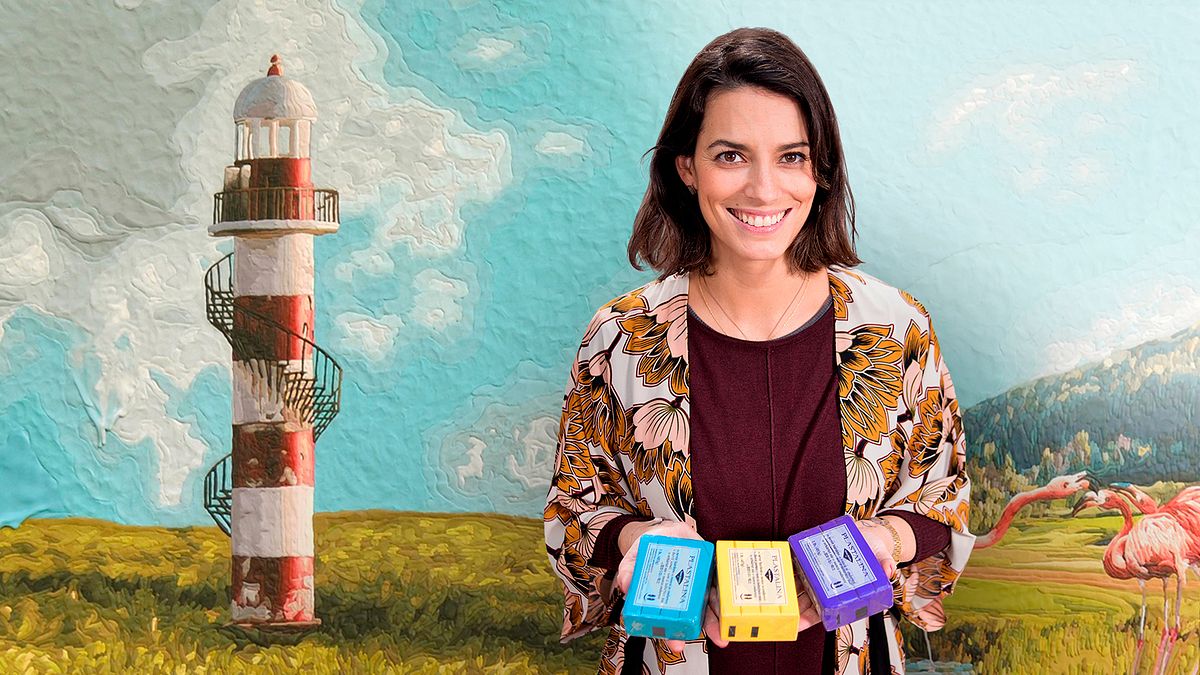
Introduction to Plasticine Painting
A course by Jacinta Besa GonzálezVisual Artist
A course by Jacinta Besa González, Visual Artist

Learn to paint with a versatile material that adds volume and texture to your work
You probably have experience painting with watercolors, acrylics, colored pencils, or even with aerosols, but have you ever painted with Plasticine?
In this online course, explore the properties of this exciting material with Chilean visual artist Jacinta Besa as she shows you how to use it to add rich color and volume to your illustrations.
What will you learn in this online course?
18 lessons & 15 downloads

The plasticine and its qualities
6 minutes, 22 seconds
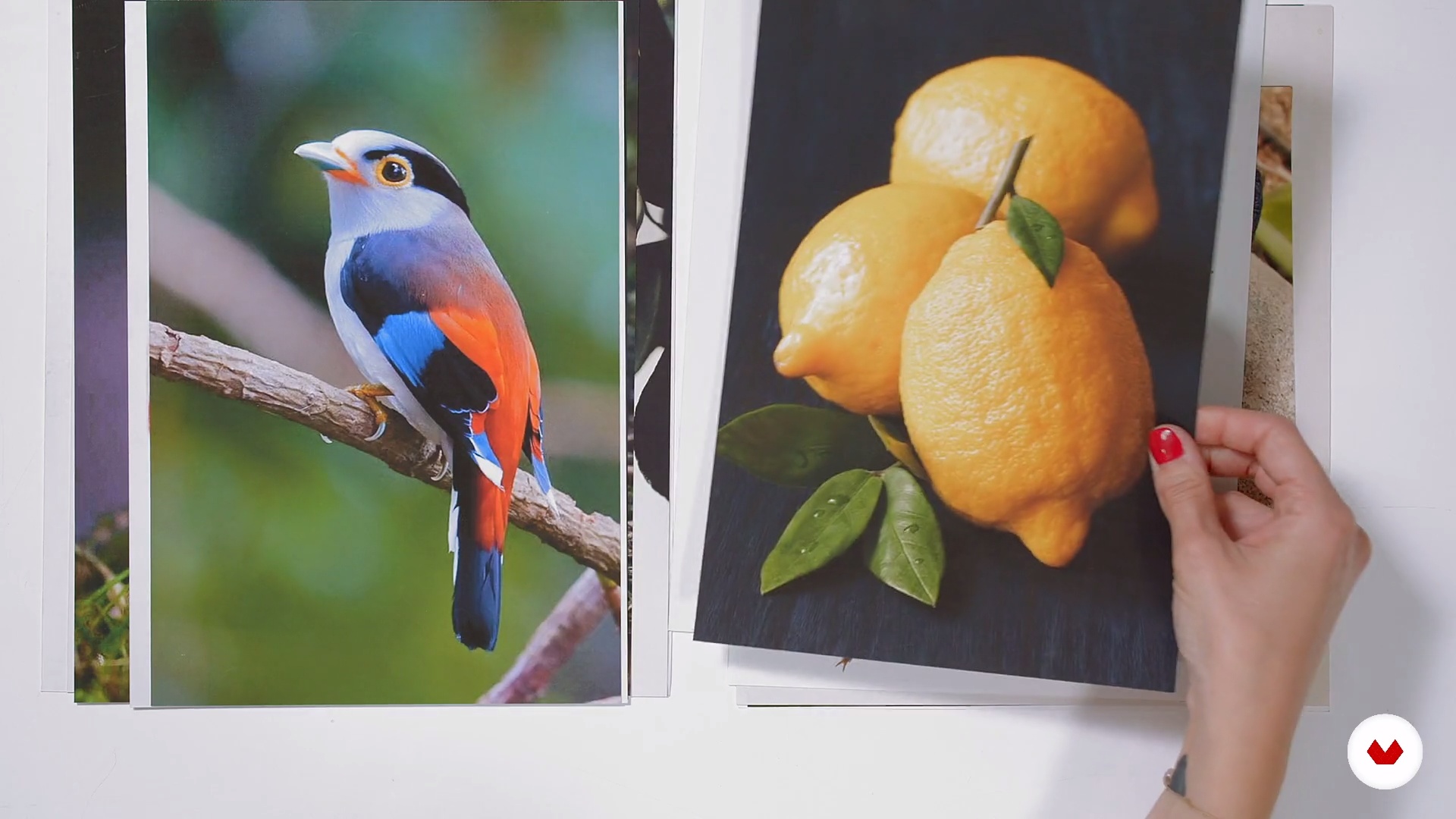
Choosing the model image
6 minutes, 4 seconds
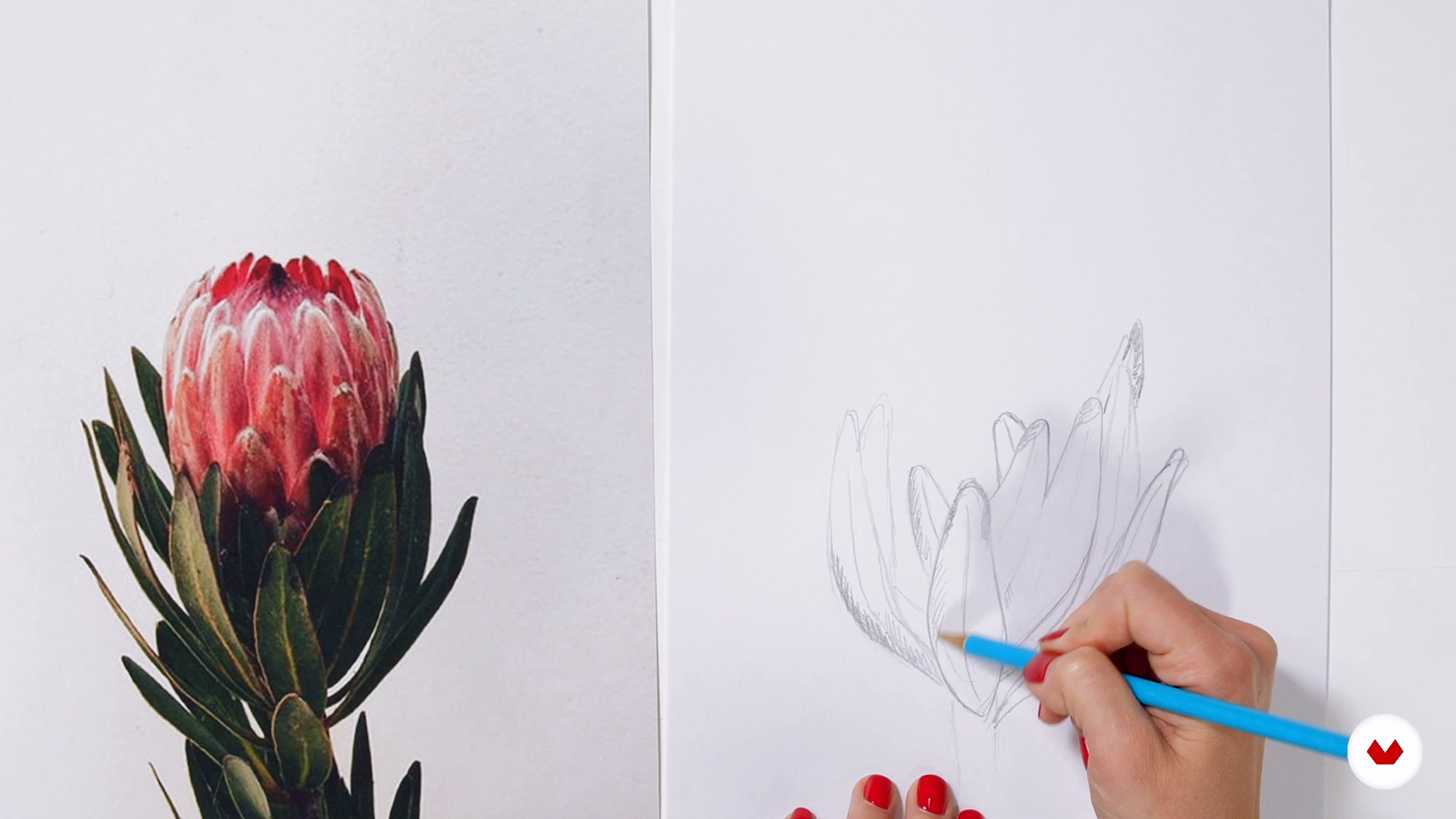
Drawing of our model
8 minutes, 48 seconds
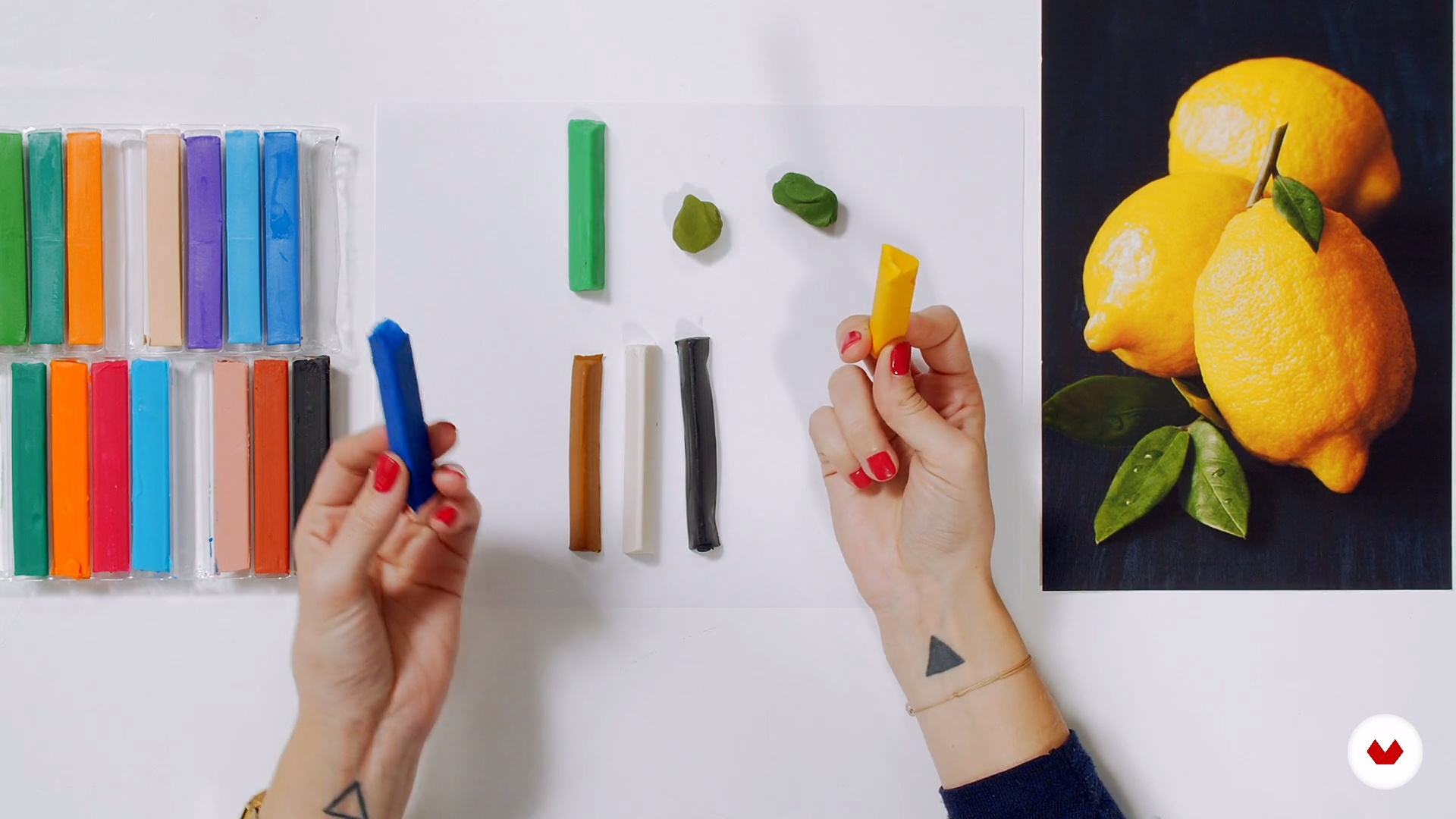
Color palette and volume exercises (part 1)
15 minutes, 5 seconds
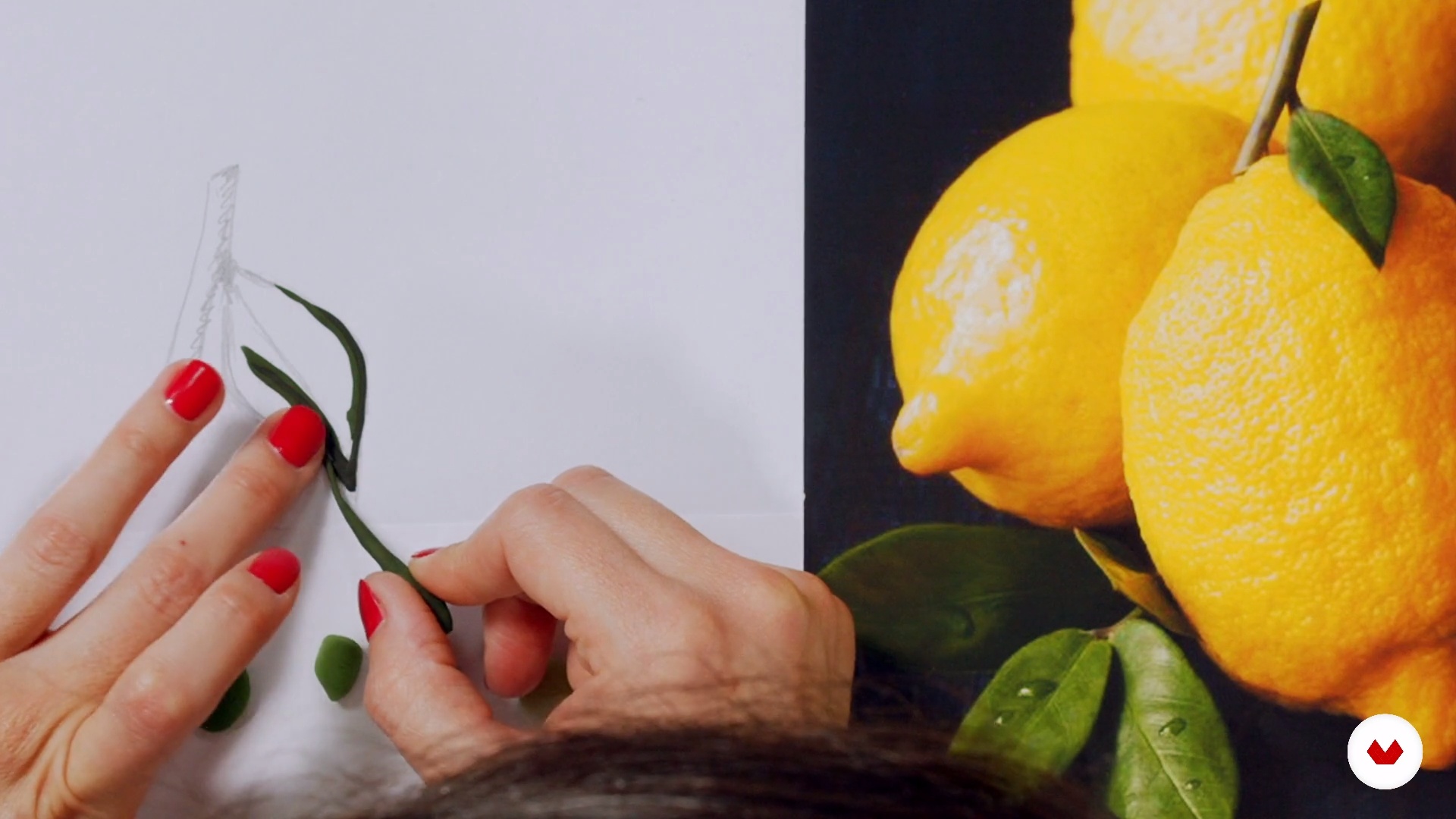
Color palette and volume exercises (part 2)
8 minutes, 3 seconds
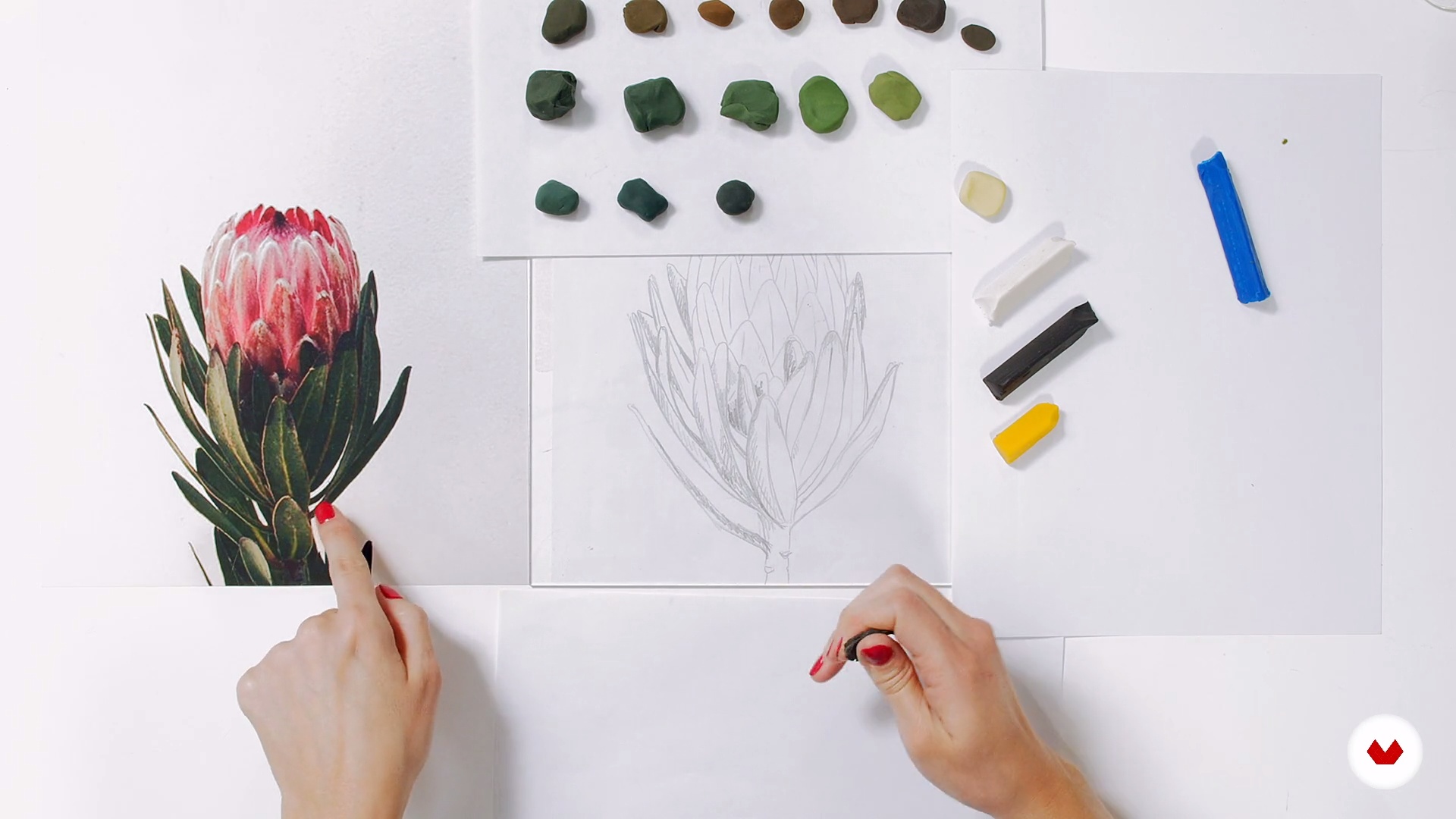
Work with green tones (part 1)
18 minutes, 31 seconds
What's included in this course?
Start by learning more about Jacinta, her career, her influences, and how Plasticine became a core part of her work.
Next, learn about this material and its qualities, how to mix it, and which surfaces to apply it on to optimize its properties. Jacinta then guides you in the process of choosing an image to work with before you draw it and start working with Plasticine.
Practice with volume and color exercises and explore warm and cool colors to enrich the chromatic range you work with. Then, prepare a color palette with Plasticine mixtures as the color basis for painting your model.
Follow Jacinta's steps as she shows you different techniques for painting with plasticine before applying them to your own model to complete your piece.
Once finished, Jacinta wraps up the course by offering tips for cleaning the surface framing your work.
What is this course's project?
Create a painting approximately 30 x 40 cm in size using Plasticine.
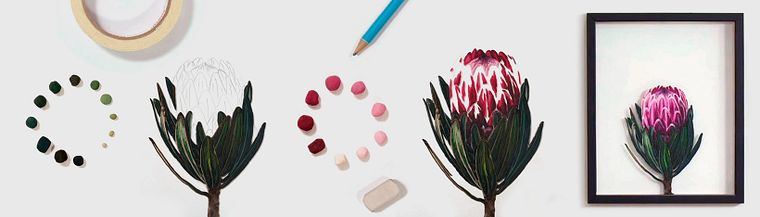
Projects by course students


Who is this online course for?
Artists, designers, embroiderers, and anyone who is interested in learning more about using an unconventional material to explore color.
Requirements and materials
No prior knowledge is necessary.
As for materials, you need sheets of paper, a pencil, an eraser, masking tape, a clear acrylic sheet for the frame, Plasticine (at least two boxes), and absorbent paper.
Reviews
- 5 months ago
Me ha parecido una técnica muy novedosa y me ha gustado mucho como explicaba la teoría del color. Un curso especial y muy innovador.
- 5 months ago
Otra nueva forma de pintar, me gusto el curso Jacinta Besa, gracias por compartir tus conocimientos y experiencias. Saludos
- 11 months ago
muy adecuado para trabajar con plastilina, excelente maestra.
- 1 year ago
Excelente curso, me encanto la claridad con que se dio el paso a paso.
- 2 years ago
Un curso muy bonito...me encanta el efecto de relieve tan expresivo así como los matices de color que se consiguen... Muy buena explicación y demostración de la técnica por parte de Jacinta... Supone un trabajo minucioso pero a la vez relajante...un gran acierto !!!

Her work is extremely varied. Some pieces are two-dimensional and completely made of Plasticine, others use a transparency as a support to project the shadow of the piece onto the wall, and some even combine photography with Plasticine.
She also develops installations with objects that are previously submerged in melted plasticine, and these pieces have been exhibited in galleries, cultural centers, biennials, museums, and fairs in Chile and abroad.
Content
- U1
Introduction
- Presentation
- Influences
- What will we do in this course?
- U2
Materials, uses and preparation
- The plasticine and its qualities
- Choosing the model image
- Drawing of our model
- Color palette and volume exercises (part 1)
- Color palette and volume exercises (part 2)
- Ways to paint with plasticine
- U3
We started to paint!
- Work with green tones (part 1)
- Work with green tones (part 2)
- Work with green tones (part 3)
- Working with pink tones (part 1)
- Working with pink tones (part 2)
- Working with pink tones (part 3)
- Touch up of the work
- U4
Final process
- Cleaning the matrix
- Framing the work
- FP
Final project
- Introduction to plasticine paint
What to expect from a Domestika course
Learn at your own pace
Enjoy learning from home without a set schedule and with an easy-to-follow method. You set your own pace.
Learn from the best professionals
Learn valuable methods and techniques explained by top experts in the creative sector.
Meet expert teachers
Each expert teaches what they do best, with clear guidelines, true passion, and professional insight in every lesson.
Certificates
PLUSIf you're a Plus member, get a custom certificate signed by your teacher for every course. Share it on your portfolio, social media, or wherever you like.
Get front-row seats
Videos of the highest quality, so you don't miss a single detail. With unlimited access, you can watch them as many times as you need to perfect your technique.
Share knowledge and ideas
Ask questions, request feedback, or offer solutions. Share your learning experience with other students in the community who are as passionate about creativity as you are.
Connect with a global creative community
The community is home to millions of people from around the world who are curious and passionate about exploring and expressing their creativity.
Watch professionally produced courses
Domestika curates its teacher roster and produces every course in-house to ensure a high-quality online learning experience.
FAQs
You’ll learn how to blend colors, create volume, textures, and shadows, as well as model and paint complex visual compositions using clay on various surfaces.
The course is intermediate level, perfect for those with basic art or modeling knowledge who want to deepen their skills with specific clay techniques.
You’ll need clay in various colors, an acrylic base or support surface, modeling tools, a small knife, a spatula, and cleaning materials.
You combine different colored clays and knead them until you get the desired uniformity, adjusting with white, black, or complementary colors to achieve realistic shades.
Techniques taught include rolling, color blocking, building volume, texturing, shading, gradients, and managing color palettes to create painterly and three-dimensional effects.
Plasticine is more versatile and durable for art, allowing better control over mixing colors and textures, while Play-Doh is softer and less suited for fine details or long-term preservation.
You achieve volume by applying color areas, blending light and shadow, and using gradient and layering techniques to simulate 3D effects on flat surfaces.