
3D Portraits with Paper Layers
A course by Ale RambarVisual Artist
A course by Ale Rambar, Visual Artist

Learn to use paper to create three-dimensional compositions with topographical techniques
What would human bodies be like if we transformed them into a topographic map? Costa Rican architect and visual artist, Ale Rambar, discovered an innovative form of expression in the topographic technique. Using layers of paper, he crafts portraits and sculptures of the human body to address topics about gender equality, tolerance, and respect for the environment. His work was used by the Costa Rican Olympic team at the 2016 Rio de Janeiro Olympics, and he designed the EU Award for Gender Equality Champions in Costa Rica. He was also selected to represent his country at the Beijing International Art Biennale.
In this online course, learn to create a portrait with volume using layers of paper. See how to calculate and cut each layer before assembling and painting them to build a work of art with relief. By the end, you'll be able to apply this versatile technique to make models, lettering pieces, illustrations, and any kind of 3D art you can imagine.
What will you learn in this online course?
14 lessons & 9 downloads
What will we do during the course?
1 minute, 32 seconds
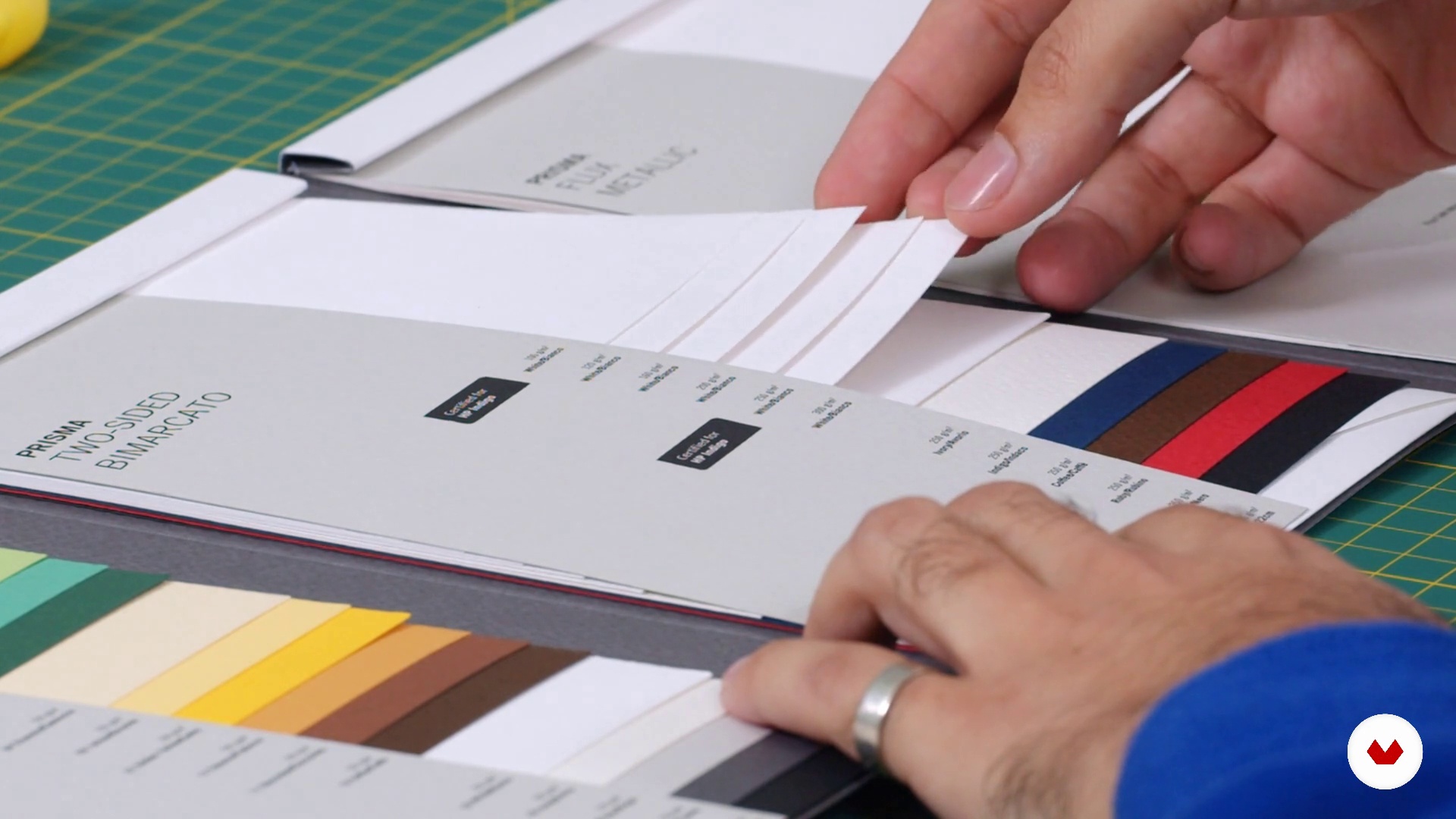
All on paper
8 minutes, 25 seconds
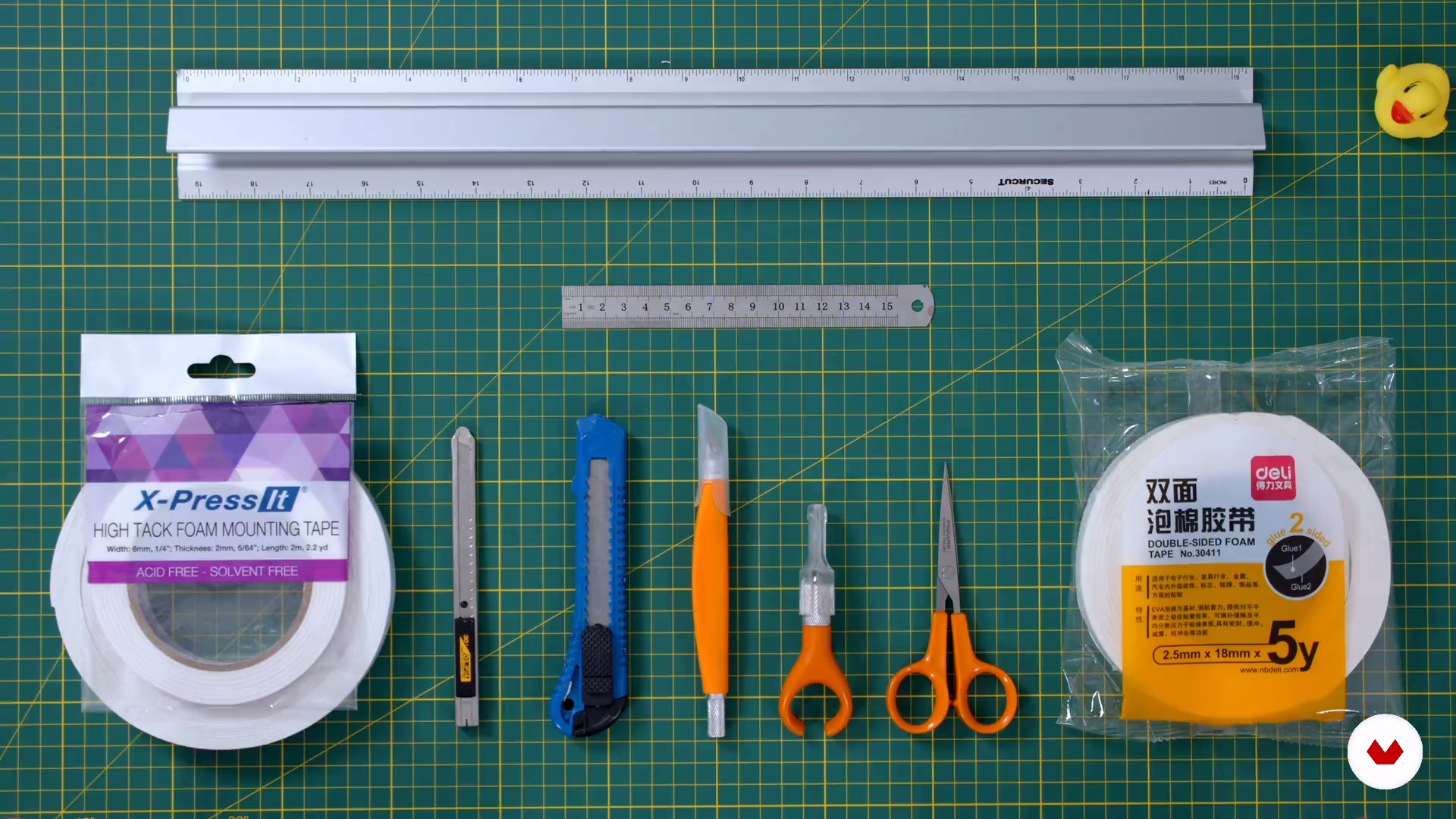
Tools: cutting and pasting
6 minutes, 14 seconds
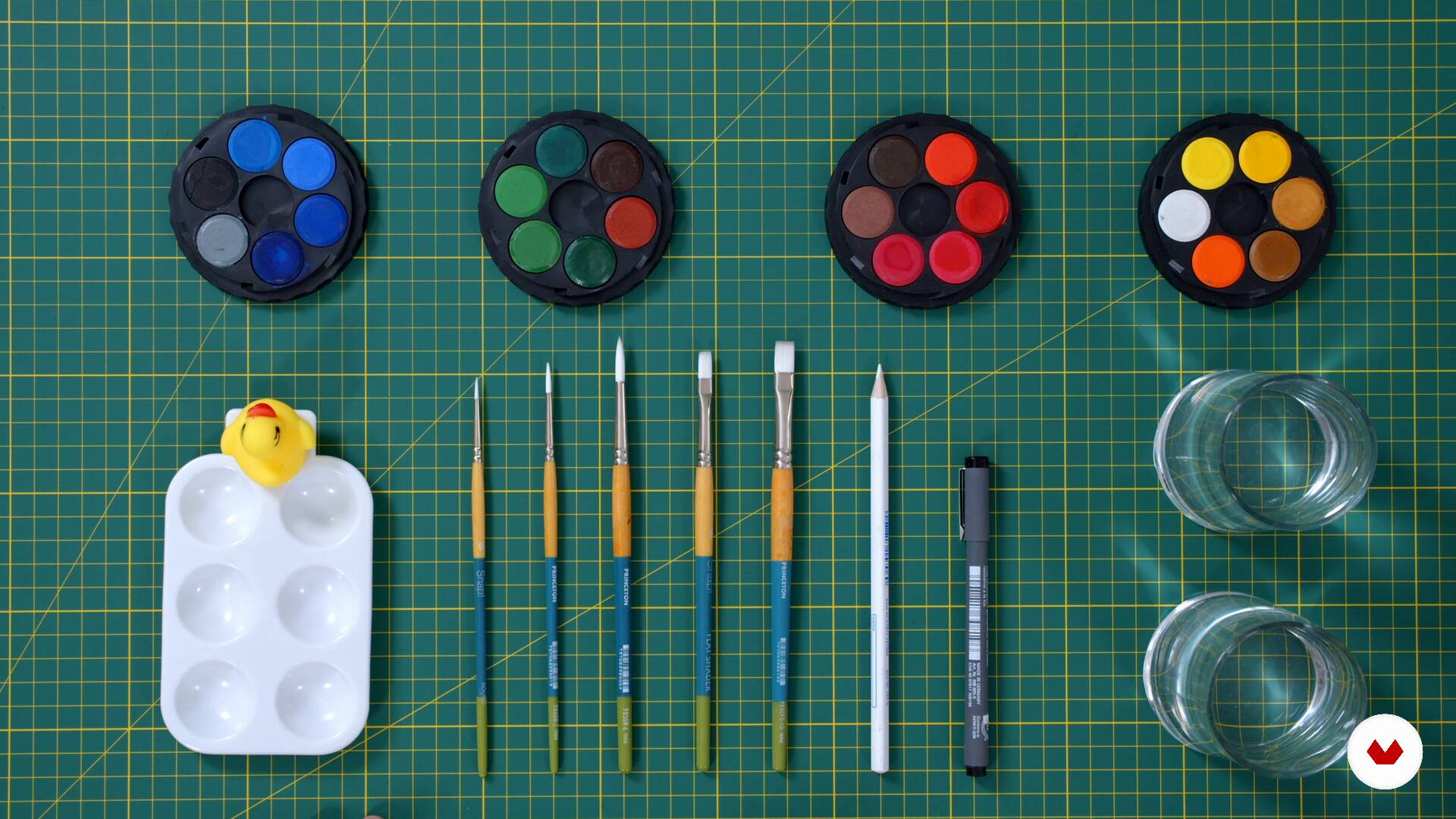
Materials: watercolor
2 minutes, 32 seconds
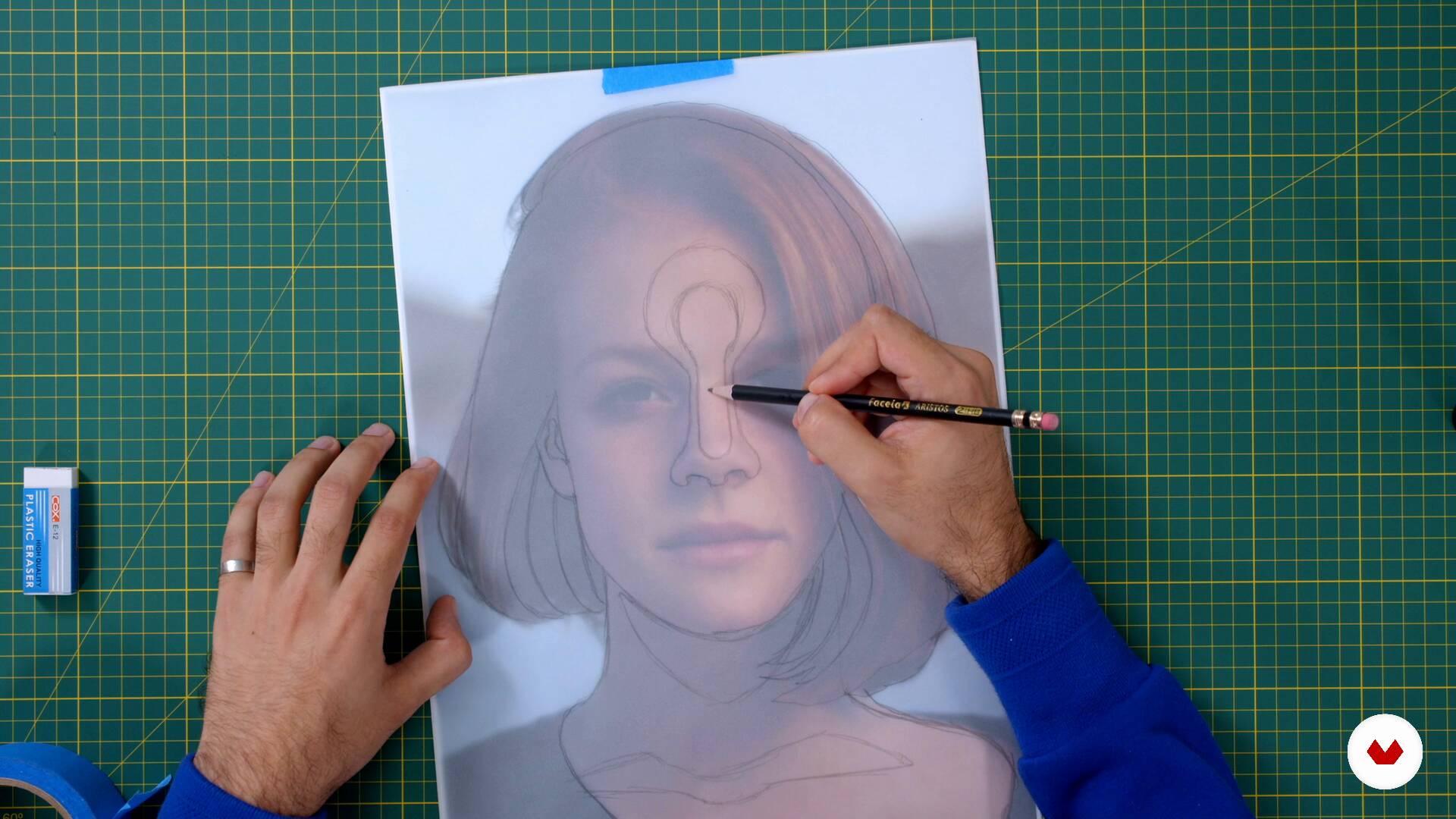
Drawing of the work (part 1)
16 minutes, 56 seconds
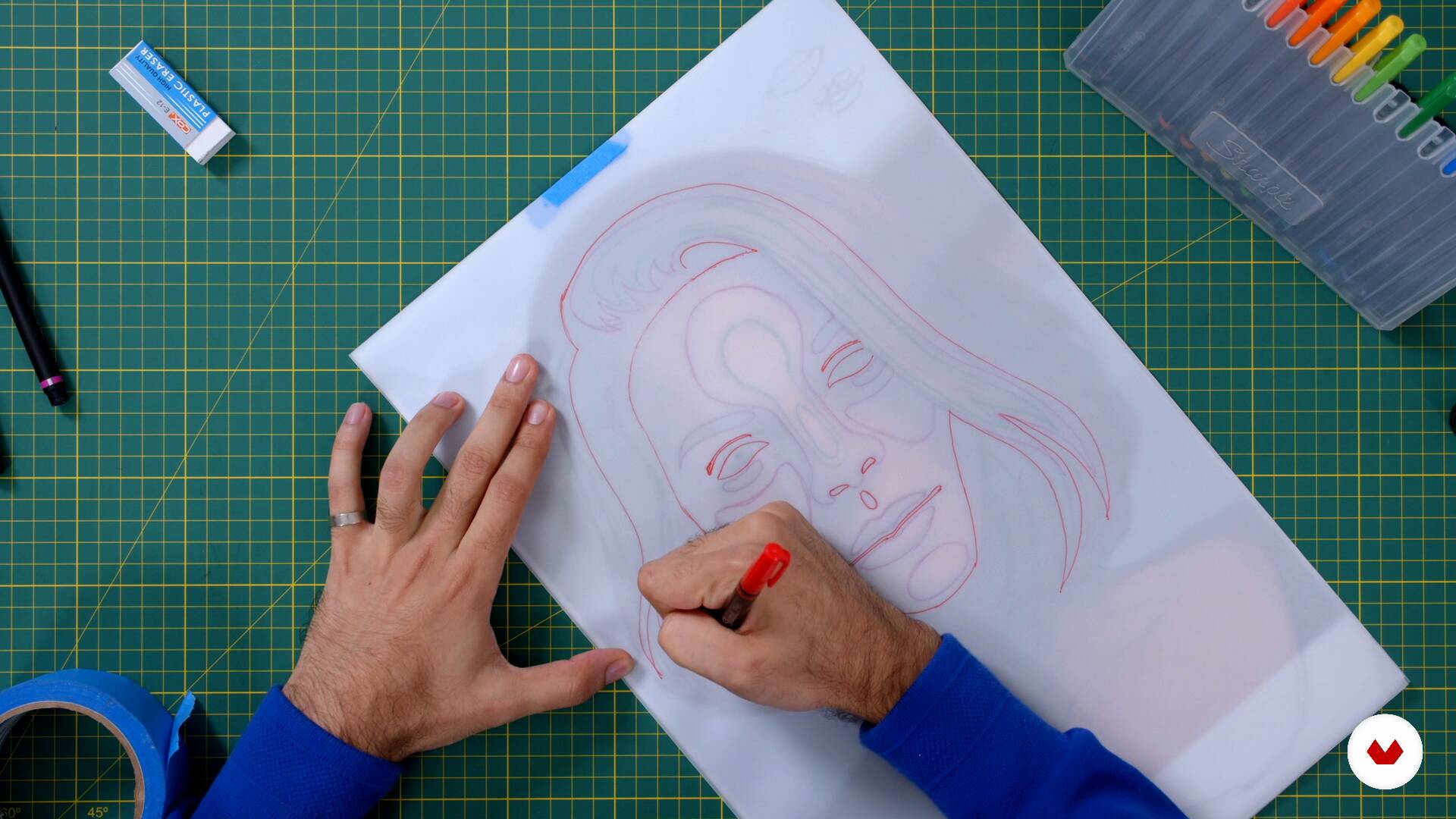
Drawing of the work (part 2)
12 minutes, 51 seconds
What's included in this course?
Begin the course by getting to know Ale Rambar and how he found inspiration for his art in topographic maps, depicting the human body as if it were terrain. See some of his most notable projects and biggest influences, from designers to architects and artists.
Take an in-depth look at the materials you need to create your three-dimensional work of paper art. Ale covers the ideal paper types and the best features of each before showing you cutting and pasting tools, as well as paints, in this case, watercolors.
Time to bring your project to life. Trace a sketch of your portrait using a reference photograph and transfer the outline to the final paper to create the 3D version.
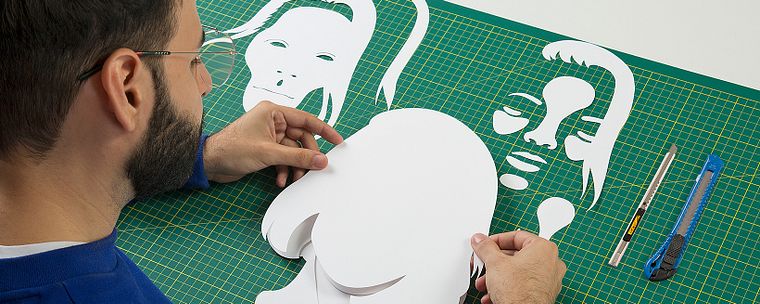
Next, cut out your layers one by one and assemble them using double-sided tape. As the last step, add details in watercolor to give your paper sculpture a vibrant personality.
Once you have finished, Ale shows you how to frame your work. Explore frame options and discover how to transform a normal frame into one with depth using foam board and other basic materials.
To wrap up the course, Ale shares tips about how to care for your piece to keep both the paper and watercolors looking new for years to come.
What is this course's project?
Plan, design and create a 45 x 45 cm three-dimensional composition using layers of paper cut and painted by hand.
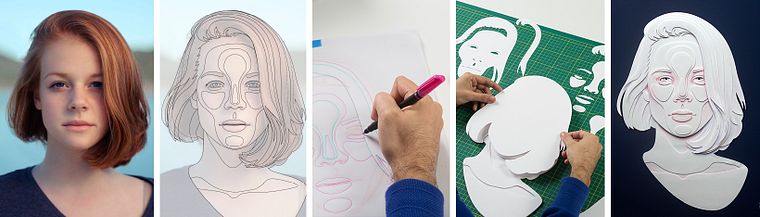
Projects by course students


Who is this online course for?
Artists, designers, illustrators, architects, and anyone interested in creating artwork with layers of paper.
Requirements and materials
No previous knowledge is required, but any experience with serial planes or Adobe Illustrator will be helpful.
As for materials, you need watercolor paper, parchment paper and cardboard, graphite and colored pencils, colored pens, markers, brushes, watercolors, scalpels, scissors and a cutter, and double-sided tape or different kinds of glue.
Reviews
- 5 months ago
It was a very interesting course! It proves how versatile paper and cardboard are. It was fascinating to see how the artist creates his portraits, how he uses different layers to achieve depth and likeness. A very creative and unique style!
- 1 year ago
I absolutely love this course and highly recommend it to anyone who wants to create intentional, well-planned designs. It really takes the stress out of being a beginner when working with paper. I’m so happy I purchased this course. Thank you, Ale! — S.
- 1 year ago
muy buen curso!
- 2 years ago
Un curso muy especial que me disfruté mucho. Ale Rambar guía y explica detalladamente cada paso con esta idea tan innovadora de crear grandes obras de arte con papel. Sólo puedo recomendar el curso a todos los artistas creativos.
- 2 years ago
exclente curso!

Just as a surveyor would analyze mountains, valleys, or rivers, he creates his artwork by analyzing human bodies topographically. Each piece is cut separately, layer by layer, and then assembled by hand—a visual representation to address topics such as tolerance and respect.
Content
- U1
Introduction
- Hello, my name is Ale!
- My artistic work
- What will we do during the course?
- U2
Materials and tools
- All on paper
- Tools: cutting and pasting
- Materials: watercolor
- U3
Creation of the work
- Drawing of the work (part 1)
- Drawing of the work (part 2)
- Traced on paper
- Paper cut
- Bonding the layers
- U4
Conservation of the work
- Painting your work (part 1)
- Painting your work (part 2)
- Bonus track: Framed
- FP
Final project
- 3D portraits with paper layers
What to expect from a Domestika course
Learn at your own pace
Enjoy learning from home without a set schedule and with an easy-to-follow method. You set your own pace.
Learn from the best professionals
Learn valuable methods and techniques explained by top experts in the creative sector.
Meet expert teachers
Each expert teaches what they do best, with clear guidelines, true passion, and professional insight in every lesson.
Certificates
PLUSIf you're a Plus member, get a custom certificate signed by your teacher for every course. Share it on your portfolio, social media, or wherever you like.
Get front-row seats
Videos of the highest quality, so you don't miss a single detail. With unlimited access, you can watch them as many times as you need to perfect your technique.
Share knowledge and ideas
Ask questions, request feedback, or offer solutions. Share your learning experience with other students in the community who are as passionate about creativity as you are.
Connect with a global creative community
The community is home to millions of people from around the world who are curious and passionate about exploring and expressing their creativity.
Watch professionally produced courses
Domestika curates its teacher roster and produces every course in-house to ensure a high-quality online learning experience.
FAQs
You’ll learn to create three-dimensional paper artworks inspired by topographic maps and architectural techniques, using watercolor, precise cutting, layered composition, and professional preservation methods.
This is an intermediate-level course, ideal if you have basic art or papercraft knowledge, but you don’t need advanced experience with three-dimensional paper techniques.
You’ll need papers of various weights, a craft knife, scalpel, cutting mat, brushes, watercolors, acid-free adhesives, and double-sided tape. Avoid standard bond paper and opt for art board for better durability.
You’ll master manual cutting techniques with craft knives and scalpels, handling curves and fine details, sequential layering assembly, and alternate gluing methods to strengthen the 3D structure.
The course explores using topographic maps and architecture as inspiration to create curved lines, volumes, and three-dimensional compositions, integrating spatial and movement concepts into your work.
It’s recommended to use heavy, acid-free papers like watercolor paper or presentation board to ensure strength, durability, and good response to mixed media techniques.
You’ll learn how to choose acid-free materials, apply proper framing techniques, and take steps to protect your artworks from moisture, light, and environmental pollutants.